










Thinking about getting in shape and maybe shedding a few pounds? You might have heard about rebounding, which is basically jumping on a mini-trampoline. It's getting a lot of buzz as a way to get fit, and people are definitely talking about it for weight loss with mini trampoline. But does all that bouncing really help you lose weight? We're going to break down what rebounding for weight loss is all about, how it helps burn calories, and how you can make it work for you as part of a bigger plan. It's more than just jumping; it's about understanding the whole picture.
Key Takeaways
- Using a mini-trampoline for exercise, known as rebounding, can help burn calories and contribute to weight loss. It's a gentle way to get your heart rate up.
- The main way rebounding aids weight loss is by burning calories. The more intense and longer you bounce, the more calories you burn, which helps create a calorie deficit.
- To see results from weight loss with mini trampoline, consistency is really important. Doing it regularly, even daily, is more effective than doing it just now and then.
- Rebounding works best when it's part of a larger plan. You should also think about what you eat and consider adding strength training to build muscle, which helps burn more calories.
- Always be safe when you rebound. Warm up first, keep good posture, and listen to your body. If you have health issues, it's a good idea to talk to a doctor before you start.
Understanding Rebounding For Weight Loss

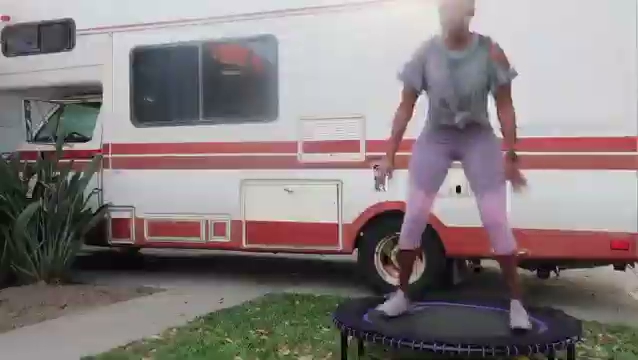
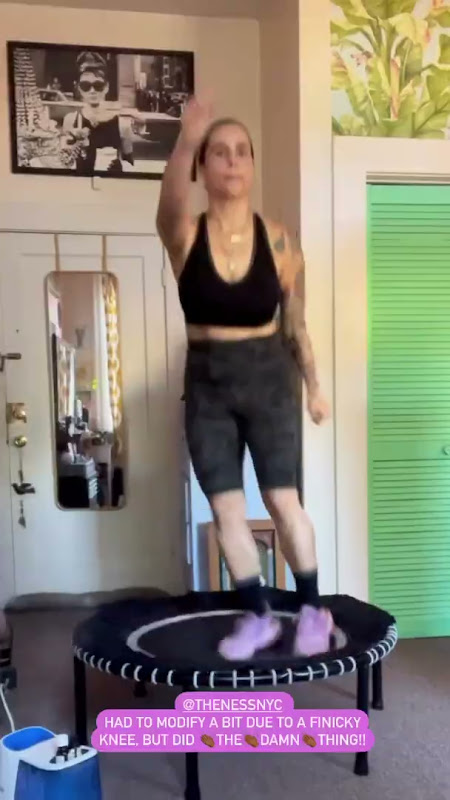
So, you've seen those mini-trampolines around, right? Maybe at the gym or a friend's house. That's what we're talking about when we say rebounding. Basically, it's just jumping on one of these small trampolines. It's a type of cardio workout that's pretty easy on your joints, unlike running on hard surfaces. These aren't the giant trampolines you see at parks; they're usually just for one person and are great for indoor use. The neat thing about rebounding is that almost anyone can do it, no matter their fitness level. It's not just about bouncing up and down; you can do all sorts of moves, from simple jumps to more complex aerobic routines. Because the landing is soft, it's much kinder to your knees and ankles. People are starting to notice it because it's a fun way to get your heart rate up, improve your fitness, and, yes, it can help with losing weight.
What Is Rebounding?
Rebounding is simply the act of exercising on a mini-trampoline. It's a low-impact cardio activity, meaning it's gentler on your body, especially your joints, compared to high-impact exercises like running on pavement. These compact trampolines are designed for individual use and are perfect for home workouts. The beauty of rebounding lies in its accessibility; people of all fitness levels can participate. You can perform a variety of movements, from basic bouncing to more dynamic aerobic routines, all while benefiting from the cushioned landing.
The Science Behind Weight Loss
Before we get too far into rebounding, let's quickly cover how weight loss actually works. It's pretty simple: you lose weight when you burn more calories than you eat. This is called a calorie deficit. If you consistently eat fewer calories than your body uses for daily activities and exercise, your body will start using stored fat for energy, and that leads to weight loss. It’s not complicated; it’s basic energy balance. Think of it like a bank account – if you spend more than you deposit, your balance goes down. Achieving a calorie deficit is the core principle of shedding unwanted pounds.
Weight loss is a journey that requires a consistent effort to balance energy intake with energy expenditure. Rebounding can be a significant contributor to increasing your energy expenditure.
Rebounding's Role in Calorie Burning
Rebounding fits into this calorie deficit idea by increasing the number of calories you burn. When you jump on a rebounder, your muscles are working, your heart rate goes up, and your body uses energy. The number of calories you burn can change based on a few things:
- Your Weight: Heavier individuals generally burn more calories doing the same activity.
- Intensity: How hard you're bouncing makes a big difference. Faster, higher bounces burn more calories.
- Duration: The longer you bounce, the more calories you'll burn.
Here's a general idea of calorie burn, though individual results will vary:
| Activity Level | Calories Burned Per Hour (Approximate) |
|---|---|
| Low Intensity | 200-300 |
| Medium Intensity | 300-500 |
| High Intensity | 500-700+ |
This makes weight loss rebounding a really effective tool for increasing your daily calorie expenditure, which is key for creating that necessary deficit.
Maximizing Your Weight Loss with Mini Trampoline Workouts
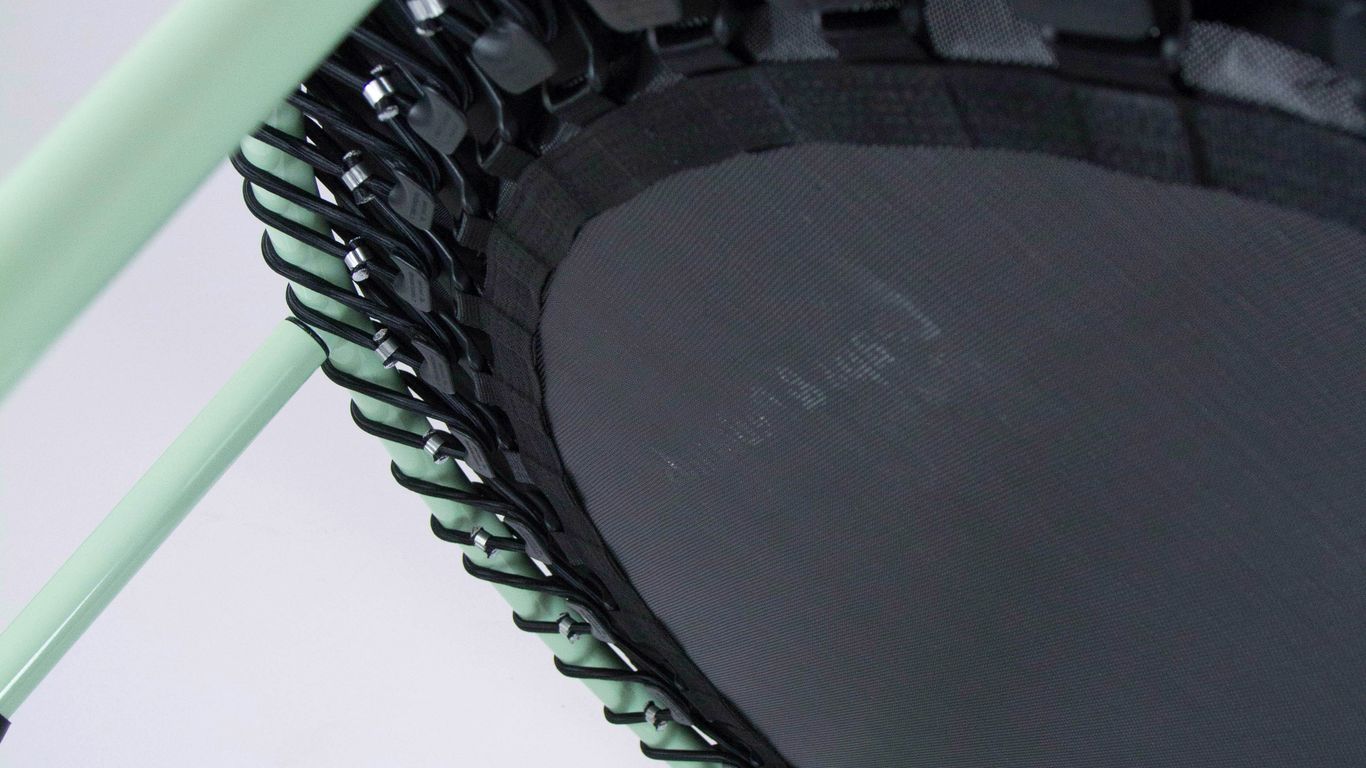
So, you've got your mini trampoline and you're ready to bounce your way to a healthier you. That's fantastic! But if you're really aiming to shed those extra pounds and see some lasting changes, just hopping on for a few minutes here and there might not be enough. Think of your mini trampoline as a super fun tool in your weight loss kit, not the whole kit itself. To get the most out of it, you need to be smart about how you use it.
Calorie Burn Potential of Rebounding
Let's talk numbers for a second. Rebounding is a great way to burn calories, and the more you do it, the more you'll burn. It's pretty straightforward: the longer and more intensely you bounce, the more energy your body uses. This calorie burn is what helps create that all-important calorie deficit needed for weight loss. It's a low-impact cardio workout, which means it's easier on your joints than running, but it still gets your heart rate up and your metabolism working.
Here's a rough idea of what you might burn, though remember this can change based on your weight, the intensity of your bounce, and how long you go:
| Activity Level | Calories Burned Per Hour (Approx.) |
|---|---|
| Gentle Bounce | 200-300 |
| Moderate Bounce | 300-500 |
| Vigorous Bounce | 500-800+ |
Remember, these are just estimates. The real magic happens when you push yourself a little bit each session.
Consistency is Key for Results
This is probably the most important part. You can have the most intense workout session ever, but if you only do it once a week, you're not going to see the kind of results you're hoping for. Regularity is what makes rebounding a powerful ally in your weight loss journey. Aim to get on your trampoline most days of the week, even if it's just for 10-15 minutes on some days. Building this habit means your body is constantly working towards your goals, rather than just getting a shock every now and then. It's like watering a plant; a little bit every day makes it grow, while a flood once a month doesn't do much.
Varying Your Rebounding Routine
Doing the same thing every single time can get boring, right? Plus, your body is smart; it adapts. If you always do the same bounce, your body will get really efficient at it, and you might not burn as many calories as you used to. So, mix it up! Try different types of bounces, add some arm movements, or even try some simple exercises while you bounce. You could try jogging in place, bringing your knees up high, or even doing some gentle twists. This keeps your body guessing and challenges different muscles, making your workouts more effective and a lot more fun. You can find tons of ideas online for different rebounding exercises to keep things fresh.
Don't be afraid to get a little creative with your bouncing. Think about adding in some simple movements like marching in place, kicking your legs out, or even incorporating some light hand weights if you're feeling adventurous. The goal is to keep your body engaged and challenged, preventing plateaus and making your workout something you actually look forward to.
By focusing on how much you burn, staying consistent, and keeping your workouts interesting, you'll be well on your way to maximizing the benefits of your mini trampoline for weight loss.
Integrating Rebounding into a Holistic Weight Loss Plan
So, you're getting into rebounding and seeing some good results. That's awesome! But if you're really serious about shedding pounds and keeping them off, just jumping on the trampoline isn't going to cut it on its own. Think of rebounding as a super effective tool in your weight loss toolbox, not the whole toolbox itself. To really make progress, you've got to build a plan that covers all the bases.
The Importance of Diet and Nutrition
Let's be real, you can't out-jump a bad diet. Weight loss boils down to burning more calories than you eat. Rebounding helps with the burning part, but you've got to manage the eating part too. It's not about starving yourself, though. It's about making smarter food choices. Swapping out sugary drinks for water is a simple win. Loading up on veggies and high-fiber foods helps you feel full without packing in tons of calories. Sometimes, just changing what you eat, not necessarily how much, can make a big difference. If you're feeling lost, talking to a registered dietitian can really help figure out what foods work best for you and create a healthy diet plan.
The Role of Strength Training
Okay, so you're bouncing away, getting your cardio fix. Great! But what about building muscle? Strength training is your secret weapon here. Muscle tissue burns more calories even when you're just sitting around, compared to fat. So, the more muscle you have, the higher your metabolism. Adding some basic weightlifting, bodyweight exercises, or resistance bands a couple of times a week can really boost your calorie-burning potential over the long haul. It's not about getting bulky unless you want to; it's about building a more efficient body.
Balancing Rebounding with Other Activities
While rebounding is fantastic, variety is the spice of life, and it's good for your body too. Don't feel like you have to rebound every single day for hours. Mix it up! Maybe do some longer, moderate rebounding sessions a few times a week, and then throw in some high-intensity interval training on the rebounder on other days. On your 'off' days from the trampoline, consider going for a walk, swimming, or doing some yoga. This keeps your body guessing, prevents boredom, and works different muscle groups. It also helps avoid burnout and makes your weight loss journey more sustainable.
Remember, the goal is to create a lifestyle change, not just a temporary fix. Combining smart eating, consistent exercise like rebounding, and strength training will give you the best shot at reaching your weight loss goals and keeping the weight off for good.
Safety and Best Practices for Rebounding
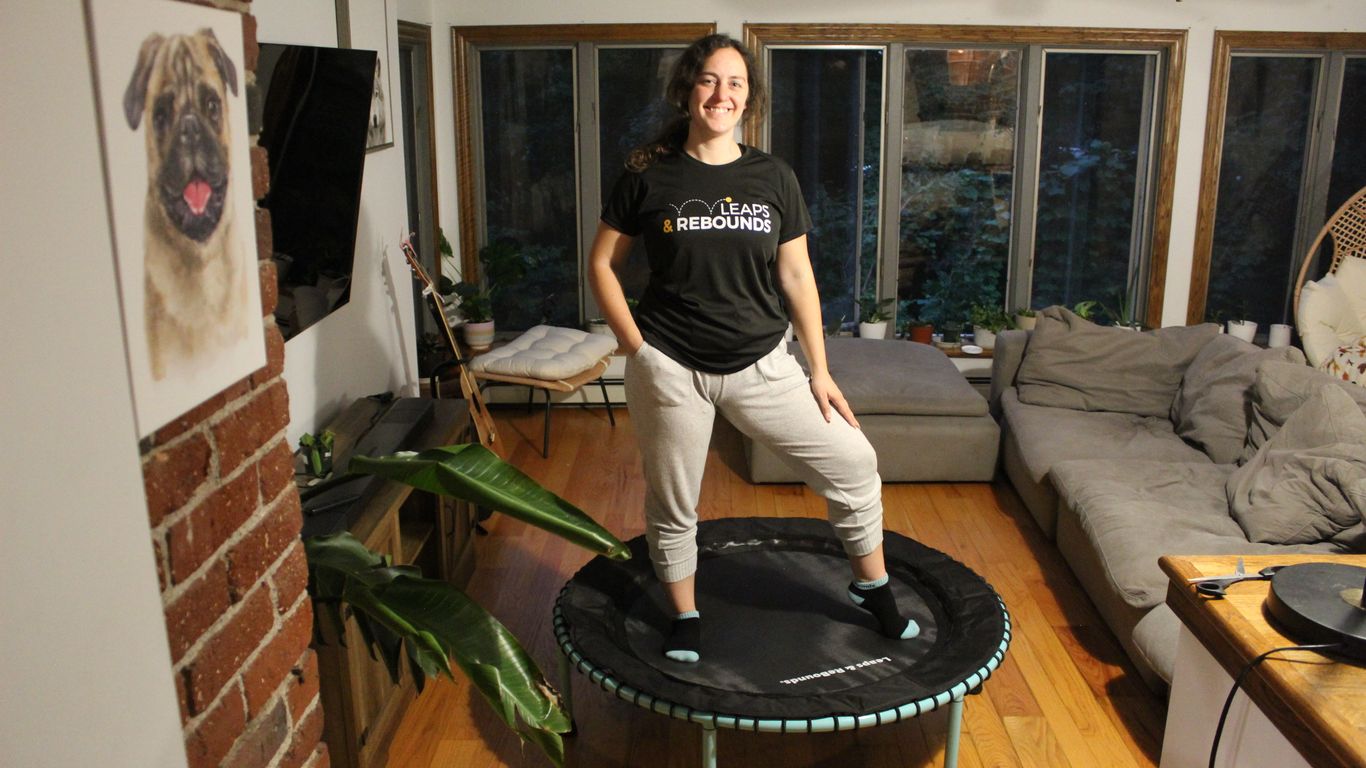
Jumping on a mini trampoline is a blast, but like any activity, doing it safely is super important so you can keep at it without any issues. It’s not just about getting a good sweat; it’s about doing it the right way.
Proper Form and Posture
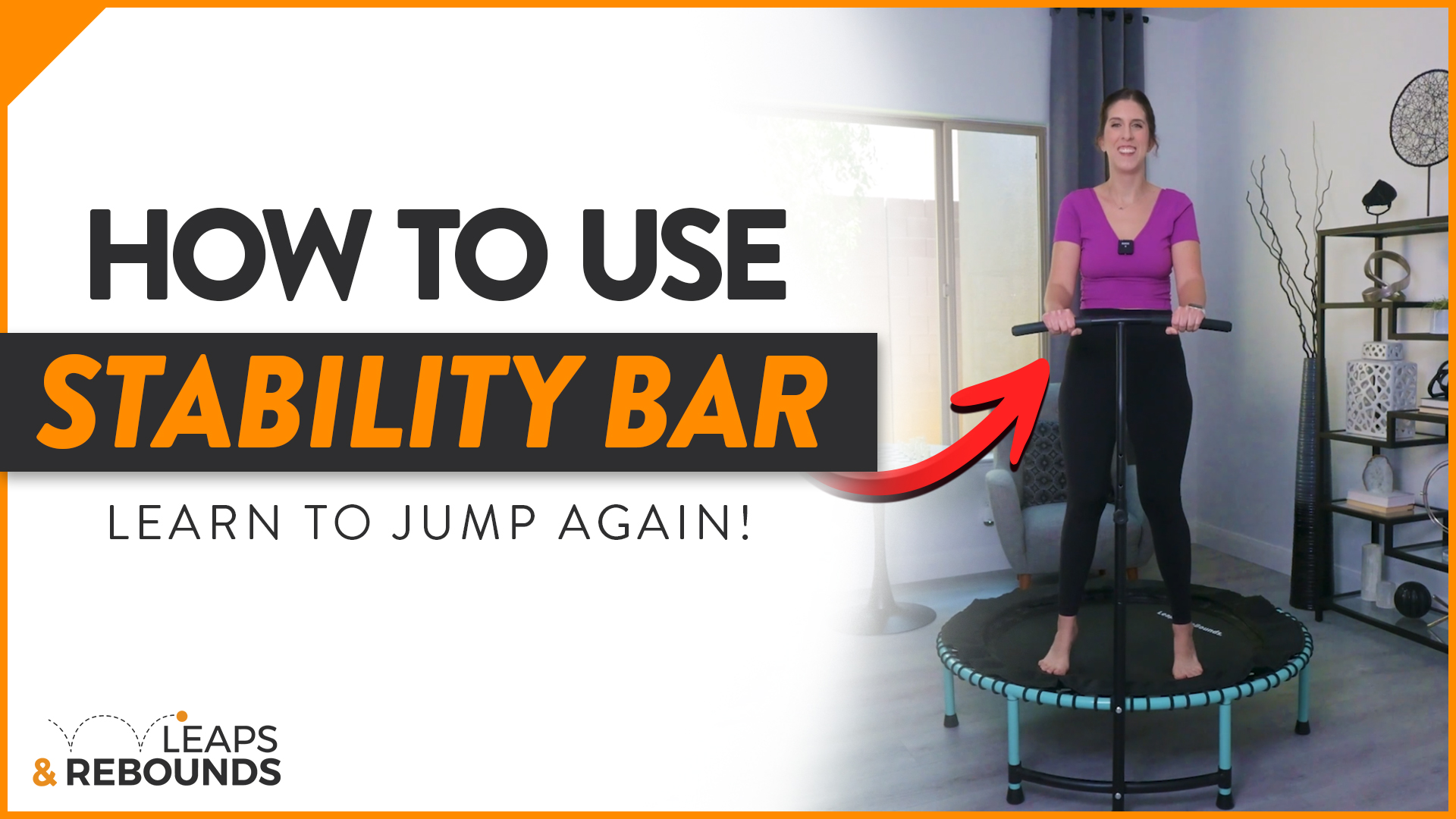
When you're on the rebounder, try to keep your body upright. Think about standing tall, with your shoulders relaxed and your core gently engaged. Avoid leaning too far forward or backward. For beginners, it can be helpful to hold onto a wall or a sturdy piece of furniture nearby, just to get a feel for the balance. As you get more comfortable, you can gradually let go. Focus on landing softly on the balls of your feet, bending your knees slightly to absorb the impact. This helps protect your joints.
When to Consult a Healthcare Professional
While rebounding is generally low-impact, it's not for absolutely everyone. If you have any pre-existing health conditions, especially those affecting your balance, inner ear, or if you've had recent surgery (like a joint replacement or back/neck issues), it's a really good idea to chat with your doctor or a physical therapist first. They can give you the green light or suggest modifications. Pregnant individuals should also seek medical advice before starting any new exercise program, including rebounding.
Low-Impact Benefits for Your Joints
One of the best things about rebounding is how kind it is to your body, particularly your joints. Unlike running or jumping on a hard surface, the trampoline mat absorbs a lot of the shock. This means you get a great cardiovascular workout without putting excessive stress on your knees, hips, and ankles. It's a fantastic option for people who might find other forms of cardio too hard on their bodies. You can bounce higher or faster as you get fitter, but the rebounder itself always provides that cushioning effect.
Here’s a quick rundown of safety checks:
- Inspect Your Rebounder: Before each use, give your trampoline a quick look-over. Make sure the legs are secure, the mat isn't torn, and the springs are all attached properly. A stable rebounder is a safe rebounder.
- Clear Your Space: Ensure you have plenty of room around the rebounder. Keep it away from walls, furniture, or anything you might accidentally bump into while you're bouncing.
- Warm-Up and Cool-Down: Always start with 5-10 minutes of light movement, like marching in place or gentle bouncing, to get your muscles ready. Finish your workout with some simple stretches to help your body recover.
Making Rebounding a Sustainable Habit
So, you've discovered the joy of bouncing on a mini trampoline and you're ready to make it a regular part of your life. That's awesome! But let's be real, starting is one thing, but keeping it going, especially when life gets hectic, is another. The trick to making rebounding a lasting habit, and seeing those weight loss goals become a reality, is all about consistency and finding what works for you.
Finding Joy in Your Workouts
If your workout feels like a chore, you're probably not going to stick with it. That's where rebounding shines! It's naturally fun, right? But to really keep that spark alive, don't be afraid to mix things up. Try different types of bounces, add some arm movements, or even put on your favorite upbeat playlist. Sometimes, just changing the scenery can help – maybe bounce in a different room or even outside if you have a safe space. The goal is to make it something you look forward to, not something you dread.
Setting Realistic Expectations
It's super easy to get caught up in the idea of instant results. But when it comes to weight loss, and fitness in general, it's a marathon, not a sprint. Don't expect to drop pounds overnight. Instead, focus on building a consistent routine. Aim for a certain number of sessions per week, rather than a specific weight loss number initially. For instance, a good starting point might be 3-5 sessions weekly, varying in length and intensity. Remember, even short, regular sessions add up significantly over time. You can explore different weight loss rebounding techniques to keep things fresh and engaging.
Here’s a simple way to think about frequency:
- Beginner: Aim for 10-15 minutes, 3 times a week.
- Intermediate: Work up to 20-30 minutes, 4-5 times a week.
- Advanced: Consider 30+ minutes, 5-6 times a week, incorporating interval training.
Long-Term Commitment to Fitness Goals
Making rebounding a habit means integrating it into your lifestyle. This isn't just about the bounce; it's about the bigger picture. Think about how you can make it work with your schedule. Maybe it's your morning wake-up call, your midday stress reliever, or your evening wind-down. Whatever it is, find a time that feels natural. And remember, if you miss a day, don't beat yourself up. Just hop back on the next day. Consistency doesn't mean perfection; it means persistence. Building this habit is a key step towards achieving your long-term fitness goals and maintaining a healthier you.
The most effective way to make any exercise a habit is to make it enjoyable and fit it into your life naturally. Don't force it. Find ways to make it fun, be patient with yourself, and celebrate the small wins along the way. This positive approach will help you stick with it for the long haul.
Making rebounding a regular part of your week can feel tough at first, but it gets easier! Think of it like learning to ride a bike; the more you do it, the more natural it becomes. Soon, you'll be bouncing your way to a healthier you without even thinking about it. Ready to make this fun fitness habit stick? Visit our website to find the perfect rebounder to get you started on your journey!
Keep Bouncing Towards Your Goals
So, we've talked a lot about how jumping on a mini-trampoline, or rebounding, can be a really good way to help you lose weight. It's not some magic fix that'll make pounds disappear overnight, but when you do it regularly, along with eating pretty well and maybe adding some other exercises, it can really make a difference. The best part is that it's actually fun, which makes it way easier to stick with it long-term. Just remember to listen to your body, stay consistent with your bouncing, and you'll be on your way to feeling healthier and reaching those fitness goals. You've got this!
Frequently Asked Questions
What exactly is rebounding?
Rebounding is simply jumping on a mini-trampoline. It's a fun way to get your body moving and your heart pumping. Because the trampoline surface is soft, it's a low-impact exercise, meaning it's easier on your joints than activities like running on hard ground.
How many calories can I burn by rebounding?
The number of calories you burn depends on how hard and how long you jump. A moderate 30-minute rebounding session can burn around 200-300 calories. If you increase the speed and intensity, you could burn even more!
Can rebounding really help me lose weight?
Yes, rebounding can definitely help with weight loss! The key to losing weight is burning more calories than you eat. Rebounding burns calories and can help boost your metabolism. When you combine it with a healthy diet, it becomes a powerful tool for shedding pounds over time.
How often should I rebound to see results?
Consistency is super important. Aim to rebound most days of the week, even if it's just for 15-20 minutes. Doing it regularly helps you burn calories consistently and build a good fitness habit. Don't expect changes overnight; it's a gradual process.
Is rebounding safe for my joints?
Rebounding is known for being low-impact, which means it's much gentler on your joints, especially your knees and ankles, compared to activities like running. The trampoline absorbs a lot of the shock. However, it's still important to use good form and listen to your body to avoid any strain.
What's the best way to rebound for weight loss?
To get the most out of rebounding for weight loss, try to vary your workouts. You can do steady bouncing for cardio, try high-intensity intervals (bursts of fast jumping followed by rest), or even incorporate some simple strength moves. Pairing your rebounding with a balanced diet that creates a calorie deficit is also crucial for seeing results.


0 comments