









Guys, let’s talk about the front of your legs today – your quads. Most people stick to the same few exercises, like leg presses and back squats, week after week. While those are good, you might be missing out on building your strongest, most functional quads. There are tons of leg exercises out there, and not all of them are created equal. After checking this out, you might want to swap out a few of the ones you're currently doing. This guide is going to show you some exercise for the quads that not only build muscle but also help you perform better and stay injury-free. But first, we'll get a good look at what your quads are, what they actually do, and why your current routine might not be cutting it.
Key Takeaways
- Understanding the four muscles that make up your quadriceps is key to targeting them effectively during your exercise for the quads.
- Front squats and belt squats are often considered top-tier exercises for quad development due to their direct loading and ability to handle heavy weight.
- Incorporating a variety of movements like dumbbell TKE split squats, leg extensions, and hack squats ensures comprehensive quad development from different angles.
- Mixing in exercises like heavy resistance bike training and dumbbell Spanish squats can add unique tension and build endurance for your quads.
- A well-structured workout routine, even with just five carefully chosen exercises, can be sufficient for building impressive quad muscle, especially when combined with proper nutrition and recovery.
Understanding Your Quadriceps
Anatomy Of The Quadriceps
Alright, let's talk about the muscles at the front of your thighs – the quadriceps, or quads for short. Most people think of them as one big muscle, but it's actually a team of four, each with its own job. They're located on the front of your thigh and are pretty important for a lot of what you do.
Here's a quick rundown of the four muscles that make up your quads:
- Vastus Lateralis: This is the big one on the outside of your thigh. It helps with straightening your knee and keeps your knee stable from the side. Think of it when you're sprinting or doing heavy squats.
- Vastus Medialis: You know that teardrop shape just above your knee on the inside? That's this one. It's key for knee stability, especially when you're moving your leg in different directions.
- Vastus Intermedius: This muscle sits right in the middle, underneath the Rectus Femoris. Its main role is just extending the knee – straightening it out.
- Rectus Femoris: This is the most visible one, running straight down the front of your thigh. What makes it special is that it's the only quad muscle that crosses both your hip and your knee. This means it helps with straightening your knee and lifting your thigh up towards your chest, which is big for things like running and jumping.
The True Function Of Your Quads
So, what do these muscles actually do? Their main job is knee extension – basically, straightening your leg. This is super important for walking, running, jumping, and standing up from a seated position. The Rectus Femoris also helps with hip flexion, which is why it's so involved in activities that require you to lift your knees high.
Having strong quads isn't just about looking good. They play a huge role in your overall mobility and can even help prevent injuries, especially around the knee. When your quads are strong, they provide better support for your knee joint.
Many everyday activities rely heavily on your quads. Think about climbing stairs, getting out of a chair, or even just walking around. These muscles are working hard without you even realizing it. For athletes, strong quads mean better performance in sports like cycling and running.
Why Your Current Quad Exercises Might Be Ineffective
It's easy to fall into a routine with exercises like standard back squats or leg presses. While these are good movements, they might not be hitting your quads as effectively as you think, especially if they're the only things you're doing. Sometimes, these exercises work your glutes and hamstrings more than your quads, or they don't allow for the full range of motion needed to really challenge the quads. If you're not feeling the burn in your quads, or if your progress has stalled, it might be time to rethink your approach and incorporate exercises that specifically target those four muscles.
The Best Exercise For Quads
When it comes to building seriously strong quads, you can't just stick to the same old routine. While exercises like traditional back squats and lunges are good, they might not be giving your quads the full workout they deserve. To really make those thigh muscles grow and get stronger, you need a mix of movements that hit them from different angles and with varying types of resistance. The goal is to challenge your quads in ways that promote both strength and muscle development.
Front Squats Versus Belt Squats
If you're trying to figure out the absolute top-tier exercises for your quads, it often comes down to a showdown between Front Squats and Belt Squats. Both are fantastic, but they offer slightly different benefits.
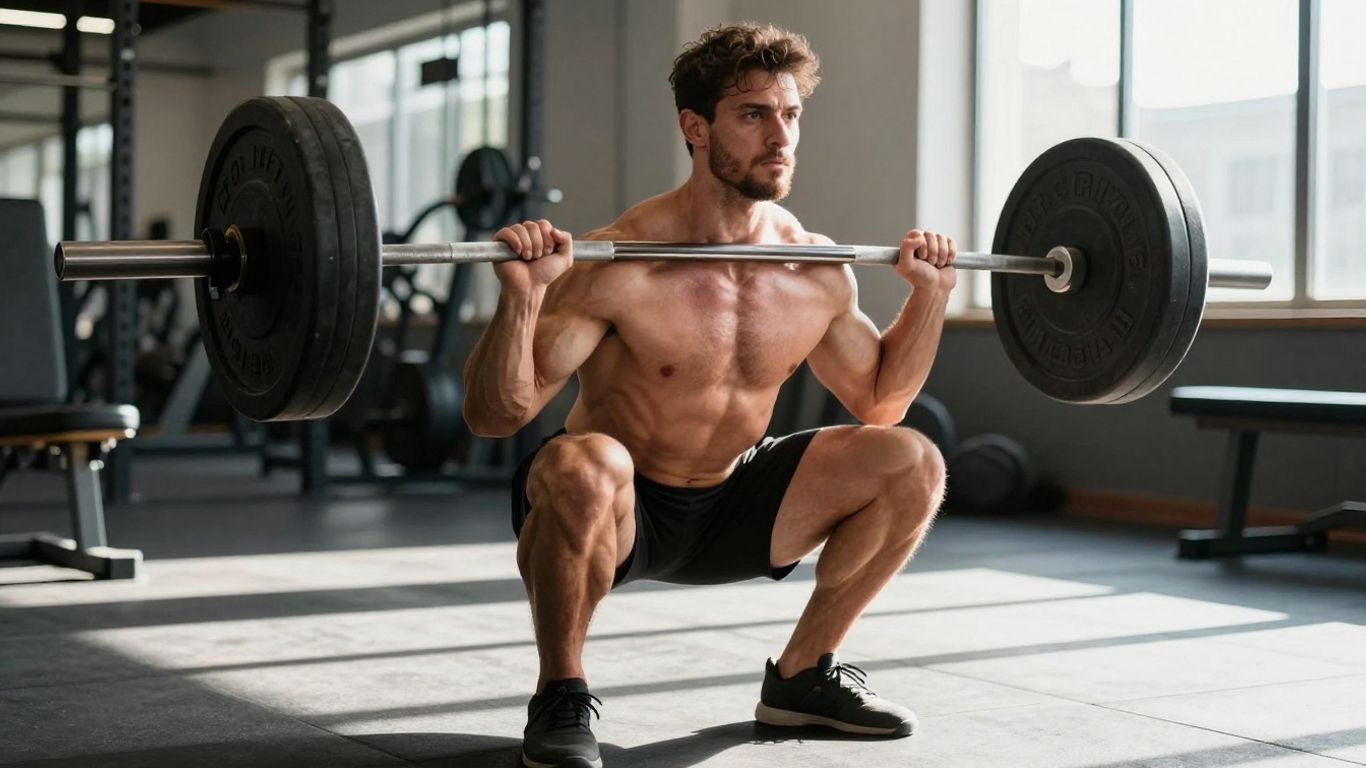
Front Squats put the barbell across the front of your shoulders. This position forces you to stay more upright, which really makes your quads work hard to keep you from falling forward. It's a great exercise for building overall leg strength and also demands a strong core. You'll feel this one right in the front of your thighs.
Belt Squats, on the other hand, use a special machine where you attach weights to a belt around your waist. This setup is brilliant because it lets you lift very heavy weights without putting any strain on your spine. All that load is directed straight to your quads, making it a prime choice for isolating and overloading them. It’s a smart way to push your quads hard while giving your back a break. So, while they're different, both deserve a spot at the top of your list for quad development.
Top Quad-Focused Movements
To get the most out of your leg training, you'll want to incorporate a variety of exercises that specifically target your quadriceps. Relying on just one or two movements can lead to imbalances and missed opportunities for growth. Here are some of the best exercises to consider:
- Barbell Front Squats: As mentioned, these are excellent for direct quad loading.
- Belt Squats: Perfect for heavy lifting without spinal stress.
- Dumbbell Bulgarian Split Squats: These isolate each leg, helping to build symmetry and intense quad focus.
- Leg Press: A machine-based exercise that allows for heavy weight and controlled movement, really hammering the quads.
- Hack Squats: Another machine option that lets you safely handle heavy loads for maximum quad activation.
Maximizing Quad Development
Simply doing a bunch of exercises isn't enough; you need to think about how you're performing them to get the best results. It's about being smart with your training.
Think about the different ways your muscles can be worked. Sometimes you want to lift heavy for fewer reps to build strength. Other times, you might want to do higher reps with a moderate weight to focus on muscle endurance and that burning sensation. Variety in your rep ranges and the types of exercises you choose will help your quads grow more effectively and become more resilient.
Don't forget about things like tempo – how fast or slow you move through each part of the exercise. Controlling the lowering (eccentric) phase of a movement, for example, can create a lot of muscle-building stimulus. Also, consider adding pauses at the bottom of a squat or during specific parts of an exercise to increase time under tension. This kind of attention to detail can make a big difference in how your quads develop over time. For more on effective leg exercises, check out quad exercises.
Targeting Quads With Specific Exercises
Look, we all know squats are king for leg day, but if you're only doing barbell back squats, you're probably leaving some serious quad gains on the table. It's like only ever eating one type of food – you're missing out on a whole buffet of benefits! To really build those quads, you need to mix things up and hit them from different angles. Let's talk about some specific moves that do just that.
Dumbbell TKE Split Squats For Quad Strength
This one might sound a bit fancy, but it's pretty straightforward and really targets the front of your thigh. TKE stands for Terminal Knee Extension, and it basically means you're focusing on that last little bit of straightening your leg. You'll need dumbbells and a bench or step.
- Stand with your back to a bench, holding a dumbbell in each hand. Place the top of one foot on the bench behind you, like you're setting up for a Bulgarian split squat.
- Lower yourself down, keeping your front shin as vertical as possible. You want to feel a stretch in your quad.
- As you push back up, focus on extending your knee fully. That final push at the top is where the magic happens for quad activation.
- Control the movement on the way down. Don't just drop into the stretch.
This exercise is fantastic for building strength in the final degrees of knee extension, which is often a weak point for many people. It also helps improve knee stability, which is a win-win.
Leg Extensions For Quad Isolation
When you want to really make your quads burn and focus on that peak contraction, the leg extension machine is your best friend. It's a single-joint movement, meaning it isolates the quadriceps without involving other major muscle groups like your glutes or hamstrings. This makes it perfect for really feeling the muscle work.
- Set Up: Adjust the machine so the pad rests just above your ankles and your knees are aligned with the machine's pivot point.
- Execution: Extend your legs, squeezing your quads hard at the top. Hold that squeeze for a second or two.
- Control: Lower the weight slowly and with control. Don't let gravity do all the work.
Leg extensions are great for sculpting the muscles and getting that satisfying pump. Just be mindful of the weight you're using; form is more important here than trying to lift super heavy. You want to feel the muscle working, not just moving weight.
Hack Squats For Heavy Loading
The hack squat machine is another excellent tool for putting serious weight on your quads without the same spinal load as a barbell squat. The angled platform and shoulder pads allow you to lean back slightly, which shifts more of the emphasis onto your quadriceps.
- Foot Placement: Experiment with foot placement on the platform. A lower foot placement generally targets the quads more directly.
- Depth: Aim for a deep range of motion, but only as far as you can maintain good form and control. You should feel a good stretch in your quads at the bottom.
- Drive: Push through the balls of your feet, focusing on driving the weight up with your quads.
This machine allows you to push close to muscular failure safely, making it a powerhouse for quad hypertrophy. Just remember to keep your back pressed firmly against the pad throughout the movement.
Building Powerful Quads With Variety
Integrating Diverse Quad Exercises
Look, sticking to just one or two exercises for your quads, like the standard squat or leg press, might feel safe, but it's probably not getting you the results you really want. Your muscles are smart; they adapt. If you keep hitting them with the same old stuff, they'll stop growing. It's like trying to learn a new skill by only practicing one tiny part of it – you'll never get truly good. To really build those powerful quads, you need to throw some different moves into the mix. This keeps your muscles guessing and forces them to adapt and get stronger.
The Role Of Heavy Resistance Bike Training
When we talk about variety, sometimes it's not just about different gym machines. Think about something like a heavy resistance bike. This isn't your casual spin class. We're talking about cranking up the resistance to a level where each pedal stroke feels like a serious challenge. This kind of training is fantastic for building up the endurance and sheer size of your quads. It's a different kind of stress than lifting weights, focusing more on sustained effort and muscular stamina. Plus, it's a great way to get some cardio in without pounding your joints too much.
Dumbbell Spanish Squats For Enhanced Tension
Now, let's talk about a specific move that really puts the tension on your quads: the Dumbbell Spanish Squat. This exercise is a bit different. You'll typically have your heels elevated, and you'll hold dumbbells. The key is the way you perform the squat, focusing on a deep stretch and a controlled return. It really emphasizes the quadriceps throughout the entire movement, especially at the bottom. This exercise is excellent for creating a strong mind-muscle connection and feeling your quads work like never before. It's a great addition if you're looking to add a unique stimulus to your leg day.
Here's a quick look at how you might slot some of these varied exercises into your routine:
- Dumbbell TKE Split Squats: Great for hitting each leg individually and working on that knee extension.
- Leg Extensions: Perfect for that final squeeze and isolation work.
- Hack Squats: Allows for heavy loading with a different angle than barbell squats.
- Heavy Resistance Bike: For endurance and a different type of quad stimulus.
- Dumbbell Spanish Squats: For deep tension and a unique stretch.
Remember, the goal isn't just to do more exercises, but to do the right exercises with good form and intensity. Mixing things up prevents plateaus and ensures you're working your quads from all angles for balanced development.
Structuring Your Quad Workout
Alright, so you've got the exercises down, but how do you actually put them together into a workout that gets results? It's not just about doing a bunch of moves; it's about how you arrange them and how often you hit those quads. Let's break it down.
Sample Quad Workout Routine
Putting together a solid quad session means picking the right exercises and deciding on sets and reps. You don't need a million exercises to get a good pump. Here’s a sample routine that hits your quads hard:
- Barbell Front Squats: 3 sets of 6-8 reps. This is your main strength builder, focusing on that upright posture to really drive the quads.
- Hack Squats: 3 sets of 8-12 reps. Great for loading up the weight safely and getting a deep stretch in the quads.
- Dumbbell Bulgarian Split Squats: 3 sets of 10-12 reps per leg. This one really isolates each leg, helping with balance and hitting those quads hard.
- Leg Extensions: 3 sets of 12-15 reps. Finish off with an isolation move to really burn out the quads.
Is Five Exercises Enough For Quads?
Honestly, five exercises can be plenty, especially if they're well-chosen and you're pushing yourself. The key isn't the sheer number of exercises, but the quality of your sets and the variety of stimulus you provide. If you're doing heavy compound lifts like front squats and then following up with targeted isolation work like leg extensions, you're likely getting a great stimulus. Adding too many exercises can lead to junk volume – sets that don't contribute much to growth but just add fatigue. Focus on progressive overload within those chosen exercises.
Beginner To Advanced Quad Training
Your training needs to change as you get stronger. What works for a beginner won't cut it for someone who's been lifting for years.
- Beginner: Start with 2-3 exercises per session, focusing on mastering form. Think goblet squats, leg press, and maybe some bodyweight lunges. Keep the volume moderate, maybe 2-3 sets per exercise.
- Intermediate: You can increase the number of exercises to 3-4 and add more challenging variations like barbell front squats or Bulgarian split squats. You can also start increasing the number of sets to 3-4 and play with rep ranges.
- Advanced: This is where you can really dial things in. You might use 4-5 exercises, incorporate advanced techniques like drop sets or supersets, and manipulate training frequency. You'll also be focusing heavily on progressive overload and periodization to keep making gains.
When structuring your quad workouts, think about the overall stress you're placing on your body. Heavy squatting taxes your central nervous system and your lower back. If you're doing a lot of other heavy lower body work on the same day or close to it, you might need to adjust your quad volume or intensity to avoid overtraining and potential injury. It's a balancing act.
Beyond The Workout: Nutrition And Recovery
So you've crushed your quad workout, feeling that satisfying burn. But what happens next is just as important, if not more so. Pushing your muscles hard is only half the battle; giving them what they need to rebuild and grow is the other, often overlooked, half. Think of it like this: you wouldn't expect a car to run on an empty tank, right? Your legs are no different.
Fueling Muscle Growth For Quads
What you eat after training directly impacts how well your quads recover and get stronger. It's not just about stuffing your face; it's about smart choices. Protein is the building block for muscle repair. Aim to get a good dose of it within a couple of hours post-workout. Think lean meats, fish, eggs, or even a quality protein shake if you're in a rush. Carbohydrates are also key here. They replenish the energy stores (glycogen) you just depleted during your intense session. Without enough carbs, your body might start breaking down muscle for energy, which is the opposite of what we want. Fruits, whole grains, and starchy vegetables are solid choices.
Effective Recovery Techniques
Recovery isn't just about food. It's about giving your body the downtime it needs to do its repair work. Sleep is probably the biggest player here. While you're snoozing, your body is busy releasing growth hormones and repairing muscle tissue. Getting 7-9 hours of quality sleep each night is non-negotiable for serious gains. Beyond sleep, active recovery can be beneficial. This means light activities like walking, gentle cycling, or foam rolling. It helps increase blood flow to the muscles, which can reduce soreness and speed up the removal of waste products. Listening to your body is also a recovery technique in itself. If you're feeling excessively beat up, maybe take an extra rest day or do a lighter session. Pushing through extreme fatigue can lead to injury.
Injury Prevention Strategies
Nobody wants to get sidelined with an injury, especially when they're making good progress. A big part of preventing injuries is proper warm-up and cool-down routines. Before you hit those heavy squats, spend 5-10 minutes getting your blood flowing with some light cardio and dynamic stretches. This prepares your muscles and joints for the work ahead. After your workout, static stretching can help improve flexibility and reduce muscle tightness. Another often-missed area is hydration. Dehydration can lead to muscle cramps and decreased performance, making you more susceptible to injury. Make sure you're drinking enough water throughout the day, not just during your workout. Finally, progressive overload is great for gains, but don't jump up in weight or volume too quickly. Gradual increases allow your body to adapt safely.
Post-workout muscle twitches, sometimes called fasciculations, are usually normal. They can happen when your nervous system is adjusting to new exercises, or if you're feeling fatigued or a bit dehydrated. If they happen often and you're feeling wiped out, it might be a sign to ease up a bit and focus on getting enough rest and fluids.
Wrapping It Up
So, we've gone over a bunch of ways to really work those quad muscles. Remember, mixing things up is key. Don't just stick to the same old squats every time. Try some of the other exercises we talked about, like the heavy resistance bike or the dumbbell step-ups. Your legs will thank you for it, and you'll probably see better results too. Keep at it, focus on good form, and you'll be well on your way to stronger, more powerful legs.
Frequently Asked Questions
What are the most important muscles in the front of my thighs?
The main muscles in the front of your thighs are called the quadriceps, or quads for short. They are a group of four muscles that help you bend your knees and straighten your legs. These muscles are super important for everyday activities like walking and running, and also for powerful movements in sports.
Why are my current quad exercises not working as well as I thought?
Sometimes, doing the same few exercises, like regular squats or leg presses, over and over might not be enough to fully work your quads. Your muscles can get used to them. It’s helpful to try different exercises that target your quads from different angles and with different types of resistance to get the best results.
What's the best exercise for building quads?
It's hard to pick just one! Exercises like Front Squats and Belt Squats are often considered top contenders because they put a lot of focus directly on the quads. Front squats require good balance and control, while belt squats let you lift heavy weights without straining your back, making them great for targeting your quads intensely.
How many exercises should I do for my quads in one workout?
You don't need a huge number of exercises. About five well-chosen exercises can be plenty to build strong quads. The key is to pick exercises that work your quads from different directions and challenge them effectively. Variety is important, so mix it up!
Can I build strong quads without going to the gym?
Absolutely! You can build powerful quads using just your body weight or simple equipment. Exercises like bodyweight squats, lunges, and step-ups are very effective. You can also use resistance bands or even a heavy bike for intense workouts at home.
What should I eat to help my quads grow?
To help your quad muscles grow stronger, you need to eat enough protein, which is like the building blocks for muscles. Also, make sure you're getting enough energy from healthy carbs and fats. Eating balanced meals and timing your food right, especially after workouts, can really help your muscles recover and get bigger.


0 comments