












Thinking about setting up your own workout space at home? It's a pretty smart move, honestly. You get to skip the commute, avoid waiting for machines, and blast your own music as loud as you want. Plus, you know exactly who's been using the equipment. But with so many options out there for fitness equipment for home gym setups, it can feel a bit overwhelming trying to figure out what you actually need. Let's break down some of the must-have gear to get you started on building your dream home gym.
Key Takeaways
- Multi-functional fitness equipment for home gym use can save space and offer more exercise variety.
- Investing in good quality gear means it will last longer and perform better, saving money in the long run.
- Think about your main fitness goals first to decide which pieces of fitness equipment for home gym are most important.
- Planning where to put your equipment makes your home gym easier and safer to use.
- You can find budget-friendly fitness equipment for home gym that still works well and is durable.
Foundational Home Gym Fitness Equipment
Starting your home gym journey doesn't have to mean buying a ton of stuff all at once. You can build a really effective setup by focusing on a few key pieces that do a lot. These are the workhorses that let you get a full workout without needing a whole commercial gym's worth of machines.
The Versatility of Adjustable Dumbbells
Adjustable dumbbells are a game-changer, especially if you're short on space. Instead of having a whole rack of different weight plates, one pair of adjustable dumbbells can cover a huge range. You can go light for warm-ups or higher reps, and then quickly crank up the weight for heavier sets. This makes them perfect for progressive overload, which is how you get stronger over time. They're great for everything from bicep curls and shoulder presses to lunges and even some compound movements. They truly offer a full-body workout in a compact package.
Essential Adjustable Benches for Varied Workouts
While dumbbells are great, adding an adjustable bench really opens up your exercise options. You can do flat bench presses, incline presses for your upper chest, or even decline presses. It also makes exercises like rows, step-ups, and Bulgarian split squats much more stable and effective. Look for a bench that feels solid and has multiple adjustment settings – flat, incline, and maybe even decline. A good bench is like the foundation for a lot of free-weight exercises.
Resistance Bands for Scalable Training
Don't underestimate the power of resistance bands. They're super portable, affordable, and can be used for a surprising number of exercises. You can use them for warm-ups, add them to dumbbell exercises for extra resistance, or do full workouts using just the bands. They're fantastic for things like pull-aparts for shoulder health, glute bridges, and adding resistance to squats. Plus, the resistance increases as you stretch the band, which is a different kind of challenge compared to weights. They're also really easy on your joints, which is a big plus for many people.
Expanding Your Home Gym Capabilities
So, you've got the basics down with dumbbells and a bench. That's a solid start, but what if you want to really push your limits or try something new? There are some awesome pieces of equipment out there that can take your home workouts to the next level, letting you tackle more complex movements and build serious strength or endurance. It’s about adding variety and challenge without needing a whole commercial gym.
Kettlebells for Dynamic Full-Body Training
Kettlebells are these cast-iron balls with a handle, and they're surprisingly versatile. They're not just for swinging around, though that's a big part of it. Think about exercises like the kettlebell swing, which is fantastic for your posterior chain – that's your glutes, hamstrings, and lower back. But you can also do presses, squats, rows, and even some core work with them. The dynamic nature of kettlebell training means you're often engaging multiple muscle groups at once, plus improving your coordination and cardiovascular fitness. They come in various weights, so you can start light and work your way up. A few kettlebells can offer a huge range of workout possibilities.
Pull-Up Bars for Upper Body Strength
If you want to build a strong back and arms, a pull-up bar is a must-have. You can get doorframe pull-up bars that don't require any permanent installation, or more sturdy wall-mounted or ceiling-mounted options if you're ready for a more permanent setup. Pull-ups themselves are a challenging bodyweight exercise that hits your lats, biceps, and forearms. But that's not all. You can also do chin-ups (palms facing you), hanging leg raises for your abs, and even use resistance bands to help you get started or add extra resistance. It’s a simple piece of equipment, but incredibly effective for upper body development.
Cardio Machines for Endurance Building
While bodyweight exercises and weights are great for strength, you can't forget about your heart and lungs. Adding a cardio machine can really round out your home gym. Options range from compact folding treadmills or exercise bikes that tuck away nicely, to rowers that give you a full-body cardio blast. Even a jump rope, which is super inexpensive, can provide an intense cardio workout. The key is finding something that fits your space and your budget, and that you'll actually use regularly. Consistent cardio is so important for overall health and stamina.
Creating an Optimal Training Environment
So, you've got your equipment sorted, but now it's time to think about the space itself. Making your home gym a place you actually want to spend time in is a big deal. It's not just about having the gear; it's about setting up an environment that feels good, keeps you safe, and makes working out feel less like a chore.
Protective Flooring for Safety and Comfort
First things first, let's talk about what's under your feet. Dropping weights or even just doing some jumping jacks can really mess up your regular floors. Plus, all that impact can be noisy. Laying down some proper gym flooring is a really smart move. It protects your subfloor, cuts down on noise, and gives you a stable surface that's not slippery. Think rubber mats or interlocking tiles – they're tough and make a noticeable difference.
Here's why it matters:
- Protection: It shields your floors and equipment from damage.
- Safety: Better grip means fewer slips and falls.
- Comfort: Some cushioning makes workouts easier on your joints.
- Noise Reduction: Keeps your workouts from bothering the rest of the house.
Maximizing Natural Light and Ventilation
Good lighting and fresh air can totally change your workout vibe. Natural light is ideal, making a space feel more open and energizing. If you can position your gym near windows, do it! If not, good quality LED lighting can make a big difference. Think about adjustable lights that you can change based on your workout – brighter for intense sessions, softer for stretching. And don't forget ventilation. Open a window, use a fan, or even consider an air purifier. Nobody likes working out in a stuffy room, and good airflow helps keep things feeling fresh and clean.
Zone-Based Organization for Efficient Workouts
Where you put your equipment really matters for how smoothly your workout flows. Think about setting up different zones for different types of training. Maybe one corner for lifting weights, another for cardio, and a clear space for stretching or bodyweight exercises. This kind of organization means you're not tripping over things or wasting time searching for what you need. It creates a logical path through your workout, making it more efficient. For ideas on how to arrange your space, check out these garage gym organization tips.
A well-organized space reduces mental friction. When everything has its place and transitions between exercises are smooth, you're more likely to stick to your routine and get the most out of every session. It's about creating a system that supports your fitness goals without adding unnecessary complexity.
Smart Choices for Long-Term Value
Setting up a home gym is a big step, and it's easy to get swept up in all the shiny new equipment. But if you want your fitness space to actually serve you for years without breaking the bank, you've got to think smart about your purchases. It's not just about filling up space; it's about making choices that support your fitness goals for the long haul.
Prioritizing Quality Over Quantity
Look, I get it. When you're starting out, the cheapest option often looks the most appealing. But trust me, that bargain bin stuff usually doesn't last. You end up replacing it way sooner than you planned, which actually costs more in the end. Investing in well-made equipment from the start saves you money and a whole lot of frustration. Think about it: a bench that doesn't wobble when you're doing bench presses or dumbbells that feel balanced in your hands make a huge difference during a workout. It's way better to have a few really solid pieces than a bunch of gear that feels flimsy or breaks easily. This approach helps you build a reliable training space that you'll actually want to use.
Cost-Effective Equipment Selections
Making smart financial decisions doesn't mean you have to settle for less. There are plenty of ways to get great value. Adjustable dumbbells, for example, can replace an entire rack of weights but take up way less room. Resistance bands are another fantastic, low-cost option that can add challenge to almost any exercise. You can find some really versatile pieces that do a lot for their price. For instance, a good adjustable bench opens up a world of exercises when paired with weights. It’s all about finding those multi-functional items that give you the most bang for your buck. You can even find integrated machines that combine several workout stations, saving both space and money compared to buying each piece separately. This kind of strategic buying is how you build a capable gym without emptying your wallet.
The Long-Term Value of Durable Gear
When you're choosing equipment, think of it like buying a good pair of boots instead of cheap sneakers. The boots might cost more upfront, but they'll last you for years, handle rough terrain, and keep your feet happy. Home gym gear is the same. A well-built squat rack, a solid barbell, or even a sturdy set of weight plates are investments. They're designed to handle heavy use, day in and day out. This means you won't be dealing with bent bars, cracked plates, or wobbly racks down the line. Plus, durable gear is safer. You can push yourself harder when you know your equipment isn't going to fail. Over time, the cost per use of that high-quality, durable piece of equipment becomes significantly lower than constantly replacing cheaper alternatives. It's about building a fitness sanctuary that serves you consistently and reliably, growing with you as your fitness journey progresses.
Building a home gym is a marathon, not a sprint. Focus on acquiring pieces that serve multiple purposes and are built to withstand regular use. This strategy not only makes your gym more functional but also more economical over the long term, avoiding the cycle of frequent replacements and upgrades.
Tailoring Your Home Gym to Your Space
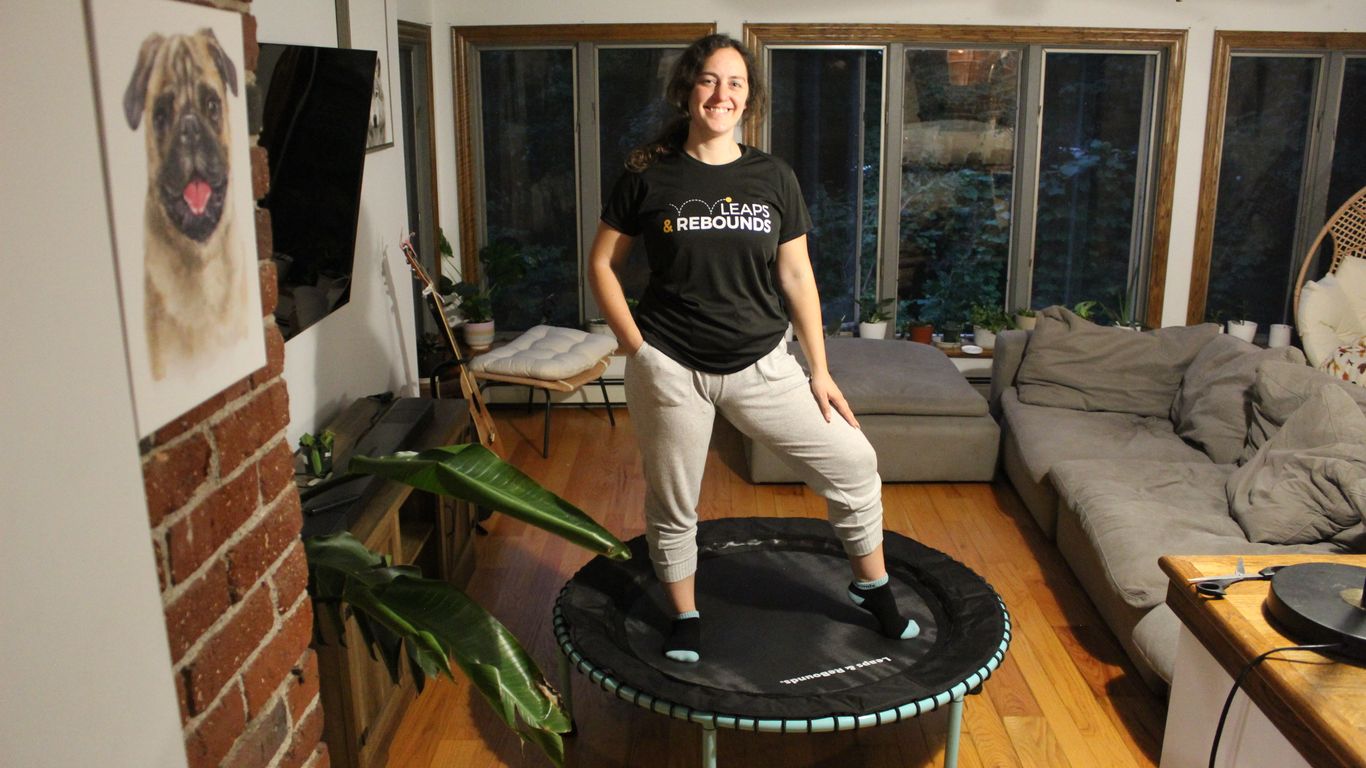
So, you've got your equipment list, but where does it all go? Thinking about the actual space you have is a big deal. It's not just about cramming things in; it's about making it work for you and how you like to train.
The Basement Powerhouse Setup
Basements are often overlooked, but they can be fantastic for a home gym. They're usually out of the way, meaning you don't have to look at your weights every day if you don't want to. Plus, they often have solid floors that can handle heavy stuff without issue. You can really go all out down here – think power racks, multiple weight setups, maybe even a dedicated cardio corner. It's a great spot for serious, focused training without disturbing anyone upstairs. Just make sure it's dry and has decent ventilation; nobody likes working out in a damp, musty room.
The Multi-Purpose Living Space Solution
Living in an apartment or a smaller home means getting creative. Your living room might need to double as your gym. The trick here is using equipment that's easy to store. Adjustable dumbbells are a lifesaver, and resistance bands take up almost no room at all. Look for things that fold up or can be tucked away in a closet when you're done. A nice yoga mat can be rolled out quickly for floor exercises and then rolled back up. The key is making the space feel like a living area when you're not working out, and a gym when you are. It's all about smart, adaptable gear.
The Outdoor Training Zone Alternative
Don't have a spare room or a big basement? Consider your outdoor space. A covered patio, a sturdy shed, or even a pool house can be transformed. Working out in the fresh air is pretty great, honestly. You'll want to pick equipment that can handle the elements a bit better, or at least be easy to cover up. Think about things like durable benches, maybe some kettlebells, and resistance bands. It's a different vibe, more relaxed perhaps, but still a solid way to get a workout in. Just keep an eye on the weather!
Planning your home gym layout is more than just putting equipment down. It's about creating zones for different types of workouts, making sure you have enough space to move safely, and considering how the space will feel. Good lighting and maybe a mirror can make a small space feel bigger and help you check your form.
Making your home gym fit your space is key! Even small areas can become great workout spots. Think about what you need and how much room you have. You can create a fantastic workout zone without needing a huge room. Ready to find the perfect gear for your home gym? Visit our website to explore options that fit any space!
Your Home Gym Journey Starts Now
So, you've got the rundown on all the gear that can make your home gym awesome. Remember, building this space is all about you – your goals, your budget, and your available room. Don't feel like you need to buy everything at once. Start with a few key pieces that fit your current needs, like some solid dumbbells and maybe an adjustable bench. You can always add more later as you get stronger and figure out what else you like to do. The biggest win here is having a place to work out that's always there for you, on your schedule, and totally private. Go ahead and make it your own fitness sanctuary!
Frequently Asked Questions
What are the most important pieces of equipment to start with for a home gym?
For a solid start, focus on versatile items. Adjustable dumbbells are great because one pair can be used for many different weights, saving you space. An adjustable bench is also super helpful, letting you do exercises from different angles. Resistance bands are another fantastic, low-cost option that can make many exercises harder.
How much space do I really need for a home gym?
It really depends on what you want to do! For just basic strength training with dumbbells and a bench, you might only need a corner of a room. If you want to add cardio machines or more complex setups, you'll need more space. Some equipment, like foldable racks or all-in-one machines, are designed to take up less room.
Is it better to buy a lot of cheap equipment or a few good, more expensive pieces?
It's usually better to invest in a few high-quality items. Cheaper gear might break or not work as well, meaning you'll have to replace it sooner. Buying durable, well-made equipment might cost more upfront, but it will last longer and make your workouts more enjoyable and effective in the long run.
Can I set up a home gym if I have a small apartment?
Absolutely! Many people create home gyms in small spaces. Look for equipment that's easy to store, like resistance bands, adjustable dumbbells, or even foldable benches. You can also use multi-purpose areas, setting up your workout space only when you need it and storing the gear away afterward.
What kind of flooring is best for a home gym?
Protective flooring is a really good idea. It helps keep your floors safe from weights, reduces noise, and can make your workout area more comfortable. Rubber mats or interlocking floor tiles are popular choices because they're durable and provide good cushioning.
How do I make sure my home gym is motivating to use?
Think about creating a good atmosphere. Make sure there's enough light, maybe some fresh air if possible, and keep the space organized. Having dedicated zones for different types of exercises can also help you move through your workout smoothly. Personalizing the space with things you like can make a big difference too!


0 comments