












So, you want to get a bit fitter but the thought of a full-on gym session makes you want to hide under the duvet? I get it. It doesn't have to be complicated though. Turns out, a simple chair can be your best friend when it comes to moving your body and feeling better. Whether you're new to exercise, have some aches and pains, or just need a way to sneak more movement into your day, senior exercise chair routines are a fantastic option. They're low-impact, adaptable, and you can do them right at home. Let's explore how a chair can become your personal fitness studio.
Key Takeaways
- Senior exercise chair routines use a sturdy chair as the main piece of equipment, making fitness accessible and adaptable for various fitness levels and physical needs.
- These workouts are beneficial for a wide range of people, including seniors, beginners, individuals with mobility concerns, and those looking for convenient ways to stay active.
- Chair workouts can be tailored to focus on different fitness aspects like building strength, improving cardiovascular health, increasing flexibility, and strengthening the core.
- Key movements like seated marches, leg raises, chair squats, and seated twists offer targeted benefits for circulation, lower body power, and spinal flexibility.
- Consistency is key, with recommendations suggesting three to four 15-20 minute sessions per week, focusing on proper form, listening to your body, and gradually progressing the routine.
Understanding The Benefits Of Senior Exercise Chair Routines
Enhancing Daily Activities Through Seated Movement
Sometimes, just getting through the day can feel like a workout, right? Simple things like reaching for something on a high shelf, carrying groceries, or even just getting out of a comfy armchair can become a bit of a challenge as we get older. That's where chair exercises really shine. By doing movements while seated, you're giving your muscles a chance to work and get stronger without putting too much stress on your joints or worrying about your balance. Think of it like this: you're building up the strength you need for everyday tasks, making them feel a lot easier. It’s not about becoming a marathon runner; it’s about making your daily life smoother and more comfortable.
Reducing Fall Risks With Chair Exercises
Falls are a big worry for many older adults, and honestly, it's understandable. Our balance isn't always what it used to be, and a simple stumble can lead to more serious issues. Chair exercises can actually help with this. Many of the movements focus on strengthening the muscles in your legs and core, which are super important for staying steady on your feet. Plus, working on your coordination and stability while seated builds confidence. When you feel more stable, you're less likely to have that sudden panic when you feel yourself losing your balance. It's about building a stronger foundation, literally from your seat.
Improving Overall Well-Being From Your Chair
It's not just about the physical stuff, though. Moving your body, even while sitting, does wonders for your mood and your mind. Getting your blood flowing can help you feel more alert and less sluggish. Plus, the sense of accomplishment you get from completing a few exercises can really boost your spirits. It’s a way to take care of yourself, to actively do something positive for your health, and that feeling alone is pretty great. You might find you sleep better, have more energy, and just generally feel more positive about your day. It’s a gentle way to keep your body and mind working well together.
Here’s a quick look at what you can gain:
- Increased Strength: Builds muscle in arms, legs, and core using body weight and chair support.
- Improved Flexibility: Helps loosen muscles and reduce stiffness, especially after sitting for long periods.
- Better Circulation: Seated movements can get your blood flowing more freely.
- Enhanced Balance: Exercises can help improve coordination and stability, reducing fall risks.
Chair exercises offer a practical and accessible way to maintain physical function and improve quality of life. They provide a safe environment to build strength, flexibility, and balance, directly impacting your ability to perform daily activities with greater ease and confidence.
Getting Started With Your Chair Exercise Program
So, you're thinking about giving chair exercises a try? That's a fantastic idea! It's really not complicated to get going, but a few simple things can make a big difference in how safe and effective your workouts are. Think of it like prepping for a walk – you wouldn't just head out without checking the weather, right? Same idea here.
When To Consider Chair Exercises For Seniors
Honestly, almost anyone can get something out of chair exercises. They're a great option if you find traditional workouts a bit too much, or if you just need a simpler way to get moving. Seniors often find them great because they're gentle on the body. If you're new to exercise, they're a straightforward way to ease into it. People dealing with injuries or who have trouble moving around can also find chair workouts really helpful because they can be done right from a seated position. Plus, if you're stuck at a desk all day, these exercises can help you shake off that stiffness and boost your energy without even leaving your office.
Essential Safety Tips For Seated Workouts
Before you jump into any routine, let's talk safety. It's super important to make sure you're set up correctly to avoid any slips or strains. First off, always check with your doctor before starting a new exercise program, especially if you have any health conditions.
Here are some key points to keep in mind:
- Warm-up: Always start with a few minutes of light movement to get your blood flowing. Think seated marches or gentle arm circles. This prepares your muscles for exercise.
- Cool-down: After your workout, take a few minutes to stretch. Focus on the muscles you used. Deep breathing can also help your body relax.
- Listen to your body: If something doesn't feel right, don't push it. Modify the exercise or skip it. Your body will thank you.
Skipping the warm-up and cool-down is like trying to drive a car without letting the engine warm up on a cold day. It might work, but you're putting unnecessary strain on things and not getting the best performance. Getting these basics right will set you up for a much better experience with your chair exercise routine.
Choosing The Right Chair For Your Routine
This is probably the most important step. You don't want just any old seat. Look for a chair that's really sturdy and won't wobble. Chairs with wheels are a definite no-go, and those super soft, sink-in cushions aren't ideal either. You need something with a flat seat and a solid back. This gives you the support you need to feel steady, especially when you're leaning back a bit or pushing yourself up. A good, stable chair is your best friend for these exercises. Also, make sure the chair is at a height that allows your feet to rest flat on the floor comfortably when you're seated. This provides a stable base for many leg exercises.
When it comes to what you wear, think comfort and freedom. You want clothes that let you stretch, bend, and move without feeling restricted. Athletic wear is a good choice, but honestly, any loose-fitting, breathable clothing will work just fine. Wearing supportive shoes can also be a good idea, especially if you plan on doing exercises where you might stand up or use the chair for balance. It's all about being able to move easily.
Effective Senior Exercise Chair Routines For Lower Body Strength
Building strength in your lower body is super important for staying mobile and independent. You don't need to hit the gym or do complicated moves to get stronger legs and glutes. We can do a lot right from the comfort of a sturdy chair. These exercises are designed to be gentle yet effective, helping you with everyday tasks like getting up from a seat or walking around.
Seated Marches For Improved Circulation
This is a fantastic way to get your blood moving, especially if you've been sitting for a while. Sit up tall in your chair, feet flat on the floor. Now, lift one knee towards your chest, then gently lower it back down. Alternate legs, as if you're marching in place while seated. It's a simple move, but it really helps wake up your legs and get that circulation going. It’s a great starting point for any chair workout routine. Try to do these for about 30-60 seconds to start.
Leg Raises For Enhanced Lower Body Power
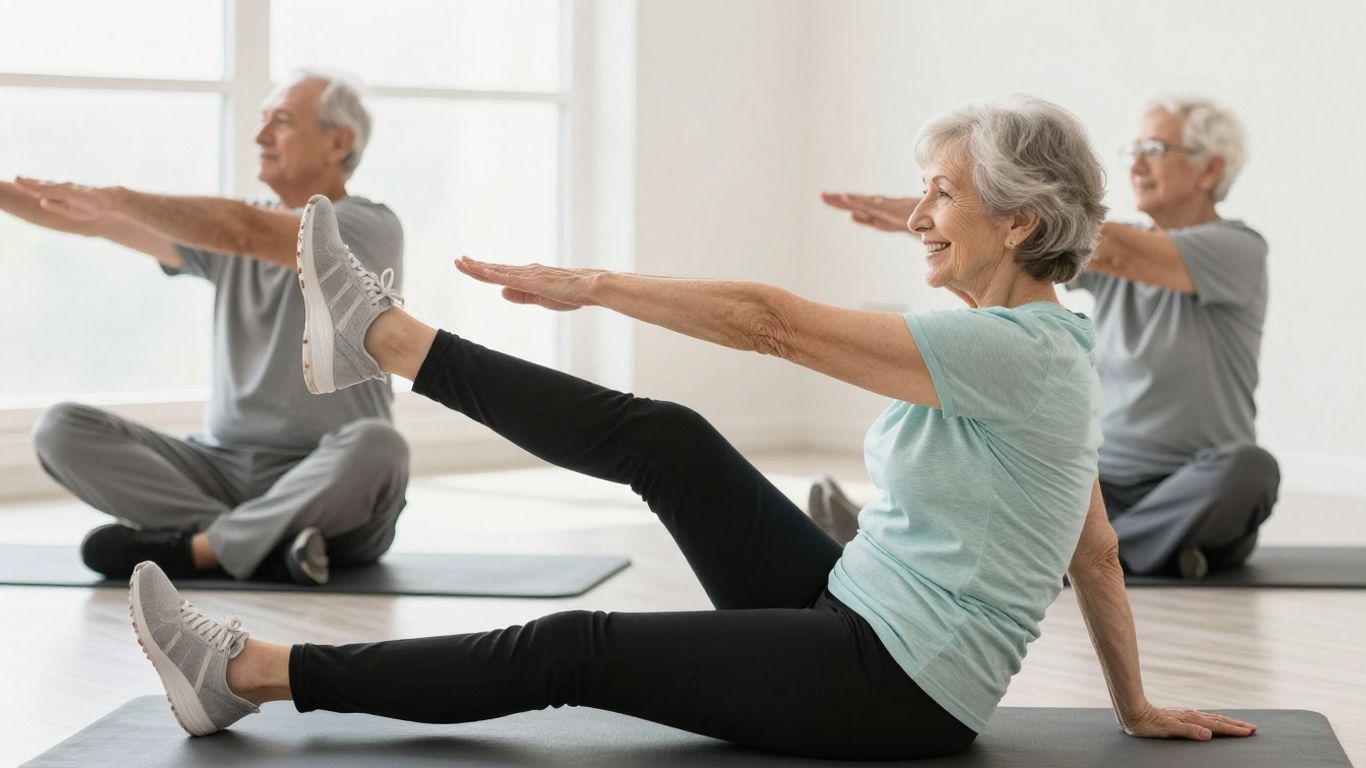
Ready to give your legs a bit more of a challenge? Sit tall and extend one leg straight out in front of you. Try to hold it parallel to the floor for a few seconds before slowly lowering it. Repeat with the other leg. This targets your thigh muscles and even your core, helping to build strength. You can gradually increase how long you hold the leg up to make it tougher. Aim for 10-15 repetitions on each leg. This exercise is great for building leg strength.
Chair Squats For Leg And Glute Engagement
This one might sound a bit odd, but it's super effective. Stand in front of your sturdy chair. Lower yourself down as if you're about to sit, but stop just before your bottom touches the seat. Then, push back up to standing. This works your leg and glute muscles, which is great for everyday activities like getting up from a chair. It also helps with your balance. If you're looking for ways to rebuild lost leg muscle, this is a good one to incorporate. Start with 8-10 repetitions and see how you feel.
Remember, the goal here isn't to push yourself to exhaustion. It's about consistent, controlled movements that build strength over time. Listen to your body and adjust as needed. Even small improvements make a big difference in your daily life.
Upper Body And Core Engagement With Chair Routines
It's easy to think of chair exercises as just for your legs, but you can get a really good workout for your upper body and core without even standing up. These moves are great for improving posture, easing stiffness in your neck and shoulders, and building a stronger midsection. Plus, a strong core helps with balance and makes everyday tasks feel easier.
Neck Stretches For Shoulder And Neck Support
Stiffness in the neck and shoulders is super common, especially if you spend a lot of time sitting. Gentle neck stretches can make a big difference. Start by sitting up tall in your chair, feet flat on the floor. Slowly tilt your head towards your right shoulder, feeling a gentle stretch on the left side of your neck. Hold for a few seconds, then slowly return to center. Repeat on the other side. You can also gently turn your head to look over each shoulder. Remember to move slowly and avoid any sharp or sudden movements.
Arm Raises For Upper Body Flexibility
Working your arms and shoulders from a seated position can really help with flexibility. Try simple arm raises: extend your arms straight out in front of you at shoulder height, then slowly lower them. You can also do overhead reaches, extending your arms up towards the ceiling as far as comfortable. Another good one is lateral raises, where you lift your arms out to the sides. If you want a bit more challenge, you can hold light weights, like water bottles or small dumbbells, during these exercises. This helps build strength in your arms and shoulders.
Seated Twists For Spinal Mobility
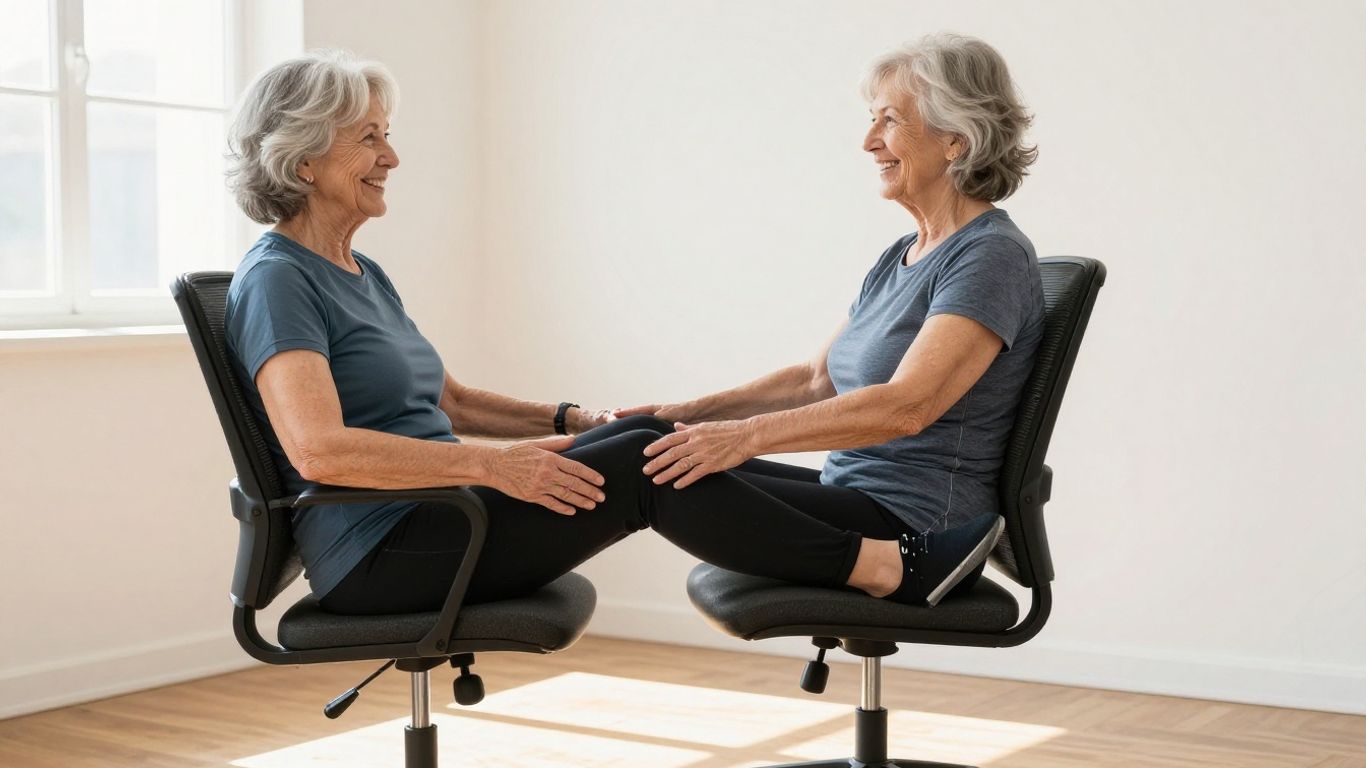
Your spine needs to move too! Seated twists are fantastic for improving spinal mobility and engaging your core muscles. Sit up straight with your feet flat. Place your right hand on the outside of your left knee and your left hand on the chair behind you. Gently twist your torso to the left, looking over your left shoulder if comfortable. Hold for a moment, then slowly return to the center. Repeat on the other side. This movement helps loosen up your back and works those abdominal muscles. It's a good idea to focus on controlled movements here, rather than trying to force the twist. You can find more tips on chair-based core exercises that can help with this.
A strong core isn't just about looking good; it's about supporting your spine, improving your balance, and making everyday movements smoother. Even simple seated twists can contribute significantly to this.
Maximizing Your Senior Exercise Chair Routines
So, you've got your chair, your comfy clothes, and you're ready to move. That's great! But how do you make sure you're really getting the most out of these seated workouts? It's not just about doing the motions; it's about doing them right and listening to what your body is telling you. Think of it like this: you wouldn't just randomly hit piano keys and expect a symphony, right? Same idea here. A little attention to detail goes a long way.
The Importance Of Proper Form
This is probably the biggest one. When you're doing seated marches, for example, are you just wiggling your legs, or are you actively lifting your knees and engaging your core? Proper form means you're actually working the muscles you intend to work, and you're doing it safely. It's about control, not speed. For leg raises, instead of just flinging your leg up, slowly lift it, hold it for a second, and then lower it with control. This makes a huge difference in how effective the exercise is and helps prevent you from pulling something. Focusing on controlled movements will make your exercises much more effective.
Here are some pointers for good form:
- Sit up straight: Imagine a string pulling you up from the top of your head.
- Engage your core: Gently pull your belly button towards your spine.
- Move with intention: Each movement should feel deliberate, not rushed.
- Keep your back supported: If you need to lean back slightly for stability, do so, but avoid slouching.
Listening To Your Body During Exercise
Your body sends signals, and it's important to pay attention to them. If a particular movement causes sharp pain, stop. It's okay to modify an exercise or skip it altogether if it doesn't feel right. There are many ways to adapt exercises, and finding what works for you is key. Remember, the goal is to improve your health, not to push yourself into injury. Chair exercises are designed to be gentle, so listen closely to what your body is communicating.
Pushing through pain is never the answer. Modifications are your friend, and knowing when to rest is just as important as knowing when to move. Your well-being comes first.
Consistency For Sustainable Results
Making chair exercises a regular part of your week can lead to noticeable improvements in strength, flexibility, and overall well-being. It's about finding a sustainable way to stay active that fits into your life. Doing these routines a few times a week, even for short periods, will yield better results than doing a long, infrequent session. Consistency is the secret sauce to seeing real changes and maintaining your mobility.
Here's a quick look at what you can gain from regular practice:
| Benefit | Description |
|---|---|
| Increased Strength | Builds muscle in arms, legs, and core using body weight and chair support. |
| Improved Flexibility | Helps loosen muscles and reduce stiffness, especially after sitting for long. |
| Better Circulation | Seated marches and similar moves can get your blood flowing. |
| Enhanced Balance | Exercises can help improve coordination and stability. |
Incorporating Progression Into Your Chair Workouts
So, you've gotten the hang of the basic chair exercises and they feel pretty good. That's fantastic! But to keep seeing improvements and to avoid hitting a plateau, it's smart to think about how you can gradually make things a little more challenging. This isn't about suddenly trying to do a marathon, but rather making small, smart adjustments to your current routine. It’s about building on the solid foundation you’ve already created.
Adding Light Weights For Increased Challenge
Once you feel comfortable with the bodyweight versions of exercises like arm raises or leg lifts, you can introduce light weights. Think small dumbbells, water bottles, or even cans of soup. Holding these while you perform your movements adds resistance, which means your muscles have to work a bit harder. This extra effort is what signals your muscles to get stronger and more toned.
- Arm Raises: Hold weights in each hand, palms facing your body. Slowly raise your arms out to the sides or straight in front of you, keeping a slight bend in your elbows. Lower them with control.
- Leg Raises: While seated, hold a light weight on top of your thigh or ankle. Lift your leg as you normally would, feeling the added resistance.
- Bicep Curls: With weights in hand, palms facing forward, bend your elbows to bring the weights towards your shoulders. Lower slowly.
Remember to start with very light weights, maybe just a pound or two, and focus on maintaining good form. It's better to use a lighter weight with perfect technique than a heavier one with sloppy form.
Slowing Down Movements For Greater Muscle Engagement
Sometimes, the simplest way to make an exercise harder is to change the tempo. Instead of rushing through repetitions, try slowing down both the lifting and lowering phases of each movement. This increases the time your muscles are under tension, which can lead to greater strength gains and improved muscle endurance. It also forces you to be more mindful of your form and control.
When you slow down, you're not just moving; you're actively engaging each muscle fiber. This deliberate pace helps build a stronger mind-muscle connection, making your workouts more effective.
For example, if a leg raise normally takes you 2 seconds to lift and 2 seconds to lower, try extending that to 4 seconds for the lift and 4 seconds for the lower. You'll likely feel a significant difference in your muscles.
Gradually Increasing Repetitions And Sets
Another straightforward way to progress is by gradually increasing the number of repetitions you do for each exercise, or by adding an extra set. If you're currently doing 10 leg raises per leg, try aiming for 12 or 15. Once you can comfortably complete the higher number of repetitions for all your sets, consider adding another set. For instance, if you're doing 2 sets of 15 repetitions, you might move to 3 sets of 15.
Here’s a simple way to track your progress:
- Start: Note down the number of reps and sets you're currently doing for each exercise.
- Increase: When an exercise feels easier, add 2-3 more repetitions per set.
- Add Sets: Once you reach a new repetition goal comfortably, consider adding one more set.
This method allows for steady, consistent improvement without overwhelming your body. It’s all about building momentum and celebrating each small victory along the way.
Keep Moving, Keep Feeling Good
So, that's the rundown on how a simple chair can become your go-to fitness buddy. We've talked about how these exercises can help you feel stronger, move a bit easier, and just generally feel better day-to-day. It's not about becoming a marathon runner overnight; it's about making small, consistent changes that add up. Remember to pick a solid chair, listen to your body, and don't be afraid to start slow. You've got this, and sticking with it will make a real difference in how you feel. Keep up the great work!
Frequently Asked Questions
What exactly are chair exercises for seniors?
Chair exercises are simply workouts you do while sitting in a sturdy chair. They can also involve using the chair for support when you're standing. The main idea is to move your body safely and effectively, whether you're sitting down or using the chair to help you balance. It's a great way to stay active without putting too much stress on your body, especially if you have trouble standing for long periods or worry about falling.
Why are chair exercises good for older adults?
These exercises are super helpful because they make it easier to stay active. They can help you build strength in your muscles, become more flexible, and even improve your balance, which is really important for preventing falls. Plus, they can make everyday tasks, like carrying groceries or getting out of bed, feel much easier. It's all about helping you feel better and more independent as you get older.
Who should consider doing chair exercises?
Pretty much anyone can benefit! They're especially good if you find it hard to stand for long, have balance issues, or are just starting to get into exercising. If you've had a recent injury or surgery, or if you just want a gentler way to move your body, chair exercises are a fantastic choice. Even if you're just looking for a new way to add some activity to your week, these can be a great fit.
How often should I do chair exercises?
Consistency is key! Aim for about three to four sessions each week, and try to keep them around 15 to 20 minutes long. It's better to do shorter, regular workouts than one really long one every now and then. The most important thing is to find a schedule that works for you and stick with it. Listen to your body, and don't push yourself too hard, especially when you're starting out.
What's the best kind of chair to use?
You'll want a chair that's really sturdy and won't tip over. A regular dining chair or a solid armchair usually works well. Make sure you can sit up straight comfortably and that your feet can rest flat on the floor. Avoid chairs with wheels or ones that are too soft or wobbly. Safety first!
Can I make chair exercises more challenging over time?
Absolutely! Once you feel comfortable with the basic moves, you can gradually make things tougher. Try slowing down your movements to make your muscles work harder. You could also add light weights, like small dumbbells or even water bottles, or use resistance bands. Another way is to slowly increase the number of times you do each exercise or add more sets. Just remember to always listen to your body and progress at your own pace.


0 comments