









So, you're looking to get a stronger core, huh? Maybe you want those ripped abs you see in magazines, or perhaps you just want to feel more stable when you're lifting weights or just, you know, living life. Whatever your reason, picking the right ab exercise can make a big difference. It's not just about doing endless crunches; it's about finding the moves that actually work for you and your goals. Let's figure out the ab exercise best suited for your needs.
Key Takeaways
- A strong core is good for more than just looks; it helps with everyday movements and athletic performance.
- The best ab exercise depends on your personal strength goals and what you want to achieve.
- Bodyweight exercises like bicycle crunches and bird dogs are great starting points for building a foundation.
- Adding resistance with weights or equipment can help you progress and develop your abdominal muscles further.
- To see your abs, you need to focus on both training them and managing body fat through diet and exercise.
Understanding Your Core Strength Goals
So, you want a stronger core, huh? That's awesome. A lot of people think about abs just for looks, like getting that six-pack to show off. And yeah, that's part of it for some folks. But honestly, a strong midsection does way more than just make you look good in a t-shirt. It's like the control center for your whole body. Think about it: when you're lifting groceries, playing with your kids, or even just sitting up straight at your desk, your core is working hard. It helps you keep your balance, makes sure you don't slouch all day, and generally makes everyday movements feel a lot easier. Plus, a solid core can actually help prevent injuries. When your core is strong, other parts of your body don't have to overcompensate, which can lead to strains or pulls.
The Importance of a Strong Midsection
Your core isn't just your abs. It's a whole bunch of muscles working together, including your abs, back muscles, and even your hips. When these muscles are strong and coordinated, they act like a natural brace for your spine. This stability is key for everything from athletic performance to just feeling more capable in your daily life. It's the link between your upper and lower body, so when it's strong, you can transfer power more effectively, whether you're swinging a golf club or just reaching for something on a high shelf.
Beyond Aesthetics: Functional Core Benefits
Let's get real for a second. While a toned stomach is a nice bonus, the real wins come from how a strong core helps you function. Imagine better posture – no more hunching over your keyboard! Think about improved balance, meaning fewer stumbles when you're walking or trying a new sport. A strong core also means better movement control, which can help you stay upright and avoid falls. For athletes, this translates directly into better performance, allowing for more power and agility. It's about making your body work better, period.
Defining Your Personal Ab Exercise Best
Okay, so how do you figure out what exercises are best for you? It really depends on what you want to achieve. Are you aiming for pure strength, better endurance, or maybe just to feel more stable day-to-day? Your goals will shape your approach. For example, someone training for a marathon might focus on core endurance and stability, while a weightlifter might prioritize exercises that build raw power. It's not a one-size-fits-all situation. We need to think about what you want your core to do for you.
Here's a quick way to think about it:
- Performance Goals: Do you want to hit a new personal best in the gym, run faster, or jump higher?
- Health & Wellness Goals: Are you looking to improve posture, reduce back pain, or simply move more easily through your day?
- Aesthetic Goals: Is building visible abdominal muscle a primary objective?
Figuring out your main goal helps narrow down the best exercises. Trying to do everything at once can be overwhelming and less effective. Focus on what matters most to you right now.
Foundational Bodyweight Ab Exercises
Alright, let's talk about getting your core in shape without needing any fancy equipment. These bodyweight moves are the building blocks, perfect for anyone starting out or just wanting to get a solid workout in at home. They're great because you can do them pretty much anywhere, anytime. Plus, mastering these will set you up nicely for when you want to add weights later on.
Mastering the Bicycle Crunch
This one is a classic for a reason. It really gets into those side muscles, the obliques, and even the deeper ones you can't always feel. It’s like a twisty crunch that works your abs from a few different angles.
Here’s how to do it right:
- Lie on your back, knees bent at a 90-degree angle, and make sure your lower back is pressed into the floor.
- Put your hands lightly behind your head, not pulling on your neck.
- Lift your feet off the ground so your knees are still at that 90-degree angle.
- Now, breathe out, brace your stomach muscles, and bring one knee towards your chest while straightening the other leg out in front.
- As you bring your knee in, twist your upper body so the opposite elbow moves towards that bent knee. It’s a controlled twist, not a jerky movement.
- Pause for a second, then switch sides. Extend the bent leg and bring the other knee in, twisting your torso the other way.
- Keep going back and forth, aiming for about 20-30 reps on each side for 3 sets. Focus on the slow, controlled twist to really feel it working.
Engaging with the Bird Dog Exercise
Don't let the name fool you; this exercise is seriously effective. It's fantastic for building stability and strength in your lower back and abs at the same time. If you've ever felt a bit of strain in your back during other exercises, this one can be a real help.
To perform the Bird Dog:
- Start on your hands and knees, with your hands directly under your shoulders and your knees under your hips.
- Engage your core – think about pulling your belly button towards your spine.
- Slowly extend one arm straight out in front of you and the opposite leg straight out behind you. Try to keep your body as still as possible, like a tabletop.
- Hold this position for a couple of seconds, making sure your hips don't tilt up or down.
- Bring your arm and leg back to the starting position with control.
- Repeat on the other side. Aim for 10-12 reps on each side for 3 sets.
This exercise is all about balance and control. It teaches your core to stabilize your spine while your limbs are moving, which is super important for everyday activities and lifting heavy things.
Executing the Jackknife Sit-Up
This move is a bit more intense than a standard crunch and really targets your upper and lower abs. It’s a dynamic exercise that brings your knees towards your chest while you crunch up.
Here’s the breakdown:
- Lie flat on your back with your legs extended straight out and your arms extended overhead.
- Engage your core and simultaneously lift your legs and your upper body off the floor.
- Bring your arms forward to meet your shins or ankles as your knees come towards your chest. It should look like a V-shape.
- Slowly lower back down to the starting position with control.
- Aim for 3 sets of 10-15 repetitions. If this is too tough initially, you can bend your knees slightly as you bring them towards your chest.
Progressive Resistance for Ab Development
Once you've got a handle on the basics, it's time to start adding some weight or resistance to really challenge your abdominal muscles. This is where you'll see some serious progress in building a stronger, more defined core. Think of it like lifting heavier weights for your arms or legs – your abs need that extra push too.
The Power of Barbell Rollouts
Barbell rollouts are a fantastic exercise for hitting your entire core, especially the muscles that keep your spine stable. You'll need an Olympic barbell and a mat or comfortable surface to kneel on. Start kneeling with your hands gripping the barbell, which should be placed a few inches in front of you. Keep your core tight and slowly roll the barbell forward, extending your body as far as you can without letting your lower back sag. Then, using your abs, pull the barbell back to the starting position. It's a tough one, but incredibly effective.
Leveraging Stability Balls for Core Work
Stability balls, those big inflatable spheres, are surprisingly versatile for ab training. They force your body to work harder to stay balanced, engaging your core muscles in ways that standard exercises might miss. Exercises like stability ball crunches, where you perform a crunch with your back supported by the ball, or stability ball pikes, where you're in a plank position with your feet on the ball and then lift your hips, really light up your midsection. You can even do stability ball knee tucks, which are like a more intense version of a mountain climber.
Incorporating Dumbbell Russian Twists
Dumbbell Russian twists add a rotational element to your ab workout, which is super important for overall core function. Sit on the floor with your knees bent and feet flat, or slightly lifted for more challenge. Hold a dumbbell with both hands in front of your chest. Lean back slightly, keeping your back straight, and twist your torso to one side, bringing the dumbbell towards the floor. Then, twist to the other side. It's all about controlled movement, not speed. Try to keep your hips as still as possible and focus the rotation in your upper body.
Here's a quick guide to get you started with these exercises:
- Barbell Rollouts: Start with 3 sets of 5-8 repetitions. Focus on form over distance.
- Stability Ball Crunches: Aim for 3 sets of 10-15 repetitions. Control the movement on the way down.
- Dumbbell Russian Twists: Begin with 3 sets of 10-12 twists per side. Use a lighter dumbbell until you master the form.
Adding resistance is key to building a stronger core. Don't be afraid to start light and gradually increase the weight or difficulty as you get stronger. Consistency is more important than lifting super heavy right away.
Targeting Specific Abdominal Regions
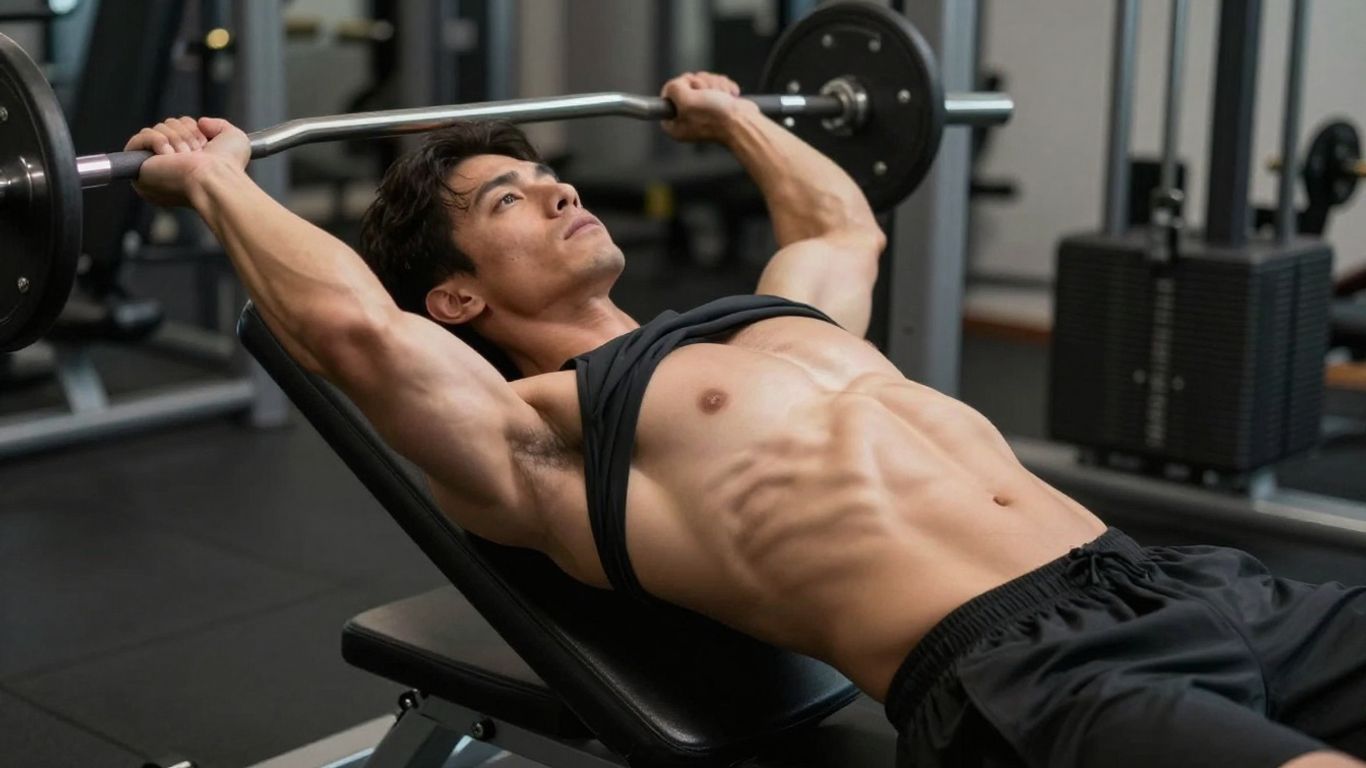
So, you've been working on your core, and maybe you're starting to feel stronger. That's awesome! But sometimes, you might notice that certain areas feel a bit neglected, or maybe you're looking for that extra definition in a particular spot. It's totally normal. Our abs aren't just one big block; they're made up of different parts, and hitting them all can make a big difference in both how you look and how your body functions.
Exercises for Upper Ab Definition
When people talk about the "six-pack," they're often thinking about the upper part of the rectus abdominis. While most ab exercises work the entire rectus abdominis to some degree, some movements put a little more emphasis on the top. Think about exercises that involve bringing your rib cage closer to your pelvis.
- Crunches: The classic crunch is a good starting point. Focus on a controlled movement, lifting your shoulders off the ground without pulling on your neck.
- Decline Crunches: Doing crunches on a decline bench increases the challenge and can really target the upper abs.
- Cable Crunches: Using a cable machine allows for constant tension, which can be great for building that upper ab definition.
Remember, visible abs are also about body fat percentage, not just muscle size.
You can do all the exercises in the world to build a strong core, but if it’s covered by belly fat, you aren’t going to see it. Lowering overall body fat through diet and consistent exercise is key to revealing the muscles you've worked so hard to build.
Strengthening Your Middle Abs
The middle section of your abs, also part of the rectus abdominis, is worked by many standard ab exercises. The key here is often about maintaining tension and controlling the movement through the full range. Exercises that involve a slight crunch or a controlled lift can be effective.
- Bicycle Crunches: These are fantastic because they involve a twisting motion, hitting the rectus abdominis and obliques.
- Leg Raises (with bent knees): While often associated with lower abs, a controlled bent-knee leg raise can really engage the mid-section.
- Plank Variations: Holding a plank, especially with slight hip dips or reaches, challenges the stability and strength of your entire core, including the middle abs.
Focusing on Lower Ab Development
This area can sometimes feel a bit trickier to target directly. Exercises that involve lifting your legs or pelvis towards your chest tend to put more focus here. It's important to avoid using momentum and focus on squeezing those lower abdominal muscles.
- Hanging Leg Raises: If you have access to a bar, these are excellent. Focus on lifting your hips rather than just your legs.
- Reverse Crunches: Lie on your back, knees bent, and lift your hips off the floor, bringing your knees towards your chest. This is a great way to isolate the lower abs.
| Exercise | Sets | Reps/Duration | Focus Area |
|---|---|---|---|
| Hanging Leg Raises | 3 | 10-15 | Lower Abs |
| Reverse Crunches | 3 | 12-18 | Lower Abs |
| Flutter Kicks | 3 | 30-45 sec | Lower Abs/Hip Flexors |
It's important to remember that a well-rounded core workout should ideally hit all these areas. You can achieve toned abs with a simple yet effective routine that targets lower abs, upper abs, and obliques using just a few exercises. Aim for consistency, and don't forget that proper nutrition plays a huge role in seeing those results.
Optimizing Your Ab Workout Routine
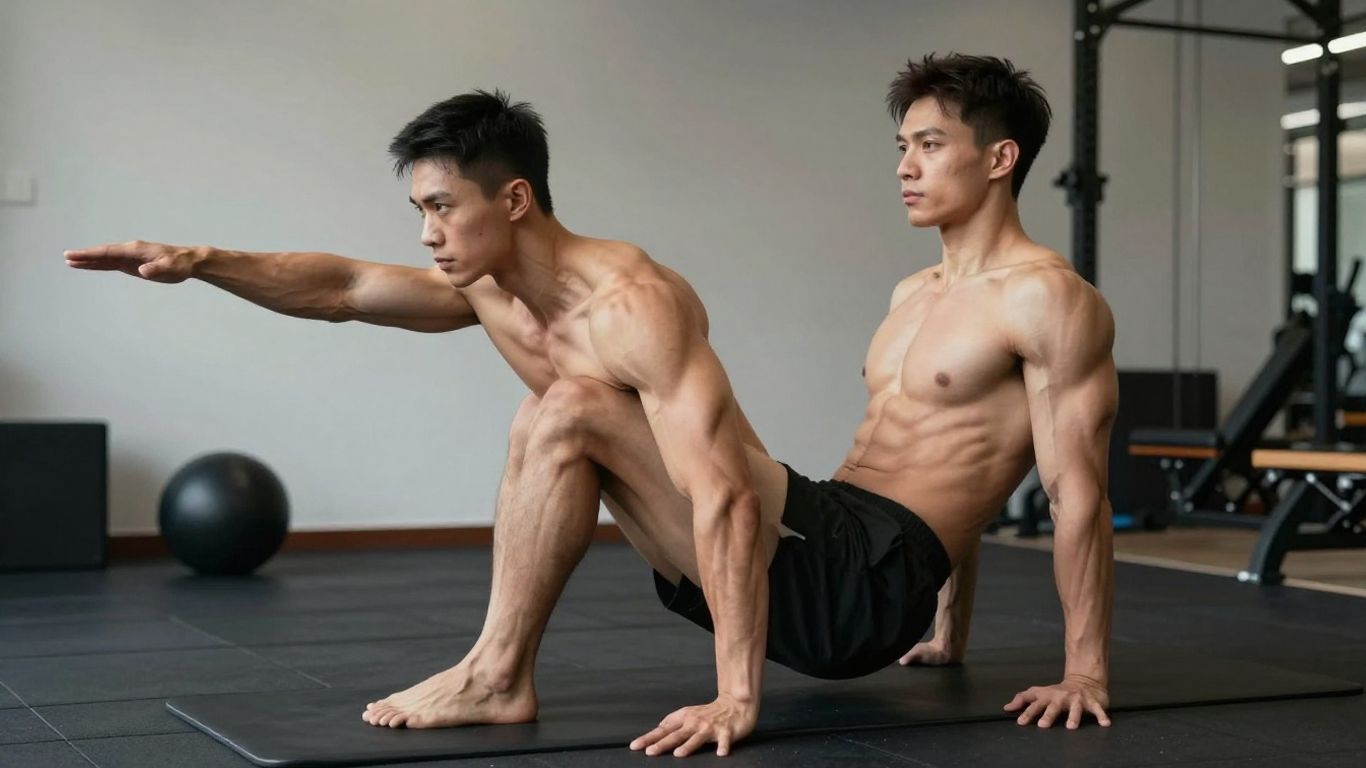
So, you've picked out some killer exercises and you're ready to get to work. That's awesome. But just doing a bunch of ab stuff isn't always the best way to get results. You gotta be smart about how you put it all together. Think of it like building something – you need a plan, right? The same goes for your core.
Balancing Movement Patterns
Your core isn't just one big muscle; it's a whole system that does a bunch of different things. To really get it strong and working right, you need to hit it from all angles. We're talking about:
- Flexion: This is like your basic crunching motion, bending forward.
- Anti-extension: This is when your core stops your back from arching too much, like in a plank.
- Rotation: Twisting your torso, like in a Russian twist.
- Anti-rotation: This is the opposite – your core muscles working hard to stop you from twisting when something is trying to force you to.
If you only ever do crunches, you're missing out on a lot of what your core can do. A good routine mixes these up. You don't want to just do flexion exercises one day and then nothing else. Try to include at least one exercise from each category over the course of your week, or even within a single workout if you can fit it in.
Determining Optimal Set and Rep Ranges
Figuring out how many reps and sets to do can feel like guesswork sometimes. But there are some general guidelines that work pretty well for most people looking to build a stronger core. For general strength and muscle building, aiming for 2 to 4 sets of 10 to 15 repetitions per exercise is a solid starting point. If you're doing timed exercises, like planks or hollow body holds, try for 30 to 45 seconds per set.
Here’s a quick look:
| Goal | Sets | Reps (or Time) | Rest Between Sets |
|---|---|---|---|
| General Strength | 2-4 | 10-15 | 30-60 seconds |
| Muscular Endurance | 2-3 | 15-20+ | 30 seconds |
| Core Stability | 3-4 | Timed (30-60s) | 30-45 seconds |
Remember, this isn't set in stone. If 15 reps feel super easy, push for more. If 10 reps feel impossible, dial it back. Listen to your body.
The Role of Nutrition in Revealing Abs
Okay, so you can do all the planks and crunches in the world, but if you're carrying extra body fat, those abs aren't going to show. It's just how it is. You can't spot-reduce fat, meaning you can't just burn fat off your stomach. You have to lose fat overall.
Building visible abs is a two-part game: you need to strengthen the muscles themselves through exercise, and you need to lower your body fat percentage so those muscles can be seen. For most people, this means paying attention to what and how much they eat.
This doesn't mean you have to go on some crazy diet. It's more about making smart choices consistently. Eating more protein, getting enough fiber, and being mindful of your calorie intake are all big pieces of the puzzle. If your main goal is to see your abs, then your diet is just as important, if not more important, than your workout routine.
Advanced Core Training Techniques
Alright, so you've built a solid foundation with bodyweight and resistance exercises. Now, let's talk about taking your core game to the next level. These advanced moves are designed to really challenge your stability, strength, and endurance. They demand a lot of control and focus, so make sure you're feeling good about the basics before jumping into these.
Hanging Leg Raises for Maximum Engagement
This one is a classic for a reason. Hanging leg raises hit those lower abs hard, but they also work your hip flexors and require a lot of grip strength. To do them right, you want to hang from a sturdy bar, feet together. Start by lifting your legs, keeping them as straight as you can, towards the ceiling. The key here is to avoid swinging. Control the movement on the way down just as much as you do on the way up. If full leg raises are too much, start with bent knees – that's still a great challenge.
The Hollow Body Hold for Deep Core Strength
Think of the hollow body hold as the ultimate test of your core's ability to stay braced. You lie on your back, then lift your shoulders and legs slightly off the ground, keeping your lower back pressed firmly into the floor. Your arms can be by your sides or extended overhead. The goal is to maintain that tight, "hollow" shape without letting your back arch. It feels simple, but holding this position for time really burns.
Plank Variations for Enhanced Stability
Planks are great, but let's spice them up. We're talking about moving beyond the basic forearm plank. Consider these options:
- Plank Jacks: Start in a high plank position (on your hands). Jump your feet out wide, like a jumping jack, then jump them back together. This adds a cardio element and challenges your stability.
- Side Plank with Hip Dips: On your side, propped up on your forearm, lift your hips. Then, slowly lower your hips towards the floor and push them back up. This targets your obliques and hip abductors.
- Plank with Shoulder Taps: In a high plank, slowly tap your opposite shoulder with your hand, alternating sides. Try to keep your hips as still as possible. This really tests your anti-rotation strength.
These advanced techniques aren't just about looking good; they're about building a core that functions incredibly well. A strong, stable core translates to better performance in almost everything you do, from lifting weights to just everyday movements. Don't rush the process; focus on form and control, and you'll see serious progress.
Remember, consistency is key. Aim to incorporate one or two of these advanced moves into your routine a couple of times a week, once you've got the hang of the foundational exercises. Listen to your body, and don't be afraid to scale back if needed. Your core will thank you for it.
Wrapping It Up
So, there you have it. Building a strong core isn't just about looking good in a t-shirt, though that's a nice bonus. It's about making everyday movements easier, improving your posture, and even helping you lift more in the gym. We've looked at a bunch of different exercises, from simple bodyweight moves to ones that need a little extra weight. Remember, the key is to find what works for you and your goals, and to stick with it. Don't be afraid to mix things up and challenge your abs in different ways. Consistency is really what matters most here. Keep at it, and you'll definitely see and feel the difference.
Frequently Asked Questions
Why are core exercises so important?
Your core muscles are like the body's control center. They help you stand tall, keep your balance, and move smoothly. Having a strong core makes everyday tasks easier and helps you perform better in sports and workouts, while also protecting your back from injury.
Do I need special equipment for core exercises?
Not at all! Many super effective ab exercises, like bicycle crunches and bird dogs, use just your body weight. You can start building a strong core right at home with no fancy gear.
How often should I work out my abs?
It's usually best to include 3 to 5 core exercises in your routine, doing 2 to 4 sets of 10-15 reps for each. You can do this a few times a week, maybe at the end of your regular workouts, to give your abs enough time to recover and grow stronger.
Can I get visible abs just by doing ab exercises?
While exercises build strong ab muscles, seeing them often depends on how much body fat you have. To make your abs show, you usually need to lower your body fat percentage through a healthy diet and regular exercise that burns calories.
What's the difference between upper and lower ab exercises?
Different exercises target different parts of your abs. Exercises that involve bringing your chest towards your pelvis often focus more on the upper abs. For lower abs, movements that lift your legs towards your chest or involve reaching for your heels tend to be more effective.
Is it okay to do the same ab exercises every time?
It's better to mix things up! Doing a variety of exercises that work your core in different ways (like twisting, bending, and holding steady) keeps your muscles guessing and helps you build a more balanced and strong midsection. Try changing up your routine every so often.


0 comments