
Key Takeaways
Identifying a master of the boards requires looking beyond raw totals to understand the intersection of intuition, physical positioning, and geometry. Rebounding remains a fundamental pillar of basketball performance, serving as the bridge between successful defensive stops and efficient offensive possessions.
- Elite rebounders possess advanced spatial awareness to anticipate ball flight.
- Proper box-out technique is more valuable than raw jumping ability.
- Offensive rebounding rewards hustle and high-motor effort across all positions.
- Modern defensive schemes rely on team collective rebounding to secure possession.
- Advanced tracking metrics offer deeper insights into effort and value on the glass.
Understanding the role of a rebounding leader
Being a true rebounding leader involves much more than simply standing near the basket when a shot goes up. It is a nuanced craft that combines timing, physical presence, and a relentless desire to control the sphere. While casual observers focus on the box score, coaches identify these players as the anchors who transform missed opportunities into second chances.
Defining the modern rebounding archetype
The contemporary game has shifted, yet the NBA rebounding leaders continue to define the standard for team success. Today’s effective rebounder must blend traditional brute force with an ability to process rapid-fire information as balls carom off the rim, proving that the most successful players are those who can read the game at high speed.
The difference between defensive and offensive dominance
Defensive rebounding is largely about structural discipline and controlling the paint via established positioning. Offensive rebounding, by contrast, demands a different set of instincts, forcing players to navigate around active defenders while maintaining an aggressive pursuit of the ball. This aggression can be practiced with tools like Leaps and Rebounds equipment, which helps users train their ability to secure the ball efficiently after dynamic movements.
Why volume rebounding remains a key defensive metric
High-volume output frequently signals a player's reliability in ending an opponent's possession decisively. Looking at the NBA rebounding stats shows that those who consistently clear the glass deny the opposition the chance to reset or generate second-chance points, which is a major factor in maintaining a high team defensive rating.
Core physical traits of a rebounding leader
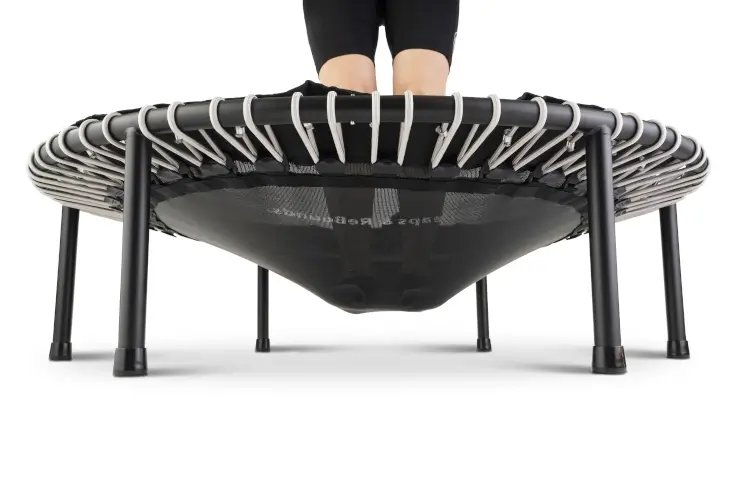
Physicality dictates the ceiling of any athlete when they enter the fray under the basket. A significant wingspan combined with explosive verticality allows a player to snatch the ball from traffic before opponents even reach their apex. Developing the necessary core strength to support these efforts can be bolstered through consistent usage of Leaps and Rebounds fitness workouts designed to improve stability and power.
Optimizing vertical reach and wingspan
Reach essentially serves as the primary barrier between a player and their competition. Superior wingspan allows a player to cover more area without constant repositioning, which is vital when fighting for loose balls in crowded lanes.
Developing functional strength for interior positioning
Securing space against larger opponents requires dense muscle mass and strong leverage. Players often use specific drills to hold their ground, which is essential for warding off defenders during the critical milliseconds of a rebound contest.
Maintaining quick-twitch responses for second-chance efforts
Rapid reaction times distinguish the greatest board cleaners from the rest of the pack. To help visualize how physical attributes influence performance, consider the following breakdown of critical rebounding variables:
| Attribute | Impact on Rebounding | Priority Level |
|---|---|---|
| Wingspan | Increases zone coverage | High |
| Core Strength | Maintains body position | Critical |
| Reaction Speed | Secures loose balls | Medium |
These variables interact in complex ways to define success; for instance, a player with average vertical reach might still lead the league by mastering core positioning. This intersection shows exactly why traditional stats occasionally undersell the immense impact a disciplined player brings to their defensive rotations.
Mastering the mental nuances of the glass
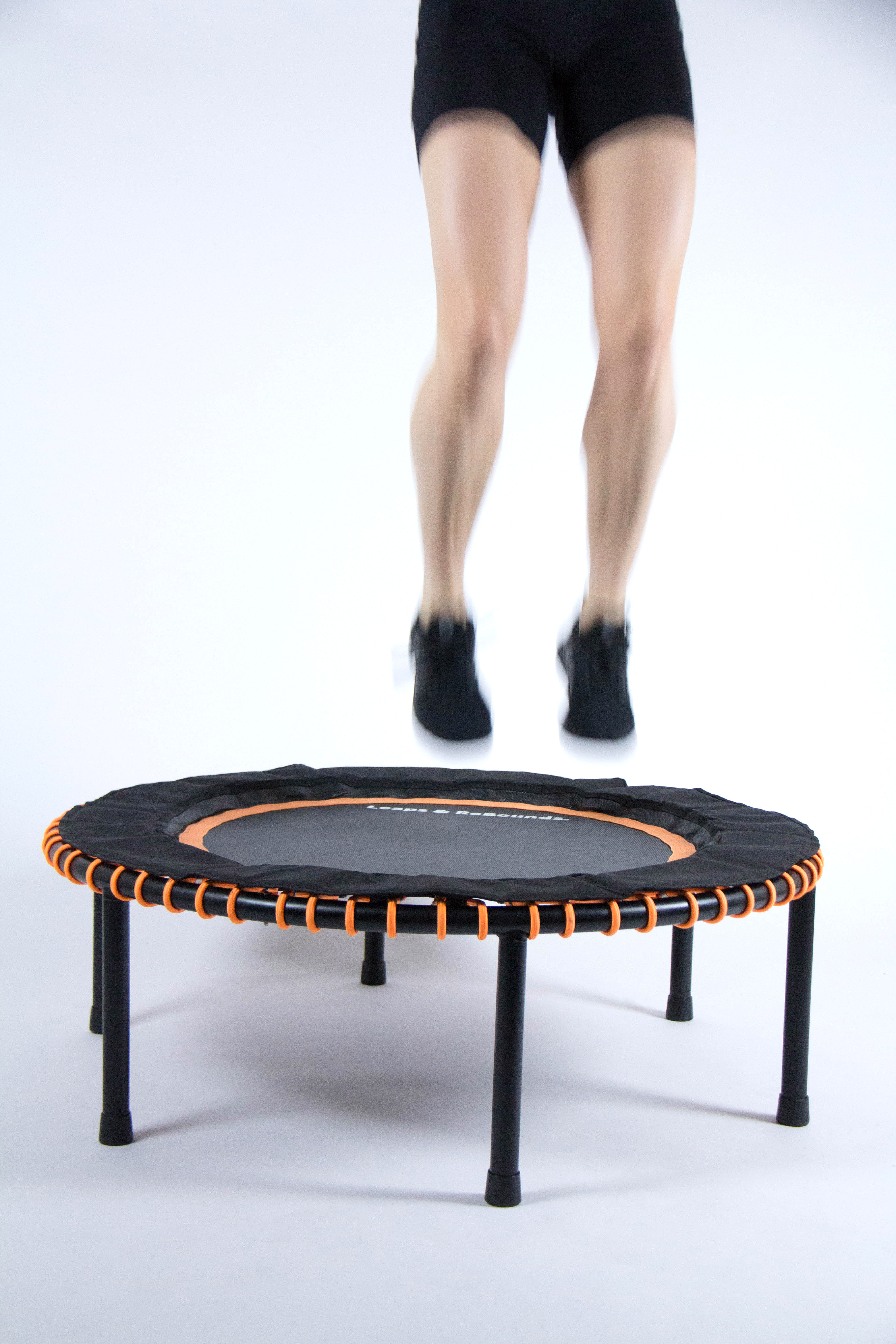
Anticipation is arguably the most underrated element of rebounding, separating those who hunt the ball from those who react to it. Understanding where a ball will land after hitting different parts of the rim involves observing the rotation, the arc of the shot, and the angle of impact. Building this mental edge is a continuous process that players refine through countless hours of play.
Predicting shot trajectory and bounce patterns
Predicting where a miss will fall requires a deep understanding of standard basketball physics. When a shot hits the front of the rim, it usually kicks back short, while a shot grazing the back iron tends to launch toward the opposite side of the court, a pattern that separates the casual player from the true expert.
Managing focus and anticipation under high pressure
Staying locked in during crunch time is the hallmark of a resilient athlete. Under high-pressure conditions, effective cleaners often exhibit several key traits:
- Unwavering attention to the shooter's release angle.
- Rapid assessment of teammate and opponent positioning.
- Strategic use of leverage to stay ahead of the opposition.
- Calm execution during chaotic scramble moments.
These habits ensure that even in a high-stakes environment, the rebounder remains a step ahead of everyone else on the floor. When you manage your focus, the game slows down, allowing you to react based on pattern recognition rather than panic.
Communicating defensive rotations to create rebounding space
Communication is the glue that holds a defensive rebounding unit together. By alerting teammates to potential threats, an leader ensures that defensive boxes are perfectly aligned, which theoretically provides the space needed for the primary rebounder to perform their duty unimpeded.
Technical skills that separate the elite
Mastery of fundamentals creates a foundation upon which athletic gifts can truly shine. Without the correct technique, even the most gifted jumper will struggle to secure rebounds consistently against well-drilled teams. Many professionals use the Leaps and Rebounds stability bar to improve their balance, ensuring they move around the paint with intent and precision rather than frantic energy.
Perfecting the box-out technique
The cornerstone of rebounding remains the box-out, an art form where you seal off an opponent to prevent them from reaching the rim. It is rarely glamorous, yet it remains the most effective way to guarantee team possession.
Developing soft hands for contested securements
Having soft hands allows a player to trap the ball securely upon initial contact, preventing deflections that lead to turnovers. It is common to see elite players practice catching passes and rebounds with high repetitions to keep their coordination sharp.
Utilizing leverage to pivot around opponents
A player who understands leverage can navigate even the densest traffic by using an opponent's momentum against them to gain access to the ball.
This principle allows a smaller player to hold their ground just as effectively as a much larger one. By maintaining a low center of gravity and using their hips to establish space, they turn defensive rebounding into a refined tactical effort.
Statistical metrics beyond total boards
Statistical analysis has evolved rapidly, moving well past simple counting stats to better value individual effort. Modern front offices now rely on Season Leaders dashboards to see how specific rebounders contribute to the broader efficiency of their team's transition game, identifying value that was previously hidden in the box score.
Measuring contest rates and rebound percentage
Rebound percentage offers a much more accurate picture of a player’s effectiveness than simple totals. This metric accounts for how many available boards a player actually secures, providing a clearer look at their efficiency when they are on the court.
Analyzing the impact on team transition efficiency
Efficient rebounding acts as the primary ignition for a team's fast break. When a player grabs a board and immediately initiates the outlet, they directly influence the team's ability to score before defenses can reset.
Using advanced tracking data to identify hidden rebounding value
Tracking data allows scouts to identify players who may not get the most boards but prevent opponents from scoring by boxing out effectively. These so-called "gravity rebounders" create space for teammates, a contribution that adds significantly to all-time rebounding rankings in the eyes of savvy basketball operations teams.
Evolution of the rebounding leader in the small-ball era
As the game has moved toward floor-spacing, the art of rebounding has necessarily transformed to keep pace. The traditional dominant center is no longer the sole source of team success; instead, collective rebounding effort is the current standard for championship-level basketball.
Adapting to floor-spacing and perimeter shots
Longer shots translate to longer rebounds, which means the player who can cover the most ground off the perimeter often wins the ball. This shift has forced traditional interior players to develop better lateral movement to contest the long caroms common in modern offenses.
Balancing rim protection with rebounding responsibilities
Rim protectors must now juggle the dual responsibilities of challenging shots and immediately cleaning the glass. This requires high physical intelligence regarding exactly when to vacate the rim to pursue a rebound versus staying grounded to preserve defensive integrity.
How individual rebounding impacts team defensive schemes
When one individual excels at securing the miss, the entire team defensive structure benefits because they can push the ball early. It allows for a more fluid defensive identity where every player contributes to the singular goal of finishing the possession strong.
Case studies of legendary board cleaners
Studying those who dominated the boards helps us appreciate the longevity required to become a truly iconic player. Reviewing the historical career rebounding leaders provides a roadmap for what it takes to survive and thrive as a force on the glass over long periods of time.
Lessons from Bill Russell and Wilt Chamberlain
Russell and Chamberlain established the standard for statistical dominance that remains nearly impossible to eclipse. Their approaches were fundamentally different, yet both showcased an obsession with controlling the basketball that elevated their teams far above the league average.
The high-motor approach of modern stars
Modern rebounders often play with a high-motor style that emphasizes active hands and relentless persistence. They work to disrupt the opponent's rhythm, refusing to concede a single possession, which remains the best way to stay relevant in a highly competitive league.
Analyzing the consistent longevity of career leaders
Longevity in rebounding is a direct reflection of smart load management and consistent physical conditioning. Being a rebounder is punishing work, and those who remain at the top for a decade or more understand how to preserve their bodies for long-term consistency.
Conclusion
Ultimately, becoming an elite presence on the boards is a complex achievement that relies on deep anticipation, superior technique, and a genuine desire to maximize every team possession. By constantly refining these skills and understanding the evolving nature of the game, one can effectively control the glass and contribute to success at any level of competitive basketball.
Frequently Asked Questions
What defines a successful rebounder?
A successful rebounder is someone who prioritizes position and anticipation over pure vertical reach, often acting as the anchor for the entire team's defensive effort by ending opponent possessions quickly.
How does the length of a shot affect rebounding position?
Longer shots from the perimeter naturally lead to longer caroms, requiring players to move further away from the basket to anticipate where the ball might bounce compared to shorter interior misses.
Why is boxing out considered more important than jumping?
Boxing out allows a player to physically seal off opponents, which ensures that they have the best lane to the ball regardless of who can jump the highest in a contested environment.
Can smaller players be effective rebounders?
Individual rebounding is entirely possible for smaller athletes who master leverage, low body positioning, and understanding the arc of the ball to beat taller opponents to the spot.
What are advanced rebounding metrics?
These include tracking stats like contested rebound rates and individual rebound percentages, which measure efficiency relative to the opportunities a player had while physically present on the court.
How does rebounding impact fast break efficiency?
Strong rebounding is the engine of a fast break, as securing the ball and quickly transitioning into an outlet pass allows teams to outrun the opposition's defensive setup and score easy points.
Why do modern teams value team rebounding?
In a era of high-frequency perimeter shooting and long rebounds, relying on a single player to clear the glass is no longer optimal; collective team effort ensures coverage across the entire floor.




0 comments