











Key Takeaways
Supporting your body's natural fluid balance requires consistent stimulation and care for your internal systems. These fundamental insights cover the essentials of a safe and effective approach:
- The lymphatic system lacks a central pump and relies on movement to circulate fluid effectively.
- Vertical bouncing creates a rhythmic acceleration that mimics deep tissue stimulation.
- Choosing equipment that matches your spatial needs and balance level is crucial for consistency.
- Developing a daily routine, even with short sessions, provides the best long-term support.
- Always consult with a healthcare professional before making changes to your exercise regimen.
Understanding the lymphatic system and its circulation
Your immune system relies heavily on the intricate network of vessels and nodes that manage cellular waste. This system acts as a defensive filter, trapping bacteria and debris while maintaining the fluid equilibrium of your tissues. Understanding these mechanics is the first step toward effective health management.
The role of the lymphatic system in immunity
The lymphatic system serves as the body’s internal defensive network, transporting immune cells to areas of need. By filtering out harmful pathogens and metabolic waste, it actively prevents infections and manages inflammation. Proper flow within this complex network is essential for a robust immune response.
Why the lymphatic system lacks a natural pump
Unlike the circulatory system, which benefits from the constant rhythmic contractions of the heart, the lymphatic system is entirely passive. It moves fluid through one-way valves that only open when external pressure is applied. This design means that physical activity is the primary engine behind its function, rendering it susceptible to stagnation during periods of inactivity.
How physical movement prevents lymphatic stagnation
When you engage in movement, the gentle rhythmic compression of your muscles acts as a secondary heart for the system. Activities that emphasize vertical shifting are particularly effective at generating the necessary pressure to push fluid through the vessels. This constant state of active internal body movement ensures that toxins are effectively moved toward drainage points for processing.
Common symptoms associated with poor lymphatic drainage
When flow is slow, the body often shows signs of imbalance. Some people notice persistent puffiness, joint stiffness, or general fatigue, which are frequently cited in discussions about lymphatic system health as primary indicators of flow disruption. Recognizing these signals allows you to adjust your activity levels before long-term issues arise.
Why rebounding is uniquely effective for lymph flow
Rebounding stands out because of the unique way it handles gravitational force during exercise. It transforms a simple movement into a targeted aid for fluid circulation that is often inaccessible through stationary activity.
The physics of the upward-downward motion
The repeated cycle of acceleration and deceleration creates an alternating gravitational effect on every cell in the body. During the peak of a bounce, the body reaches a brief point of weightlessness, before gravity takes over during the descent. This rapid transition is described in research on trampoline rebounding as a dynamic way to force fluid movement.
Facilitating the opening and closing of lymphatic valves
The system relies on pressure cycles to keep one-way valves functioning. When you land on the surface of a rebounder, the compression triggers these valves to push fluid forward. This rapid response helps prevent the pooling of stagnant lymph in the limbs and lower extremities.
Comparing rebounding to low-impact aerobic exercises
While traditional activities like walking or swimming provide movement, rebounding specifically creates a vertical G-force that uniquely benefits drainage. The following comparison highlights why it is often preferred for these specific goals:
| Feature | Walking | Rebounding | Swimming |
|---|---|---|---|
| Impact on Joints | Low | Very Low | Minimal |
| Gravity Stimulation | Moderate | High | Low |
| Drainage Efficiency | Good | Excellent | Good |
This table illustrates how the specific nature of vertical acceleration makes rebounding an especially efficient tool.
Achieving internal massage effects at a cellular level
Every time you bounce, you create a wave of pressure that travels throughout the tissues, providing a deep, systemic release. This phenomenon creates an effect similar to a professional massage, but rather than being applied externally by a therapist, it occurs naturally from within. You can visit Leaps and Rebounds to find the right equipment to get started with this practice.
Choosing the right mini trampoline for home use
Selecting a quality device ensures that your sessions are safe, quiet, and effective. The right build keeps your movements centered, which is essential for consistent stimulation.
Understanding size and surface area requirements
For a home environment, an appropriately sized surface area provides enough room for stable stance shifts. Measuring your available floor space and ceiling height ensures you won't feel restricted, which is a major factor in maintaining your motivation.
Evaluating spring-based versus bungee-cord systems
Modern rebounders often use elastic cords instead of metal springs to offer a more silent and responsive bounce. This change is significant for anyone working out in shared living spaces, as it eliminates the clanking noise and reduces stress on the joints.
Importance of stability bars for balance and confidence
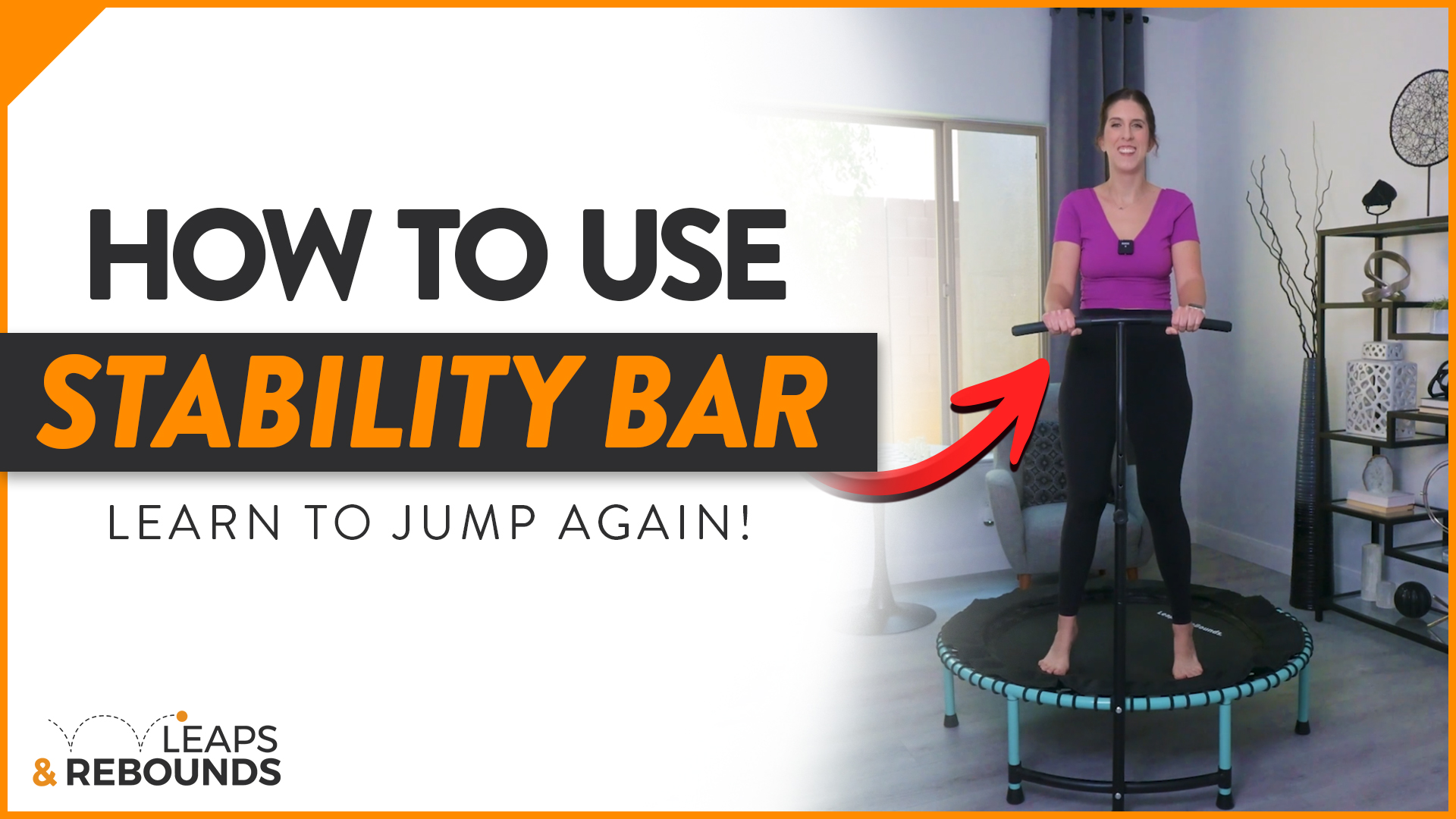
Using an Adjustable Stability Bar offers a crucial point of contact for beginners. It allows you to build confidence while you master your center of gravity, ensuring your attention remains on the proper technique rather than maintaining your balance.
Assessing weight capacity and frame durability
Always verify that your Fitness Trampoline meets the structural requirements for your body type. A robust frame and high-quality mat materials from a company like Leaps and Rebounds are investments in longevity that reduce the risk of mechanical failure during your workout.
Essential rebounding techniques for lymphatic stimulation
Your technique determines how effectively you clear stagnant fluid. Small adjustments in your form can change a casual bounce into a focused lymphatic session.
Mastering the basic health bounce
The health bounce is the foundational move where your feet barely leave the mat. By simply shifting your weight and pressing down through your heels, you initiate the rhythmic pump. This subtle movement is surprisingly powerful and serves as the backbone for any lymphatic drainage regimen.
Incorporating rhythmic weight shifting
Entering into a rhythmic pattern of weight transition helps engage different muscle groups. Try side-to-side shifts or gentle knee lifts to vary the pressure applied to the lymphatic vessels. These variations prevent muscle fatigue and keep the exercise sessions engaging.
Balancing intensity and duration for optimal drainage
Consistency is far more important than extreme intensity. Short, sustained sessions are generally better tolerated and provide a steady, manageable stimulus to the vessels. Following this plan can help you stay on track:
- Morning sessions to jump-start circulation.
- Afternoon intervals to reduce sedentary stiffness.
- Evening calm-down sessions to promote fluid return.
- Weekly review of movement patterns to improve form.
Following a set schedule, such as this one, helps you build a habit that supports your well-being without burnout.
Integrating deep breathing patterns with your bounce
Deep, diaphragmatic breathing creates an even stronger pressure change in the abdominal cavity, which is home to the major gathering points of the lymphatic system. Combining your bounce with intentional, slow inhalations and exhalations amplifies the movement of fluid throughout the thoracic duct.
Developing a consistent lymphatic drainage routine
Establishing a habit requires creating a space in your life where movement feels natural and low-stress. By making small, intentional choices, you turn a chore into a restorative daily ritual.
Recommended frequency for maximum support
Daily sessions, even if they last only ten minutes, are far more beneficial than sporadic, high-intensity workouts. The body thrives on regularity, which keeps the fluid moving steadily rather than allowing for long periods of stagnation.
Determining the optimal session duration
Listen to your body to find a duration that leaves you feeling refreshed rather than depleted. Many people find that starting with five-minute blocks works best for their schedule and physical endurance, allowing for gradual increases over time.
Choosing the best time of day for your body
The ideal time to bounce is whenever you have the highest probability of consistency. If you struggle with morning energy, a brief session can act as a natural stimulant, while an evening session may help clear the day’s buildup.
Tracking progress and subjective wellness improvements
Keep a simple record of how you feel after your sessions. Note changes in energy levels, sleep quality, and physical bloating. These surprising benefits of trampolines become clear only when you observe the subtle shifts in your daily wellness.
Safety precautions and contraindications
While rebounding is a low-impact activity, it remains a form of exercise that requires awareness. Taking proper precautions ensures that your health journey remains safe.
Consulting with healthcare providers before starting
Always speak with your doctor to ensure that any new movement program is appropriate for your unique medical history. This is especially vital if you have conditions affecting your circulation or heart health.
Identifying risks for those with joint or pelvic issues
Individuals with specific stability issues, chronic joint pain, or pelvic floor concerns should take extra care. Using a stability bar and sticking strictly to smaller, controlled movements can mitigate potential discomfort during your training.
Maintaining proper posture to prevent muscle strain
Keeping your core engaged and your gaze forward prevents unnecessary strain on the neck and lower back. Proper alignment ensures that the vertical force is absorbed evenly across the mat, which protects your joints from uneven impact.
Recognizing signs of overexertion and fatigue
If you feel dizziness or unusual soreness, stop immediately. Resting and allowing your body to recover is just as much a part of the process as the activity itself. Your goal is to improve flow, not to stress your system to the point of exhaustion.
Conclusion
Incorporating a dedicated movement practice, such as using a rebounder, offers a simple yet scientifically backed method to encourage optimal fluid circulation throughout your body. By remaining consistent with your routine and listening to the signals your body provides, you can effectively enhance your immune function and reduce the physical signs of stagnation. Focus on quality, stay patient, and enjoy the subtle but profound improvements in your overall sense of wellness as you move toward a more vibrant, active lifestyle.
Frequently Asked Questions
Does this help with swelling?
Many people report that the vertical movement helps reduce localized areas of puffiness by stimulating the body's natural drainage pathways to process excess fluid.
Is it safe for beginners?
Yes, if you start slowly with basic controlled movements and utilize additional support like a stability bar, it is an accessible practice for individuals of almost any fitness level.
How often should I bounce?
Consistency is the key factor, with many finding that short, daily sessions provide better results than fewer, more intense workouts spread throughout the week.
Can I do this while pregnant?
It is absolutely essential to speak with your obstetrician before starting any new fitness routine during pregnancy to ensure the activity is appropriate for your health status.
Do I need special workout gear?
No specialized equipment is needed beyond the trampoline itself, although wearing supportive, low-impact exercise shoes is often helpful for comfort and stability.
Does it burn many calories?
While it provides a cardiovascular benefit, the primary focus of this practice is on enhancing circulation and lymphatic flow rather than purely caloric output.
How long until I see results?
Individual experiences vary, but many users note improvements in energy and a reduction in bloating within a few weeks of adhering to a regular routine.


0 comments