












Thinking about getting an exercise bike? It's a solid choice for getting a good workout without putting too much stress on your joints. Whether you're looking to burn some calories, build leg strength, or just get moving more regularly, these bikes for exercise are a great way to go. We've checked out a bunch of them to help you find the right one for your home gym. From fancy models with all the tech to simpler, more budget-friendly options, there's something here for everyone. Let's see which ones made our top list for 2026.
Key Takeaways
- Exercise bikes offer a low-impact cardio workout, making them suitable for various fitness levels and joint health.
- When choosing an exercise bike, consider build quality, adjustability for comfort, and the type of resistance system.
- Features like interactive programming, app integration, and built-in workouts can enhance the exercise experience.
- Different types of exercise bikes exist, including upright, recumbent, air, and foldable models, each with its own benefits.
- Consider your budget, available space, and fitness goals to find the best exercise bike for your needs.
Understanding Your Exercise Bike Needs
Choosing the best exercise bike isn’t about picking the flashiest option—it comes down to how well it fits your everyday life and what you want out of it. Getting clear on what you need before you buy saves you from unused equipment gathering dust in the corner. Let’s figure out what really matters for you when choosing your exercise bike.
Defining Your Fitness Goals
Before you look at a single bike, spend a few minutes thinking about your goals. Are you hoping to get moving after work, boost your stamina for a future race, or recover from an injury? Here’s how it usually breaks down:
- General Fitness and Weight Loss: Look for bikes that support steady, regular use. Upright bikes typically work well here—they’re straightforward and easy to hop on.
- Cardiovascular Health: Bikes with a wide range of resistance settings let you push harder when you’re ready. Studio or spin bikes make it simple to increase intensity and simulate challenging rides.
- Performance and Strength: Training for a long ride outdoors or working on leg strength? A studio spin bike with high resistance offers the right challenge and mimics real cycling best.
- Rehabilitation and Comfort: If you’re bouncing back from injury or want a gentle option for joint care, recumbent bikes provide support and ease of access.
Matching the Exercise Bike to Your Lifestyle
The bike that fits your routine will get used most. Think about what your day looks like and what would get you on the saddle more often. Here are some things to keep in mind:
- Need something easy to store? Folding or compact upright bikes are a lifesaver in cramped rooms.
- Prefer long, casual rides? Look for models with wider seats and maybe a place for your water and tablet.
- Quick on-the-go workouts? Pre-programmed rides and easy controls save time.
- Love tech? Consider bikes with built-in screens, Bluetooth, or app compatibility.
The perfect bike isn’t the one with the most features—it’s the one that makes exercise fit your daily routine without hassle or headaches.
Considering Your Space and Storage
Make sure you know where your bike is going to live. An over-sized model will be frustrating if it won’t fit or is tough to move when visitors come over. Grab a tape measure and check your space against the typical size requirements:
| Bike Style | Approximate Space Needed |
|---|---|
| Folding/Upright | 2' x 3' |
| Studio/Spin | 2' x 4' |
| Recumbent | 2.5' x 5' |
Other key details:
- If you’ll need to move the bike, look for wheels—most modern bikes have them.
- Noisy equipment can be annoying, so if quiet is important, opt for magnetic resistance bikes.
- Never underestimate the value of a tidy, uncluttered corner. Bikes that fold or are lightweight enough to tuck away help keep your space livable.
Taking a moment to match your bike to your space and habits now saves a lot of stress down the road. The stuff you check today will make riding tomorrow that much easier.
Exploring Different Exercise Bike Types
So, you're looking to get an exercise bike for your home. That's awesome! But walking into a store or browsing online, you'll quickly see there are quite a few different kinds. They aren't all built the same, and what works for one person might not be the best for another. Let's break down the main types so you can figure out which one fits you best.
Upright Exercise Bikes for General Fitness
Think of an upright bike as the closest thing to a regular outdoor bicycle, but for your living room. You sit on it pretty much like you would a standard bike, with your back straight and your legs pedaling in front of you. These are super popular because they're really versatile. They're great for just getting your heart rate up, burning some calories, and improving your general fitness. If you're not training for the Tour de France but just want to stay active and healthy, an upright bike is a solid choice. They also tend to be a bit more compact than some other types, which is a bonus if you don't have a ton of space. You can find a lot of good options that are easy to use and don't break the bank.
Studio Spin Bikes for Intense Workouts
If you've ever been to a spin class, you've probably used a studio bike, often called a spin bike. These are built for serious workouts. They usually have a heavier flywheel, which gives you a really smooth and consistent pedaling feel, even at high resistance levels. The riding position is typically more aggressive, leaning forward, which is great for mimicking road cycling and really engaging your leg muscles. Spin bikes are fantastic if you're looking to push your limits, do interval training, or build serious leg strength. They often come with more advanced features for tracking your performance, and many connect to apps for guided classes. These bikes are designed to give you a tough, effective workout. If you're aiming for peak performance or love the intensity of group fitness classes, a spin bike is likely your best bet. You can check out some of the top models to get an idea of what's out there for serious training.
Recumbent Bikes for Comfort and Rehabilitation
Now, if comfort is your top priority, or if you have any joint issues or are recovering from an injury, a recumbent bike is probably what you're looking for. The name
Key Features to Evaluate in an Exercise Bike
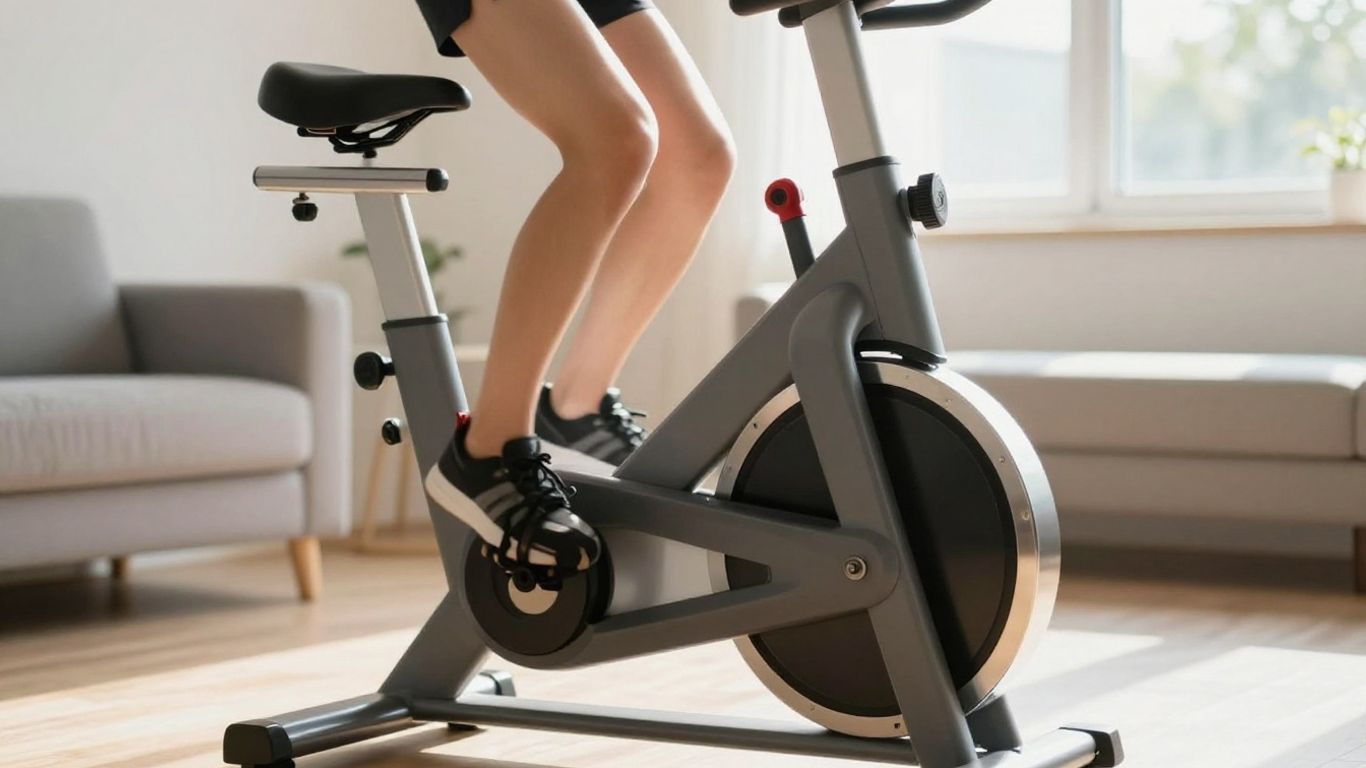
Choosing an exercise bike can get overwhelming fast, especially when all the specs start to blur together. It's important to focus on features that impact your comfort, the quality of your workouts, and how long you'll actually want to use the bike. Let’s break down what matters most:
Resistance Systems: Manual, Magnetic, and Electromagnetic
The resistance system basically controls how hard it feels to pedal. Here’s how the most common types stack up:
| Resistance Type | How it Works | Pros | Cons |
|---|---|---|---|
| Manual (Friction) | Felt pad presses wheel | Simple, cheap, wide range | Noisy, wears down |
| Magnetic | Magnets resist flywheel | Quiet, low maintenance, smooth feel | Often more expensive |
| Electromagnetic | Electric current + magnets | Precise, programmable, app-connected | High price |
- Manual friction is great if you’re tight on budget but it might get loud and need more upkeep.
- Magnetic is popular because it barely makes a sound and keeps things running smooth.
- Electromagnetic resistance shows up in pricier models. These can link to your favorite apps and adjust automatically during classes.
If you plan to ride early in the morning or in a small apartment, quieter resistance like magnetic or electromagnetic makes workouts feel a bit less disruptive for everyone around.
Comfort and Adjustability for a Proper Fit
Bike comfort isn’t just about a squishy seat—though that helps. If the bike fits you poorly, it’s less fun to use. Here’s what you should check:
- Adjustable Seat Height and Depth: Lets your legs move properly, helps prevent knee pain.
- Moveable Handlebars: Crucial if you’re tall, short, or anywhere in between.
- Pedal Options: Some bikes let you swap the pedals for your own or use SPD clips. Others stick to basic plastic.
- Seat Cushion Comfort: Not all are created equal—some folks swap the factory seat for their own right away!
- Step-through Frames: If mobility is tough, this feature can make getting on and off less of a hassle.
Durability and Weight Capacity Considerations
No one wants a bike that feels wobbly or flimsy after a month. Durability comes down to what the bike’s made of and how much it weighs overall. Here’s a short checklist:
- Frame Material: Steel is strong and lasts a long time. Aluminum is lighter but can flex more.
- Bike Weight: Heavier bikes (over 100 lbs) tend to feel more stable, especially for vigorous rides or standing pedaling.
- User Weight Limit: Check if it covers everyone in your house who might ride. Standard max is about 250-350 lbs but some go higher.
- Foot Stabilizers: Adjustable ones help if your floor isn’t perfectly flat.
| Bike Durability Factors | Typical Range/Standard |
|---|---|
| Frame Material | Steel, Aluminum |
| Bike Weight | 60 - 140 lbs |
| Weight Capacity | 250 – 400 lbs |
| Warranty Coverage | 1 year to lifetime |
I once thought any bike labeled as “sturdy” would be enough, but a little extra research saved me from buying one that shook every time I got out of the saddle.
When you take the time to look at these key features, you're way more likely to end up with a bike you actually enjoy—and want to use long-term, not just as a coat rack.
Integrating Technology with Your Exercise Bike
Staying motivated to exercise at home can get tricky, but technology has changed how we interact with exercise bikes. If you want your workouts to stick, choosing a bike with the right tech features can make a big difference.
Interactive Workouts and App Connectivity
It’s 2026—stationary bikes are no longer just about spinning the pedals. Now, most mid-range and high-end models let you connect with fitness apps through Bluetooth or Wi-Fi. Here’s what’s common:
- Access to virtual classes with live instructors or pre-recorded sessions.
- Virtual riding experiences—one day you’re cycling the streets of Paris, the next, mountain trails.
- Community leaderboards and challenges that keep you pushing just a little harder.
- Music and entertainment streaming right from your bike’s display or your own smart device.
For a quick look, here’s how popular features stack up across bikes:
| Feature | Basic Bike | Smart Bike |
|---|---|---|
| App Connectivity | ✗ | ✓ |
| Built-in Display | ✗ | ✓ |
| Virtual Classes | ✗ | ✓ |
| Data Sync (Cloud/Phone) | ✗ | ✓ |
| Heart Rate Monitoring | Optional | ✓ |
A good tech setup can be the push you need to hop on the bike, especially when routines feel repetitive.
Performance Tracking and Smartwatch Integration
People want to know how they’re doing—and improve. Today’s bikes often sync your stats directly to apps or your smartwatch. The important stuff that gets tracked might include:
- Workout duration and calories burned
- Distance, speed, and RPM (revolutions per minute)
- Heart rate (sometimes live, using chest straps or connected watches)
- Custom goals and historical progress charts
Having your data in one place can give you more insight, help you set realistic goals, and keep you committed over the long haul. And syncing with apps like Apple Health, Google Fit, or even Strava makes everything way more convenient.
Understanding Console Features and Displays
Bike displays used to be tiny, with a handful of numbers. Today, new bikes come with:
- Touchscreens, sometimes up to 24 inches wide
- Intuitive, easy-to-read graphics
- Quick access to workout programs, virtual rides, and entertainment
- Customizable workout layouts (see what matters to you)
A good console lets you:
- See all your metrics at a glance.
- Switch workouts without fuss.
- Connect to 3rd party apps or podcasts directly.
If you plan to use your own device (tablet/phone) instead, check the holder quality and whether the bike has USB charging.
Picking a bike that connects easily with your tech makes workouts more personal, and might even make you look forward to the next session.
Making the Final Exercise Bike Purchase
Reading Reviews and Seeking Expert Advice
Alright, you've done the legwork. You know what kind of bike fits your life, what features you're after, and maybe even a few models that caught your eye. Now comes the part where you really dig in to make sure you're not just buying a bike, but your bike. It’s easy to get swayed by shiny screens or big promises, but the real test is what other people who actually use the bike have to say. Don't just glance at the star ratings; take a few minutes to read through the actual comments. People often spill the beans on things like how tough assembly was, if the bike started creaking after a few months, or how good the customer support really is. These real-world experiences can highlight issues that aren't obvious from the product description.
Remember, the most important thing is that the bike supports your fitness journey and fits comfortably into your home. A bike that's too complicated, too uncomfortable, or too big will just end up gathering dust. Take your time, do your research, and trust your gut.
If you're still on the fence, don't shy away from looking up expert reviews. Fitness websites and cycling publications often put these machines through their paces and can give you a clearer picture of build quality and performance. Sometimes, the best way to know is to try it yourself. If you can, visit a local store and hop on a few different models. Feeling how stable it is, how the seat feels, and how the resistance works can make a huge difference in your final decision.
Budgeting for Your Ideal Exercise Bike
Let's talk about the money side of things. Exercise bikes can range quite a bit in price, so it's smart to set a budget you're comfortable with before you start looking too seriously. The goal is to get the best bike for your money, balancing the features you need with solid quality. Here’s a general idea of what you might expect at different price points:
| Bike Type | Typical Price Range (USD) | What to Expect |
|---|---|---|
| Basic Upright | $200 - $500 | Simple console, manual resistance, basic build |
| Mid-Range Studio | $800 - $1,500 | More resistance options, better comfort, clearer display |
| Premium Studio | $1,500 - $2,500+ | Advanced tech, robust construction, potential subscriptions |
| Recumbent | $300 - $1,000+ | Easier entry/exit, focus on back support and comfort |
While the cheapest options might seem appealing, think about how long you want the bike to last and how comfortable it will be for your regular rides. Investing a bit more upfront in a well-built machine often saves you from headaches and extra costs down the road. Match your spending to how often and how intensely you plan to use the bike.
Assembly and Delivery Considerations
Once you've picked your bike, you need to think about how it's going to get to your home and get set up. Some companies include professional assembly with their delivery, which can be a real lifesaver if you're not handy with tools or just don't have the time. Others might leave it at your doorstep, meaning you're on your own for putting it together. Check the details carefully:
- Assembly Options: Does the price include in-home assembly, or is it an extra cost? Some brands offer professional setup for a fee, while others expect you to handle it.
- Delivery Scope: Will they bring it inside your home, or just to the curb? This matters, especially if you live in an apartment or have a long driveway.
- Tools and Instructions: If you're assembling it yourself, make sure the bike comes with clear instructions and all the necessary tools. Sometimes, you might need a few extra tools from your own toolbox.
- Return Policy: Understand the return policy before you buy. What happens if you get it home and it's not what you expected, or if there's a problem?
Don't underestimate the time and effort assembly can take. If you're not keen on spending a weekend wrestling with bolts and instructions, factor in the cost of professional assembly or look for brands that offer it as part of the package. It's an investment in getting your new bike up and running smoothly without the stress.
Wrapping It Up
So, after all that, picking out the right exercise bike for your home really boils down to a few simple things. It’s not about getting the most expensive or the fanciest model out there. What truly matters is finding a bike that fits your space, your budget, and most importantly, a bike that you’ll actually use. Whether you need something basic for a quick spin or a high-tech machine that connects to all your apps, there’s definitely an option for you in 2026. Remember, the best bike is the one that gets you moving consistently. If you can, try a few out, read what others say, and don’t overthink it. Any bike that helps you stay active is a win in my book. Happy riding!
Frequently Asked Questions
What type of exercise bike is best for beginners?
If you’re just starting out, an upright exercise bike is a great choice. It’s simple to use, takes up less space, and usually costs less than other types. Upright bikes help you get a good workout without being too hard on your joints. They’re perfect for building up your fitness and getting comfortable with cycling at home.
Can I use an exercise bike if I have knee or back problems?
Yes, you can! A recumbent exercise bike is often recommended for people with knee or back pain. These bikes have a bigger seat and a backrest, which makes them more comfortable and puts less pressure on your joints. Always check with your doctor before starting a new exercise routine, especially if you have health concerns.
How much space do I need for an exercise bike?
Most exercise bikes don’t take up much room. On average, you’ll need a space about 2 feet wide by 4 feet long. If your space is tight, look for bikes that fold up or have wheels so you can move them when you’re done. Always measure your spot before buying to make sure the bike will fit comfortably.
Do I need a bike with smart features or a touchscreen?
You don’t have to get a bike with smart features or a big screen, but they can make workouts more fun. Bikes with Bluetooth or Wi-Fi can connect to workout apps, track your progress, or let you join classes. If you like following along with trainers or tracking your stats, these features might be worth it. If you just want a simple ride, a basic bike works fine too.
How do I know if a bike is sturdy and safe?
Check the bike’s weight limit and see what materials it’s made from. A good exercise bike should feel solid when you sit on it and pedal. Look for bikes with a strong frame, and read reviews to see if other buyers had problems with wobbles or loose parts. It’s also smart to make sure the seat and handlebars adjust easily for your height.
Is it hard to put an exercise bike together at home?
Most exercise bikes come with instructions and can be put together in about an hour or two. Some brands offer assembly help for an extra fee. If you’re not comfortable with tools, you might want to ask a friend for help or hire someone. Make sure to follow the directions closely so your bike is safe to use.


0 comments