










Thinking about getting an online trampoline? They've really changed from just being a backyard thing. Now, they're super popular for getting a good workout in, right at home. You can use them to get your heart rate up, build some muscle, and they're surprisingly gentle on your joints. Plus, let's be real, bouncing is just fun! Whether you're looking to shed a few pounds, need something low-impact for recovery, or want to work on your balance, there's likely an online trampoline out there that fits the bill. We've checked out a bunch to help you figure out which one is best for you.
Key Takeaways
- An online trampoline, often called a rebounder, is a compact fitness tool great for cardio, strength, and balance, and it's easy on the joints.
- When buying, think about safety features like a sturdy frame and non-slip feet, the size that fits your space, and how durable the materials are.
- Bungee cords generally offer a quieter, smoother bounce that's better for your joints compared to springs, though springs can be more affordable.
- Consider your fitness goals: bungee trampolines are good for low-impact workouts, while those with handlebars or wider surfaces can help with strength and balance.
- Storage is important, especially for smaller homes; many foldable online trampoline models can be easily tucked away.
Understanding Your Online Trampoline Options
So, you're thinking about getting a trampoline to bounce your way to fitness, huh? That's awesome! But before you click 'buy,' let's chat about what's out there. It's not just one big bouncy thing; there are actually different types, and knowing the difference can save you a headache later.
What is a Rebounder Trampoline?
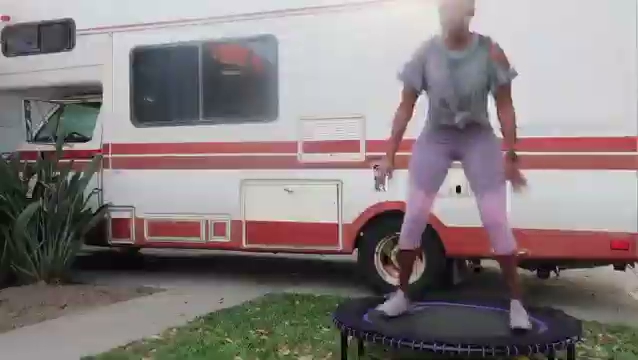
Think of a rebounder as a mini-trampoline, usually around 36 to 48 inches across. These are designed specifically for fitness. They're smaller than the trampolines you see in backyards, and they're built to handle a lot of jumping. The bounce is usually a bit firmer, which is good for getting a workout in. They're great for cardio, improving balance, and even some strength work, all without taking up your entire living room.
Trampoline vs. Rebounder: Key Differences
This is where it gets a little confusing, but it's important. When people say 'trampoline' in the context of fitness, they often mean a 'rebounder.' Traditional trampolines, the big ones, are for fun and acrobatics. Rebounders are fitness tools. They're smaller, sturdier, and designed for repetitive jumping. You won't be doing flips on a rebounder, but you'll definitely get your heart rate up.
Here's a quick rundown:
- Size: Rebounders are compact (36-48 inches); traditional trampolines are much larger.
- Purpose: Rebounders are for fitness; traditional trampolines are for recreation.
- Bounce: Rebounders have a firmer, more controlled bounce; traditional trampolines have a higher, more forgiving bounce.
Choosing Between Bungees and Springs
This is a big one when you're looking at rebounders. How the mat is attached to the frame really changes the feel of your bounce.
- Springs: These are the classic metal coils. They tend to give a firmer, more responsive bounce. Some people find them a bit harder on the joints over time, but they can be really good for high-impact cardio. They're often a bit noisier, too, with that familiar 'boing' sound.
- Bungees (or Cords): These use elastic cords. They offer a much softer, quieter bounce. This is usually better if you have joint issues or want a gentler workout. The bounce feels a bit more controlled and less jarring. They can sometimes wear out faster than springs, but modern bungee systems are pretty tough.
The type of bounce you prefer – firm and springy or soft and quiet – really comes down to personal preference and what your body needs. Don't be afraid to try both if you can!
When you're shopping online, you'll see these differences listed. Pay attention to whether it's spring or bungee, and think about what kind of workout you're hoping to get. It makes a difference!
Key Features to Consider When Buying Online
So, you're ready to jump into the world of online trampolines. That's awesome! But before you click 'buy,' let's talk about what really matters. It's not just about the bounce; it's about safety, how it fits your life, and if it's built to last. Getting these details right means more fun and fewer headaches down the road.
Safety and Stability Essentials
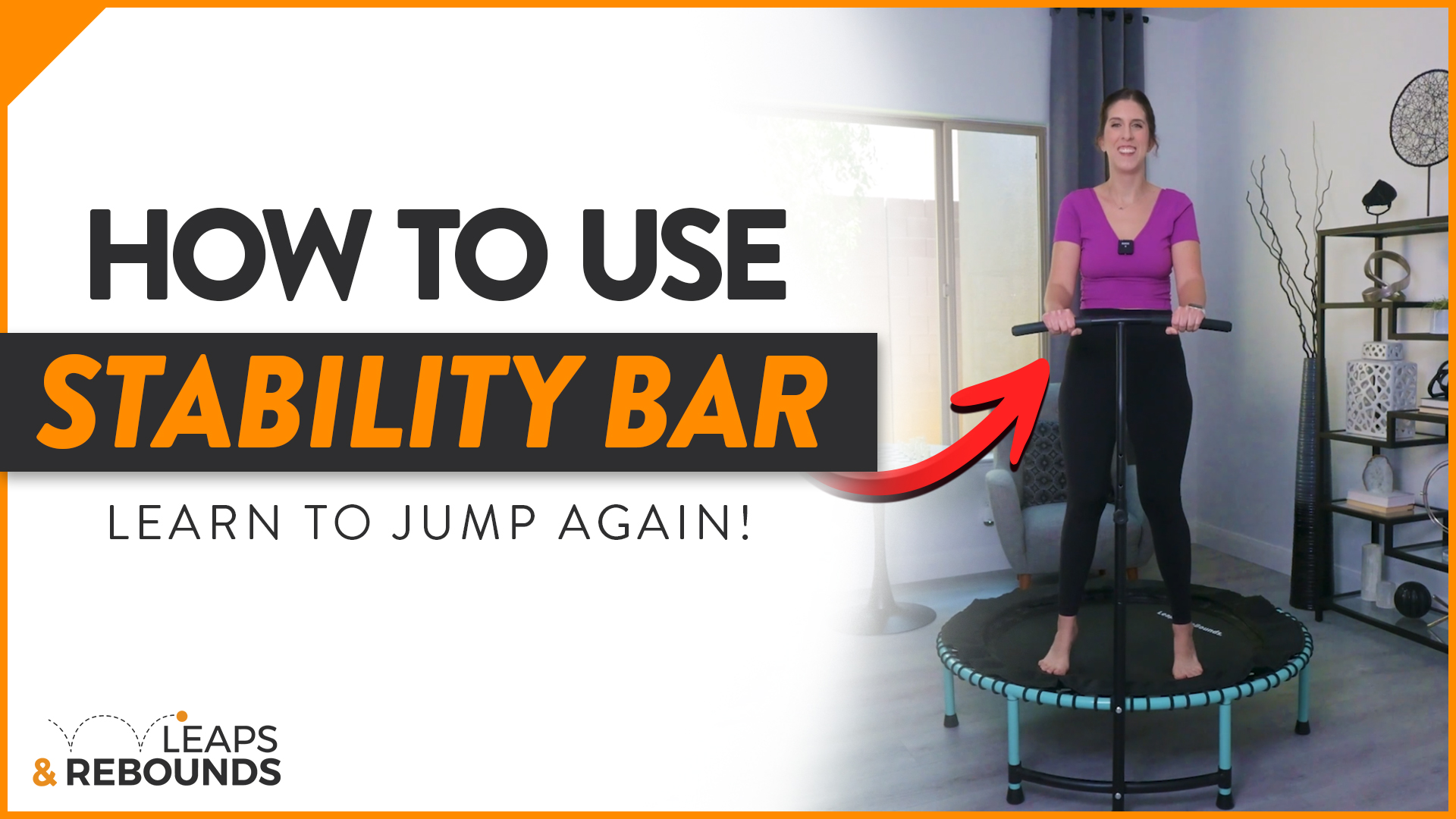
This is non-negotiable. You want a trampoline that feels solid underfoot, no matter how energetic your jumps get. Look for a strong steel frame – that's the backbone. The legs should have rubber tips or even suction cups to keep it from sliding around your floor. If you're new to bouncing or worried about balance, a handlebar can be a game-changer. It gives you something to hold onto while you get the hang of basic moves. While some experts say you shouldn't rely on them long-term, they're great for building confidence safely when you're starting out. Also, check the weight capacity. A higher limit usually means a sturdier build, which is good for everyone using it.
Size, Portability, and Storage Solutions
Trampolines come in different sizes, usually from about 36 to 48 inches across. A 40-inch one is often a good middle ground for home workouts. If you're taller or like to spread out your movements, you might want to go for a larger 48-inch model. Think about where you'll put it. If you have a small apartment or just don't want it taking up space all the time, a foldable trampoline is a lifesaver. You can just tuck it away when you're done. Just know that sometimes, super-portable models might sacrifice a tiny bit of stability for that convenience.
Durability and Material Quality
Nobody wants a trampoline that falls apart after a few months. You'll want to see heavy-duty steel for the frame, and the cords or springs should feel robust. The jumping mat itself should be made of strong, stretch-resistant material, often polypropylene, so it keeps its bounce. If you're thinking about using it outside, make sure it's built for the elements – think weather-resistant mats and rust-proof parts. It's worth spending a little more upfront for something that's going to hold up.
When you're looking at trampolines online, pay close attention to the details in the product descriptions. Sometimes the smallest features, like the type of feet on the legs or the quality of the stitching on the mat, can make a big difference in how safe and long-lasting your trampoline is. Don't be afraid to look for reviews that specifically mention how well the product has held up over time.
Here's a quick rundown of what to look for:
- Frame: Heavy-duty steel is best.
- Legs: Rubber-tipped or non-slip feet for stability.
- Mat: Durable, stretch-resistant material.
- Springs/Bungees: Securely attached and good quality.
- Handlebar (Optional): Great for beginners or added support.
- Foldability: A big plus for small spaces.
- Weight Capacity: Check this for safety and durability.
Matching Trampolines to Your Fitness Goals

Cardio and Weight Loss Trampolines
If shedding pounds and getting your heart rate up is the main goal, you'll want a trampoline that offers a good, responsive bounce. This kind of bounce lets you really push yourself during high-intensity interval training (HIIT) or just keep a steady, vigorous pace for a good cardio session. Look for models that feel a bit firmer; they tend to give you more energy back with each jump, making those intense bursts more effective. Think about trampolines with springs, as they often provide a more powerful rebound, though bungees can also be designed for a high-energy bounce.
Low-Impact and Joint Care Options
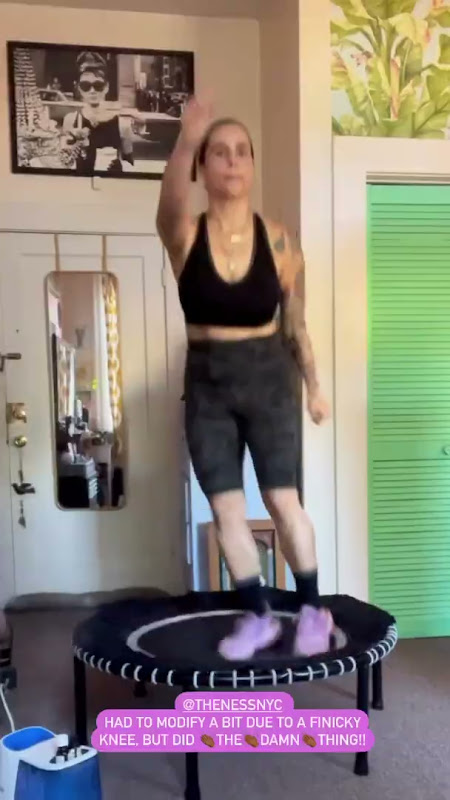
Got sensitive knees or just prefer a gentler workout? No problem. Trampolines are fantastic for low-impact exercise, meaning you get all the benefits without the jarring on your joints. For this, bungee-corded trampolines are usually the top pick. They offer a much softer, quieter bounce that absorbs shock really well. This makes them ideal for recovery days, people with joint issues, or anyone who just wants a smoother feel. The bounce is more controlled and less bouncy, which is exactly what you want when you're being kind to your body.
Strength and Balance Training Features
Trampolines aren't just for jumping jacks! They can be surprisingly good for building strength and improving your balance. If this is your focus, consider a trampoline with a bit more surface area, giving you room to move around. A stability handlebar is also a big plus here. It gives you something to hold onto, which is super helpful when you're trying out new balance exercises or more complex strength moves like squats or lunges on the mat. It lets you focus on the muscle work without worrying about tipping over. Some people even use them for core work, holding onto the bar while doing leg lifts or twists.
When picking out a trampoline for fitness, it's really about what you want to achieve. Are you aiming for a sweaty cardio blast, a gentle joint-friendly session, or a way to build up your core strength and stability? Knowing your primary fitness objective will point you toward the right type of bounce, features, and overall design.
Top Online Trampoline Selections
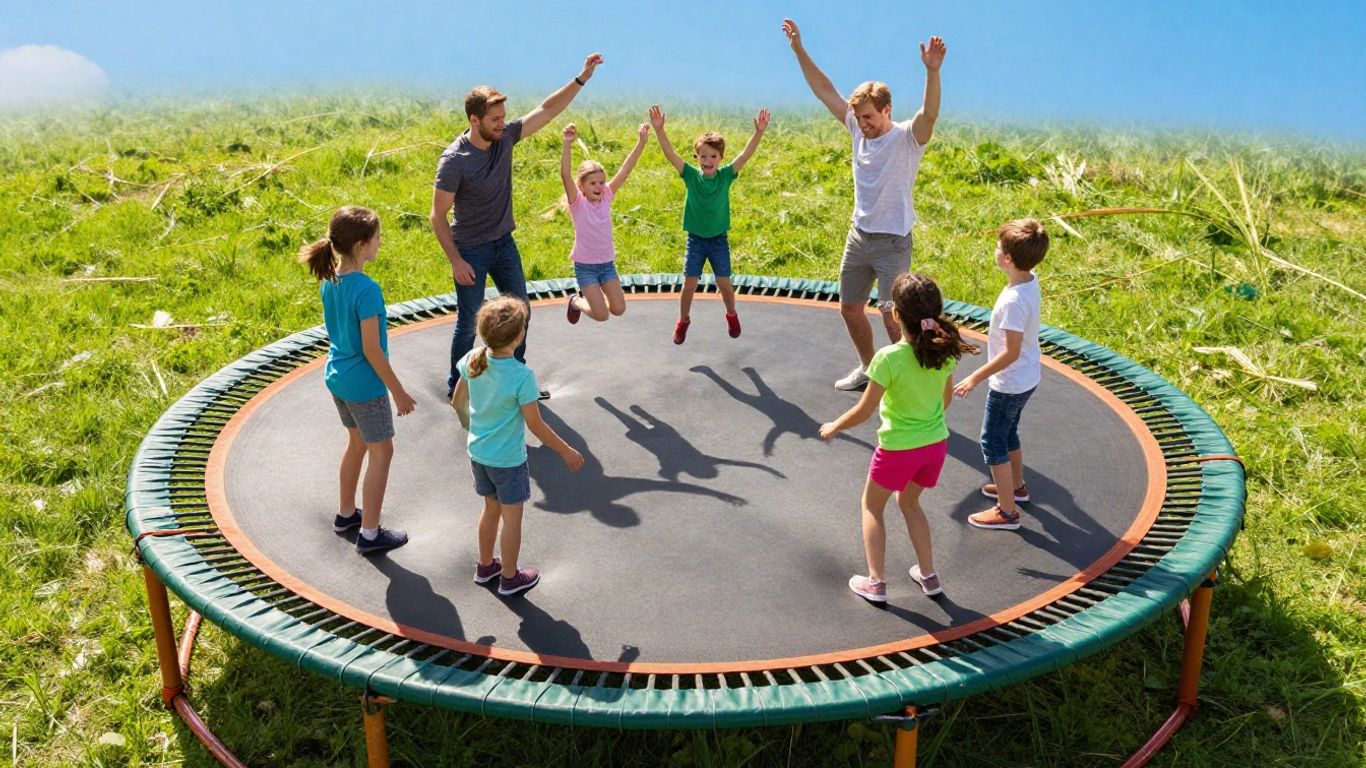
Alright, so you've figured out what kind of trampoline you want and what features matter most. Now for the fun part: picking an actual trampoline! It can feel a bit overwhelming with so many options out there, but we've narrowed it down to a few standouts that really impressed us during testing. Whether you're a total beginner or looking for something that won't break the bank, there's likely a great fit for you.
Best Overall Online Trampoline
For a solid all-around performer that balances bounce, stability, and build quality, the JumpSport 350 Fitness Trampoline is a top contender. It offers a really nice, controlled bounce that's great for a variety of workouts. While it's a bit of an investment, the quality of the bungee cords and the sturdy frame mean it's built to last. It's not foldable, so keep that in mind if space is really tight, but for consistent use, it's hard to beat.
Top Picks for Beginners
If you're just starting out and want something user-friendly, the BCAN Foldable Mini Trampoline is a fantastic choice. It comes at a really accessible price point, which is always a plus when you're trying something new. Plus, it's foldable, making it super convenient for storage. It uses springs, which give a bit more of a traditional trampoline feel, and it has a surprisingly high weight capacity for its size. Some beginners might also appreciate the option of a handlebar for added stability as they get their balance.
Best Value Online Trampoline
Looking for a great workout without spending a fortune? The Wamkos 40" Rebounder often pops up as a favorite for good reason. It uses springs and includes a nice, cushioned safety pad that covers them well. What's cool is that it often comes with resistance bands, so you can get an upper-body workout in at the same time. It's also pretty lightweight and easy to move around, and it folds up, which is a big win for smaller spaces. While some users mention a slight squeak over time, the overall package for the price is really strong.
Here's a quick look at how some of these compare:
| Trampoline Model | Bounce Type | Foldable | Approx. Price | Max Weight Capacity | Handlebar Option |
|---|---|---|---|---|---|
| JumpSport 350 Fitness Trampoline | Bungee | No | $369 | 275 lbs | No |
| BCAN Foldable Mini Trampoline | Spring | Yes | $98 | 450-550 lbs | Yes |
| Wamkos 40" Rebounder | Spring | Yes | Varies | 220 lbs | No |
When choosing your trampoline, think about where you'll be using it most. If you have low ceilings, a bungee model might offer a gentler bounce. If you plan to move it around a lot, a foldable option with a good locking mechanism is key. Don't forget to check the weight limit – it's there for a reason and ensures the trampoline performs safely and lasts longer.
Maximizing Your Online Trampoline Experience
Getting the most from your trampoline isn’t just about bouncing higher. It's also about setting it up right, blending it into your fitness routine, and making sure it lasts as long as possible. Here’s what you need to know to really enjoy your online trampoline pick.
Setting Up Your New Trampoline
Setting up a trampoline at home can be straightforward if you tackle it step by step. Consider this your no-fuss checklist:
- Unbox all parts and sort by type—legs, mat, springs or bungees, and any attachment tools.
- Follow the manufacturer’s guide for frame assembly. (Lay out all pieces flat on the ground to visualize the frame’s shape.)
- Attach the mat securely. For springs, hook one at each compass point first to even out tension. With bungees, make sure each is stretched evenly.
- Add safety pads and, if included, any enclosure net.
- Double-check all connections for tightness and stability before stepping on.
Take your time assembling instead of rushing! If possible, ask a friend to help, especially when handling larger frames. It’s safer and a little more fun.
Incorporating Your Trampoline into Workouts
A trampoline isn’t just a novel way to exercise—it can add some energy to your normal routine. Try these ideas:
- Warm-up: Light bouncing for 3–5 minutes gets joints and muscles ready.
- Intervals: Alternate jumping jacks or high knees with strength moves (like squats or push-ups off the frame).
- Balance training: Pause on one leg for 30 seconds, then switch; it sounds easy, but the moving surface makes you work harder.
- Core engagement: Try seated bounces or gentle twists. Use a handlebar if you have one, for extra options.
| Workout Idea | Time (mins) | Level |
|---|---|---|
| Bouncing Warm-Up | 5 | Beginner |
| Tabata Intervals | 15-20 | Intermediate |
| Balance Drills | 10 | All levels |
| Core Circuits | 10-12 | Intermediate |
Maintaining Your Online Trampoline
A little upkeep goes a long way for trampolines, especially if you want to keep them safe and springy.
- Inspect the mat and springs/bungees every two weeks for tears or overstretching.
- Wipe down the mat with a damp cloth to remove sweat or dust.
- Store indoors or use a cover if your trampoline stays outside to keep materials from wearing out.
- Check for any loose bolts or unstable legs—especially before each use.
Just a few minutes of care after every few workouts keeps your trampoline feeling like new for much longer. It also keeps you safer and bouncier!
So, whether you’re a total beginner or using your trampoline daily, taking these steps can help you get the most out of every jump.
Ready to Bounce?
So, there you have it. Finding the right online trampoline isn't just about picking the bounciest one; it's about matching it to what you want to do. Whether you're looking for a quick cardio burst in front of the TV, a fun way to get the kids moving, or a serious tool for your home gym, there's definitely a rebounder out there for you. Think about your space, your fitness goals, and what kind of bounce feels best. With so many options available, you're sure to find the perfect fit to add some serious fun and fitness to your life. Happy bouncing!
Frequently Asked Questions
What's the difference between a trampoline and a rebounder?
Think of a rebounder as a mini trampoline made just for exercise. While regular trampolines are for fun jumps and tricks, rebounders are smaller and built for controlled bouncing to help you get fit. They usually have a firmer surface and are designed to be easier on your joints.
Should I choose bungees or springs for my trampoline?
Bungees generally offer a smoother, quieter bounce that's kinder to your joints, making them great for low-impact workouts. Springs can be a bit firmer and often cost less, but they might make more noise and put a little extra stress on your knees and ankles over time.
How much space do I need for an exercise trampoline?
Most exercise trampolines, or rebounders, are about 3 to 4 feet wide. A 40-inch trampoline is usually a good size for home workouts. If you're taller or want to move your legs wider, a 48-inch one might be better. Some can fold up, which is super handy if you don't have much room.
Are trampolines good for weight loss and cardio?
Absolutely! Bouncing on a trampoline is a fantastic way to get your heart pumping and burn calories. For cardio and weight loss, look for a trampoline with a responsive bounce that lets you do quick, high-energy movements.
Can trampolines help with joint pain?
Yes, they can! Bouncing on a trampoline is a low-impact exercise, meaning it's gentle on your joints. Trampolines with bungee cords are especially good for this because they provide a softer bounce, which is ideal if you have joint issues or are looking for a recovery workout.
What safety features should I look for?
Safety is key! Make sure the trampoline has a strong steel frame and sturdy legs that won't slip. Non-slip feet are a plus. If you're worried about balance, a handlebar can give you extra support, especially when you're starting out. Always check the weight limit to make sure it's suitable for you.


0 comments