












Thinking about setting up your own workout space at home? It's a pretty smart move, honestly. You get to skip the commute, avoid waiting for machines, and blast your own music as loud as you want. Plus, you know exactly who's been using the equipment. But with so many options out there for fitness equipment for home gym setups, it can feel a bit overwhelming trying to figure out what you actually need. Let's break down some of the must-have gear to get you started on building your dream home gym.
Key Takeaways
- Multi-functional fitness equipment for home gym use can save space and offer more exercise variety.
- Investing in good quality gear means it will last longer and perform better, saving money in the long run.
- Think about your main fitness goals first to decide which pieces of fitness equipment for home gym are most important.
- Planning where to put your equipment makes your home gym easier and safer to use.
- You can find budget-friendly fitness equipment for home gym that still works well and is durable.
Foundational Fitness Equipment for Your Home Gym
Alright, let's talk about the absolute must-haves for kicking off your home gym journey. You don't need a whole warehouse of gear to get a solid workout. Starting with the right basics means you can build a really effective training space without taking over your entire house or spending a fortune right out of the gate.
The Versatility of Dumbbells
Dumbbells are like the Swiss Army knives of home gym equipment. Seriously, you can do so much with them. Whether you're just starting out or you've been lifting for a while, they're incredibly useful. You can use them for warming up, for strength training, or just to get a bit more muscle tone. They let you work pretty much your whole body, and there are tons of different exercises you can do. Plus, you've got options: you can get individual pairs, a whole set, or even adjustable dumbbells. Adjustable ones are pretty neat because they save a lot of space – instead of having a whole rack of weights, one pair can change to different weights. This is super handy if you don't have a ton of room.
Essential Adjustable Benches
Now, if you're getting dumbbells, you'll definitely want an adjustable bench to go with them. This piece of equipment really opens up your workout possibilities. You can set it to flat, incline, or decline positions. This means you can hit your chest, back, and shoulders from different angles, which is great for building a well-rounded physique. It’s amazing how much more you can do with just a bench and some weights compared to just using weights on the floor.
Resistance Bands for Scalable Training
Don't sleep on resistance bands! These things are super affordable and take up almost no space at all. They're really good because the resistance can be adjusted easily, so they work for pretty much everyone, no matter their fitness level. You can use them on their own for a good workout, or you can add them to other exercises to make them harder. They're great for adding a little extra challenge or for doing exercises that might be tough with weights, like certain types of pull-aparts or core work.
Starting with these foundational pieces means you're setting yourself up for success. You can get a great workout, build strength, and improve your fitness without needing a massive budget or a huge amount of space. It’s all about choosing smart, versatile equipment that grows with you.
Maximizing Your Workout with Multi-Functional Gear
When space is a concern, or you just want to get the most bang for your buck, multi-functional equipment is the way to go. These pieces are designed to do more with less, letting you hit a variety of muscle groups and exercise types without needing a whole room full of machines. It's all about smart design and getting a solid workout in a compact package.
Integrated Lat, Core, and Row Machines
These machines are like a mini-gym all rolled into one. They typically combine several key training stations, letting you perform exercises like lat pulldowns, seated rows, and core work. This kind of integrated setup is fantastic for building upper body strength and a strong core without taking up a ton of floor space. Think about it: instead of having three separate machines, you have one unit that handles it all. They're built tough, often using heavy-duty steel, and can usually handle a good amount of weight, so you're not sacrificing intensity for space. Plus, many are designed to accept standard or Olympic weight plates, giving you plenty of room to grow your strength.
Functional Trainers for Comprehensive Workouts
Functional trainers are another game-changer for home gyms. They usually feature adjustable pulley systems that allow for a huge range of motion. This means you can mimic a lot of the movements you do in everyday life, or even specific athletic actions. You can do exercises for almost any muscle group, from chest presses and flyes to leg extensions and curls, all with independent cable movements. This is great for working on balance and coordination, too. Many come with an integrated pull-up bar, adding even more bodyweight options. If you're looking for a way to get a really complete workout that translates to real-world strength, a functional trainer is a top pick. You can find some really solid options that offer commercial gym quality right at home.
Compact Home Gym Packages
Sometimes, you just want a straightforward solution. Compact home gym packages bundle several workout stations into a single, often surprisingly small, footprint. These are perfect for beginners or those who want a guided approach to their training. They might include things like a leg press, chest press, and lat pulldown station, all connected. While they might not offer the same freedom of movement as a functional trainer, they provide a structured way to get a full-body workout. When choosing one, check out reviews to see which ones are rated well for durability and ease of use. It's a smart way to get a lot of exercise variety without needing a massive space or a huge budget.
Multi-functional equipment is key for making the most of your home gym space. It allows for a wider variety of exercises and targets more muscle groups, all from a single piece of gear. This efficiency means you can build a robust fitness routine without needing a dedicated gym room.
Cardiovascular Conditioning at Home
Getting your heart rate up is a big part of staying healthy, and you don't need a gym membership to do it. Setting up your home gym with some cardio gear means you can get that workout in whenever you want, no matter the weather outside.
High-Intensity Interval Training Equipment
High-intensity interval training, or HIIT, is super popular because it's a fast way to burn calories and boost your fitness. Think short bursts of really hard work followed by brief rest periods. Equipment that lets you push hard for those short times is key here. Air bikes, for example, use fan resistance that scales up the harder you pedal, giving you a serious challenge. They work your whole body, not just your legs, which is a nice bonus. You can really get your heart pumping with these.
The Benefits of Jump Ropes
Don't underestimate the humble jump rope! It's one of the most affordable and space-saving cardio tools out there. A good jump rope session can torch calories and really improve your coordination and agility. Plus, it's a great way to warm up before lifting weights or to cool down afterward. You can find speed ropes that are great for quick, double-unders, or just a basic rope for a solid cardio burn. It's a classic for a reason.
Rowing Machines for Full-Body Engagement
Rowing machines offer a fantastic full-body cardio workout. Unlike treadmills or bikes that focus mainly on your lower body, rowing engages your legs, core, and upper back all at once. This makes it a really efficient way to get a lot of work done in a short amount of time. Many rowers use air resistance, so the harder you pull, the more resistance you get, mimicking the feel of rowing on water. It's a smooth, low-impact way to build endurance and strength simultaneously.
When choosing cardio equipment for your home, think about what you actually enjoy doing. If you hate running, a treadmill might just collect dust. But if you love the feeling of cycling, an exercise bike could be perfect. The best cardio equipment is the kind you'll actually use regularly.
Enhancing Strength and Agility
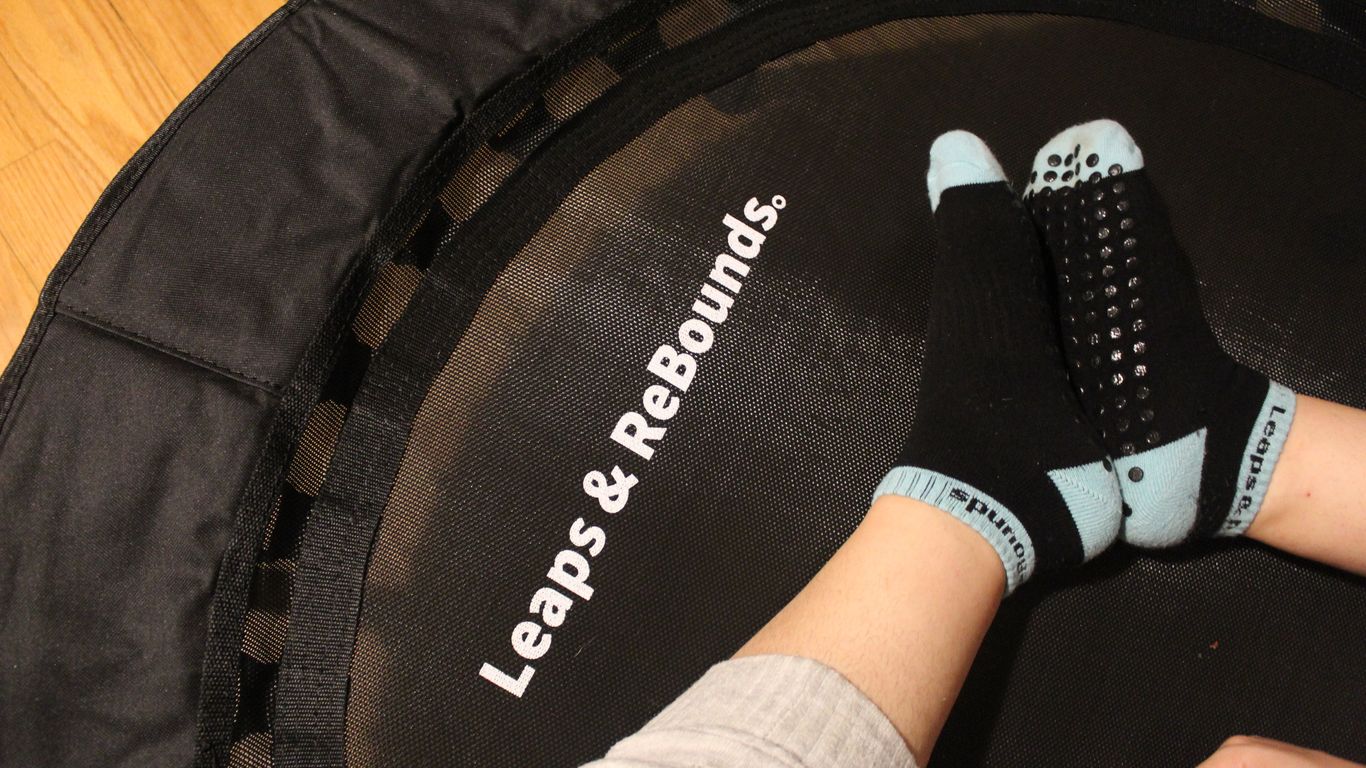
Beyond just lifting weights, building a truly well-rounded fitness routine means incorporating tools that boost your power, speed, and coordination. This is where equipment focused on agility and dynamic strength comes into play. These items help you move better, react faster, and develop a more functional kind of strength that translates to everyday life and athletic performance.
The Role of Medicine Balls
Medicine balls are surprisingly versatile. They're not just for throwing around, though that's a big part of it! You can use them for a whole range of exercises that challenge your core, improve your rotational power, and add an extra layer of difficulty to standard movements. Think Russian twists, overhead squats, or even partner drills like chest passes. The key is that they add a dynamic load, forcing your body to stabilize and react.
Here's a quick look at how different weights can be used:
| Weight (lbs) | Primary Use Cases |
|---|---|
| 2-6 | Core work, light throws, beginner exercises |
| 8-12 | Rotational power, partner drills, adding resistance to squats/lunges |
| 14-20+ | Explosive throws, advanced core training, conditioning |
Medicine balls are fantastic for developing explosive power and improving your body's ability to control movement under stress. They bridge the gap between pure strength and athletic movement.
Bodyweight Training Tools
While you can do plenty with just your body, certain tools can take bodyweight exercises to the next level. Think about things like suspension trainers, which use your own weight and gravity to create a challenging workout. You can adjust the angle and intensity easily, making it suitable for almost anyone. Pull-up bars are another classic; they're great for building upper body strength, especially your back and arms. Even simple things like push-up handles can change the angle and depth of your push-ups, targeting muscles differently.
- Suspension Trainers: Offer a full-body workout by using instability to engage more muscles.
- Pull-Up Bars: Excellent for developing back, bicep, and grip strength.
- Plyometric Boxes: Used for explosive jumping exercises to build lower body power and agility.
- Agility Ladders: Improve footwork, coordination, and speed.
Aerobic Steps for Varied Routines
Don't let the name fool you; aerobic steps are more than just for step aerobics classes. These platforms are incredibly useful for adding intensity and variety to your workouts. You can use them for step-ups, lunges, incline push-ups, or even as a stable surface for plyometric exercises. Adjusting the height allows you to scale the difficulty, making them suitable for beginners looking to get their heart rate up or advanced athletes wanting to add a power component to their training. They're compact, easy to store, and can really change up a routine that might be getting a bit stale.
Smart Investments in Home Gym Equipment
Building a home gym is exciting, but it's easy to get carried away with all the gear out there. Thinking about what you actually need and what will last is key. It’s not just about filling up space; it’s about making choices that support your fitness goals for the long haul.
Prioritizing Quality Over Quantity
When you're setting up your home gym, it's tempting to grab the cheapest option for everything. But honestly, that often leads to replacing things sooner than you'd like. Investing in well-made equipment from the start saves you money and frustration down the road. Think about it: a sturdy bench that doesn't wobble or dumbbells that feel balanced in your hand make a huge difference during a workout. It's better to have a few really good pieces than a lot of stuff that feels flimsy or breaks easily. This approach helps you build a reliable training space that you'll actually want to use.
Cost-Effective Equipment Choices
Making smart financial decisions doesn't mean you have to skimp on quality. There are plenty of ways to get great value. Adjustable dumbbells, for instance, replace an entire rack of weights but take up way less room. Resistance bands are another fantastic, low-cost option that can add challenge to almost any exercise. You can find some really versatile pieces that do a lot for their price. For example, a good adjustable bench opens up a world of exercises when paired with weights. It’s all about finding those multi-functional items that give you the most bang for your buck. You can even find integrated machines that combine several workout stations, like a lat, core, and row machine, saving both space and money compared to buying each piece separately. This kind of strategic buying is how you build a capable gym without emptying your wallet.
Long-Term Value of Durable Gear
Think of your home gym equipment as an investment in your health. While the initial cost might seem high, consider how much you'll save on gym memberships over time. Plus, having your gym right at home means no travel time or waiting for machines. When you choose durable, well-constructed gear, it lasts for years, often decades. This means you won't be constantly buying replacements. It’s about building a fitness sanctuary that serves you consistently. You can start with the basics and add more as your budget allows, creating a setup that grows with you. This thoughtful approach to acquiring smart home gym equipment ensures your investment continues to pay off in convenience and results for years to come.
Building a home gym is a marathon, not a sprint. Focus on acquiring pieces that serve multiple purposes and are built to withstand regular use. This strategy not only makes your gym more functional but also more economical over the long term, avoiding the cycle of frequent replacements and upgrades.
Creating an Optimal Home Gym Environment
So, you've got all the gear picked out, but now what? Setting up your home gym space is more than just shoving equipment into a corner. It's about making a place that actually works for you, keeps you safe, and makes you want to work out. Let's talk about making your gym zone feel right.
The Importance of Gym Flooring
First off, let's talk about what's under your feet. Dropping weights or even just doing high-impact moves can do a number on your regular floors, not to mention the noise it makes. Putting down proper gym flooring is a smart move. It protects your subfloor, cuts down on noise, and gives you a stable, non-slip surface. Think rubber mats or interlocking tiles – they're tough and make a big difference.
Here's a quick look at why flooring matters:
- Protection: Shields your floors and equipment from damage.
- Safety: Provides better grip, reducing slips and falls.
- Comfort: Offers some cushioning, making workouts easier on your joints.
- Noise Reduction: Keeps your workouts from disturbing the rest of the house (or neighbors).
Strategic Equipment Placement
Where you put your stuff really matters. You don't want to be tripping over dumbbells to get to the treadmill, right? Think about how you move during your workouts. Put things you use a lot within easy reach. If you've got a cable machine, make sure there's enough space around it for full movement. Mirrors are great too – they help you check your form and can make a smaller space feel bigger. Just make sure they're securely mounted!
Planning your layout ahead of time saves a lot of hassle. Consider the path you'll take from one exercise to the next and ensure there's enough clearance for safe movement. It's about creating a flow that feels natural and efficient.
Maintaining a Hygienic Workout Space
Nobody likes working out in a dirty space. Sweat, dust, and general grime can build up fast. Wiping down your equipment after each session is a simple habit that goes a long way. Keep cleaning supplies handy. A clean gym isn't just nicer to look at; it's healthier too. Good ventilation is also key – open a window or use a fan to keep the air fresh, especially during tough workouts. It makes the whole experience much more pleasant.
Making your home gym a great place to work out is super important! Think about good lighting, maybe some upbeat music, and keeping things tidy. A comfy space helps you stay motivated and makes exercise feel less like a chore. Want to learn more about setting up your perfect workout spot? Visit our website for tips and ideas!
Your Home Gym Journey Starts Now
So, you've got the rundown on all the gear that can make your home gym awesome. Remember, building this space is all about you – your goals, your budget, and your available room. Don't feel like you need to buy everything at once. Start with a few key pieces that fit your current needs, like some solid dumbbells and maybe an adjustable bench. You can always add more later as you get stronger and figure out what else you like to do. The biggest win here is having a place to work out that's always there for you, on your schedule, and totally private. Go ahead and make it your own fitness sanctuary!
Frequently Asked Questions
What's the best way to burn belly fat at home?
No single machine can magically melt away belly fat because you can't target fat loss in just one spot. However, machines like rowing machines work your whole body, which burns a lot of calories. This helps reduce overall body fat, including from your belly. Doing high-intensity workouts on any equipment, along with eating healthy, is the best way to lose fat all over.
What's the most important piece of equipment for a home gym?
Adjustable dumbbells are super important for most home gyms. They're really versatile and let you do tons of exercises for all your muscles, from small movements to big lifts. You can even get sets that change into kettlebells or barbells, saving a lot of space. When you add an adjustable bench, you've got a solid setup for getting stronger, whether you're just starting or already advanced.
How much room do I really need for a home gym?
You'd be surprised how little space you can get away with! A simple setup with adjustable dumbbells, a bench, and a mat might only need about 50 to 75 square feet. If you want a few more machines, aim for 100 to 150 square feet. Really big setups with lots of equipment might need 200 square feet or more. The trick is picking equipment that does a lot without taking up too much room.
Can I build muscles effectively using just home gym gear?
Absolutely! Building muscle is all about challenging your muscles enough so they have to grow stronger. You can do this with home gym equipment by using weights that get heavier over time, just like you would at a regular gym. Many athletes and bodybuilders train at home and get great results because they focus on consistent effort and pushing themselves.
Is it better to buy cheap equipment or invest in quality stuff?
It's definitely worth investing in good quality equipment, even if it costs a bit more at first. Cheaper gear might break or not work as well, meaning you'll have to replace it sooner. Buying solid, well-made equipment means it will last for years, saving you money in the long run compared to constantly buying new, less durable items.
What are some budget-friendly ways to equip my home gym?
You don't need to spend a fortune to build a great home gym. Start with things like adjustable dumbbells, which are great because they replace a whole set of weights but take up way less space. Resistance bands are also super cheap and good for adding challenge to workouts. A jump rope is fantastic for cardio and costs very little. Even simple bodyweight tools like a pull-up bar can give you a solid workout.


0 comments