










Key Takeaways
Starting a home fitness routine with a small trampoline is approachable for most individuals when safety measures and proper technique are prioritized. Understanding the core principles of rebounding will maximize your benefits while minimizing the risk of injury.
- Ensure your equipment is stable before every use.
- Start with low-impact movements to build endurance.
- Maintain core engagement throughout your entire session.
- Use controlled landings to protect your joints.
- Consistency over time yields the best fitness results.
Preparing for your first trampoline session
Starting your journey into fitness with a rebounder is a great way to incorporate movement that feels less like a task and more like play. Before jumping on, you need to ensure that your immediate environment supports a safe workout experience so you can focus on form rather than hazards. A little preparation goes a long way in ensuring your first experiences are comfortable and effective.
Essential safety check for your equipment
Regularly inspect your rebounder for any signs of wear, particularly the bungees and the frame. If you have a premium rebounder, perform a quick check of the jumping surface to ensure it is secure. Whether you use a model from Acon Trampolines or another provider, maintaining your gear is the basis of a safe session.
Choosing the right footwear for rebounding
While some people prefer jumping barefoot, others find that wearing supportive athletic shoes provides extra stability during beginner trampoline exercises. Opt for shoes with a good grip on the sole to prevent sliding, as the surface may offer more bounce than you expect. This added layer of friction helps maintain your balance, especially when you are learning to control your landing.
Finding the optimal space and environment
Clear at least three to four feet of space around your rebounder to account for any incidental movement during an active session. Ensure the floor is level and clear of any sharp objects or loose rugs that could shift. When you are just learning the ropes, having a clear line of sight to a 10-minute beginner mini trampoline workout on your screen can help you follow along without needing to turn your head repeatedly.
Setting realistic fitness expectations
It is easy to get excited, but start with short sessions to allow your muscles and balance to adjust. You might find that practicing for ten minutes a day is more sustainable than jumping once a week for an hour. Focus on establishing a rhythm that you can actually stick with in the long run.
Foundational bouncing techniques
Once you have your space set up, learning to move correctly ensures that you get the most out of your rebounding. Proper technique is truly the foundation of safe jumping and will make your workouts significantly more effective over the short and long term.
Perfecting the basic health bounce
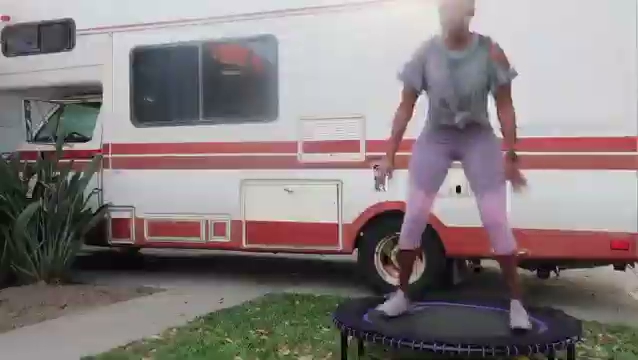
The health bounce is your starting point, where your feet never leave the mat. Keep your heels planted or just slightly lifted, using the bounce to create a gentle, repetitive rhythm throughout your body. This is a low-impact movement that encourages lymphatic flow without placing heavy stress on your joints.
Maintaining proper posture and core alignment
Keep your spine neutral and your gaze forward throughout your workout. Draw your belly button toward your spine to keep your core engaged, which protects your lower back during every jump. While you move, imagine a string pulling you upward from the crown of your head to prevent slouching.
Controlling your landing to prevent injury
Always land with soft knees, even if you are doing simple hops. Your bungees should absorb the impact, but your muscles must also stay ready to stabilize your joints upon contact. | Movement | Targeted Area | Difficulty | | :--- | :--- | :--- | | Health Bounce | Lymphatic | Low | | High Knees | Cardio | Medium | | Core Twists | Obliques | High |
You can consult this table to understand where to place your energy when you are building your routine from scratch.
Utilizing arm swings for balance and momentum
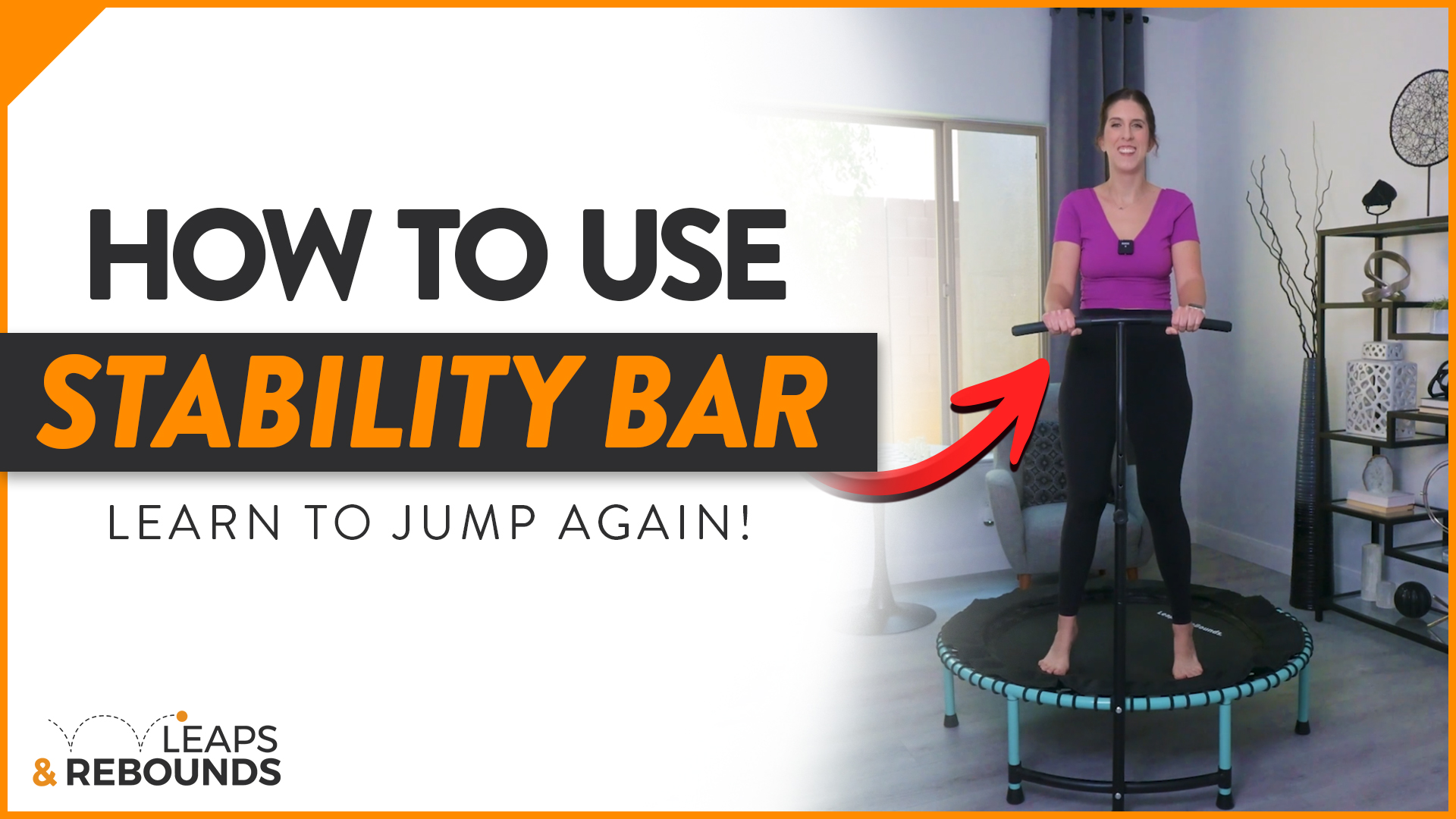
Your arms act as natural stabilizers when the surface starts to move beneath you. Swing them naturally in rhythm with your steps to help find a steady cadence. If you feel shaky, adding an adjustable stability bar can provide that extra sense of grounding as you develop your confidence.
Cardio-focused routines for beginners
Adding cardiovascular work to your week can be surprisingly fun on a rebounder. By varying the intensity, you keep your heart rate up without needing to push yourself to the point of exhaustion.
Implementing interval rebounding for heart health
Try alternating one minute of active bouncing with thirty seconds of marching in place. This interval approach is a fantastic way to build stamina gradually. Over time, you can increase the intensity of your active periods as your fitness level improves.
Adding high-knee lifts to increase intensity
Lift your knees towards your chest with each bounce to engage your lower abdominals and ramp up the heart rate. Do not worry about getting them high immediately; focus on the controlled lift and landing. Here is a simple routine to follow during your next session:
- Start with two minutes of basic health bounces.
- Perform one minute of alternating high-knee lifts.
- Complete one minute of gentle side-stepping.
- Finish with two minutes of steady bouncing.
Following a set list like this helps you track your effort effectively throughout the workout.
Utilizing side-to-side hops for lateral movement
Lateral movement is excellent for strengthening the muscles around your hips and ankles. As you step from side to side, keep your core engaged and your feet relatively close to the center of the mat. Aim for a smooth weight transfer from one foot to the other.
Scaling duration to build cardiovascular endurance
Gradually increase your time by just a minute or two each week. Listen to your breathing; if you are too winded to speak, dial back your jumping intensity until you regain your rhythm. Keeping a consistent, moderate pace is key for cardiovascular progress.
Strength-building moves on the trampoline
The unstable surface of a trampoline means your muscles work harder just to keep you upright. This turns simple bodyweight exercises into more challenging strength training sessions.
Incorporating deep squats for leg toning
Perform squats with your feet shoulder-width apart, ensuring your knees track over your toes. The constant micro-adjustments required by the bungees engage your glutes and hamstrings more intensely than doing squats on a stable floor.
Using the surface for modified push-ups
Place your hands on the edge of the frame rather than the center to ensure a rigid base for your push-ups. This modification keeps your chest and shoulders engaged while reducing the strain on your wrists compared to standard floor push-ups.
Engaging the glutes with standing leg extensions
Stand on one leg and lift the other behind you, squeezing your glute as you reach the point of contraction. You will notice your stabilizer muscles working hard to keep you centered as you repeat this motion, which provides an effective burn for your lower body.
Performing core twists to target oblique muscles
While jumping, rotate your torso slightly from left to right as you land. This movement forces your obliques to tighten, providing a deep core workout that complements your cardio sessions.
Tips for recovery and consistency
Recovery is when your body actually improves and gets stronger. If you neglect these tips, you risk burnout and stalling your progress before you really get started.
Cooling down to reduce muscle tension
Spend the last five minutes of your session slowing down your bounces until they turn into simple foot taps. Stretching your calves, quads, and hamstrings immediately after is a great way to prevent stiffness.
Incorporating daily movement to build a habit
Even five minutes of movement sets a trend for the rest of your day. By making your rebounder a permanent fixture in your home, it becomes easier to jump on for a quick session during breaks or in the morning.
Listening to your body to avoid overtraining
Pay attention to signs of joint pain or unusual fatigue that lasts beyond a day or two. It is better to take a rest day than to push through an injury that keeps you off your trampoline for weeks.
How to track progress without focusing solely on weight loss
Focus on how your energy levels feel or how much more balanced you are during your daily activities. You can also measure consistency by how many days per week you completed your scheduled sessions.
Conclusion
Building a fitness habit with a rebounder is a rewarding way to improve your overall health from the comfort of your own home. By starting slowly, focusing on your form, and staying consistent with your technique, you create a sustainable routine that supports your body for years to come. Remember to listen to your needs, enjoy the process of movement, and celebrate the small wins as you grow more comfortable with each session.
Frequently Asked Questions
Is it safe to use a trampoline for seniors?
Yes, many seniors find rebounding beneficial due to its low-impact nature, provided they use a stabilizer bar and start with very gentle movements. Always consult with a healthcare professional before beginning any new exercise plan if you have pre-existing conditions.
How often should I use a rebounder to see results?
Consistency is more important than duration, so aiming for 10 to 20 minutes a day, three to five times a week, is usually sufficient to start seeing improvements in stamina and coordination.
Do I need special clothes to jump on a trampoline?
Wear comfortable, athletic clothing that allows for a full range of motion. Avoid anything too loose that could catch on the equipment or interfere with your movement.
What if I feel dizzy while bouncing?
It is common to feel slightly off-balance when you are new to the movement. If you feel dizzy, stop immediately, step off the trampoline, and rest until you feel steady again; ensure you are not fixating on a single point on the wall while moving.
Can I rebound if I have bad knees?
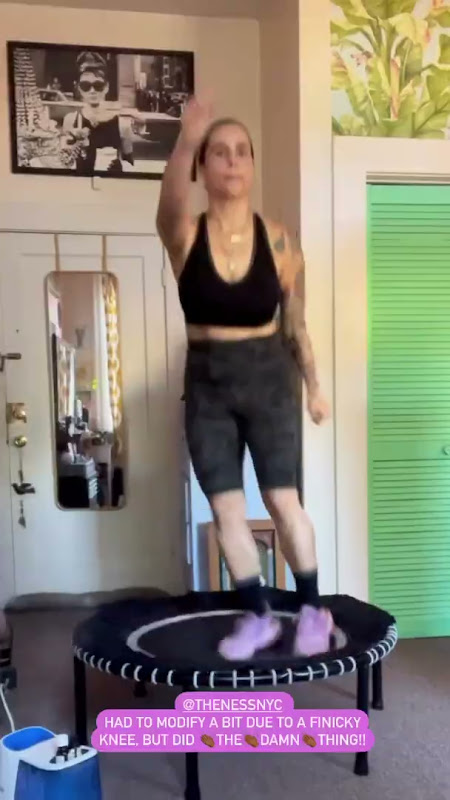
Rebounding is often recommended as a way to exercise with less joint impact than running on pavement. However, you should emphasize low-impact moves where your feet stay in contact with the mat to avoid unnecessary jarring of your joints.
How do I know if I am rebounding correctly?
Your focus should be on landing with soft knees and engaging your core rather than jumping as high as possible. If you feel secure and stable, and you are not experiencing joint pain, your technique is likely on the right track.
Are there specific times of day best for rebounding?
There is no scientifically "best" time to exercise, so the best time is simply when you can realistically commit to being active. Morning sessions can help wake you up, while evening sessions might help you decompress after a long day.


0 comments