












Key Takeaways
Rebounding is a highly versatile, low-impact exercise method that provides extensive cardiovascular and musculoskeletal benefits. The following points summarize the essential elements of building a sustainable and effective practice with your mini trampoline:
- Rebounding significantly improves cardiovascular endurance and promotes lymphatic circulation without causing joint stress.
- Proper equipment selection, including non-slip mats and stable construction, is vital for long-term safety and performance.
- Mastering basic landing mechanics and core engagement ensures that you can maximize results while minimizing injury risks.
- Structuring sessions with a mix of HIIT intervals and steady-state movement provides a balanced and efficient caloric burn.
- Incorporating rebounding into rehabilitation programs can assist with mobility and balance, provided you follow professional guidance.
The health benefits of rebounding
Engaging in a regular rebound trampoline workout routine introduces a variety of physiological advantages that extend beyond simple calorie expenditure. By utilizing a soft, elastic surface, you reduce the strain typically associated with traditional aerobic exercises, allowing for longer and more frequent sessions. This transition to low-impact movement remains a cornerstone for those looking to maintain high activity levels throughout their lives.
Improvements in cardiovascular endurance
Consistent bouncing challenges your heart rate similar to running but with substantially less impact. By incorporating rebounding workouts into your weekly schedule, you can boost oxygen delivery throughout your body and improve overall circulation. The constant upward and downward motion forces your body to adapt, leading to faster recovery times and elevated stamina over time.
Impact on lymphatic system circulation
Unlike your blood, your lymphatic fluid lacks a dedicated pump like the heart. The rhythmic motion generated by jumping helps stimulate the lymphatic system, which can assist in fluid drainage and support immune function. This is often cited as one of the unique benefits that separates trampoline workouts from standard floor-based cardio.
Strengthening bone density and joint health
The repetitive acceleration and deceleration phases of jumping create a controlled stressor on bones and joints that encourages growth and density. Evidence suggests that mini trampoline exercises can be particularly beneficial for bone health, effectively combating the natural decline in density that occurs with age. This supports long-term structural integrity without the harsh jarring of hard surfaces.
Essential gear and equipment safety
Investing in quality hardware is the first step toward a safe and consistent practice. A well-built rebounder provides the necessary foundation for both simple warm-ups and complex strength training moves, affecting not only your enjoyment but your physical stability. Because quality construction matters, many users choose to purchase a quality rebounder designed with long-term durability in mind.
Choosing the right mini trampoline size
Most standard adult models range from 40 to 48 inches in diameter. A larger surface area offers more confidence during expansive movements or lateral jumps, effectively reducing the risk of stepping off the mat during an intense session. When selecting your equipment, consider the size of your dedicated workout space alongside the dimensions of the mat to ensure you have full range of motion while jumping.
Importance of non-slip jumping surfaces
Safety begins and ends with the contact point between your feet and the mat. A premium rebounder often incorporates a high-grip non-slip surface, which prevents slippage during high-intensity sessions where sweat might otherwise create a hazard. You must verify that your surface remains dry and textured enough to provide constant resistance under all conditions.
Maintenance and routine safety checks
Regular maintenance prevents the wear and tear that can eventually lead to equipment failure. Your routine check should include:
- Inspecting all bungee cord tensioners for signs of fraying or fatigue.
- Verifying the stability of the frame legs to ensure they remain flush with the floor.
- Checking the mat for any visible punctures or seam separation.
- Ensuring the safety skirt is correctly positioned to cover all mechanical components.
Following these simple checks ensures that your equipment remains in peak condition for every session.
Getting started with basic jumping techniques
Learning the fundamental movements ensures that you can progress safely from a beginner to an advanced jumper. A stable, solid platform, such as a model from Leaps and Rebounds, allows you to practice these movements with complete hardware reliability. Focus on control before intensity to build the muscular foundation required for complex movements.
Mastering the basic bounce for warm-ups
The basic bounce is a gentle, rhythmic oscillation where your feet never fully leave the mat. Keeping your feet slightly wider than shoulder-width, you utilize your calves and quadriceps to press into the mat. This warm-up is crucial for preparing your tendons and ligaments for the more vigorous jumps that follow in your workout.
Maintaining proper core engagement during movement
Your core is the stabilizer that keeps your body upright and vertical while moving. You must maintain constant abdominal engagement throughout every jump, which prevents your torso from sagging or tipping excessively during transitions. Effective core use dictates your balance and determines how much force you actually transfer into the mat.
Landing mechanics to protect your knees
Landing correctly is as important as the act of jumping itself. Aim to land with a soft, slightly bent knee, which acts as a natural shock absorber for your joints. The following table illustrates the appropriate intensity levels for various jumping styles, helping you structure your landing force accordingly:
| Movement Style | Intended Intensity | Joint Impact Level |
|---|---|---|
| Gentle Bounce | Low | Very Low |
| High-Knee Sprint | High | Moderate |
| Lateral Step-Touch | Medium | Low |
By following this intensity guide, you ensure that you are staying within an ideal range for joint preservation while still challenging your cardiovascular system.
Structuring an effective workout session
Building a routine requires attention to periodization and recovery. Whether you use a Leaps and Rebounds unit or another professional-grade tool, the structure should remain consistent: warm-up, intensity intervals, and a deliberate cool-down. This methodical approach ensures that your body recovers as quickly as it burns through fuel.
Designing a balanced warm-up and cool-down routine
Never start cold jumping at maximum capacity. Spend at least five minutes performing the basic bounce to increase blood flow and warm up the synovial fluid in your joints. Similarly, your cool-down should focus on static stretches, specifically targeting the calves, quads, and hip flexors, which receive the most strain during a rebounding session.
Incorporating HIIT intervals for calorie burn
High-Intensity Interval Training, or HIIT, is incredibly efficient on a rebounder. By alternating 30 seconds of all-out effort, such as tuck jumps or high-knees, with 90 seconds of moderate steady-state movement, you force your body to work in multiple energy zones. This pattern elevates your metabolic rate throughout the entire session.
Balancing steady-state cardio with strength-focused moves
Steady-state sessions build aerobic baseline, while strength moves, like push-ups or tricep dips using the frame, help tone muscle. As one professional once noted:
Integration of strength and cardio ensures that your movement remains functional while the trampoline surface provides a unique challenge to your primary muscle groups.
By blending these modalities, you create a workout that is both cardio-heavy and strength-oriented, producing a comprehensive result that floor-only routines struggle to match.
Incorporating rebounding for rehabilitation
Rebounding is increasingly recognized as a valid tool for physical therapy. A Leaps and Rebounds frame provides a stable base, which is beneficial for those working through recovery periods. Always treat your session as a therapeutic tool rather than a competitive event when you are recovering from injury.
Low-impact benefits for joint recovery
Because the surface absorbs a significant portion of the force of each landing, it minimizes the stress transferred to recovering joints. Rebound exercises often allow individuals to remain active even when traditional running or impact-based exercises are restricted by a medical provider.
Improving balance and proprioception
Rebounding forces the brain to constantly adjust to the shifting mat, which builds superior proprioception. This skill is critical for regaining stability after long periods of inactivity, helping individuals recalibrate their natural balance and coordination centers.
Consulting with physical therapists before starting
Before you initiate a new routine for rehabilitation purposes, speak with a qualified physical therapist. They can determine if your specific joint condition aligns with the requirements of a beginner rebounder workout and provide specific modifications to ensure that your movements remain beneficial rather than stressful to your healing zones.
Common mistakes to avoid
Even experienced jumpers can fall into bad habits. Keeping yourself aware of common pitfalls ensures that your fitness gains remain consistent rather than punctuated by time off due to avoidable stress.
Improper footwear leading to injury
While some choose to jump barefoot, wearing lightweight, supportive athletic shoes can provide necessary arch support and prevent ankle rolling. Without the right footwear, your feet may tire prematurely, leading to clumsy landings and potential ligament strain during higher-intensity segments.
Over-extension and hyperextension risks
When performing movements like leg extensions, avoid locking your knees or elbows at the top of the movement. Hyperextension is a leading cause of repetitive strain injuries in trampoline athletes. Keep a micro-bend in all joints during the extension phase to maintain muscular tension rather than relying on the joint structures alone.
Ignoring signs of fatigue or pain
There is a difference between the soreness of muscles being challenged and the sharp, localized pain of an injury. If you experience shooting pain, dizziness, or unusual discomfort, terminate the session immediately. Ignoring these signals invites long-term complications that will force much longer breaks from your training than a single missed session would.
Conclusion
Rebounding offers a unique, efficient, and enjoyable way to improve your overall fitness while keeping joint impact to a minimum. By prioritizing safety, technique, and a balanced approach to intensity, you can transform your home exercise routine and build a healthier, more active lifestyle for the years to come.
Frequently Asked Questions
How often should I practice rebounding to see results?
Most people see benefits by jumping for 20 to 30 minutes, three to four times per week. Consistency is more important for cardiovascular improvement than the duration of a single, exhausting session.
Can anyone use a rebounder regardless of age?
Generally, yes, as long as you have the baseline balance to step onto the mat. If you have underlying health concerns, particularly involving balance or joints, speak with a doctor before beginning.
Is it normal to feel dizzy when first jumping?
Minor dizziness can occur as your inner ear adjusts to the vertical motion of the trampoline. Start slowly with low-intensity bounces and keep your eyes focused on a fixed point in the room to help your balance system adapt.
Do I need a stability bar for my rebounder?
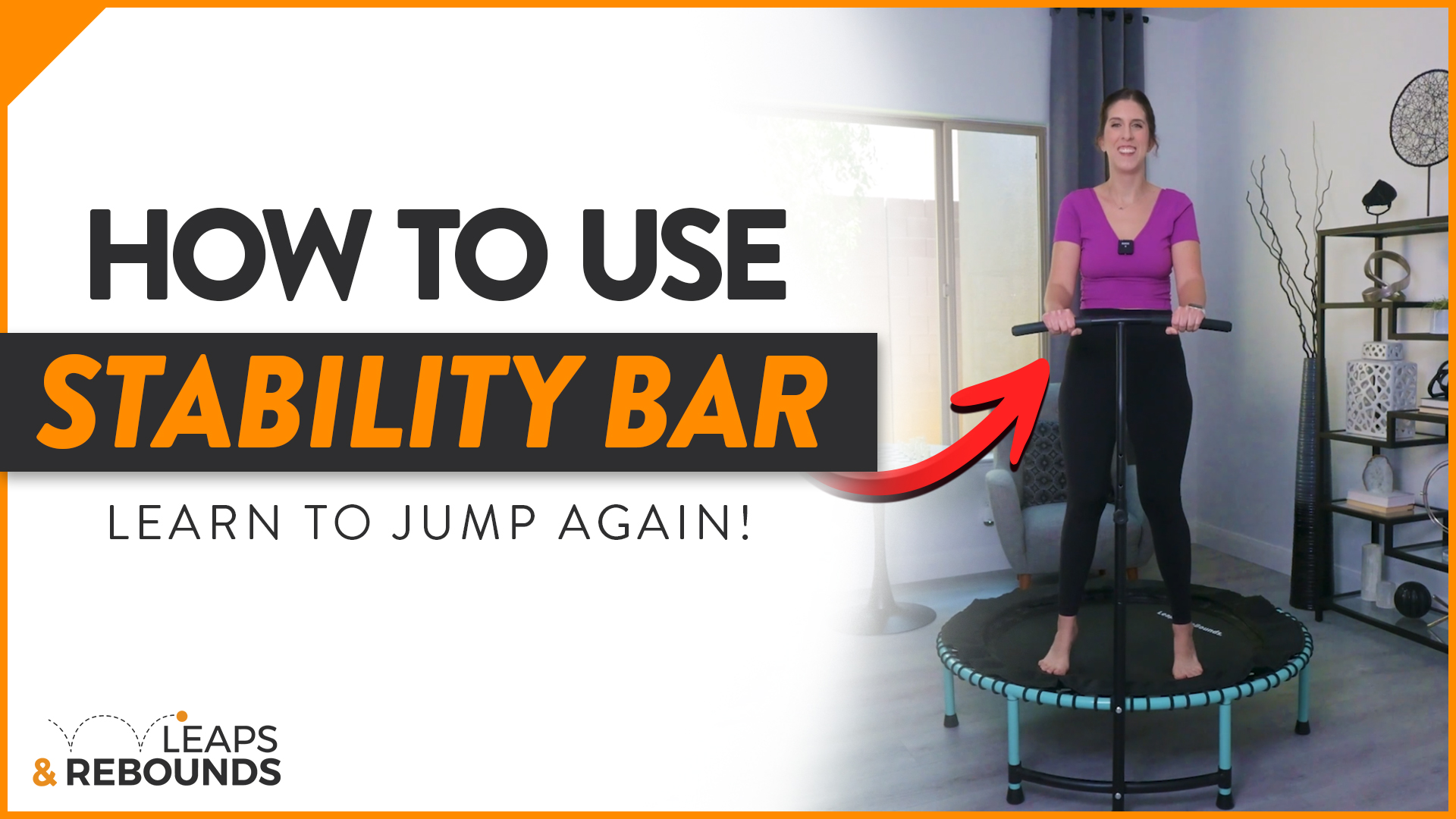
A stability bar can provide significant confidence if you are a beginner or if you are using the trampoline for rehabilitation. While it is not strictly necessary for experienced jumpers, it can assist with form during high-intensity or strength-based moves.
How loud is a rebounder during use?
Most quality rebounders are quite quiet, using bungee systems that eliminate the metallic "squeak" of older metal spring designs. You should be able to hear moderate volume audio or carry on a conversation while you bounce.
What do I do if I have joint replacement hardware?
If you have joint replacements, this exercise may be encouraged due to its low impact, but you are required to clear it with your surgeon. They will know if the specific type of motion used in bouncing is appropriate for your internal surgical components.
Can I lose weight using only a rebounder?
Weight loss is achieved through a caloric deficit, and a rebounder is an excellent tool to help you increase your activity-based calorie expenditure. When paired with healthy eating habits, it is highly effective for supporting body composition goals.


0 comments