











Thinking about getting a cycling exercise bike for your home workouts? It's a smart move. These machines let you get a good sweat session going no matter what the weather's doing outside. Plus, they've gotten pretty advanced, with options for fun classes and ways to connect with other riders. Whether you're just starting on your fitness journey or you've been at it for a while, there's a cycling exercise bike that can help you hit your goals. Let's take a look at what's out there.
Key Takeaways
- Cycling exercise bikes are a great way to work out at home, with many models offering interactive classes and community features.
- Different resistance types, like manual, wind, and magnetic, suit various workout styles and work with training apps.
- When picking a cycling exercise bike, think about your fitness goals, how much you want to spend, the space you have, and if you want features like screens or subscriptions.
- Upright, studio, and recumbent bikes each offer different riding positions and benefits, good for everything from tough workouts to recovery.
- Important things to check for in a cycling exercise bike include how well it's built, how adjustable it is for a good fit, and the overall feel of the ride.
Understanding Your Cycling Exercise Bike Options
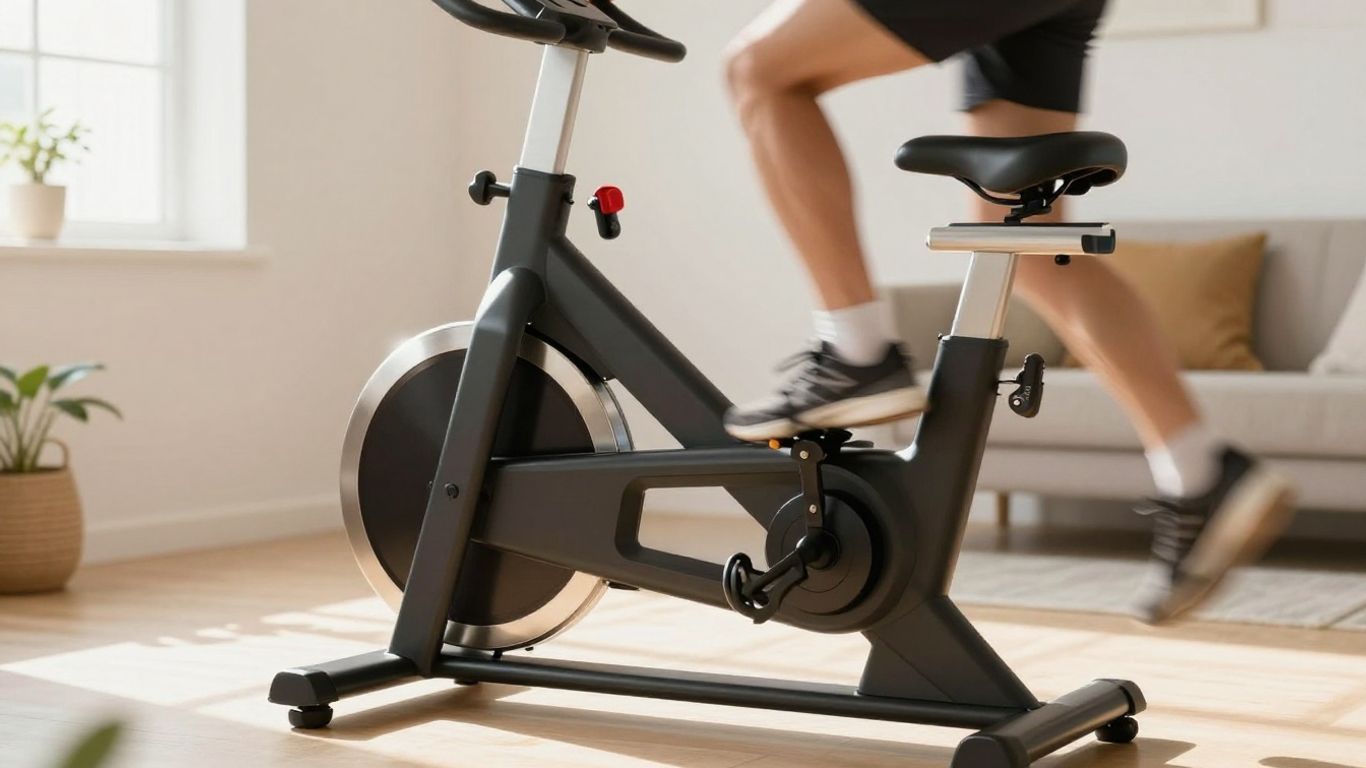
Picking out a cycling exercise bike for your home shouldn't feel like guesswork. There are a lot of choices, but each one is shaped for a specific type of workout or comfort need. The right bike will fit your lifestyle and goals, not force you to fit around it. Let’s break down the main options and what to keep in mind before you bring one home.
Types of Cycling Exercise Bikes
Not all exercise bikes are the same. Some are built for those intense early morning rides, while others are perfect for taking it easy after a long day. Here’s a quick comparison:
| Bike Type | Position | Best For | Console Features |
|---|---|---|---|
| Upright | Slightly leaned | Cardio, calorie burn | Basic to mid-range |
| Studio (Spin) | Aggressive forward | Performance, interval work | Advanced, app-ready |
| Recumbent | Reclined, back rest | Low-impact, rehab, comfort | Entry to mid-range |
| Air Bike | Upright, moving arms | HIIT, full-body workouts | Basic |
- Upright Bikes: Closest to a standard outdoor bike, these offer a familiar ride and suit most people. Great for regular workouts and small spaces.
- Studio Bikes (often called Spin bikes): Built to mimic road cycling, these are solid for serious training or virtual classes. More resistance, heavier flywheels, usually a tougher ride.
- Recumbent Bikes: If you want support for your back or a step-through frame, this is it. Comfortable, easy on knees and hips, and popular for longer, relaxed sessions.
- Air Bikes: Use wind resistance. The harder you pedal or move the handlebars, the tougher it gets. Good for intense, short bursts.
Key Considerations for Home Use
Before you make your pick, there are some practical points to check. These aren’t just "nice-to-haves"—they can really change your experience over time.
- Space: Measure your workout area first so you know what fits. Some bikes are compact or even fold down when not in use.
- Noise: Magnetic resistance bikes run much quieter than air bikes or anything with a chain drive.
- Console: Decide if you want an interactive touchscreen, something that connects to apps, or just the basics—because, honestly, some of us only care about time, distance, and calories.
- Adjustability: Seats and handlebars that move up, down, forward, and back mean you’re more likely to stay comfortable and use the bike often.
- Connectivity: Bluetooth, heart rate sensors, app compatibility—if tracking stats keeps you moving, look for these.
It's pretty common to feel a bit lost with all the specs and features, but if you focus on how (and why) you'll ride, you'll end up with a bike you'll actually use—and enjoy.
If you want a solid overview of the different styles and resistance types, take a look at this review of top exercise bikes, which also explains the main features to keep in mind when comparing options.
Defining Your Fitness Goals
So, you've decided to bring a cycling exercise bike into your home. That's a fantastic step towards a healthier you! But before you get swept up in all the shiny features, let's talk about the most important part: what do you actually want to achieve with this bike? Your goals are the compass that will guide you to the right machine. Thinking about this upfront saves a lot of hassle later on.
General Fitness and Weight Loss
If your main aim is to just get moving more, boost your overall health, and maybe shed a few pounds, you've got a lot of options. Most bikes can help you burn calories and improve your stamina. The key here is consistency, so you'll want a bike that's comfortable enough for you to use regularly. Look for features that let you track your progress, like distance covered, estimated calories burned, and perhaps your heart rate. An upright bike is often a solid choice for this kind of general fitness.
Cardiovascular Health Improvement
Want to give your heart and lungs a serious workout? For improving cardiovascular health, you need a bike that allows for challenging rides. This means looking for a good range of resistance levels. You should be able to push yourself, maybe even simulate hill climbs or sprints. Studio-style bikes, often used in fitness classes, are great for this because they tend to offer higher resistance and a more intense workout experience.
Performance Training and Strength Building
Are you training for a race, or do you want to build serious leg power and endurance? If so, you'll need a bike that closely mimics the feel of riding a road bike. Studio bikes are usually the best fit here. They often provide very high resistance levels and allow you to stand up and pedal, just like you would outdoors. This type of training is excellent for building muscle strength in your legs and improving your cycling performance.
Rehabilitation and Low-Impact Workouts
If you're recovering from an injury, dealing with joint pain, or simply need a very gentle workout, a recumbent bike is often the way to go. The reclined position takes a lot of pressure off your back and knees, making it a much more comfortable and safer option for low-impact exercise. It still allows you to get your heart rate up and improve circulation without putting undue stress on your body.
Choosing the right bike isn't just about the bike itself; it's about how well it fits into your personal fitness journey. Don't pick a bike designed for elite athletes if you're just looking to get a bit fitter. Likewise, don't settle for a basic model if you're aiming for serious performance gains.
Here's a quick rundown:
- General Fitness/Weight Loss: Focus on comfort, ease of use, and basic tracking (calories, distance).
- Cardio Health: Prioritize a wide range of resistance and features that allow for interval training.
- Performance/Strength: Look for bikes that mimic road cycling, with high resistance and stability for standing.
- Rehab/Low-Impact: Recumbent bikes are usually the best bet for reduced joint stress.
Evaluating Build Quality and Ride Experience
Build Quality and Stability
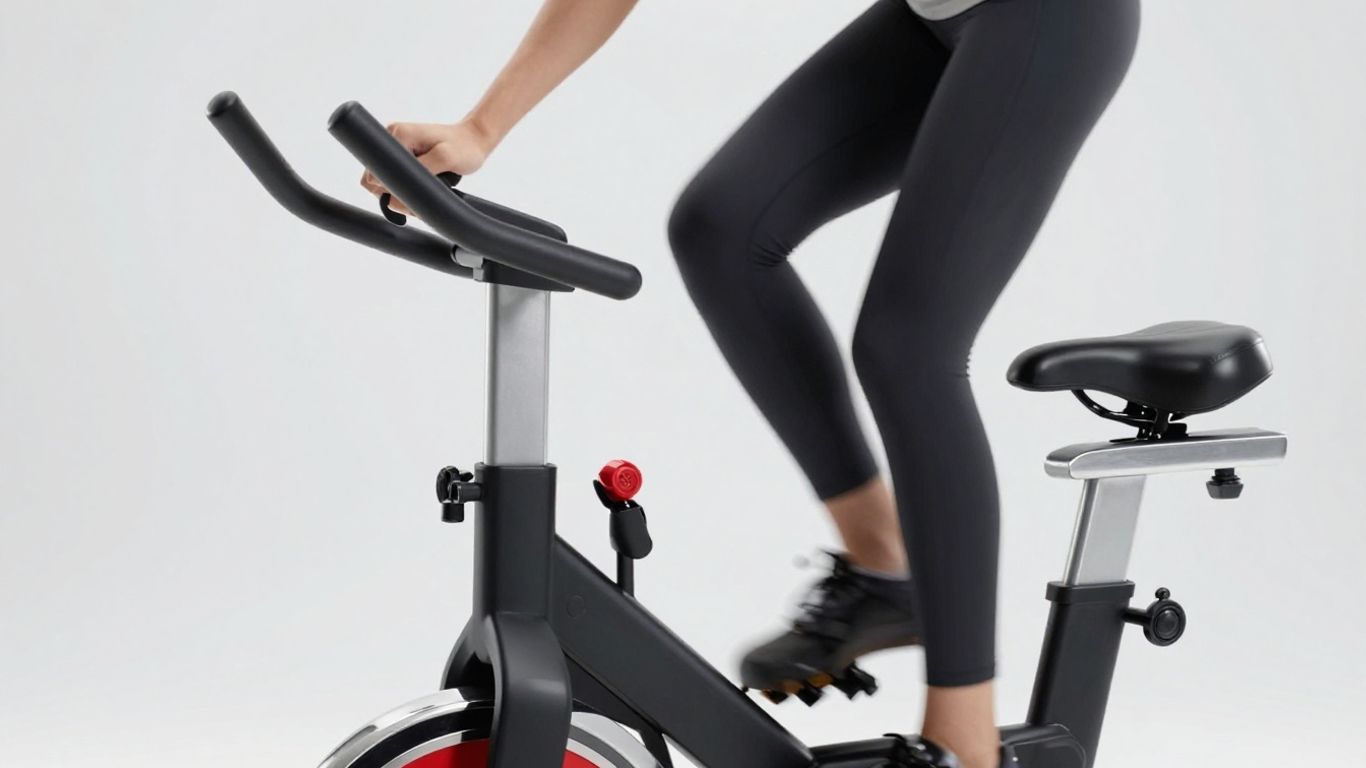
When you're looking at exercise bikes, how well it's put together really matters. You don't want something that feels wobbly or like it's going to fall apart after a few months. Think about the materials used – steel frames are generally a good sign of sturdiness. Also, check out the weight of the bike itself. A heavier bike often means it's more stable, especially when you're really pushing it during a tough workout. It's worth looking at reviews that mention how the bike holds up over time, not just how it feels right out of the box. Some bikes are built to last, while others might feel a bit flimsy. A solid build quality means you can focus on your workout, not on whether the bike can handle it.
Here are some things to check for:
- Frame Material: Look for steel or aluminum for better durability.
- Bike Weight: Generally, a heavier bike (over 100 lbs) indicates more stability.
- Foot Stabilizers: Check if the bike has adjustable stabilizers to keep it level on uneven floors.
- Assembly: Does it seem straightforward to put together? Reviews often mention this.
A bike that feels solid under you, even when you're standing up and pedaling hard, is a good sign. You shouldn't feel like it's going to tip over or shake apart.
Ride Experience and Comfort
This is where things get personal, but there are some general things to look for. The seat is a big one. Is it padded enough for you? Can it be adjusted forward and back, not just up and down? Handlebars are another point – do they offer different grip positions? This helps you change your posture and avoid getting too sore. The smoothness of the pedaling action is also key. Does it feel fluid, or is there any jerky movement? A good ride experience makes you want to get on the bike more often, which is the whole point, right? It's about finding a bike that feels good under you, no matter your size or how long you plan to ride.
Adjustability for Optimal Fit
Getting the bike set up just right for your body is super important. If it's not adjusted properly, you could end up with aches and pains, or worse, an injury. Most decent bikes let you move the seat and handlebars around. You'll want to be able to adjust:
- Seat Height: This is usually the most basic adjustment.
- Seat Fore/Aft: Being able to move the seat forward or backward helps fine-tune your leg extension.
- Handlebar Height: Lets you find a comfortable upper body position.
- Handlebar Fore/Aft: Some bikes also allow you to move the handlebars closer or further away.
The more adjustment options a bike has, the better chance you have of finding a comfortable and effective riding position. This is especially true if multiple people in your household will be using the bike.
Exploring Resistance Mechanisms and Console Features
Modern cycling exercise bikes are packed with different ways to control the feel of your ride and track your workouts. If you're choosing a bike that you'll actually use regularly, understanding how resistance works, what the console includes, and how these affect your motivation is a big deal.
Resistance Mechanism Options
The type of resistance system changes how every pedal stroke feels. Pick the wrong one, and you might end up dreading your sessions—or just not using the thing at all.
| Resistance Type | How It Works | Pros | Cons |
|---|---|---|---|
| Friction | Pads press on flywheel | Simple, cheap | Needs maintenance, can be noisy |
| Magnetic | Magnets move near flywheel (no contact) | Quiet, smooth, low upkeep, precise | More costly than friction |
| Air (Fan) | Fan creates resistance as you pedal | Dynamic, full-body, intensity changes | Noisy, less control on resistance |
- Magnetic resistance is super popular for apartments—hardly any noise, easy to adjust.
- Friction resistance is straight-up basic, but pads wear out and need changing.
- Air bikes are intense and work your arms, but you’ll hear them in the next room.
If you want smooth and nearly silent rides, pick magnetic; if you want real sweat sessions and don’t care about noise, air bikes could be your thing. Think about your space, your neighbors, and what kind of workouts you plan to do.
Console Features and Tracking Progress
The display on your exercise bike is the command zone—it can be as simple or as high-tech as you want. A good console will show key info like speed, distance, calories, and heart rate at a glance. Don’t underestimate how much this feedback can help you.
Typical console features might include:
- Easy-to-read screen (some even have a touchscreen)
- Workout data: time, distance, speed, calories, heart rate
- Preset workout programs for variety
- Bluetooth/App connectivity for syncing workouts
- Shelf or holder for your smartphone or tablet
Some bikes come with built-in fitness app integration, so you can follow along with virtual classes, keep a history of your workouts, or just listen to music. Tracking your results over time is often just what people need to keep pedaling day after day.
Enhancing Motivation During Workouts
Let’s be real: most people don’t love staring at a wall and spinning for 30 minutes. Features that help you stay interested can make the difference between a bike that’s loved and one that collects dust:
- Access to live or streaming classes for instructor guidance
- Virtual routes that simulate real-world cycling
- Entertainment streaming (movies, music, podcasts) right from the console
- Leaderboards, goal tracking, and progress badges
Find features that make you want to keep coming back—whether it’s friendly competition, music, or just easy-to-follow routines. The more engaged you are, the more likely you’ll actually hit your goals.
If you keep these resistance and console details in mind, picking a bike that fits your needs—and keeps you motivated—gets a lot easier.
Assessing Practical Considerations Before Purchase
When you’re about to invest in a cycling exercise bike, pausing to consider all the practical details is just as important as checking the specs. The right choice fits your home and lifestyle, not just your wishlist. Let’s break down what you should be looking at before you hit that buy button.
Space and Placement
Before anything else, figure out where you’re putting the bike. Measure the area you have in mind and think about access—will the bike fit through your doors? Will you have enough room to pedal and move around it? Here are a few things to keep in mind:
- Compact models can squeeze into tighter spaces and some even fold up, though they might not be as steady.
- Studio and recumbent bikes are bulkier and will need a permanent spot.
- If you need to move your bike around often, look for ones with built-in transport wheels.
| Bike Style | Approximate Space Required |
|---|---|
| Folding/Upright | 2' x 3' |
| Studio | 2' x 4' |
| Recumbent | 2.5' x 5' |
Always choose a spot where you’ll actually want to ride—out of sight means out of mind for a lot of folks.
Budget and Value
Let’s talk money. Exercise bikes are all over the map, price-wise. Start with a budget you’re comfortable with and focus on getting the most bike for your buck. The key is balancing essential features with overall quality. Here’s a general look at what you get across different price points:
| Type | Price (USD) | What You Get |
|---|---|---|
| Basic Upright | $200 - $500 | Simple console, manual resistance |
| Mid-Range Studio | $800 - $1,500 | More settings, improved comfort, better display |
| Premium Studio | $1,500 - $2,500+ | Interactive tech, strong build, subscriptions |
| Recumbent | $300 - $1,000+ | Easier access, focus on support & comfort |
- The cheapest bikes may be tempting, but think about long-term use and comfort.
- High-end models like the NordicTrack X24 offer advanced workout experiences that justify a higher price, depending on what matters to you.
- Try to match your investment to how often (and how hard) you plan to ride.
Durability and Longevity
It’s easy to ignore durability if you’re just excited by touchscreen displays or fancy add-ons. But nobody wants a wobbly bike or one that starts making strange noises after a few months. Take a close look at the bike’s build:
- Heavier bikes (and steel frames) usually mean more stability, especially during intense workouts.
- Reviews from other users are helpful to see how a bike holds up after regular use.
- Warranties make a difference—look for at least 10 years on the frame and a minimum of a year on parts.
- Check return policies in case the bike just doesn’t work out for you once it’s home.
Keep in mind: exercise equipment is an investment—not just in money, but in your space and routine. Paying for quality up front often saves headaches (and extra expenses) later.
By looking at these practical factors—not just features or style—you’re more likely to pick a cycling exercise bike you’ll actually use and enjoy for years.
Making Your Final Cycling Exercise Bike Selection
So, you've done your homework. You know your fitness goals, you've checked out different types of bikes, and you've thought about what makes a bike feel good to ride. Now it's time to put it all together and pick the one that's actually going to end up in your home and get used. It’s not just about picking the fanciest model; it’s about finding the right fit for your life.
Matching the Bike to Your Lifestyle
Think about how you actually live. Are you someone who needs a bike that can be easily tucked away after a workout, or do you have a dedicated spot for it? If space is tight, a bike that folds or has a smaller footprint might be a better choice, even if it means fewer bells and whistles. Consider your daily routine too. If you're a morning person who likes to get a quick spin in before work, you'll want something that's easy to hop on and go. If you prefer longer, more relaxed rides in the evening, comfort and adjustability become even more important. The best exercise bike is the one you'll actually use consistently.
Here’s a quick way to think about it:
- Busy Schedule: Look for quick setup, easy-to-use controls, and maybe pre-programmed workouts to save time.
- Homebody: Prioritize comfort, entertainment features (like tablet holders), and a smooth, quiet ride for longer sessions.
- Space Saver: Consider folding bikes, upright models with a small base, or bikes that can be easily moved and stored.
- Tech Enthusiast: Focus on bikes with advanced consoles, app connectivity, and performance tracking.
Reading Reviews and Seeking Expert Advice
Once you've narrowed down your options based on your lifestyle, it's time to see what other people are saying. Don't just look at the star ratings; read the actual reviews. People often share specific details about their experience – things like how easy assembly was, if the bike started making noise after a few months, or how helpful customer service was. Pay attention to comments about durability and long-term satisfaction. Sometimes, a bike that seems great on paper might have common issues that reviewers point out.
It's easy to get caught up in the latest features or the lowest price. But remember, the most important thing is that the bike supports your fitness journey and fits comfortably into your home. A bike that's too complicated, too uncomfortable, or too big will just end up gathering dust. Take your time, do your research, and trust your gut.
If you're still on the fence, don't hesitate to look for expert reviews from cycling publications or fitness websites. They often put bikes through rigorous testing and can offer insights into performance, build quality, and value that you might not find in user reviews. Sometimes, visiting a local fitness equipment store to try out a few different models in person can also be incredibly helpful. Feeling the stability, testing the seat, and getting a sense of the resistance can make a big difference in your decision.
Conclusion
Alright, so that's pretty much everything you need to know before picking out your cycling exercise bike. It might seem like a lot at first, but once you figure out what matters most to you—like comfort, space, and how much tech you actually want—the choice gets a lot easier. Remember, the best bike is the one you'll actually use, not the fanciest one on the market. Take your time, read some reviews, maybe even try a few out if you can. Once you find the right fit, you'll be set up for some solid workouts right at home, rain or shine. Happy riding, and don't forget to have a little fun with it!
Frequently Asked Questions
What's the main difference between a stationary bike and a spin bike?
Think of a stationary bike as a general fitness tool. A spin bike, often called a studio bike, is more like what you'd find in a cycling class. Spin bikes usually let you stand up and pedal, and they often have heavier flywheels for a smoother, more intense ride, similar to a real bike outdoors.
How important is the bike's weight?
A heavier bike is generally more stable, which is great for tough workouts. It means less wobbling and a safer feel. Lighter bikes might be easier to move, but they can sometimes feel less sturdy when you're really putting in the effort.
What kind of resistance is best?
There are a few main types. Magnetic resistance is usually quiet and smooth, letting you change how hard it is to pedal easily. Friction resistance feels a bit more like a real bike. Some bikes use air or weights. The best one for you depends on what kind of workout you want and how quiet you need it to be.
Do I need a bike with a screen?
Not always! Many bikes connect to your phone or tablet, so you can use apps for classes or tracking. If you prefer not to use extra devices, a bike with a built-in screen can show you all your workout stats like speed, distance, and calories burned right there.
How much space do I need for an exercise bike?
It really depends on the bike, but most take up about the same footprint as a small desk. Before you buy, measure the space where you plan to put it and make sure you have enough room to get on and off comfortably, and maybe even to store it if it folds.
Can an exercise bike help me lose weight?
Yes, definitely! Exercise bikes are fantastic for burning calories, which is a key part of losing weight. When you combine regular cycling workouts with a healthy diet, you'll see great results. Plus, they help build muscle, which also boosts your metabolism.


0 comments