














So, you're curious about how exercise fits into your yoga practice? It's a question a lot of people have. Maybe you think yoga is just about stretching and breathing, and that's it. But what if I told you that adding some regular exercise can actually make your yoga even better? It sounds a bit backward, right? But hear me out. We're talking about how to use exercise for yoga to get stronger, more flexible, and even clearer in your head. It's not about ditching yoga, but about making it more powerful. Let's figure out how to make this work for you.
Key Takeaways
- Adding exercise to your yoga routine can build more muscle strength and endurance.
- Combining yoga with strength training helps improve your flexibility and how easily you move.
- Focusing on your form during exercise for yoga is super important to avoid getting hurt.
- Balancing your workouts with rest days is key so your body can recover.
- Mixing different types of exercise with yoga can help prevent getting stuck and working the same muscles too much.
Understanding The Benefits Of Exercise For Yoga
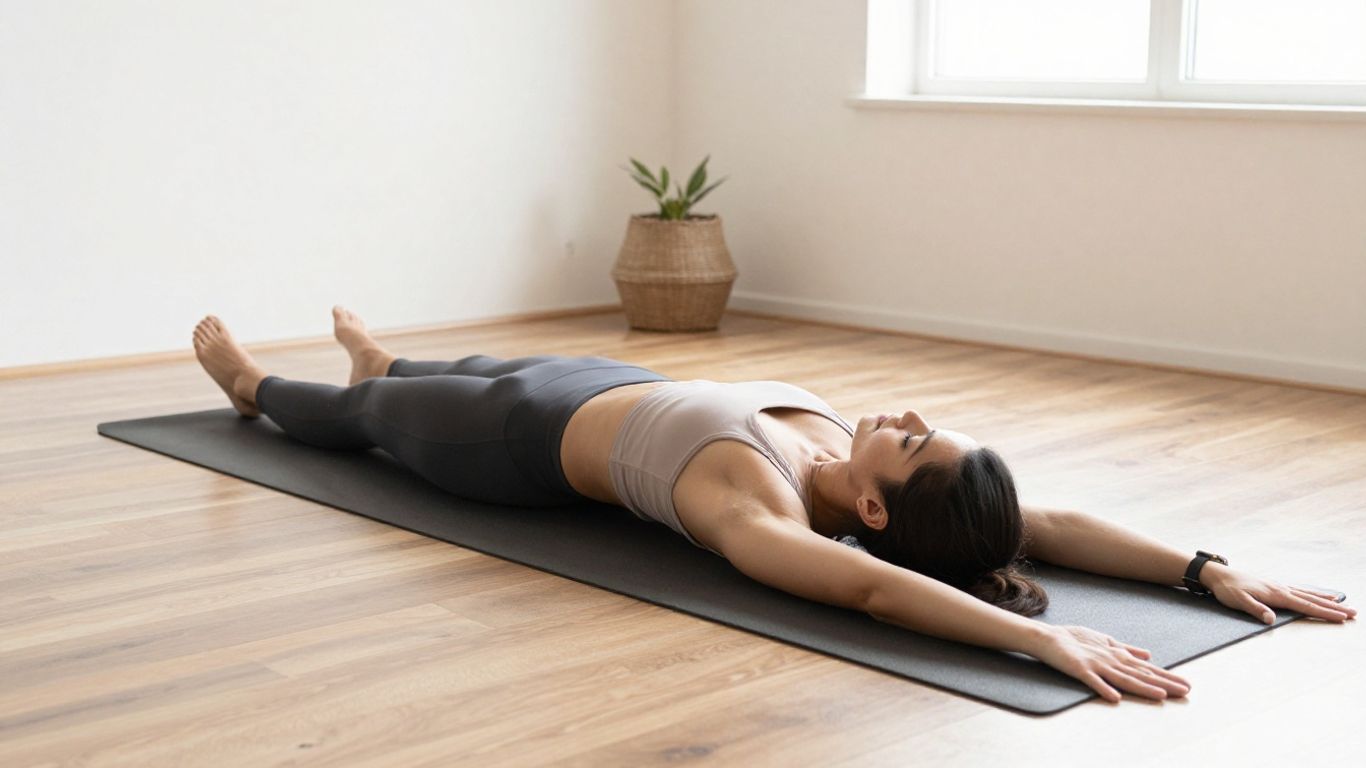
So, you're thinking about mixing some regular exercise into your yoga practice, huh? It might sound a little counterintuitive at first, but trust me, it can really make a difference. It's not just about getting stronger or more flexible; it's about creating a more well-rounded approach to feeling good, both in your body and your head. When you add things like strength training or cardio to your yoga routine, you're basically giving yourself a whole new set of tools to work with.
Enhanced Muscular Endurance and Strength
When you add weights to yoga poses, your muscles have to work harder. This resistance is what helps build up your muscle strength over time. Holding poses for longer periods with that extra challenge also means your muscles get better at working without getting tired so quickly. It's a pretty straightforward way to get stronger and last longer in physical activities.
Improved Flexibility and Mobility
Yoga is already famous for making you more flexible, right? Well, when you combine it with strength training, you get a double dose of goodness. The strength work builds up your muscles, and then the yoga part stretches them out, giving you a bigger range of motion. This combo can actually lead to better flexibility and easier movement than doing either one on its own. Think of it as making your muscles both tough and bendy.
Boosted Mental Focus and Clarity
Yoga is known for its calming effects on the mind, and adding a physical challenge can actually make those benefits even stronger. When you're concentrating on holding a pose with weights, or just focusing on your balance, your mind tends to quiet down. It's like a moving meditation where you're so present in the moment that worries just fade away. This can leave you feeling clearer and more at peace, both during and after your workout. It's a great way to improve your body awareness.
Paying attention to your body's signals is important. If something doesn't feel right, don't push through it. Modify the pose or exercise, or take a break. It's always better to err on the side of caution than to risk an injury. Remember, the goal is to build strength and flexibility in a sustainable way, not to beat yourself up.
Here's a quick look at how adding exercise can impact your practice:
- Builds stronger muscles: Resistance from weights makes muscles work harder.
- Increases stamina: Holding poses longer with added weight improves endurance.
- Widens range of motion: Strength training and yoga stretches work together.
- Sharpens concentration: Physical challenges require more focus, quieting the mind.
This approach helps create a more balanced and holistic path to health, going beyond just the physical. It's about making both your body and mind work better together, leading to a fitness level that feels greater than the sum of its parts. For more on how yoga contributes to overall health, you can check out yoga's many advantages.
Integrating Strength Training Into Your Yoga Routine
So, you're looking to add some muscle-building power to your yoga practice? That's a smart move. Combining the two can really give you a well-rounded fitness routine. It's not just about holding poses anymore; it's about making those poses stronger and more stable. But how do you actually do it without messing up your flow or, worse, getting hurt?
Choosing The Right Weights For Your Practice
When you're starting to add weights to your yoga, don't just grab the heaviest dumbbells you own. That's not the goal here. Think of it as adding a little extra resistance to challenge your muscles in a new way. Lighter weights, like 2-5 pound dumbbells, are often a good starting point. Resistance bands are also fantastic because they offer a different kind of tension and are gentler on your joints. The idea is to feel the muscles working, but still be able to maintain your yoga form. You want to feel the burn, but not at the expense of alignment. It’s about controlled movements that build strength without compromising your yoga practice. This approach can really help with overall physical well-being.
Timing Your Strength Training Sessions
This is where it gets a bit personal. When should you lift weights in relation to your yoga? There's no one-size-fits-all answer. Some people like to do their strength work before yoga. This way, they're fresh and can really push themselves with the weights. Then, they use yoga to cool down and stretch. Others prefer to do yoga first. They see it as a great warm-up, getting their blood flowing and muscles ready. After their yoga session, they hit the weights. The key is to experiment and see what feels best for your body and your energy levels. You don't want to be so wiped out from weights that you can't focus on your yoga, or vice versa.
Combining Bodyweight Exercises with Yoga
Don't forget about your own body weight! Exercises like push-ups, squats, lunges, and planks are amazing additions. You can easily slot these into your yoga flow. For instance, after a few rounds of Sun Salutations, you could do a set of push-ups. Or, after holding a Warrior II pose, you might add a few squats. This is a fantastic way to build functional strength – the kind you use every day – without needing any equipment at all. It’s a natural extension of the strength you’re already building on the mat.
It's easy to get caught up in the idea of lifting heavy, but for yoga, the focus should always be on controlled movement and mindful execution. The weights are there to support your practice, not to dominate it. Think of them as tools to help you discover new levels of strength and stability within your existing poses.
Here’s a quick look at how you might structure a week:
- Monday: Yoga Flow + Light Dumbbell Circuit
- Tuesday: Rest or Light Cardio
- Wednesday: Strength Training (focus on major muscle groups) + Short Yoga Stretch
- Thursday: Yoga Practice (longer session)
- Friday: Bodyweight Exercises + Yoga Cool-down
- Saturday/Sunday: Active Recovery or Rest
Remember, consistency is more important than intensity when you're first starting out. You're building a sustainable fitness routine that supports overall performance and well-being.
Building A Balanced Yoga And Strength Program
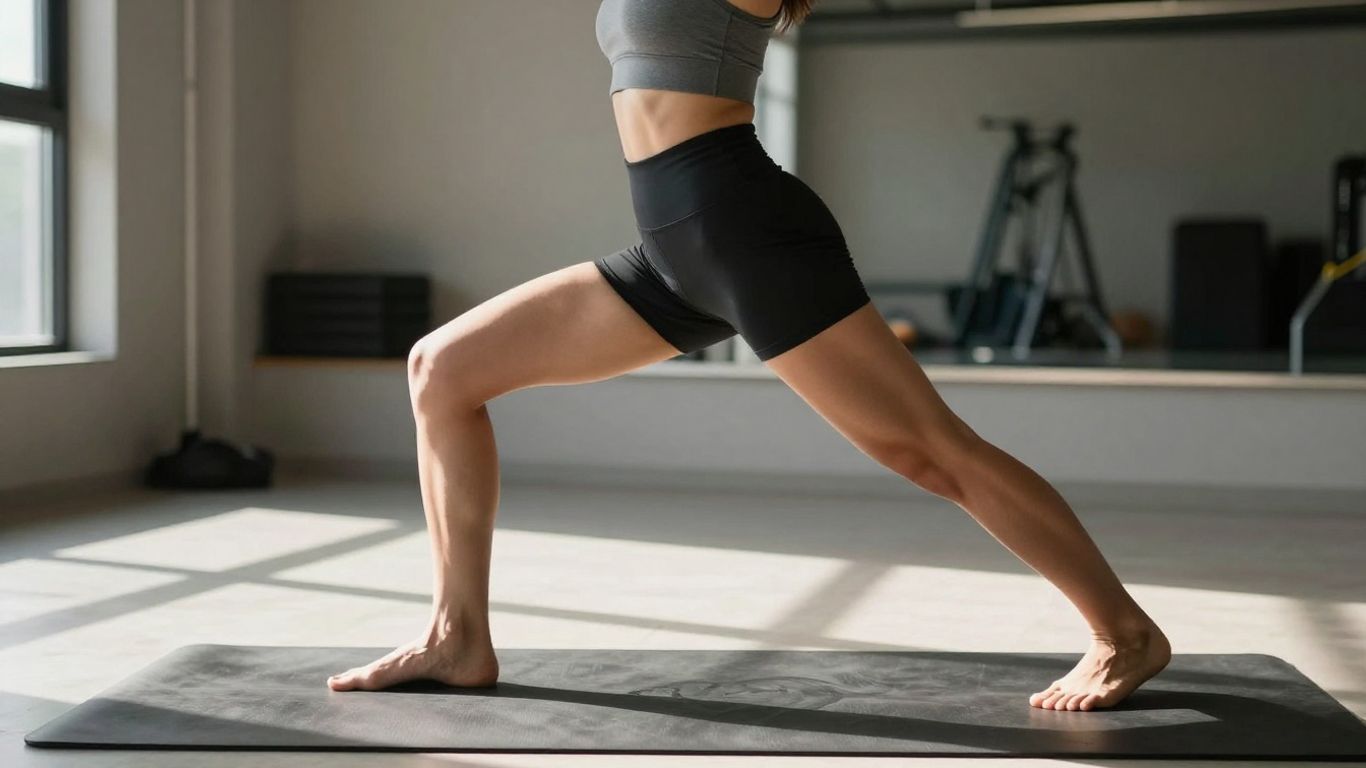
So, you're ready to mix yoga and some weight training? That's a smart move! It's not just about doing a bit of both; it's about creating a plan that actually works for you. Think of it like building a house – you need a solid foundation and a good blueprint. Without that, things can get wobbly pretty fast.
Setting Realistic Goals For Strength and Flexibility
First off, let's get real about what you want to achieve. Are you aiming to lift heavier weights, or is your main goal to finally do that tricky yoga pose? It's easy to get caught up looking at what others are doing, but your journey is your own. Start by figuring out what feels important to you. Maybe it's having more energy for everyday tasks, or perhaps it's just feeling less stiff after sitting at your desk all day. Writing down specific goals, like "add 5 pounds to my dumbbell rows in a month" or "hold a plank for 60 seconds," can make a big difference. It gives you something concrete to work towards.
Don't compare your beginning to someone else's middle. Focus on your own progress and celebrate the small wins along the way.
Designing A Weekly Workout Schedule
Now, how do you fit it all in without feeling completely wiped out? Consistency is key, but so is giving your body a break. You can't just go hard every single day. A good approach is to alternate your focus. Maybe dedicate a few days to yoga, focusing on flow, balance, and stretching. Then, set aside other days for strength training, hitting different muscle groups. And please, don't forget rest days! Your muscles need time to repair and get stronger. A sample week might look something like this:
- Monday: Yoga (Vinyasa Flow)
- Tuesday: Strength Training (Upper Body)
- Wednesday: Rest or Light Activity (like a walk)
- Thursday: Yoga (Restorative)
- Friday: Strength Training (Lower Body & Core)
- Saturday: Active Recovery or Fun Activity
- Sunday: Full Rest
Listen to your body. If you're feeling extra tired or sore, it's okay to swap a workout day for a rest day. Pushing through when you're exhausted is a fast track to getting hurt, and nobody wants that. It's better to take an extra day off than to be sidelined for weeks.
Balancing Intensity and Recovery
This is where the magic happens, or where it falls apart if you're not careful. You want to challenge yourself enough to see progress, but not so much that you can't recover. Think about how intense your yoga sessions are and how heavy your weights are. If you're doing a really demanding yoga class one day, maybe your strength training the next day should be a bit lighter, or focus on different muscles. Recovery isn't just about rest days; it's also about sleep, nutrition, and managing stress. If you're not sleeping well, your body won't repair itself properly, no matter how many rest days you take. It's all connected, you know? Finding that sweet spot between pushing hard and allowing your body to bounce back is what will help you see consistent results over time.
Key Yoga Poses For Strength And Flexibility
Yoga is a fantastic way to build both strength and flexibility, and certain poses really shine when it comes to developing these areas. It's not just about holding static stretches; many poses actively engage your muscles, building endurance and power while simultaneously lengthening them. Let's look at some poses that can make a real difference in your practice.
Building Core Strength with Yoga
A strong core is the foundation for almost everything you do, both on and off the mat. Forget endless crunches; yoga offers some excellent alternatives that work your entire midsection. Holding poses like Plank, in its various forms, is a great start. Even holding a standard plank for 30 seconds can feel surprisingly tough. Side planks are brilliant for hitting those often-neglected oblique muscles. Then there's Boat Pose (Navasana), which looks simple but really lights up your entire core when you hold it. Don't overlook poses like Reverse Table Top either; they build strength in your back and core simultaneously.
Enhancing Flexibility Through Dynamic Poses
Flexibility isn't just about being able to do the splits. It's about increasing your range of motion and keeping your body from feeling stiff. Dynamic poses, where you move smoothly in and out of a position, are particularly good for this. Cat-Cow pose is a classic for a reason – it gently wakes up your spine. Sun Salutations are another excellent way to warm up your whole body and get your muscles ready for deeper stretches. For more targeted flexibility, poses like seated forward bends can help alleviate tightness in the hamstrings and back. Remember to always listen to your body and never force a stretch.
Incorporating Balance for Stability
Balance is a key component of both strength and flexibility. Poses that challenge your stability also force your stabilizing muscles to work harder, leading to greater control and preventing injuries. Tree Pose (Vrksasana) is a well-known balance pose that also strengthens your ankles and legs. Warrior III (Virabhadrasana III) requires significant core engagement and focus to maintain. Even simple poses like standing on one leg, with your eyes closed, can be a surprisingly effective way to improve your proprioception and overall stability. Practicing these regularly can make a big difference in your day-to-day movements.
It's important to approach these poses with patience and consistency. Building strength and flexibility takes time, and pushing too hard too soon can lead to injury. Focus on proper alignment and breath, and celebrate the small improvements along the way.
Common Mistakes To Avoid In Yoga Weight Training
Neglecting Proper Form and Alignment
This is a big one, honestly. When you're adding weights to your yoga practice, it's super tempting to just grab the heaviest dumbbells you can find and go for it. But if your form isn't right, you're asking for trouble. Think about it: doing a squat with bad form and heavy weight is a fast track to injury. The same applies when you're holding weights in a yoga pose. You need to know the correct way to line up your body before you add that extra challenge. It's way better to start with lighter weights, or even just bodyweight, and nail the alignment. If you're not sure, ask someone who knows or check out some resources on proper exercise form. Building a solid foundation is key here.
Overtraining Without Adequate Recovery
More isn't always better, right? I learned this the hard way. Your body needs time to chill out and fix itself after you've worked it. If you're constantly pushing yourself too hard, too often, you'll just end up feeling wiped out, maybe even get injured, and your progress will stall. It's like trying to run a marathon every single day without any rest. You wouldn't do that, would you?
Here’s what I try to remember:
- Listen to your body: If something feels off, take a break. Don't try to push through sharp pain.
- Prioritize sleep: Seriously, it's when your muscles do most of their repairing.
- Schedule rest days: Make them non-negotiable in your week. Your body will thank you.
Pushing your limits is good, but knowing when to back off is even better. It's a balance between challenging yourself and allowing your body the downtime it needs to get stronger. Trying to do too much too soon can actually set you back, leading to burnout and potential injuries that keep you from practicing altogether.
Complementary Exercises For Your Yoga Practice
Cardio: Boosting Cardiovascular Health
While yoga is fantastic for flexibility and building some serious strength, it doesn't always get your heart rate up as high as other activities. That's where cardio comes in. Adding some aerobic exercise a few times a week can really round out your fitness. Think jogging, cycling, swimming, or even brisk walking. It's not just about getting your heart pumping; it helps with endurance, which can make those longer yoga holds feel a bit easier. Plus, a strong cardiovascular system is good for your overall health, plain and simple. You don't need to run a marathon, just find something you enjoy that gets you moving.
Why Incorporate Other Types of Exercises Into Your Routine?
It might seem like yoga is enough, and for some, it is! But mixing things up offers some pretty neat advantages. For starters, it helps prevent your body from getting too used to the same movements. When your muscles adapt, progress can slow down. By introducing different types of workouts, you challenge your body in new ways, which can lead to better results and help you avoid hitting a plateau. It also means you're working a wider range of muscles, which can lead to better balance and reduce the chance of overuse injuries. It’s about creating a more robust and resilient body.
Here’s a quick look at what different exercises bring to the table:
- Cardio: Improves heart health and stamina.
- Strength Training: Builds muscle mass and bone density.
- Balance Exercises: Sharpens coordination and stability.
- Flexibility Work (like yoga): Increases range of motion and reduces stiffness.
Trying to do too much too soon is a common pitfall. It's easy to get excited and want to add everything at once, but that's a fast track to burnout or injury. Start small, maybe one or two new activities a week, and see how your body responds. Consistency over intensity is usually the winning strategy.
For example, if you're looking to build more arm strength, you might find poses like Plank and Side Plank particularly helpful. These moves, when practiced regularly, can significantly contribute to your upper body conditioning. Remember, the goal is to complement your yoga practice, not replace it. Finding that sweet spot where different activities work together harmoniously is key to a well-rounded fitness plan.
Wrapping It Up
So, we've covered a lot of ground, from the basics of yoga to how you can mix it with other exercises like weight training. It’s not about being perfect right away; it’s about finding what feels good for your body and sticking with it. Remember to listen to yourself, take rest days when you need them, and don't be afraid to try different things. Whether you're aiming for more strength, better flexibility, or just a bit of calm in your day, yoga can really help. Keep practicing, stay curious, and enjoy the journey of discovering what your body and mind can do.
Frequently Asked Questions
Why should I combine yoga with other exercises like weight training?
Adding exercises like weight training to your yoga practice helps you build more muscle and endurance. Yoga is great for flexibility and balance, but weights can make your muscles stronger. Doing both gives you a more well-rounded fitness routine, helping you get stronger, more flexible, and improve your overall health.
How do I choose the right weights for my yoga practice?
Start with lighter weights than you might use for regular strength training. The goal is to add a little extra challenge to your yoga poses, not to make them impossible. Think of it as a gentle boost. Resistance bands can also be a good option because they're easier on your joints and still provide a good workout.
When is the best time to do strength training with my yoga?
There's no single 'best' time; it depends on what feels right for you and your goals. Some people like to do strength training when they have the most energy, usually at the beginning of their workout. Others prefer to do yoga first to warm up their body, and then finish with weights. Try both ways to see what works best for your body.
Can I use just my body weight for strength training with yoga?
Absolutely! Bodyweight exercises like push-ups, squats, and lunges are fantastic for building strength and can be easily mixed into your yoga routine. You can do a few push-ups between yoga poses or add squats after a standing sequence. It’s a great way to get stronger without needing any equipment.
What are the biggest mistakes to avoid when doing yoga and weights together?
Two major mistakes are not using the right form and not getting enough rest. It's super important to do the exercises and poses correctly to avoid getting hurt and to actually get the benefits. Also, your body needs time to recover after workouts, so make sure you have rest days and get enough sleep. Pushing yourself too hard all the time can lead to burnout and injuries.
Besides weights, what other exercises can help my yoga practice?
Cardio exercises, like running or swimming, are great for your heart and can help with stamina during longer yoga sessions. Doing a mix of different types of exercises—like cardio for endurance, weights for strength, and yoga for balance and flexibility—ensures you're working your whole body and helps prevent getting stuck in a fitness rut or getting injured from doing the same thing too often.


0 comments