









You know, sitting at a desk all day can really do a number on your back. It's easy to forget about this big muscle group, but it's super important for moving around and staying injury-free. The good news is you don't need fancy equipment to get a stronger back. We're going to look at some simple back exercises at home that you can do to build up those muscles and support your whole body, without ever leaving your living room.
Key Takeaways
- You can effectively train your back muscles at home without any weights by using your own body weight.
- Exercises like bodyweight lat pulldowns and inverted rows target the upper and mid-back, while prone arm circles and superhuman holds engage the lower back.
- Good posture and reduced risk of back pain are major benefits of a strong back and core.
- Consistency and proper form are more important than the number of reps when performing these back exercises at home.
- Progressing your workouts involves making bodyweight variations harder or increasing hold times, rather than adding external weight.
Essential Back Exercises At Home For A Stronger Core
Understanding The Importance Of Back Strength
You might not think much about it, but your back powers a ton of what you do every day. From bending to tie your shoes to picking up groceries, these muscles keep you steady and upright. A strong back keeps your posture in check and can help defend against those all-too-common aches and pains.
Here’s how your back muscles support you:
- Help keep your shoulders over your hips for stability
- Support heavy lifting (even just moving laundry)
- Let you rotate, twist, and move more easily
Think of your back as the body's anchor—it keeps everything in line, whether you're standing, sitting, or running errands.
Benefits Of Bodyweight Back Training
You don’t need fancy machines or dumbbells to get a solid back workout. Using just your body weight, you can:
- Train basically anywhere, at any time
- Work both big and small stabilizing muscles
- Lower your risk of injury because movements are joint-friendly
See how these perks stack up:
| Benefit | Description |
|---|---|
| Accessibility | No equipment, train at home or while traveling |
| Injury Prevention | Develops control over movement |
| Versatility | Easy to adjust intensity |
| Full Back Engagement | Targets lats, traps, rhomboids, and more |
If you want more details about workouts like the bird dog or superman hold, check out these back workouts without equipment.
Preparing For Your Home Back Workout
Before you hit the mat, it’s smart to get ready:
- Set aside a small space, even a corner of your bedroom will do
- Dress in comfortable, stretchy clothes
- Move through a quick warm-up: some arm circles, shoulder rolls, and a bit of marching in place
- Consider a chair, towel, or clear wall for some exercises
I always tell folks to listen to their own bodies, and don’t push past discomfort. If something feels off, ease up or try another move.
Sticking to just five to ten minutes daily can actually make a noticeable difference, and it’s way more doable than you might expect!
Targeting Your Upper Back Muscles Without Equipment
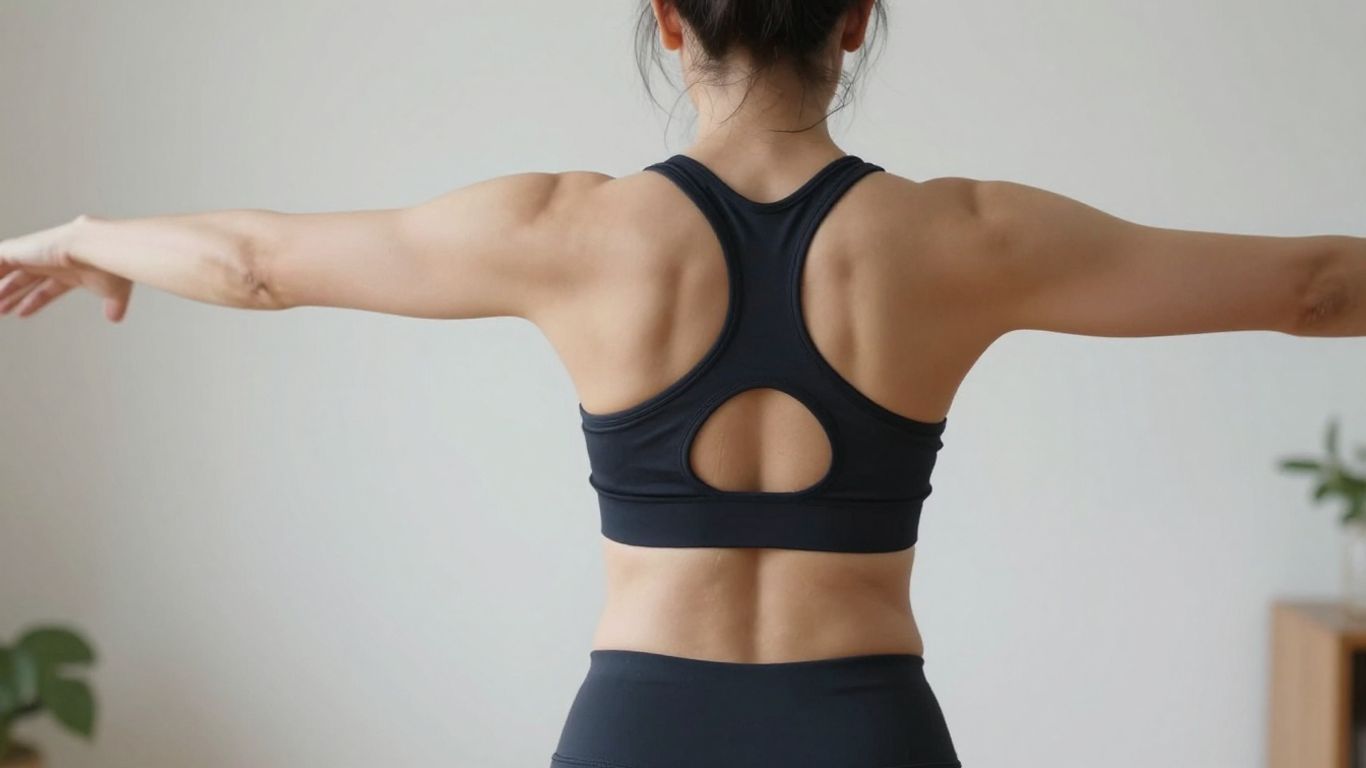
Alright, let's talk about hitting those upper back muscles when you're stuck at home with no fancy gear. It might seem tricky, but you can totally build a strong upper back using just your own body weight. We're going to focus on exercises that mimic pulling motions, which are key for that V-taper and good posture. These movements help balance out all the pushing you might do with chest and shoulder workouts.
Bodyweight Lat Pulldowns With Household Items
Forget the big machines at the gym. You can get a great lat workout with something as simple as a sturdy door and a bedsheet. Tie a knot at the end of two long bedsheets, throw them over the top of a closed door, and then close the door inward. This creates a makeshift anchor. Now, lie on your back with your feet flat on the floor, grab the knotted ends of the sheets, and pull your chest towards the door. It's like a reverse pull-up, and it really targets those big lat muscles. You can adjust the difficulty by how far your feet are from the door – closer means harder. This is a fantastic way to work your back muscles without any equipment.
Inverted Rows For Mid-Back Engagement
Inverted rows are another excellent option for your mid-back. You can do these using a sturdy table or even a low bar if you have one. Lie underneath the table, grab the edge with an overhand grip (palms facing away), and pull your chest up towards the table's edge. Keep your body in a straight line from your head to your heels. The lower the surface, the tougher the exercise. This really makes your rhomboids and traps work, which are super important for shoulder blade stability and that thick look in your mid-back.
Wall Slides For Shoulder Blade Activation
Wall slides are great for waking up those smaller muscles around your shoulder blades and improving shoulder mobility. Stand with your back against a wall, feet a little away from it. Bend your elbows to 90 degrees and place your forearms and the backs of your hands against the wall, like you're making a goalpost shape. Now, slowly slide your arms up the wall as high as you can, keeping your arms and wrists in contact with the wall. Then, slide them back down. Focus on squeezing your shoulder blades together as you slide up. This exercise is also good for helping with upper back pain.
These exercises might not look as intense as lifting heavy weights, but they are incredibly effective at building strength and control in your upper back. The key is to focus on the contraction and really feel the muscles working through the entire range of motion. Don't rush through them; slow and controlled movements are your friend here.
Here's a quick rundown:
- Bodyweight Lat Pulldowns: Use a door and bedsheets. Lie on your back, grab the sheets, and pull your chest up.
- Inverted Rows: Use a table or low bar. Lie underneath and pull your chest to the edge.
- Wall Slides: Stand against a wall, arms at 90 degrees, and slide them up and down, focusing on shoulder blade squeeze.
Strengthening Your Lower Back And Core
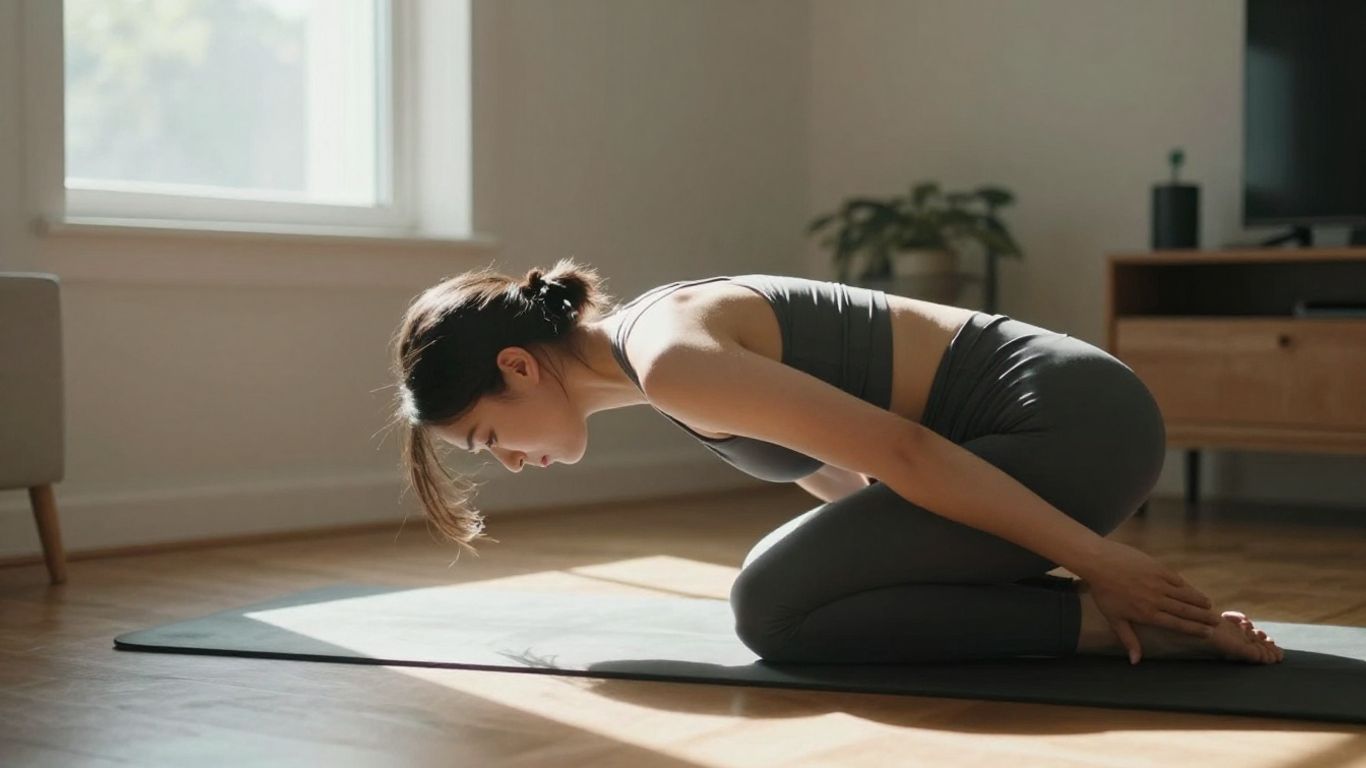
Alright, let's talk about the lower back and core. These areas are super important, not just for looking good, but for, you know, actually moving through life without pain. A strong core isn't just about those front abs; it includes muscles all around your midsection and even connects to your back. When these muscles are working together, they help keep your spine in a good, neutral position, which is a big deal for posture and preventing those annoying aches.
Prone Arm Circles For Full Back Engagement
This move is pretty neat because it hits a lot of your back muscles, including the lower ones, by engaging your hips. To do it, just lie on your stomach with your arms and legs stretched out. Palms down, feet about hip-width apart. Now, lift your arms and legs just a little off the floor. You should already feel your glutes and lower back waking up. From there, slowly move your arms out to your sides, then behind your back, twisting your palms to face upwards when they reach your back. Keep it controlled. This really gets into the muscles that help you sit up straight.
Superhuman Holds For Lower Back Endurance
This one is a classic for a reason. It puts a good amount of focus on your lower back without being too rough. Lie on your stomach again, arms and legs extended. Lift your chest, arms, and legs off the ground all at once. Hold it for a few seconds, really squeezing your glutes and lower back. Lower down slowly and repeat. It’s a simple way to build up endurance in that area. If you're looking for ways to manage back pain, some low-impact exercises like this can be really helpful [6827].
Chest Peel For Postural Support
Don't let the name fool you; this exercise might not look like much, but it's great for the muscles that help you stand tall. Lie on your stomach, feet hip-width apart, toes tucked, and arms by your sides, palms down. Without moving your lower body, lift your head, shoulders, and forearms. Think about peeling your chest off the floor. This helps fight against that constant pull of gravity that can make us slouch. It's all about training those postural muscles.
Building a strong foundation in your lower back and core is like giving your body a better support system. It helps with everything from standing tall to just feeling more stable day-to-day. Don't skip these moves; they're key for long-term back health.
Remember to focus on slow, controlled movements. If something feels off, ease up. Consistency is more important than pushing too hard, especially when you're starting out. You can also explore other core exercises that don't need any equipment, like bicycle crunches, to round out your routine [c36b].
Integrating Core Stability Into Your Routine
When we talk about back health, it's easy to just focus on the muscles in your back. But honestly, your core muscles play a massive role too. Think of your core as the central hub that connects your upper and lower body. If that hub isn't stable, your back has to work overtime, which can lead to pain and injury. A strong, stable core means better support for your spine.
The Role Of Core Muscles In Back Health
Your core isn't just your abs. It includes muscles all around your midsection – your obliques on the sides, your deep transverse abdominis, and even muscles in your lower back. When these muscles work together, they create a natural brace that protects your spine. Without this support, everyday movements can put extra strain on your back. It's like trying to build a house on a shaky foundation; eventually, things start to fall apart.
Exercises To Enhance Core Rigidity
So, how do you build this stability without weights? It's all about controlled movements that challenge your core to resist unwanted motion. Think about exercises that make you hold a steady position or move in a controlled way.
- Plank Variations: Start with a basic forearm plank. Keep your body in a straight line from head to heels, squeezing your glutes and abs. You can progress to side planks or planks with alternating leg lifts.
- Bird Dog: Get on your hands and knees. Extend one arm straight forward and the opposite leg straight back, keeping your torso still. Hold for a moment, then switch sides. This really tests your ability to stay stable.
- Dead Bug: Lie on your back with your knees bent at 90 degrees and arms extended towards the ceiling. Slowly lower one arm and the opposite leg towards the floor, keeping your lower back pressed into the ground. Return to the start and switch sides.
These moves might seem simple, but they really make your core work to keep you steady. You can find more bodyweight exercises to build a strong and stable midsection here.
Preventing Injury Through Core Strength
Building a strong core isn't just about looking good; it's a major part of staying injury-free. When your core is weak, other muscles, including your back, have to compensate. This can lead to muscle imbalances and strains. A stable core helps distribute forces more evenly throughout your body during any activity, whether you're lifting groceries or just walking around. It's about creating a resilient system that can handle daily demands without breaking down. Functional core workouts that engage your muscles in different ways can really help with this overall stability [6c0b].
Think about it like this: your core is the anchor. If the anchor is strong and steady, the whole ship (your body) can handle rough seas (daily life and exercise) much better. Without that solid anchor, even small waves can cause problems.
Progressing Your At Home Back Exercises
So you've been doing the basic bodyweight back exercises, and they're starting to feel a little too easy. That's a good sign! It means your muscles are getting stronger, and it's time to challenge them a bit more. The key to continued progress is to gradually increase the difficulty of your workouts. Just doing the same thing over and over won't cut it if you want to keep building muscle and strength.
Adjusting Difficulty With Bodyweight Variations
There are several ways to make these exercises harder without needing any equipment. Think about how you can change the leverage or the range of motion. For example, with inverted rows, you can move your feet further away from the anchor point or even elevate your feet off the ground. This makes your body heavier relative to the support, demanding more from your back muscles. Similarly, for exercises like prone arm circles, you can increase the duration you hold the elevated position or slow down the movement even further. It's all about finding ways to make your muscles work harder.
Here's a quick look at how you might adjust a couple of exercises:
| Exercise | Easier Variation | Standard Variation | Harder Variation |
|---|---|---|---|
| Bodyweight Rows | Knees bent, feet closer to anchor | Straight legs, feet further from anchor | Feet elevated on a stable surface |
| Prone Arm Circles | Smaller range of motion, faster tempo | Full range of motion, controlled tempo | Hold elevated position longer, slower tempo |
| Wall Slides | Less lean against the wall, smaller range of motion | Full range of motion, back against the wall | Hold arms at top position, add slight pause |
Focusing On Form And Mind-Muscle Connection
As you make exercises harder, it's super important to not let your form slip. Good form is way more important than just doing more reps or holding a weight longer. You want to feel the muscles you're targeting working. This is called the mind-muscle connection. Really concentrate on squeezing your back muscles at the peak of each movement and controlling the descent. If you start to feel it more in your arms or shoulders than your back, you might be doing too much too soon, or your form needs a tweak. Slowing down the movement can really help you feel those muscles working properly. It's better to do fewer reps with perfect form than many reps with sloppy form.
When you're trying to build muscle at home without weights, the quality of each repetition matters a lot. Think about what each muscle is supposed to be doing and actively try to make it do that. It's like telling your muscles exactly what job they have to do on every single movement.
Consistency For Optimal Muscle Growth
Making progress isn't just about the intensity of a single workout; it's about what you do consistently over time. Aim to stick to your workout schedule as much as possible. Even if you can't do a full workout, a shorter session is better than nothing. Building muscle takes time and regular effort. Don't get discouraged if you don't see huge changes overnight. Keep showing up, keep challenging yourself with harder variations, and keep focusing on your form. Over weeks and months, you'll definitely notice a difference in your back strength and overall core stability. Remember, consistency is the name of the game when it comes to seeing results from your bodyweight exercises.
Wrapping It Up
So there you have it. You don't need fancy gym equipment or a personal trainer to get a stronger back. We've gone over some solid moves you can do right at home, using just your own body weight. Remember, consistency is key. Even a few minutes a day can make a big difference over time. Keep at it, focus on your form, and you'll start to notice your back feeling better and looking stronger. It’s not about doing the most complicated exercises, but about doing the ones that work for you, regularly. Give these a try and see how good your back can feel!
Frequently Asked Questions
Why is having a strong back important?
A strong back helps you stand up straight, keeps your spine healthy, and can even stop you from getting hurt. It's like the foundation for your whole body, making everyday movements easier and safer.
Can I really build muscle in my back without weights?
Yes, you absolutely can! By using your own body weight and focusing on exercises that move your muscles through a full range of motion, you can definitely make your back muscles grow stronger, even at home.
What are some easy exercises to start with for my back?
Good starting points include exercises like Bodyweight Lat Pulldowns (using a towel or sheet), Inverted Rows (under a sturdy table), and Wall Slides. These work different parts of your back without needing any equipment.
How do I make back exercises harder as I get stronger?
You can make exercises tougher by changing your body position. For example, moving your feet closer to the anchor point in inverted rows or holding poses like the Superhuman Hold for longer. It's all about gradually challenging your muscles more.
What's the difference between core muscles and back muscles?
Think of your core as the muscles around your middle, including your abs and sides, and your back muscles are on your backside. They work together to keep you stable and upright. A strong core helps support your back and prevents injuries.
How often should I do these back exercises?
It's best to do these exercises a few times a week, maybe splitting them into different days. Doing too much at once can be hard on your body. Consistency is key, so find a schedule that works for you and stick to it!


0 comments