











Thinking about trying out Pilates but don't have a fancy reformer machine? Or maybe you just want a new way to challenge your body without leaving your living room. Well, good news! You can get a great workout using just a wall. Wall Pilates workouts are becoming super popular, and for good reason. They take the core principles of Pilates and add a simple, accessible prop – your wall – to give you a different kind of resistance and support. It’s a fantastic way to build strength, improve how you move, and connect with your body, all while keeping things low-impact. Let's dive into how you can get started and what makes these wall Pilates workouts so effective.
Key Takeaways
- Wall Pilates workouts use a wall for added resistance and support, mimicking some aspects of reformer Pilates without special equipment.
- Proper form is more important than intensity in wall Pilates, focusing on controlled movements and breath for better muscle activation and injury prevention.
- Benefits include improved stability, balance, strength, and a stronger mind-body connection, making it accessible for various fitness levels.
- A basic setup requires only a wall, and a 15-minute routine can target core, lower body, and upper body, with modifications for low-impact needs.
- Consistency is key; even short, regular wall Pilates workouts can lead to noticeable improvements in flexibility, strength, and overall well-being.
Understanding Wall Pilates Workouts
So, what exactly is Wall Pilates? Think of it as taking your favorite Pilates moves and giving them a little extra support and challenge, all thanks to a simple wall. It's not just about leaning on something; it's about using that vertical surface to change how your body works against gravity. This method can make exercises easier to get into or, surprisingly, much harder, depending on what you're trying to achieve. It's a clever way to get some of the benefits you might find with reformer Pilates without needing all that fancy equipment.
The Biomechanics of Wall-Supported Pilates
When you use a wall in your Pilates practice, you're changing the game biomechanically. The wall provides a stable point, which means you can focus more on your muscle engagement and less on just staying upright. It alters your body's relationship with gravity. For instance, doing a squat with your back against the wall, like a wall sit, distributes your weight differently than a free-standing squat. This can help you target specific muscles more effectively. It's like having a built-in spotter that also adds a new dimension to the movement. The wall is an unyielding surface, and interacting with it changes the forces your body experiences.
Why Proper Form Reigns Supreme
With any exercise, form is key, and Wall Pilates is no exception. Because the wall offers support, it can be tempting to let your form slide a bit. But that's where the real work happens. Focusing on precise movements and correct alignment is what prevents injuries and actually gets you results. It’s about quality over quantity. Even simple movements, when done with good form against the wall, can be incredibly effective for building strength and improving posture. It’s better to do five perfect reps than twenty sloppy ones.
Key Principles of Effective Wall Pilates
To get the most out of your Wall Pilates sessions, keep a few things in mind:
- Mindful Movement: Pay attention to how each part of your body feels. Are your muscles working as they should be?
- Controlled Pace: Avoid rushing through exercises. Slow, deliberate movements allow for better muscle activation and control.
- Breath Awareness: Remember to breathe! Your breath is a vital part of Pilates, helping to deepen your core engagement and relax your body.
- Listen to Your Body: This is super important, especially when you're starting out. If something feels painful, stop or modify it. There's no shame in adjusting an exercise to suit your current ability.
Using the wall can make exercises more accessible, which is great for beginners or those needing a gentler approach. It provides a stable point of contact that can help with balance and reduce the strain on joints, making it a good option for seniors or those with limited mobility.
Remember, the goal is to create a strong, connected body, and the wall is just a tool to help you get there more effectively and safely.
Benefits of Incorporating Wall Pilates
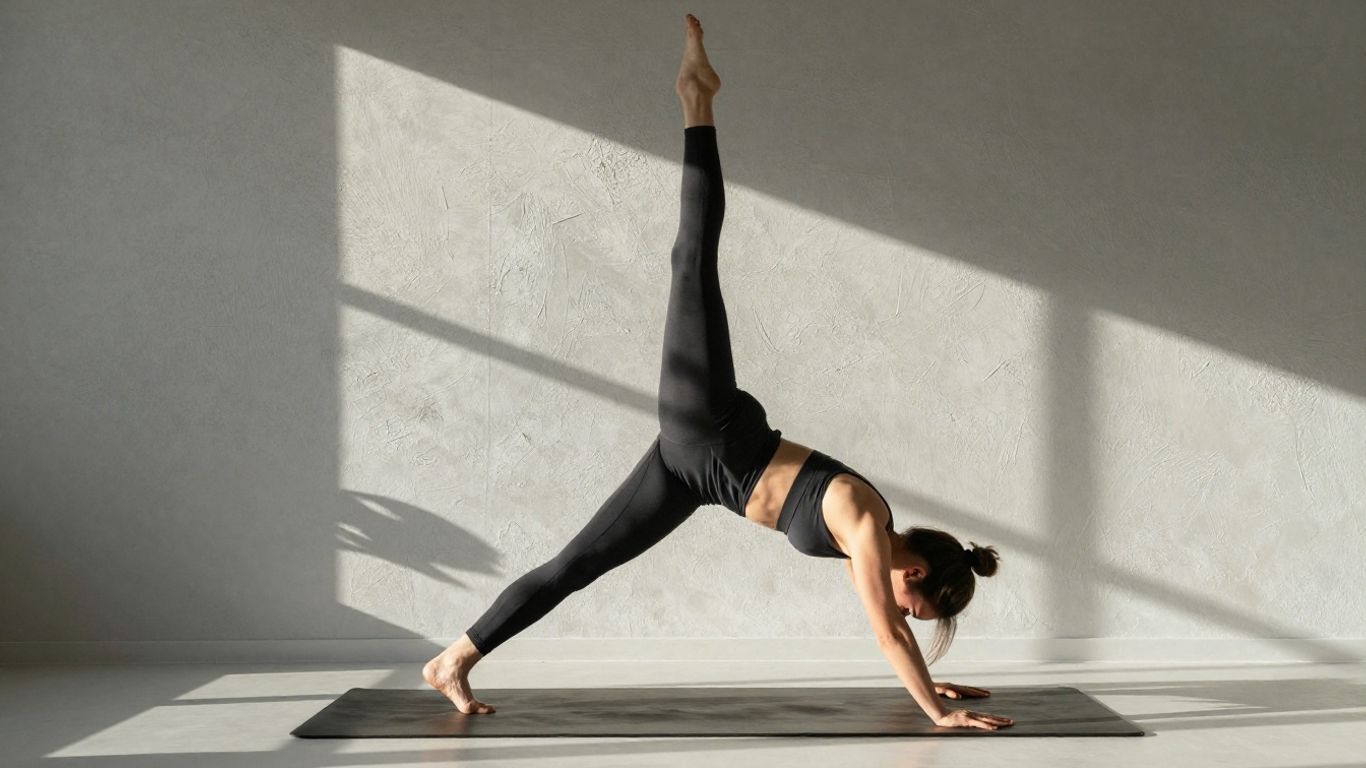
So, why should you consider adding wall Pilates to your fitness routine? It turns out, there are quite a few good reasons. This method, which uses a simple wall for support and resistance, offers a unique set of advantages that can really make a difference in how you feel and move.
Enhanced Stability and Balance
One of the most noticeable benefits of wall Pilates is how it helps you get steadier on your feet. By pressing against the wall, you're forced to engage your core and stabilizing muscles in a way that's different from just standing on the floor. This constant, subtle engagement builds up your proprioception – that's your body's awareness of its position in space. It's like giving your inner balance system a really good workout. Over time, you'll find yourself feeling more secure in everyday activities, from walking on uneven surfaces to simply standing up from a chair.
Accessible Strength Building
Forget needing fancy equipment or a gym membership to get stronger. Wall Pilates makes strength training super accessible. The wall acts as a form of resistance, similar to how a reformer machine might work, but without the cost. You can push against it, hold positions, and use it to control your movements. This isometric training helps build muscle strength without putting excessive strain on your joints, making it a great option for many people.
Here's a quick look at how it works:
- Core Engagement: The wall provides a stable surface to push against, forcing your deep abdominal muscles to work harder.
- Leg Strength: Exercises like wall sits or leg slides engage your quads, hamstrings, and glutes.
- Upper Body Tone: Pushing or pulling against the wall can help strengthen your arms, shoulders, and back.
Improved Musculoskeletal Health
If you're looking to improve your overall body health, wall Pilates can be a real game-changer. It's a low-impact exercise, meaning it's gentle on your joints, which is fantastic if you have any aches or pains, or if you're just starting out. Regular practice can lead to better posture, reduced muscle tension, and improved spinal alignment. It helps strengthen the muscles that support your skeleton, contributing to better musculoskeletal health in the long run.
Wall Pilates is particularly good for strengthening your core and improving your body's alignment. It's a way to build up the muscles that support your spine and pelvis, which can help alleviate common issues like lower back pain.
Mind-Body Connection Reinforcement
Like all forms of Pilates, wall Pilates really emphasizes the connection between your mind and your body. You have to concentrate on your movements, your breath, and how your muscles are working. This focus helps you become more aware of your body and how you move. It's not just about the physical workout; it's about being present and in tune with yourself. This heightened awareness can spill over into other areas of your life, helping you move more mindfully throughout your day and even improve your overall well-being.
Getting Started with Wall Pilates Workouts
So, you're ready to give Wall Pilates a whirl? That's awesome! It's a fantastic way to begin, especially if you're new to Pilates or just looking for a gentler approach to building strength. You don't need a lot of fancy gear or a huge space – just a sturdy wall and your own body. This method uses the wall for support, helping you really focus on how you move and keep your body aligned. It’s a smart way to get a feel for the core principles of Pilates.
Your Essential Wall Pilates Setup
Honestly, the setup is super simple. You really just need a wall that's clear of any obstructions. Make sure you have enough space in front of it to comfortably extend your legs or lie down. A yoga mat is a good idea for cushioning, especially if you'll be on the floor. That's pretty much it! No complicated equipment needed to start.
A Foundational 15-Minute Routine
Here’s a quick routine to get you moving. Remember, the goal here is to focus on form, not speed. Try to do these movements slowly and with control.
- Wall Sit: Stand with your back against the wall, feet hip-width apart and about a foot away from the wall. Slide down until your knees are bent at a 90-degree angle, like you're sitting in a chair. Hold for 30 seconds.
- Calf Raises in Wall Sit: From the wall sit position, slowly lift your heels off the floor, coming onto the balls of your feet. Hold for a second, then lower them back down. Repeat 10-15 times.
- Legs Up the Wall: Lie on your back facing the wall, with your legs extended straight up and your heels resting against the wall. Keep your arms by your sides. Hold this position for 1 minute. This is a great way to relax and let your body settle.
- Bridge Pose with Wall Support: Lie on your back with your feet flat against the wall, knees bent, and arms by your sides. Press through your heels to lift your hips off the floor, creating a straight line from your shoulders to your knees. Hold for a few seconds, then slowly lower back down. Repeat 10-15 times.
The key to Wall Pilates, especially when you're starting out, is to really pay attention to how your body feels. It's not about pushing yourself to the absolute limit right away. Instead, think about controlled movements and proper alignment. If something doesn't feel right, it's okay to adjust or take a break.
Tips for Beginners and Consistency
Getting started is one thing, but sticking with it is another. Here are a few pointers:
- Listen to Your Body: This is the most important rule. If an exercise causes pain, stop. Modify it or skip it. It’s better to do less with good form than too much with bad form.
- Focus on Breath: Pilates emphasizes breath. Try to inhale as you prepare for a movement and exhale as you exert effort. This helps with control and muscle engagement.
- Start Small: Don't feel like you need to do an hour-long workout right away. A 15-minute routine done consistently is far more effective than a sporadic hour-long session. You can gradually increase the duration or add more exercises as you get stronger.
- Be Patient: Progress takes time. You might not see dramatic changes overnight, but you'll likely start to feel stronger and more aware of your body. Celebrate those small wins!
Remember, consistency is more important than intensity when you're beginning. Even a short session a few times a week can make a big difference. If you're looking for a structured way to begin, there are some great beginner-friendly Wall Pilates workouts available that can guide you through specific movements.
Targeted Wall Pilates Exercises
Now that you've got the hang of the basics, let's dive into some specific moves that really target different areas of your body. Using the wall as your support can make these exercises feel more stable, but don't let that fool you – they still pack a punch!
Core Activation and Lower Body Strength
This section focuses on building a strong foundation from your core down to your legs. The wall is fantastic here for providing leverage and a stable point to push against.
- Wall Sit with Calf Raises: Stand with your back against the wall, feet shoulder-width apart. Slide down until your knees are at a 90-degree angle, like you're sitting in an invisible chair. Keep your back flat against the wall. From this position, roll up onto the balls of your feet, lifting your heels, then slowly lower them back down. This works your quads, glutes, and calves.
- Elevated Glute Bridges: Lie on your back with your feet flat on the wall, knees bent, and calves parallel to the floor. Your thighs should be slightly angled. Press through your heels into the wall and lift your hips off the floor, squeezing your glutes at the top. Slowly lower back down. This really targets your glutes and hamstrings.
- Side-Lying Leg Lifts: Stand sideways to the wall, about an arm's length away, and place your nearest hand on the wall for support. Lift your outside leg straight out to the side, keeping your hips stacked and avoiding leaning into the wall. You can either pulse the leg up and down or hold it isometrically. This move is great for your outer thighs and hips.
Upper Body and Spinal Mobility Moves
Don't forget your upper body and spine! These exercises help improve posture and flexibility.
- Angled Wall Push-Ups: Stand facing a wall, a little more than arm's length away. Place your hands on the wall slightly wider than shoulder-width apart, at chest height. Keeping your body in a straight line from head to heels, bend your elbows and lower your chest towards the wall. Push back to the starting position. Adjust your distance from the wall to make it easier or harder.
- Wall Plank: Get into a plank position with your hands on the wall, wider than shoulder-width apart, and your body in a straight line. Engage your core and hold. This is a fantastic way to build upper body and core strength without the pressure on your wrists that a floor plank can sometimes create.
- Seated Spinal Twist: Sit on the floor facing away from the wall. Place your hands on the wall behind you for support. Inhale and lengthen your spine, then exhale and gently twist your torso to one side, looking over your shoulder. Hold for a few breaths, then repeat on the other side. This helps improve spinal rotation and flexibility.
Gentle Exercises for Low-Impact Needs
Wall Pilates is wonderfully adaptable for those who need a gentler approach, like seniors or individuals recovering from injuries. The wall provides that extra bit of stability that can make all the difference.
When you're starting out or need a softer workout, focus on controlled movements and your breath. The wall is there to help you feel secure, not to do the work for you. It's about finding that sweet spot where you feel the muscles working without strain.
- Supported Squats (Wall Sits): As mentioned before, wall sits are excellent. They allow you to control the depth and duration, providing a gentle way to strengthen your legs and glutes. You can even add small pulses at the bottom for a bit more challenge.
- Standing Chest Stretch: Stand facing the wall and place one forearm against it, elbow bent at 90 degrees. Gently lean forward or turn your body away from the wall until you feel a stretch across your chest and shoulder. Hold for 20-30 seconds and repeat on the other side. This is great for counteracting rounded shoulders.
- Wall Hamstring Stretch: Lie on your back with your hips close to the wall. Extend your legs straight up, resting your heels against the wall. Let your body relax into the stretch. This is a passive stretch that can help improve hamstring flexibility without much effort. For a deeper stretch, you can try the wall Teaser variation once you're more comfortable.
Advancing Your Wall Pilates Practice
Once you've gotten comfortable with the basics, it's normal to feel ready for a bit more challenge. Wall Pilates can absolutely go deeper—with smart tweaks, you get more out of each move and keep things fresh.
Next-Level Wall Pilates Variations
The wall isn’t just a support—it's a tool to test your coordination, single-leg strength, and body control. When you’re looking for progress, these tricks step it up:
- One-sided or unilateral exercises: Try single-leg bridges with your back on the floor and one foot pressing into the wall. This cranks up the muscle load and fires up your stability muscles.
- Wall Teaser: Balance your pelvis and spine by sitting in front of the wall, feet against it, and rolling up to a tall V-sit. It’s a classic Pilates move made even tougher with wall feedback.
- Rotational movements: Stand perpendicular to the wall, press one palm flat, and twist your torso inward for controlled resistance.
You might wobble (or even topple over) the first few times you try these, but that’s all part of the learning curve. Take your time, stay focused on your form, and let strength happen organically—don't rush it.
Mimicking Reformer Resistance
Pilates equipment like Reformers provide resistance beyond body weight, but you can still chase that feeling at home. Here's how:
- Press into the wall for isometric tension—think holding a bridge or squat while keeping constant gentle force
- Try slow, controlled reps rather than rushing—more time under tension, more muscle recruitment
- For added stability challenge, close your eyes during stationary holds (as long as your balance feels steady)
Below is a quick table with ideas for toggling your intensity:
| Exercise | Basic Move | Reformer-Like Tweak |
|---|---|---|
| Wall Plank | Hold plank, feet on wall | Tap knees to chest slowly |
| Standing Leg Lift | Lift leg to side | Pulse or hold for 15 sec |
| Elevated Bridge | Both feet on wall | Raise and lower one leg |
If you want more detailed advanced moves, plenty of instructors highlight how complex movement patterns and added time under tension work well for building strength—especially as you age.
Challenging Stability and Range of Motion
Progress means getting out of your comfort zone, but not at the cost of control. Try these to push your limits:
- Shift further from the wall in your bridges or squats to increase the leverage load (the further out your feet, the harder your core has to work).
- Explore bigger ranges: Roll all the way up to standing after a wall-supported sit up, or hinge deep into a hip stretch with your feet high on the wall.
- Alternate moving and isometric holds—switch between slow, precise movements and pauses, forcing your muscles to adapt quickly.
Consistency with gradually tougher moves will lead to serious improvements in both balance and control. Advancing your practice isn’t about fancy choreography—it’s about smart tweaks, honest self-assessment, and patience with your own progress.
Transformative Results with Wall Pilates
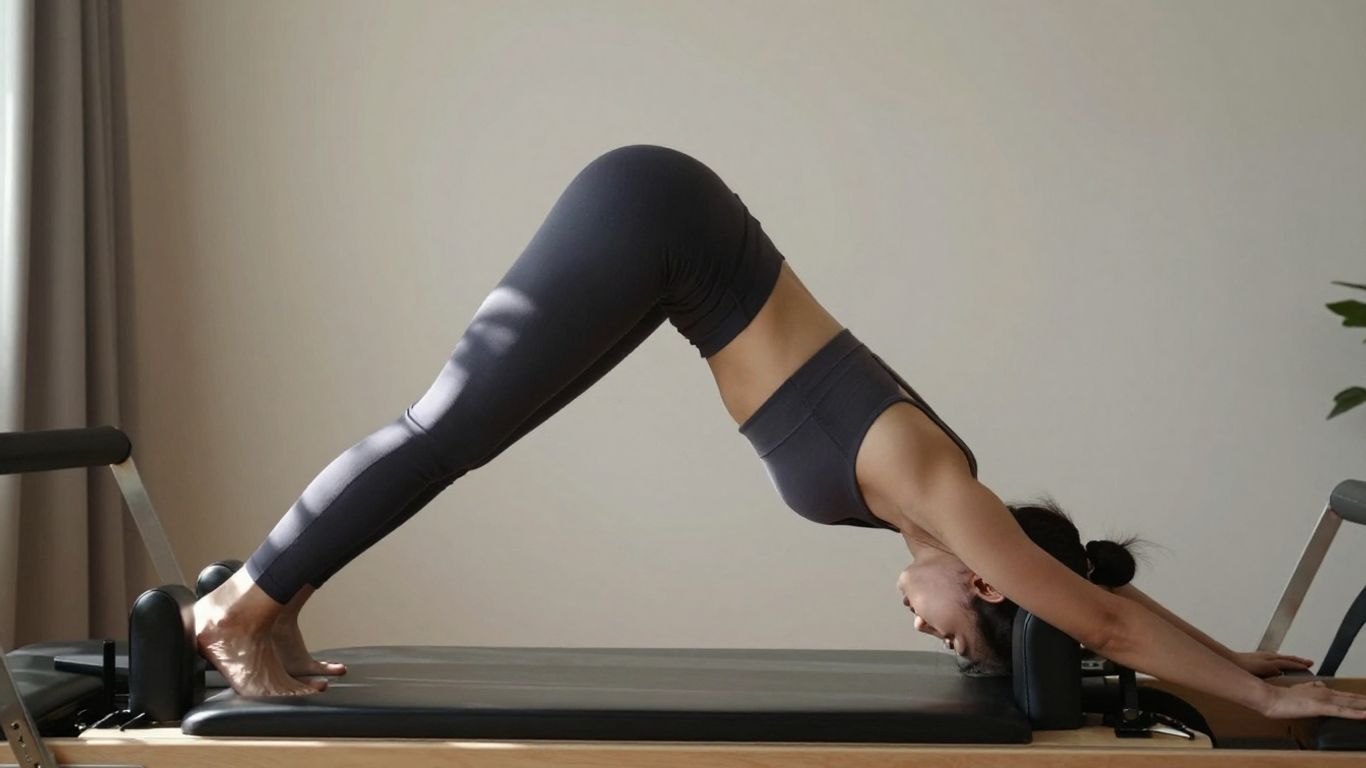
So, you've been doing wall Pilates, maybe for a few weeks, maybe a month. You might be wondering, 'What am I actually getting out of this?' It's easy to get caught up in the numbers – weight on the scale, inches lost. But with wall Pilates, the changes often start in ways you can't measure with a tape measure.
Noticing Non-Scale Victories
This is where the real magic happens, honestly. You might not see a huge difference in the mirror right away, but you'll start to feel different. Think about those little things: maybe you can reach that top shelf without a little grunt, or getting up from your chair feels smoother. That's your body getting stronger, more capable. It's about feeling more in tune with yourself, noticing how your body moves and responds. It’s a big deal when you realize you’re not as stiff as you used to be, or that nagging ache in your lower back has quieted down. These small wins add up, building confidence and making you want to keep going.
- Improved flexibility: Everyday movements, like bending down to tie your shoes or reaching for something, become easier.
- Better balance: You feel more stable on your feet, whether you're walking on uneven ground or just standing.
- Increased body awareness: You start to understand how your body works, noticing posture and muscle engagement throughout the day.
- Reduced discomfort: Aches and pains, especially in the back and joints, often lessen with consistent practice.
The wall acts as a guide, helping you find the right form without needing someone to constantly correct you. This self-correction builds a deeper connection to your own body's mechanics.
Building Strength and Flexibility
While those non-scale victories are great, let's talk about the physical stuff too. Wall Pilates is surprisingly effective at building lean muscle and increasing your range of motion. The wall provides a stable surface that allows you to push and pull against it, creating resistance that strengthens your muscles. You're not just moving; you're actively engaging your core, toning your arms and legs, and working on your spinal mobility. Over time, you'll notice that exercises that once felt tough become manageable, and you can hold poses longer or move through them with more control. It’s a gradual process, but the results are solid. You're building a foundation of functional strength that supports you in all aspects of life.
Achieving Sustainable Fitness Habits
Perhaps the most significant result is developing a fitness routine you can actually stick with. Wall Pilates is accessible – you don't need fancy equipment, just a wall. This low barrier to entry makes it easy to fit into your daily life. When a workout doesn't feel like a chore, and you're seeing and feeling positive changes, it becomes less of an obligation and more of a habit. It's about finding movement that feels good and works for you, long-term. This consistency is what leads to lasting changes, not just in your body, but in your overall well-being. It's about creating a healthier lifestyle, one wall-supported move at a time. This approach to low-impact exercise is perfect for building a routine that lasts.
Ready to Get Started?
So there you have it – a simple wall is all you really need to start transforming your body with Pilates. It’s a workout that’s easy to get into, whether you’re just starting out or looking for something new. Remember, the key is focusing on how you move, not just how fast or how much. Keep practicing these moves, listen to your body, and you’ll start to feel stronger and more in tune with yourself. Who knew a wall could be such a great workout buddy? Give it a try and see what a difference it makes!
Frequently Asked Questions
What exactly is Wall Pilates?
Wall Pilates is a type of exercise that uses a wall to help you do Pilates moves. It's like regular Pilates, but the wall gives you extra support and makes some exercises harder or easier. Think of it as using the wall to help guide your body and add a little push or pull, kind of like how a special Pilates machine works, but you just need a wall!
Do I need any special equipment for Wall Pilates?
Nope, you don't need anything fancy! The main thing you need is a sturdy wall. That's it! You can do these workouts right in your home without any extra gear. It's a super accessible way to get a good workout.
How often should I do Wall Pilates to see results?
To start seeing and feeling a difference, try doing Wall Pilates about 2 to 3 times a week. Consistency is key! Even short sessions done regularly can help you get stronger and more flexible over time. You might start noticing changes in how you feel after just a month.
Is Wall Pilates good for beginners?
Absolutely! Wall Pilates is fantastic for beginners. The wall helps you keep good form, which is super important in Pilates. It makes exercises easier to control and helps you learn the right way to move without feeling wobbly. It's a great way to build a strong base.
What are the main benefits of doing Wall Pilates?
Wall Pilates helps you get stronger, especially in your core. It also makes you more balanced and improves your posture. Because it's low-impact, it's gentle on your joints. Plus, focusing on your movements helps you connect your mind and body better, making you feel more aware of how you move.
Can Wall Pilates help with injuries or if I have trouble moving easily?
Yes, it can be very helpful! Since the wall offers support, it's a great option if you need exercises that are easier on your body, like for seniors or if you're recovering from an injury. It helps you build strength and stability safely without putting too much stress on your joints.


0 comments