


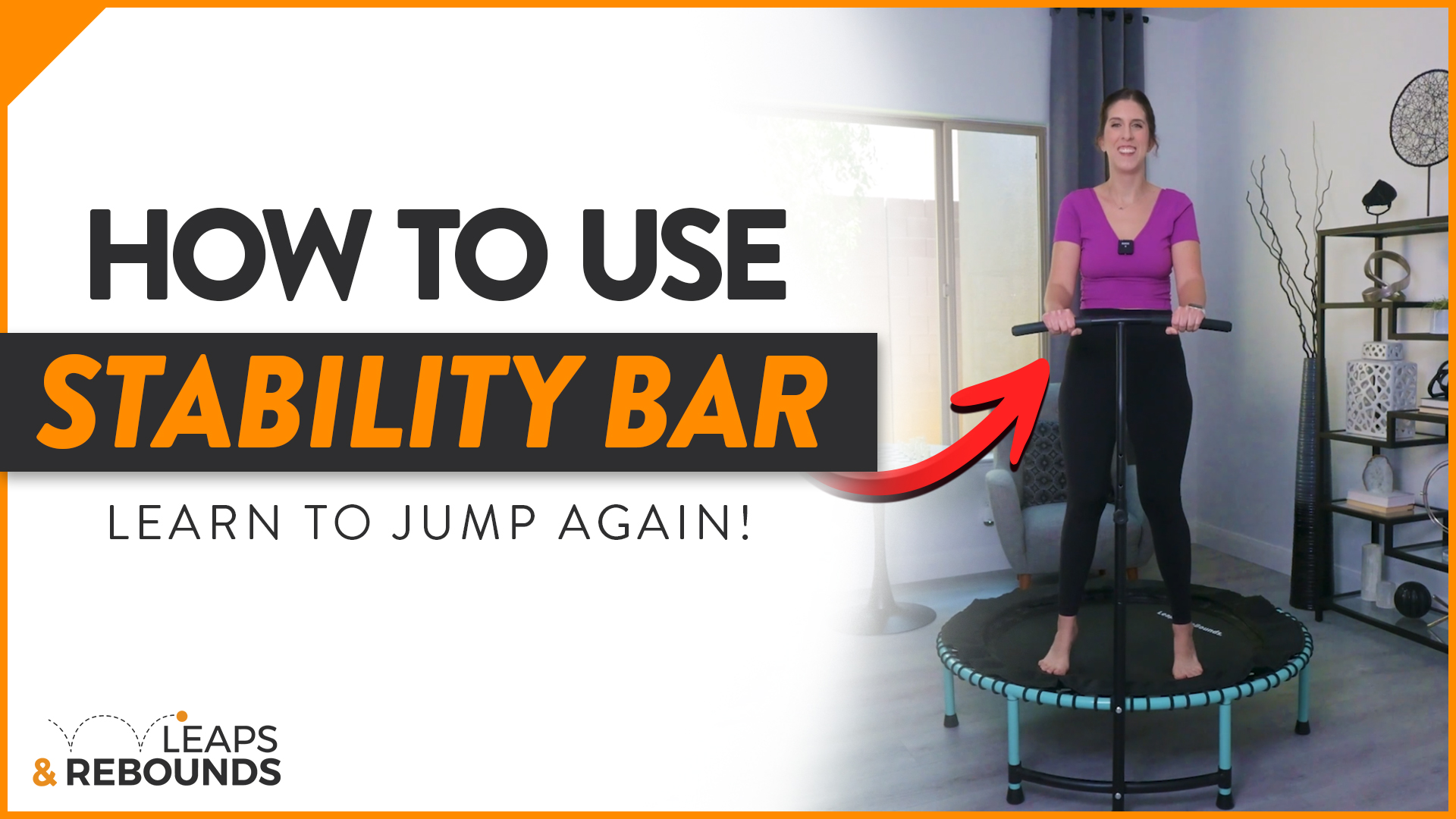





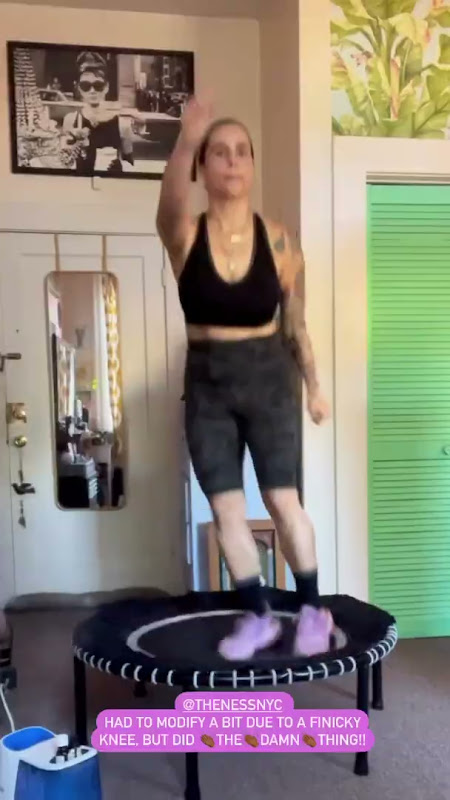




So, you've probably heard people talking about bouncing on a mini-trampoline, or rebounding, and how it might be good for your lymph system. It sounds kind of simple, right? Just jump up and down and magically, your body's drainage system gets a boost. But does rebounding actually help lymphatic drainage in a real, science-backed way? Let's take a look at what's going on and if this fun activity could be a good addition to your wellness routine.
Key Takeaways
- The lymphatic system is like your body's cleanup crew, moving fluid and waste, but it doesn't have a pump like the heart, so movement is key.
- Rebounding involves gentle up-and-down bouncing that can encourage lymph fluid to move, potentially helping with drainage.
- While the idea is popular, direct scientific proof that rebounding specifically aids lymphatic drainage is still limited; much is based on general exercise principles.
- Benefits might include supporting immune function and potentially reducing swelling, but it's not a medical treatment.
- Always talk to a doctor before starting rebounding, especially if you have health issues like lymphedema, and listen to your body.
Understanding The Lymphatic System And Rebounding
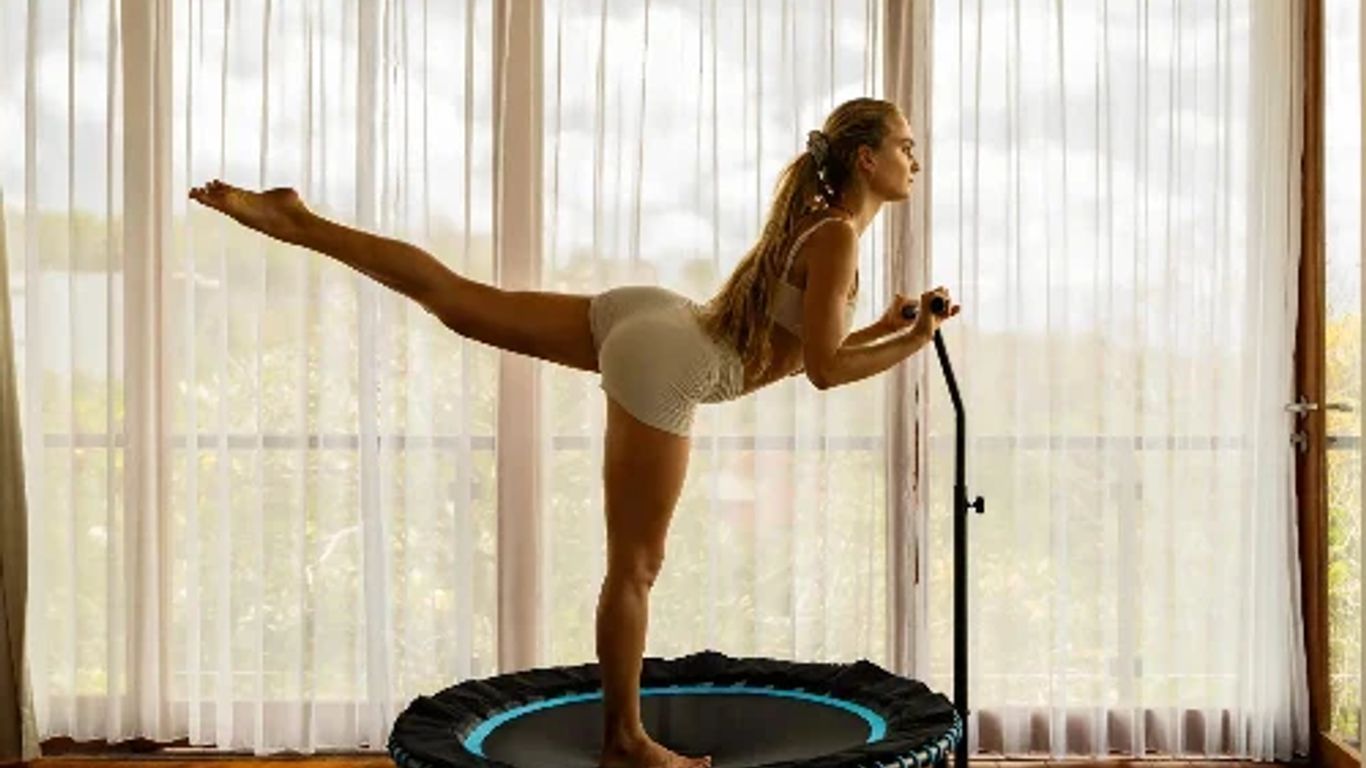
The Lymphatic System's Role In Health
So, what exactly is this lymphatic system everyone's talking about? Think of it as your body's internal plumbing and security system all rolled into one. It's a network of vessels and nodes that carries a fluid called lymph. This lymph is pretty important; it helps get rid of waste products, old cells, and even germs from your body. It's also a big player in your immune system, helping you fight off sickness. Unlike your blood circulation, which has a heart to pump it around, the lymphatic system doesn't have its own built-in pump. This means it relies on other things to keep the lymph moving. This fluid removal and immune support is a constant, behind-the-scenes job.
How Rebounding Encourages Lymph Flow
This is where rebounding, or bouncing on a mini-trampoline, comes into the picture. The gentle up-and-down motion of bouncing is thought to help move that lymph fluid along. It's like giving your body a gentle shake-up. When you bounce, your muscles contract and relax, and this action, along with the changes in gravity, helps push the lymph through the vessels. It's a pretty simple concept: movement helps movement. Even a few minutes of bouncing can get things going, and it's a fun way to support your body's natural processes. It's a bit like trying to get the last bit of ketchup out of the bottle – a little bit of effort makes a big difference.
Challenges To Natural Lymphatic Movement
Life today can make our lymphatic systems a bit sluggish. If you spend a lot of time sitting at a desk, working from home, or just not moving around much, your lymph fluid might not be flowing as well as it could. It's kind of like traffic on a busy road – sometimes things just get stuck. This lack of movement can lead to fluid buildup and can make your immune system work harder. We're not designed to be sedentary, and our lymphatic system definitely feels it when we are. It really highlights why finding ways to incorporate gentle movement into our daily lives is so important for overall health.
Our bodies are designed to move. When we don't move enough, various systems, including the lymphatic system, can slow down. This can affect how well our bodies clear waste and fight off infections. Finding simple ways to add more motion to your day can make a real difference in how you feel.
The Science Behind Rebounding And Lymphatic Drainage
How Trampolines Stimulate Lymph Nodes
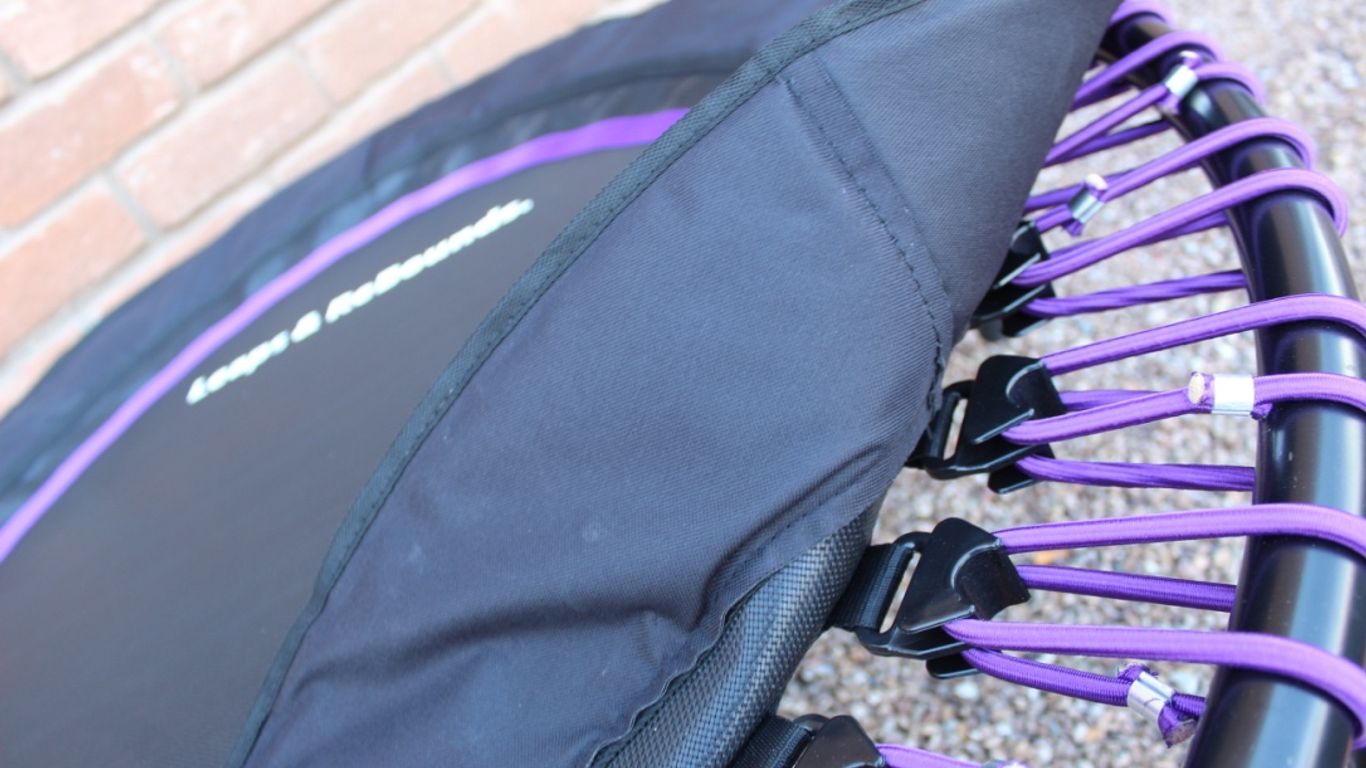
So, how exactly does bouncing on a mini-trampoline, or rebounding, get things moving in your lymphatic system? It's all about that gentle, rhythmic up-and-down motion. Think of your lymph nodes like little stations along the lymphatic highway. When you bounce, the change in gravity and the slight compression and release of your body tissues help to encourage the movement of lymph fluid through these nodes. It's not a forceful push, but more of a gentle nudge. This consistent, mild stimulation is thought to help keep the lymph flowing smoothly, preventing it from getting stagnant. It’s like giving those stations a little shake to make sure everything is running on time.
The Gentle Impact Of Rebounding
One of the really neat things about rebounding is how easy it is on your body. Unlike running on hard pavement, which can be tough on your knees and ankles, bouncing on a rebounder is surprisingly gentle. The trampoline mat absorbs a lot of the shock. This means you can get the benefits of movement without putting a lot of stress on your joints. This low-impact nature is a big deal, especially for people who might find other forms of exercise too hard on their bodies. It allows for consistent movement, which is key for lymphatic flow. You can get a good workout that supports your lymphatic system without feeling like you've been through a wrestling match.
Does Rebounding Help Lymphatic Drainage: Exploring The Evidence
When we talk about whether rebounding actually helps lymphatic drainage, it's important to look at what we know. While the idea makes a lot of sense – movement helps lymph move, and rebounding is movement – direct scientific studies specifically proving this link are still a bit limited. Much of what we understand comes from general principles of how the lymphatic system works and how exercise affects it. We know that muscle contractions and movement are vital for pushing lymph fluid along, since it doesn't have its own pump like blood does. Rebounding provides this movement. Some research has looked at how trampolining affects overall fitness and circulation, which indirectly supports lymphatic function. For instance, one area of interest is how it might improve immune cell circulation. However, it's not a magic bullet, and more specific research focused solely on lymph flow during rebounding would be great to see.
The lymphatic system is a complex network that plays a vital role in our health, acting as the body's drainage and waste removal service. Unlike the cardiovascular system, it lacks a central pump, relying instead on muscle contractions, breathing, and body movement to circulate lymph fluid. This makes activities that promote gentle, consistent movement particularly beneficial for its function.
Here's a quick look at how rebounding might contribute:
- Stimulates Lymph Nodes: The up-and-down motion helps move lymph fluid through the nodes.
- Low Impact: It's gentle on joints, allowing for regular exercise.
- Promotes Circulation: Like other forms of exercise, it gets the blood and lymph moving.
- Body Momentum: The bouncing action uses your body's own momentum to help move fluid.
While the concept is promising and many people report feeling better, it's always wise to approach new wellness practices with a balanced perspective and consult with a healthcare provider, especially if you have any underlying health concerns.
Benefits Of Rebounding For Lymphatic Health
So, you're curious about what all the fuss is about with mini-trampolines and your lymphatic system? It turns out, bouncing around can actually do some pretty neat things for your body's internal cleanup crew. Think of your lymphatic system as your body's waste disposal service, constantly working to clear out toxins and keep things running smoothly. When it gets sluggish, well, that's when problems can start to pop up.
Supporting Immune Function Through Movement
One of the coolest things about rebounding is how it seems to give your immune system a little nudge. The lymphatic system plays a huge role in immunity, acting like a security force that identifies and fights off germs. When you bounce, you're helping to move lymph fluid around, which means immune cells can travel more efficiently to where they're needed. It's like giving your immune system a speed boost. Consistent lymphatic stimulation promotes immune resilience, reduces chronic inflammation, and contributes to long-term health. This approach supports the body's natural detoxification processes, leading to improved overall well-being and vitality. This approach supports the body's natural detoxification processes.
Reducing Swelling And Oedema
Ever notice puffiness, especially in your legs or ankles, after sitting for too long? Rebounding can be a real game-changer here. Because the lymphatic system doesn't have a pump like your heart, fluid can sometimes pool up. The gentle, rhythmic motion of bouncing helps to push this fluid along, reducing that uncomfortable swelling. Many people find that a short session in the morning or after a long day at their desk makes a noticeable difference.
- Morning Bounce: Start your day with 10-15 minutes to get lymph moving after a night's rest.
- Afternoon Pick-Me-Up: A quick session after sitting for extended periods can help combat fluid buildup.
- Evening Wind-Down: Gentle bouncing can aid relaxation and prepare your body for rest.
Enhancing Natural Detoxification Processes
Your body is always working to get rid of waste products, and the lymphatic system is a key player in this detoxification process. Rebounding acts like a gentle internal massage, encouraging the flow of lymph fluid and helping to carry waste products away to be eliminated. It's a simple, low-impact way to support your body's natural ability to cleanse itself. It’s not a magic cure, of course, but it’s a nice addition to a healthy lifestyle.
The gentle up-and-down motion of rebounding stimulates the lymphatic vessels, helping to move stagnant fluid and waste products throughout the body. This can contribute to a feeling of lightness and improved overall health.
Rebounding, or jumping on a mini-trampoline, offers numerous health advantages supported by science. It significantly enhances the lymphatic system, improves cardiovascular health, and strengthens bones, helping to prevent osteoporosis. These benefits contribute to overall well-being and physical fitness.
Incorporating Rebounding Into Your Wellness Routine
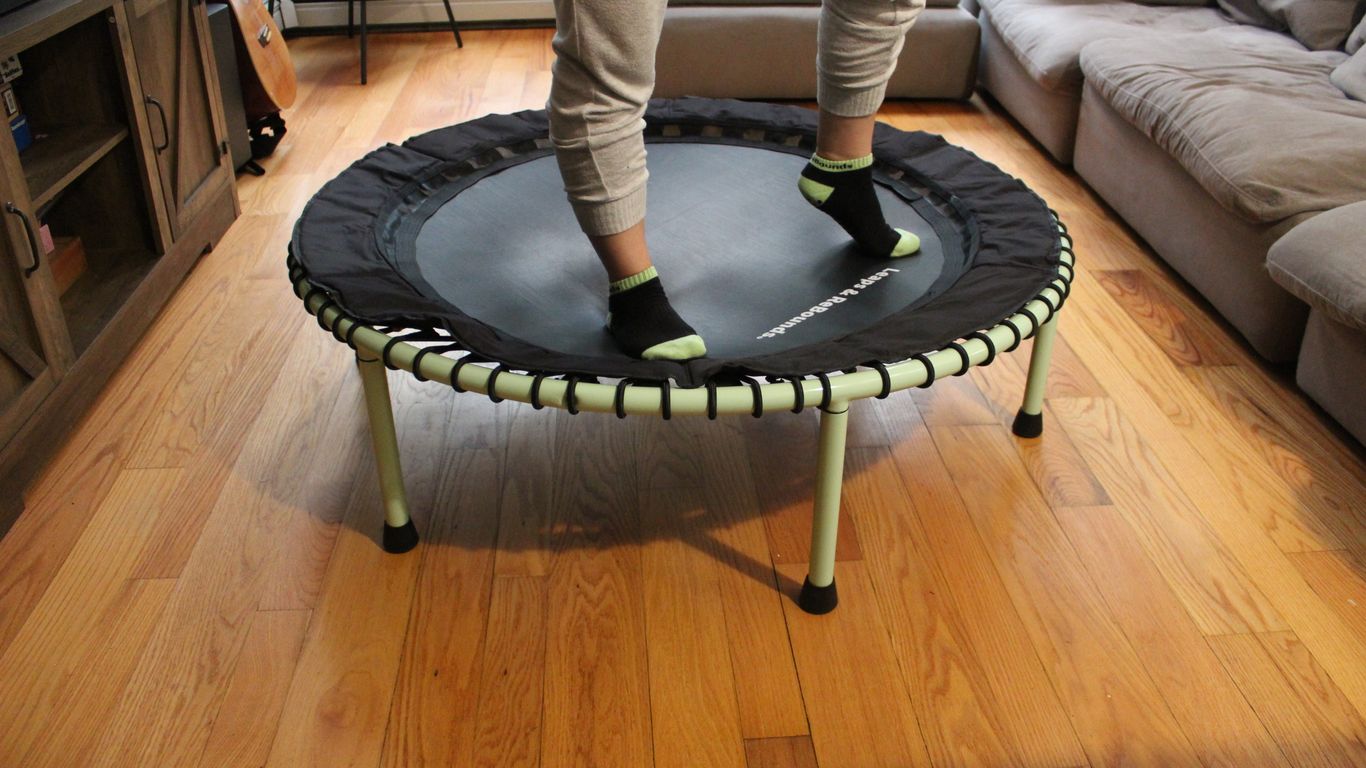
So, you're thinking about adding a rebounder to your life to help with lymphatic flow? That's a great idea! Making it a regular thing is key, and it doesn't have to be complicated. The goal is consistency, not necessarily super intense workouts. Think of it as giving your lymphatic system a gentle nudge each day.
Practical Tips for Rebounder Workouts
Getting started is pretty straightforward. You don't need fancy moves or a complicated routine. The simple act of bouncing up and down is what does the work. Here are a few pointers to get you going:
- Start Slow: Begin with just a few minutes, maybe 5-10, and gradually increase the time as you feel comfortable. Don't push yourself too hard, especially at first.
- Find Your Rhythm: Aim for a steady, gentle bounce. It should feel easy and controlled, not like you're trying to jump as high as possible. A pace similar to dancing to a slow song is often recommended.
- Hydrate: Always have water nearby and drink up after your session. This helps your body flush out toxins that the lymphatic system is moving.
- Add Movement: While bouncing, you can incorporate simple arm movements, like swinging them gently or doing small circles. This can help engage more of your body and potentially boost the lymphatic movement even further.
Consistency for Optimal Lymphatic Benefits
This is where the magic really happens. Bouncing a few times a week is good, but aiming for daily sessions, even short ones, can make a big difference for your lymphatic system. It's about providing that regular stimulation. Think of it like watering a plant – a little bit often is better than a lot all at once. Even 10-20 minutes a day can be quite effective. If life gets busy, breaking it into two 5-10 minute sessions is perfectly fine too. The main thing is to keep that fluid moving. Regular movement supports immune function and helps prevent stagnation.
Rebounding for Specific Conditions Like Lymphedema
If you're dealing with conditions like lymphedema, where swelling is a concern, rebounding can be a helpful addition to your routine. The gentle bouncing action can assist in moving stagnant lymph fluid, potentially reducing puffiness, especially in the legs and ankles. Many people find it beneficial to bounce first thing in the morning or after sitting for extended periods. However, it's super important to talk to your doctor or a physical therapist before you start, especially if you have a diagnosed condition. They can give you personalized advice on how to use a rebounder safely and effectively for your specific needs. They might suggest specific techniques or limitations to keep in mind.
Remember, rebounding is a tool to support your body's natural processes. It's not a cure-all, but when used consistently and appropriately, it can be a fantastic way to encourage better lymphatic flow and overall well-being. It's a low-impact way to get your body moving and support its natural detoxification pathways.
Rebounding Versus Other Lymphatic Support Methods
So, we've talked a lot about how rebounding might help your lymphatic system. But how does it stack up against other ways people try to get their lymph moving? It's good to know your options, right?
Comparing Rebounding To Gentle Massage
Gentle massage, especially techniques like lymphatic drainage massage, is a pretty well-known way to help move lymph fluid. It involves light, rhythmic strokes that follow the path of the lymphatic vessels. This hands-on approach can be very effective for targeting specific areas of congestion. It's often recommended by healthcare professionals for conditions like lymphedema. While rebounding offers a whole-body, passive movement, massage is more direct and targeted. Think of it like this:
- Rebounding: Like a gentle, full-body shake-up that encourages overall flow.
- Lymphatic Massage: Like a skilled technician carefully guiding fluid through specific channels.
Both can be beneficial, but they work in different ways. Some people find that combining both methods gives them the best results. For instance, dry brushing, a technique using a natural bristle brush, can also help stimulate superficial lymphatic vessels by brushing upwards towards the heart [ea96].
Rebounders Versus Vibration Plates
Rebounders and vibration plates are both popular for home fitness and wellness, and both are sometimes linked to lymphatic benefits. Vibration plates work by sending rapid vibrations through your body. The idea is that these vibrations cause your muscles to contract and relax quickly, which can help pump lymph fluid. Rebounders, on the other hand, use the up-and-down motion of bouncing. While both involve movement, the sensation and the way they engage your body are different.
| Feature | Rebounder | Vibration Plate |
|---|---|---|
| Primary Action | Gentle up-and-down bouncing | Rapid whole-body vibrations |
| Movement Type | Rhythmic, low-impact | Oscillating or linear vibrations |
| Muscle Engagement | Core, legs, balance | Widespread, involuntary muscle contractions |
| Lymphatic Theory | Encourages fluid movement via gravity/motion | Stimulates muscle pumps to move lymph fluid |
Some people prefer the feeling of bouncing, finding it more enjoyable and less jarring than intense vibrations. Others might find vibration plates more convenient for a quick session. It really comes down to personal preference and what feels right for your body.
The Role Of Rebound Therapy
Rebound therapy is a bit different from just casual bouncing on a mini-trampoline. It's a more structured approach, often used in therapeutic settings. Trained professionals guide individuals through specific movements on the trampoline, usually for rehabilitation, disability support, or to improve balance and coordination. While general rebounding can offer some lymphatic benefits through movement [bcdf], rebound therapy takes it a step further by using the trampoline's properties in a controlled, targeted way. It's less about just getting a lymph-moving workout and more about using the unique physical input of the trampoline for specific developmental or recovery goals. It's definitely something to look into if you're considering a more guided approach to using a trampoline for health.
When comparing different methods for supporting your lymphatic system, it's important to remember that consistency is often more important than intensity. Whether you're bouncing, getting a massage, or using a vibration plate, regular, gentle engagement is key. Always listen to your body and consult with a healthcare provider if you have specific health concerns or conditions.
Important Considerations Before You Start Rebounding
Okay, so you're thinking about hopping on a mini-trampoline to give your lymphatic system a little boost. That's awesome! But before you start bouncing like a kid again, let's chat about a few things to keep in mind. It’s not just about jumping; it’s about doing it safely and smartly.
Consulting Healthcare Professionals
This is probably the most important point. While rebounding can be great, it's not a one-size-fits-all kind of deal. If you've got any health issues going on – and I mean any – it’s always best to check in with your doctor or a physical therapist first. They can tell you if rebounding is a good fit for you, or if there are certain moves you should avoid. For example, if you've had recent surgery, especially on your hips, knees, or spine, or if you have conditions like severe osteoporosis, they might advise caution. Always get the green light from a medical professional before starting a new exercise program. They might even have specific advice tailored to your situation, like suggesting a gentler approach or modifications. It’s better to be safe than sorry, right?
Listening To Your Body
Once you get the okay to start, pay attention to what your body is telling you. Rebounding should feel good, not painful. Start with short sessions, maybe just 5-10 minutes, and see how you feel afterward. If you notice any discomfort, stiffness, or unusual fatigue, take a break. You can gradually increase the duration and intensity as you get more comfortable. Think of it like this:
- Start slow and gentle.
- Increase bounce time by a few minutes each week.
- If something hurts, stop and rest.
It’s easy to get excited and push too hard, but consistency with gentle movement is usually more beneficial for lymphatic drainage than intense, infrequent sessions. You don't need to be jumping super high; a gentle, rhythmic bounce is often enough to get things moving.
Setting Realistic Expectations
Rebounding can be a fantastic addition to a healthy lifestyle, supporting your lymphatic system and overall well-being. However, it's not a magic cure-all. While many people report feeling better, experiencing less swelling, and noticing improved energy levels, it’s important to have realistic expectations. It works best as part of a broader approach to health that includes good nutrition, hydration, and adequate sleep. Don't expect overnight miracles. Think of it as a supportive tool that, over time, can contribute positively to your health journey. If you're dealing with specific conditions like lymphedema, rebounding might help, but it should complement, not replace, your prescribed medical treatments. Always discuss its use with your healthcare provider in such cases.
Before you start jumping, it's smart to think about a few things. Making sure you have the right setup and know what to expect can make your rebounding journey much smoother and more fun. Don't skip this important step!
So, Does Rebounding Help?
Okay, so after looking into it, it seems like bouncing on a mini-trampoline, or rebounding, might actually give your lymphatic system a little nudge. The up-and-down motion is pretty gentle and could help get that lymph fluid moving, especially since our lymphatic system doesn't have a built-in pump like our heart does. Think of it as a low-impact way to get things flowing, maybe even helping with puffiness. But, and this is a big 'but', the science isn't totally solid yet. Most of what we hear is from people's experiences, not huge studies. If you're thinking about trying it, especially if you have any health issues or swelling, it's super important to chat with your doctor first. It's probably best seen as a fun way to add some movement to your day, not a magic cure. Just keep it gentle, be consistent, and listen to your body.
Frequently Asked Questions
What is the lymphatic system and why is it important?
Think of your lymphatic system as your body's cleanup crew. It's a network of tubes that carries a special fluid called lymph. This fluid helps get rid of waste, like old cells and germs, and is a key part of how your body fights off sickness. It also helps absorb fats and manage swelling.
What is 'rebounding' and how might it help my lymphatic system?
Rebounding is simply bouncing on a small trampoline, often called a mini-trampoline. The idea is that the up-and-down motion helps your lymph fluid move more easily throughout your body, kind of like giving it a gentle nudge.
Does bouncing on a trampoline really 'detoxify' my body?
Your body already has amazing systems, like your liver and kidneys, that are great at removing waste. While exercise is healthy, there's no strong proof that trampolining specifically 'detoxifies' you in the way some health trends suggest. It's more about supporting your body's natural functions.
How does the bouncing motion help lymph flow?
The gentle bouncing is thought to change gravity's effect on your body. This may help open and close tiny valves in your lymphatic vessels, which pushes the lymph fluid along. A steady, gentle bounce is often recommended for this.
Is rebounding good for reducing swelling or lymphedema?
Some people find that gentle rebounding can help reduce swelling because it encourages fluid movement. For conditions like lymphedema, it might offer some benefits, but it's crucial to talk to a doctor first, as it's a medical issue that needs careful handling.
How often should I rebound for lymphatic benefits?
Consistency is more important than how hard you bounce. Aiming for 10-20 minutes of gentle bouncing most days can help stimulate your lymphatic system. Shorter sessions spread throughout the day can also be effective. Listen to your body and find a rhythm that works for you.


0 comments