


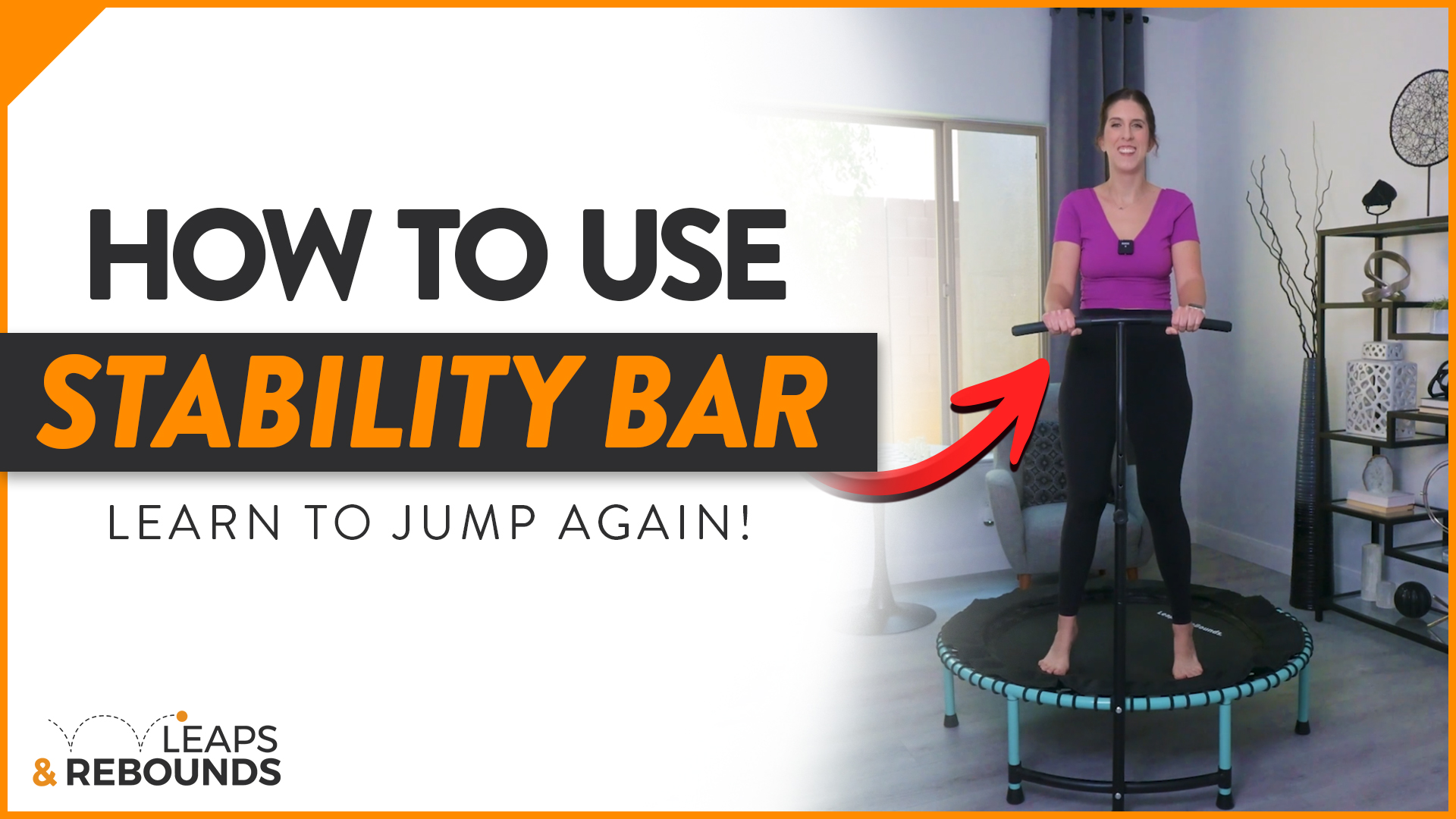





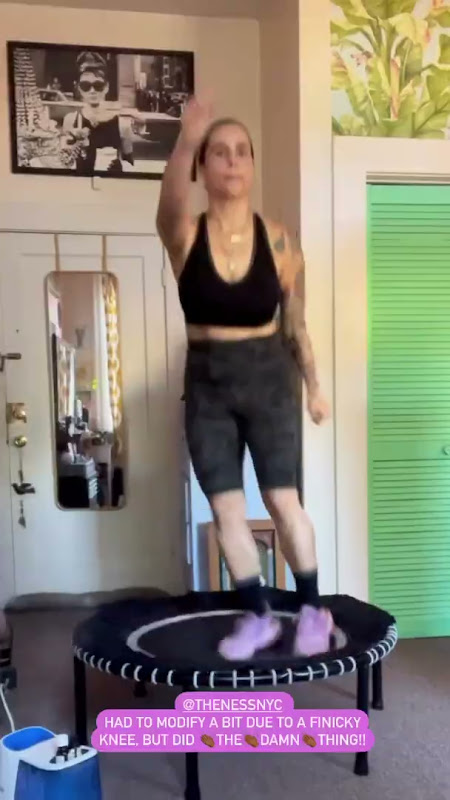




So, you've seen those mini trampolines around and maybe wondered if they're just a fun toy or something more. Turns out, they're a surprisingly effective workout tool that's easy on your body. We're talking about rebound trampoline benefits that might just change how you think about getting fit. It's not just about bouncing; it's a whole package for your health, and it's way more accessible than you might think.
Key Takeaways
- Bouncing on a rebounder works every single cell in your body, helping to improve your overall health.
- The movement helps your body's natural system move fluids and clear out waste products.
- Rebounding is a great way to naturally increase your energy levels, perfect for a quick boost anytime.
- Regular use can lead to a healthier heart, better muscle tone, improved flexibility, and better balance.
- This form of exercise is gentle on your joints while still providing a good workout, making rebounding for fitness a sustainable choice.
Unlock Enhanced Health Through Rebounding
A Joint-Friendly Cardiovascular Boost
Forget about pounding the pavement and stressing your knees. Rebounding, or jumping on a mini-trampoline, offers a really effective way to get your heart pumping without all the harsh impact. The bouncy surface actually absorbs a lot of the shock, making it much easier on your joints – think ankles, knees, and hips. This means you can get a great cardio workout, improve your circulation, and build endurance while being kinder to your body. It’s a fantastic option if you’re recovering from an injury, dealing with joint pain, or just want a more comfortable way to stay fit. It’s a low-impact approach to fitness that still packs a punch.
Engaging Multiple Muscle Groups Simultaneously
When you jump on a mini trampoline, you're not just working your legs. Your body has to work hard to keep you stable and upright. This means your core muscles – your abs and back – are constantly engaged to help you balance. Even your glutes and thighs get a good workout as you push off and land. It’s like a full-body engagement session every time you hop on. You’ll be surprised how many different muscles you feel working after just a few minutes.
Here’s a quick look at how rebounding helps:
- Cellular Oxygenation: Increased oxygen supply to all cells.
- Lymphatic Flow: Helps move waste and toxins, reducing fatigue.
- Circulation Boost: Better blood flow delivers nutrients and oxygen more effectively.
Enhancing Balance and Coordination
Staying balanced on a trampoline isn't as easy as it looks. Each bounce challenges your proprioception, which is your body's ability to sense its position in space. This constant need to adjust and stabilize helps improve your overall balance and coordination. Over time, this can translate to better performance in other sports and activities, and it’s especially helpful for preventing falls as we get older. It’s a fun way to train your brain and body to work together more effectively. You can find some great tips on improving your balance.
The rhythmic up-and-down motion of rebounding creates a unique G-force effect. This force helps to push blood and lymphatic fluid back towards the heart, aiding in waste removal and nutrient delivery to cells. It's a full-body cellular workout that's surprisingly gentle.
The Rebound Effect Explained
It might seem like just simple bouncing, but what's actually happening when you hop on a rebounder is pretty amazing. Your body is made up of trillions of cells, and each one gets a little workout with every jump. Think of it as a gentle, rhythmic massage for every cell, happening many times a minute. This constant flexing helps make your cells stronger and more resilient. It's not just about moving your body; it's about invigorating the very building blocks of your health.
Understanding the Energy Return
When you land on the rebounder, the mat and springs absorb some of your body's weight. Then, they push back, giving you a little boost upwards. This energy return is what makes rebounding so effective. It means you're not just working against gravity; you're getting a little help with each bounce, making the movement feel lighter and more dynamic. This constant push and pull is what makes it a low-impact yet effective workout.
Low-Impact Yet Effective Workout
Because the rebounder absorbs so much of the shock, your joints, especially your knees and ankles, don't take a beating like they might with running or jumping on a hard surface. Yet, the effort your muscles put in to stabilize you and push off the mat means you're still getting a solid workout. It's a great way to get your heart rate up and build strength without the usual wear and tear. This makes it a sustainable choice for long-term fitness, helping to strengthen leg muscles and bones.
Strengthening Muscles and Proprioception
Every time you bounce, your body has to make tiny adjustments to stay balanced. This constant need to correct yourself engages a whole range of muscles, including your core, legs, and even smaller stabilizing muscles you might not normally use. This also works on your proprioception – your body's awareness of its position in space. Improving this can lead to better coordination and a reduced risk of falls. It's a fantastic way to build a more resilient body from the inside out.
The simple act of bouncing, repeated consistently, can create a positive feedback loop for your mental state. It's not just about the immediate feeling of relief, but about building resilience over time. This makes it a sustainable practice for long-term well-being.
Here's a quick look at how rebounding helps:
- Cellular Oxygenation: Increased oxygen supply to all cells.
- Lymphatic Flow: Helps move waste and toxins, reducing fatigue. This is a key benefit for detoxification and immune function.
- Circulation Boost: Better blood flow delivers nutrients and oxygen more effectively.
- Endorphin Release: Natural mood and energy enhancers.
Reviving Your Playful Spirit
Let's face it, adult life can sometimes feel like a never-ending to-do list. We get so caught up in responsibilities that we forget how to just play. Rebounding is a fantastic way to tap back into that childlike joy we all have inside. It’s a reminder that moving your body doesn't have to be a chore; it can be pure, simple fun. This playful aspect is surprisingly effective at shaking off the daily grind and connecting with your inner kid.
Connecting With Your Inner Child
Remember the sheer delight of bouncing on a trampoline as a kid? Rebounding brings that back. It’s an activity that naturally encourages laughter and a sense of freedom. You don't need to be an athlete to enjoy it; you just need to be willing to let go a little. This simple act of bouncing can be a powerful stress reliever, helping to lower cortisol levels and boost those feel-good endorphins. It’s a direct line to a more carefree version of yourself.
Achieving Greater Stamina and Mood
It might seem odd, but bouncing actually gives you more energy. Instead of feeling that afternoon slump, you'll likely feel more alert and focused. The movement gets your blood flowing and oxygen circulating, which is a much better alternative to reaching for that extra cup of coffee. This boost in stamina isn't just physical; it often translates to a better mood and a greater sense of accomplishment after your session. It’s a win-win for both your body and your mind, making you feel more capable throughout the day. The mind-body connection is really at play here, making you feel more in tune with yourself. Consistent rebounding can help build resilience over time, making it a sustainable practice for long-term well-being.
A Fun Alternative to Traditional Exercise
Who says working out has to be dull? Rebounding turns exercise into something that feels more like fun than work. It's a quick way to help your body feel recharged, and that feeling can carry you through the rest of your day. The playful nature of bouncing makes it easier to stay motivated. You're not just going through the motions; you're actively enjoying the movement. This shift in perspective can make all the difference in sticking to a fitness plan. It's pretty amazing how something so simple can offer so much. You can start with short sessions, maybe 10-15 minutes, and gradually increase the time as you feel stronger. Mixing things up too! Doing the same routine every single day can get boring and might stop you from seeing new results. Try different types of bounces, add some arm movements, or even try simple exercises like squats or lunges while you bounce. It's about working smart, not just hard. Respecting your body's signals means you can keep exercising safely and consistently, reaping all the rewards without the setbacks. This makes it a sustainable approach to fitness that you can actually stick with. You can find some great tips on how to get started with rebounding routines.
The simple act of bouncing, repeated consistently, can create a positive feedback loop for your mental state. It's not just about the immediate feeling of relief, but about building resilience over time. This makes it a sustainable practice for long-term well-being.
Engaging Your Entire Body Through Rebounding
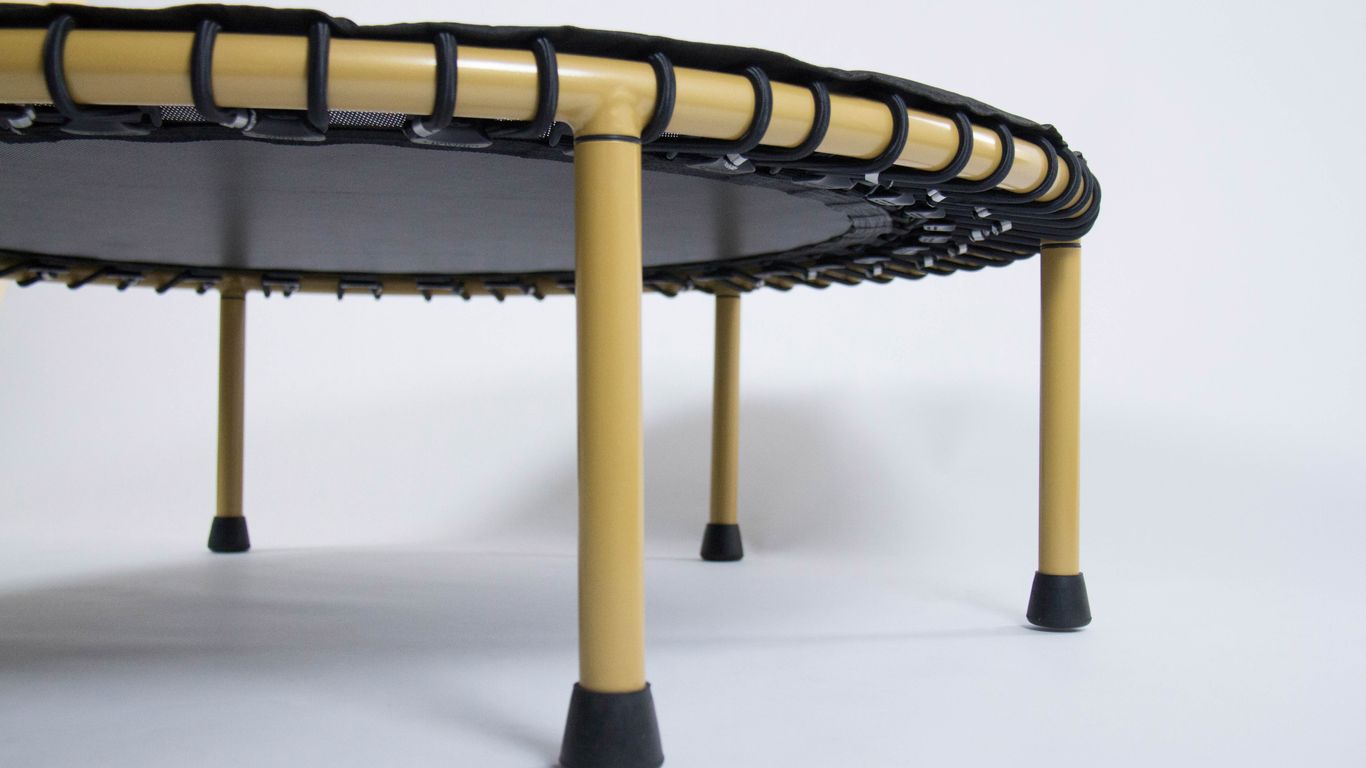
It's easy to think that bouncing on a mini trampoline is just about getting your heart rate up, but honestly, it's so much more. This simple movement actually works a surprising number of muscles all over your body. Your legs are doing the heavy lifting, obviously, but your core has to constantly tighten up to keep you stable. And if you add any arm movements, well, you're getting an upper body workout too!
Full-Body Workout Potential
Every single bounce requires your leg muscles to push off and absorb the landing. This isn't just a quick jog; it's a series of mini-squats and calf raises happening continuously. Meanwhile, your abdominal and back muscles are working overtime to maintain an upright posture and control your movements. Think of it as a constant, low-level plank. Even your arms can get involved, whether you're pumping them for momentum or incorporating arm circles and punches. It’s a surprisingly complete workout without feeling like one. This kind of exercise can really help with overall fitness.
Boosting Lymphatic System Function
This is a bit of a hidden gem benefit. Your lymphatic system is like your body's drainage system, helping to get rid of waste products. Unlike your circulatory system, it doesn't have a pump. Bouncing on a mini trampoline helps to move lymph fluid around your body, which can aid in detoxification and support your immune system. It's like giving your internal cleanup crew a helpful nudge. The constant up-and-down motion, combined with the slight resistance of gravity, works your muscles in a way that traditional exercises often miss. It's a full-body engagement that feels more like play than work.
A Gentle Yet Powerful Movement
One of the best parts about rebounding is how gentle it is on your joints. Unlike running or jumping on a hard surface, the trampoline mat absorbs a lot of the impact. This means you can get a really effective strength-building workout without the usual wear and tear on your knees, hips, and ankles. It’s a fantastic way to build muscle and bone density, which is super important for long-term health. You'll notice improved balance and even some newfound coordination over time.
The constant up-and-down motion, combined with the slight resistance of gravity, works your muscles in a way that traditional exercises often miss. It's a full-body engagement that feels more like play than work.
The Accessibility and Versatility of Rebounding
A Low-Impact Approach to Fitness
It’s easy to look at a mini trampoline and wonder if it’s really going to make a difference. I’ve definitely been there, surrounded by fitness gadgets that promised the world and ended up collecting dust. But the rebounder is different. It’s not just about bouncing; it’s a consistent, low-impact way to boost your overall well-being. The real magic happens when you make it a regular part of your life. This low-impact nature is a game-changer for anyone looking to stay active long-term. It allows for consistent training without the constant risk of injury that comes with high-impact activities. Think of it as a gentle yet effective way to get your body moving. It’s a great way to mix cardio and strength training into one exercise, boosting both muscular endurance and cardiovascular fitness. This makes it a fantastic option for people of all ages and physical conditions. You can find a variety of rebounders designed for home use that are quite compact [f0d8].
Enhancing Cardiovascular Health
When you get on a rebounder, a lot is happening. This article is going to break down why this mini-trampoline might be the missing piece in your fitness plan. We'll look at how it works on a tiny level, deep inside your cells, and how that leads to big changes for your energy, your body, and how you feel overall. Get ready to see how this fun activity can really help your fitness journey.
- Bouncing on a rebounder works every single cell in your body, helping to improve your overall health.
- The movement helps your body's natural system move fluids and clear out waste products.
- Rebounding is a great way to naturally increase your energy levels, perfect for a quick boost anytime.
- Regular use can lead to a healthier heart, better muscle tone, improved flexibility, and better balance.
Fitting Into Small Spaces
One of the coolest things about rebounders is how little space they take up. You don't need a huge gym or a dedicated room. Most mini trampolines can be folded up or easily stored in a closet when you're not using them. This makes them perfect for apartments, dorm rooms, or any home where space is a bit tight. You can get a great workout without needing a lot of room, which is pretty awesome. You can find a variety of rebounders designed for home use that are quite compact [fd55].
Proper jumping technique, focusing on bent knees and an upright posture, maximizes the benefits and safety of your rebounding trampoline workout. The trampoline surface moves with you, absorbing and returning energy. This dynamic interaction helps to strengthen your muscles and improve proprioception – your body's awareness of its position in space – without putting undue stress on your joints. It's a win-win for both cardiovascular health and joint well-being.
So, it turns out that bouncing on a trampoline isn't just for kids having a blast. For us adults, it's a pretty neat way to get moving and feel better overall. We've seen how it's easy on the joints, good for your heart, and can even lift your mood. Plus, you don't need a huge space or a lot of fancy gear to get started. Just a little bit of time each day can really add up. Don't overthink it – just give it a try and see how much better you feel. Keep jumping, and you might just surprise yourself with how much more energy you have.
Why NASA Validates Trampoline Training
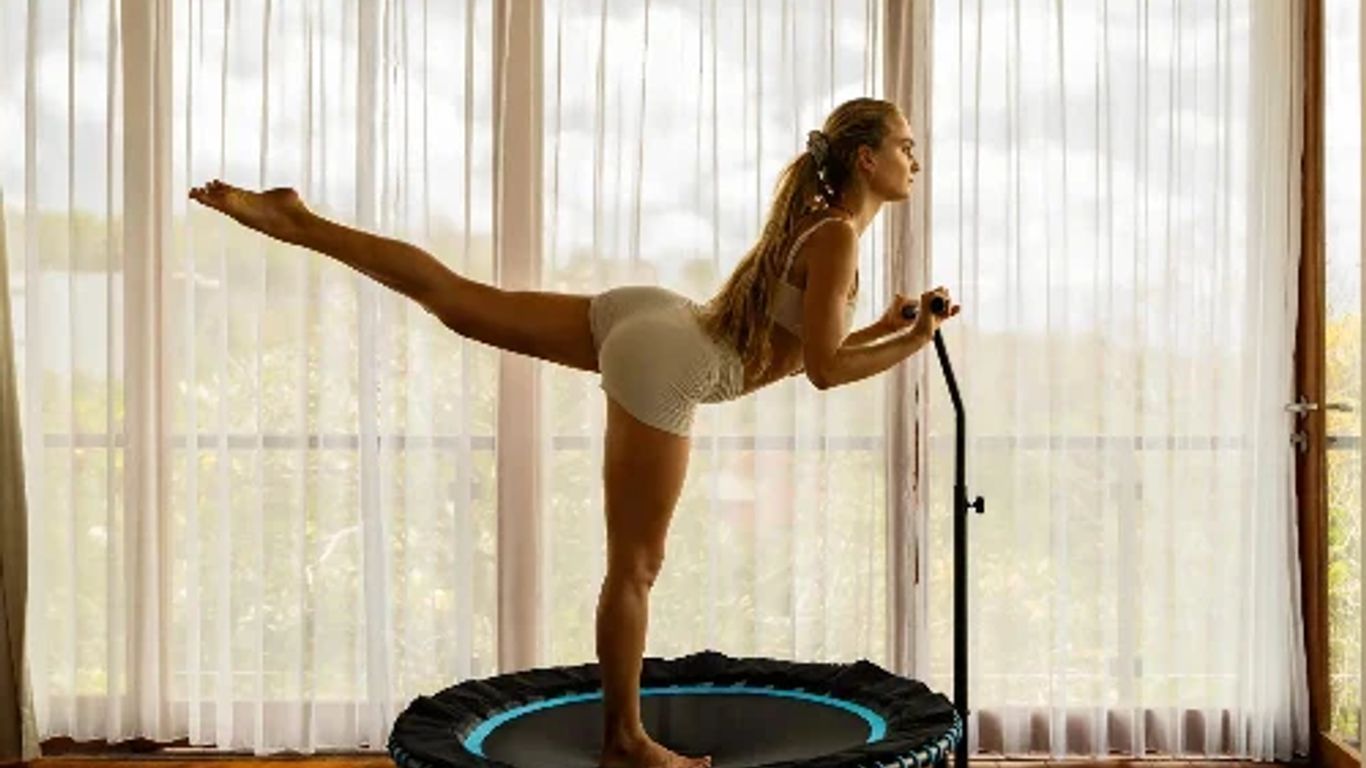
It turns out, NASA has been looking into trampolines for a while now. When astronauts come back from being in space for ages, their bones get weak and their coordination goes wonky because there's no gravity pulling on them. NASA found that bouncing on a trampoline was one of the best ways to help them get their strength and balance back. Pretty neat, right?
Rebuilding Bone Density and Neuromuscular Function
So, how does this help us down here on Earth? Well, every time you bounce, your bones get a little squeeze. This gentle compression tells your body to build them up stronger, kind of like how lifting weights works, but without all the pounding on your joints. It’s a much kinder way to get those bones back in shape. Plus, your brain has to work overtime to keep you upright and balanced. This constant little adjustment game strengthens the connections between your brain and your muscles, which is super important for moving smoothly and avoiding stumbles. It’s like giving your nervous system a really good workout.
Stimulating Regeneration Without Harsh Impact
Think about running. It’s great for your heart, but it can be tough on your knees and ankles. Rebounding is different. That up-and-down motion is surprisingly effective. A NASA study from way back in 1980 showed that just 10 minutes of bouncing could be way more efficient for your cardiovascular system than 30 minutes of jogging [812a]. So you get a big fitness bang for your buck without the wear and tear. It’s all about that controlled movement stimulating your body to get stronger.
Delivering Brain Benefits Beyond Traditional Exercise
Beyond just the physical stuff, trampolining does wonders for your brain. That constant need to balance and adjust wakes up parts of your brain that help you focus and stay aware of where your body is in space. It’s not just about not falling over; it’s about sharpening your mind. This kind of activity can help improve your reaction time and even your mood. It’s a whole-body, whole-brain kind of exercise that feels more like play than work. You might find yourself feeling more alert and less stressed after a session. It’s a fun way to keep your mind sharp as you get older.
Did you know NASA has looked into how trampolines can help people? It turns out that bouncing on a mini trampoline, also called a rebounder, is a great way to get fit. It's easy on your joints but still gives you a good workout. Many people are discovering how fun and effective this type of exercise is. Ready to see what all the buzz is about? Visit our website to learn more and find the perfect rebounder for you!
Keep Bouncing Towards a Healthier You
So, it turns out that bouncing on a trampoline isn't just for kids having a blast. For us adults, it's a pretty neat way to get moving and feel better overall. We've seen how it's easy on the joints, good for your heart, and can even lift your mood. Plus, you don't need a huge space or a lot of fancy gear to get started. Just a little bit of time each day can really add up. Don't overthink it – just give it a try and see how much better you feel. Keep jumping, and you might just surprise yourself with how much more energy you have.
Frequently Asked Questions
Is bouncing on a mini trampoline hard on my joints?
Not at all! Mini trampolines, or rebounders, are actually great because they absorb a lot of the shock when you land. This means it's much easier on your knees, ankles, and hips compared to running or jumping on a hard surface. It's a gentle way to get your heart pumping.
Can rebounding really help my muscles?
Yes! When you bounce, your body has to work hard to stay balanced. This engages your core muscles (like your abs and back), as well as your legs and glutes. It's a full-body workout that helps build muscle tone and strength without you even realizing it.
How does bouncing help my balance?
Every time you bounce, you have to make tiny adjustments to stay steady. This constant balancing act helps improve something called proprioception, which is your body's sense of where it is in space. Over time, this makes you steadier on your feet and can even help prevent falls.
Will rebounding actually give me more energy?
Surprisingly, yes! Bouncing gets your blood flowing and oxygen moving throughout your body. This can actually make you feel more awake and less tired, especially during that afternoon slump. It's a much better way to boost your energy than reaching for another sugary snack or coffee.
Is rebounding a good workout for my heart?
Definitely. The regular up-and-down motion is a fantastic way to get your heart rate up. This strengthens your heart and lungs, improving your overall cardiovascular health. You can build stamina and endurance, making everyday activities feel easier.
Do I need a lot of space to use a mini trampoline?
No, that's one of the best parts! Mini trampolines are designed to be compact. You can easily set one up in a small living room, bedroom, or even an office space. It's a convenient way to fit in a workout without needing a big gym.


0 comments