











So, you're looking to get a trampoline, huh? It seems pretty straightforward, right? You just pick a size and go. But hold on a second. There's actually a bit more to it than just the number you see on the box. The standard trampoline size can be a little tricky, and what looks like a big trampoline might not actually give you as much room to jump as you think. We're going to break down what those sizes really mean so you can pick the best one for your yard and your family.
Key Takeaways
- Trampolines are usually measured from frame to frame, and this number is what's advertised as the standard trampoline size.
- This frame-to-frame measurement often includes the area where the springs are, which isn't actually usable jumping space.
- The actual jumping surface is smaller than the advertised size, especially on trampolines with springs.
- When buying, consider both the overall dimensions for yard fit and the jumping space for actual use.
- Always check for the jumping space or ask the manufacturer if it's not clearly listed to make sure you're getting enough room.
Understanding Trampoline Size Measurements
So, you're looking at trampolines and seeing all these numbers like "10-foot" or "14-foot." It seems pretty straightforward, right? You just pick a size and go. But hold on a second. There's actually a bit more to it than just the number you see on the box. The standard trampoline size can be a little tricky, and what looks like a big trampoline might not actually give you as much room to jump as you think. We're going to break down what those sizes really mean so you can pick the best one for your yard and your family.
The Frame-to-Frame Measurement Explained
When you're shopping for a trampoline, the size you see listed, like "10-foot" or "14-foot," typically refers to the overall diameter or dimensions of the trampoline's frame. This is the measurement from one outer edge of the frame straight across to the opposite outer edge. This measurement is important, don't get me wrong, because you need to know if the whole thing will even fit in your yard. It's the total footprint of the trampoline.
Why Jumping Space Differs From Overall Size
Here's the catch: that frame-to-frame measurement often includes the area where the springs are located. You can't exactly jump on springs, can you? This means the actual space you have for bouncing is smaller than the overall dimensions suggest. For traditional trampolines with exposed springs, this difference can be quite significant, sometimes taking up a foot or two all around the mat. The real space you have for bouncing is the mat itself, minus any areas taken up by springs or safety padding that might be attached to the frame. This difference between the stated frame size and the actual jumping surface can be quite significant. For example, a 12-foot trampoline might only offer about 8 or 9 feet of actual jumping space, depending on its design and the spring system. It's like buying a pizza and then realizing the crust takes up a third of the whole thing – you're not eating that crust!
It's a common practice in the industry to list the frame-to-frame measurement as the trampoline's size. This number is useful for determining if the trampoline will physically fit in your desired location, but it's not a direct indicator of the safe bouncing surface available. Always try to find out the real usable jumping surface. Contacting the manufacturer directly is your best bet if this information isn't clearly listed. Don't be shy about asking; it's your money, and you want to make sure you're getting what you expect.
The Misleading Nature of Advertised Dimensions
Most trampolines are measured from one edge of the frame to the opposite edge. This measurement is important, don't get me wrong – you need to know if it'll even fit in your yard. But here's the catch: that measurement usually includes the area where the springs are located. You can't exactly jump on springs, can you? This means the actual space you have for bouncing is smaller than the overall dimensions suggest. For traditional trampolines with exposed springs, this difference can be quite significant, sometimes taking up a foot or two all around the mat. It's a bit like buying a pizza and finding out the advertised size includes the crust you don't really eat. This lack of transparency can lead to disappointment when you realize the bouncing area is less than you expected.
Let's look at a quick example to make this clearer. Imagine two trampolines that cost about the same:
- Trampoline A (Rectangular): Advertised as 10ft x 17ft. The total frame-to-frame size is 170 square feet. However, the actual jumping space might only be around 102 square feet after accounting for the spring area.
- Trampoline B (Square): Advertised as 13ft x 13ft. This gives a total frame-to-frame size of 169 square feet. But, because of its design, it might offer a much larger jumping surface, say 155 square feet.
See the difference? Even though Trampoline A is longer, Trampoline B offers considerably more room to jump. It really highlights how you can't just go by the main dimensions listed. Always try to find out the specific jumping surface area if you can. It makes a big difference in how much fun and how safely people can use the trampoline. When choosing a trampoline, consider both the overall dimensions for yard fit and the jumping space for actual use. For instance, if you're looking for a trampoline that offers a greater perceived size during use compared to a round model, rectangular trampolines, such as an 8x13 size, might be ideal for older children who prefer linear movements [7b7e].
It's a common practice in the industry to list the frame-to-frame measurement as the trampoline's size. This number is useful for determining if the trampoline will physically fit in your desired location, but it's not a direct indicator of the safe bouncing surface available.
Exploring Common Trampoline Diameter Options
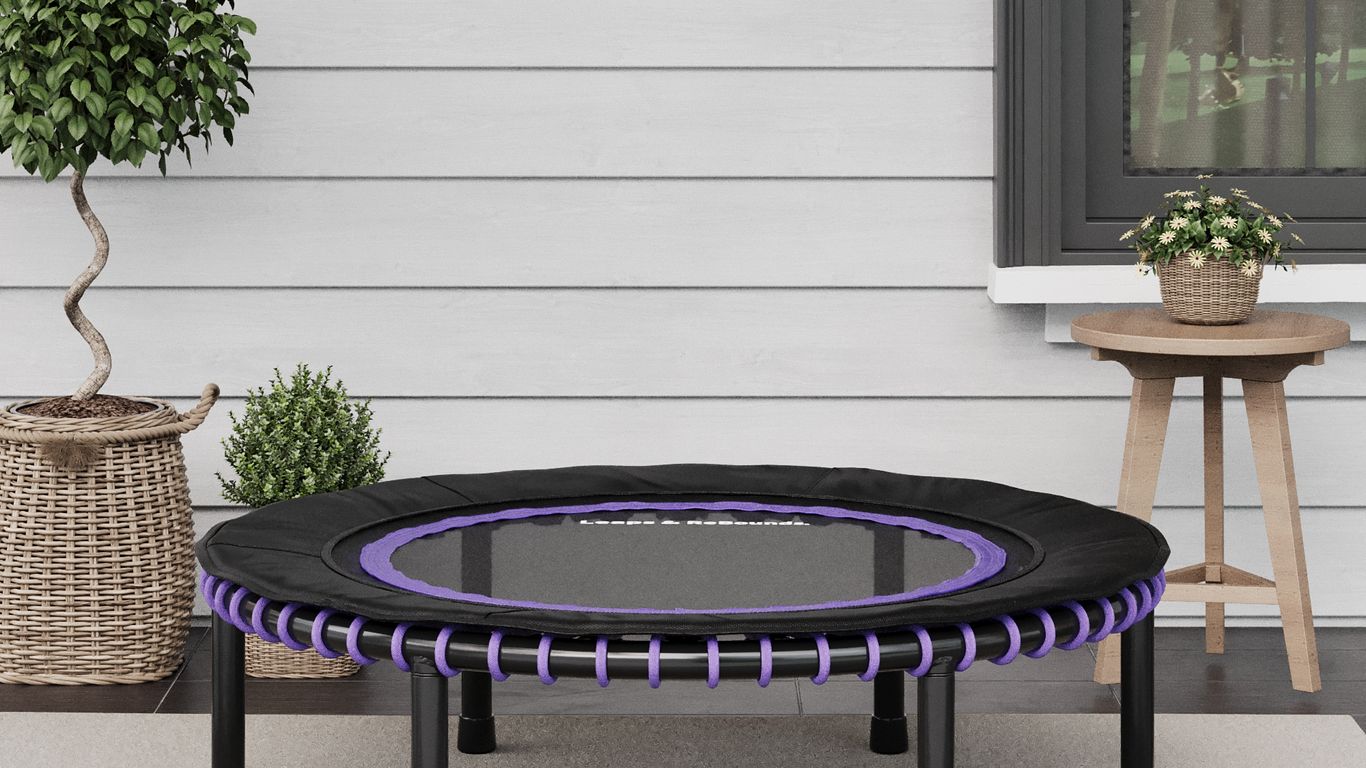
When you start looking for a trampoline, you'll quickly see they come in a bunch of different sizes. It can be a bit overwhelming, but most outdoor trampolines fall into a few general categories based on their diameter. Understanding these common sizes will help you narrow down your choices based on your yard and who will be using it.
Compact Trampolines For Smaller Yards
If you've got a smaller backyard or perhaps younger kids who are just getting into bouncing, the smaller trampolines are a great starting point. These typically range from 6 to 8 feet in diameter. They're designed to fit into tighter spaces without taking over your entire yard. They're usually best suited for younger children.
- 6 ft trampolines: These are the smallest common outdoor models. They're good for yards that are a bit tight on space and for kids around 6 to 8 years old.
- 8 ft trampolines: Just a bit bigger than the 6 ft, these are still on the smaller side. They work well for smaller yards and kids aged about 6 to 10.
Mid-Sized Trampolines For Versatile Use
Moving up, we get to the mid-sized trampolines, usually around 10 to 12 feet. These are often the sweet spot for many families. They offer a decent amount of jumping space without needing a massive backyard. They can usually handle both kids and adults, making them a really versatile choice for a lot of households. A 10 ft trampoline is often considered an average size, fitting well in medium-sized yards.
| Stated Trampoline Size | Typical Jumping Surface Area | Approximate Difference |
|---|---|---|
| 8 feet | 5.5 - 6 feet | 2 - 2.5 feet |
| 10 feet | 7 - 8 feet | 2 - 3 feet |
| 12 feet | 8.5 - 9.5 feet | 2.5 - 3.5 feet |
Remember, these are just general figures. The actual jumping space can vary between brands and even different models from the same brand. It really pays to dig a little deeper than just the headline number.
Generous Trampolines For Larger Spaces
Got a big backyard? Then you might be looking at the larger trampolines, usually 14 feet or even 16 feet across. These are for when you want maximum bouncing potential and have the space to accommodate it. They're ideal for families with multiple kids or anyone who just loves having a lot of room to jump around. These larger sizes are quite common for bigger yards and can be used by jumpers of all ages. If you have the space, a 14 ft trampoline or larger can provide a lot of fun.
It's really about matching the trampoline size to your available space and who's going to be using it most. Don't just pick the biggest one you can find; make sure it fits comfortably and safely in your yard. Always check if the manufacturer specifies the usable jumping area if that's important to you.
When you're looking at these sizes, keep in mind that the advertised dimension is usually the outer frame-to-frame measurement. The actual usable jumping surface area will be smaller due to the springs and padding. For example, a 12 ft trampoline might only have about 8.5 to 9.5 feet of actual jumping space. Always try to find out the specific jumping surface area if you can, as it makes a big difference in how much fun and how safely people can use the trampoline.
Key Considerations When Choosing A Trampoline
So, you've got a general idea of trampoline sizes, but how do you actually pick the right one for your yard and your family? It's not just about grabbing the biggest one you see. There are a few things to really think about before you hand over your cash. Getting this right means more fun and less worry.
Matching Trampoline Size To Your Yard
Before you even start looking at specific models, you need to know what you're working with. Measure the spot where you're thinking of putting the trampoline. Don't just measure the trampoline's footprint; you need to add extra space around it. Think about safety – you don't want anyone bouncing into a fence, a tree, or your shed. Most manufacturers suggest at least 3 to 5 feet of clear space on all sides. This clearance is super important, especially if you have kids who love to do flips or tricks. It's better to have a little too much space than not enough. Also, consider the shape of the trampoline – round, square, or rectangular – and which one fits best in your yard's layout. For smaller spaces or younger children, 8-10 ft trampolines are suitable. A 12-13 ft size is a good option for many families. Larger trampolines, 14-15 ft and above, are best for bigger yards and more extensive use. Check out common trampoline sizes.
Considering Who Will Be Using The Trampoline
Who's going to be bouncing around on this thing? Is it just for the little kids, or will teenagers and even adults be using it? This is a big one. If it's for younger children, you might think about a smaller size, but also consider how quickly they grow. Buying a trampoline that's too small now might mean you're shopping again in a couple of years. It's often smarter to buy a larger trampoline if you have the space, so it can be enjoyed for longer. Think about the weight capacity too. Every trampoline has a limit for a single user, and it's there for a reason. You don't want anyone to exceed it.
The Importance Of Usable Jumping Surface Area
It's not just about the number you see on the box, you know? That frame-to-frame measurement is important for fitting it in your yard, sure, but it doesn't tell the whole story about where you can actually jump. Springs take up space, and not everyone tells you how much room you really have. So, before you buy, do a little digging. Ask the company about the jumping space, think about who's going to use it, and make sure it fits your yard with a little extra room to spare. Getting the right size means more fun and less worry. Happy bouncing!
Choosing the right trampoline is about more than just size—it’s about safety, durability, and long-term value. Bigger isn’t always better, but too small is a mistake. If you have 2 jumpers or older kids, a 14ft or larger trampoline ensures they shouldn’t outgrow it too quickly. Athletes should always opt for rectangular trampolines for better control. Safety should never be an afterthought. In-ground trampolines reduce fall risks, while above-ground models require quality enclosures to prevent injuries. Always check for high weight limits, strong frames, and enclosed springs to protect jumpers. Cheap trampolines don’t last. Many low-cost trampolines sag, rust, or fall apart within a couple of years. Investing in a well-built, high-performance trampoline means better bounce, safer jumps, and years of hassle-free fun.
Here's a quick look at common sizes and who they might be best for:
- 8-10 ft: Good for younger kids or very small yards.
- 12-13 ft: A versatile size that works for many families.
- 14-15 ft+: Ideal for larger yards and when multiple people will be jumping. Consider these options.
When deciding between in-ground and above-ground trampolines, the choice often comes down to safety, installation, and cost. While both options can provide a great jumping experience, they serve different needs and environments.
What Is The Standard Trampoline Size?
So, you're looking to get a trampoline, huh? It seems pretty straightforward, right? You just pick a size and go. But hold on a second. There's actually a bit more to it than just the number you see on the box. The standard trampoline size can be a little tricky, and what looks like a big trampoline might not actually give you as much room to jump as you think. We're going to break down what those sizes really mean so you can pick the best one for your yard and your family.
Common Trampoline Sizes For Various Yards
When you're shopping, you'll see a range of sizes, usually measured from frame to frame. This is the number that gets advertised, but it's important to remember that this measurement often includes the frame and the padding around the edge, not just the bouncy surface itself. Think of it like buying a rug – the listed size is the whole thing, not just the part you can walk on.
Here's a general idea of what you'll find:
- 6-8 feet: These are your compact options, great for smaller yards or for younger kids who don't need a ton of space. They're easy to fit into tighter spots.
- 10-12 feet: This is often considered the sweet spot for many families. A 10 ft trampoline is a common average, fitting well in medium yards and offering enough room for both kids and adults to have some fun.
- 14-16 feet: If you've got a bigger backyard and want maximum bouncing potential, these larger sizes are the way to go. They're ideal for families with multiple kids or anyone who just loves having a lot of room.
The Average Trampoline Size For Families
For most families, a trampoline in the 10 to 14-foot range is usually the most practical choice. A 12-foot model, for instance, is a pretty standard size that works well for mid-sized yards and gives you a good amount of jumping space without taking over your entire backyard. It's a versatile size that can grow with your kids, offering enough room for them to practice moves as they get older.
Remember, the advertised size is usually frame-to-frame. The actual jumping surface is always smaller, especially on models with springs. Always check if the manufacturer specifies the usable jumping area if that's important to you. It really pays to dig a little deeper than just the headline number.
Determining The Right Size For Your Needs
So, how do you pick the perfect size? It really comes down to a few things. First, measure your yard. You need to make sure there's enough clearance around the trampoline – at least 6 feet of clear space on all sides is a good rule of thumb, and no overhead obstructions like tree branches or power lines. Then, think about who will be using it. If it's just for younger kids, a smaller size might be fine. But if adults will be jumping too, or if you have multiple kids who want to bounce at the same time, you'll want to go bigger. Ultimately, the 'standard' size is less important than finding the right fit for your specific space and how you plan to use it.
Wondering about the right size for your trampoline? While there isn't one single 'standard' size, trampolines come in various dimensions to fit different needs and spaces. From compact models perfect for a quick workout to larger ones for family fun, the best size depends on what you're looking for. For more details on choosing the perfect fit, check out our selection at Leaps and Rebounds!
Wrapping It Up: Finding Your Perfect Bounce
So, when you're out there looking for a trampoline, remember that the size listed isn't always the whole story. That number usually tells you the overall frame size, but the actual space you have to jump on is often a bit smaller. It's like buying a shirt and finding out the sleeves are way shorter than you expected. Keep in mind your yard space, who's going to be bouncing, and don't be afraid to dig a little deeper to find out the real jumping surface area. Picking the right size means more fun and safer jumps for everyone. Happy bouncing!
Frequently Asked Questions
How do trampoline sellers usually tell you the size?
Most companies measure trampolines from one edge of the frame straight across to the other edge. This is the number you'll see when you check out the trampoline's size. But, this measurement often includes the springs or the netting around the jumping mat, which you can't actually jump on.
Why isn't the 'frame-to-frame' size the same as the real jumping space?
The frame-to-frame measurement shows the trampoline's total size, but it counts the area where the springs connect. Since you can't jump on springs, the actual space you can jump on is always less than the size listed.
What's the best way to find out the actual jumping space on a trampoline?
It's a good idea to ask the company that makes it directly, or look for a measurement called 'jumping surface area' or 'usable space.' Many companies don't make this easy to find, so you might need to do a little searching to know how much room you really have.
What are some common trampoline sizes for yards?
Trampolines come in different sizes. Small ones are usually 6 to 8 feet across, which are good for younger kids or smaller yards. Medium sizes are about 10 to 12 feet, fitting most yards and users. Bigger ones are 14 feet or more, perfect for larger spaces and lots of jumping.
How do I choose the right trampoline size for my family?
First, measure your yard to make sure it fits! Also, think about who will be jumping – kids or adults? Consider the weight limit and how much space each person needs. It's often smart to get a slightly bigger one if you want it to last as your kids grow.
Does a bigger trampoline always mean a less bouncy trampoline?
Not always! While size can affect the bounce, other things are more important, like how good the springs are, how firm the mat is, and even how much the person jumping weighs. A larger trampoline can still be very bouncy.


0 comments