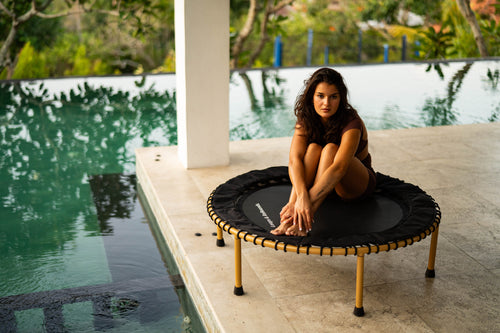
As we get older, keeping our bones strong becomes super important. You know, osteoporosis is a big deal for lots of folks, making bones weak and easy to break. But guess what? There are ways to fight back, and one fun method is called rebounding. It's basically bouncing on a mini-trampoline. We're going to look at how this exercise can help build stronger bones, what studies say about it, and some important things to think about before you start bouncing.
Key Takeaways
- Rebounding involves bouncing on a mini-trampoline and can help stimulate bone growth by increasing the load on your bones.
- While NASA found rebounding effective for bone tissue rebuilding, some research suggests its shock-absorbing surface might reduce the bone-building stimulus compared to exercises on firm ground.
- Rebounding can improve balance and coordination, which is helpful in preventing falls, a major concern for those with osteoporosis.
- Individuals with severe osteoporosis, vertebral fractures, or significant kyphosis should be cautious with rebounding due to the risk of compression fractures.
- Always talk to your doctor before starting rebounding, especially with osteoporosis, and begin slowly, paying close attention to your body and stopping if you feel dizzy or experience pain.
Understanding Rebounding and Osteoporosis
What is Osteoporosis?
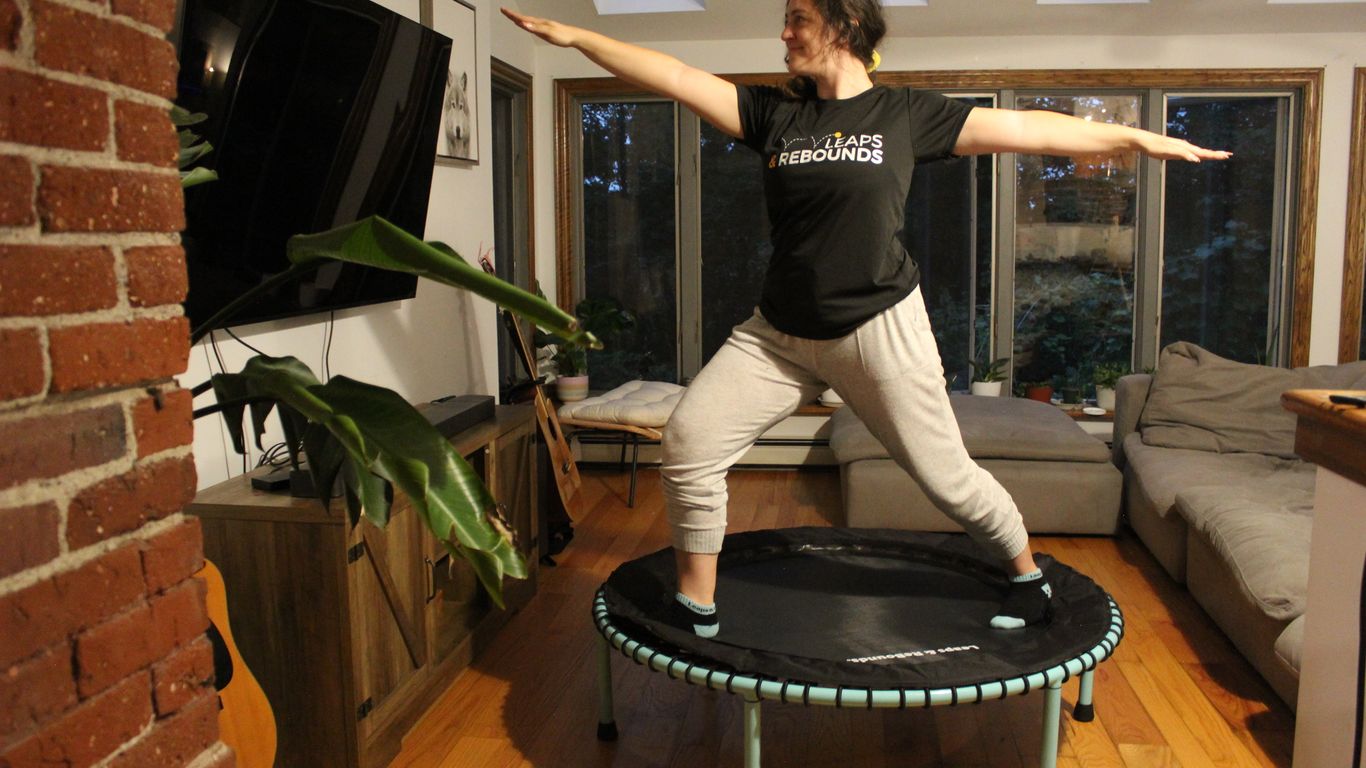
Osteoporosis is a condition where bones become weaker and more brittle. Think of it like a house with a weakening foundation; it's more likely to have problems down the line. This happens because the body loses bone tissue faster than it can create new bone. It often creeps up on people without any obvious signs until a fracture occurs. Factors like getting older, hormonal shifts, not getting enough calcium and vitamin D, and not moving much can all play a part in its development.
How Rebounding Stimulates Bone Growth
So, how does bouncing on a mini-trampoline help? It all comes down to how our bones respond to stress. When you bounce, you're essentially creating a controlled impact. This impact sends signals to your bones, telling them to get stronger. It's like telling your muscles they need to work harder by lifting weights. The gentle up-and-down motion applies a force, known as mechanical loading, that encourages bone cells to build more bone tissue. This process can help increase bone density and make your bones more resilient. It's a way to give your bones a workout without the harshness of high-impact activities. Some research suggests that rebounding exercises may offer slight improvements in bone density, but more studies are needed to be completely sure.
The Role of Gravitational Force
When you're on a rebounder, you experience brief moments of increased gravitational force, often called G-force. Imagine jumping up and then landing; for a split second, you feel a bit heavier. This increased force is what really gets to your bones. It's a stimulus that tells them to adapt and become stronger to handle that extra load. This is similar to what astronauts experience when they return to Earth after spending time in space where there's less gravity. NASA even conducted studies showing that rebounding is quite effective for helping to rebuild bone tissue lost due to lack of gravity. It's this push and pull, this temporary increase in the forces acting on your skeleton, that helps promote bone health.
Benefits of Rebounding for Bone Health
So, you're curious about how bouncing on a mini-trampoline can actually help your bones, right? It sounds a bit too fun to be serious exercise, but there's some real science behind it. Rebounding offers a unique way to give your bones the stimulus they need to get stronger.
Improving Bone Mineral Density
When you rebound, your body experiences a gentle, repeated impact. This isn't like a hard fall; it's controlled. Each bounce sends small forces up through your bones. Your body interprets these forces as a signal that your bones need to be stronger to handle the load. Over time, this can lead to an increase in bone mineral density (BMD), which is basically how much mineral content is packed into your bones. Higher BMD means denser, stronger bones that are less likely to fracture. It's like telling your bones, 'Hey, we need to be tougher!'
NASA's Findings on Rebounding
Believe it or not, NASA did some pretty interesting research on rebounding. They were looking for ways to help astronauts maintain bone and muscle mass when they returned to Earth after spending time in zero gravity. What they found was that rebounding is remarkably effective. The increased gravitational force experienced during bouncing helps to rebuild bone tissue. This research showed that the G-force on the bones during rebounding is actually eight times greater than when running. It's a powerful way to counteract bone loss, and it was initially developed to help astronauts, which tells you something about its effectiveness.
Rebounding for Postmenopausal Women
Postmenopausal women are often at a higher risk for osteoporosis due to hormonal changes. Studies have looked specifically at how rebounding affects this group. The results have been quite positive, showing significant improvements in bone mineral density. Regular rebounding sessions can be a great addition to a fitness plan aimed at preventing or managing bone loss during and after menopause. It's a way to actively support your bone health when it's most needed. You can find some great rebounder exercises designed to enhance bone density that are particularly beneficial for this demographic.
Rebounding's Impact on Balance and Fall Prevention
When you have osteoporosis, staying steady on your feet is a big deal. Falls can lead to serious injuries, and nobody wants that. Rebounding can actually help with this. The constant up-and-down motion, even if it's gentle, makes your body work to keep you upright. This repetitive action helps train the muscles and systems responsible for balance.
Enhancing Stability Through Movement
Think of it like this: every time you bounce, your body has to make tiny adjustments to stay centered. This is especially true on a rebounder, which is a slightly unstable surface. Your ankles, knees, and core muscles all get a workout just trying to keep you from wobbling too much. Over time, these small adjustments add up, making you feel more secure in your movements. This improved stability can translate directly into feeling more confident during everyday activities. It's not just about the bounce itself, but how that bounce trains your body to react and stabilize.
Reducing Fall Risk in Older Adults
Falls are a major concern for older adults, and anything that can help reduce that risk is worth considering. Rebounding, when done safely, can contribute to better balance and coordination. This, in turn, can lower the chances of taking a tumble. Research suggests that exercises that challenge balance can be quite effective. By engaging your body in a controlled way, you're essentially practicing staying balanced, which is a skill that can be used off the rebounder too. It's about building that physical resilience to prevent accidents before they happen. For many, this can mean a greater sense of independence and a reduced fear of falling, which is a huge psychological benefit. You can find more information on how rebounding helps with balance and mobility.
It's important to remember that while rebounding can help, it's not a magic bullet. If you have significant balance issues, it's best to start with guidance. The goal is to improve your stability, not to put yourself in a risky situation.
Safety Considerations for Rebounding with Osteoporosis
While rebounding can be a great way to get moving and potentially help your bones, it's not without its risks, especially if you're dealing with osteoporosis. It's super important to be aware of these potential downsides so you can exercise safely and avoid making things worse. Think of it like this: you're trying to build up your bones, not break them!
Potential Risks of Vertebral Compression Fractures
This is probably the most serious thing to watch out for. There have been reports of people getting vertebral compression fractures, which are basically tiny breaks in the bones of the spine, after they started rebounding. What's really eye-opening is that not everyone in these cases had osteoporosis; some had osteopenia or even normal bone density. The fractures often showed up pretty quickly, sometimes within a few weeks of starting regular sessions. This suggests that even if your bones aren't severely weakened, the wrong kind of movement can still cause damage.
The way you hold your body while on the rebounder plays a huge role. If you're hunched over or not moving your joints properly, the forces from bouncing can put extra stress on your spine in ways that can lead to fractures over time.
The Importance of Proper Posture
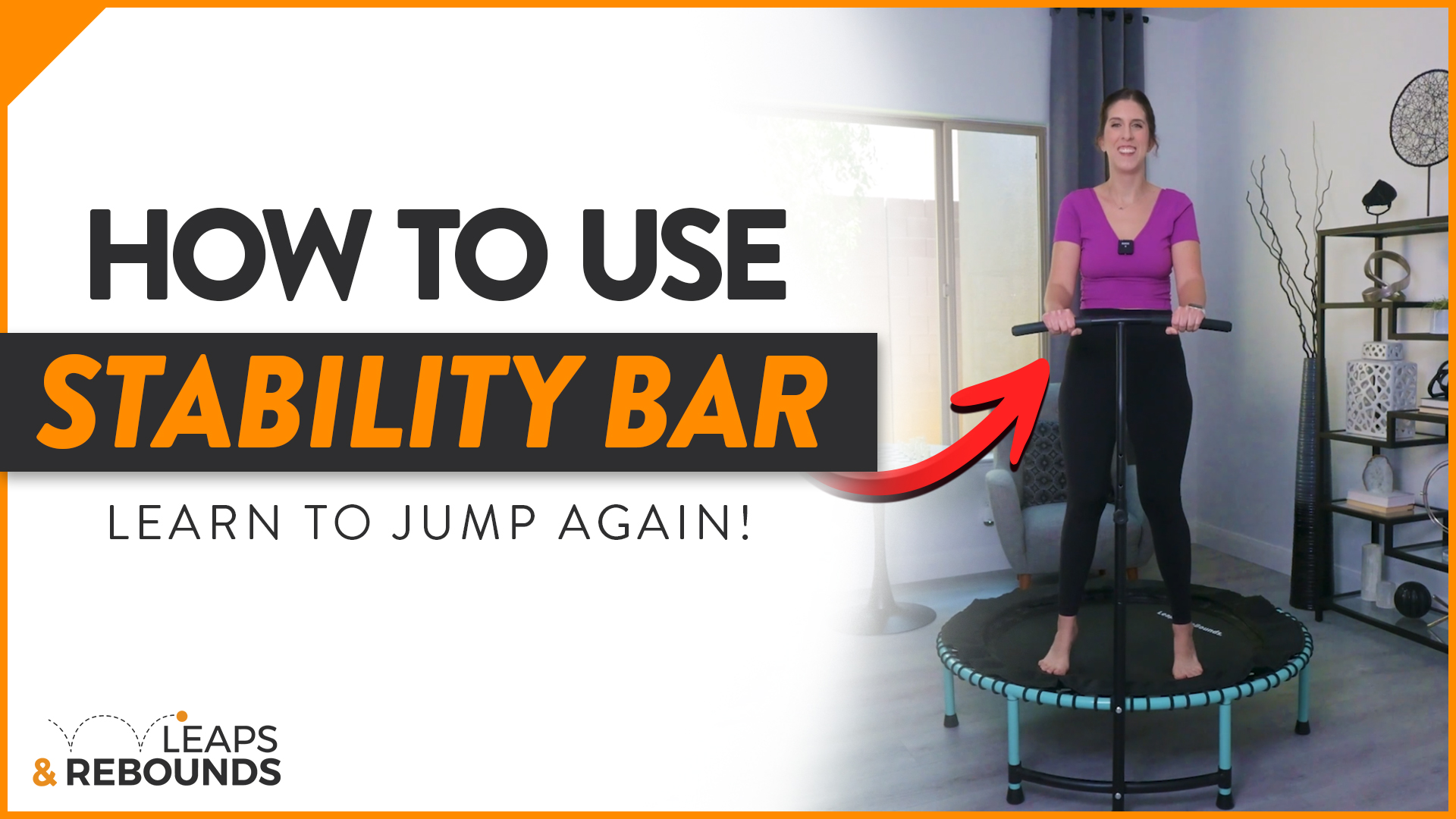
This ties directly into the fracture risk. A lot of the issues seem to stem from how people position themselves on the rebounder. If you're not standing up straight, with your back neutral and your joints (hips, knees, ankles) moving freely, you're setting yourself up for trouble. Many people grab the safety bar with both hands and hunch their shoulders, which can really put pressure on the middle part of the spine. Learning and maintaining correct posture is key to minimizing this risk. It's not just about looking good; it's about protecting your vertebrae.
Here are some pointers for better posture:
- Stand tall with your head up and shoulders relaxed.
- Keep a slight bend in your knees and hips to absorb impact.
- Engage your core muscles gently to support your spine.
- Try to keep your movements controlled and centered.
Dizziness and Vestibular Challenges
Another thing to consider is dizziness. The up-and-down motion of rebounding can sometimes trigger dizziness or lightheadedness, especially for older adults. This is particularly concerning if you have a history of inner ear issues, like BPPV (benign paroxysmal positional vertigo), which is more common in people with osteoporosis. If you get dizzy while bouncing, you could easily lose your balance and fall, which is the last thing you want. Some medications, like those for blood pressure, can also contribute to feeling lightheaded during exercise. If you feel woozy at all, stop immediately and talk to your doctor. It might be worth looking into balance exercises that don't involve this kind of motion if dizziness is a problem.
Comparing Rebounding to Other Bone-Strengthening Exercises
When you're looking to build stronger bones, especially if you have osteoporosis, it's smart to think about how different exercises stack up. Rebounding is often talked about as a great option, and it certainly has its perks, but it's not the only game in town. Let's break down how it compares to other ways you can give your bones a good workout.
Weight-Bearing Versus Low-Impact Exercise
This is a big one. Weight-bearing exercises are activities where you're on your feet, working against gravity. Think walking, running, dancing, or even just standing. These are generally considered the gold standard for bone health because the impact sends signals to your bones to get stronger. Low-impact exercises, like swimming or cycling, are easier on your joints but don't provide as much of a bone-building stimulus. Rebounding falls into a bit of a gray area. It's low-impact on your joints because the trampoline surface absorbs a lot of the shock. This is great for comfort, but it means less of that bone-strengthening force actually travels up through your skeleton. So, while it's better than no impact at all, it might not be as effective as higher-impact weight-bearing activities for directly increasing bone density. Progressive loading exercises, which gradually increase the stress on your bones, are key for improving bone mineral density [da17].
The Stimulus Provided by Different Surfaces
Here's where rebounding's unique surface can be a double-edged sword. The very thing that makes it gentle – the elastic mat – also reduces the
Getting Started with Rebounding Safely
So, you're thinking about hopping on a rebounder to help with your bones? That's great! It's a fun way to get moving, but like anything, we need to be smart about it, especially if osteoporosis is part of the picture. It's not just about jumping; it's about jumping right.
Consulting with a Healthcare Provider
Before you even think about buying a rebounder or trying one out, the very first step is to chat with your doctor or a physical therapist. They know your specific health situation, including your bone density and any other conditions you might have. They can give you the green light or suggest modifications. It’s like getting a map before you go on a road trip – you want to know the best route and any potential roadblocks.
Starting Slowly and Gradually Increasing Intensity
Don't just jump on and go for broke! Think of it like learning to walk again, but with more bounce. Start with just a few minutes each day, maybe 5 to 10 minutes. Focus on just gentle bouncing, keeping your feet mostly on the mat. As you get more comfortable, you can slowly add more time and maybe a little more bounce. The goal is to build up your stamina and get your body used to the movement without overdoing it. Here’s a simple way to think about it:
- Week 1: 5 minutes, 3 times a week. Focus on just standing and gentle bouncing.
- Week 2: 10 minutes, 3 times a week. Try adding a little more height to your bounce.
- Week 3: 15 minutes, 3-4 times a week. You can start exploring simple arm movements.
- Week 4 and beyond: Gradually increase duration and intensity as you feel comfortable, always listening to your body.
Recognizing When to Stop
This is super important. Your body will tell you when something isn't right, and we need to listen. If you feel any sharp pain, especially in your back or joints, stop immediately. Dizziness or feeling unsteady is also a sign to take a break. And if you notice any leakage when you cough, sneeze, or jump, that's a signal to pause and talk to a professional about your pelvic floor health.
The key is to be mindful of your body's signals. Rebounding should feel invigorating, not painful. If you experience discomfort, it's a sign to ease up or stop altogether. Pushing through pain can lead to injuries that set you back much further than you intended.
Ready to start bouncing? Jumping on a mini trampoline, also called a rebounder, is a fun way to get fit! But before you leap, it's important to know how to do it safely. Our guide, "Getting Started with Rebounding Safely," will walk you through the basics. Learn how to warm up, choose the right bounce, and cool down properly to avoid any ouchies. Want to see our top-rated rebounders? Visit our website to explore our collection and find the perfect fit for your fitness journey!
Wrapping Up: Bouncing Your Way to Stronger Bones
So, we've talked about how bouncing on a mini-trampoline, or rebounding, can be a really good way to help keep your bones strong. It's a low-impact option that can be easier on your joints, which is a big plus for many people, especially as we get older. While it's not a magic bullet and it's always smart to chat with your doctor before starting anything new, especially if you have existing bone issues, incorporating rebounding into your routine could be a fun and effective step. Remember, staying active is key, and finding an exercise you enjoy makes it much more likely you'll stick with it. Give it a try and see if you can feel the difference in your bone health!
Frequently Asked Questions
What exactly is rebounding?
Rebounding is basically bouncing on a small trampoline, like a mini-trampoline. It's a fun way to get your body moving and can be a great exercise for your bones.
How does bouncing help my bones get stronger?
When you bounce, your bones experience a gentle force, kind of like gravity pushing down a little harder for a moment. This push tells your bones to get stronger and build more bone material, which is super important for fighting off conditions like osteoporosis.
Is rebounding a good exercise if I have osteoporosis?
Yes, rebounding can be a good choice because it's low-impact, meaning it's easier on your joints than some other exercises. The bouncing action helps stimulate bone growth without putting too much stress on your body, which is great for people with weaker bones.
Can rebounding help prevent falls?
Definitely! Bouncing on a mini-trampoline helps improve your balance and makes your body more stable. Better balance means you're less likely to fall, and falls can be really dangerous, especially if you have osteoporosis.
Are there any risks with rebounding if I have osteoporosis?
While rebounding is generally safe, there can be risks. It's important to have good posture while bouncing, as a rounded back can increase the chance of a spinal fracture. Also, some people might feel dizzy, so it's best to start slowly and listen to your body. Always talk to your doctor before starting.
Should I do anything special before I start rebounding?
Before you jump on a mini-trampoline, it's a really good idea to chat with your doctor or a physical therapist. They can tell you if rebounding is right for you and give you tips on how to start safely, like beginning with short sessions and gradually doing more as you get stronger.











0 comments