












So, you want to get stronger, huh? A lot of people think that means hitting the gym hard and lifting heavy weights, but there's a whole other area that's super important for feeling good and moving well: your core. Think of it as the center of your body. When it's strong, everything else works better. This post is all about simple exercise for strengthening core muscles, no fancy equipment needed, just your body and a little bit of effort. We'll cover why it matters and how to actually do it.
Key Takeaways
- Your core isn't just your abs; it includes muscles in your back and around your pelvis that help you stand and move.
- A strong core helps with posture, balance, and stops you from getting hurt as easily, whether you're playing sports or just walking around.
- Exercises like planks, dead bugs, and bridges are good ways to start building core strength.
- Focusing on your deep core muscles can help with back pain and make everyday movements feel easier.
- To get results, do your core exercises regularly, don't overdo it, and make sure you rest so your muscles can get stronger.
Understanding Your Core Muscles
The Foundation of Functional Strength
Think of your core as the central hub of your body. It's not just about those visible abs; it's a complex network of muscles that work together to keep you stable and moving efficiently. When we talk about functional strength, we're really talking about how well your body can handle everyday tasks, from carrying groceries to simply standing up straight. A strong core is the bedrock for all of that. It's the part of you that allows you to twist, bend, and lift without feeling like you're going to fall apart. Without a solid core, even simple movements can feel like a struggle, and that's definitely not what we're aiming for.
Beyond Aesthetics: The True Purpose of Core Muscles
Lots of people hit the gym thinking about how they look, and that's fine, but the real power of core training goes way deeper than just a six-pack. These muscles are your body's built-in support system. They help keep your spine in line, which means better posture and less chance of that nagging lower back pain. They're also key players in your balance and coordination. So, while a toned tummy is a nice bonus, the main job of your core is to help you move through life with ease and avoid injuries. It's about feeling strong and capable, not just looking a certain way.
Key Muscles That Comprise Your Core
Your core isn't just one muscle; it's a team. You've got the muscles at the front of your belly, like the rectus abdominis (that's the one people often call the 'six-pack' muscle). Then there are the obliques on your sides, which help you twist. But it goes deeper than that. The transverse abdominis wraps around your midsection like a natural corset, helping to stabilize your pelvis. In your back, the multifidus muscles run along your spine, providing support. Don't forget the diaphragm up top, which is involved in breathing, and the pelvic floor muscles down below, which support your internal organs. All these muscles have to work together for your core to be truly strong.
Here's a quick rundown:
- Rectus Abdominis: The front abdominal muscles.
- Obliques: Muscles on the sides of your torso.
- Transverse Abdominis: The deepest abdominal muscle, acting like a natural belt.
- Multifidus: Small muscles along the spine that help with stability.
- Diaphragm: The primary breathing muscle, also contributes to core stability.
- Pelvic Floor: Muscles supporting the pelvic organs.
When you're trying to engage your core, imagine gently drawing your belly button in towards your spine without holding your breath. It's a subtle but important connection to make.
Benefits of a Stronger Core
So, you're thinking about working on your core muscles. That's a smart move. A lot of people focus on their abs because they want to look a certain way, but honestly, the real advantages go way deeper than just how you look in the mirror. A strong core is like the central command center for your entire body, and getting it in shape pays off in a bunch of ways.
Improved Posture and Spinal Stability
Ever find yourself slouching without even realizing it? Or maybe you get that nagging ache in your lower back after sitting for too long? A weak core is often the culprit. Your core muscles, which include not just your abs but also your back and pelvic muscles, act like a natural corset for your spine. When they're strong, they help keep your spine properly aligned, whether you're standing, sitting, or moving around. This means less strain on your back, neck, and shoulders. Think of it as giving your spine a solid, supportive foundation.
Enhanced Balance and Coordination
Good balance isn't just for gymnasts or dancers. It's something we all need for everyday life, like when you're walking on uneven ground or just trying not to trip over your own feet. Your core muscles are key players in keeping you steady and helping different parts of your body work together smoothly. When your core is strong, your body is better at staying upright and reacting quickly, which can make a big difference, especially as we get older, helping to prevent falls.
Reduced Risk of Injury
This one's a biggie. When your core muscles aren't doing their job properly, other parts of your body have to pick up the slack. This can lead to imbalances and put extra stress on areas like your lower back, hips, and knees, making them more prone to injury. A strong core helps spread the workload more evenly, acting like a protective shield. It supports proper movement patterns, so you're less likely to get hurt, whether you're just carrying groceries or hitting the gym.
Boosted Athletic Performance
If you're into sports or any kind of physical activity, a strong core is a game-changer. It's where a lot of your power comes from. Whether you're running, jumping, throwing, or twisting, your core is involved in generating and transferring that force efficiently. It also helps you maintain good form, which not only makes you better at what you do but also helps keep you injury-free so you can keep doing it.
A strong core isn't just about looking good; it's about moving well and protecting your body. It supports everything from sitting at your desk to running a marathon. Focusing on these muscles is an investment in your overall physical health and capability.
Here's a quick look at how a stronger core impacts you:
- Posture: Stand taller, feel more aligned.
- Stability: Less wobbling, more control.
- Injury Prevention: Your body's built-in support system.
- Daily Tasks: Lifting, bending, and moving become easier.
- Athletics: More power and better performance.
Essential Core Strengthening Exercises
Alright, let's get down to business with some exercises that will really make your core work. Forget those endless crunches you might have done in the past; we're focusing on movements that build real stability and strength. Think of your core as the central hub that connects your upper and lower body, and these exercises are designed to make that connection solid.
Plank Variations for Core Engagement
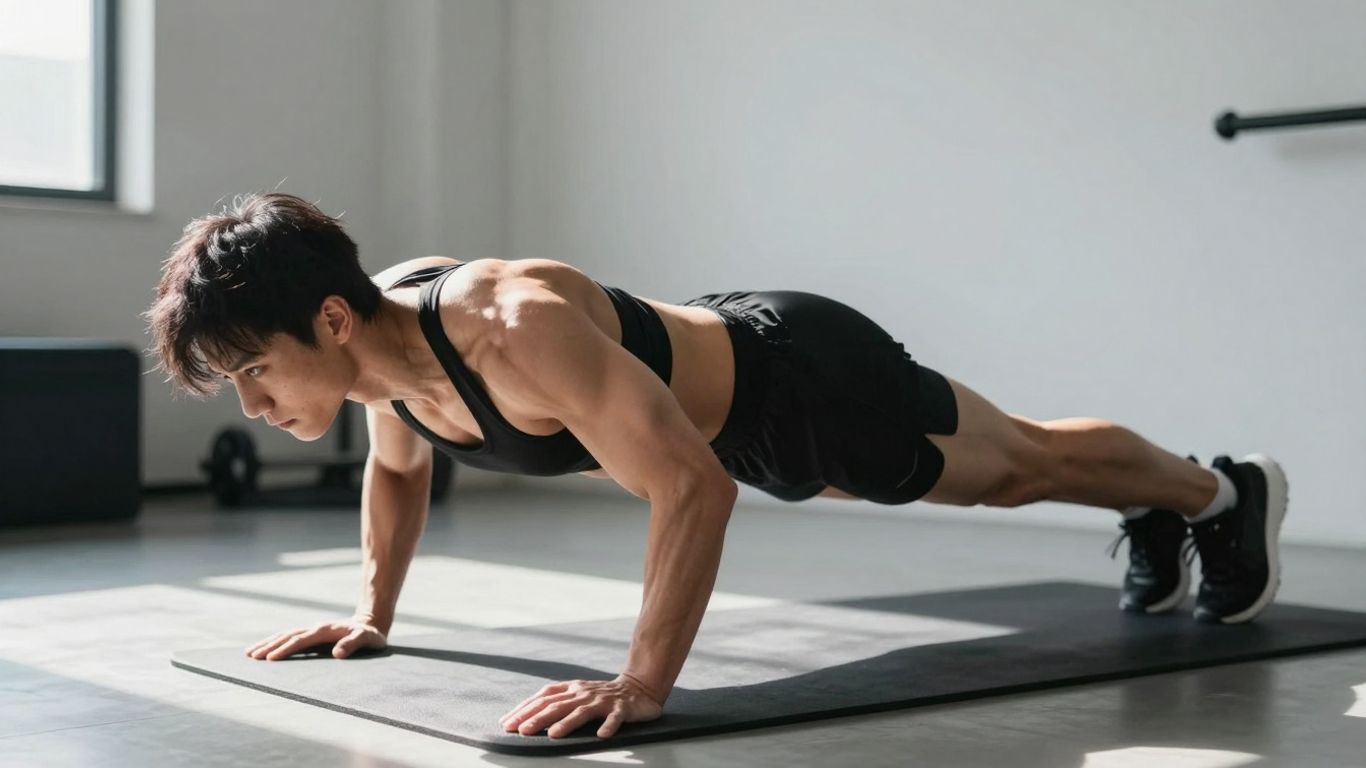
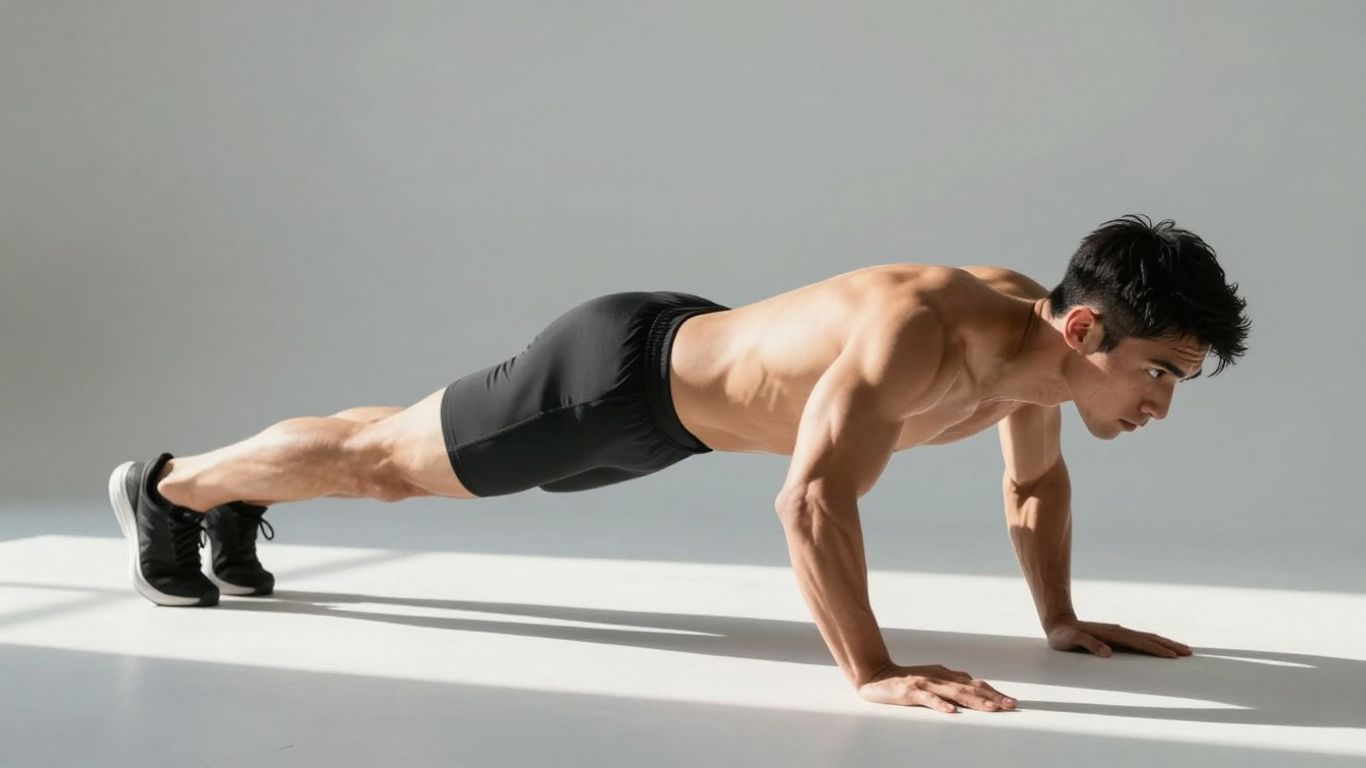
The plank is a classic for a reason. It's not just about holding a position; it's about actively engaging your entire core to keep your body in a straight line. Start with a basic forearm plank, making sure your elbows are directly under your shoulders and your body forms a straight line from head to heels. Don't let your hips sag or pike up too high. Once you've got that down, you can try variations like side planks to hit those obliques, or plank jacks to add a bit of cardio.
- Forearm Plank: Hold for 30-60 seconds, focusing on keeping your core tight.
- Side Plank: Hold for 30 seconds per side, lifting your hips off the ground.
- Plank with Shoulder Taps: From a high plank position, tap your opposite shoulder while keeping your hips as still as possible.
The Dead Bug for Deep Stabilizers
This exercise might look a little funny, but it's fantastic for targeting those deep abdominal muscles that are so important for stability. Lie on your back with your knees bent at a 90-degree angle and your arms extended straight up towards the ceiling. Slowly lower your opposite arm and leg towards the floor, keeping your lower back pressed into the ground. The key here is control; don't let your back arch.
The goal with the dead bug is to move your limbs while keeping your torso completely still. This teaches your core to stabilize against movement, which is exactly what it needs to do during everyday activities.
Bridging for Posterior Chain Strength
While we often think of the 'core' as just the front abs, the muscles in your back and glutes are just as vital. The bridge exercise targets these posterior chain muscles. Lie on your back with your knees bent and feet flat on the floor, hip-width apart. Squeeze your glutes and lift your hips off the ground until your body forms a straight line from your shoulders to your knees. Hold for a moment, then slowly lower back down.
- Basic Bridge: Focus on squeezing your glutes at the top.
- Single-Leg Bridge: Once you're comfortable, try lifting one leg off the ground while bridging to increase the challenge.
- Glute Bridge March: From the top of the bridge, alternate lifting one foot slightly off the ground, keeping your hips level.
Targeting Your Deep Core
Identifying Your Deep Core Muscles
When we talk about core strength, it's easy to think about the muscles you can see in the mirror, like your abs. But there's a whole other layer of muscles working hard underneath that are just as important, if not more so, for everyday function. These are your deep core muscles. They're not about showing off a six-pack; they're the quiet workers that keep your spine stable, help you breathe properly, and support your internal organs. Think of them as the foundation of your entire core structure.
Your deep core is made up of a few key players:
- Transverse Abdominis: This is the deepest abdominal muscle, wrapping around your midsection like a natural corset. It's your primary stabilizer.
- Multifidus: These small muscles run along your spine, providing crucial support and helping to prevent excessive movement.
- Diaphragm: More than just a breathing muscle, your diaphragm plays a role in core stability by creating pressure within your abdominal cavity.
- Pelvic Floor: These muscles support your pelvic organs and contribute to overall core stability and control.
Exercises to Activate Deep Core Muscles
Getting these deep muscles to fire can take a little practice. It's about making a mind-body connection. Instead of just moving, you need to focus on feeling the right muscles engage. Slow, controlled movements are key here. Try to really concentrate on the sensation of tightening those deep muscles.
Here are a couple of moves to get you started:
- Dead Bug: Lie on your back with your knees bent at a 90-degree angle (tabletop position) and arms reaching towards the ceiling. Slowly extend one arm back overhead and the opposite leg straight out, hovering just above the floor. Keep your lower back pressed into the mat. Return to the start and switch sides. This works on coordinating opposite limb movements while keeping your core stable.
- Bird Dog: Start on your hands and knees. Extend one arm straight forward and the opposite leg straight back, keeping your hips and shoulders level. Imagine balancing a glass of water on your lower back – you don't want to spill it! Hold briefly, then return to the start and switch sides.
Functional Benefits of Deep Core Training
So, why bother with these less visible muscles? Because their impact is huge on how you move and feel every single day. A strong deep core means better posture – no more slouching! It significantly reduces the risk of lower back pain, which is a common complaint for many people. Plus, it improves your balance and coordination, making everyday tasks feel easier and safer. Think about lifting groceries, playing with kids, or even just standing for long periods; your deep core is working to keep you upright and stable.
Focusing on your deep core isn't about vanity; it's about building a resilient body that can handle the demands of life. It's about preventing pain and moving with more ease and confidence. This internal support system is what allows your outer muscles to perform their best without putting undue stress on your spine.
When you train your deep core, you're not just doing an exercise; you're building a more robust and functional you. It's a foundational step that benefits everything else you do, from sitting at your desk to running a marathon.
Progressive Core Training Strategies
Increasing Intensity and Duration
Once you've got the hang of basic core exercises, it's time to make them a bit tougher. You can do this by simply holding positions for longer or doing more repetitions. For example, if you're doing planks, try to hold them for an extra 10-15 seconds each week. If you're doing something like bicycle crunches, add a few more reps to each set. It's a straightforward way to keep your muscles working and getting stronger without needing any fancy equipment.
Incorporating Resistance and Instability
To really challenge your core, try adding some resistance or instability. Resistance can come in the form of light weights, medicine balls, or resistance bands. Think about doing Russian twists with a small dumbbell or adding a band around your thighs during glute bridges. Instability comes into play when you use things like a stability ball or a Bosu ball. Doing a plank on a stability ball, for instance, forces your core muscles to work much harder to keep you balanced. This kind of training helps build a more resilient and adaptable core.
Exploring Advanced Core Movements
As your core strength grows, you can start looking into more complex exercises. These might include things like hanging leg raises, where you lift your legs while hanging from a bar, or even more challenging moves like dragon flags if you're feeling really ambitious. These advanced exercises demand a high level of control and strength, really pushing your core to its limits. It's important to master the basics before jumping into these, but they offer a great way to continue progressing.
Building a stronger core isn't just about doing the same exercises over and over. It's about smart progression. This means gradually making exercises harder, either by holding them longer, adding weight, or using unstable surfaces. It's also about learning new, more demanding movements as you get stronger. This approach keeps your body adapting and prevents your progress from stalling.
Here's a simple way to think about how to progress:
- Duration/Reps: Add 5-10 seconds to holds or 2-3 reps to sets each week.
- Resistance: Introduce light weights (2-5 lbs) or resistance bands.
- Instability: Try exercises on a stability ball or Bosu ball.
- Complexity: Move to more challenging exercise variations.
Consistency and Recovery for Optimal Results
Establishing a Consistent Workout Routine
Sticking with your core exercises is where the real magic happens. It’s not about doing one killer workout and calling it a day; it’s about showing up regularly. Aim to get in at least three dedicated core sessions each week. Think of it like watering a plant – consistent care leads to growth. Scheduling these workouts, maybe on Tuesdays, Thursdays, and Saturdays, can make it feel less like a chore and more like a habit. Don't try to do too much too soon, though. Start with what feels manageable and build from there. It’s better to do a few solid exercises consistently than to push too hard and get sidelined.
The Importance of Rest and Recovery
Your muscles don't get stronger while you're working out; they get stronger when they're recovering. This is when your body repairs itself and builds back stronger. Skipping rest days is like trying to run a marathon without ever stopping for water – you’ll eventually hit a wall. Make sure you're getting enough sleep, aiming for 7-9 hours a night. Good food plays a big part too, giving your body the building blocks it needs. Gentle stretching on rest days can also help keep things from getting too stiff.
Pushing your body too hard without giving it time to bounce back can actually set you back. It's a delicate balance between challenging yourself and allowing for repair.
Listening to Your Body
This is a big one. Your body sends signals, and it's important to pay attention. If you're feeling unusually sore, exhausted, or like something just isn't right, it's okay to take an extra rest day or dial back the intensity. Pushing through sharp pain is never a good idea and can lead to injuries that take way longer to heal than a missed workout. Some muscle soreness after a tough session is normal, but it shouldn't feel debilitating. Learn to tell the difference between good tired and bad tired.
Keep It Up!
So, we've talked a lot about why a strong core matters – it's not just about looking good, it's about moving better every single day. Think better posture, less back pain, and just feeling more stable overall. We went over some exercises, like planks and the dead bug, that can help you get there. Remember, the key is to be consistent. Don't expect miracles overnight, but stick with it, and you'll start to notice a difference. Listen to your body, take breaks when you need them, and keep moving. Your body will thank you for putting in the effort.
Frequently Asked Questions
What exactly are core muscles?
Think of your core as a strong belt around your middle. It's not just your abs! It includes muscles in your belly, back, and around your hips. These muscles work together to keep you stable and help you move.
Why is strengthening my core so important?
A strong core helps you stand up straighter, makes it easier to do everyday tasks like lifting things, and can even help prevent injuries. It's like the foundation for all your body's movements.
Can core exercises help with back pain?
Yes! When your core muscles are strong, they support your spine better. This can reduce strain on your back and help prevent or ease lower back pain.
How often should I work out my core?
Aim for about three times a week. It's important to give your muscles time to rest and get stronger between workouts. Consistency is key!
Do I need special equipment to train my core?
Not at all! You can do many effective core exercises with just your body weight, like planks and bridges. As you get stronger, you can add things like resistance bands or weights.
What's the difference between doing crunches and other core exercises?
Crunches mainly work the front belly muscles. Other core exercises, like planks or the dead bug, work a wider range of muscles, including those deeper ones that help with stability and overall strength.


0 comments