












Thinking about adding an exercise bike to your home gym? That's a smart move for staying fit. You've got a bunch of choices out there, and it can get a little confusing fast. Upright bikes, the kind that make you sit up straight like on a regular bike, are a popular option. They're good for general cardio and can help you get stronger without being too hard on your joints. We're going to look at what makes a good upright exercise bike, so you can pick one that actually works for you and your space in 2026.
Key Takeaways
- Upright exercise bikes mimic the posture of outdoor cycling, making them familiar for many users.
- These bikes are great for general cardio, weight management, and moderate interval training.
- When choosing an upright exercise bike, consider your fitness goals, the space you have, and your budget.
- Look for features like smooth resistance systems and adjustability for a comfortable workout experience.
- Upright bikes offer a good balance of functionality, space efficiency, and affordability compared to other types.
Understanding Upright Exercise Bikes
Mimicking Outdoor Cycling Posture
Upright exercise bikes are the most traditional style you'll find. They really look and feel like a standard road bike, but, you know, indoors. You sit up straight, with your feet right under your hips, and your hands rest on the handlebars out in front. This setup is pretty familiar if you're already into cycling outside. It means you're not leaning way forward like on some other types of bikes, which can be a big plus for comfort during longer sessions. This natural riding position makes them a great starting point for many home fitness enthusiasts.
Ideal Users and Fitness Goals
So, who are these bikes best for? Honestly, they're super versatile. If you're looking for general cardio to keep your heart healthy, or if weight management is on your mind, an upright bike can definitely help. They're also good for moderate interval training, where you mix up the intensity. Plus, if you're an outdoor cyclist looking to cross-train or just keep your legs moving when the weather's bad, this type of bike is a solid choice. They work your quads, hamstrings, calves, and glutes, and because you're sitting upright, your core muscles get a good workout too, just keeping you stable. They offer a balanced workout without the aggressive forward lean you might find on spin bikes, hitting that sweet spot for many people.
Versatile Cardio and Core Engagement
When you think about an upright exercise bike, picture a machine that gives you a good all-around cardio session. It's not just about your legs; maintaining that upright posture means your core muscles are constantly working to keep you steady. This engagement is really beneficial for overall stability and can even help with posture off the bike. They're a good middle ground for those who want a challenging workout but don't necessarily need the extreme setup of a dedicated indoor cycling bike. You can get a really effective workout that targets multiple muscle groups, making it a smart addition to your home gym setup. If you're looking for a way to get your heart rate up and build some leg strength while also engaging your core, an upright bike is a strong contender. You can find some great options that offer a good balance between price and functionality, making them accessible for many home users. For anyone looking to improve their cardiovascular health and build lower body strength, an upright bike is a fantastic piece of equipment to consider for your home gym.
Upright bikes provide a familiar cycling feel, engaging both lower body muscles and the core for stability. They are a versatile option for general fitness, weight management, and cross-training, offering a balanced workout without the intense forward lean of some other indoor bikes.
Key Considerations for Your Exercise Bike Upright Purchase
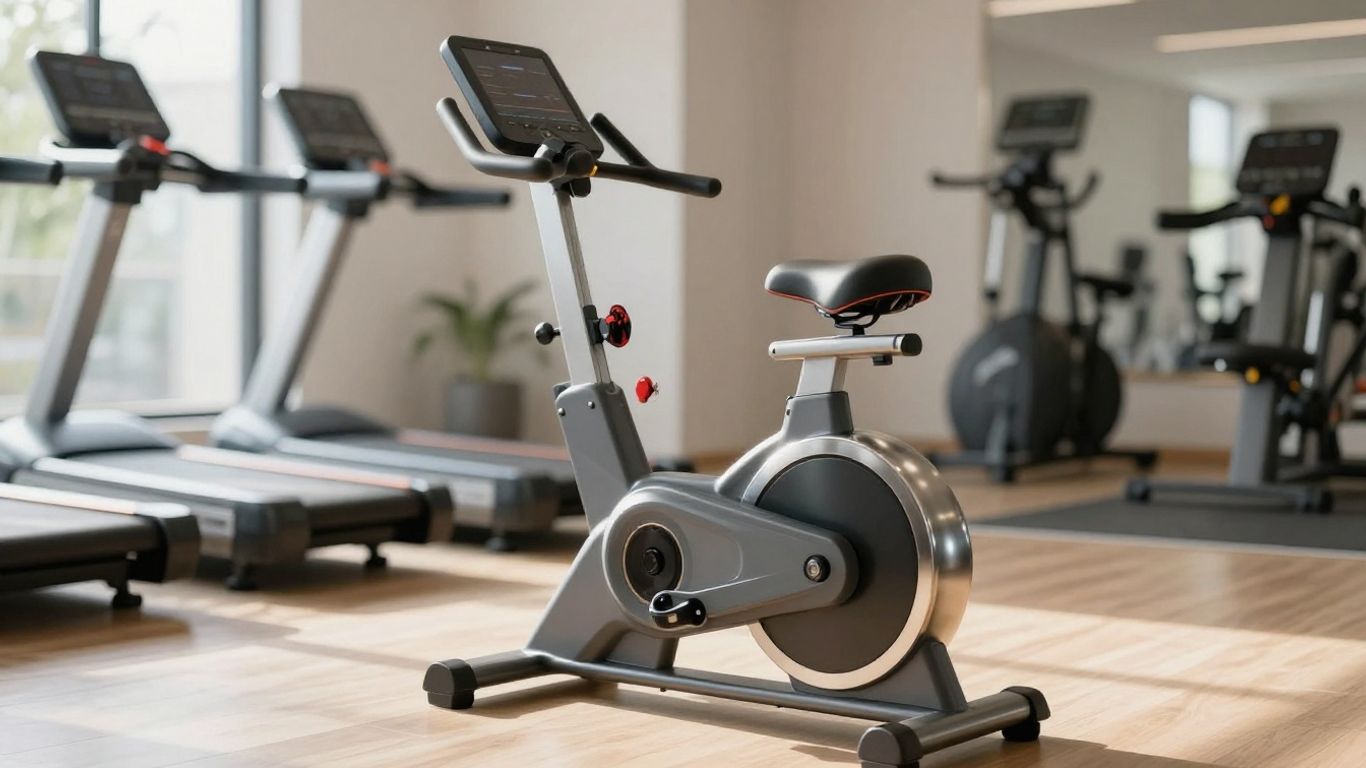
So, you've decided an upright exercise bike is the way to go for your home gym. That's great! But before you click 'buy,' let's chat about a few things that really matter. Picking the right bike isn't just about looks; it's about making sure it fits you and your life.
Aligning With Your Fitness Objectives
Think about what you actually want to achieve. Are you aiming to shed a few pounds, build up your stamina for outdoor rides, or just get a bit more active each day? An upright bike is pretty versatile, good for general cardio and some light strength work. But if you're training for a marathon, you might need something with more intense resistance options. Knowing your main goal will help you pick a bike that actually supports your efforts.
Assessing Available Home Gym Space
Measure twice, buy once, right? Upright bikes are generally more compact than some other types, which is a big plus for home use. But still, you need to make sure it fits comfortably in your chosen spot. Don't forget to leave enough room around it to get on and off safely, and maybe even to do some stretches afterward. A bike that's too big for the space can feel cramped and might end up being a pain to use.
Here's a rough idea of typical footprints:
| Bike Type | Typical Footprint (Length x Width) | Notes |
|---|---|---|
| Upright Bike | 40-50 inches x 20-25 inches | Generally compact and space-saving. |
| Recumbent Bike | 50-60 inches x 25-30 inches | Longer frame, needs more room. |
| Spin Bike | 45-55 inches x 20-25 inches | Similar to upright, but often heavier. |
Budgeting for Long-Term Value
Exercise bikes can range quite a bit in price. You can find a decent one for a few hundred dollars, or you can spend over a thousand for something with all the bells and whistles. Think about what you can comfortably afford now, but also consider how long you expect the bike to last. A slightly more expensive bike that's built better might save you money in the long run if it holds up better and you use it for years. It's often worth investing a bit more for better build quality.
Anticipating Usage and Comfort Needs
How often do you plan to use the bike? If it's just for a quick spin a couple of times a week, a simpler model might be fine. But if you're planning on daily, longer sessions, comfort becomes a much bigger deal. Look for features like an adjustable seat and handlebars. You'll want to be able to get into a position that feels natural and doesn't cause strain. A bike that's uncomfortable is one you're less likely to stick with.
When you're looking at bikes, try to imagine yourself using it. Does the seat look like it might get uncomfortable after 30 minutes? Are the adjustments easy to make, or will you need a tool every time you want to change something? These little things add up and can make a big difference in whether you actually enjoy your workouts or just tolerate them.
Features That Enhance Your Upright Exercise Bike Experience
So, you've decided an upright exercise bike is the way to go for your home gym. That's great! Now, let's talk about what makes one bike feel way better to use than another. It's not just about pedaling; it's about how smooth the ride is, how well it fits you, and if it can keep you interested. The right features can turn a chore into something you actually look forward to.
Resistance Systems for Smooth Workouts
This is probably the most important part of how the bike feels when you're riding it. Most upright bikes use either magnetic resistance or a friction-based system. Magnetic resistance is generally the winner here for home use. It's super quiet, which is a big plus if you're sharing your living space or have thin walls. Plus, it's really smooth and consistent, meaning you won't feel any jerky movements as you change the difficulty. You can usually adjust magnetic resistance electronically, often with just the push of a button.
Friction systems, while sometimes found on more basic models, use a pad that presses against a flywheel. These can be effective, but they tend to be noisier and the resistance might not feel as uniform. You'll also need to replace the friction pads eventually, which is an extra maintenance step.
Adjustability for Optimal Comfort
Nobody wants to feel cramped or awkward while working out. That's why adjustability is key. You'll want to be able to easily move the seat up, down, forward, and backward to get that perfect fit. Your legs should have a slight bend at the bottom of the pedal stroke – not too much, not too little. Handlebars should also be adjustable, allowing you to find a comfortable position that doesn't strain your back or wrists. Some bikes even offer adjustable recline for the seat, which can add another layer of comfort.
Here's a quick rundown of what to look for:
- Seat Height: Essential for proper leg extension.
- Seat Fore/Aft: Helps position you correctly over the pedals.
- Handlebar Height/Angle: Reduces strain on your back and arms.
- Pedal Straps: Keep your feet secure and allow for better power transfer.
Connectivity and Interactive Programs
This is where things get really interesting, especially if you like a bit of variety or motivation. Many modern upright bikes come with built-in screens or connect to your tablet or smartphone. This opens up a world of interactive programs and apps.
Think about:
- Pre-set Workouts: Many bikes come with a variety of programs designed for different goals, like hill climbs, interval training, or fat burning.
- App Integration: Connecting to apps like Zwift, Peloton (if compatible), or others can give you access to virtual rides, live classes, and performance tracking.
- Performance Metrics: Most bikes will display your speed, distance, time, calories burned, and heart rate. Some advanced models can even track your power output (watts).
Having a bike that can keep you engaged with fun workouts or challenging programs makes a huge difference. It's the difference between sticking with your fitness routine and letting the bike become a fancy coat rack. Look for features that match how you like to exercise – whether that's following a trainer, exploring virtual routes, or just tracking your progress.
These features can really make your workouts more dynamic and help you stay motivated over the long haul. It's worth spending a little extra time to find a bike that has the right mix for you.
Comparing Upright Bikes to Other Exercise Bike Types
So, you're looking at upright bikes, but maybe you're wondering how they stack up against other kinds of exercise bikes out there? It's a good question to ask, because not all bikes are created equal, and what works for one person might not be the best fit for another. Let's break down some of the main differences.
Comfort Level Differences
When it comes to comfort, upright bikes offer a pretty standard cycling feel. You sit up straight, similar to a road bike, with your feet below you. This is generally comfortable for most people, especially for shorter to medium-length workouts. However, if you're someone who experiences lower back pain or just prefers a more relaxed posture, you might find other options better.
- Recumbent Bikes: These are the kings of comfort. They have a big, supportive seat with a backrest, and the pedals are out in front of you. It feels more like sitting in a chair than riding a bike. Great if you plan on doing longer rides or have back issues.
- Upright Bikes: Moderate comfort. You get a traditional bike seat and upright posture. Good for general fitness, but maybe not for marathon sessions if you're sensitive.
- Indoor Cycling Bikes (Spin Bikes): These are built for performance, not plush comfort. The seats are usually small and firm, and the riding position is often more aggressive. They mimic a road bike setup, so if you're a serious cyclist, you might like this, but for casual users, it can be a bit much.
Intensity Potential and Workout Styles
Upright bikes are pretty versatile. You can get a good cardio workout, do some moderate interval training, and they're great for general fitness. They handle a decent range of resistance, so you can definitely get a challenging workout in.
- Indoor Cycling Bikes: These usually offer the highest potential for intense workouts. They're designed for high-intensity interval training (HIIT), sprints, and simulating challenging road climbs. If you want to push your limits, these are often the go-to.
- Upright Bikes: Good for moderate to challenging workouts. They offer a solid cardio burn and can be used for intervals, but might not reach the same peak intensity as a dedicated spin bike.
- Recumbent Bikes: Best for steady-state cardio. They're excellent for longer, consistent workouts where the focus is on endurance and burning calories without high impact or extreme intensity. They're less about explosive power and more about sustained effort.
Noise Levels and Storage Footprint
This is where upright bikes often shine for home gyms. They tend to be more compact than recumbent bikes and are usually quieter than older friction-based models.
- Upright Bikes: Generally have a moderate footprint. They don't take up a huge amount of space and are often easier to move around or tuck into a corner when not in use. Most modern upright bikes with magnetic resistance are also very quiet.
- Recumbent Bikes: These usually have a longer frame to accommodate the seat and backrest, so they require more floor space. They can be a bit more cumbersome to store.
- Indoor Cycling Bikes: These can vary, but performance-focused models are often heavier and have a larger footprint, similar to upright bikes but sometimes bulkier.
- Folding Bikes: If space is your absolute top priority, folding bikes are the clear winner. They fold up compactly, but often come with compromises in terms of stability and features.
Ultimately, the choice between an upright bike and other types comes down to what you prioritize most: comfort, intensity, space, or a combination of these. Upright bikes hit a sweet spot for many people, offering a good balance of features without demanding too much space or breaking the bank.
Here's a quick comparison table:
| Bike Type | Comfort Level | Intensity Potential | Storage Footprint | Best For |
|---|---|---|---|---|
| Upright Bike | Moderate | Moderate to High | Moderate | General cardio, moderate intervals, all-around |
| Recumbent Bike | High | Low to Moderate | Large | Long steady rides, back support, beginners |
| Indoor Cycling Bike | Low to Moderate | Very High | Moderate to Large | HIIT, performance training, serious cyclists |
| Folding Bike | Varies | Low to Moderate | Smallest | Limited space, casual workouts |
Choosing the Right Upright Exercise Bike for Your Needs
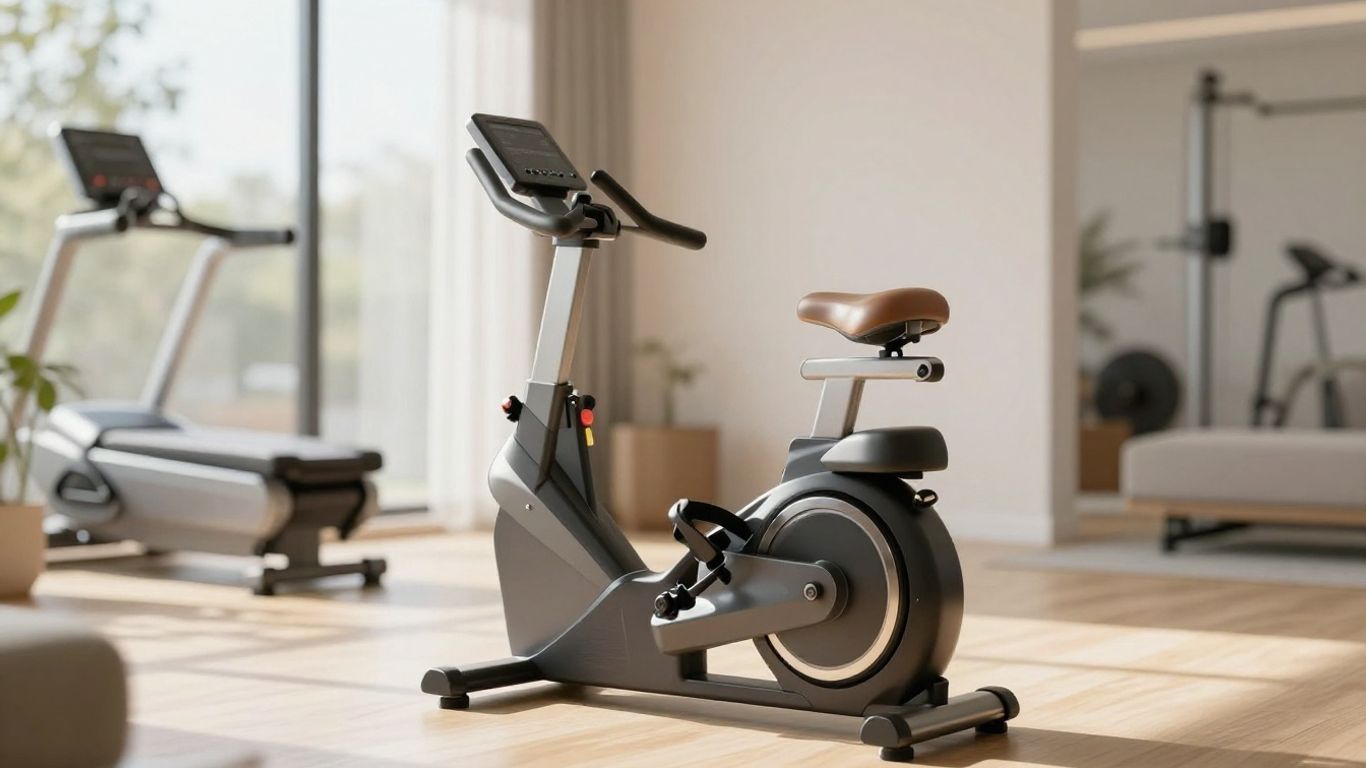
So, you've decided an upright exercise bike is the way to go for your home gym. That's great! Now comes the part where you actually pick one. It can feel a bit overwhelming with all the choices out there, but let's break it down. The best bike for you is the one you'll actually use consistently. Think about what really matters for your workouts and your space.
Prioritizing Durability and Build Quality
When you're looking at bikes, don't just glance at the shiny bits. You want something that's built to last, especially if you plan on using it a lot. Check out the frame – is it sturdy? Does it feel solid when you pedal, or does it wobble? Look for bikes made with good materials. A heavier bike often means it's more robust, but not always. Read reviews specifically mentioning how well the bike holds up over time. A bike that feels like it's going to fall apart after a few months isn't a good investment, no matter the price.
Balancing Price and Functionality
Okay, let's talk money. Exercise bikes can range from a few hundred dollars to well over a thousand. You need to figure out what you can afford and what features are worth paying extra for. A basic upright bike will give you a good cardio workout, but if you want things like more resistance levels, built-in programs, or a more comfortable seat, you'll likely spend more. Think about what you absolutely need versus what would be nice to have. Sometimes, spending a little more upfront on a bike with better features means you'll be happier with it in the long run.
Here's a rough idea of what you might find:
- Budget-Friendly (Under $500): Basic resistance, fewer features, simpler construction. Good for casual use.
- Mid-Range ($500 - $1000): More resistance options, better adjustability, some basic console features, improved build quality.
- Premium ($1000+): Advanced resistance systems, interactive displays, robust construction, often with app integration.
Selecting for Beginners and Casual Use
If you're just starting out or plan on using the bike a couple of times a week for general fitness, you don't need the most high-tech machine. Look for a bike that's easy to get on and off, with simple controls. Adjustability is key here – make sure you can easily move the seat and handlebars to fit your body. A bike with a smooth, quiet ride is also a big plus, so you can focus on your workout without distractions. Don't get caught up in all the fancy features if you're not going to use them. Simplicity can be a real advantage when you're just getting into a routine.
Finding the right upright exercise bike is all about matching the machine to your personal needs and habits. It's not about getting the most expensive or feature-packed model, but rather the one that fits comfortably into your life and helps you reach your fitness goals without any fuss.
Wrapping It Up: Finding Your Perfect Ride
So, you've looked at all the different types of exercise bikes out there. It's clear that picking the right one isn't a one-size-fits-all deal. What works for your neighbor might not be the best fit for you. Think about what you really want to do with the bike. Are you aiming for long, steady cardio sessions, or do you want to push yourself with high-intensity workouts? How much space do you actually have in your home gym? And, of course, what's your budget looking like? By matching the bike's features to your personal fitness goals, comfort needs, and the room you have, you're way more likely to stick with it. The bikes available in 2026 are pretty impressive, offering more comfort and smart features than ever. The most important thing is to find a bike that you'll actually use regularly. Don't get too caught up in having the fanciest model; the best bike is simply the one that gets you moving and keeps you motivated. Happy cycling!
Frequently Asked Questions
What exactly is an upright exercise bike?
An upright exercise bike is like a regular outdoor bike, but for your home. You sit up straight, with your feet below you and your hands on the handlebars in front. It's great for general fitness, losing weight, or just getting a good cardio workout without going outside.
Who is an upright exercise bike best for?
These bikes are perfect for folks who want a solid cardio session, are trying to manage their weight, or even outdoor cyclists who want to train indoors. They're also good for beginners who want a straightforward way to get fit at home.
How do I know if I have enough space for an upright bike?
Upright bikes usually don't take up too much room, making them a good fit for many homes. Before you buy, it's smart to measure the spot where you plan to put it, making sure there's enough space around it to get on and off safely.
What kind of workouts can I do on an upright bike?
You can do a lot! Upright bikes are great for steady cardio, burning calories, and even some interval training where you mix faster and slower pedaling. They also help strengthen your leg muscles and engage your core for better balance.
Are upright bikes comfortable?
They offer a comfortable ride that feels similar to a regular bike. Most upright bikes let you adjust the seat and handlebars to fit you just right. If you need extra back support, a recumbent bike might be a better choice, but upright bikes are comfy for most people.
How much do upright exercise bikes usually cost?
The price can change a lot depending on the brand and the features. You can find simpler, more affordable models that are great for basic workouts, or you can go for more advanced ones with fancy screens and lots of programs. It's best to figure out your budget and what features you really need.


0 comments