










Thinking about getting some new fitness equipment? It can be a bit much to figure out what’s actually worth your money and space, right? Whether you’re setting up a home gym or just trying to find the right tools for your goals, this guide is here to help. We’ll break down the different kinds of fitness equipment out there, from machines that get your heart pumping to things that help you build strength. We’ll also talk about how to pick stuff that fits your budget and your living space, and what to look for to make sure it lasts. Let’s get you set up with the best fitness equipment for your needs.
Key Takeaways
- There are three main types of fitness equipment: cardio machines for heart health, strength training tools for muscle building, and recovery accessories for flexibility and repair.
- When choosing fitness equipment, consider your specific goals, like weight loss or building muscle, and your current fitness level, especially if you're a beginner.
- For home gyms, prioritize space-saving solutions like adjustable dumbbells and foldable equipment, balancing cost with durability and versatility.
- Free weights offer great versatility for strength training, while machines provide guided movements for safety and precision, and functional rigs allow for natural motion patterns.
- Proper maintenance, understanding warranties, and integrating smart technology can help you get the most out of your fitness equipment and ensure it lasts.
Understanding Your Fitness Equipment Options
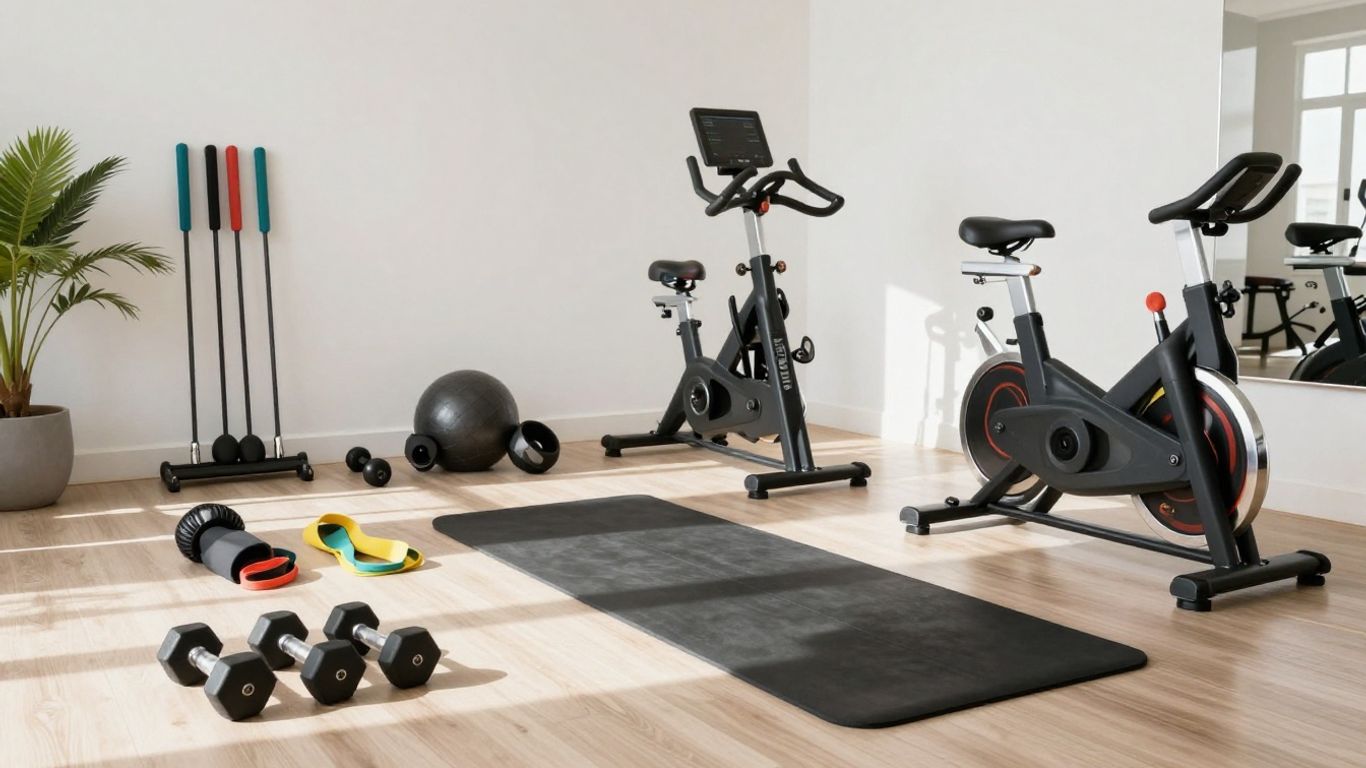
Walking into a fitness store or browsing online can be a bit much, right? There are so many machines and gadgets, all claiming to be the next big thing for your workout. Let's break down the main categories so you know what's what.
Cardiovascular Conditioning Machines
These are your go-to for getting your heart rate up and burning calories. Think treadmills, ellipticals, stationary bikes, and rowing machines. They're designed for continuous movement to build stamina and improve your heart health. The key here is sustained effort to boost your aerobic capacity.
- Treadmills: Great for walking, jogging, or running, often with incline options to make it harder.
- Ellipticals: Offer a low-impact workout, which is easier on your joints while still giving you a good cardio burn.
- Stationary Bikes: Come in various forms (upright, recumbent, spin) and let you control resistance for a challenging ride.
- Rowing Machines: Provide a full-body workout, engaging your legs, core, and upper body.
Choosing a cardio machine often comes down to personal preference and what feels comfortable for your body. Some people love the feeling of running, while others prefer the smooth motion of an elliptical.
Strength Training Tools
This category is all about building muscle and getting stronger. It includes everything from dumbbells and barbells to resistance bands and weight machines. The goal is to challenge your muscles with resistance, which helps them grow and become more powerful.
- Free Weights: Dumbbells, barbells, and kettlebells give you a lot of freedom in movement and require more stabilization from your body.
- Weight Machines: These guide your movement, often focusing on one muscle group at a time, which can be good for beginners or for isolating specific muscles.
- Resistance Bands: Lightweight and portable, these offer a versatile way to add resistance to almost any exercise.
Specialized Recovery Accessories
Once you've put in the work, recovery is just as important. These items help your muscles repair and reduce soreness, so you can get back to training sooner and stronger. They're not about the workout itself, but about supporting your body afterward.
- Foam Rollers: Used to massage muscles and release tension, helping with flexibility and reducing stiffness.
- Massage Guns: These percussive devices can help speed up recovery by increasing blood flow to sore muscles.
- Stretching Aids: Things like yoga mats or stretching straps can help you improve your flexibility and range of motion.
Selecting Fitness Equipment for Your Goals
Alright, so you've got your eye on getting some fitness gear, which is awesome. But with so many options out there, how do you actually pick what's going to work for you? It really comes down to what you're trying to achieve with your workouts. Are you looking to shed a few pounds, build some serious muscle, or just get your heart pumping a bit more? Knowing your main objective is the first step.
Choosing Cardio Equipment for Weight Loss
If dropping weight is your primary goal, you'll want to focus on cardio machines that burn a good number of calories. Think about equipment that allows for a sustained, moderate-to-high intensity workout. The key here is consistency and duration. You want something you can use for a decent chunk of time without feeling completely wiped out after five minutes.
- Treadmills: Great for walking, jogging, or running. You can control the speed and incline to really ramp up the calorie burn. Many come with pre-programmed workouts too.
- Ellipticals: These are a bit easier on the joints than treadmills, which is a plus if you have any knee or ankle issues. They still provide a solid full-body workout and can burn a lot of calories.
- Stationary Bikes: Whether it's an upright, recumbent, or spin bike, they offer a fantastic way to get your heart rate up. Spin bikes, in particular, can be used for high-intensity interval training (HIIT), which is super effective for fat loss.
- Rowing Machines: These are total body powerhouses. They work your legs, core, and upper body all at once, leading to a massive calorie expenditure.
When aiming for weight loss, the best cardio machine is the one you'll actually use regularly. Don't get caught up in the fanciest tech if it means you'll dread your workout. Simplicity and enjoyment often lead to better long-term results.
Best Fitness Equipment for Beginners
Starting out can feel a little overwhelming, right? For beginners, the focus should be on safety, ease of use, and building a solid foundation. You don't need anything too complicated or intense right away. The goal is to get comfortable with movement and build some basic strength and endurance.
- Adjustable Dumbbells: Instead of buying a whole rack of weights, a pair of adjustable dumbbells lets you change the weight as you get stronger. This is super space-efficient and cost-effective.
- Resistance Bands: These are incredibly versatile and portable. You can use them for a wide range of strength exercises, and they're very forgiving on your joints.
- Kettlebells: A good starting point is a lighter kettlebell (maybe 10-20 lbs). They're great for dynamic movements and building functional strength.
- Yoga Mat: Even if you're not doing yoga, a mat is useful for floor exercises like crunches, planks, and stretching.
Tailoring Equipment to Specific Training Needs
Beyond general fitness or weight loss, you might have more specific goals. Maybe you're training for a marathon, want to increase your deadlift max, or improve your flexibility. Your equipment choices should reflect that.
- For Endurance Athletes: Focus on high-quality cardio machines like a good treadmill, a spin bike for interval training, or even a rowing machine. Consider a heart rate monitor to track your training zones.
- For Strength Builders: Free weights (dumbbells, barbells, weight plates) are king. A sturdy weight bench is also a good investment. If you have the space and budget, a power rack or squat stand offers safety and versatility for heavy lifting.
- For Flexibility and Mobility: Think about yoga blocks, foam rollers, and massage balls. These tools help with muscle recovery, reducing soreness, and improving your range of motion, which is important for everyone, but especially athletes.
Ultimately, the best equipment is the gear that fits your life, your space, and most importantly, your personal fitness journey. Don't be afraid to start simple and build up as you go.
Key Considerations for Home Gym Fitness Equipment
Setting up a home gym is exciting, but it's easy to get carried away. Before you start buying everything you see, let's talk about a few things to keep in mind. It's not just about filling a room with gear; it's about making smart choices that work for you.
Maximizing Space with Compact Solutions
When you're working with a home gym, space is often the biggest puzzle. You don't want your workout area to feel cramped or cluttered. Think about equipment that can do double duty or fold away when you're not using it. For example, adjustable dumbbells take up way less room than a full rack of individual weights. A foldable treadmill or an exercise bike that can be stored upright can also be a lifesaver. Measure your space carefully before you buy anything. Seriously, measure twice, buy once. You'd be surprised how many people end up with a piece of equipment that just doesn't fit.
Balancing Budget and Effectiveness
Let's be real, fitness equipment can get pricey. You need to figure out what you can realistically spend. It's tempting to go for the cheapest option, but sometimes that means sacrificing quality and durability. On the flip side, you don't always need the most expensive, top-of-the-line gear to get a good workout. Look for equipment that offers a good balance between cost and what it can do for you. Reading reviews and comparing prices from different brands can help you find a sweet spot. Sometimes, buying slightly used equipment from a reputable seller can also be a smart way to save money without compromising too much on quality.
Prioritizing Durability and Versatility
When you're investing in home gym equipment, you want it to last. Look for sturdy construction and materials that can handle regular use. A wobbly machine or a weight that feels flimsy isn't just annoying; it can be unsafe. Also, think about how versatile the equipment is. Can it be used for different types of exercises? For instance, a good quality resistance band set can be used for a wide range of strength training exercises, targeting different muscle groups. This means you get more bang for your buck and can adapt your workouts as you get fitter or your goals change. Choosing equipment that can grow with you is a smart long-term strategy.
Building a home gym is a marathon, not a sprint. It's better to start with a few key pieces that you'll actually use and that are built to last, rather than filling your space with gadgets that will end up collecting dust. Think about what you'll use most often and what aligns with your current fitness level and future aspirations.
Exploring Different Types of Strength Training Fitness Equipment
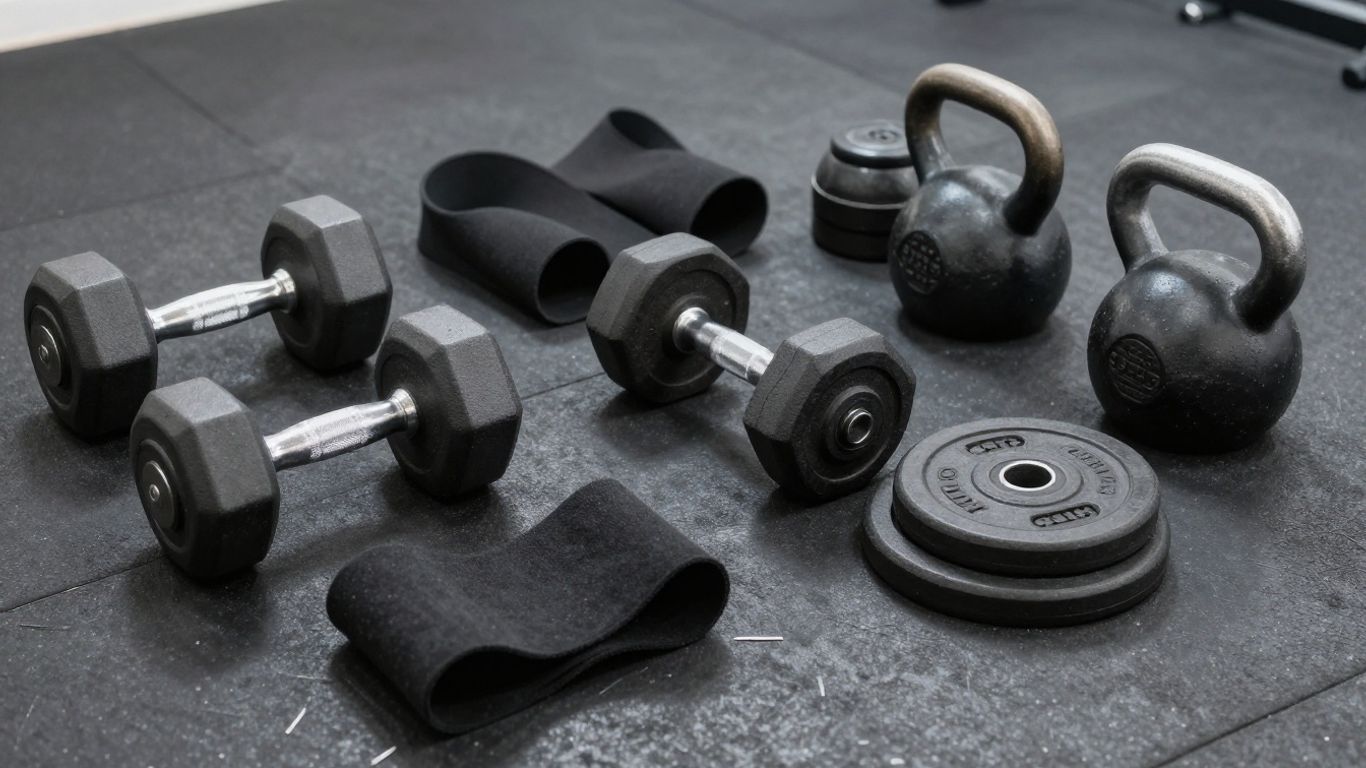
Alright, let's talk about building some serious muscle. When you're looking to get stronger, the equipment you choose makes a big difference. It's not just about lifting heavy things; it's about picking the right tools for the job.
The Versatility of Free Weights
Free weights are the old-school heroes of strength training, and for good reason. Think dumbbells, barbells, and kettlebells. They force your body to work harder because you're not just moving the weight; you're stabilizing it too. This means more muscles get involved, especially those smaller stabilizer muscles that often get overlooked. Using free weights helps you develop a more natural, functional kind of strength. You can do a huge variety of exercises with just a few pairs of dumbbells or a barbell. For example, you can hit squats, deadlifts, presses, rows, and curls, all with the same basic equipment. Kettlebells are fantastic for dynamic movements that get your heart rate up while building power and endurance.
Here's a quick look at some common free weights:
- Dumbbells: Great for isolation exercises and for balancing strength between sides of your body.
- Barbells: Ideal for heavier compound lifts like squats, bench presses, and deadlifts.
- Kettlebells: Perfect for swings, cleans, and snatches, offering a mix of strength and cardio.
Precision and Safety of Strength Machines
Strength machines, on the other hand, offer a more guided experience. They're designed to isolate specific muscle groups, which can be super helpful when you're learning proper form or want to really focus on a particular area. Machines like leg presses, chest press machines, and lat pulldown machines take a lot of the guesswork out of the movement. They often have safety features built-in, making them a good choice for beginners or when you're pushing your limits alone. You can find a wide range of these machines, each targeting different parts of your body. They're great for progressive overload because you can usually adjust the weight in small increments. If you're looking to build a solid foundation, machines are definitely worth considering. You can find some really solid options for a home gym.
Functional Training Rigs and Hybrid Models
Now, things get really interesting with functional training rigs and hybrid models. These are the modern marvels of the gym. Functional training rigs often combine elements like cable machines, suspension trainers, and plyometric boxes into one unit. The idea here is to mimic real-life movements – lifting, pushing, pulling, squatting – in a way that builds practical strength. Think of a cable crossover machine; it allows for a huge range of motion and can be used for countless exercises. Hybrid models are even more adaptable, sometimes blending cardio and strength elements or offering modular setups that can be reconfigured. These are fantastic for variety and for keeping your workouts fresh and challenging. They really let you get creative with your training.
When choosing strength equipment, think about your current fitness level, your specific goals, and the space you have available. A mix of free weights and machines often provides the most well-rounded approach to building strength and improving overall fitness.
Maximizing Your Investment in Fitness Equipment
So, you've picked out some great gear for your home gym. Awesome! But buying the equipment is just the first step, right? To really get your money's worth and keep your fitness journey on track, you've got to think about how to make it last and how to use it smartly. It’s not just about the initial purchase; it’s about the long game.
Essential Maintenance for Longevity
Think of your fitness equipment like a car. If you don't change the oil or rotate the tires, it's not going to run well for long. The same goes for your treadmill, dumbbells, or that fancy cable machine. Regular upkeep prevents small issues from becoming big, expensive problems. For treadmills, this means keeping the belt clean and lubricated, and checking the bolts periodically. For free weights, a quick wipe-down after use can prevent rust and keep them looking good. Resistance bands might need checking for nicks or tears before each use. It’s not rocket science, just a bit of attention.
Here’s a quick rundown of what to do:
- Clean it: Wipe down machines after sweaty workouts. Use appropriate cleaners for different materials – wood, metal, plastic.
- Inspect it: Look for loose bolts, frayed cables, or worn parts. Catching these early saves headaches.
- Lubricate: Some machines, like treadmills, need regular lubrication to keep moving smoothly.
- Store it right: If you have equipment you don't use daily, store it properly to protect it from dust and damage.
Taking a few minutes each week for basic maintenance can literally double or triple the lifespan of your equipment. It’s a small effort for a big return on your investment.
Understanding Warranties and Service
When you buy something, especially something that costs a bit, you want to know what happens if it breaks. Warranties are your safety net. Always read the warranty details before you buy. What does it cover? How long does it last? Is it a full replacement, or just parts? Some brands, like Bells of Steel, are known for offering solid warranties on their durable equipment, which is a good sign.
It's also worth looking into the manufacturer's reputation for customer service. Can you easily get replacement parts? Is their support team helpful? A great warranty is only as good as the company standing behind it. Don't be afraid to ask sales reps about service plans or extended warranties if they're available and make sense for your budget.
Integrating Smart Technology into Your Routine
Technology is changing how we work out, and there's a lot of cool stuff out there now. Smart scales can track your weight and body composition, fitness trackers monitor your heart rate and steps, and even some older machines can be updated with sensors. Think about how you can use this data. It helps you see progress, stay motivated, and adjust your workouts. Maybe you want to connect your treadmill to an app for virtual runs or use a heart rate monitor to stay in the right zone for fat burning. It’s about making your workouts more effective and, let's be honest, a bit more fun too. This kind of integration can really help you stay on track with your weight loss goals.
Innovative Trends in Fitness Equipment
Sustainable Materials and Energy Harvesting
The fitness world is starting to think green, and that's a good thing. You're seeing more equipment made with recycled metals like steel and aluminum, which cuts down on the energy needed to make new stuff. Even the plastics and rubber parts are getting an eco-friendly makeover, using things like bio-based plastics and natural rubber instead of the usual petroleum-based ones. Some really cool treadmills and bikes are even designed to capture the energy you create while working out and turn it into electricity. It's a small step, but it helps power the gym or your home setup, reducing the overall energy footprint. Plus, let's be honest, buying gear that's better for the planet just feels right.
The Rise of Functional and Hybrid Gyms
Forget those old-school machines that only work one muscle group. The new wave is all about functional training rigs. Think of these as versatile stations that let you move your body the way it's meant to move – pushing, pulling, squatting, lifting. They often combine things like cable systems, suspension trainers, and even bodyweight exercises into one setup. This makes your workouts more dynamic and prepares you better for everyday activities. Hybrid gyms are also popping up, especially for home use. These are smart, often compact setups that can be used for personal training sessions, small group classes, or just your own routine. It's about making fitness adaptable to different needs and spaces.
Emerging Smart Fitness Systems
This is where things get really interesting. Smart fitness equipment is becoming way more common. We're talking about machines with built-in sensors that track your every move, heart rate monitors that sync automatically, and even cameras that can give you feedback on your form. Some systems use AI to create personalized workout plans that change as you get fitter. You might even see virtual coaches guiding you through exercises or apps that connect all your workout data, sleep patterns, and nutrition to give you a bigger picture of your health. The goal is to make your workouts more effective, safer, and way more engaging by using data.
The fitness equipment industry is definitely evolving. It's not just about making machines anymore; it's about creating integrated systems that support a healthier lifestyle. From using eco-friendly materials to incorporating smart technology that guides and motivates you, the focus is shifting towards a more personalized, sustainable, and effective fitness experience for everyone.
Your Fitness Journey Starts Now
So, picking out the right gear might seem like a lot at first, but it doesn't have to be complicated. Think about what you want to achieve with your workouts, how much space you actually have, and what fits your budget. Whether you're aiming to run a marathon, lift heavier, or just feel better day-to-day, there's equipment out there that can help. Don't forget to take care of your stuff too – a little maintenance goes a long way. By making smart choices now, you're setting yourself up for a more consistent and rewarding fitness routine for years to come. Happy training!
Frequently Asked Questions
What's the best equipment for someone just starting out with exercise?
If you're new to working out, it's smart to start with things that are easy to use and don't put too much strain on your body. Think about adjustable dumbbells, which let you change the weight as you get stronger, or resistance bands, which are good for gentle workouts that help build strength and flexibility. A basic weight bench can also be really helpful for doing exercises safely.
How can I choose gym gear if I don't have a lot of space at home?
Don't worry if you have a small living space! There are plenty of compact options. Look for things like adjustable dumbbells that can be changed to different weights, or foldable treadmills that can be put away when not in use. Many pieces of equipment are designed to be space-savers, so you can still get a great workout without taking over your whole room.
What kind of equipment is best for losing weight?
To shed pounds, cardio machines that get your heart pumping are usually the best bet. Treadmills and rowing machines are great for burning a lot of calories quickly. Bikes designed for high-intensity interval training (HIIT) and stair climbers are also excellent choices because they work your whole body and help you burn calories fast.
How much should I spend on fitness equipment?
You don't always need to spend a fortune. Try to find equipment that can do more than one thing, like adjustable dumbbells instead of a whole set of different weights. Simple folding benches and jump ropes are also good, affordable ways to get a solid workout. The key is to pick items that offer good value and can be used for many different exercises.
What are the main differences between cardio machines and strength training tools?
Cardio machines, like treadmills or exercise bikes, are mainly for getting your heart rate up and burning calories to improve your stamina. Strength training tools, such as dumbbells, barbells, or weight machines, are used to build muscle and make your body stronger by working against resistance.
Why is it important to take care of my fitness equipment?
Taking care of your equipment is super important because it helps it last much longer. Regularly cleaning machines after you use them, checking for any loose parts or wear and tear, and making sure moving pieces are well-oiled will keep everything working smoothly and safely for years to come. It's like giving your gear a little TLC!


0 comments