











So, you've heard about the plank plank exercise and maybe you're thinking, 'How hard can it be?' Well, it looks simple, but getting it right takes a bit of know-how. This exercise is a real game-changer for your core, but if you're not careful, you might end up doing it wrong and not getting the full benefits. We're going to break down the plank plank exercise, from the basic form to how to avoid common mistakes, so you can build that strong middle you're after. Let's get started.
Key Takeaways
- The plank plank exercise is a fantastic way to build core strength, working muscles like your abs, obliques, and lower back.
- Proper form is super important to get the most out of the plank plank exercise and avoid hurting yourself.
- If a full plank feels too tough, try modifications like the knee plank or incline plank to start.
- As you get stronger, you can move on to more challenging plank variations like the high plank or side plank.
- Consistency is key; aim for regular practice, focusing on good form over how long you can hold it.
Understanding the Plank Plank Exercise
Alright, let's talk about the plank. It might look super simple, just holding yourself up, right? But don't let its stillness fool you. The plank is a real powerhouse when it comes to building up your core strength. It's one of those exercises that works a whole bunch of muscles all at once, and that's why it's so good for you, especially if you're just starting out on your fitness journey.
The Power of the Plank for Core Strength
Think of your core as the central hub for pretty much everything your body does. When you have a strong core, you're not just talking about a flat stomach (though that's a nice bonus!). A solid core helps you move better, stand taller, and even prevents those annoying aches and pains, particularly in your lower back. The plank is fantastic because it's an isometric exercise, meaning you're holding a position and engaging muscles without actually moving. This type of training is brilliant for building endurance and stability right where you need it most.
What Muscles Does the Plank Plank Exercise Target?
The plank isn't just about your abs, though they definitely get a workout. It's a full-body engagement. Here's a quick rundown:
- Rectus Abdominis: These are your 'six-pack' muscles, responsible for flexing your spine.
- Transverse Abdominis: This is your deepest abdominal muscle, acting like a natural corset to support your spine and pelvis.
- Obliques: Located on your sides, these muscles help you twist and turn.
- Erector Spinae: These muscles run along your spine and help you stand up straight.
- Glutes: Your butt muscles help stabilize your pelvis.
- Shoulders and Arms: They work hard to keep your upper body lifted.
- Legs: Your quads and hamstrings also engage to keep your body in a straight line.
The plank is a true test of your body's ability to work as a unit. It teaches your muscles to work together to keep you stable and upright, which translates directly into better performance in everyday life and sports.
Benefits Beyond a Stronger Core
While building a rock-solid core is the main event, the plank offers more. It can really help improve your posture, making you look and feel more confident. Because it strengthens the muscles that support your spine, it can also be a great tool for reducing back pain. Plus, it's an exercise you can do anywhere, anytime, with zero equipment. How often do you find an exercise that's that accessible and effective?
| Muscle Group | Primary Engagement | Secondary Engagement |
|---|---|---|
| Abdominals | High | High |
| Lower Back | High | High |
| Shoulders & Arms | Medium | Medium |
| Glutes | Medium | Medium |
| Legs (Quads/Hams) | Low | Low |
Mastering the Forearm Plank Form
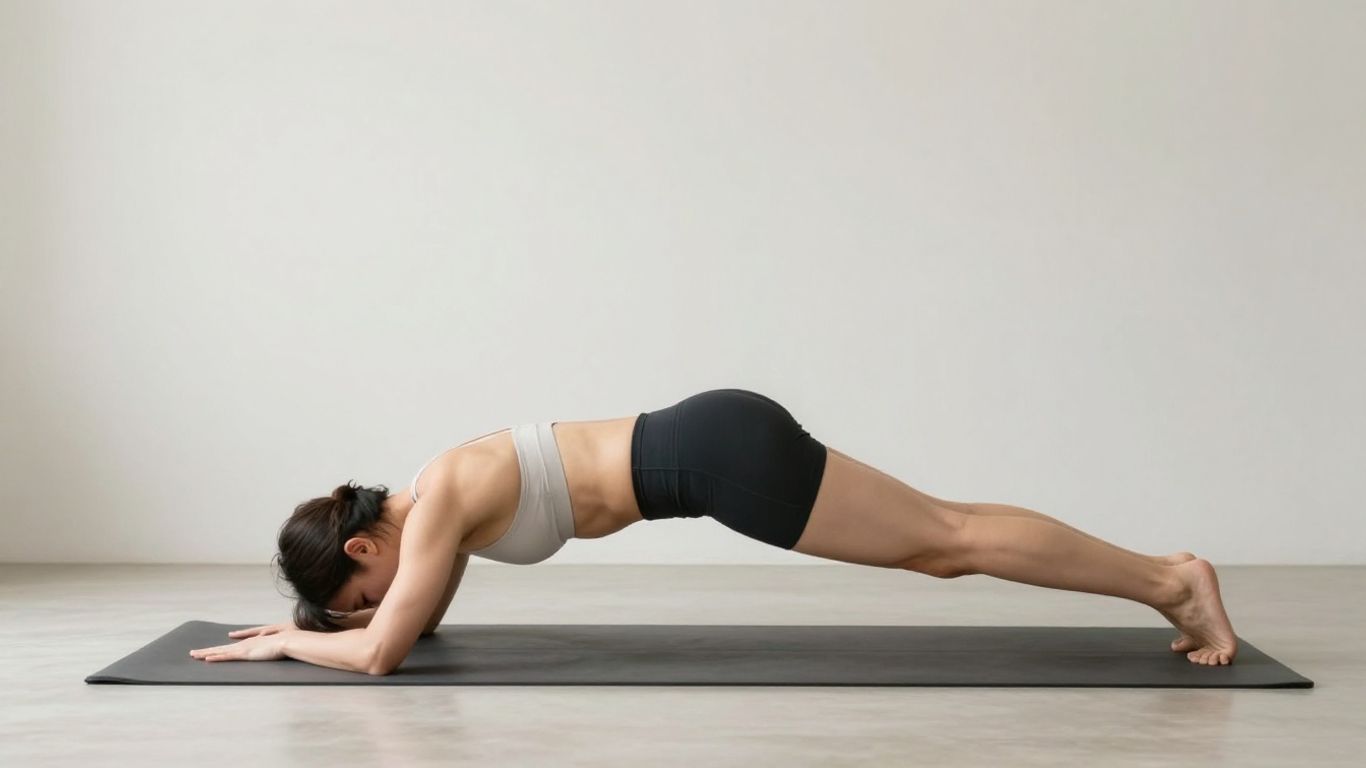
Alright, let's get down to business with the forearm plank. This is where the magic really happens for building that solid core. It might look simple, but getting the form just right makes all the difference. We're not just holding a position here; we're actively working muscles to keep everything stable and strong.
Setting Up Your Foundation
First things first, find a clear spot on the floor. You'll want to lie down on your stomach. Now, bring your elbows directly underneath your shoulders. Think of it like stacking blocks – your elbows should be right under your shoulder joints. Your forearms will be on the floor, parallel to each other, or you can clasp your hands together if that feels more comfortable. The key here is that your elbows are the base of support, not too far forward or back. This setup is the starting point for proper plank form.
Achieving Proper Body Alignment
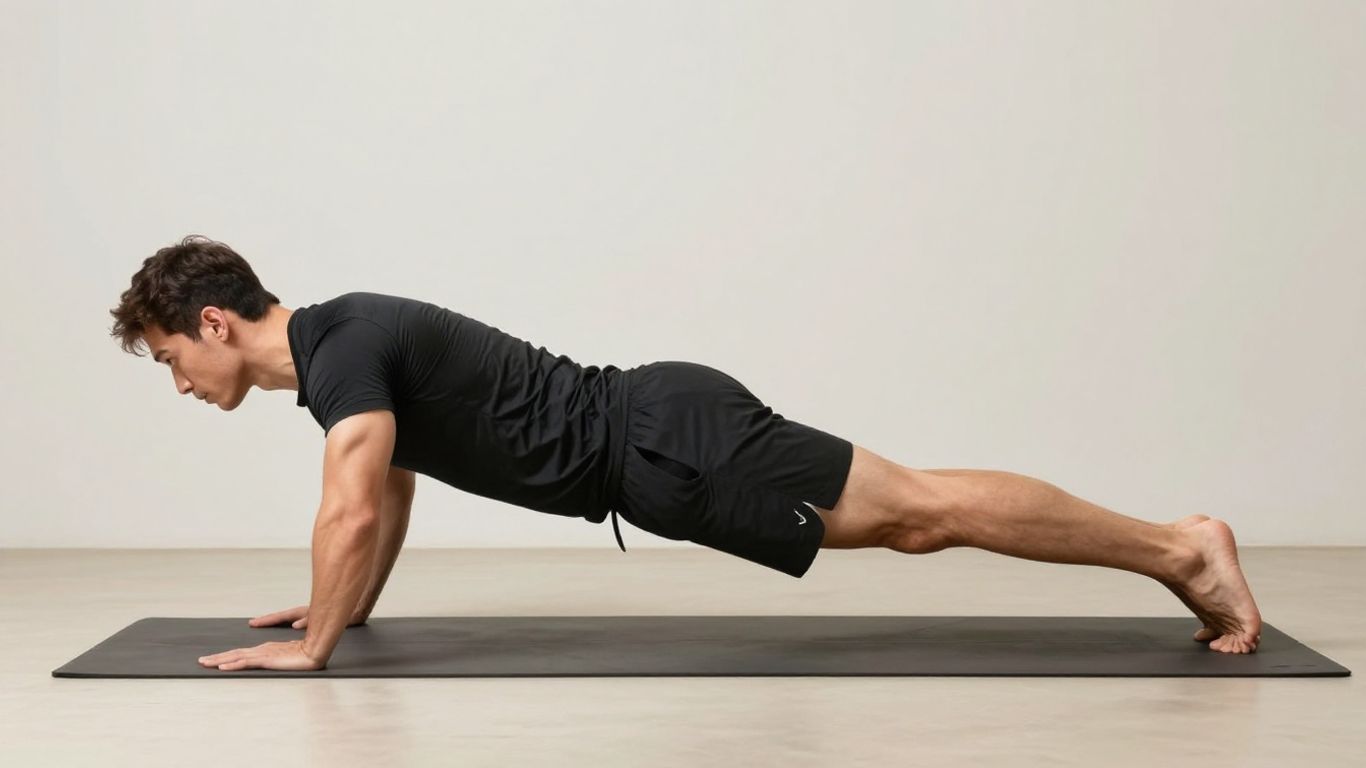
Once you're set up, it's time to lift. Push your body up so you're balancing on your forearms and toes. Now, this is important: imagine your body is a perfectly straight line. From the top of your head all the way down to your heels, there should be no dips or bumps. Your hips shouldn't be sagging towards the floor, and they shouldn't be sticking up in the air like a tent. Keep your neck in a neutral position, looking down at the floor slightly ahead of your hands. It's like you're a rigid board.
Here's a quick checklist for alignment:
- Elbows directly under shoulders.
- Body forms a straight line from head to heels.
- Neck is neutral, gaze is down.
- Feet are hip-width apart or closer.
Engaging Your Core Effectively
This is where you really feel the plank working. To keep that straight line and prevent your hips from dropping, you need to actively engage your core muscles. Think about pulling your belly button in towards your spine. Don't just hold your breath; actively brace your abdominal muscles like you're about to be lightly punched in the stomach. Also, squeeze your glutes – those butt muscles. This helps stabilize your pelvis and keeps your lower back from arching. It's this active engagement that builds strength, not just passively holding the position.
The goal isn't to hold the plank for as long as possible with bad form. It's about holding it for a shorter duration with perfect alignment and active muscle engagement. Quality over quantity, always.
Remember, consistency is more important than duration when you're starting out. Focus on these setup and alignment points, and you'll be well on your way to building a stronger core.
Common Pitfalls to Avoid
No matter how long you’ve been trying planks, some mistakes can sneak in and seriously mess with your form. Catching these early means you’ll get all the core-building benefits (and save yourself from a sore back later). Let’s break down the usual mistakes people run into:
Preventing Hip Sagging
- When your hips start to drop, your lower back takes on too much pressure.
- Focus on squeezing your glutes and pulling your bellybutton in, so your back forms a straight line from head to heels.
- **If you catch your hips sagging, reset yourself rather than pushing through with poor form."
Avoiding Elevated Hips
- Lifting your butt too high makes the plank easier but robs your core of the workout.
- Imagine making your body a perfectly straight board—no teepee shapes.
- Check your reflection or ask someone to spot you, especially at the start.
The Importance of Steady Breathing
- Newbies (and even experienced folks) often forget to breathe during planks.
- Holding your breath increases tension and can shorten your hold time.
- Inhale through the nose, exhale through the mouth, keeping a steady pace.
Take your time learning what right feels like. If you’re uncertain about your form, film yourself or use a mirror. Small fixes make a huge difference in how effective—and safe—the plank becomes.
Quick Table: Plank Alignment Dos and Don’ts
| Mistake | What Happens | Quick Fix |
|---|---|---|
| Hip sagging | Back strain | Engage glutes/core |
| Hips too high | Less core engagement | Lower to straight line |
| Holding breath | Fatigue, dizziness | Breathe slow and steady |
| Looking up/down | Neck strain | Gaze slightly ahead |
Even seasoned planking fans have to watch out for these slip-ups. Keep form in check—it’s way better than bragging about a long hold with bad technique.
Modifications for a Gentle Start
Feeling like a full plank is a bit much right now? Totally understandable. The good news is, you don't have to jump straight into the deep end. There are some really solid ways to ease into it and still get a great core workout. It’s all about building up that strength gradually so you don't get discouraged.
The Knee Plank Variation
This is probably the most common and effective way to start. Instead of keeping your legs straight and toes on the ground, you'll rest your knees on the floor. This cuts down on the amount of body weight you have to hold up, making it way more manageable. You still get a good workout for your abs and back, just with less intensity.
Here's how to do it:
- Start on your hands and knees, like you're about to crawl.
- Lower your forearms to the floor, making sure your elbows are directly under your shoulders. Your forearms should be parallel to each other.
- Keep your back straight and your core tight. Imagine pulling your belly button towards your spine.
- Hold this position, focusing on keeping your hips from dropping too low or rising too high. Breathe normally.
Utilizing Incline Planks
Another fantastic option is to use an elevated surface. Think of a sturdy counter, a bench, or even a wall. By placing your forearms or hands on something higher than the floor, you reduce the angle of your body, which lessens the load on your core. It’s like doing a plank but leaning against something.
- Wall Plank: Stand facing a wall, about arm's length away. Place your forearms on the wall, elbows under shoulders. Step your feet back until your body forms a straight line from head to heels. This is the easiest version.
- Countertop/Bench Plank: Get into a plank position with your forearms or hands on the edge of a counter or bench. Step your feet back until your body is straight. This is a bit more challenging than the wall plank.
Starting with Shorter Holds
Don't feel pressured to hold a plank for a minute right off the bat. Seriously, nobody expects that when they're just starting out. It's way better to do a few shorter holds with good form than one long hold with sloppy form. Aim for quality over quantity.
- Start with holds of just 10-15 seconds.
- Focus on keeping your body in that perfect straight line and your core engaged the entire time.
- Rest for about 30 seconds, then repeat for 3-5 sets.
As you get stronger, you can slowly increase the duration of each hold, maybe by 5 seconds each week, or add more sets. It’s a gradual process, and that’s perfectly fine.
Progressing to More Challenging Variations
Once you've got the basic forearm plank down and feel comfortable holding it with good form, it's time to spice things up a bit. Sticking with the same old thing can get boring, and your body also needs new challenges to keep getting stronger. Luckily, there are tons of ways to make the plank more intense. These variations will push your muscles in new ways and really build that core stability.
Introducing the High Plank
The high plank, also known as the straight-arm plank, is basically the top position of a push-up. Instead of resting on your forearms, you'll be supporting your weight on your hands, with your arms extended straight. Make sure your wrists are directly under your shoulders. This variation puts a bit more emphasis on your shoulders and arms while still firing up your entire core. It's a great way to transition from the forearm plank and prepare for more dynamic movements. The key here is to keep your body in a rigid line from head to heels, just like in the forearm plank.
Exploring the Side Plank
Ready to work those obliques, the muscles on the sides of your torso? The side plank is your new best friend. You'll lie on your side, stack your feet, and prop yourself up on one forearm, with your elbow directly under your shoulder. Then, lift your hips off the ground so your body forms a straight line. It feels different, and it really targets those often-neglected side core muscles. You can start with your knees bent if a full side plank is too much. Holding a side plank can be tougher than it looks, so don't be surprised if you feel the burn quickly.
Adding Leg and Arm Raises
Want to really test your stability? Try adding limb raises to your plank. From a standard forearm or high plank, try lifting one leg a few inches off the ground. Keep your core super tight so your hips don't dip or twist. Hold for a second, then lower and switch legs. You can do the same thing with your arms – lift one arm straight out in front of you. These movements challenge your balance and force your core to work overtime to keep you steady. It's a fantastic way to build functional strength and improve your overall stability.
When you start adding these variations, remember that form is still king. It's better to do a few reps with perfect technique than many with sloppy form. Focus on controlled movements and really feel those muscles working.
Tips for Consistent Plank Progress
Alright, so you've gotten the hang of the basic plank, maybe even tried a few variations. That's awesome! But how do you keep getting better and make sure you're actually building that core strength you're after? It's not just about holding the position longer, though that's part of it. There are a few key things to keep in mind to make sure your plank practice is really paying off.
Prioritizing Form Over Duration
This is a big one, seriously. It's super tempting to see how long you can hold a plank, right? You might even start to cheat a little to keep going, letting your hips sag or your shoulders creep up towards your ears. Bad form doesn't build a strong core; it can actually lead to injuries. Instead of focusing on the clock, really pay attention to how your body feels. Are your abs tight? Is your back straight? If you feel yourself starting to break form, it's time to come down. It's way better to do 20 seconds of perfect plank than 60 seconds of a sloppy one. You can always gradually increase the duration of your timed sets as you get stronger.
Listening to Your Body's Signals
Your body is pretty good at telling you what it needs. If you're feeling a sharp pain, that's a clear sign to stop. But it's also about recognizing fatigue. Pushing through extreme tiredness can lead to mistakes in form, which, as we just talked about, isn't ideal. Rest days are important too! Your muscles need time to recover and get stronger. Don't feel guilty if you need to take a day off or do a shorter, easier variation. It's all part of the process.
Incorporating the Plank Regularly
Consistency is really the name of the game here. Doing planks once in a while won't give you the results you're looking for. Try to fit them into your routine a few times a week. Maybe you do them at the end of your regular workouts, or even just a quick set in the morning. Whatever works for you, make it a habit. Even short, consistent sessions add up over time. Think about it like this:
- Monday: 3 sets of 30-second forearm planks.
- Wednesday: 3 sets of 20-second side planks (each side).
- Friday: 3 sets of 30-second high planks.
This kind of regular practice will make a noticeable difference in your core strength and stability.
Keep Planking!
So, you've learned the basics of the plank. It's not the flashiest exercise out there, but it really does wonders for your core. Remember to focus on your form, start slow, and don't be afraid to use those modifications if you need them. Consistency is the name of the game here. Keep at it, and you'll notice a difference in your strength and how you feel day-to-day. You've got this!
Frequently Asked Questions
What exactly is a plank, and why is it so good for me?
A plank is a simple exercise where you hold your body in a straight line, like a board, usually on your forearms or hands. It's awesome because it works a lot of your core muscles all at once – your abs, your back, and your sides. This makes your whole body more stable, which helps with everything from standing tall to playing sports.
What muscles do I use when I do a plank?
When you plank, you're not just working your tummy muscles! You're also using your lower back, your side muscles (called obliques), your shoulders, and even your arms and legs. It's like a full-body workout for your core and the muscles that keep you steady.
I'm new to this. How do I make sure I'm doing a plank right?
The key is to keep your body as straight as a ruler from your head to your heels. Imagine pulling your belly button towards your spine to keep your abs tight. Don't let your hips sag down or stick up too high. Also, remember to keep breathing – don't hold your breath!
My hips keep dropping. What can I do?
That's a common one! To stop your hips from sagging, really focus on squeezing your glutes (your butt muscles) and tightening your abs. Think about lifting your hips slightly, but keep that straight line. It takes practice, so don't get discouraged if it's tough at first.
What if a regular plank is too hard right now?
No problem! You can start by doing a 'knee plank,' where you rest your knees on the floor. Another option is an 'incline plank,' where you place your forearms on something raised, like a table or a sturdy chair. Just start with holding it for a shorter time, like 10-15 seconds, and build up.
Will doing planks give me a six-pack?
Planks are fantastic for building a strong core, which is super important for your health and posture. While they work your ab muscles a lot, seeing a visible six-pack also depends on having a low body fat percentage. So, planks help make your abs strong, but they might not show them off on their own. But hey, a strong core is amazing for so many other reasons!


0 comments