
So, you're wondering if jumping on a trampoline can actually help you lose weight? It sounds almost too fun to be effective, right? Well, get ready, because we're diving into the world of rebounding and exploring the surprising truth behind whether you can lose weight from jumping on a trampoline. It's not just about bouncing around; there's some real science and strategy involved in making this low-impact exercise work for your fitness goals.
Key Takeaways
- Rebounding, or jumping on a mini-trampoline, is a low-impact exercise that burns calories and can contribute to weight loss by helping create a calorie deficit.
- The number of calories burned during rebounding varies based on your weight, the intensity of your jumps, and how long you exercise.
- To effectively lose weight, rebounding should be part of a broader plan that includes a balanced diet and potentially strength training to build muscle.
- Consistency is vital; regular rebounding sessions, even short ones, are more effective for weight loss than infrequent, long sessions.
- Always prioritize safety by using proper form, warming up, and consulting a healthcare professional if you have any underlying health concerns.
Understanding Rebounding and Weight Loss
What Exactly Is Rebounding?
So, you've seen those mini-trampolines, right? Maybe tucked away in a corner of a gym or even at a friend's place. Well, that's where rebounding comes in. Simply put, it's a type of exercise where you jump on one of these small trampolines. It's a low-impact cardio workout, meaning it's easier on your joints than, say, running on pavement. Unlike the big trampolines you might have seen at a park, these are usually just for one person and are perfect for using indoors. The cool thing about rebounding is that pretty much anyone can do it, no matter their fitness level. It's not just about bouncing; you can do all sorts of movements, from simple jumps to more involved aerobic routines. Because the landing is cushioned, it's much kinder to your knees and ankles. People are starting to notice it because it's a fun way to get your heart pumping, improve your fitness, and, yes, it can help with weight loss.
The Science Behind Weight Loss
Before we get too deep into rebounding, let's quickly touch on how weight loss actually works. It's pretty straightforward: you lose weight when you burn more calories than you eat. This is called a calorie deficit. If you consistently consume fewer calories than your body uses for daily activities and exercise, your body will start using stored fat for energy, leading to weight loss. It’s not magic; it’s basic energy balance. Think of it like a bank account – if you spend more than you deposit, your balance goes down.
Rebounding's Role in Calorie Burning
Rebounding fits into this calorie deficit equation by increasing the number of calories you burn. When you jump on a rebounder, your muscles are working, your heart rate goes up, and your body uses energy. The amount of calories you burn can change based on a few things:
- Your Weight: Heavier individuals generally burn more calories doing the same activity.
- Intensity: How hard you're bouncing makes a big difference. Faster, higher bounces burn more calories.
- Duration: The longer you bounce, the more calories you'll burn.
While rebounding can contribute to weight loss, it's crucial to set realistic expectations. It's a tool, not a magic bullet. Combining it with other healthy habits is key.
Here's a rough idea of calorie burn, though remember this varies:
| Activity | Calories Burned (approx. per 30 min) |
|---|---|
| Moderate Rebounding | 223 |
| Vigorous Rebounding | 300+ |
This calorie burn can vary based on individual factors like weight, age, and fitness level.
The Calorie-Burning Potential of Jumping on a Trampoline

So, you're curious about how many calories you can actually torch by bouncing around on a mini-trampoline? It's a fair question, and the answer is: it really depends, but it can be a pretty good workout for burning energy. Rebounding is a fantastic way to get your heart rate up and burn calories without putting a ton of stress on your joints. Think of it as a vigorous cardio session that's also kind to your knees and ankles.
Factors Affecting Calorie Burn
When you're on the rebounder, the number of calories you burn isn't just a fixed amount. Several things play a role in how much energy you expend:
- Your Weight: Generally, if you weigh more, your body has to work harder to move, so you'll burn more calories doing the same activity compared to someone lighter.
- Workout Intensity: Are you doing gentle, easy bounces, or are you going all out with high knees and fast jumps? The harder you push yourself, the more calories you'll burn.
- Duration: Obviously, the longer you spend bouncing, the more calories you'll burn. A quick 10-minute session is going to burn fewer calories than a solid 30-minute cardio blast.
- Your Fitness Level: As you get fitter, your body becomes more efficient. This means you might burn slightly fewer calories doing the exact same workout over time compared to when you first started.
Estimated Calories Burned During Rebounding
It's tough to give an exact number because everyone is different, but we can look at some averages. For someone weighing around 155 pounds, a moderate 30-minute rebounding session might burn roughly 220-250 calories. If you're doing more intense intervals, that number can climb higher. For instance, a vigorous 15-minute session could potentially burn around 150-200 calories, depending on the intensity and your body weight.
Here’s a rough idea of calorie burn, though remember this can vary:
| Activity (30 minutes) | Calories Burned (approx. 155 lb person) |
|---|---|
| Moderate Rebounding | 223 |
| Running (moderate) | 330 |
| Walking (brisk) | 149 |
As you can see, rebounding burns a good number of calories, sitting nicely between brisk walking and running. This makes it a solid option for increasing your daily energy expenditure without the high impact of running.
The Impact of Workout Intensity
When it comes to maximizing calorie burn on your rebounder, intensity is key. You can adjust the difficulty of your workout in a few ways. Gentle, steady bouncing is great for a warm-up or a cool-down, but for serious calorie burning, you'll want to pick up the pace. Try incorporating movements like high knees, butt kicks, or jumping jacks while you bounce. Even adding arm movements can increase the effort your body needs to exert. Pushing yourself a little beyond your comfort zone during your rebounding sessions is what truly maximizes the calorie expenditure.
While rebounding is a fantastic way to boost your calorie expenditure and improve cardiovascular health, it's not a magic bullet for weight loss on its own. A consistent routine, combined with mindful eating, is what truly drives results. Don't get too hung up on the exact number; focus on enjoying the movement and feeling your body work.
Creating a Balanced Plan for Weight Loss Success
So, you're getting into rebounding and seeing some good results. That's awesome! But if you're really serious about shedding pounds and keeping them off, just jumping on the trampoline isn't going to cut it on its own. Think of rebounding as a super effective tool in your weight loss toolbox, not the whole toolbox itself. To really make progress, you've got to build a plan that covers all the bases.
Integrating Diet and Nutrition
Let's be real, you can't out-jump a bad diet. Weight loss boils down to burning more calories than you eat. Rebounding helps with the burning part, but you've got to manage the eating part too. It's not about starving yourself, though. It's about making smarter food choices. Swapping out sugary drinks for water is a simple win. Loading up on veggies and high-fiber foods helps you feel full without packing in tons of calories. Sometimes, just changing what you eat, not necessarily how much, can make a big difference. If you're feeling lost, talking to a registered dietitian can really help figure out what foods work best for you and create a healthy diet plan. You can also use a calorie and exercise calculator to get a better idea of your daily needs.
The Role of Strength Training
Okay, so you're bouncing away, getting your cardio fix. Great! But what about building muscle? Strength training is your secret weapon here. Muscle tissue burns more calories even when you're just sitting around, compared to fat. So, the more muscle you have, the higher your metabolism. Adding some basic weightlifting, bodyweight exercises, or resistance bands a couple of times a week can really boost your calorie-burning potential over the long haul. It's not about getting bulky unless you want to; it's about building a more efficient body.
Balancing Rebounding with Other Activities
Rebounding is fantastic for cardio, but a well-rounded fitness plan usually includes a mix of activities. Don't feel like you have to give up your other favorite ways to move. Instead, think about how rebounding fits in. Maybe you do it on days you want a lower-impact cardio session, or perhaps you use it as a warm-up or cool-down for other workouts. The key is variety to keep your body challenged and prevent boredom. A good balance might look something like this:
- Cardio: Rebounding sessions 3-4 times a week.
- Strength Training: 2-3 times a week, focusing on different muscle groups.
- Flexibility/Active Recovery: Yoga, stretching, or a brisk walk on rest days.
Remember, consistency is more important than intensity when it comes to long-term weight loss. Small, regular efforts add up significantly over time. Don't get discouraged if you don't see drastic changes immediately; focus on building sustainable habits.
Maximizing Your Rebounding Workouts
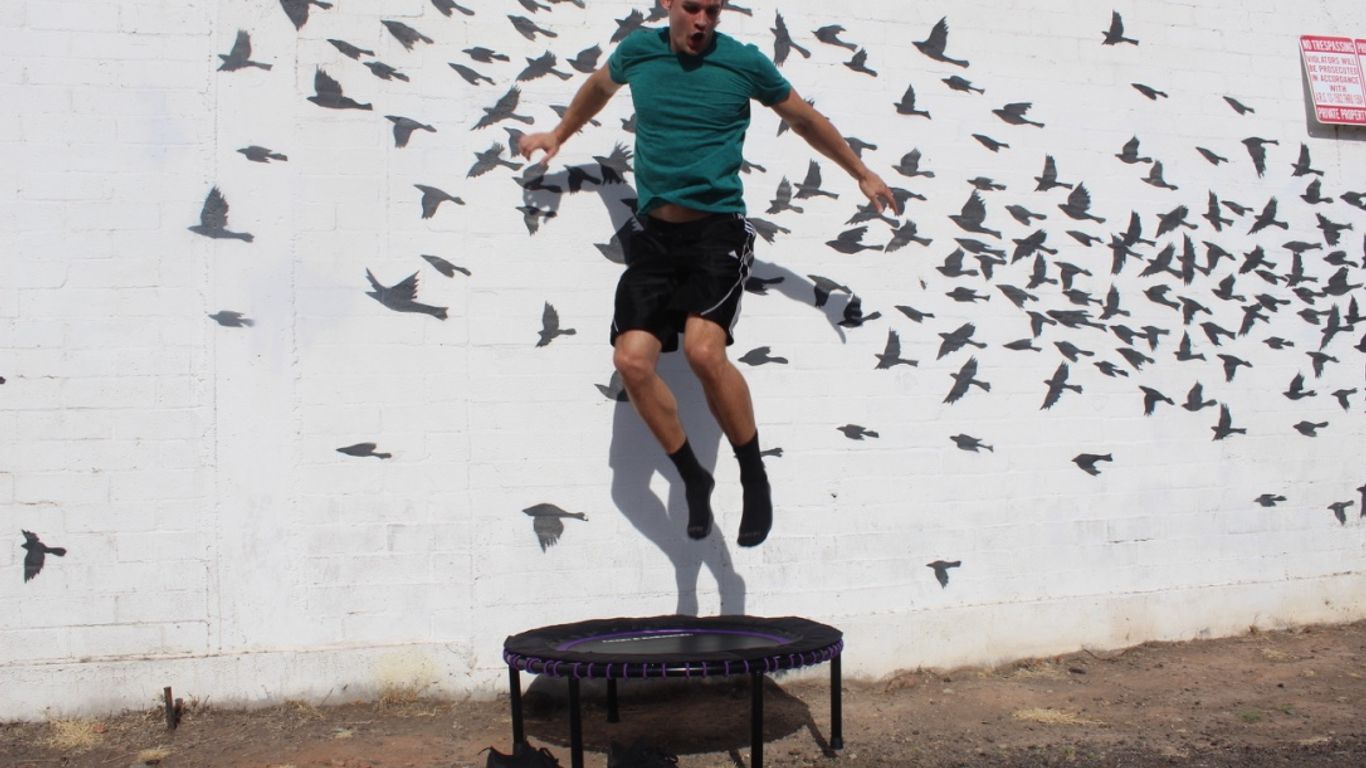
So, you've got your rebounder and you're ready to bounce your way to fitness. That's awesome! But how do you make sure you're getting the most out of every session? It's not just about jumping up and down; there are ways to really amp up the effectiveness of your rebounding workouts. The key is variety and intensity.
Best Way to Rebound for Weight Loss
To really get the most out of your time on the rebounder, think about mixing things up. Just doing the same basic bounce every time can get a bit stale, and your body might even get too used to it. Varying your movements is key to continued progress. Consider incorporating different types of bounces and exercises to challenge your body in new ways. This could mean adding some high-knees, jumping jacks (modified for the rebounder, of course), or even some gentle twists to engage your core.
Here are a few ideas to get you started:
- Basic Bounce: Your go-to for warming up and getting a feel for the rhythm. Keep it steady and controlled.
- Jogging in Place: Mimic a jogging motion. Swing your arms to make it a more complete workout and really get your heart rate up.
- Jumping Jacks: A modified version where you focus on controlled stomps as your legs move out and in. Great for a full-body challenge.
- Twists: While bouncing, gently twist your torso. This is fantastic for your core muscles and helps with balance.
High-Intensity Interval Training (HIIT) can also be super effective. This involves short bursts of intense jumping followed by brief recovery periods. For example, you could sprint on the rebounder for 30 seconds, then do a gentle bounce for 30 seconds, and repeat. This method is great for boosting your metabolism, meaning you'll continue to burn calories even after your workout is done. It's a challenging but very effective way to improve your cardiovascular fitness and aid in fat loss. You can swap the sprint for other high-energy moves like tuck jumps or fast knee lifts. Remember, consistency is more important than intensity when you're starting out. It's better to do a moderate rebounding workout several times a week than to do one super-intense session and be too sore to move for days. Listen to your body and gradually increase the challenge as you get stronger. If you're looking for a workout that has shown significant fat-loss benefits, rebounding is a great option.
Proper Form and Posture
Getting your form right on the rebounder is pretty important, not just for safety but also to make sure you're actually working the muscles you want to work. When you're bouncing, try to land softly. Think about bending your knees slightly as you land, almost like you're absorbing the impact. Keep your core engaged – that means gently pulling your belly button towards your spine. This helps stabilize your body and protects your back. Stand in the center of the rebounder, with your feet about hip-width apart. Avoid leaning too far forward or backward; try to keep your body upright. Good posture helps you maintain balance and prevents unnecessary strain on your joints. It's worth watching a quick tutorial or even joining a beginner class to get a feel for the right way to move. This will help you get the most out of your rebounding sessions.
Consistency in Your Rebounding Routine
Like with any exercise, the real magic happens when you stick with it. You can't just jump on the rebounder once in a while and expect major changes. Aim for consistency. Even short, regular sessions are more beneficial than infrequent, long ones. Start with 10 to 15 minutes, three to four times a week. As your fitness improves, you can gradually increase the duration and frequency, maybe aiming for 20 to 30 minutes, five to six days a week. If your goal is weight loss, the CDC recommends aiming for at least 150 minutes of moderate-intensity physical activity per week. So, 30 minutes a day, five days a week, is a good target. Even short sessions can boost energy, improve mood, and reduce stiffness. Building this habit is what will lead to lasting results.
Remember, you can't out-jump a bad diet. While rebounding is fantastic for burning calories, it works best when paired with smart food choices. Focus on whole foods, plenty of vegetables, and lean protein to support your weight loss goals.
Realistic Expectations and Safety

Realistic Expectations for Weight Loss
Look, jumping on a trampoline is a fun way to get your heart rate up and burn some calories, but it's not a miracle cure for shedding pounds overnight. You're not going to see drastic changes just from a few bounces. Real, lasting weight loss comes from a consistent effort over time. Think weeks and months, not days. It's about creating a steady calorie deficit, and that means combining your rebounding with smart eating habits. Patience is definitely key here.
When to Consult a Healthcare Professional
Before you start any new exercise program, especially if you have any underlying health issues, it's always a good idea to chat with your doctor. This is particularly true if you have:
- Heart conditions
- Joint problems (like knee or hip issues)
- Balance disorders
- Are pregnant or have recently given birth
- Any other chronic health concerns
They can give you the green light or suggest modifications to make sure you're exercising safely and effectively for your specific situation.
Safety Precautions and Guidelines
Safety first, always! Rebounding is generally low-impact, which is great, but you still need to be mindful. A little preparation goes a long way to prevent any unwanted tumbles or strains.
- Inspect Your Rebounder: Before each session, give your trampoline a quick once-over. Make sure it's on a flat, stable surface. Check that all the legs are secure and that the mat and springs look good. You don't want any surprises mid-bounce.
- Clear Your Space: Ensure you have plenty of room around the rebounder. Keep it away from walls, furniture, or anything you might bump into.
- Warm-Up: Always start with 5-10 minutes of light movement. This could be marching in place, gentle bouncing, or some arm circles to get your blood flowing.
- Proper Form: Try to land softly on the balls of your feet, keeping your knees slightly bent. Avoid locking your knees. Keep your core engaged.
- Listen to Your Body: If something feels painful, stop. Don't push through sharp pain. It's okay to take breaks when you need them.
- Cool-Down: Finish your workout with a few minutes of stretching to help your muscles relax and recover.
Remember, consistency is more important than intensity when it comes to long-term results. A moderate, regular routine is far more effective than sporadic, super-intense sessions that leave you sore and unmotivated. Find a rhythm that works for you and stick with it.
When you start using your new rebounder, remember that results take time. It's important to set achievable goals and listen to your body. Pushing too hard too soon can lead to injuries. Always warm up before jumping and cool down afterward. If you have any health concerns, it's a good idea to chat with your doctor first. For more tips on safe and effective bouncing, visit our website today!
So, Can You Really Lose Weight By Jumping?
Alright, let's wrap this up. Bouncing on a mini-trampoline, or rebounding, can absolutely be a fun and effective part of your weight loss efforts. It burns calories, gets your heart pumping, and it's easier on your joints than a lot of other exercises. But, and this is a big but, it's not a magic fix on its own. To really see the scale move and keep it there, you've got to pair your bouncing sessions with a healthy diet. Think about it – you can't out-jump a plate full of junk food. Adding some strength training to build muscle is also a smart move, as muscle helps burn more calories even when you're just chilling. The key takeaway here is consistency. Doing it regularly, even for short bursts, is way better than bouncing hard once in a while. So, yes, rebounding can help you lose weight, but it works best when it's part of a bigger picture that includes good food choices and a well-rounded fitness routine. Keep bouncing, eat smart, and you'll be on your way!
Frequently Asked Questions
What exactly is rebounding?
Rebounding is just a fancy word for jumping on a mini-trampoline. It's a fun way to get your body moving and your heart pumping. Because the trampoline surface is soft, it's easier on your joints, like your knees and ankles, compared to running on hard ground. It's a low-impact exercise that almost anyone can do.
How many calories can I burn by rebounding?
The number of calories you burn really depends on how hard and how long you jump. A moderate 30-minute session might burn around 200 to 300 calories. If you really get into it and make it more intense, you could burn even more – maybe up to 400-600 calories in an hour. It's a pretty good way to burn energy!
Can rebounding help me lose weight?
Yes, rebounding can definitely help you lose weight! The main idea behind losing weight is burning more calories than you eat. Rebounding burns calories and can even give your metabolism a little boost. When you combine it with eating healthier foods, it becomes a great tool to help you lose weight over time.
How often should I rebound to see results?
To see the best results, you need to be consistent. Try to rebound most days of the week, even if it's just for 15 or 20 minutes. Doing it regularly helps you burn calories consistently and build a healthy habit. Remember, it's usually a gradual process, so don't expect changes overnight.
Is rebounding safe for my joints?
Rebounding is known for being low-impact, which means it's much gentler on your joints, especially your knees and ankles, compared to activities like running. The trampoline absorbs a lot of the shock. However, it's still important to use good form and listen to your body to avoid any strain or injury.
What's the best way to rebound for weight loss?
To get the most out of rebounding for weight loss, try changing up your workouts. You can do steady bouncing for a good cardio workout, try high-intensity intervals (short bursts of fast jumping followed by rest), or even add some simple strength moves. It's also super important to pair your rebounding with a healthy diet that helps you burn more calories than you eat.













0 comments