


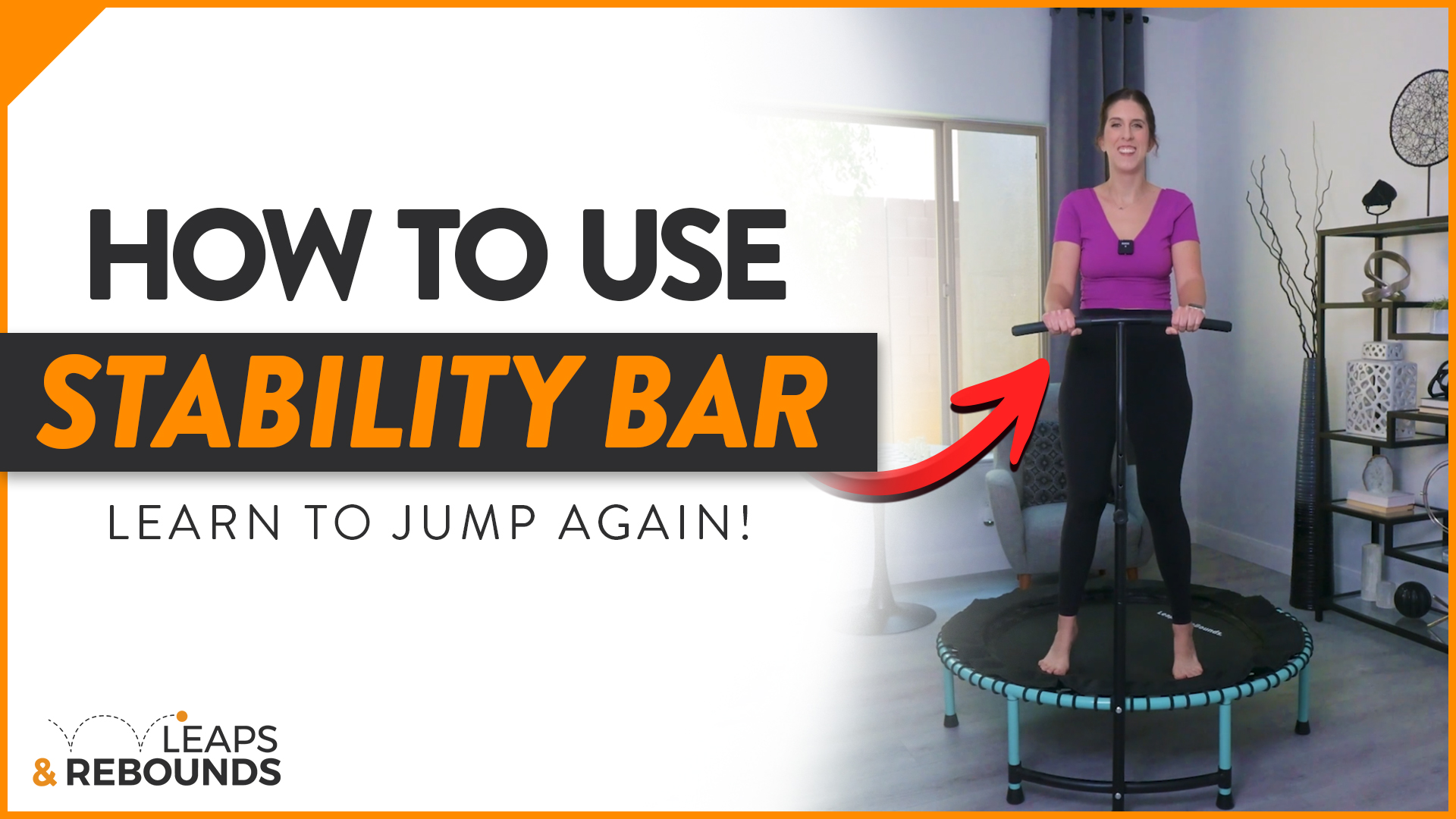










Thinking about getting a stability bar for your rebounder? It's a really good idea, especially if you're just starting out with bouncing or if you want that extra bit of security. This bar can make a big difference in how steady you feel while you're jumping around. It's all about making your workout feel safer and more fun, so you can focus on getting fit and feeling good.
Key Takeaways
- A stability bar gives you something to hold onto, making rebounder training feel much safer, especially for seniors or beginners.
- Use the stability bar for balance, not for pushing down, to avoid flipping the rebounder.
- The bar should be attached securely to the rebounder frame with a strong bracket.
- Look for a stability bar that adjusts to different heights for your personal comfort.
- Exercises like the march and single-leg stance become much easier and safer with a stability bar.
Understanding The Stability Bar For Rebounder Training
Why A Stability Bar Is Essential
So, you've got a rebounder, which is awesome for getting a workout in. But maybe you're new to bouncing, or perhaps you're a bit older and just want that extra bit of security. That's where a stability bar comes in. It's basically a helping hand, not something to push against. Think of it as a safety net that lets you feel more confident while you're jumping. It's especially helpful if you're trying out new moves or just want to make sure you don't lose your footing. For seniors, it can make a big difference in feeling safe enough to exercise regularly, which is super important for staying independent.
Key Features Of A Stability Bar
When you're looking at stability bars, there are a few things that make them work well. Most bars are designed to attach firmly to the rebounder's frame, so they don't wobble around when you use them. A strong bracket is usually part of this setup. Another big plus is adjustability. You'll often find bars that have a few different height settings. This is great because it means you can set it to a level that feels just right for you, whether you're tall or short. Some bars even work with different rebounder sizes, like 40-inch or 48-inch models.
Here's a quick look at common features:
- Secure Attachment: Uses strong brackets to connect to the rebounder frame.
- Adjustable Height: Typically offers 3 or more height settings for personalized comfort.
- Ergonomic Grip: Designed for a comfortable and safe hold.
- Compatibility: Available for various rebounder diameters.
Attaching Your Stability Bar Securely
Getting the stability bar attached correctly is pretty simple, but it's important to do it right. You'll want to make sure it's fastened tightly to the main frame of your rebounder. The bracket that usually comes with it is key here; it's what keeps the bar steady and stops it from moving while you're bouncing. Just follow the instructions that come with your bar, and you should be good to go. A well-attached bar means you can focus on your workout without worrying about it shifting.
Maximizing Your Workout With A Stability Bar
Proper Usage For Optimal Stability
So, you've got your stability bar attached, and you're ready to bounce. But how do you actually use it to get the most out of your workout without any mishaps? It's pretty simple, really. Think of the bar as a gentle guide, not something to lean on heavily. Your hands should rest lightly on the bar, providing just enough support to keep you steady. It's there to help you feel more secure, especially when you're trying new moves or if you're just starting out.
When you're doing basic bounces, just place your hands in the middle of the bar. It's enough to give you that extra bit of confidence. The goal is to let your body do the work, with the bar acting as a safety net.
The Dangers Of Incorrect Bar Usage
Now, let's talk about what not to do. Pushing down hard on the stability bar is a common mistake, and it can actually mess up your workout and, worse, be unsafe. When you press down with force, you're not just using the bar for support; you're using it to push against the rebounder. This can cause the back end of the rebounder to lift up off the floor.
If you really go for it and push down too hard, there's a genuine risk that the whole rebounder could flip over. That's definitely not the kind of surprise you want during a workout! It can be startling and, of course, lead to an injury. So, remember: light touch is key.
Maintaining Balance During Rebounds
Keeping your balance while you're bouncing is where the stability bar really shines, but it's also about how you position yourself. Always try to stay centered on the rebounder mat. When you're holding the bar, keep your hands in the middle. This helps distribute your weight evenly and prevents the rebounder from tipping.
Here are a few things to keep in mind:
- Center Yourself: Always aim to land and bounce in the middle of the mat.
- Gentle Grip: Avoid gripping the bar too tightly. A light touch is all you need.
- Awareness: Pay attention to how your body feels. If you start to feel wobbly, adjust your position or grip slightly.
- Controlled Movements: Focus on smooth, controlled bounces rather than wild, jerky movements.
Using the stability bar correctly means you can focus on the benefits of rebounding without worrying about losing your footing. It's about building confidence and control with every bounce.
Benefits Of A Stability Bar For All Ages
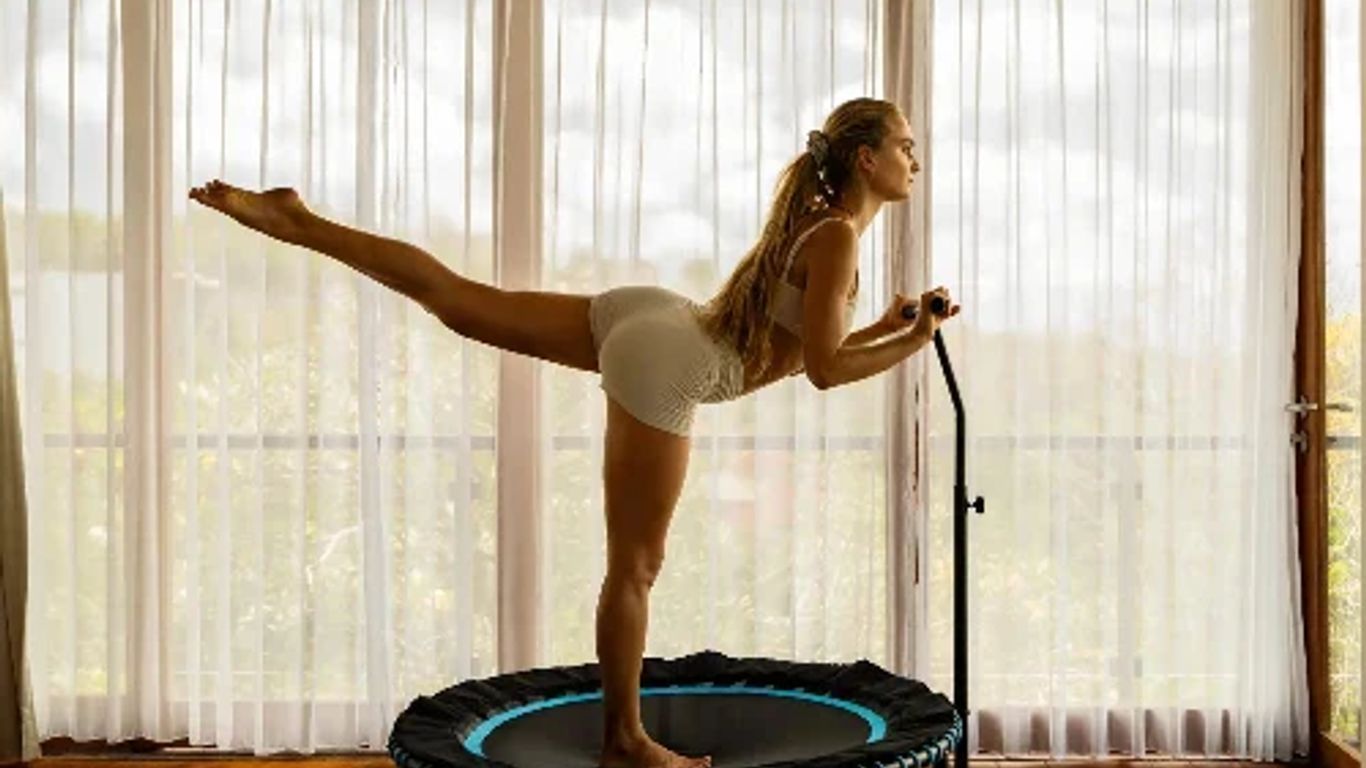
It might seem like stability bars are just for folks who are a bit older, but honestly, they're a game-changer for pretty much everyone using a rebounder. Think about it: that little trampoline surface is constantly moving, and having something to hold onto can make a world of difference, no matter your age or fitness level.
Enhanced Safety For Seniors
For our older friends, the biggest hurdle to getting started with rebounding is often the fear of falling. It's a real concern, and it stops a lot of people from trying something that could actually help them. A stability bar acts like a safety net. It gives you a solid point to hold onto, so you can try out movements that might feel a bit risky otherwise. This support helps your brain feel more secure as you get used to the bouncing, making the whole experience feel much safer and more manageable. It's not about stopping you from moving; it's about giving you the confidence to move more freely.
- Reduces fear of falling: Provides a secure grip, making users feel more confident.
- Supports balance retraining: Helps the body adapt to the unstable surface gradually.
- Allows for more dynamic movements: Opens up possibilities for exercises that might otherwise feel too unstable.
The stability bar isn't meant for you to lean on heavily or push against. It's there as a gentle guide, a point of reference to help you stay steady. Using it correctly means you get the safety benefits without compromising the workout itself.
Building Confidence For New Users
If you're just starting out with rebounding, whether you're 20 or 70, that initial feeling of wobbling can be a bit off-putting. The stability bar is fantastic for building that initial confidence. It lets you get a feel for the rebounder's movement without feeling like you're going to tip over. You can focus on the rhythm and the bounce, rather than constantly worrying about your footing. As you get more comfortable, you'll find yourself needing the bar less and less, which is a great sign of progress!
Supporting More Vigorous Movements
Once you've got the hang of basic bouncing, you might want to try more challenging exercises. Maybe you want to do higher knees, add some arm movements, or even try a little jump. The stability bar is super helpful here too. It gives you that extra bit of support when you're pushing yourself a little harder, preventing those moments where you might lose your balance. It means you can really go for it and get a more intense workout without worrying about an unexpected tumble. It's like having a spotter for your rebounder workout!
Choosing The Right Stability Bar For Your Rebounder
Adjustability For Personalized Comfort
When you're looking for a stability bar, the first thing you'll want to check is how adjustable it is. Not everyone is the same height, right? A good bar should let you set it to a height that feels right for you. This usually means a few different height settings. The goal is to find a comfortable grip that lets you bounce freely without feeling like you're reaching too high or bending too low. Some bars offer up to seven different height positions, which is pretty neat. It's like getting a custom fit for your workout.
Compatibility With Different Rebounder Sizes
It's not a one-size-fits-all situation with these bars. You need to make sure the bar you pick will actually attach to your rebounder. Most stability bars are designed to work with common rebounder sizes, like 40-inch or 48-inch models. However, it's always a good idea to double-check the product details. You don't want to buy a bar only to find out it doesn't fit your specific trampoline. Look for information on which rebounder diameters or frame types the bar is compatible with.
Durable Construction For Longevity
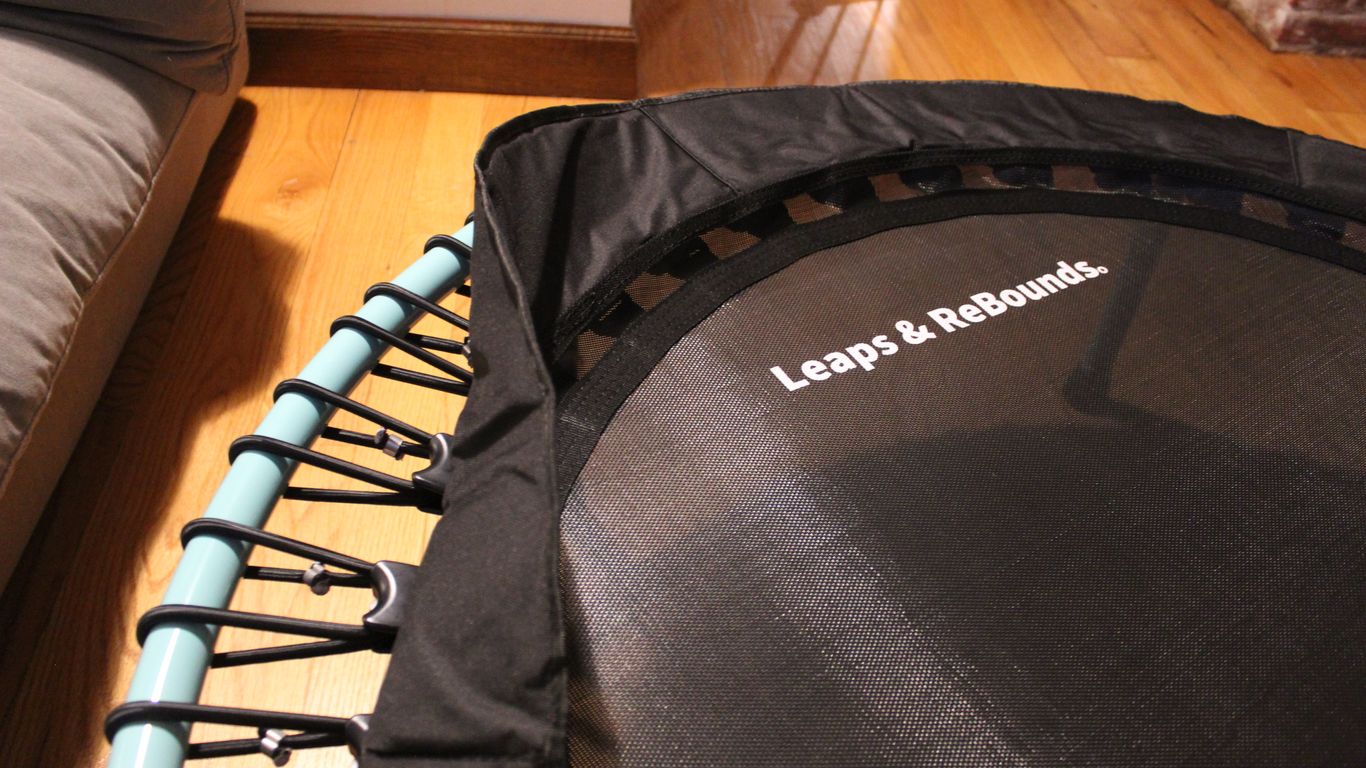
Think about how much you'll be using this bar. You want something that's built to last. Look for bars made from sturdy materials, like strong steel. The attachment mechanism is also important. A solid bracket that securely fastens to the rebounder's frame will give you peace of mind. You don't want anything wobbly or flimsy when you're trying to keep your balance. A well-made bar will feel solid and dependable, workout after workout.
Here's a quick look at what to consider:
- Material: Steel is a common and strong choice.
- Attachment: A robust bracket system is key.
- Finish: Look for powder coating or similar to prevent rust.
- Weight Capacity: While you're not leaning heavily, it's good to know it's built for support.
When selecting a stability bar, prioritize a design that offers multiple height adjustments. This personalization is key to maintaining proper posture and comfort during your rebounder sessions, preventing strain and making your workouts more enjoyable and effective over time. A bar that fits you well is a bar you'll use more often.
Rebounding Exercises Enhanced By A Stability Bar
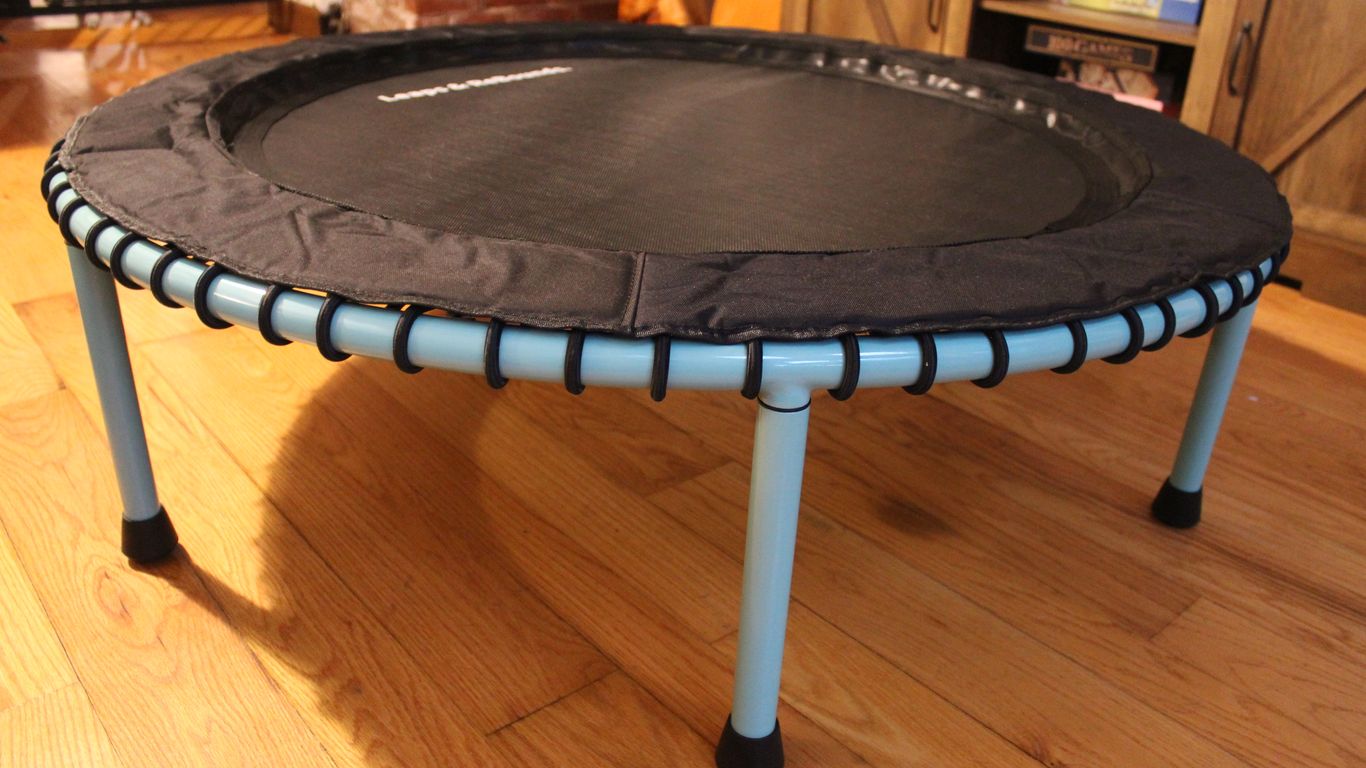
So, you've got your rebounder and maybe even that handy stability bar. Now what? It's time to put it to work with some specific moves that really shine when you have that extra support. These aren't just random bounces; they're designed to target different aspects of your fitness and balance.
The Health Bounce For Circulation
This is your go-to for getting things moving. Just stand with your feet hip-width apart, holding the bar lightly. Gently bounce up and down, keeping your feet mostly on the mat. It’s a low-impact way to get your blood flowing and your body used to the rebounder's movement. This simple bounce is fantastic for improving circulation and lymphatic drainage. It’s a great way to start any workout or cool down afterward.
The March For Single-Leg Balance
Ready to challenge yourself a bit? Stand tall, holding the bar for support. Start marching in place, lifting one knee at a time. As you lift a knee, shift your weight onto the standing leg. The stability bar is there to catch you if you wobble, but try to rely on it as little as possible. This exercise directly works on your ability to balance on one leg, which is super important for everyday activities like walking and climbing stairs. You can track your progress:
| Exercise | Hold Time (Seconds) | Repetitions | Notes |
|---|---|---|---|
| Single-Leg March | 5-10 per leg | 10-15 total | Focus on controlled knee lifts. |
Side-to-Side Sway For Lateral Stability
This move helps you build stability from side to side. Stand with your feet a little wider than hip-width, holding the bar. Gently shift your weight from your left foot to your right foot, letting your hips sway. Keep your core engaged. This might feel simple, but it’s working those smaller muscles in your ankles and hips that keep you steady when you're moving laterally, like when you're walking on uneven ground or making quick turns. It’s a good idea to get familiar with how to use your stability bar safely.
Single-Leg Stance For Advanced Balance
This is where you really test your balance. Stand on one leg, holding the stability bar. Try to lift your other foot off the mat and hold it there for 5 to 10 seconds. Focus on keeping your standing leg strong and your core tight. The bar is your safety net, but the goal is to feel stable enough that you barely need it. This exercise is excellent for building confidence and improving your body's ability to react to sudden shifts in balance. It’s a great way to prepare for more dynamic movements and reduce the risk of falls.
Remember, the stability bar is a tool for support, not for pushing against. Use it to guide your movements and build confidence, allowing you to focus on your balance and form without fear of falling.
The Science Behind Rebounding And Balance
Rebounding is a lot more than just bouncing up and down—it actually brings together several layers of your body’s balance system. When you use a rebounder, especially with a stability bar, you get a workout that challenges your coordination, strengthens key muscle groups, and even helps your bones stay strong.
How Rebounding Improves Proprioception
Proprioception is a fancy way of saying "body awareness." It's your ability to feel where your limbs are, even with your eyes shut. Every time you land on a rebounder’s soft, shifting surface, your body has to make lightning-fast adjustments. The stretch and recoil of the mat send constant signals to your brain, helping sharpen reaction time and making you steadier on your feet.
- Your ankles and knees have to adapt with each bounce.
- Small stabilizing muscles get activated that you hardly use on flat ground.
- Over time, this improved reaction helps you catch yourself if you slip in daily life.
Practicing balance with a rebounder is like giving your nervous system a real-world training session. The more you bounce, the faster your body learns to adjust, making regular movements throughout your day less of a challenge.
Strengthening Core Muscles Through Bouncing
You might not notice, but with every rebounding session, your midsection is hard at work. To avoid falling over, your body relies on your core muscles—these cover your abs, lower back, and sides.
- Deep core muscles tighten up, making your torso more stable.
- Upright posture is needed to keep your balance as the mat moves.
- Regular use leads to a stronger, more supportive center that’s vital for daily movement.
This isn’t just about looking toned—strong core muscles help with everything from sitting upright to carrying groceries.
The Impact Of Rebounding On Bone Density
Bone health sometimes gets ignored until it’s a problem, but rebounding gives your bones the kind of workout they actually need. When you bounce, tiny amounts of force travel through your legs and spine. This triggers your bones to "remodel," getting denser and stronger. Here’s a simple look at rebounding’s effect on bone density:
| Activity | Impact on Bone Density |
|---|---|
| Walking (flat ground) | Low |
| Running | Medium |
| Rebounding | High |
- The gentle impact is easy on joints while still stimulating your bones.
- Even short, daily sessions can make a difference over time.
- For those at risk of osteoporosis, rebounding can be safer than high-impact sports while still giving bones what they need.
Small, steady improvements—even 10 minutes a day on a rebounder—can help your bones stay healthy, especially as you get older.
In the end, a stability bar helps anyone get the balance, core, and bone-building benefits from rebounding, taking the fear out and putting the joy back in movement.
Did you know that jumping on a mini trampoline, also called rebounding, is great for your balance? It's true! As you bounce, your body works hard to stay steady. This constant adjustment strengthens the small muscles in your legs and core, making you more stable in everyday life. It's like a fun workout for your stability! Want to learn more about how rebounding can improve your coordination and overall fitness? Visit our website today to explore the science and find the perfect rebounder for you!
Ready to Bounce with Confidence?
So, that's the lowdown on stability bars for your rebounder. If you're looking for a little extra support, especially when you're just starting out or if you're a bit worried about losing your balance, this bar is a solid choice. It's not about pushing off it, but more about having something steady to hold onto so you can focus on your bounce and get a good workout. It makes the whole experience feel safer and more comfortable, letting you get the most out of your mini-trampoline sessions. Give it a try and see how much more confident you feel!
Frequently Asked Questions
Why should I use a stability bar with my rebounder?
A stability bar is like a helping hand for your rebounder workout. It gives you something steady to hold onto, which is super helpful for keeping your balance, especially when you're trying new moves or if you're just starting out. It makes exercising feel safer and more secure, so you can focus on having fun and getting fit.
Can seniors safely use a stability bar for rebounding?
Absolutely! For older adults, a stability bar is a game-changer. It helps prevent falls by giving you a solid point to hold onto. This means you can try more energetic bounces or exercises without worrying about losing your footing. It builds confidence and makes rebounding a safe way to stay active.
How do I attach the stability bar to my rebounder?
Attaching the bar is usually pretty simple. Most stability bars come with a strong bracket designed to connect securely to the rebounder's frame. Just follow the instructions that come with your bar, making sure it's fastened tightly. This ensures it stays put while you're bouncing.
What's the right way to use the stability bar during a workout?
The key is to use the bar for balance, not for pushing down. Think of it as a gentle support. Place your hands lightly on the bar, especially in the center, to help you stay steady. Avoid leaning or pressing hard, as this can actually make the rebounder unstable or even cause it to tip.
Can I adjust the height of the stability bar?
Many stability bars are adjustable, which is fantastic! They often have different height settings, usually three, so you can find the perfect level for your height and comfort. Getting the height just right makes a big difference in how stable and comfortable you feel during your workout.
What happens if I push too hard on the stability bar?
Pushing down too hard on the stability bar can cause the back of your rebounder to lift up. If you push really hard, there's a risk of the rebounder flipping over, which is definitely not safe. Always use gentle pressure for support and keep your movements controlled.


0 comments