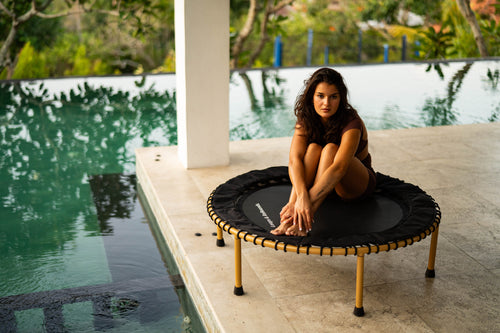
Setting up a home gym is a smart move for your fitness. It doesn't matter if you have a lot of room or just a little, or how much you want to spend. With some good planning for your home gym equipment and how you arrange things, you can make a workout spot that's as good as a gym outside your house, but way more convenient. You get privacy and can train whenever you want. It's all about making a space that works for you and keeps you moving.
Key Takeaways
- Think about space: Even a small area can work for workouts if you pick the right home gym equipment. Focus on items that do more than one thing.
- Start with basics: You don't need everything at once. Get a few solid pieces of home gym equipment that fit your main workout style, then add more later.
- Versatility is good: Items that can be used for different exercises are great. Adjustable dumbbells, for example, save space and let you do many moves.
- Make it yours: Put up things that motivate you, like pictures or music. A mirror helps you check your form. Make the space somewhere you actually want to be.
- Flooring matters: Protect your floors and reduce noise with rubber mats or thick carpet tiles. This also helps define your workout area.
Foundation Pieces For Your Home Gym Equipment
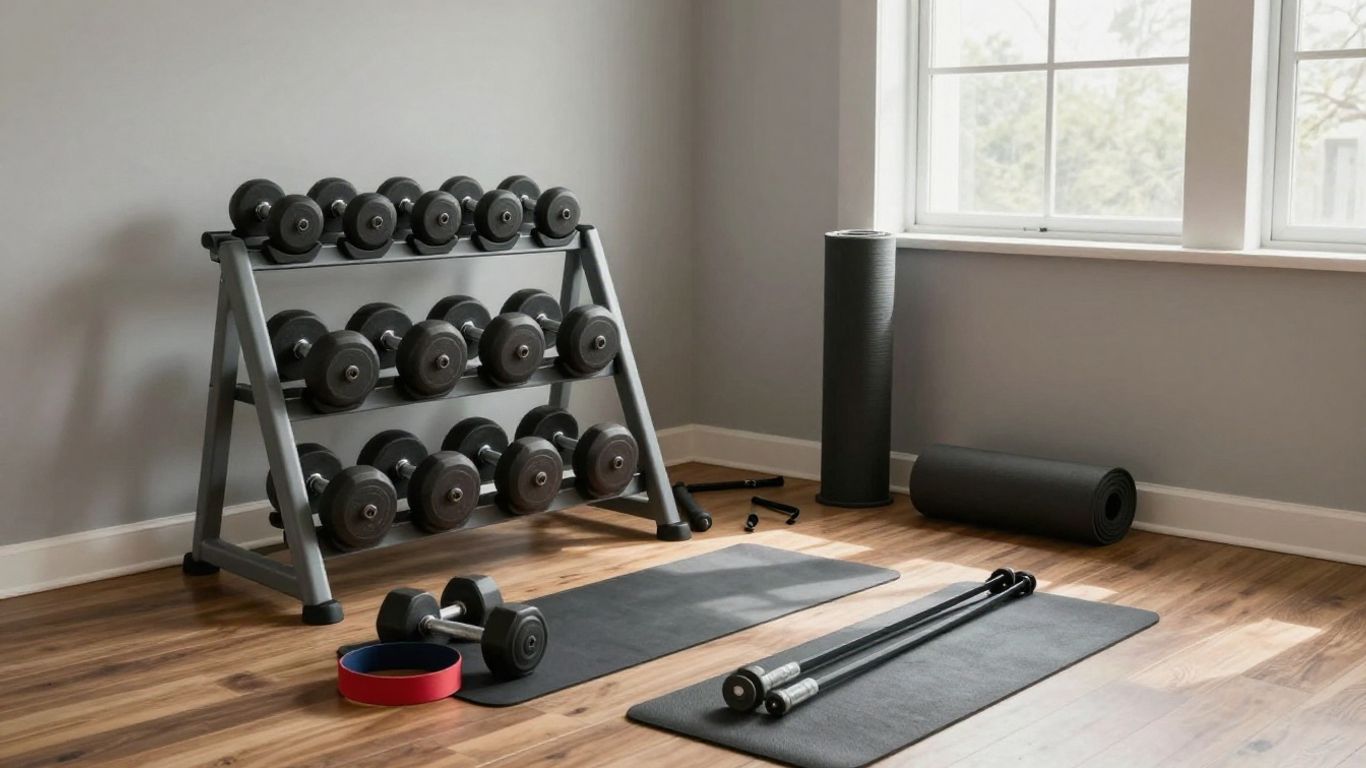
Alright, let's talk about the absolute must-haves to get your home gym started. You don't need a whole commercial gym's worth of stuff to get a killer workout. Focusing on a few key pieces is way smarter, both for your wallet and for actually using the space. Think of these as the building blocks for everything else.
All-In-One Home Gym Systems
These are pretty neat if you're tight on space but want a lot of options. They bundle a bunch of different exercises into one machine. You can usually do presses, pulls, and some leg work all on the same unit. It’s like having a mini-gym station right there. They cut down on the clutter and make it easy to switch between different types of movements without having to move around a lot. It’s a solid choice for getting a full-body workout without needing a huge footprint.
Adjustable Dumbbells For Versatile Training
Forget about having a whole rack of dumbbells taking up space. Adjustable dumbbells are a game-changer. You can quickly change the weight on them, so one pair can go from, say, 5 pounds all the way up to 50 or even more. This means you can do all sorts of exercises, from light bicep curls to heavier squats, all with the same set. They're perfect for when you're getting stronger and need to increase the weight gradually. Plus, they store away nicely, which is a big win for home gyms. You can really get a lot done with just one of these sets, making them a smart investment for versatile strength training.
Essential Exercise Benches
An exercise bench might seem simple, but it opens up a ton of possibilities. When you pair it with dumbbells or even resistance bands, you can do so many more exercises. Think chest presses, rows, shoulder work, and even core exercises. Look for one that can adjust to different angles – flat, incline, and maybe even decline. This flexibility means you can target muscles in different ways and keep your workouts interesting. It’s a piece of equipment that really complements your free weights.
Protective Flooring Solutions
Don't skip the flooring! Dropping weights or even just the constant impact can wreck your floors. Rubber mats or interlocking tiles are a lifesaver. They protect your subfloor, absorb shock, and help cut down on noise, which your downstairs neighbors will thank you for. Plus, they create a defined workout area, making your gym space feel more organized and intentional. It's a practical step that saves you headaches down the line.
Setting up a home gym is about smart choices. Prioritizing versatile equipment that serves multiple purposes will give you the best bang for your buck and keep your workouts effective without overwhelming your space.
Expanding Your Home Gym Capabilities
Once you've got your foundation pieces sorted, it's time to think about how to really make your home gym work harder for you. This is where you can add equipment that opens up a whole new world of exercises and training styles. It’s about building on that solid base to create a truly versatile workout space.
Power Racks For Safe Barbell Work
If you're serious about lifting weights, especially barbells, a power rack is a game-changer. It's basically a sturdy metal cage that surrounds you. The real magic is in the safety pins or bars that you can set at different heights. This means you can push yourself on exercises like squats and bench presses, knowing that if you can't complete a rep, the rack will catch the weight for you. This is huge for training alone – no need for a spotter. Many racks also come with pull-up bars built into the top, adding another layer of functionality. When picking one, check the weight capacity and make sure it fits your ceiling height. You'll want at least 9 feet of clearance for most standard racks, especially if you plan on doing overhead presses or pull-ups.
Cardio Equipment Options
While free weights and machines build strength, you can't forget about your heart. Adding some cardio equipment can round out your fitness routine nicely. Think about what kind of cardio you actually enjoy, because you're more likely to stick with it. Options range from treadmills and stationary bikes to rowing machines and elliptical trainers. If space is tight, consider foldable options or even a simple jump rope for a budget-friendly, high-intensity cardio blast. Some people even opt for a ski erg or a fan bike, which offer a killer full-body cardio workout.
Kettlebells For Dynamic Strength
Kettlebells are fantastic for a different kind of strength training. They're not just for swinging around; they're great for building power, endurance, and improving your grip. Because the weight is offset from the handle, they engage your core and stabilizing muscles in a way that dumbbells often don't. You can do swings, cleans, snatches, presses, and squats with them. They don't take up much space, and you can get a really intense workout with just one or two. Start with a lighter weight to get the form down, then gradually increase as you get stronger.
Resistance Bands For Variable Resistance
Don't underestimate the power of resistance bands! These stretchy loops are incredibly versatile and can be used for almost any exercise you can think of, from warming up to full-blown strength training. They're lightweight, portable, and take up virtually no space, making them perfect for smaller home gyms or for travel. The resistance increases as you stretch the band, which is a different stimulus than free weights. They're also great for adding resistance to bodyweight exercises or for rehabilitation and mobility work. You can get different levels of resistance, so you can progress over time.
Adding these pieces transforms your gym from a basic setup into a comprehensive training facility. Each item brings unique benefits, allowing for a wider variety of exercises and training methodologies. This expansion means you can target different muscle groups more effectively and improve your overall fitness without needing a huge amount of extra space.
Smart Storage And Organization
Having a home gym is awesome, but if it looks like a tornado hit a sporting goods store, it can really kill the vibe. Plus, tripping over weights isn't exactly a safe way to start your workout. That's where smart storage comes in. It's not just about making things look neat; it's about making your space functional and safe.
Vertical Storage Solutions
Think upwards! Walls are your best friend when you're trying to save floor space. You can get wall-mounted racks for your weight plates, keeping them off the ground and easy to grab. Pegboards are also great for hanging up things like resistance bands, jump ropes, or even your workout gloves. It means less time searching for what you need and more time actually using it. Keeping your equipment organized prevents that "out of sight, out of mind" problem where things get lost and forgotten.
Mirror Placement For Form And Space
Mirrors do two big things for a home gym. First, they let you check your form. Seeing yourself do a squat or a press helps you make sure you're doing it right, which is super important for avoiding injuries. Second, mirrors can make a small space feel a lot bigger. If you put a large mirror on a wall, it reflects light and makes the room seem more open. Try placing them so you can see yourself from different angles during your main exercises.
Weight Storage For Safety
This one's pretty straightforward: weights need a proper home. A dedicated weight tree or rack is ideal. It keeps all your dumbbells, kettlebells, and plates in one spot, preventing them from rolling around and becoming hazards. It also makes it way easier to find the weight you're looking for. When you're done with a set, just put the weights back where they belong. It’s a simple habit that makes a huge difference in keeping your gym safe and tidy.
Proper storage isn't just about aesthetics; it's a key part of your workout safety plan. A cluttered gym floor is an accident waiting to happen, and disorganized weights can lead to strains or worse. Make storage a priority from day one.
Accessory Items To Complete Your Setup
Once you've got your main pieces sorted, it's time to think about the smaller stuff that really makes a home gym feel complete. These aren't always the flashiest items, but they can make a big difference in how effectively you can work out and recover.
Yoga And Stability Balls
These large inflatable balls are surprisingly versatile. You can use them to make your core exercises way harder, like planks or crunches, by forcing you to balance. They're also great for improving your posture and flexibility. If you're looking to add a bit of challenge to your routine without needing a lot of extra space, a stability ball is a solid choice. Plus, they can be a comfortable way to move around if you're dealing with aches and pains.
Pilates Rings For Toning
If you've ever done a Pilates class, you've probably seen these. A Pilates ring looks simple, but it adds just enough resistance to really work those smaller muscle groups. It's perfect for targeting your inner and outer thighs, arms, and core. They're lightweight, don't take up much room, and you can use them for all sorts of exercises, from gentle stretching to more intense toning. They really help with body awareness and can be a good addition for anyone looking to refine their muscle definition.
Foam Rollers For Recovery
After a tough workout, your muscles can feel tight. That's where foam rollers come in. Think of them as a DIY massage tool. Rolling out your muscles can help reduce soreness and improve your flexibility. It might not feel great at first, especially on those really tight spots, but the relief afterward is usually worth it. They come in different densities, so you can pick one that suits your needs.
Pull-Up Bars For Upper Body Strength
For building serious upper body strength, especially in your back and arms, a pull-up bar is hard to beat. You can get doorframe-mounted ones that are easy to install and remove, or more permanent wall-mounted options. They allow for a wide range of pulling exercises that are tough to replicate with other equipment. Just make sure whatever type you choose is securely installed before you start hanging from it!
Don't underestimate the power of these smaller items. They might not be the 'foundation pieces,' but they are what allow you to progress, recover properly, and add variety to your training. Investing in a few key accessories can significantly boost the effectiveness and enjoyment of your home workouts.
Choosing The Right Space For Your Home Gym
So, you've decided to build your own fitness sanctuary at home. That's awesome! But before you start buying all the shiny new equipment, let's talk about where it's all going to live. Picking the right spot is actually a pretty big deal, maybe even more important than the gear itself. It affects how often you'll actually use your gym and how safe your workouts will be.
Structural Integrity Of Floors
This is a big one, especially if you're planning on lifting heavy stuff. Think about putting a power rack or a full home gym system on the second floor. Those things are heavy, and when you add weights and someone working out, the load on your floor adds up fast. Ground floors or basements are usually your best bet because they're built to handle more weight. If you're unsure about your floor's strength, especially if you're looking at really heavy equipment, it's worth talking to a professional. Getting this right means you won't have to worry about your gym collapsing mid-squat.
Climate Control Considerations
Nobody likes working out when they're freezing or sweating buckets. Extreme temperatures can really kill your motivation, and they're not great for your equipment either. If you're looking at a space like a garage or a basement, think about how you'll control the temperature. Do you need a space heater for the winter? Maybe a dehumidifier for the summer to keep things from getting too damp? Having a comfortable environment year-round makes a huge difference in sticking to your fitness routine.
Natural Light And Ventilation
This might seem less important than the others, but trust me, it matters. Working out in a dark, stuffy room isn't exactly inspiring. A space with windows can make a world of difference. Natural light can boost your mood and energy levels, making your workouts feel less like a chore. Good airflow is also key. It helps keep the air fresh and can prevent that stale, gym-like smell from taking over. If your chosen spot doesn't have great ventilation, consider a fan or an air purifier. You want a space that feels open and inviting, not closed off.
Finding the right location is about more than just having enough room. It's about creating an environment that supports your fitness goals safely and comfortably. Think about the long-term use and how the space will feel day in and day out. A little planning now saves a lot of headaches later.
Designing Your Home Gym Layout
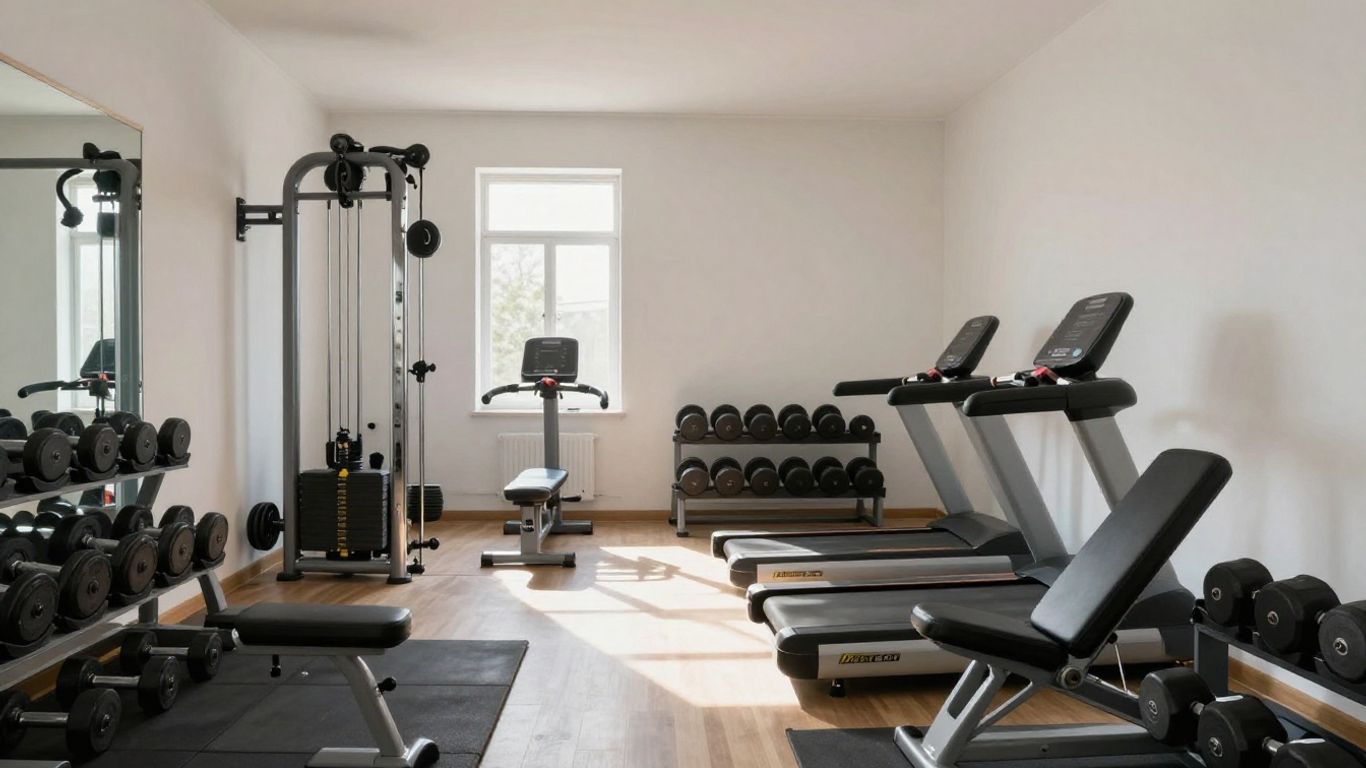
Okay, so you've got the equipment, you've picked the spot, but how do you actually arrange it all so it feels good to work out in? This is where layout really matters. It's not just about shoving stuff in a room; it's about making the space work for you, whether you've got a tiny corner or a whole spare bedroom.
Compact Space Strategies
If you're working with a smaller area, like a spare room or even a large closet, you've got to be smart. Think vertically and multi-functionally. Every piece of equipment needs to earn its keep.
- Anchor Piece: Pick one main item that does a lot, like an all-in-one home gym system or a solid adjustable dumbbell set. This is your go-to.
- Wall Power: Use wall mounts for things like resistance bands, jump ropes, or even weight plate storage. Get stuff off the floor.
- Foldable Friends: Look for benches or even squat racks that can fold up and be tucked away when you're not using them.
When space is tight, the goal is to make your workout area feel open and functional, not cramped and cluttered. Think about how you move between exercises and try to keep pathways clear.
Medium Space Zone Planning
Got a bit more room, maybe 150-300 square feet? This is where you can start thinking about zones. It makes your workouts flow better.
- Strength Zone: Usually along a wall, this is where your rack, bench, and main weights go.
- Cardio Corner: If you have a bike or rower, put it somewhere with a nice view or good light. It makes cardio less of a chore.
- Open Floor Area: Keep a good chunk of the middle clear for stretching, yoga, or bodyweight exercises. This is your flexible space.
Large Space Station Design
If you're lucky enough to have a big area, like a converted garage or a large basement room, you can really go all out. Think of it like setting up different stations.
- Olympic Lifting Area: Needs good floor space and clearance for barbells.
- Machine Zone: Group your cable machines or other specialized equipment together.
- Cardio Hub: Multiple cardio machines can live here comfortably.
- Recovery Station: Dedicate a spot for foam rollers, stretching mats, and maybe even a massage gun.
Corner Configurations
Don't forget those awkward corners! They can actually be really useful.
- Power Rack Placement: Power racks often fit perfectly into corners, giving you stability and keeping the main floor space open.
- L-Shaped Setups: You can arrange equipment in an L-shape to make the most of the space and create a natural flow between different exercises.
- Storage Solutions: Corners are also great for tall, narrow storage units to keep things tidy.
Your Home Gym Journey Starts Now
So, there you have it. Setting up a home gym doesn't have to be some huge, complicated thing. Whether you've got a whole spare room or just a little corner, picking out the right gear makes a big difference. It's all about finding what works for you, your space, and your wallet. The most important part? Actually using it! Make it a place you want to be, and you'll be well on your way to crushing your fitness goals right from home. Happy training!
Frequently Asked Questions
What are the most important pieces of equipment to start with for a home gym?
To get started, focus on a few key items that give you the most bang for your buck. Think about an all-in-one home gym system, which lets you do many different exercises. Adjustable dumbbells are also great because you can change the weight easily and they don't take up much room. A sturdy exercise bench is another good choice, as it works with weights for lots of different moves. Lastly, don't forget protective flooring to keep your floors safe and make your workout area feel more defined.
How can I make my small home gym feel bigger and more organized?
In tight spaces, using walls is super helpful! You can hang things like resistance bands or jump ropes on pegboards, and store weight plates on wall racks. This keeps the floor clear. Big mirrors can also trick the eye into thinking the room is larger, and they're handy for checking your workout form. Folding equipment, like benches, can be put away when you're done, and adjustable dumbbells take up way less space than a whole set.
What kind of flooring is best for a home gym?
The best flooring for a home gym is usually rubber. Think about thick mats, like the kind used in horse stalls, or special gym flooring tiles. This type of flooring does a few important things: it protects your original floors from heavy weights, it helps soak up noise so you don't disturb others, and it gives your workout space a safer, more stable surface to stand on.
Do I need a lot of space to have a good home gym?
Not at all! Even a small corner can become a great workout spot. The key is to pick equipment that does a lot of different things, like resistance bands or adjustable dumbbells. You can also use vertical space for storage. If you have a bit more room, like a spare bedroom or part of a garage, you can add bigger items like a power rack or a cardio machine, but you don't need a huge area to get a solid workout in.
What are some ways to add variety to my home workouts?
To keep things interesting, try adding kettlebells for dynamic exercises that work your whole body. Resistance bands are also fantastic because they offer a different kind of challenge and are easy to take with you. For recovery and flexibility, consider a yoga ball, a Pilates ring for toning, or foam rollers to help your muscles relax after a tough session.
How important is lighting and ventilation in a home gym?
Good lighting and fresh air make a big difference in how motivated you feel. Natural light from windows can make your space feel more open and energetic. Good ventilation helps keep the air fresh, which is especially important if you're working out intensely. If your gym is in a basement, you'll want to pay extra attention to adding bright lights and maybe a fan to keep things comfortable and prevent it from feeling stuffy.












0 comments