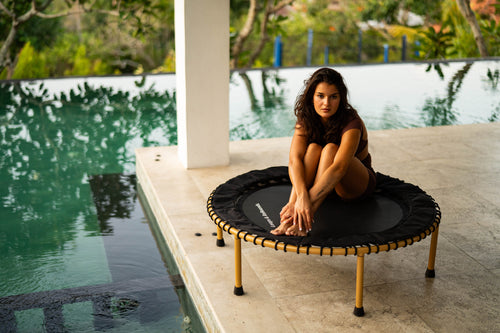
Looking for a way to spice up your home workouts in 2026? A rebounder, also known as a mini trampoline, could be just the thing. These compact machines offer a low-impact way to get your heart pumping, build strength, and even help you de-stress. But with so many options out there, how do you find the best rebounder for your needs? We've checked out some popular models to help you make a choice.
Key Takeaways
- Bungee cord rebounders offer a quieter, gentler bounce that's easier on the joints, making them great for beginners or those with joint pain.
- Spring rebounders provide a firmer, more responsive bounce, which can be better for high-intensity workouts but might be noisier.
- When choosing the best rebounder, consider frame quality (steel is best), size (40-44 inches is good for most), and stability features like non-slip feet.
- Foldable rebounders are convenient for storage, but check the folding mechanism's durability for long-term use.
- A handlebar can offer extra support, but it's important not to rely on it too much, as it can affect your posture and technique.
1. Bellicon Rebounder
When you're looking for a top-tier rebounder, the Bellicon often comes up, and for good reason. It's the kind of equipment that fitness pros use, and they really like it for its durability and the way it feels during a workout. This rebounder is built to last, even through some pretty intense use.
The Bellicon uses bungee cords, which give a really smooth bounce. It's designed so that the cords absorb the impact when you land, and then they kind of push that energy back into your muscles. This means your muscles have to work a bit harder, which is great for getting a good workout. You can even swap out the bungees for different tensions – stronger ones if you want a more challenging bounce for things like boxing moves or jumping jacks.
One of the cool things is how tough these things are. There are stories of them surviving pretty rough treatment, like accidentally flying off a car, and still being mostly fine. That tells you something about the build quality.
- Smooth Bounce: Uses bungee cords for a gentle yet effective rebound.
- Durable Construction: Made to withstand regular, vigorous use.
- Customizable Tension: Option to change bungees for varied workout intensity.
- Space-Saving Option: Available with foldable legs for easier storage.
If you're someone who plans on using your rebounder a lot and wants something that feels really solid and responsive, the Bellicon is definitely worth a look. It might cost a bit more upfront, but the quality you get is pretty noticeable, and it can feel like a new machine just by changing the cords now and then.
2. Needak Soft-Bounce Folding Rebounder
The Needak Soft-Bounce Folding Rebounder is a really solid option if you're after something that feels stable when you're jumping around. It uses springs, which give you a firmer bounce than the bungee cord types. This means you get a more responsive feel, which is pretty great for getting a good workout in. The frame is made of steel and seems built to last.
Putting it together is usually pretty simple for most people. It's not overly complicated, and you can typically get it set up without too much trouble. The "soft-bounce" part of the name isn't just for show; the spring setup is designed to soak up a good amount of impact, making it easier on your joints compared to some other spring rebounders out there.
Here's a quick rundown of what it offers:
- Frame Material: Steel
- Tension Type: Springs
- Weight Capacity: Up to 300 lbs
- Foldable: Yes
It does fold up, which is handy for storage. Some folks mention that the folding mechanism, while convenient, can sometimes show wear over a really long time. If you have plenty of space and plan to use it constantly without needing to move it, a non-folding, even sturdier frame might be something to think about. But for most home users, the ability to fold it is a big plus.
This rebounder hits a nice middle ground. It's not the cheapest thing on the market, but the build quality and the kind of bounce it provides make it a worthwhile purchase for regular exercise sessions. It's definitely worth considering if you want a durable rebounder that gives you a good, firm workout.
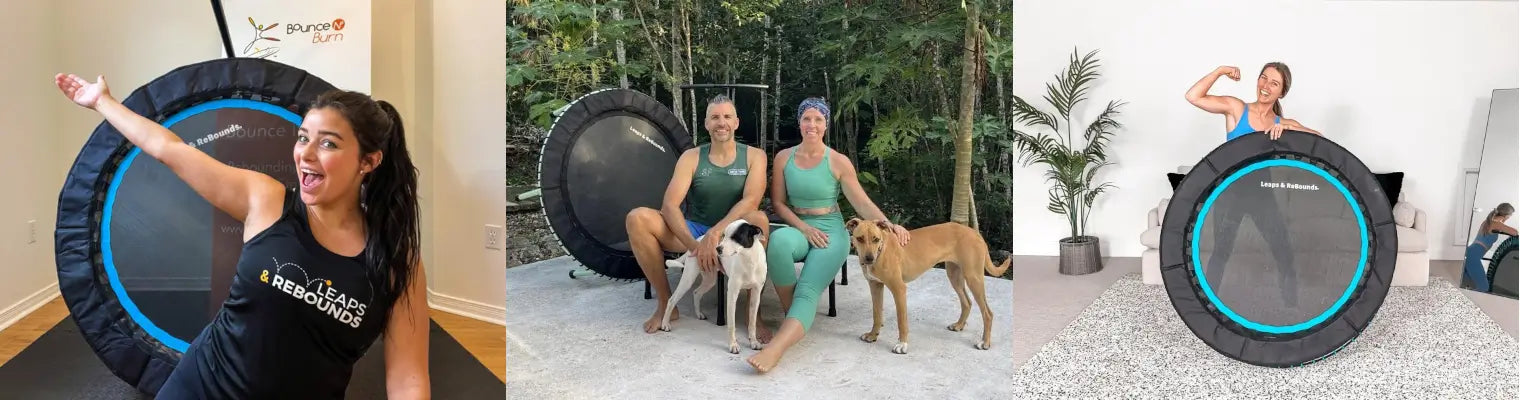
3. Leaps and Rebounds Mini Fitness Trampoline and Rebounder
When you're looking for a rebounder that offers a good mix of comfort and performance, the Leaps and Rebounds Mini Fitness Trampoline and Rebounder is definitely worth considering. It's a pretty solid choice for anyone wanting to get a good workout without all the jarring impact you might get from other equipment. This model uses bungee cords instead of the typical metal springs. That means your bounce is going to be a lot quieter, which is a big plus if you have neighbors downstairs or just prefer a more peaceful workout environment. Plus, those bungee cords tend to give a softer, more forgiving bounce that's easier on your knees and ankles.
The Leaps and Rebounds rebounder is a dependable choice for home exercise, offering a balanced and enjoyable bouncing experience suitable for adults in 2026. It’s not the cheapest option on the market, but you do get what you pay for in terms of build quality and the overall feel of the bounce. Setup is usually pretty straightforward, though sometimes these things can be a bit fiddly to get perfectly taut. It’s a decent size for most home spaces – not so big that it takes over your living room, but large enough to get a good range of motion during your exercises.
Here’s a quick look at what makes it stand out:
- Bounce Mechanism: Features bungee cords for a smoother, quieter rebound. This design helps absorb impact effectively.
- Stability: Generally well-regarded for its stable platform, allowing for confident bouncing.
- User Experience: Offers a responsive bounce that engages muscles without excessive joint stress.
One thing to note is that this particular model typically doesn't come with a handlebar. So, if you're new to rebounding or prefer having that extra support for balance exercises, you might want to look at other options or consider adding a separate handlebar if possible. It's a great middle-ground option for those who feel comfortable with their balance or plan to use it for exercises that don't require a handlebar.
Rebounding isn't just about jumping up and down. It's more about controlled movements, pressing down into the mat, and using that energy to rebound. This helps build strength and improve balance without putting too much stress on your body.
4. Stamina Oval Fitness Trampoline
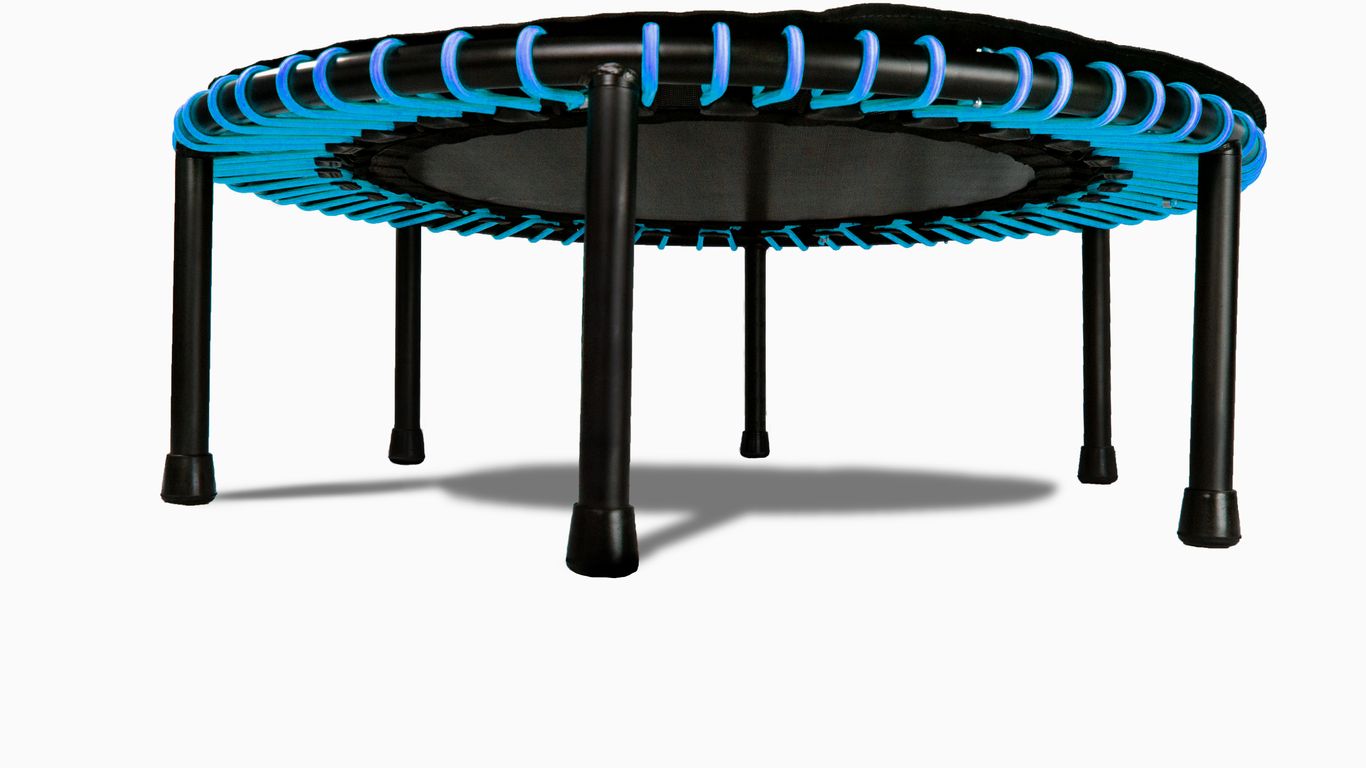
If you're on the hunt for a rebounder that won't empty your wallet but still gives you a decent workout, the Stamina Oval Fitness Trampoline is a contender. It's not the flashiest piece of equipment out there, but it does the job for many people, and honestly, that's what counts when you're just trying to get moving at home.
This trampoline uses bungee cords instead of metal springs. That means it's generally quieter and offers a smoother feel under your feet. It's also pretty compact, so it shouldn't take over your entire living room. Plus, it's light enough to move around if you need to clear some space. It's a solid choice for beginners or anyone wanting a quieter workout.
Here’s a quick look at what it offers:
- Bounce Quality: The bungee cords give a responsive bounce that's easier on your joints than some spring models. It feels supportive without being too stiff.
- Build and Durability: It has a sturdy steel frame and a heavy-duty jumping surface. It can handle up to 250 pounds, which is enough for most users.
- Portability: It's designed to be relatively easy to move and can even fold down, making it a good option if you have limited space and need to store it away.
While it might not have all the bells and whistles of more expensive models, the Stamina Oval Fitness Trampoline offers a reliable and quiet bouncing experience. It's a practical choice for home fitness.
It's a good all-around starter trampoline. You can easily do your workouts while watching TV on this without worrying too much about the bounce quality. It's not overly complicated, and it just works for getting your heart rate up. If you're looking for a way to add some fun cardio to your routine, this could be it. You can even find replacement bungees if yours wear out over time.
5. BCAN 40” Foldable Mini Trampoline
Alright, let's talk about the BCAN 40” Foldable Mini Trampoline. If you're looking for something that's a bit of a workhorse but can still be tucked away when you're done, this one's a pretty solid contender. It's a popular pick, and honestly, it makes sense why. It hits a nice sweet spot between being sturdy and giving you a good bounce without feeling like you're going to fly off.
One of the really cool things about this BCAN model is the optional handlebar. Seriously, if you're new to this whole rebounding thing or just like having something to hold onto for extra stability, this is a big deal. You can adjust it to different heights, which is super handy because everyone's different, right? Plus, the foam grip makes it comfortable to hold onto, even if you're sweating it out.
Here’s a quick rundown of why it’s a good choice:
- High Weight Capacity: This thing can handle a good amount of weight, often up to 450 pounds, which is pretty impressive for a mini trampoline. It means more people can use it without worry.
- Adjustable Handlebar: As I mentioned, this is a major plus for stability and confidence, especially for beginners. It's adjustable, so you can get it just right for you.
- Durable Springs: They use strong steel springs that are built to last, giving you a consistent bounce workout after workout.
- Foldable Design: When you're finished, you can fold it up. This is a lifesaver if you don't have a dedicated gym space and need to stash it away.
Putting it together might take a little bit of effort, especially if you're adding that handlebar, but once it's done, it feels really solid. The bounce is good – firm enough for a decent workout but not so hard that it feels like you're jumping on concrete. It’s a practical addition to a home workout setup.
This rebounder offers a good balance of features for its price point. It's not the fanciest, but it gets the job done reliably for regular home fitness routines.
Overall, the BCAN 40” Foldable Mini Trampoline is a dependable option if you need something robust that also offers the convenience of being foldable. It's a good all-around performer for getting your cardio in at home.
6. Acon 55in Hexagon Rebounder
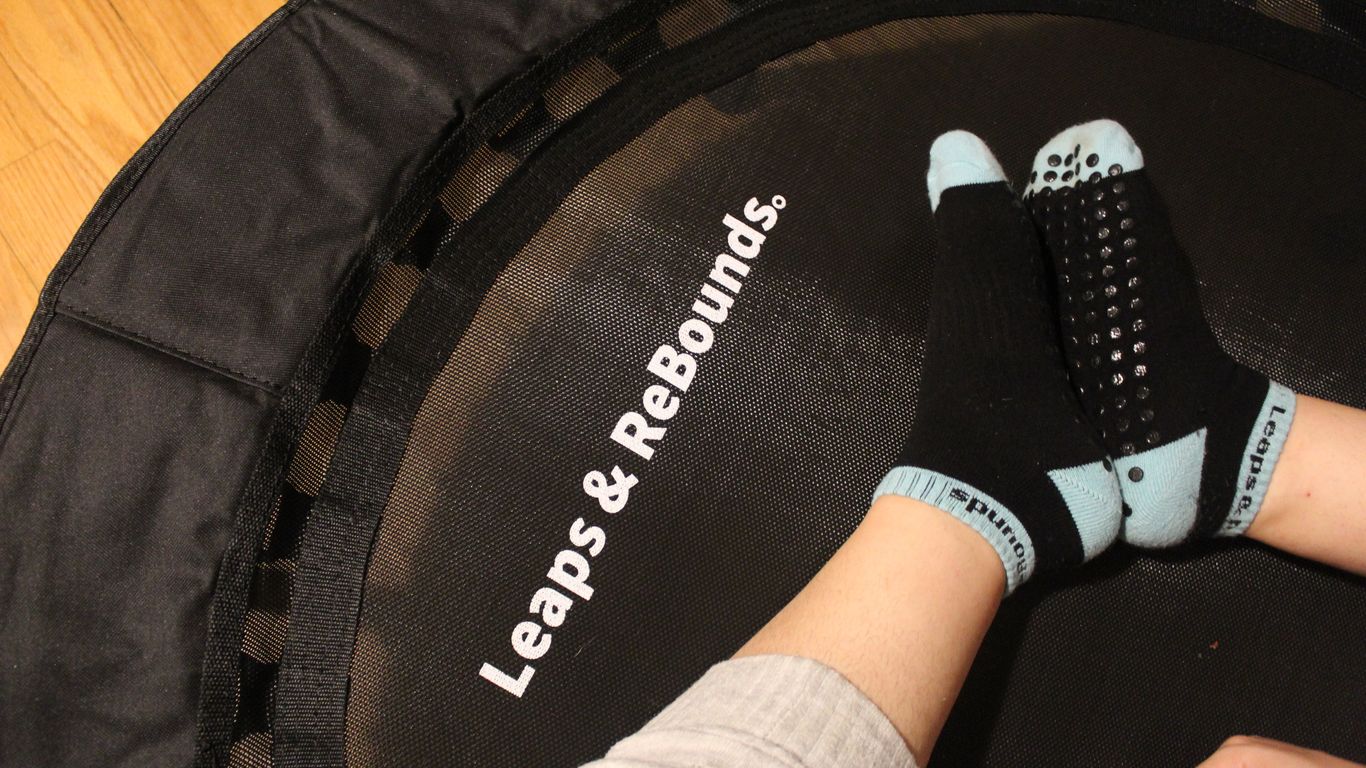
If you're looking for a bigger rebounder that still gives you a nice, smooth bounce, the Acon 55in Hexagon Rebounder is definitely one to consider. It's got a pretty decent jumping area, which is great if you like to move around a bit more during your workouts. This one uses bungee cords instead of metal springs, so you can expect a quieter and gentler experience on your joints. That's a big plus if you're worried about impact or if you have any knee or ankle issues.
The hexagonal shape gives it a unique look and might even offer a slightly different feel compared to the usual round ones. It's built with a solid frame and the bungee system is generally favored for its softer rebound, which can be easier on your body, especially for longer sessions. It's a good choice if you're prioritizing a low-impact workout but still want to get a good cardio session in. The six-leg design also helps keep it stable, which is always a good thing when you're jumping around.
Here's a quick look at some of its specs:
- Size: 55.5 x 48 x 14 inches
- Tension Type: Bungee cords
- Weight Capacity: 300 pounds
- Legs: Six sturdy legs
While the larger size is great for more dynamic movements, it does mean you'll need a bit more space to set it up and use it. It's not the most compact option out there, so make sure you've got room before you buy.
This rebounder is a solid option for those who want a larger surface area and a gentler bounce. The bungee cords provide a quiet and low-impact workout, making it suitable for a wide range of users.
The Acon 55in Hexagon Rebounder is a good pick if you want a larger, quieter rebounder that's easy on your joints.
7. Rebounder With Handlebar
If you're looking for a bit of extra support while you bounce, a rebounder with a handlebar might be just the ticket. These are super helpful, especially if you're new to rebounding or just want that extra security. Think of it like training wheels for your trampoline workout – it gives you something steady to hold onto as you get the hang of balancing and moving.
Many models come with these handlebars as an optional add-on, or sometimes they're included as standard. The great thing is that a lot of them are adjustable, meaning you can set the height just right for you. This is handy because everyone's different, and you want to be comfortable. The handlebars are usually padded too, so gripping them feels pretty good.
Here's a quick rundown of why you might want one:
- Added Stability: This is the main draw. It helps you feel more secure during your workout.
- Beginner Friendly: Makes it easier for folks just starting out to build confidence.
- Balance Aid: Even experienced users might appreciate it for certain exercises or when they're feeling a bit tired.
- Versatile Workouts: Some handlebars allow for different grip positions, opening up more exercise possibilities.
While the handlebar is a great feature for support, it's also a good idea to practice balancing without holding on too much. The real benefits of rebounding come from engaging your core and stabilizing yourself. So, use the handlebar when you need it, but try to challenge yourself to rely on it less over time.
Some rebounders, like certain BCAN or Maximus Pro models, specifically mention handlebars as a key feature. They're often made of sturdy steel and covered in a comfortable grip material. Just remember to check if the handlebar is something you can remove if you decide you don't need it later on, or if it's a permanent fixture.
8. Foldable Rebounder
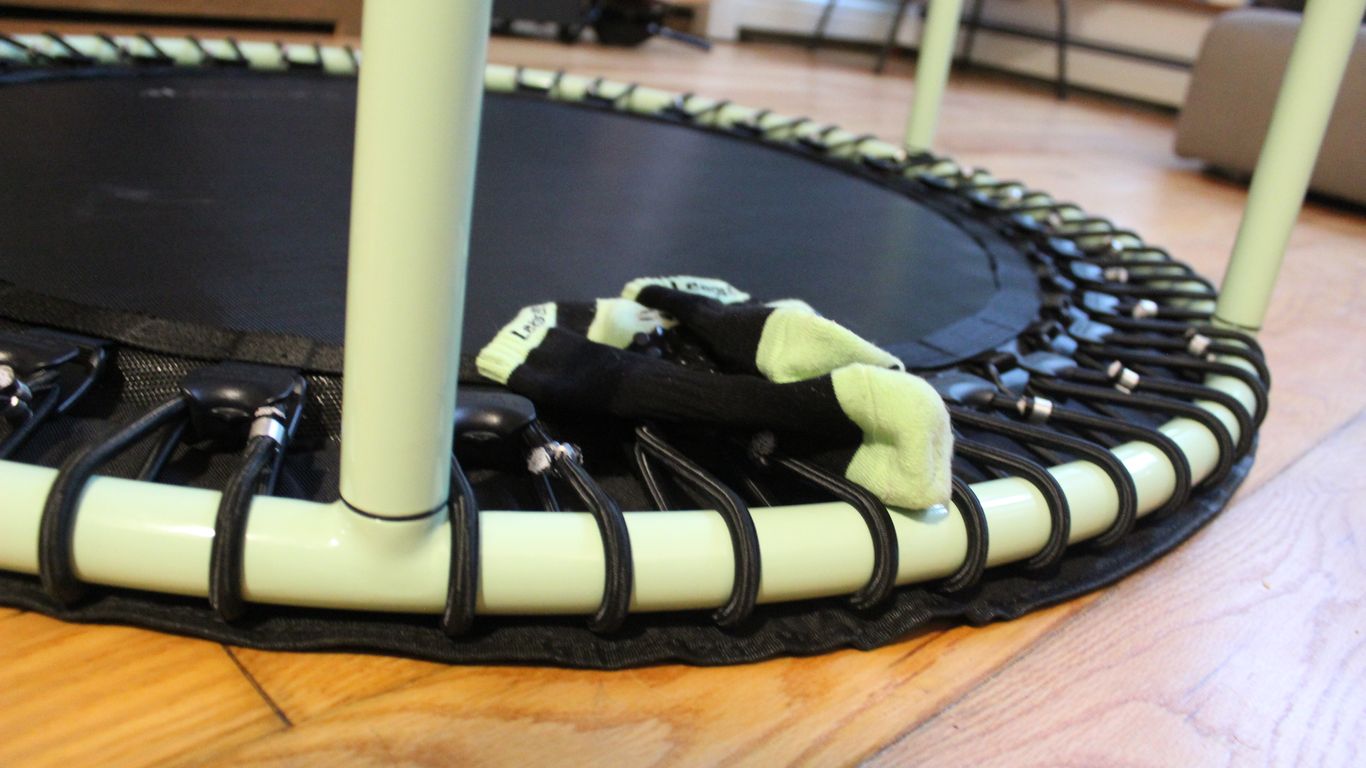
When space is a bit tight in your home gym, a foldable rebounder can be a real lifesaver. These models are designed so you can tuck them away when you're not using them, making them super practical for apartments or smaller houses. You know, the kind of place where you can't just leave a big piece of equipment out all the time.
Most foldable rebounders use a clever design where the legs can be folded up, or the whole unit can be folded in half, kind of like a pizza slice. This makes storing it under a bed, behind a door, or in a closet a breeze. It's a big plus if you're sharing your living space or just like to keep things tidy.
Here's what to keep in mind with foldable options:
- Storage Convenience: This is the main selling point. You can easily reclaim your floor space after your workout.
- Assembly: While many are designed for easy folding and unfolding, sometimes the folding mechanism can add a tiny bit of complexity during initial setup. It's usually not a big deal, though.
- Durability: Some folks worry that the folding parts might wear out over time. It's a valid thought, but most well-made foldable rebounders are built pretty tough. Look for sturdy hinges and a solid frame.
While the convenience of folding is great, it's worth checking how robust the folding mechanism is. A well-built frame is still the most important thing for safety and how long the rebounder lasts. Don't let the folding feature be the only thing you look at; make sure the core construction is solid too.
When it comes to the bounce itself, foldable rebounders come with either springs or bungee cords, just like their non-folding counterparts. The folding feature doesn't usually change the type of bounce you get, so you can still find options that offer a soft, quiet bounce (bungees) or a firmer, more responsive one (springs). The key is finding a balance between the storage benefits and the quality of the bounce and build.
9. Bungee Cord Rebounder
When you're looking at rebounders, you'll notice a big difference in how they bounce. Some use springs, which can be a bit noisy and feel pretty firm. Then there are the bungee cord rebounders. These use elastic cords instead of metal springs to create the bounce. The main draw here is a much quieter and softer feel underfoot.
Think about it: instead of a sharp snap from a spring, bungee cords stretch and then gently pull you back. This means less impact on your joints, which is a huge plus if you're worried about your knees or ankles, or if you just want a gentler workout. It also means you won't be annoying the neighbors or anyone else in the house with loud boing-boing sounds.
Here's a quick rundown of what bungee cord rebounders generally offer:
- Quieter Operation: Significantly less noise compared to spring models.
- Softer Bounce: Easier on joints and provides a more controlled feel.
- Smooth Energy Return: The cords absorb impact and then push back, keeping your muscles engaged.
- Adjustability (Sometimes): Some models allow you to adjust the tension of the bungee cords. Tighter cords offer more resistance, making your workout harder as you have to work more to stabilize yourself. Looser cords provide a bouncier, less resistant feel.
Bungee cords are often preferred by fitness pros because they offer a more efficient transfer of energy. The idea is that the cords absorb your landing impact smoothly and then use that energy to help propel you into your next bounce. This continuous, fluid motion can make your workout feel more effective and less jarring than with other types of rebounders.
While they're great for a softer workout, it's worth noting that bungee cords can wear out over time, especially with very intense or frequent use. You might need to replace them eventually, but many good quality bungee rebounders come with replacement kits or offer them as an add-on. If you're looking for a rebounder that's kind to your body and your ears, a bungee cord model is definitely worth considering.
10. Spring Rebounder
When you're looking at rebounders, you'll notice a big difference between the ones that use springs and those that use bungee cords. Spring rebounders, like the name suggests, use metal springs to create the bounce. This generally gives you a firmer, more responsive bounce compared to the softer feel of bungee cords. This firmness can be really good for getting a more intense workout, especially if you're looking to build strength or do some athletic training.
Think of it like this: the springs have a certain tension. When you jump, they stretch and then snap back, propelling you up. The way these springs are designed and how many there are can change how the rebounder feels. More springs or stiffer springs usually mean a bouncier, more challenging experience. It's not as quiet as a bungee rebounder, you might hear a bit of a twang when you jump, but for many people, that's part of the appeal.
Here's a quick rundown of what to expect:
- Bounce Feel: Firmer and more responsive, great for high-impact exercises.
- Durability: Metal springs are generally very durable and can last a long time with regular use.
- Noise Level: Can be a bit louder than bungee rebounders due to the metal-on-metal action.
- Workout Intensity: Often preferred for more vigorous workouts and athletic training.
Putting one together is usually pretty straightforward. Most come with clear instructions, and you can often get them set up in under an hour. Some models even fold up, which is handy if you don't have a lot of space. Just make sure to check the weight limit, as these can vary between models.
While spring rebounders offer a great workout, they can be a bit harder on the joints than bungee versions. If you have any joint issues, it's worth considering a model with good tensioning or looking into rebounders with extra padding on the mat.
If you're after a solid, energetic bounce that feels really connected, a spring rebounder is definitely worth checking out. They're built to take a beating and give you a great workout session after session.
Looking for a fun way to get fit? A spring rebounder, also known as a mini-trampoline, is a fantastic tool for a low-impact workout that's easy on your joints. You can jump, bounce, and get your heart pumping right in your own home. Ready to start leaping towards a healthier you? Visit our website today to explore our selection and find the perfect rebounder for your fitness journey!
Wrapping It Up
So, there you have it. Finding the right exercise trampoline for you in 2026 really comes down to what you need. Whether you're looking for something super quiet for an apartment, a sturdy option with a handle for extra support, or just a basic rebounder to get started, there's definitely a model out there that fits. We looked at a bunch, and hopefully, this guide helps you pick one that makes your workouts fun and effective. Happy bouncing!
Frequently Asked Questions
How long should I jump on a rebounder each day?
For a simple cardio workout, try jumping for about 10 to 15 minutes. If you want to build more endurance and burn more calories, aim for 20 to 30 minutes. It’s a great way to get a lot done in a short amount of time!
Are bungee cord rebounders better than spring rebounders?
It depends on what you're looking for! Bungee cords offer a quieter, softer bounce that's easier on your joints. Springs give a firmer, more energetic bounce, which can feel more intense. If you have sore joints, bungees are usually a better choice. If you prefer a high-energy workout, springs might be best.
What's the best rebounder for older adults?
Rebounders with bungee cords are often recommended because they provide a gentle bounce that's kind to joints. Look for ones with non-slip feet for stability, a strong frame, and maybe even a handlebar if you need extra support to help with balance and strength.
Can 10 minutes on a rebounder really compare to a longer workout?
Yes! Some experts say that just 8 to 10 minutes of jumping on a rebounder can give you benefits similar to 30 minutes on a treadmill. It's a super efficient way to get a good workout.
Should I wear shoes when I use a rebounder?
You can, but it's often better to go barefoot or wear socks with grips on the bottom. This helps you balance better, strengthens your feet, and stops you from slipping. If you do wear shoes, pick ones with thin, flexible soles.
What makes a rebounder good for home workouts?
A good rebounder is stable, has a strong frame, and offers a bounce that feels right for you. Many are also foldable, making them easy to store when you're not using them. The key is finding one that feels safe and fun for your routine.




0 comments