











Thinking about getting a cycling exercise bike for your home workouts? It's a smart move. These machines let you get a good sweat session going no matter what the weather's doing outside. Plus, they've gotten pretty advanced, with options for fun classes and ways to connect with other riders. Whether you're just starting on your fitness journey or you've been at it for a while, there's a cycling exercise bike that can help you hit your goals. Let's take a look at what's out there.
Key Takeaways
- Cycling exercise bikes are a great way to work out at home, with many models offering interactive classes and community features.
- Different resistance types, like manual, wind, and magnetic, suit various workout styles and work with training apps.
- When picking a cycling exercise bike, think about your fitness goals, how much you want to spend, the space you have, and if you want features like screens or subscriptions.
- Upright, studio, and recumbent bikes each offer different riding positions and benefits, good for everything from tough workouts to recovery.
- Important things to check for in a cycling exercise bike include how well it's built, how adjustable it is for a good fit, and the overall feel of the ride.
Understanding Your Cycling Exercise Bike Options
Types of Cycling Exercise Bikes
When you're looking to get a good workout at home, exercise bikes are a solid choice. They let you get your heart rate up and your legs moving, no matter what the weather's doing outside. These machines have really changed over the years, and now they come with all sorts of features, from classes that keep you motivated to online groups you can join. Whether you're just starting out or you've been cycling for a while, there's likely an exercise bike that can help you hit your fitness targets.
There are a few main types you'll see:
- Upright Bikes: These are pretty standard and look a lot like a regular outdoor bike, but without the wheels. You sit upright, which is generally comfortable for longer rides and easier on your wrists and back compared to more performance-focused bikes. They're great for steady cardio.
- Studio Bikes (or Spin Bikes): These are designed to feel like the bikes you'd use in a spin class. They often have a heavier flywheel for a smoother ride and encourage a more forward-leaning posture, sometimes even letting you stand up. They mimic the feel of outdoor cycling pretty well.
- Recumbent Bikes: These are different because you sit in a more reclined position with back support. This makes them super comfortable, especially if you have back issues or are looking for something gentler. They're good for cardio and rehabilitation without putting much stress on your joints.
Key Features to Consider
Choosing the right bike means looking beyond just the type. Think about what you actually want to do with it. Are you training for a race, trying to lose weight, or just want to stay active? Your goals will point you in the right direction.
Here are some things to keep in mind:
- Resistance: How hard do you want your workout to be? Some bikes have simple manual controls, while others use magnets or even air to create resistance. More advanced bikes can even change resistance automatically based on the workout program.
- Console/Display: What information do you want to see? Basic consoles show speed, distance, and time. More advanced ones might have screens for classes, virtual rides, or detailed performance metrics.
- Connectivity: Do you want to use fitness apps or online classes? Some bikes connect to your phone or tablet, while others have built-in screens and subscriptions.
- Adjustability: Can you get a comfortable fit? Look for seats and handlebars that move in multiple directions to match your body.
The best exercise bike for you is the one that you'll actually use regularly. If it's uncomfortable, too complicated, or doesn't fit your workout style, it'll likely end up gathering dust.
Resistance Mechanisms Explained
The way a bike makes pedaling harder is through its resistance system. This is a big factor in how smooth and challenging your workout will be.
- Friction Resistance: This is common on many studio bikes. A pad presses against the flywheel to create resistance. It's usually controlled manually by turning a knob. It's simple but can require some maintenance over time as the pad wears down.
- Magnetic Resistance: This is a popular choice because it's quiet and smooth. Magnets move closer to or further from the flywheel to increase or decrease resistance. There's no physical contact, so it's low maintenance and often adjustable electronically, allowing for precise control and automatic changes during workouts.
- Air Resistance (Fan Bikes): These bikes use a fan. The faster you pedal, the more air resistance you create. They offer a dynamic workout that can be very intense, and they often work your upper body too, as many have moving handlebars.
| Resistance Type | How it Works | Pros | Cons |
|---|---|---|---|
| Friction | Pad presses against flywheel | Simple, inexpensive | Can wear out, requires maintenance, noisy |
| Magnetic | Magnets move near flywheel | Quiet, smooth, low maintenance, precise | Can be more expensive |
| Air (Fan) | Fan creates resistance based on speed | Dynamic, full-body workout, intense | Can be very noisy, less precise control |
Choosing the Right Cycling Exercise Bike for Your Goals
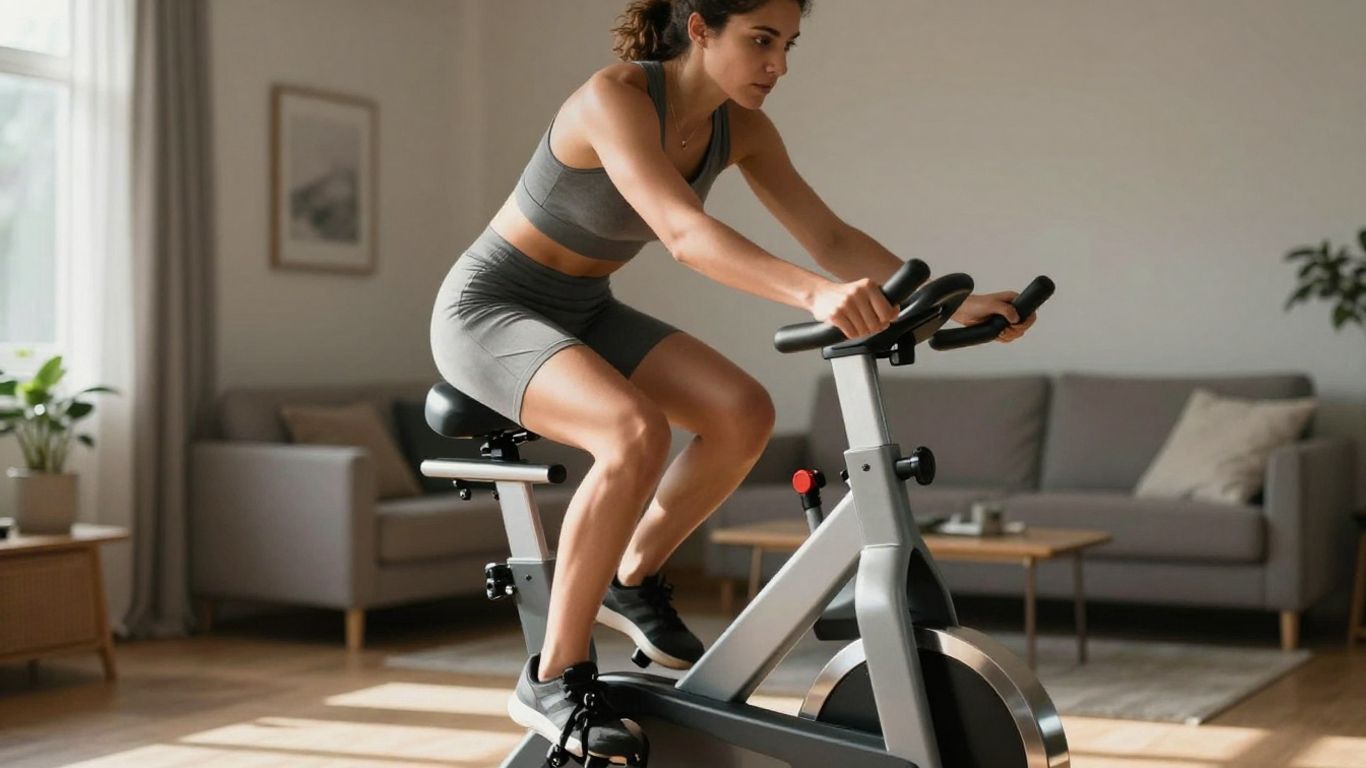
Alright, so you've decided a stationary bike is the way to go for your home workouts. That's awesome! But now comes the big question: which one? It can feel a little overwhelming with all the options out there, but let's break it down. Figuring out what you want the bike to do for you is the first and most important step.
Fitness Objectives and Bike Selection
Think about why you're getting this bike. Are you trying to shed a few pounds? Just want to get your heart rate up a bit more regularly? Or maybe you're training for a big cycling event and need to build serious leg strength and endurance? Your goals really shape the kind of bike that will work best.
- General Fitness & Weight Loss: If you're aiming for overall health and maybe dropping some weight, most bikes will do the trick. You'll want something that's comfortable for longer rides and allows you to track your progress, like distance, calories burned, and heart rate. An upright bike is often a good starting point here.
- Cardiovascular Health: For improving your heart and lungs, you need a bike that lets you push your limits. Look for bikes with a good range of resistance so you can really challenge yourself. Studio bikes, with their ability to simulate intense cycling classes, are great for this.
- Performance Training & Strength: If you're a serious cyclist or want to build serious leg power, you'll need a bike that mimics the feel of a road bike. Studio bikes are usually the best bet here, offering high resistance levels and the ability to stand up and pedal, just like you would outdoors.
- Rehabilitation & Low Impact: For those recovering from injury or looking for a very gentle workout, a recumbent bike is usually the top choice. The reclined position takes pressure off your back and joints.
Budget Considerations for Exercise Bikes
Let's talk money. Exercise bikes can range from a couple of hundred bucks to well over two thousand. It's easy to get swayed by all the fancy features, but try to stick to what you can comfortably afford.
Here's a rough idea of what you might expect:
| Bike Type | Price Range (USD) | Typical Features |
|---|---|---|
| Basic Upright | $200 - $500 | Manual resistance, basic console, limited adjustability |
| Mid-Range Studio | $800 - $1500 | More resistance levels, better console, some adjustability |
| Premium Studio | $1500 - $2500+ | Advanced resistance, large screens, interactive features, subscriptions |
| Recumbent | $300 - $1000+ | Comfort-focused, adjustable seat, varying resistance levels |
Remember, the cheapest option might not last as long or be as comfortable, and the most expensive one might have features you never use. Think about the long haul and what offers the best value for your needs.
Space and Storage Solutions
This is a big one for most people. How much room do you actually have? Measure the space where you plan to put the bike. Don't forget to account for the space you'll need to pedal comfortably and maybe even get on and off the bike.
- Compact Footprint: Some upright bikes are designed to be quite small and can even be folded for easier storage, though folding bikes often sacrifice some stability.
- Standard Footprint: Most studio and recumbent bikes take up more floor space. You'll need to dedicate a spot for them.
- Portability: If you think you might need to move the bike around, look for models with transport wheels. This makes a huge difference when you need to clear the room or tuck it away.
Before you buy, really picture the bike in your space. Will it fit through the doorway? Can you actually use it without bumping into furniture? It's better to check this now than to have a giant, expensive paperweight sitting in your living room.
Choosing the right bike is all about matching the machine to your life. Take your time, consider these points, and you'll find a bike that you'll actually want to use.
Evaluating Cycling Exercise Bike Performance
Build Quality and Durability
When you're looking at exercise bikes, how well it's put together really matters. You don't want something that feels wobbly or like it's going to fall apart after a few months. Think about the materials used – steel frames are generally a good sign of sturdiness. Also, check out the weight of the bike itself. A heavier bike often means it's more stable, especially when you're really pushing it during a tough workout. It's worth looking at reviews that mention how the bike holds up over time, not just how it feels right out of the box. Some bikes are built to last, while others might feel a bit flimsy. A solid build quality means you can focus on your workout, not on whether the bike can handle it.
Ride Experience and Comfort
This is where things get personal, but there are some general things to look for. The seat is a big one. Is it padded enough for you? Can it be adjusted forward and back, not just up and down? Handlebars are another point – do they offer different grip positions? This helps you change your posture and avoid getting too sore. The smoothness of the pedaling action is also key. Does it feel fluid, or is there any jerky movement? A good ride experience makes you want to get on the bike more often, which is the whole point, right? It's about finding a bike that feels good under you, no matter your size or how long you plan to ride. The ideal exercise bike is one that encourages consistent riding, aids in achieving fitness objectives, and promotes leg activity, irrespective of external weather conditions encourages consistent riding.
Adjustability for Optimal Fit
Getting the fit right on your exercise bike is super important for both comfort and preventing injuries. You want a bike that can be adjusted to match your body. This usually means being able to move the seat up, down, forward, and backward. The handlebars should also be adjustable, ideally in multiple directions. Think about your leg length and arm reach. If you're taller or shorter than average, or if you have longer legs, adjustability is even more critical. A bike that fits you properly will make your workouts feel more natural and effective. It's like finding the right shoes – when they fit, everything else just works better.
Here's a quick look at common adjustment points:
- Seat Height: Essential for proper leg extension.
- Seat Fore/Aft: Allows you to adjust your knee position relative to the pedals.
- Handlebar Height: Affects your upper body posture and comfort.
- Handlebar Fore/Aft: Further refines your reach and riding position.
Paying attention to these details during your search can make a huge difference in your long-term satisfaction with the bike. It's not just about the fancy features; it's about how the machine works with your body.
Interactive Features and Connectivity
These days, exercise bikes are way more than just a way to pedal in place. They've become these smart, connected gadgets with screens and internet access. You might think you don't need all the bells and whistles, but honestly, they can make a huge difference in keeping you motivated. Whether it's a trainer you really like, some cool virtual routes, or just a solid workout plan, these features can really get you moving.
The Role of Online Classes
Online classes have totally changed the game for home workouts. Instead of just pedaling aimlessly, you can join live or on-demand classes led by instructors. These classes often come with structured programs, music, and a sense of community, even though you're at home. Some bikes come with their own platforms, while others let you connect to popular third-party apps. This variety means you can find a class style and instructor that really clicks with you.
App Integration and Virtual Riding
Many modern exercise bikes connect to apps that simulate outdoor cycling routes or offer guided workouts. These apps can automatically adjust the bike's resistance to mimic hills and descents, making the experience feel more realistic. Some platforms even let you stream entertainment like Netflix or Hulu directly on the bike's screen, turning your workout into a more enjoyable session. It's a great way to explore new places virtually without leaving your living room.
Console Displays and Data Tracking
The console or display on your exercise bike is your command center. It shows all sorts of important stats like speed, distance, calories burned, and sometimes even power output (watts) and heart rate. The quality and size of the display can really impact your workout experience. Some bikes have large, high-definition touchscreens that make it easy to navigate apps and classes, while others have simpler displays that show basic metrics. Having access to this data helps you track your progress and stay focused on your fitness goals.
Here's a quick look at what you might find:
- Display Type: Integrated touchscreen, basic LCD, or you use your own tablet/phone.
- Metrics Tracked: Speed, distance, time, calories, resistance level, cadence, heart rate, power (watts).
- Connectivity: Bluetooth for heart rate monitors and app syncing, Wi-Fi for direct streaming and updates.
When choosing a bike, think about how much information you want at a glance and how you prefer to interact with your workout. Some people like a minimalist display, while others want all the data and entertainment options right in front of them.
Specific Cycling Exercise Bike Categories
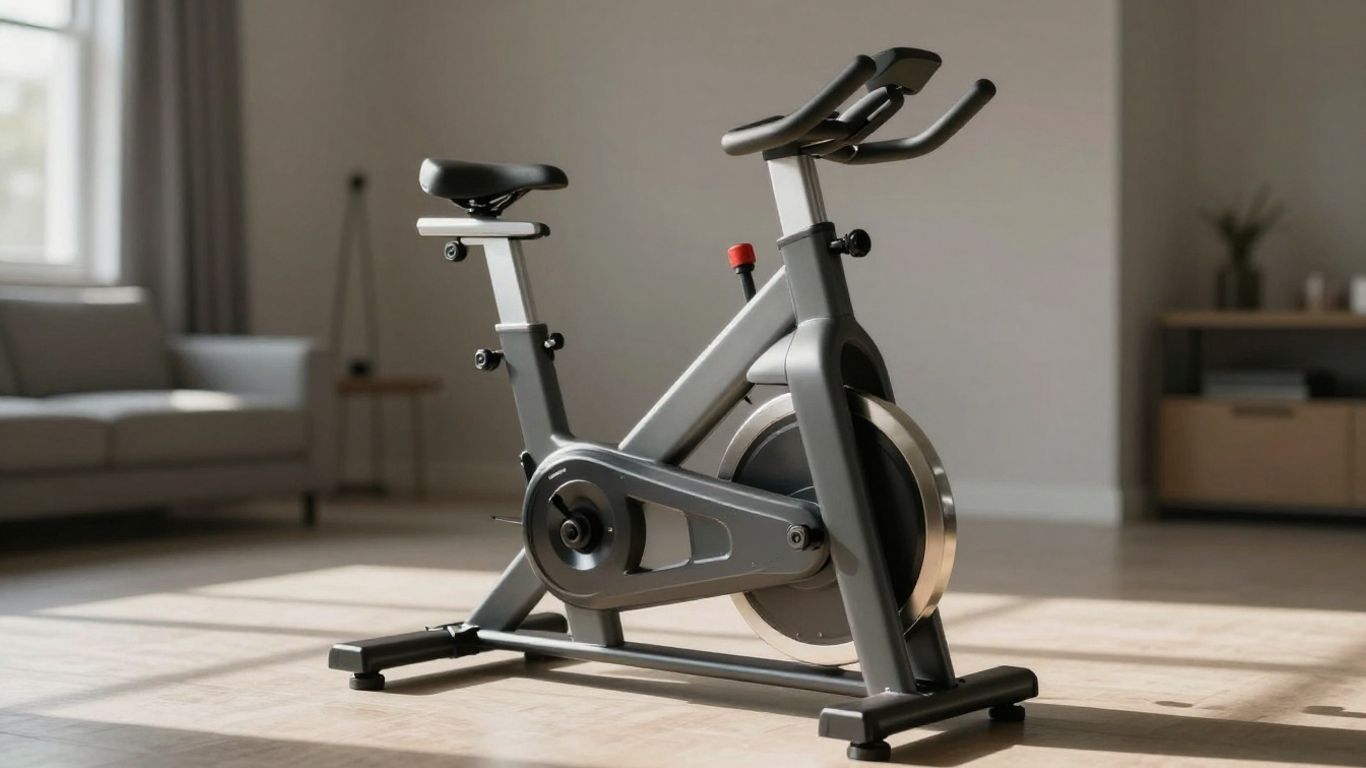
When you're looking to get your sweat on at home, not all exercise bikes are created equal. They come in different shapes and sizes, each designed for a slightly different purpose. It's like choosing between a road bike, a mountain bike, and a cruiser – they all have their place, and so do these stationary versions.
Upright Bikes for General Fitness
Think of an upright bike as the standard, no-frills option. It's what most people picture when they hear "exercise bike." You sit on it much like you would a regular bicycle, with your legs going straight down to the pedals. This position works your quads, hamstrings, and glutes pretty well. They're great for just getting a solid cardio workout in without any fuss. Most upright bikes have a small screen that shows basic info like time, distance, and calories burned. Some even fold up, which is a nice bonus if you're tight on space.
- Good for: Everyday cardio, burning calories, building leg strength.
- Position: Similar to a regular road bike, leaning slightly forward.
- Features: Usually basic consoles, some offer folding designs.
Studio Bikes for Immersive Workouts
These are the bikes you see in those popular online cycling classes. They look a lot like upright bikes but are built for more intense workouts. Studio bikes often have a heavier flywheel, which gives you a smoother, more challenging ride. The handlebars are usually adjustable, and the seats can be swapped out if you find the standard one a bit uncomfortable after a long session. Many of these bikes are designed to connect to screens or tablets, so you can follow along with instructors and virtual routes. This is where you get that gym-class feel right in your living room.
- Best for: High-intensity interval training (HIIT), spin classes, serious cardio.
- Feel: Mimics a road bike, allowing for standing and seated positions.
- Connectivity: Often designed for integration with fitness apps and large displays.
Recumbent Bikes for Comfort and Rehab
If comfort is your top priority, or if you have any back or joint issues, a recumbent bike is probably your best bet. You sit in a chair-like seat with back support, and the pedals are in front of you. This position takes a lot of the pressure off your spine and hips. They're perfect for longer, steady-state cardio sessions where you just want to get your heart rate up without feeling strained. While they might not give you the same kind of intense workout as a studio bike, they are fantastic for recovery, rehabilitation, or just a relaxed way to stay active.
Recumbent bikes offer a more relaxed riding posture, making them ideal for individuals who need extra support or are recovering from injuries. The reclined seat and forward-facing pedals reduce stress on the lower back and joints, allowing for longer, more comfortable workout sessions.
- Ideal for: Beginners, seniors, people with back or joint pain, rehabilitation.
- Position: Seated with back support, pedals in front.
- Workout type: Lower-impact cardio, endurance building.
Maximizing Your Home Cycling Workouts
Benefits of Regular Cycling Exercise
Getting on your exercise bike regularly is more than just a way to pass the time; it's a solid investment in your overall well-being. You'll notice improvements in your cardiovascular health, which means your heart and lungs get a good workout, helping to lower the risk of heart disease and high blood pressure over time. Plus, it's fantastic for building strength in your lower body, from your quads and hamstrings to your calves. And let's not forget the mental side – regular exercise is a proven mood booster and can help reduce stress. It's a low-impact activity, too, meaning it's easier on your joints compared to something like running, making it a great option for many people.
Here are some key benefits:
- Improved Cardiovascular Health: Strengthens your heart and lungs, reducing the risk of heart-related issues.
- Lower Body Strength: Builds muscle in your legs and glutes.
- Weight Management: Burns calories effectively, aiding in weight loss or maintenance.
- Mental Well-being: Acts as a stress reliever and mood enhancer.
- Joint-Friendly: Offers a low-impact alternative to high-impact exercises.
Incorporating Your Bike into Your Routine
Making your exercise bike a regular part of your life is all about finding a rhythm that works for you. Don't feel pressured to do an hour-long session every single day, especially when you're starting out. Even short, consistent workouts can make a big difference. Try scheduling your rides like you would any other appointment. Maybe it's a quick 20-minute spin first thing in the morning before the day gets hectic, or perhaps a 30-minute session in the evening to unwind. Mixing up the intensity is also key. Some days, go for a steady, moderate pace, and on others, try some high-intensity interval training (HIIT) for a more challenging workout. Consistency is more important than duration when you're building a new habit.
Here’s a sample weekly structure:
- Monday: Steady-state ride (30 minutes, moderate intensity)
- Tuesday: HIIT workout (20 minutes, alternating high-intensity bursts with recovery)
- Wednesday: Active recovery or rest day
- Thursday: Longer endurance ride (40 minutes, lower intensity)
- Friday: Strength-focused intervals (e.g., increasing resistance for set periods)
- Saturday/Sunday: Flexible – repeat a favorite workout or take a rest day.
Finding the right balance between challenging yourself and avoiding burnout is key. Listen to your body and adjust your routine as needed. Some days you might feel energetic and ready for a tough session, while other days, a lighter ride is exactly what you need to recover and prepare for the next challenge.
Pedals and Accessories for Your Bike
While the bike itself is the main event, a few accessories can really make your cycling experience better and safer. Pedals are a big one. Most bikes come with basic pedals, but upgrading can make a huge difference. If you plan on doing more intense workouts or want to ensure your feet stay put, consider clipless pedals. These work with special cycling shoes, clipping you in for a more secure and efficient pedal stroke. If clipless seems like too much, look for pedals with straps or cages to keep your feet from slipping. Beyond pedals, a good pair of cycling shorts with padding can save your backside on longer rides. A water bottle holder is a must-have to keep hydration within easy reach, and a small fan can make a surprisingly big difference on hot days. Don't forget a towel to wipe away sweat – it's a simple thing, but it makes the workout much more comfortable.
Wrapping Up Your Search
So, there you have it. Finding the right exercise bike for your home workouts doesn't have to be a huge headache. Whether you're looking for something basic to get you moving, a bike with all the bells and whistles for immersive training, or a solid middle-ground option, there's definitely something out there for you. Think about what you really need – how much space you have, what your budget looks like, and what kind of workouts get you excited. With the right bike, you'll be well on your way to crushing those fitness goals from the comfort of your own home. Happy pedaling!
Frequently Asked Questions
What are the main types of exercise bikes you can get for home?
There are a few main kinds of exercise bikes for home. You have upright bikes, which are like regular bikes but stationary. Then there are studio bikes, which are built for intense workouts and feel like a road bike. Recumbent bikes are super comfy, with a bigger seat and back support, great if you have joint pain or want a relaxed ride. Some bikes are also designed to fold up if you're short on space.
What's the difference between magnetic and air resistance?
Magnetic resistance uses magnets to create tension, making the ride smooth and quiet. It's usually controlled by a dial or buttons. Air resistance, on the other hand, uses a fan; the faster you pedal, the more air it pushes, making it harder. Air bikes often work your whole body, not just your legs.
Do I really need a bike with a big screen and online classes?
Not necessarily! While big screens and online classes, like those from Peloton, can be super motivating for some people, they also add to the cost, both upfront and with monthly fees. If you're happy watching your own shows or using a tablet with apps, a simpler bike might be a better fit for your budget and preferences.
How important is it that the bike can be adjusted?
It's really important! You need to be able to adjust the seat height, seat position (forward/back), and handlebar height so the bike fits your body perfectly. A good fit means you'll be more comfortable during your workouts and less likely to get sore or injured. It helps you get the most out of every ride.
What are the benefits of using an exercise bike at home?
Exercise bikes are awesome for your health! They give you a great cardio workout, which is good for your heart and helps burn calories for weight loss. Plus, they're low-impact, meaning they're easier on your joints than running. You can also build leg strength and improve your endurance, all from the comfort of your home, no matter the weather outside.
Should I consider a bike trainer instead of a full exercise bike?
A bike trainer lets you use your own road bike at home. It's usually cheaper and takes up less space than a full exercise bike. However, you need to have a road bike already, and you might have to swap wheels or do some setup each time you want to ride. Some high-end trainers can cost as much as a decent exercise bike.


0 comments