


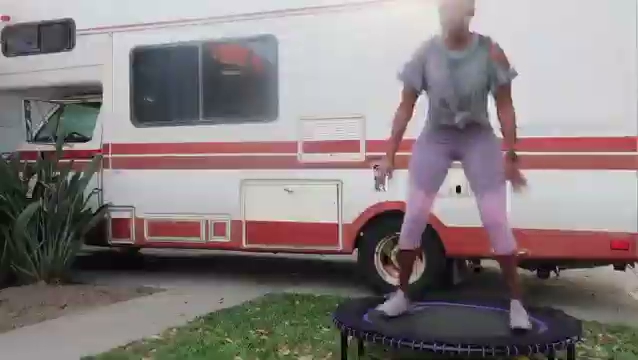









So, you're looking for a fun way to burn some serious calories, huh? Well, get ready to jump for joy because we're diving into the amazing world of trampoline workouts. Forget boring gym routines; bouncing on a trampoline is a fantastic, low-impact way to get your heart pumping and your body moving. Whether you're trying to shed a few pounds or just want to add some excitement to your fitness routine, this guide is all about how trampoline burn calories and why it might be your new favorite way to break a sweat.
Key Takeaways
- Bouncing on a trampoline is a great cardio workout that helps you burn calories and boosts your metabolism.
- Trampoline exercises are low-impact, making them easier on your joints compared to activities like running.
- You can combine bouncing with strength moves and resistance to tone your entire body and build lean muscle.
- Jumping regularly improves your balance, coordination, and flexibility, which can help prevent falls.
- Always prioritize safety by checking your equipment, using proper form, and listening to your body during workouts.
Understanding Trampoline Calorie Burn
The Cardiovascular Power of Bouncing
Jumping on a trampoline might seem like just fun and games, but it's actually a pretty solid workout for your heart. Every bounce gets your blood pumping, making your heart work a bit harder. This is great for your cardiovascular system. Think about it: you're constantly pushing off and landing, which really gets things moving. You can easily change how hard you work by jumping higher or faster. It's a simple way to get your heart rate up and burn some serious calories without feeling like you're stuck on a treadmill.
- Boosts heart rate
- Improves circulation
- Increases stamina
The more intense your bouncing, the more calories you'll torch.
Boosting Your Metabolism Through Rebounding
Rebounding, which is just a fancy word for jumping on a mini-trampoline, does more than just burn calories in the moment. It can actually give your metabolism a little kickstart. When you engage in this kind of exercise, your body uses energy more efficiently. This means even after you've finished bouncing, your body continues to burn calories at a slightly higher rate. It's like giving your internal engine a tune-up. This effect can help with weight management over time, making it a smart addition to your fitness routine.
The constant up-and-down motion engages multiple muscle groups simultaneously, leading to a more complete energy expenditure. This full-body engagement is key to its metabolic benefits.
Low-Impact Benefits for Joint Health
One of the best things about trampolines is that they're easy on your joints. Unlike running or jumping on a hard floor, the trampoline surface absorbs a lot of the shock. This means you get a great cardio workout without all the pounding that can lead to aches and pains. It's a fantastic option if you have joint issues or just want a gentler way to stay fit. You can jump and bounce to your heart's content without worrying as much about stressing out your knees, hips, or ankles. It makes exercise more accessible and sustainable for more people.
- Reduces stress on joints
- Minimizes risk of injury
- Suitable for various fitness levels
Maximizing Calorie Burn with Trampoline Workouts
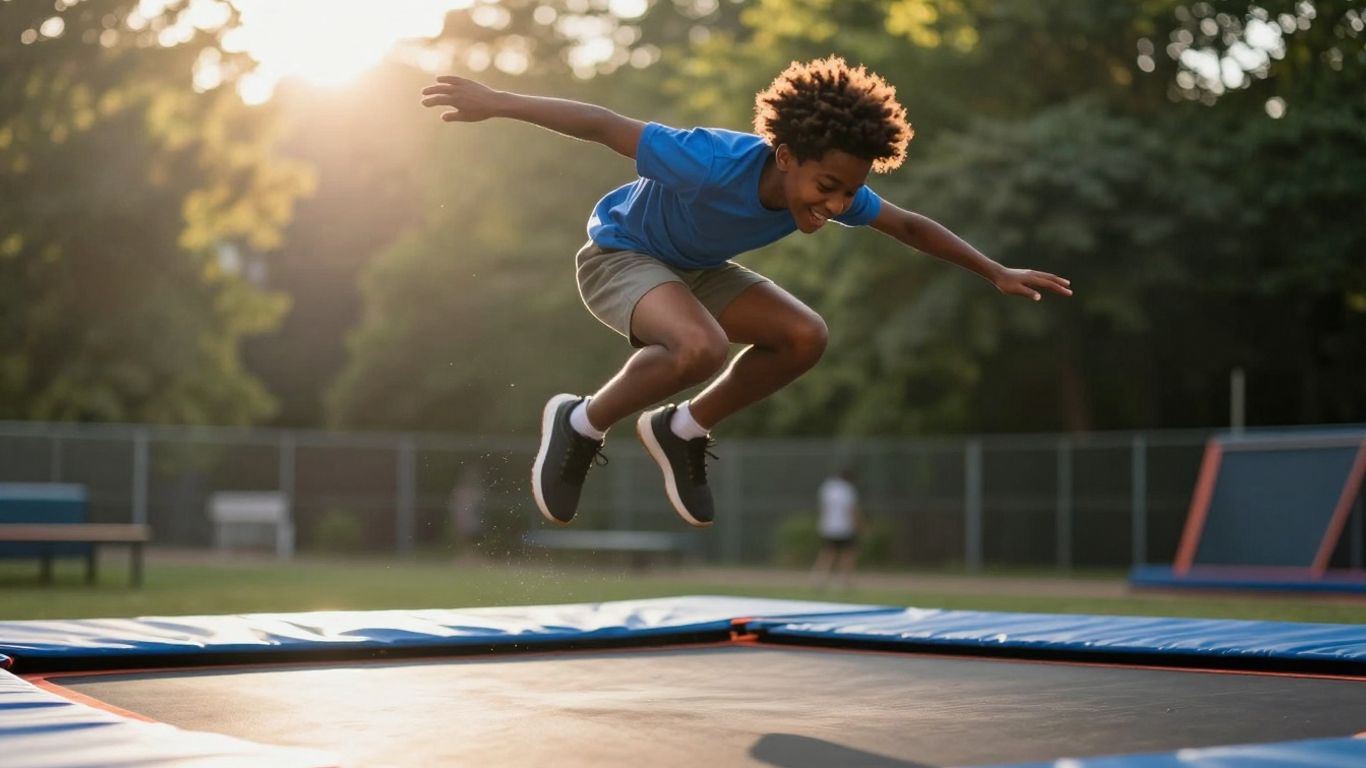
Ready to really crank up the calorie burn on your trampoline? It's not just about bouncing aimlessly; there are smart ways to make every jump count. Think of your trampoline as a versatile tool that can be used for more than just cardio. By mixing things up, you can challenge your body in new ways and see some serious results.
High-Intensity Interval Training on the Trampoline
This is where things get exciting for calorie burning. High-Intensity Interval Training, or HIIT, involves short, super-intense bursts of activity followed by brief rest periods. It's incredibly effective for torching calories in a shorter amount of time and really gets your heart rate soaring. Imagine going all out with fast jumps or tuck jumps for 30 seconds, then taking a quick 15-second breather. Repeat this cycle several times. The key is to push yourself hard during those work intervals. This method is fantastic for boosting your metabolism and can lead to an afterburn effect, meaning your body keeps burning calories even after you've finished your workout.
Incorporating Strength Training Moves
Don't think the trampoline is just for cardio! You can totally mix in strength moves to make it a full-body challenge. Try doing squats or lunges while on the trampoline – the instability makes your muscles work harder to keep you balanced. You can also hold light weights or resistance bands while you bounce to add extra resistance. For example, a bicep curl while doing a basic bounce or a squat with an overhead press. It's a great way to build muscle and improve your stability all at once. This approach helps you build lean muscle without the heavy lifting you might find at a gym.
Challenging Endurance and Agility
Once you've got the basics down, it's time to test your limits. Try longer HIIT intervals, like 45 seconds of work with only 15 seconds of rest, or increase the number of rounds. For agility, practice quick footwork drills, like alternating high knees or side-to-side jumps, trying to move as fast as you can without losing your balance. You could even try incorporating some simple dance moves or sequences that require coordination and quick changes in direction. This will really wake up your body and mind. You can find great routines to follow online, like those on the JumpSport YouTube Channel, to keep your workouts varied and exciting.
Remember, consistency is key. Even short, intense sessions on the trampoline can make a big difference over time. Don't be afraid to experiment with different moves and find what works best for you.
Full-Body Engagement and Muscle Toning
You might think bouncing around on a trampoline is just about cardio, but it's actually a fantastic way to work your whole body and build some lean muscle. Every single jump requires your core muscles to kick in and keep you stable. It’s like a constant, low-key plank while you’re having fun! This means you’re not just getting your heart rate up; you’re also building a stronger midsection without even realizing it.
Core Strength and Stability
When you jump, your body naturally tries to stay balanced. This constant adjustment is a workout for your deep core muscles – the ones that help with posture and protect your back. Think about it: you’re not just bouncing up and down; you’re actively engaging your abs and back to control your movement. This builds a solid foundation for all other exercises, whether you're on or off the trampoline.
Toning Muscles with Added Resistance
Want to take it up a notch? You can easily add resistance to your trampoline routine. Holding light dumbbells or resistance bands while you bounce can really make a difference. Imagine doing bicep curls or shoulder presses while you jump – your muscles have to work harder against the added weight and the unstable surface. This combination is great for toning your arms, legs, and glutes.
Here are a few ideas to get you started:
- Basic Bounce with Arm Curls: Hold light weights and perform bicep curls with each bounce.
- Jumping Jacks with Overhead Press: As you jump your feet out, press light weights overhead.
- Squats with Resistance Band: Stand on the trampoline with a resistance band looped under your feet and hold the ends. Perform a squat with each bounce, feeling the tension in your legs and glutes.
Building Lean Muscle Without Heavy Lifting
One of the best parts about using a trampoline for strength is that you can build muscle definition without the strain of heavy weights. The trampoline's surface provides a unique challenge that activates more muscle fibers. This means you can get a great toning effect and build lean muscle mass just by using your body weight and some added resistance, making it a really accessible way to get stronger.
The constant need for balance and control on a trampoline means your stabilizing muscles are always working. This leads to improved overall body control and can help prevent injuries by strengthening the smaller muscles that support your joints.
Enhancing Balance and Flexibility
Jumping on a trampoline isn't just about getting your heart rate up; it's also a fantastic way to get better at balancing and moving more freely. Think about it – every time you bounce, you're making tiny adjustments to stay upright. This constant micro-correction is actually training your body to be more stable. It's like giving your inner ear and your muscles a workout at the same time.
Improving Proprioception and Coordination
Proprioception is that fancy word for your body's ability to know where it is in space without having to look. Trampolining really wakes this up. As you jump, twist, and land, your brain is getting constant feedback from your muscles and joints. This helps you get more coordinated, which is useful for everything from sports to just not tripping over your own feet. It's especially helpful if you're new to exercise or have felt a bit clumsy.
- Basic Bounce Control: Focus on landing softly and evenly on both feet, feeling the trampoline surface beneath you.
- Single Leg Stands: Try holding a single leg lift for a few seconds on each side. This really challenges your stability.
- Gentle Twists: While bouncing lightly, add a small twist of your torso. See how your body reacts and adjusts.
Incorporating Stretches and Slower Movements
While the bouncing is great, you can also use the trampoline for some really effective stretching and slower, controlled movements. This is where you can really work on your flexibility. Think about gentle movements that take your joints through their full range of motion. It’s a low-impact way to loosen up tight muscles and improve how far you can move your limbs.
Slow, deliberate movements on the trampoline can help increase your range of motion and reduce muscle stiffness. It's a gentle way to improve your body's ability to move.
Reducing the Risk of Falls
By improving your balance and coordination, you're naturally making yourself less likely to fall. This is a big deal, not just for trampolining but for everyday life, especially as we get older. A more stable body means more confidence when you're walking, climbing stairs, or even just standing up. It's about building a stronger, more responsive physical self.
Here's a quick look at how different levels can focus on balance:
| Fitness Level | Focus Area |
|---|---|
| Beginner | Controlled marching, basic bounces |
| Intermediate | Gentle twists, single leg holds |
| Advanced | Dynamic leg swings, controlled jumps |
Getting Started with Your Trampoline Workout
So, you've got your trampoline and you're ready to jump into a new way to get fit. That's great! But before you go all out, let's talk about how to actually start. It’s not just about hopping on and going wild. There are a few key things to get right so you get the most out of it and, more importantly, stay safe.
Choosing the Right Trampoline
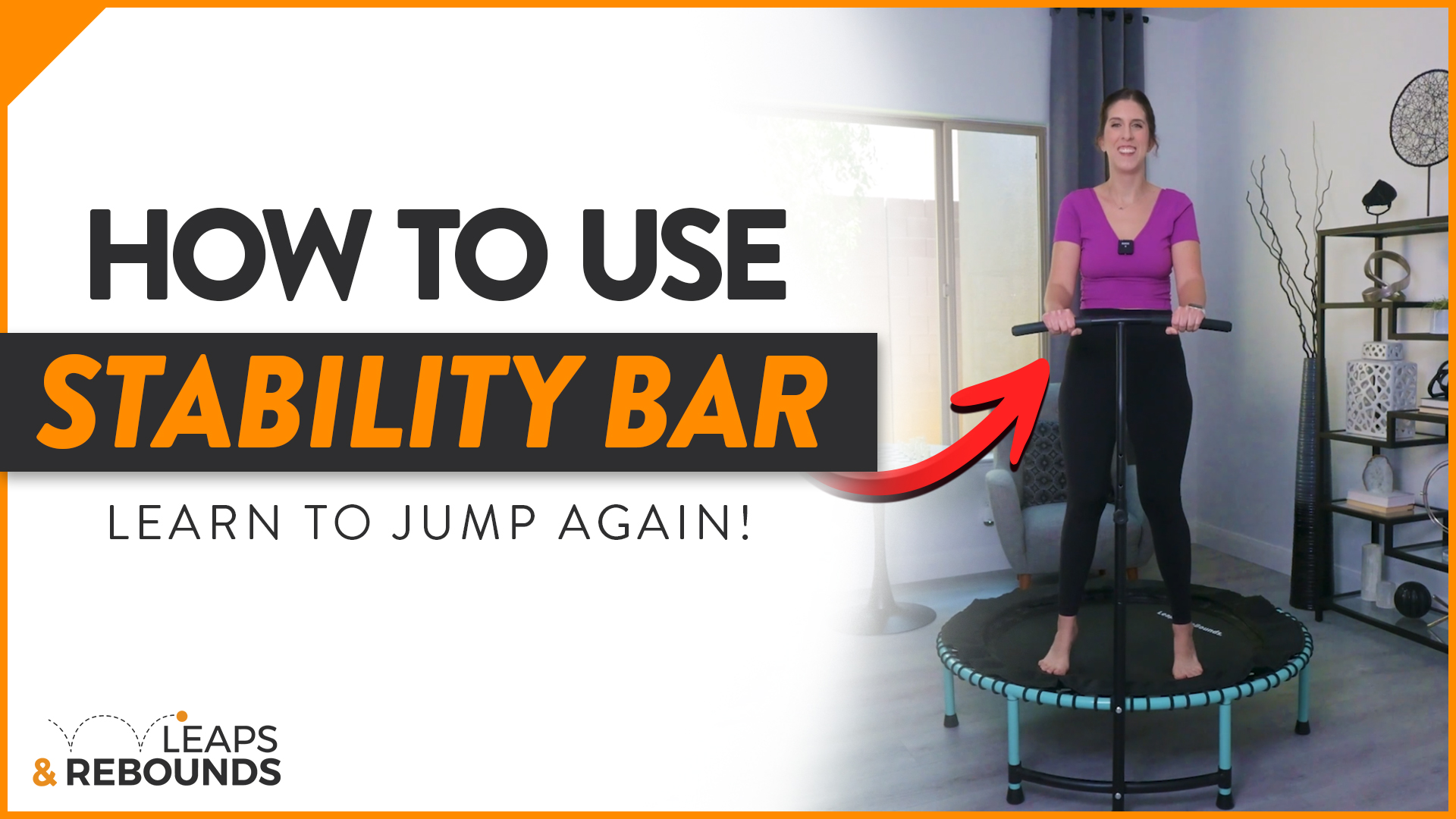
Picking the right trampoline is more than just picking a color. You want something sturdy that can handle your workouts. Think about the size – will it fit in your space? Also, check the weight limit. For serious workouts, a trampoline with a good amount of bounce and a strong frame is what you're after. Some have handles, which can be great for balance when you're starting out or trying tougher moves. Don't just grab the cheapest one; a good trampoline is an investment in your fitness.
Essential Warm-Up and Cool-Down Routines
Seriously, don't skip this part. Warming up gets your blood flowing and your muscles ready. It makes your workout feel better and helps keep you from getting hurt. Think of it as prepping your body for action.
Here’s a simple way to get started with your warm-up:
- Light Cardio: Jog in place on the trampoline for about 2-3 minutes. Just get your heart rate up a little.
- Dynamic Stretches: Do some arm circles, leg swings, and torso twists. Focus on moving your joints through their range of motion.
- Gentle Bouncing: Start with basic, low bounces for about 5 minutes. Get a feel for the trampoline's spring and how your body reacts.
After your workout, a cool-down is just as important. Spend 5-10 minutes doing gentle bouncing and static stretches to help your body recover.
Basic Moves for Beginners
Once you're warmed up, it's time to learn the basics. These moves are the building blocks for everything else you'll do.
- The Basic Bounce: Stand with your feet shoulder-width apart. Keep your arms relaxed by your sides. Jump straight up and land softly on both feet. Focus on a controlled up and down motion.
- Marching: While bouncing gently, lift one knee towards your chest, then the other, as if you're marching in place.
- Leg Kicks: From a gentle bounce, extend one leg forward, then to the side, then back, alternating legs. Keep the movements controlled and focus on your core.
When you're new to rebounding, it feels different than anything you’ve done before, so allow your body (and mind) time to adjust. Start slow! Just as you wouldn’t run a marathon on your first day of running, give yourself time to acquire this new skill. If you’re a beginner, try rebounding three to four times in your first week, even if it's in short five- to 10-minute bursts, so your body has a chance to get used to moving on an unstable surface. Once you’re comfortable, you can increase your time and frequency.
Safety Precautions for Effective Bouncing

Jumping on a trampoline can be a blast and a great way to get moving, but like any physical activity, doing it safely is super important. We want you to have fun and get a good workout without any unwanted trips to the doctor, right? So, let's talk about how to keep yourself safe while you're bouncing around.
Ensuring Equipment Stability and Security
First things first, check out your trampoline. Is it sitting on a flat, stable surface? You don't want it wobbling around or tipping over mid-bounce. Make sure all the springs or cords are properly attached and that the frame itself is solid. If your trampoline has padding, double-check that it's securely in place over the springs and frame. A quick once-over before you start can prevent a lot of potential problems. It’s always a good idea to inspect your equipment regularly, especially if it’s used often. You can find more details on checking your gear at trampoline frame.
Maintaining Proper Form and Head Level
When you're bouncing, try to keep your movements controlled. It’s easy to get carried away, but focusing on your form is key. Aim to keep your head level and avoid leaning too far forward or backward, as this can easily throw off your balance. Think about landing softly on your feet each time. If you're just starting out, holding onto a stability bar, if your trampoline has one, can be a good way to ease into it and build confidence before going completely hands-free.
Listening to Your Body and Taking Breaks
This might sound obvious, but it's worth repeating: pay attention to what your body is telling you. If you start to feel dizzy, unsteady, or experience any pain, it's time to stop. Pushing through discomfort isn't a badge of honor; it's a fast track to getting hurt. Take a break, have some water, and maybe try some gentle stretches. It's better to cut a workout short than to injure yourself and be out of commission for weeks. Remember, consistency is great, but so is knowing your limits.
Trampolining is a fantastic low-impact exercise, but that doesn't mean it's risk-free. Being mindful of your surroundings, your equipment, and your own physical state will make your bouncing sessions both effective and safe. Don't rush the process; focus on controlled movements and gradual progression.
Finding Inspiration and Variety
Sometimes, sticking to a workout routine can feel like a chore, right? You might find yourself doing the same old bounces and wondering if there's more to it. That's totally normal! The good news is, there are tons of ways to keep your trampoline workouts exciting and challenging.
Exploring Online Workout Videos
The internet is a goldmine for fitness inspiration. You can find countless videos featuring instructors who guide you through all sorts of trampoline routines. Whether you're looking for a high-energy cardio blast, a session focused on core strength, or even a dance-fitness party on your rebounder, there's something out there for everyone. These videos are a fantastic way to discover new moves and keep your motivation soaring.
Discovering Different Instructors and Styles
Don't feel like you have to stick with just one person or one type of workout. Different instructors bring their own energy and unique approaches. You might find one instructor's style really clicks with you, while another might push you in a way you didn't expect. Trying out various styles, like HIIT, dance cardio, or even yoga-inspired trampoline sessions, can really shake things up and prevent boredom.
Here's a quick look at how different styles can target different goals:
| Workout Style | Primary Focus | Potential Benefits |
|---|---|---|
| HIIT Bouncing | Cardiovascular Health | High calorie burn, improved endurance |
| Dance Cardio | Coordination & Fun | Mood boost, full-body engagement, calorie burn |
| Strength Integration | Muscle Toning | Increased metabolism, lean muscle development |
| Balance & Flow | Stability & Flexibility | Improved proprioception, reduced injury risk |
Keeping Workouts Fresh and Motivating
To really make your trampoline workouts stick, variety is key. Think about mixing up the intensity and focus throughout your week. Maybe one day is all about quick, intense bursts, and the next is a longer, steady-paced session. You can also add simple props like light hand weights or resistance bands to introduce a strength component. The goal is to keep your body guessing and your mind engaged.
It's easy to fall into a rut with any exercise. When that happens, it's time to shake things up. Trying a new video, a different instructor, or even just a few new moves can make a huge difference. Remember why you started and focus on how good you feel after a good bounce. That feeling is your best motivator.
Ready to Jump In?
So, there you have it. Trampolines aren't just for backyard fun anymore; they're a seriously good way to get fit. You can burn a good amount of calories, get your heart working, and even build some muscle, all while being easier on your joints than you might think. Whether you're doing quick HIIT bursts or just some steady bouncing, it's a workout that actually feels like play. Give it a try, mix it into your routine a few times a week, and see how much fun you can have getting healthier. You might be surprised at how much you enjoy it.
Frequently Asked Questions
How many calories can I actually burn on a trampoline?
Jumping on a trampoline is a great way to burn calories! For example, just 10 minutes of bouncing at a good pace can burn around 150 calories. It's a fun way to get your heart rate up and torch calories without even feeling like you're working out too hard.
Is bouncing on a trampoline good for my joints?
Yes, it's actually quite gentle on your joints! Unlike running on hard surfaces, the trampoline mat absorbs a lot of the impact. This makes it a low-impact exercise, which is easier on your knees, ankles, and hips. It's a fantastic option if you have joint pain or are recovering from an injury.
Can a trampoline workout help me lose weight?
Definitely! Trampoline workouts are excellent for weight loss. The intense bouncing gets your heart pumping, burning calories during the session. Plus, your body keeps burning extra calories even after you're done exercising, thanks to something called the 'afterburn effect'.
What kind of muscles do I work when I jump on a trampoline?
You'll be surprised how much of your body gets a workout! Every bounce engages your core muscles to keep you stable. Your legs, glutes, and even your arms get a good workout. You can also add strength moves like squats or lunges to target specific muscles even more.
How often should I do trampoline workouts?
To get the best results, aim for trampoline workouts about 2 to 3 times a week. This gives your body enough time to rest and build strength between sessions, while still helping you get fitter and burn calories effectively.
What are some simple moves I can start with?
You can begin with basic bounces where you just lift your knees, or try marching in place. A 'health bounce,' where you gently push down into the mat, is also a good starting point. As you get more comfortable, you can try moves like high knees or jumping jacks.


0 comments