











Ever feel like your body needs a little nudge to get things moving, like flushing out waste and just feeling generally lighter? It turns out that something as simple and fun as jumping on a mini-trampoline, also known as rebounding, can do wonders for your lymphatic system. This system is really important for detox, but it doesn't have a built-in pump like your heart does. That's where movement comes in, and using a rebounder for lymphatic drainage is a fantastic way to get that motion. Let's dive into how bouncing can help your body cleanse itself naturally.
Key Takeaways
- The lymphatic system acts like your body's cleanup crew and needs movement to function properly.
- Bouncing on a rebounder, or rebounding, helps move lymph fluid, which aids in waste removal.
- Using a rebounder for lymphatic drainage is a low-impact method to support your body's natural cleansing processes.
- Rebounding offers benefits beyond just lymphatic support, such as better energy and healthier joints.
- Choosing a stable, good quality rebounder is important for a safe and effective workout.
Gentle Bouncing
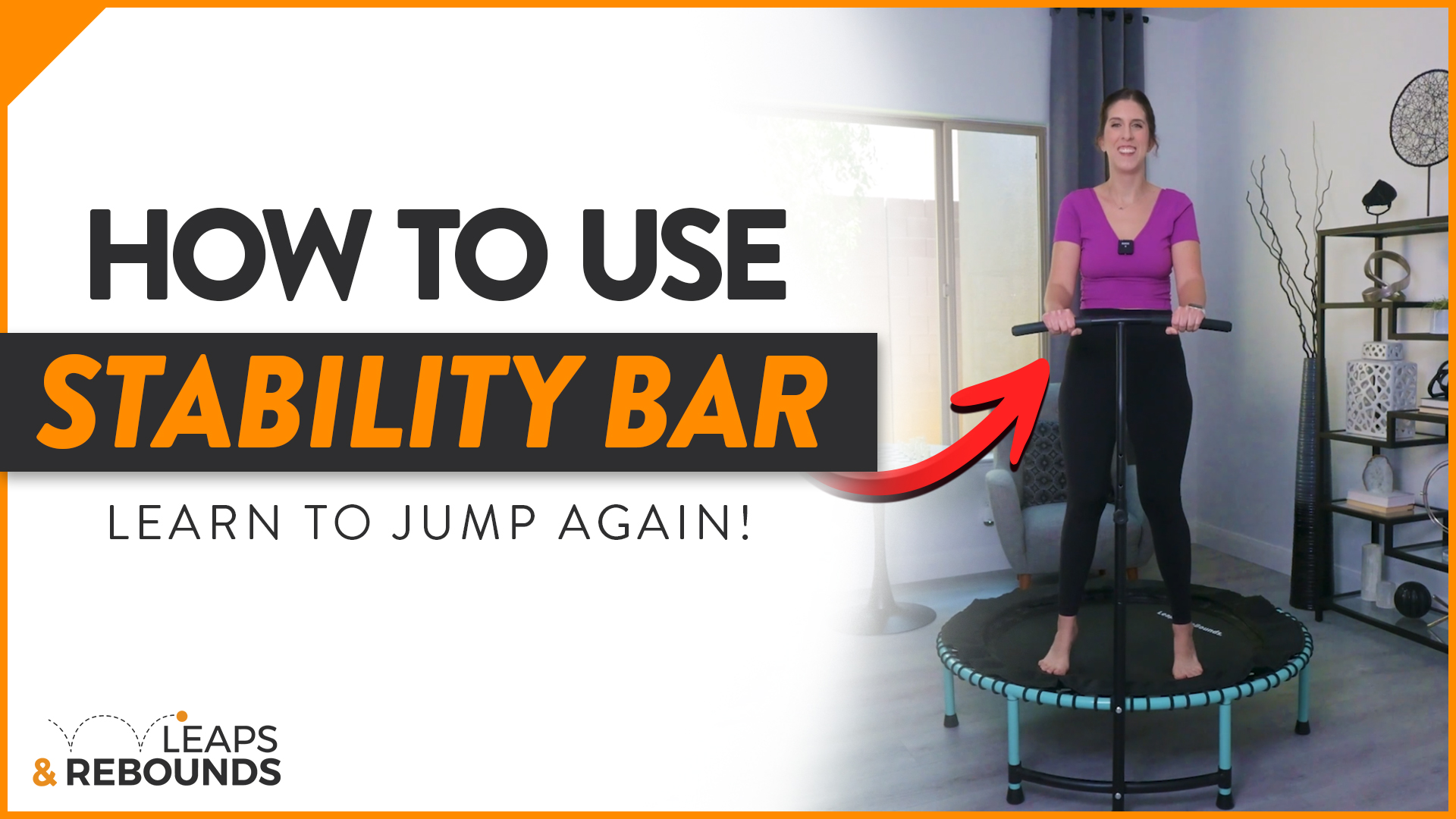
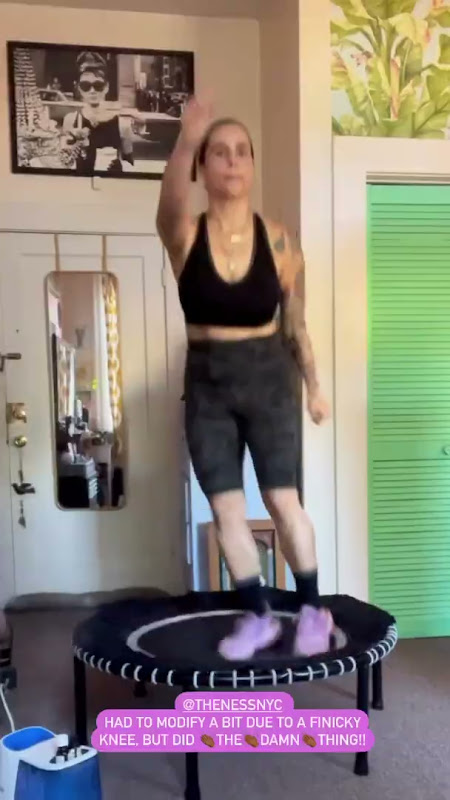
Starting with gentle bouncing on your rebounder is like giving your lymphatic system a soft wake-up call. It’s not about high-impact jumping; think more along the lines of a light, rhythmic bounce that keeps your feet close to the mat. This basic movement is surprisingly effective at getting the lymph fluid moving throughout your body. It’s a low-impact way to encourage circulation and help your body’s natural cleanup processes get going.
When you're starting out, focus on a steady rhythm. Keep your knees a little bent and land softly. This helps absorb the bounce and makes the movement easier on your joints. You can start with just 5 to 10 minutes, maybe first thing in the morning to shake off sleepiness, or even during a midday break.
Here’s a simple way to approach your first few bounces:
- Stand with your feet about hip-width apart.
- Keep your knees slightly bent, like you're about to sit in a chair.
- Gently push off the mat, lifting your feet just a few inches.
- Land softly, absorbing the impact through your legs.
- Repeat with a steady, relaxed rhythm.
This basic health bounce is the foundation for many other exercises. It’s a great way to begin your journey with rebounding and see how it feels to get things moving. Remember, consistency is key, even if it’s just a few minutes each day. You can find a good rebounder to start with here.
The beauty of gentle bouncing is its accessibility. It doesn't require much coordination or strength, making it suitable for almost everyone looking to support their lymphatic health. It’s a simple, effective way to introduce more movement into your day without feeling overwhelmed.
Lymphatic Massage on the Rebounder
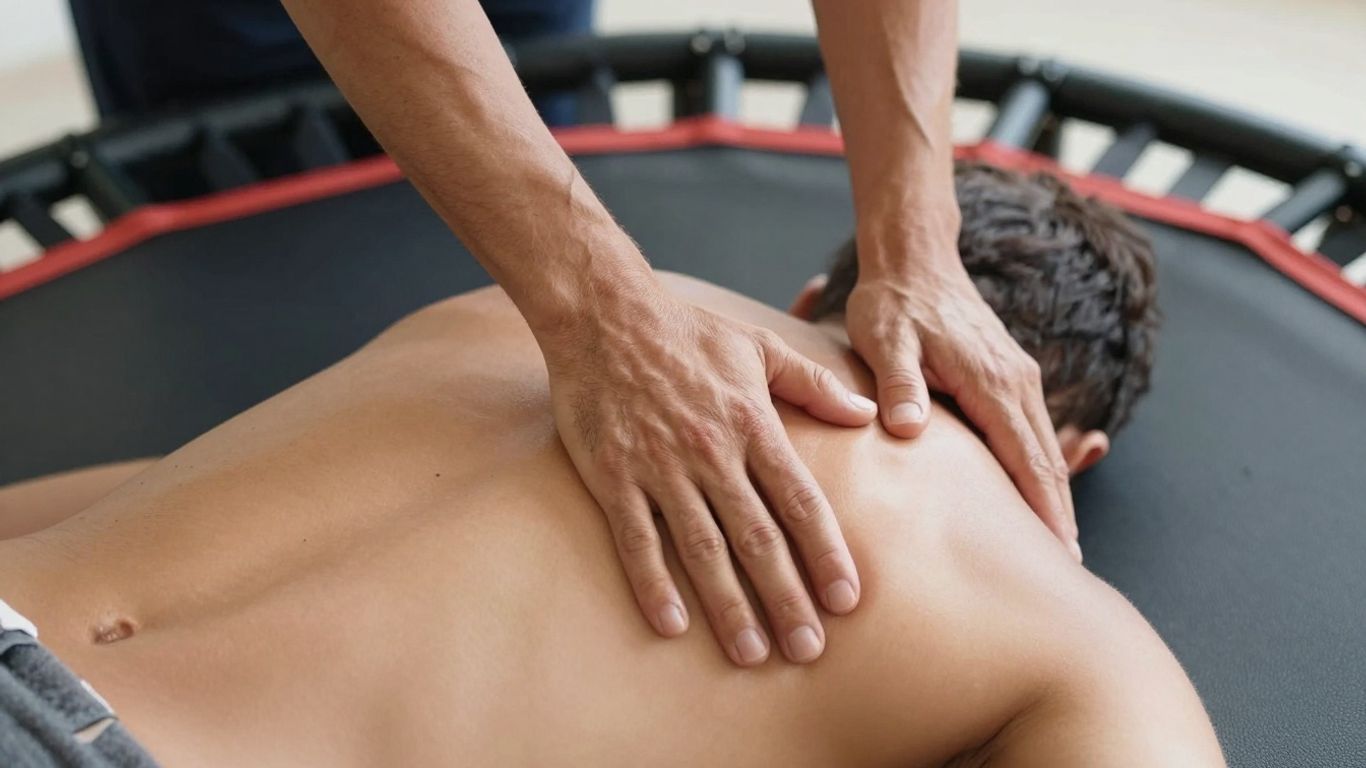
You know, sometimes you just need to give your body a little nudge to get things moving, especially when it comes to your lymphatic system. It doesn't have a pump like your heart, so it really relies on us moving around to keep that fluid flowing and clear out the gunk. Think of the rebounder as your personal lymphatic drainage tool. By mimicking some of the gentle pressure and movements of a manual massage, you can help encourage that lymph fluid to move along.
The key is gentle, rhythmic motion. You're not trying to do a high-intensity workout here; you're aiming to stimulate the system. Simple actions like rocking side-to-side, shifting your weight from one foot to the other, or even just tapping your feet can make a difference. These movements help to gently squeeze the lymphatic vessels, pushing the fluid along its path. It's like giving your internal plumbing a little tune-up.
Here are a few ways to incorporate this into your routine:
- Side-to-Side Rock: Stand with your feet hip-width apart and gently rock your body weight from one side to the other. Feel the shift and let your ankles and hips move naturally.
- Foot Taps: While standing, alternate tapping one foot forward, then the other. This helps stimulate the fluid flow down your legs.
- Gentle Twists: With a slight bounce, gently twist your torso from side to side. Keep your arms relaxed at your sides or extended slightly for balance.
It's pretty amazing how such simple movements can have a significant impact on your body's natural detoxification processes. The rebounder makes it accessible and even fun.
Remember, consistency is more important than intensity when you're focusing on lymphatic health. Even a few minutes of these gentle, massage-like movements can help reduce swelling and that heavy feeling you might get from sluggish lymph flow. It's a great way to support your overall health and wellness and keep your body feeling lighter and more energized.
Twists & Side-to-Side Movements
Alright, let's talk about adding some twists and side-to-side action to your rebounder routine. This isn't just about making things more interesting; it actually does some good stuff for your lymphatic system. When you gently bounce and then twist your torso, your hips naturally move in the opposite direction. It’s a pretty simple motion, but it helps get things moving, especially in your core and lower body.
Think about it: your lymphatic system doesn't have a pump like your circulatory system. It relies on muscle movement to push lymph fluid along. So, when you twist and shift your weight, you're essentially giving that fluid a little nudge. This can be super helpful if you tend to hold a lot of tension or if you've been sitting for a long time.
Here’s how you can incorporate this:
- Gentle Torso Twists: While maintaining a light bounce, gently twist your upper body from one side to the other. Let your hips follow naturally. Keep your arms relaxed, maybe bent at your sides or extended slightly for balance.
- Side-to-Side Weight Shifts: Stand with your feet hip-width apart and a slight bend in your knees. As you bounce, shift your weight from one foot to the other. This simple rocking motion helps move fluid down your legs and back up.
- Cross-Overs: Step one foot across the front of the other, then switch. You can add arm movements, too, like reaching across your body as you step. This works your coordination and gets lymph moving in different directions.
Adding these rotational and lateral movements encourages better circulation to your core and arms, which can help draw lymph fluid up from your legs. It’s a great way to support detoxification if you feel like there’s a bit of a backup happening in your lower body. Just remember to keep the movements controlled and listen to your body. You don't need to go all out; gentle is often best when you're starting out with beginner rebounder workouts.
Up-and-Down Movement

This is the core of what makes rebounding so good for your lymphatic system. It’s all about that simple up-and-down motion. When you bounce, even just a little, you’re creating a gentle squeeze throughout your body. Think of it like a rhythmic massage from the inside out.
This consistent movement helps to open and close the tiny valves in your lymphatic vessels, pushing the lymph fluid along its path. Unlike your blood, which has a heart to pump it, lymph fluid relies on muscle contractions and body movement to circulate. The up-and-down action on the rebounder provides just that.
Here’s a quick look at how it works:
- Gravity Play: Every bounce involves a slight shift in gravity. As you go up, you feel lighter, and as you land, gravity pulls you down. This push and pull helps move the fluid through your vessels and nodes.
- Valve Activation: The pressure changes from bouncing cause the one-way valves in your lymphatic vessels to open and close, directing the flow of lymph.
- Low Impact: The best part is that this is all done with minimal impact on your joints, making it accessible for most people.
It’s a surprisingly effective way to get things moving without feeling like you’re doing a super intense workout. Just a few minutes of this basic bouncing can really get your internal system working better.
The gentle, repetitive up-and-down motion on a rebounder acts like a pump for your lymphatic system. It helps move stagnant fluid, carrying waste products away from your tissues and towards elimination points in the body. This natural process is key to feeling lighter and more energized.
When you land after a bounce, the increased gravitational pull helps push the lymph fluid downwards, while the moment of near weightlessness at the top of the bounce allows it to move freely. This natural interplay is a big reason why rebounding is so beneficial for lymphatic drainage. It helps keep the fluid moving through the vessels and nodes, which is exactly what your body needs to clear out waste.
Improved Blood Flow & Circulation
When you hop on a rebounder, you're not just having fun; you're giving your whole circulatory system a real workout. Think of it like this: every bounce gets your heart rate up a bit, which means your blood starts moving faster. This isn't just about getting oxygen to your muscles, though that's important too. It's also about helping that lymph fluid, which doesn't have its own pump, get where it needs to go.
This increased circulation is key because it helps carry waste products away from your cells and tissues. Without good blood flow, things can get sluggish, and waste can build up. The rebounder helps keep everything moving smoothly.
Here's a bit of what's happening:
- Heart gets a break: By making your muscles work more efficiently to move fluids, your heart doesn't have to work quite as hard. It can beat less often.
- More tiny blood vessels: Rebounding can encourage the growth of more small blood vessels (capillaries) in your muscles. This means blood can get to your cells more easily and quickly.
- Less pooling: It helps prevent blood from just sitting around in your veins, especially in your legs, which can help with swelling.
The up-and-down motion on the rebounder acts like a gentle squeeze and release for your blood vessels. This helps push blood forward and keeps it from getting stuck. It's a simple yet effective way to support your body's natural cleaning processes.
So, while you're bouncing, you're actively helping your body clear out what it doesn't need, all thanks to better circulation.
Enhanced Lymphatic Pumping Action
You know how your blood has a heart to keep it moving? Well, the lymphatic system doesn't have that. It's more like a slow-moving river that needs a nudge to keep flowing. That's where rebounding really comes into play. The simple up-and-down motion of bouncing on a rebounder acts like a gentle pump for your entire lymphatic network.
Think about it: every time you bounce, you're creating a wave-like action throughout your body. This movement causes the tiny valves inside your lymphatic vessels to open and close rhythmically. It's this consistent opening and closing that pushes the lymph fluid along its path, helping to clear out waste and excess fluid from your tissues. It’s a low-impact way to get things moving without stressing your joints.
Here’s a breakdown of how it works:
- Muscle Contractions: The bouncing engages your muscles, and as they contract and relax, they squeeze the lymphatic vessels, propelling the lymph forward.
- Gravity's Role: Each bounce involves slight shifts in gravity. As you land, the increased pull helps move fluid downwards, and the brief moment of weightlessness at the top allows it to move more freely.
- Valve Activation: The rhythmic motion directly stimulates the one-way valves within the lymphatic vessels, ensuring fluid moves in the correct direction.
This constant, gentle stimulation is key. It helps prevent lymph fluid from becoming stagnant, which can happen when we're not moving much. Stagnant lymph can lead to that heavy, sluggish feeling and make it harder for your body to deal with waste.
This action is particularly helpful for conditions where lymph fluid might build up, like lymphedema. By getting the lymph moving more efficiently, rebounding supports your body's natural cleanup processes and helps maintain fluid balance.
Detoxification and Waste Elimination
Think of your lymphatic system as your body's internal waste disposal service. It's constantly working to collect and move waste products, toxins, and excess fluid from your tissues. This fluid carries away things like old cell parts, metabolic byproducts, and other cellular debris. The tricky part is, it doesn't have a pump like your heart does for blood. It relies on muscle movement to get things moving.
When you bounce on a rebounder, that gentle up-and-down motion creates a pumping action that helps push lymph fluid through your vessels. This means your body gets better at clearing out all that waste. Regular bouncing can help prevent buildup and keep your internal environment cleaner. This cellular cleansing is a big part of detoxification. When your cells are cleaner and better supplied, they can function more efficiently.
Here's how rebounding helps with waste removal:
- Increased Lymph Flow: The rhythmic bouncing stimulates the contraction of lymphatic vessels, pushing stagnant lymph fluid along.
- Cellular Waste Removal: Improved circulation helps flush out metabolic byproducts and other waste that accumulates within your cells.
- Reduced Fluid Retention: By aiding in the efficient movement of lymph, rebounding can help decrease puffiness and fluid buildup in tissues.
The lymphatic system is a complex network that works behind the scenes to keep things tidy. It's like a secondary circulatory system, but instead of blood, it transports lymph fluid. This fluid carries away things like dead cells, bacteria, and other unwanted materials. Without this constant work, our bodies would quickly get bogged down with waste. It's a pretty amazing, often overlooked, part of keeping us healthy and functioning.
This process can leave you feeling more energized and can contribute to healthier-looking skin over time. It's a simple yet effective way to support your body's natural ability to clean house from the inside out.
Keep Bouncing for a Healthier You
So, there you have it! Incorporating these rebounder exercises into your routine is a pretty straightforward way to give your lymphatic system a good nudge. Remember, consistency is key. Even just a few minutes a day can make a difference in helping your body clear out waste and feel more balanced. It’s not about doing complicated moves; sometimes, the simplest bouncing is the most effective. Give it a try and see how much better you can feel from the inside out. Your body will thank you for it!
Frequently Asked Questions
What exactly is rebounding?
Rebounding is simply jumping or bouncing on a small, personal trampoline called a rebounder. It's different from big backyard trampolines because it's made for fitness and is gentler on your body.
How does rebounding help my lymphatic system?
Your lymphatic system is like your body's cleanup crew, but it doesn't have a pump. Rebounding's up-and-down motion acts like a gentle pump, helping to move lymph fluid through your body. This helps get rid of waste and keeps things flowing smoothly.
Is rebounding hard on my joints?
Not at all! Rebounding is a low-impact exercise. The trampoline surface absorbs most of the shock, making it much easier on your knees and joints compared to exercising on hard surfaces like the ground.
What are the best exercises to do on a rebounder for my lymphatic system?
Starting with gentle bouncing is great. You can also try side-to-side movements, twists, and tapping your feet. The key is consistent, gentle motion that encourages fluid movement.
How long should I rebound for?
You can start with just a few minutes a day, like two minutes every hour or a short session daily. It's important to listen to your body and gradually increase the time as you feel more comfortable.
Can I do rebounding if I have health issues?
It's always a good idea to talk to your doctor or a fitness professional before starting any new exercise program, especially if you have any health concerns. They can help you figure out if rebounding is right for you and how to do it safely.


0 comments