











So, you're looking to get a trampoline, huh? It seems pretty straightforward, right? You just pick a size and go. But hold on a second. There's actually a bit more to it than just the number you see on the box. The standard trampoline size can be a little tricky, and what looks like a big trampoline might not actually give you as much room to jump as you think. We're going to break down what those sizes really mean so you can pick the best one for your yard and your family.
Key Takeaways
- Trampolines are usually measured from frame to frame, and this number is what's advertised as the standard trampoline size.
- This frame-to-frame measurement often includes the area where the springs are, which isn't actually usable jumping space.
- The actual jumping surface is smaller than the advertised size, especially on trampolines with springs.
- When buying, consider both the overall dimensions for yard fit and the jumping space for actual use.
- Always check for the jumping space or ask the manufacturer if it's not clearly listed to make sure you're getting enough room.
Understanding Trampoline Measurements
How Trampoline Sizes Are Typically Measured
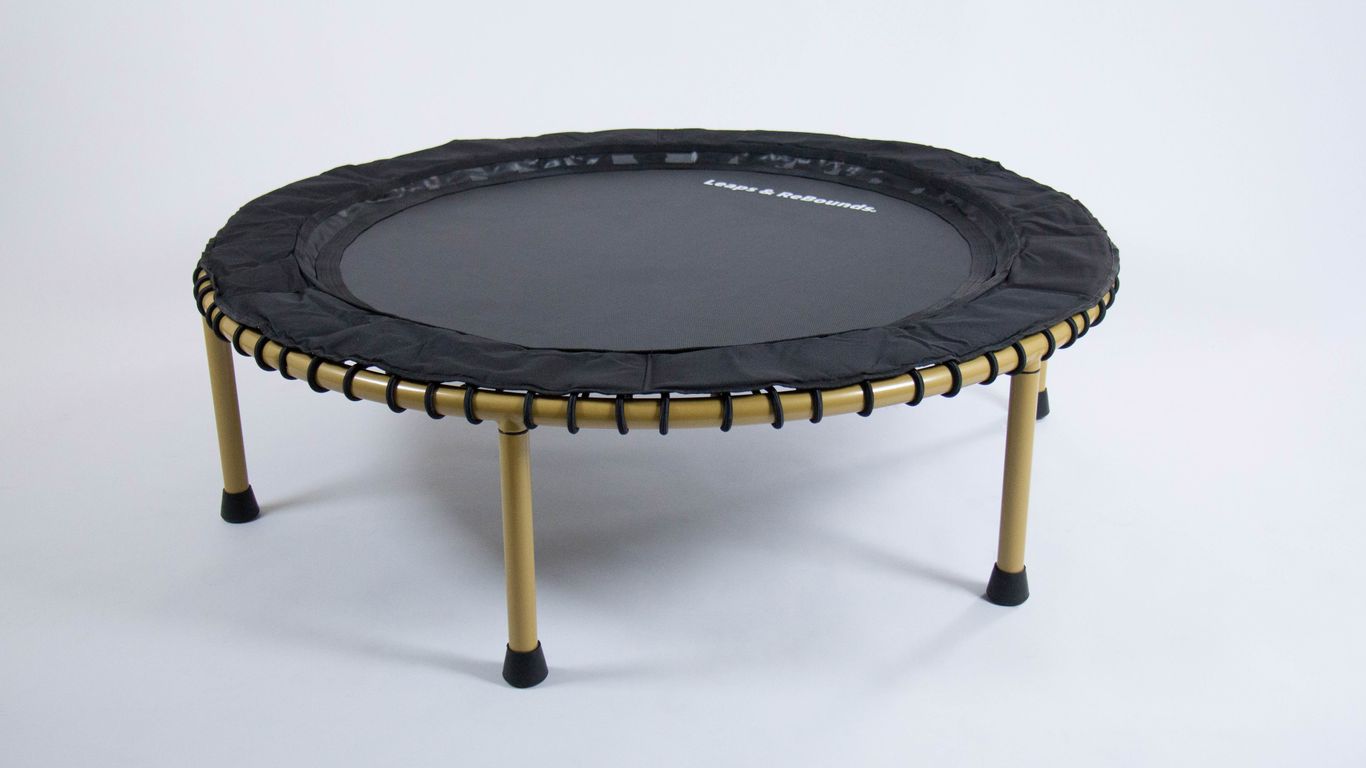
When you're shopping for a trampoline, you'll usually see a size listed, like "10-foot" or "14-foot." This number typically refers to the overall diameter or dimensions of the trampoline's frame. It's the measurement from one outer edge of the frame to the opposite outer edge. This measurement is important, don't get me wrong, because you need to know if the whole thing will even fit in your yard. But here's the thing: it doesn't tell you the whole story about where you can actually jump.
The Misleading Nature of Frame-to-Frame Dimensions
So, that frame-to-frame measurement? It's a bit of a trick. Think about it: the springs that connect the mat to the frame are part of that overall measurement. You can't exactly do a somersault on a spring, right? So, while the frame size gives you the total footprint of the trampoline, it overstates the actual usable jumping area. Most manufacturers focus on this frame measurement because it's the easiest to state, but it can lead you to believe you have more bouncing room than you really do.
Why Jumping Space Differs from Overall Size
The real space you have for bouncing is the mat itself, minus any areas taken up by springs or safety padding that might be attached to the frame. This difference between the stated frame size and the actual jumping surface can be quite significant. For example, a 12-foot trampoline might only offer about 8 or 9 feet of actual jumping space, depending on its design and the spring system. It's like buying a pizza and then realizing the crust takes up a third of the whole thing – you're not eating that crust!
It's a common practice in the industry to list the frame-to-frame measurement as the trampoline's size. This number is useful for determining if the trampoline will physically fit in your desired location, but it's not a direct indicator of the safe bouncing surface available.
Here's a quick look at how the measurements can differ:
| Stated Trampoline Size (Frame-to-Frame) | Typical Jumping Surface Area | Difference |
|---|---|---|
| 8 feet | 5.5 - 6 feet | 2 - 2.5 feet |
| 10 feet | 7 - 8 feet | 2 - 3 feet |
| 12 feet | 8.5 - 9.5 feet | 2.5 - 3.5 feet |
| 14 feet | 10 - 11 feet | 3 - 4 feet |
This table just gives you a general idea, of course. The exact amount of jumping space can vary a lot between brands and even different models from the same brand. It really pays to dig a little deeper than just the headline number.
Exploring Common Trampoline Dimensions
So, you're looking for a trampoline and wondering about the sizes. It can get a little confusing because not all "sizes" are created equal, especially when you think about how much actual jumping room you get. Let's break down the typical sizes you'll find out there, from the little ones to the big kahunas.
Compact Options for Smaller Yards
If your backyard isn't exactly sprawling, or maybe you've got younger kids, the smaller trampolines are probably your best bet. These are usually around 6 to 8 feet in diameter. They're great for fitting into tighter spaces and are generally designed for younger children. Think of them as a fun starter trampoline that won't take over your whole yard.
- 6 ft trampolines: These are the smallest common outdoor trampolines. Good for yards that are a bit tight on space and for kids around 6 to 8 years old.
- 8 ft trampolines: Just a step up from the 6 ft, these are still on the smaller side. They work well for smaller yards and kids aged about 6 to 10.
Mid-Sized Trampolines for Versatile Use
Moving up a notch, we get into the mid-sized trampolines, typically 10 to 12 feet. These are often the sweet spot for many families. They offer a decent amount of jumping space without demanding a massive backyard. They can usually accommodate both kids and adults, making them a versatile choice for a lot of households.
- 10 ft trampolines: This is often considered an average trampoline size. They fit well in medium-sized yards and can be used by both kids and adults.
- 12 ft trampolines: A pretty standard size, these work for mid-sized yards or even slightly larger ones. They give you a bit more room to bounce.
Generous Sizes for Larger Spaces
Got a big backyard? Then you might be looking at the larger trampolines, usually 14 feet or even 16 feet across. These are for when you want maximum bouncing potential and have the space to accommodate it. They're ideal for families with multiple kids or anyone who just loves having a lot of room to jump around.
- 14 ft trampolines: These are quite common for larger yards and can be used by jumpers of all ages.
- 16 ft trampolines: If you have a big backyard and want a ton of jumping space, this is usually the largest common size. It's great for families who want room for everyone.
Remember, the size listed is often the total measurement, including the frame and safety padding. The actual jumping surface might be smaller. Always check if the manufacturer specifies the usable jumping area if that's important to you.
It's really about matching the trampoline size to your available space and who's going to be using it most. Don't just pick the biggest one you can find; make sure it fits comfortably and safely in your yard.
Key Factors in Selecting Your Trampoline
So, you've got a general idea of trampoline sizes, but how do you actually pick the right one for your yard and your family? It's not just about grabbing the biggest one you see. There are a few things to really think about before you hand over your cash. Getting this right means more fun and less worry.
Assessing Available Backyard Space
Before you even start looking at specific models, you need to know what you're working with. Measure the spot where you're thinking of putting the trampoline. Don't just measure the trampoline's footprint; you need to add extra space around it. Think about safety – you don't want anyone bouncing into a fence, a tree, or your shed. Most manufacturers suggest at least 3 to 5 feet of clear space on all sides. This clearance is super important, especially if you have kids who love to do flips or tricks. It's better to have a little too much space than not enough. Also, consider the shape of the trampoline – round, square, or rectangular – and which one fits best in your yard's layout.
Considering Who Will Be Using the Trampoline
Who's going to be bouncing around on this thing? Is it just for the little kids, or will teenagers and even adults be using it? This is a big one. If it's for younger children, you might think about a smaller size, but also consider how quickly they grow. Buying a trampoline that's too small now might mean you're shopping again in a couple of years. It's often smarter to buy a larger trampoline if you have the space, so it can be enjoyed for longer. Think about the weight capacity too. Every trampoline has a limit for a single user, and it's there for a reason. You don't want anyone to
Comparing Trampoline Size and Usable Area
So, you've been looking at trampolines, and you see all these numbers – 10ft, 12ft, 14ft. It sounds straightforward, right? Well, not exactly. The size you see advertised often isn't the whole story when it comes to how much actual bouncing room you've got. It's a bit like buying a pizza and finding out the advertised size includes the crust you don't really eat.
The Discrepancy Between Stated Size and Jumping Surface
Most trampolines are measured from one edge of the frame to the opposite edge. This measurement is important, don't get me wrong – you need to know if it'll even fit in your yard. But here's the catch: that measurement usually includes the area where the springs are located. You can't exactly jump on springs, can you? This means the actual space you have for bouncing is smaller than the overall dimensions suggest. For traditional trampolines with exposed springs, this difference can be quite significant, sometimes taking up a foot or two all around the mat.
Why Manufacturers Often Omit Jumping Space Data
It's a bit of a mystery why most companies don't readily share the jumping surface area. Maybe it's just the way things have always been done in the industry, or perhaps they figure most people won't dig too deep. Whatever the reason, it leaves buyers in the dark. You're left to guess or assume that the advertised size is all usable space, which just isn't the case. This lack of transparency can lead to disappointment when you realize the bouncing area is less than you expected.
Analyzing Real-World Examples of Size vs. Space
Let's look at a quick example to make this clearer. Imagine two trampolines that cost about the same:
- Trampoline A (Rectangular): Advertised as 10ft x 17ft. The total frame-to-frame size is 170 square feet. However, the actual jumping space might only be around 102 square feet after accounting for the spring area.
- Trampoline B (Square): Advertised as 13ft x 13ft. This gives a total frame-to-frame size of 169 square feet. But, because of its design, it might offer a much larger jumping surface, say 155 square feet.
See the difference? Even though Trampoline A is longer, Trampoline B offers considerably more room to jump. It really highlights how you can't just go by the main dimensions listed. Always try to find out the specific jumping surface area if you can. It makes a big difference in how much fun and how safely people can use the trampoline.
Making an Informed Trampoline Purchase
The Importance of Verifying Jumping Space
So, you've looked at the numbers, you've measured your yard, and you've got a general idea of what size trampoline might work. But before you hit that 'buy' button, there's one more thing you really need to check: the actual jumping space. Remember how we talked about how trampolines are measured from frame to frame? That measurement often includes the area where the springs are, and you definitely can't jump there. It's like buying a pizza and finding out the advertised size includes the crust you don't eat. Always try to find out the real usable jumping surface. Contacting the manufacturer directly is your best bet if this information isn't clearly listed. Don't be shy about asking; it's your money, and you want to make sure you're getting what you expect.
Choosing a Trampoline for Growth and Longevity
Think about who's going to be using the trampoline, not just today, but a few years from now. If you're buying for kids, they grow fast! That 8-foot trampoline that seems perfect now might be too small in a couple of years. It's often smarter to invest in a larger size upfront if your space allows. This way, the trampoline can be a source of fun for longer, saving you the hassle and expense of buying a new one down the line. It’s kind of like buying clothes – it’s usually better to get something they can grow into rather than grow out of quickly.
Utilizing Tools for Visualization
Sometimes, seeing is believing. It can be tough to picture exactly how a trampoline will look and fit in your backyard just from looking at measurements on paper. Luckily, there are some neat tools out there now that can help. Many companies offer augmented reality (AR) apps or online tools. You can use your smartphone to virtually place different trampoline sizes in your yard and get a real feel for the scale. It’s a pretty cool way to avoid any surprises about fit or how much space it actually takes up. It’s a simple step that can make a big difference in your final decision.
Choosing the right trampoline is important for your fitness journey. Think about what you need, like size and how sturdy it is. We have many options to fit your space and workout style. Ready to find your perfect bounce? Visit our website to explore our selection and get started today!
So, What's the Takeaway?
Alright, so we've talked a lot about trampoline sizes. It's not just about the number you see on the box, you know? That frame-to-frame measurement is important for fitting it in your yard, sure, but it doesn't tell the whole story about where you can actually jump. Springs take up space, and not everyone tells you how much room you really have. So, before you buy, do a little digging. Ask the company about the jumping space, think about who's going to use it, and make sure it fits your yard with a little extra room to spare. Getting the right size means more fun and less worry. Happy bouncing!
Frequently Asked Questions
How do trampoline companies usually measure trampoline size?
Most companies measure trampolines from one side of the frame to the other. This is the number you'll see when you look up the trampoline's size. However, this measurement includes the springs or netting around the jumping mat, which you can't actually jump on.
Why is the 'frame-to-frame' size different from the actual jumping space?
The frame-to-frame measurement is the trampoline's total size, but it includes the area where the springs are attached. Since you can't jump on the springs, the actual jumping space is always smaller than the advertised size.
What's the best way to know the real jumping space on a trampoline?
It's best to ask the manufacturer directly or look for a "jumping surface area" or "usable space" measurement. Many companies don't readily share this, so you might need to do a little digging to find out how much room you really have to jump.
What are some common trampoline sizes for backyards?
Trampolines come in various sizes. Small ones are usually 6 to 8 feet, good for younger kids or smaller yards. Medium sizes are around 10 to 12 feet, fitting most yards and users. Larger ones are 14 feet or more, perfect for bigger spaces and lots of jumping.
How do I pick the right trampoline size for my family?
First, measure your yard to make sure it fits! Also, think about who will be jumping – kids or adults? Consider the weight limit and how much space each person needs. It's often smart to get a slightly bigger one if you want it to last as your kids grow.
Is a bigger trampoline always less bouncy?
Not necessarily! While size can affect the bounce, other things matter more, like the quality of the springs or rods, the mat's firmness, and even the weight of the person jumping. A larger trampoline can still be very bouncy.


0 comments