


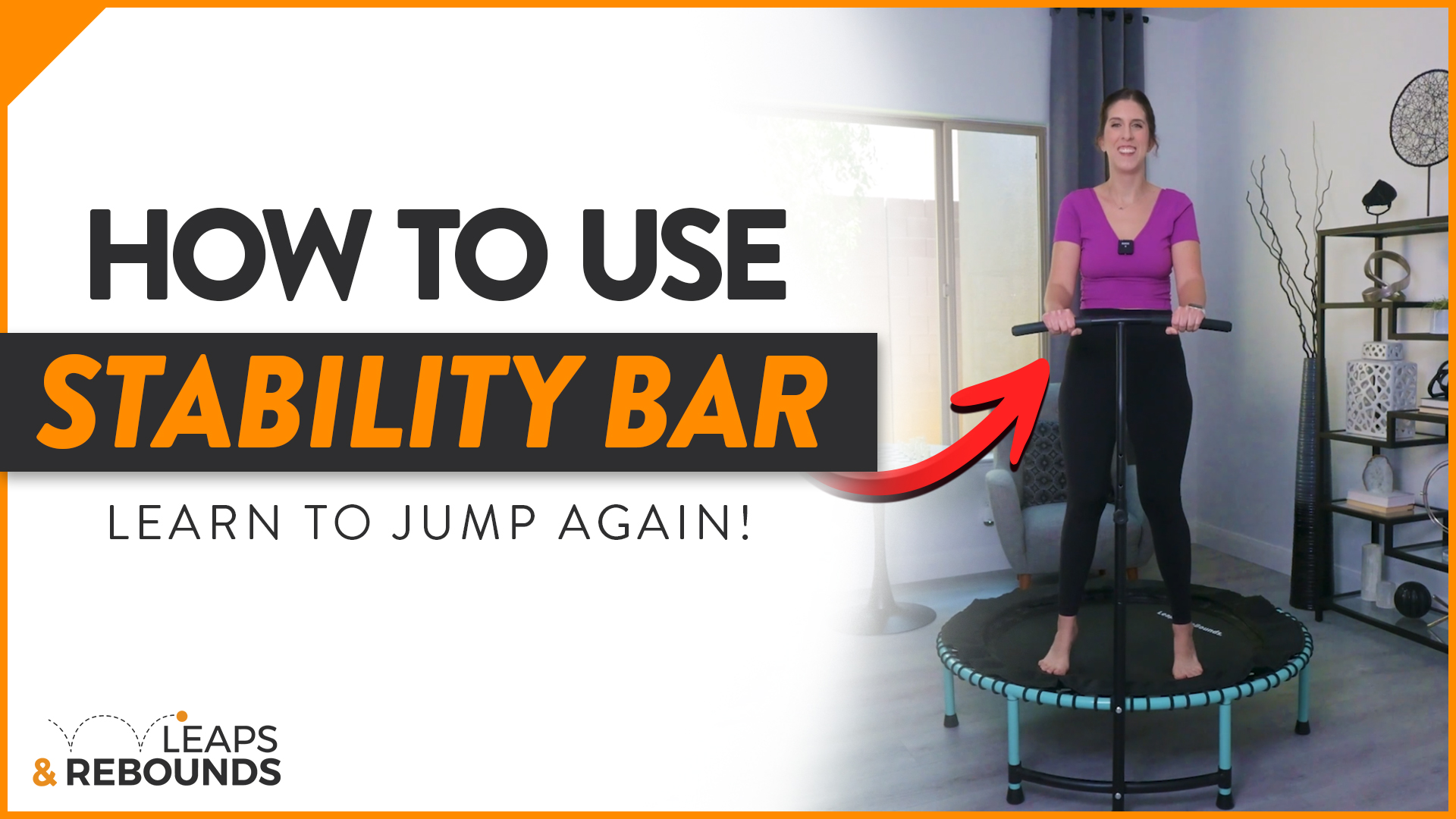
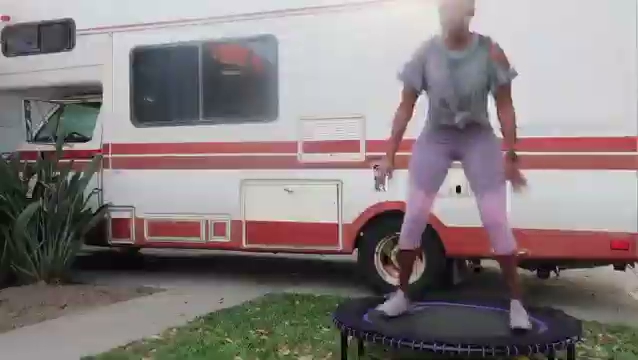




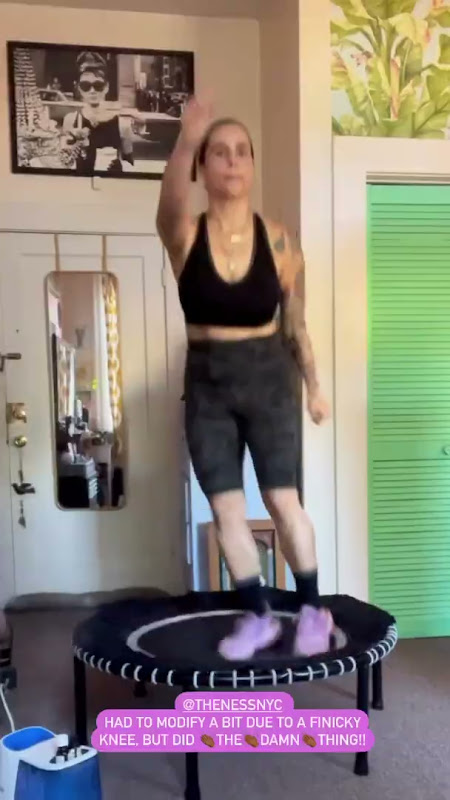




Welcome to our very first webinar from Leaps and Rebounds! We're thrilled to have you here today as we explore how to improve your bounce and overall well-being. By the end of this session, you'll have a better understanding of posture, stance, and some simple yet effective moves to boost your rebounding technique.
We're going to cover some skills and drills designed to help you jump higher and feel better. The most important thing is to enjoy the process, absorb the information, and have fun. We'll also have a Q&A session at the end, so get your questions ready!
Building a Strong Foundation
Think of a building. It needs a solid foundation to stand tall and stable. Our bodies are no different. Your foundation starts with your feet. Whether they naturally turn in or out, the key is a strong base. This strong foundation is crucial for everything you do, from walking and running to exercising on your rebounder.
So, what does a good foundation look like? Stand up for a moment. Place your feet hip-distance apart. Slightly back your knees – don't lock them. Pull your shoulder blades back, draw your core in, and lift your chin slightly. This isn't about being rigid; it's about centering yourself and engaging your core. This is your starting point for any activity.
Key Takeaways
- Posture is Key: Feet hip-width apart, knees slightly bent, core engaged, shoulders back, chin up.
- Foundation Matters: A strong base supports all movement and improves efficiency.
- Dynamic Environment: The rebounder is more challenging than the floor because it moves, activating more muscles.
- Mind-Muscle Connection: Awareness of your body in space is vital for effective rebounding.
- Breathing: Inhale during less intense moments, exhale during exertion.
Understanding Your Stance on the Rebounder
Your stance on the rebounder is just as important as your stance on the floor. However, a rebounder is a dynamic surface. Unlike the stable floor, it moves, forcing your intrinsic muscles to work harder to keep you balanced. This constant activation is one of the best things about rebounding – it speeds up your heart rate, engages stabilizers, and builds spatial awareness.
Changing up your routine is important for seeing results. If you're a runner, you know that adding strength training helps. Rebounding offers a similar benefit by introducing a dynamic element that challenges your body in new ways. To build this awareness, try this: stand on your rebounder, draw your belly button towards your spine, pull your shoulders back, and close your eyes. Feel how different your spatial awareness is compared to standing on the floor. This heightened awareness is what makes rebounding so effective.
Improving Your Bounce
The goal of improving your bounce is to work more efficiently. Whether you're a beginner, intermediate, or advanced user, there's always a learning curve. This curve is where your body changes and adapts.
It's not a competition to move up levels. Even a simple health bounce activates muscles and improves your metabolism. The difference lies in the intensity and muscle activation. Deeper, more intense bounces lead to greater muscle contraction, which helps build muscle, burn fat, and boost your metabolism.
The Push and the Press
Understanding the difference between a "push" and a "press" is key. When you "push" into the mat, you're allowing the rebounder's bungees to do the work of lifting you. This is like doing a series of squats, but the rebounder adds a dynamic resistance that makes it more challenging and calorie-burning than floor squats.
When you "press" down, you're actively engaging your muscles to push into the mat. This controlled movement helps you generate more lift and work your muscles more effectively. It's about controlling the descent and using the rebounder's energy to propel you upwards.
The Role of Your Arms
Your arms play a significant role in your rebounding. Think about walking: your arms swing in opposition to your legs, creating rhythm and momentum. On the rebounder, your arms help create this same rhythm and can significantly improve your bounce.
Try walking on the rebounder. Notice how your arms help you balance and generate lift. When you do a health bounce, try adding arm movements. Pushing your arms down can help you press further into the mat, while lifting them up can help you gain more height. Engaging your arms also works your core and shoulder muscles more intensely due to the unstable environment.
Experiment with different arm positions: by your sides, out to the front, or even doing bicep curls. You'll feel how each variation challenges your body differently.
Bounce Types and Intensity
- Health Bounce: Keep your feet flat on the mat, focusing on pressing down. This is great for beginners and low-impact exercise.
- Jogging Bounce: A variation of the walk, this increases intensity. It might feel easier due to the dynamic movement, but your stabilizers are working harder.
- Deep Lift: This involves pushing down as deeply as possible into the mat. Using your arms to assist this deep push generates more muscle activation, speeds up metabolism, and burns more fat.
The Mind-Muscle Connection
This connection is about being aware of your body and how it moves in space. When you're on the rebounder, your spatial awareness changes because you're elevated. This new environment requires your brain to create new movement patterns.
Try this exercise: do a health bounce with your eyes closed. You'll likely find it easier after you've practiced the spatial awareness drill mentioned earlier. This is because your brain has learned to connect with your muscles, creating a "muscle memory" for the movement. This connection allows you to work more efficiently and with better posture.
Rhythm and Breathing
Breathing is automatic, but conscious breathing during exercise can make a difference. Aim to inhale during the least intense part of the movement and exhale during the most intense part. On the rebounder, this often means exhaling as you push down into the mat.
As you increase intensity, like during a jog or a deeper bounce, your breathing will naturally deepen. You can further increase intensity by adding external weights, resistance bands, or by simply increasing the duration of your workout.
Why Rebounding Works
NASA has stated that improving your awareness, posture, strength, core engagement, and spatial awareness on a rebounder can make you work up to 68% more efficiently. It's about being engaged, not sloppy. Keep your core tight, chest up, and be aware of your movements.
Key Takeaways Recap:
- Knees Soft: Keep your knees slightly bent to absorb impact, not locked out.
- Posture: Engage your core (navel to spine), keep your chin parallel to the floor, and lift your chest slightly.
- Pelvic Stability: Squeeze your glutes to prevent your pelvis from collapsing, engaging deep core muscles.
- Enjoyment: Have fun with your workout! Find music you love and create a routine that suits you.
Rebounding is a fantastic way to improve your health. Whether you're a beginner or advanced, there's always something new to learn. Remember to engage your core, maintain good posture, and most importantly, have fun!
If you don't have a rebounder yet, you can get one from our website and use the code WEBINAR1 for a 12% discount. We also have plenty of workout resources and techniques available on our YouTube channel and website. Follow us on social media for more content!
Thank you for joining us. We look forward to seeing you again soon!


0 comments