













So, you're looking to get your heart pumping and maybe shed a few pounds, but you're wondering about the best way to do it. We've all seen people jumping rope and those mini-trampoline things, right? They both look like they get the job done, but which one is actually better for you? It can be confusing trying to figure out which workout is worth your time and effort. Let's break down rebounding vs jumping rope to see what really works.
Key Takeaways
- Both rebounding (using a mini-trampoline) and jumping rope are great cardio workouts that burn calories and improve heart health, but they do it differently.
- Jumping rope tends to burn more calories per minute and is excellent for quick, high-intensity sessions, making it super time-efficient.
- Rebounding is generally lower impact on your joints than jumping rope, making it a good option if you have knee or ankle issues.
- Jumping rope engages your arms and shoulders more than rebounding, offering a slightly more full-body workout.
- When choosing between rebounding vs jumping rope, consider your fitness goals, joint health, and how much time you have for your workouts.
Understanding The Core Differences
When you're looking to get your heart pumping and break a sweat, two popular options often come up: rebounding and jumping rope. Both are fantastic ways to get a cardio workout, but they're not quite the same. Let's break down what makes them tick.
What Is Rebounding?
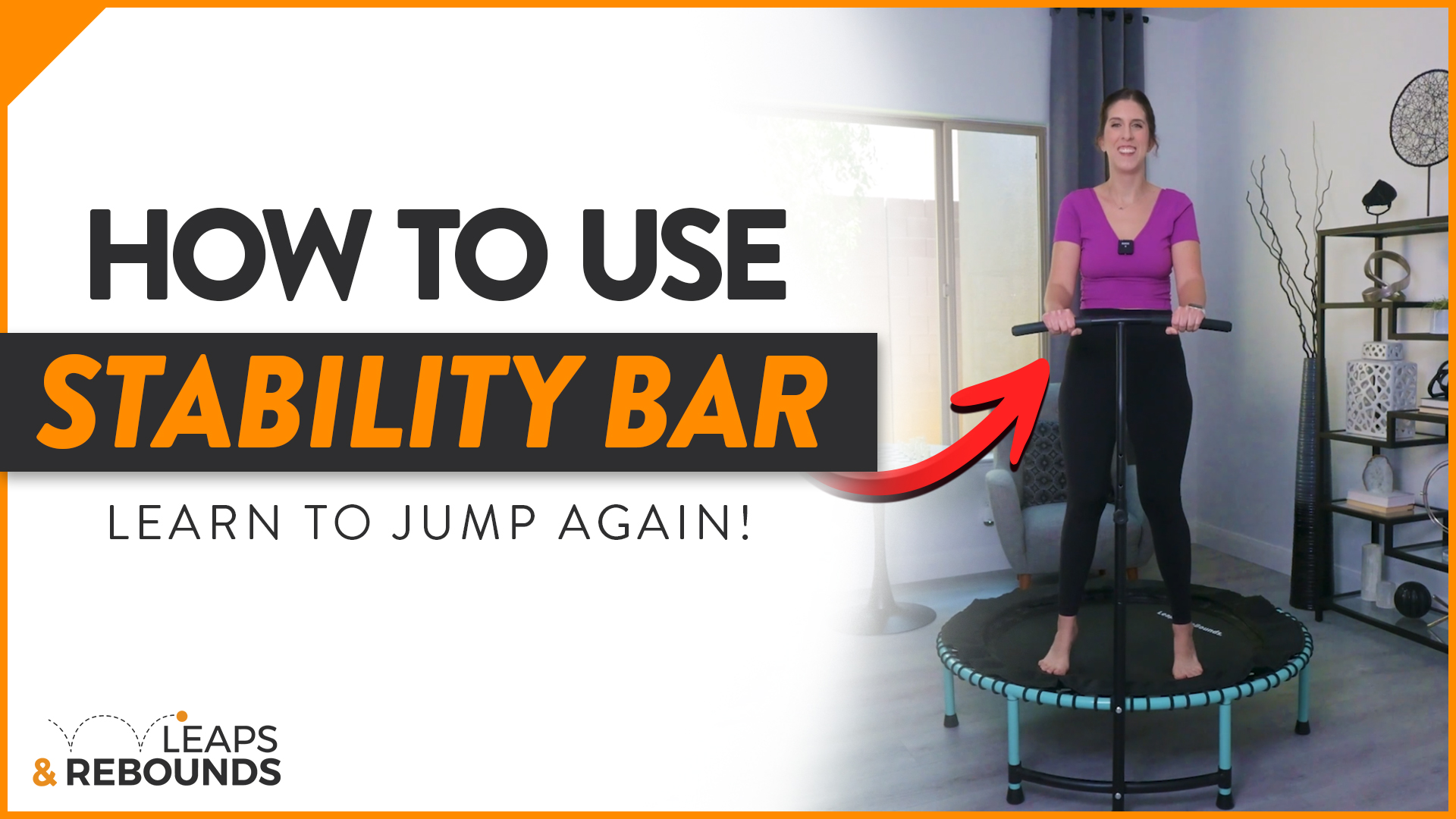
Rebounding is basically jumping on a mini-trampoline. Think of it as a low-impact way to get your body moving. You can do all sorts of things on it, from simple bouncing to more complex movements. It's a pretty gentle way to get your heart rate up, and it's often recommended for people who need to be easy on their joints. The bounce itself does a lot of the work, making it feel less strenuous than some other exercises. It's a fun way to get a workout in, and you can even find mini-trampolines that are small enough to store easily.
What Is Jumping Rope?
Jumping rope, or skipping, is exactly what it sounds like: jumping over a rope as it swings around you. It's a classic exercise that requires a bit more coordination and can be pretty intense. You can do it almost anywhere with just a rope. There are tons of variations, from basic bounces to fancy footwork that looks like dancing. It's known for being a great calorie burner and a good way to build stamina. You just need a decent jump rope and some space.
Key Distinctions Between The Two
So, what really sets these two apart? Here’s a quick look:
- Impact Level: Rebounding is generally much lower impact. The trampoline absorbs a lot of the shock, which is great for your knees and ankles. Jumping rope, while not as high-impact as running on pavement, still puts more direct stress on your joints.
- Equipment: You need a mini-trampoline for rebounding, which takes up more space and costs more upfront. For jumping rope, all you need is a rope, making it super portable and affordable.
- Skill & Coordination: Jumping rope often requires more practice to get the rhythm down. Rebounding is usually easier to pick up, with most people able to start bouncing right away.
- Muscle Engagement: While both work your legs, jumping rope engages your upper body more for swinging the rope. Rebounding tends to focus more on your lower body and core, with the bouncing motion working stabilizing muscles.
Both activities are excellent for cardiovascular health, but they offer different experiences and benefits. Your choice might depend on your fitness level, any joint issues you have, and what kind of equipment you're willing to invest in or have access to.
Here’s a simple table to sum it up:
| Feature | Rebounding | Jumping Rope |
|---|---|---|
| Impact | Low | Moderate |
| Equipment | Mini-trampoline | Jump rope |
| Portability | Low | High |
| Coordination | Easy to learn | Requires practice |
| Space Needed | Moderate | Minimal |
| Cost | Higher initial investment | Low initial investment |
Calorie Burn And Weight Loss Potential
Calories Burned Per Minute
When we talk about burning calories, both rebounding and jumping rope can be pretty effective. It really comes down to how hard you're pushing yourself. Jumping rope, especially if you're doing it with quick bursts and short rests, can rack up a serious calorie burn in a short amount of time. Think of it like a mini-HIIT session. Rebounding, while it might feel less intense moment-to-moment, also burns a good number of calories because you're constantly engaging your muscles to stay balanced and propel yourself. It's a bit harder to give exact numbers because it depends so much on your speed, bounce height, and how long you go for, but generally, a vigorous session of either can torch a significant amount of calories.
Here's a rough idea, but remember, these are just estimates:
| Activity | Calories Burned (per minute, approx.) |
|---|---|
| Jumping Rope | 10-15 |
| Rebounding | 8-12 |
The Afterburn Effect Comparison
This is where things get interesting. The 'afterburn effect,' or EPOC (Excess Post-exercise Oxygen Consumption), is basically your body continuing to burn calories even after you've stopped working out. Both jumping rope and rebounding can trigger this, especially if you're doing them at a higher intensity. High-intensity interval training (HIIT) styles, which you can easily do with either activity, are known for creating a bigger afterburn. So, you might finish your jumping rope session, and your metabolism stays revved up for a while afterward, helping you burn more fat without even trying. Rebounding can do this too, though perhaps to a slightly lesser extent than super-intense jump rope intervals.
The key takeaway here is that pushing yourself harder during your workout, regardless of the activity, leads to a greater metabolic boost afterward. This means you're not just burning calories during the exercise, but also for hours post-workout.
Maximizing Fat Loss With Each Activity
To really get the most out of either rebounding or jumping rope for fat loss, you need a strategy. For jumping rope, mixing in high-intensity intervals is your best bet. Try jumping as fast as you can for 30 seconds, then rest for 15-30 seconds, and repeat. This keeps your heart rate up and maximizes that afterburn. With rebounding, you can achieve similar results by varying your bounce intensity and incorporating different movements, like high knees or tuck jumps, during your session. Consistency is also super important. Aim for regular sessions throughout the week, and remember that diet plays a huge role too. You can't out-exercise a bad diet, as they say.
- Jumping Rope Strategy: Focus on interval training. Short, intense bursts followed by brief recovery periods.
- Rebounding Strategy: Vary your bounce intensity and add dynamic movements. Incorporate different types of jumps and exercises.
- Both: Combine with a balanced diet and aim for consistency in your workout schedule for optimal fat loss results.
Cardiovascular Health And Endurance Building
When we talk about getting our heart pumping and building up our stamina, both rebounding and jumping rope bring some serious heat. They're both fantastic ways to get your aerobic exercise in, which is super important for keeping your ticker in good shape and your lungs working like a well-oiled machine.
Impact On Heart Rate And Lung Capacity
Jumping rope is known for its ability to spike your heart rate pretty quickly. It’s a high-intensity activity that gets your blood flowing and your lungs working hard in short bursts. This can be great for improving your heart's efficiency and how well it pumps blood. Rebounding, on the other hand, offers a more sustained, lower-impact elevation of heart rate. While it might not hit those super-high peaks as fast as jumping rope, it keeps your heart working steadily, which is also excellent for building cardiovascular fitness over time. Both activities help your lungs become more efficient at taking in oxygen.
Developing Stamina For Different Activities
How you build stamina differs a bit between these two. Jumping rope is often used by athletes to build quick bursts of cardio endurance. Think boxers or sprinters – they use it to get that explosive stamina. It really helps with activities that need quick, repeated movements. Rebounding, with its consistent bouncing, is more about building that steady, long-haul stamina. It trains your body to keep going for longer periods, which is great for endurance sports or just having more energy throughout the day. The type of stamina you build depends on the intensity and duration of your workout.
Here’s a quick look at how they stack up:
- Jumping Rope: Great for short, intense bursts of stamina, improving agility and speed. It's excellent for interval training and boosting anaerobic capacity.
- Rebounding: Builds more sustained, aerobic endurance. It helps your body become more efficient at using oxygen over longer periods.
Both exercises are effective for improving your cardiovascular system, but they cater to slightly different needs. Jumping rope excels at building quick, high-intensity endurance, while rebounding is better suited for developing sustained stamina.
Aerobic Versus Anaerobic Benefits
Cardio exercise is generally aerobic, meaning it uses oxygen to produce energy. Jumping rope can easily tip into anaerobic territory during intense intervals – that's when your body needs energy faster than oxygen can be supplied, leading to that 'burning' feeling. This helps improve your body's ability to handle intense efforts. Rebounding is primarily aerobic, keeping your heart rate in a zone where your body efficiently uses oxygen. This is fantastic for building a strong aerobic base, which is the foundation for most cardio exercises. While both contribute to overall fitness, jumping rope offers more direct benefits for anaerobic capacity, which is useful for sports requiring quick bursts of power. Rebounding, however, is a champion for building a robust aerobic system that supports prolonged physical activity.
Muscle Engagement And Full Body Workout

When you're thinking about a workout that really gets your whole body involved, both rebounding and jumping rope have their own unique ways of doing things. It's not just about getting your heart rate up; it's about which muscles are actually doing the work.
Muscles Targeted During Rebounding
Rebounding, or jumping on a mini-trampoline, is surprisingly effective for a full-body engagement. Your legs are obviously working hard with every bounce, targeting your calves, quads, and hamstrings. But it doesn't stop there. Your core muscles, including your abs and lower back, are constantly engaged to keep you stable and balanced on the small surface. Even your arms and shoulders get a bit of a workout as you use them for balance and to propel yourself slightly.
- Legs: Calves, quads, hamstrings, glutes
- Core: Abdominals, obliques, lower back
- Upper Body: Shoulders, arms (for stabilization)
Muscles Engaged While Jumping Rope
Jumping rope is often praised for its full-body nature, and for good reason. It demands a lot of coordination between your upper and lower body. Your legs are doing the jumping, so you're working your calves, quads, and hamstrings. Your core is crucial for maintaining an upright posture and absorbing the impact of each landing. Then there's the upper body: your forearms and wrists are busy rotating the rope, while your shoulders and biceps help control the movement. This constant coordination makes it a fantastic exercise for improving neuromuscular control.
Upper Body Versus Lower Body Emphasis
While both activities work multiple muscle groups, there's a slight difference in emphasis. Jumping rope tends to have a more pronounced upper-body component due to the continuous arm and wrist action required to keep the rope moving. Rebounding, on the other hand, might feel more lower-body dominant, though the core stabilization is significant. It really depends on how you're jumping and how much you're engaging your arms for momentum.
Here's a quick look:
| Muscle Group | Rebounding | Jumping Rope |
|---|---|---|
| Legs | High | High |
| Core | High | High |
| Arms/Shoulders | Moderate | Moderate-High |
| Wrists/Forearms | Low | High |
Ultimately, both rebounding and jumping rope offer a great way to get a full-body workout that goes beyond just cardio. They challenge different muscle groups in unique ways, contributing to overall strength and coordination.
If you're looking for an exercise that really makes your arms and wrists work, jumping rope might have a slight edge. If you prefer a workout where your core is constantly engaged for balance while your legs do the primary work, rebounding could be your go-to. Either way, you're getting a lot of bang for your buck in terms of muscle activation.
Joint Impact And Injury Risk
Assessing The Stress On Joints
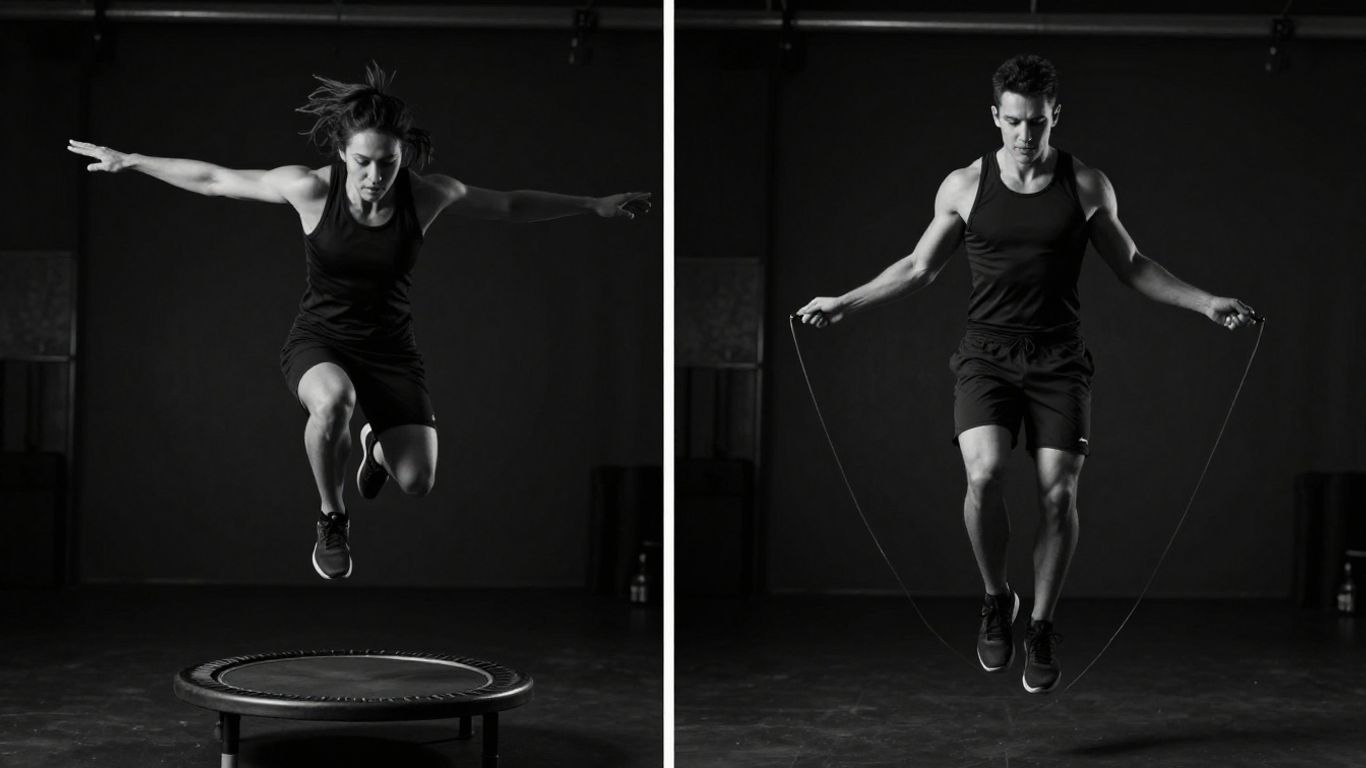
When you're thinking about cardio, it's easy to get caught up in the calorie burn or how much your heart rate goes up. But what about your joints? This is where rebounding and jumping rope really show their differences. Rebounding, especially on a mini-trampoline, is often touted as being pretty gentle. The trampoline surface absorbs a lot of the shock, so your ankles, knees, and hips don't take as much of a pounding compared to, say, running on pavement. It's like each bounce has a built-in cushion. Jumping rope, on the other hand, involves repetitive impact. While it's generally considered lower impact than running, each landing can still put stress on your joints, particularly your ankles and knees. The key is how you land – light and quick is much better than heavy and hard.
Mitigating Risks With Proper Form
No matter which activity you choose, good form is super important to keep injuries at bay. For rebounding, it's about maintaining a stable core and not bouncing too high, especially when you're starting out. You want to land softly on the balls of your feet, not flat-footed. With jumping rope, the technique is all about keeping your jumps low and quick, landing on the balls of your feet, and using your wrists to turn the rope, not your whole arms. Over-jumping or landing heavily can lead to issues like shin splints or ankle twists. It’s also smart to warm up your calves and ankles before you start and cool down afterward. Using a shock-absorbent mat under your jump rope can also make a big difference.
Suitability For Injury Rehabilitation
Because of its shock-absorbing nature, rebounding can be a good option for people recovering from certain injuries or those with chronic joint pain. It allows for cardiovascular work without the jarring impact. You can often find specialized rebounders designed for rehabilitation. Jumping rope, however, might be trickier during the initial stages of recovery. While it's lower impact than running, the repetitive nature and potential for ankle strain mean it might not be suitable for everyone, especially if you have a history of ankle or knee problems. It's always best to check with a doctor or physical therapist before starting any new exercise program, particularly if you're dealing with an injury. They can help you figure out which activity, if any, is right for you and how to start safely.
Convenience, Cost, And Accessibility
When you're trying to figure out which workout fits best into your life, thinking about how easy it is to do, how much it costs, and if you can even do it where you live is super important. Let's break down how rebounding and jumping rope stack up.
Portability and Space Requirements
Skipping rope is a champion when it comes to needing hardly any space. You can do it in a tiny corner of your living room, a small patch of grass outside, or even in a hotel room if you're traveling. All you really need is enough room to swing the rope and jump. It's incredibly portable; you can toss a jump rope in your bag and take it anywhere. Rebounding, on the other hand, requires a bit more commitment. While mini-trampolines (rebounders) are designed to be compact, they still take up a dedicated spot. You can't exactly shove one in your backpack. You'll need a clear area around it to jump safely, and while some are foldable, they're not as grab-and-go as a jump rope.
Equipment Costs and Durability
Let's talk money. A decent jump rope is seriously affordable. You can get a good quality PVC or beaded rope for well under $20. They're pretty durable too, especially if you avoid rough surfaces like concrete. Rebounding equipment, the mini-trampoline itself, is a bigger investment. Prices can range from around $50 for a basic model to $200 or more for a sturdier, feature-rich rebounder. While jump ropes are cheap to replace if they break, a rebounder is a purchase you'll want to last. Look for ones with strong springs and a solid frame if you're considering this route.
Ease of Getting Started
Getting started with jumping rope is pretty straightforward, but there's a small learning curve. You need to get the timing right, and it's common to trip over the rope at first. It might take a few tries to get into a rhythm. Rebounding, however, is often seen as more intuitive. You just step on and start bouncing. The motion feels natural for most people, and it's generally easier to pick up without feeling clumsy right away. For many, the immediate sense of accomplishment with rebounding makes it feel more accessible from the get-go.
Both activities offer fantastic cardio benefits, but they cater to different practical needs. If you're constantly on the move, live in a small apartment, or are on a tight budget, jumping rope is likely your best bet. If you have a bit more space, are willing to invest a little more upfront, and prefer a workout that feels more immediately natural, rebounding might be the way to go.
Achieving Fitness Goals With Rebounding Vs Jumping Rope
So, you've got your fitness goals in mind, and you're wondering which of these two cardio powerhouses, rebounding or jumping rope, will get you there faster or more effectively. It's a good question, and the answer really depends on what you're aiming for.
Best For Speed and Agility
If you're looking to seriously boost your speed and agility, jumping rope is probably your best bet. It's fantastic for improving your footwork, timing, and how quickly you can react. Think about boxers or athletes in sports that require quick changes in direction – they often use jump ropes for a reason. It trains your feet to move fast and precisely.
- Quick Feet Development: Jumping rope forces rapid foot movements, building the kind of quickness needed for sports.
- Coordination Boost: It's not just about speed; it's about coordinating your hands, feet, and eyes, which is key for agility.
- Reaction Time: The rhythm of jumping helps improve your ability to react and adjust your movements on the fly.
Rebounding can help with some aspects of agility, but it doesn't quite isolate and train those rapid foot-strike patterns like jumping rope does.
Ideal For Cardiovascular Endurance
When it comes to building serious cardiovascular endurance, especially for longer durations, running often takes the lead. It's the classic way to build stamina for activities that require sustained effort over time. Think marathon runners or anyone training for a long hike.
- Sustained Effort: Running allows you to maintain a steady pace for extended periods, which is the core of endurance training.
- Lung Capacity: Longer runs push your respiratory system, helping to increase your lung capacity and how efficiently your body uses oxygen.
- Mental Toughness: Pushing through longer runs also builds mental resilience, which is a big part of endurance.
While jumping rope can certainly improve your cardiovascular health and is great for high-intensity bursts, it's harder to sustain for the same length of time as a steady-state run. Rebounding is also excellent for cardio, but again, for pure long-haul endurance, running is often the go-to.
Effective For Weight Loss Goals
Both jumping rope and rebounding are absolute calorie-burning machines, making them both highly effective for weight loss. However, they approach it a bit differently.
Jumping rope tends to burn more calories per minute than rebounding, especially when done at a high intensity. This makes it incredibly time-efficient for fat loss. If you're short on time but want a serious calorie burn, jumping rope is a winner.
Rebounding, while potentially burning slightly fewer calories per minute than intense jump roping, offers a unique benefit: it's low-impact. This means you can often jump for longer periods without the same joint stress, potentially leading to a higher total calorie burn over a longer session. Plus, the muscle engagement can contribute to a higher metabolism.
Ultimately, the 'best' exercise for weight loss is the one you'll stick with consistently. If you find jumping rope more engaging and can fit it into your schedule, go for it. If you prefer the feel of rebounding and can do it for longer durations, that's also a fantastic choice. Many people find that mixing both into their routine provides the best of both worlds – high-intensity bursts and longer, joint-friendly cardio sessions.
So, Which Cardio Workout Wins?
Alright, so we've looked at jumping rope and running, and honestly, there's no single 'best' workout for everyone. It really comes down to what you're looking for. If you need a super quick, full-body burn that you can do anywhere, jumping rope is pretty hard to beat. It gets your heart rate up fast and works a bunch of muscles. On the other hand, if you love being outdoors, building up your stamina over longer periods, or just enjoy the rhythm of a good run, then running is probably more your speed. Many people find that mixing both into their routine gives them the best of both worlds – a bit of everything to keep things interesting and effective. Whatever you choose, just get moving!
Frequently Asked Questions
Which exercise burns more calories, rebounding or jumping rope?
Jumping rope generally burns more calories per minute than rebounding. It's a high-intensity activity that gets your heart pumping fast. However, rebounding can also be very effective, especially if you increase the intensity or duration.
Is rebounding or jumping rope better for my joints?
Rebounding is typically easier on the joints because the mini-trampoline absorbs a lot of the impact. Jumping rope can be higher impact, especially if done on hard surfaces, but with proper form and good shoes, it can also be done safely.
Which activity is better for building speed and agility?
Jumping rope is fantastic for improving speed and agility. The quick footwork and coordination required help you become more nimble and react faster, which is great for many sports.
Can I use both rebounding and jumping rope in my workout routine?
Absolutely! Mixing both rebounding and jumping rope can give you a well-rounded workout. You can use jumping rope for high-intensity bursts and rebounding for a lower-impact cardio session or active recovery.
Which exercise is more convenient to do at home?
Jumping rope is incredibly convenient for home workouts. All you need is a jump rope and a small space. Rebounding requires a mini-trampoline, which takes up more space, but it's still a great option for indoor exercise.
Which workout is better for improving overall endurance?
Both exercises are great for cardiovascular health. Running is often considered the king for building long-distance endurance. However, jumping rope can significantly improve your stamina for shorter, more intense periods, and rebounding offers a sustained cardio workout that builds endurance over time.


0 comments