











Thinking about setting up your own workout space at home? It can feel a bit overwhelming at first, especially if you don't have a huge amount of room. But honestly, you don't need a massive area or tons of fancy gear to get a good sweat in. The trick is to be smart about how you use the space you have. By planning things out and picking the right stuff, you can create a really functional and motivating spot, a true nice fit gym, that works just for you and helps you hit your fitness goals. Let's figure out how to make that happen.
Key Takeaways
- Before buying any equipment, measure your space carefully and sketch out a layout. Think about ceiling height and any obstacles.
- Divide your space into different zones for various activities like strength training, cardio, or yoga and mobility work.
- Choose equipment that can do multiple things or is designed to save space, like foldable cardio machines or wall-mounted storage.
- Make sure you have enough open floor space for movement and consider placing larger items like racks against walls for stability.
- Don't forget to add protective flooring, good lighting, ventilation, and mirrors to make your nice fit gym safe, functional, and motivating.
Planning Your Nice Fit Gym Space
Evaluate Your Space Thoroughly
Before you even think about buying equipment, you've got to really look at the space you have. Is it a spare room, a corner of the basement, or maybe the garage? Empty it out completely. Get rid of anything you don't need. This is your chance to see the bare bones of the area and figure out its true potential. Understanding the dimensions and any quirks of your space is the first, most important step. Think about things like where the electrical outlets are, if there are any support beams sticking out, or even where the windows are. This initial assessment will save you a lot of headaches down the line.
Measure and Sketch Your Layout
Once you've got a clean slate, grab a tape measure. You need exact numbers. Measure the length and width of the room, but don't forget the ceiling height. This is super important, especially if you're thinking about things like pull-up bars or overhead presses. After you have your measurements, sketch it out. You can do this the old-fashioned way with graph paper and a pencil, or use one of the many free online tools available. Mark down where doors and windows are, and note any permanent fixtures. This visual representation will help you see how different pieces of equipment might fit and how much room you'll actually have to move around.
Consider Ceiling Height and Obstacles
This is where those measurements really come into play. A low ceiling can seriously limit your exercise options. Can you do an overhead press without hitting the ceiling? What about a jump squat? If you're planning on installing a pull-up bar, make sure there's enough clearance above it. Also, keep an eye out for anything that might get in the way. This could be anything from a water heater in the corner of the garage to a low-hanging light fixture. You don't want to be constantly ducking or worrying about bumping into things while you're trying to get a good workout in. Planning around these obstacles from the start makes for a much safer and more enjoyable gym experience.
Creating Functional Zones
Okay, so you've got your space measured and sketched out. Now comes the fun part: actually making it work for you. Treating your home gym like a jumbled storage closet is a recipe for disaster. You'll end up tripping over your yoga mat while trying to do burpees, or your kettlebells will be in the way when you're trying to do pull-ups. The fix? Think in zones. This means setting up distinct areas for different types of workouts. It makes everything flow better and keeps you from feeling like you're constantly navigating an obstacle course.
Designate Areas for Different Workouts
This is all about making your gym serve its purpose. You don't want to be walking through your quiet stretching corner just to get to your heavy lifting gear. Group similar activities together. For example, if you do a lot of functional fitness or circuit training, those areas can share equipment and be relatively close. On the other hand, a dedicated yoga or mobility space is usually best tucked away in a quieter corner where you can really focus.
- Strength Training Zone: This is where your barbells, squat racks, and heavier dumbbells live. Keep it organized so you can grab what you need without a fuss.
- Cardio Zone: If you have a treadmill, bike, or rower, give it its own spot. Make sure there's enough space around it for you to move comfortably.
- Flexibility & Mobility Zone: This could be a simple mat on the floor in a quiet corner. It's for stretching, yoga, or foam rolling.
The key is to plan the flow between these zones. You want to be able to move from one activity to the next without feeling cramped or having to move equipment around constantly. Think about how you'll transition from lifting to stretching, for instance.
Establish a Strength Training Corner
If lifting weights is your main thing, this area needs to be efficient. Start with the big stuff, like a power rack or squat rack. Make sure it's positioned securely, ideally against a wall. Then, organize your dumbbells, kettlebells, and plates nearby. Having a dedicated bench is also a good idea. The goal here is to have everything you need for your lifting sessions within easy reach, so you can focus on your sets and reps without distraction.
Set Up a Dedicated Yoga and Mobility Space
This zone is all about calm and focus. You don't need a lot of fancy equipment here, maybe just a good yoga mat, some blocks, and a strap. It's best to set this up in a corner that feels a bit more secluded, away from the main action of your gym. Good lighting and maybe some calming music can really help set the mood. Ample floor space is important here, even for simple movements, so you don't feel restricted.
Selecting Smart Equipment
When you're setting up your home gym, picking the right gear is key. You don't want to end up with a bunch of stuff that just takes up space and doesn't really help you reach your fitness goals. It's all about being smart with your choices, especially if your space isn't huge.
Opt for Multi-Functional Equipment
This is where you get the most bang for your buck, literally. Instead of buying a separate machine for every single exercise, look for equipment that can do multiple things. Think about those all-in-one workout stations that come with different attachments. You can do bicep curls, leg presses, and even pull-ups on some of them. It's a great way to save space and money. Modern tech has brought us some really cool multi-functional gear too. For instance, there are workout mirrors that mount on your wall. When you turn them on, a virtual trainer pops up and guides you through a workout. Some of these systems even come with attachments that make them even more useful. While they might seem like a bigger investment upfront, they can actually be more cost-effective than buying individual pieces of equipment. Just make sure to consider your budget and what kind of training you actually plan to do.
Choose Space-Saving Cardio Options
Cardio machines can be big and bulky, but you don't have to give up on your heart health just because you have limited space. There are plenty of options designed to be compact or even foldable. Foldable treadmills and rowers are a good example; they work great when you need them and then fold up neatly for storage. If even that's too much, consider mini-steppers. They have a tiny footprint but still give you a solid cardiovascular workout. You can easily use one while watching TV or follow along with guided workouts on an app. It's a simple way to get your steps in without taking over your entire room. You can find some great options for compact cardio equipment that won't break the bank.
Incorporate Pull-Up Bars Wisely
Pull-up bars are fantastic for upper body strength, but where you put them matters. Doorway pull-up bars are popular because they don't require any drilling and can be removed easily. Just make sure your doorframe is sturdy enough to handle the stress. If you have a bit more space and are okay with permanent installation, wall-mounted or ceiling-mounted bars offer more stability and often have a wider grip range. Some multi-functional racks also come with integrated pull-up bars, which is a neat way to combine equipment.
When selecting equipment, always think about how it fits into your overall space and your specific workout routine. Don't just buy something because it looks cool; make sure it serves a purpose and doesn't become a dust collector.
Here's a quick look at some common equipment types and their space considerations:
- Cardio Machines:
- Treadmills: Often large, but foldable options exist.
- Rowing Machines: Can be long, but many can be stored vertically.
- Stationary Bikes: Generally more compact, some are foldable.
- Ellipticals: Usually take up significant floor space.
- Strength Training:
- Adjustable Dumbbells: Excellent space savers compared to a full rack.
- Weight Benches: Look for ones that fold or have wheels for easier storage.
- Resistance Bands: Take up virtually no space and are very versatile.
- Power Racks/Squat Stands: Require dedicated floor space but offer the most stability for heavy lifting.
Optimizing Your Nice Fit Gym Layout
Alright, let's talk about making your home gym actually work for you. It’s not just about cramming in as much gear as possible; it’s about setting things up so you can move, train, and actually enjoy your time there. A well-planned layout makes a huge difference, trust me.
Prioritize Ample Floor Space for Movement
This is a big one. You need room to actually do the exercises. Think about exercises that require you to move around, like lunges, bear crawls, or even just setting up for a deadlift. If your equipment is packed too tight, you’ll feel cramped and might even risk injury. Designate a clear, open area in the center of your gym for dynamic movements. This space is your playground for circuits, agility drills, or anything that involves stepping, jumping, or sprawling out. It doesn't have to be massive, but it needs to be enough so you don't feel like you're bumping into things.
Position Racks Against Walls for Stability
When you're setting up things like squat racks or power cages, think about putting them against a wall. This does a couple of things. First, it makes them super stable, which is important when you're lifting heavy. Second, it frees up more of your central floor space for other activities. You can still access the rack from the front, and if it's against a wall, it's less likely to be a tripping hazard or get in the way of your other workout zones. Just make sure there's enough clearance around it for safe use.
Utilize Vertical Space for Storage
Don't let your walls go to waste! Think upwards. Wall-mounted shelves, racks for dumbbells, or even hooks for resistance bands can keep your gear off the floor and organized. This not only makes your gym look tidier but also creates more usable floor space. It’s amazing how much room you can reclaim just by getting things up off the ground. Consider pegboards too; they're great for hanging smaller accessories like jump ropes, gloves, or foam rollers.
Enhancing Your Workout Environment
Making your home gym feel good is just as important as the equipment you put in it. A comfortable space makes you want to come back and actually get your workout done. Think about it: nobody wants to sweat it out in a place that feels stuffy or poorly lit.
Invest in Protective and Cushioned Flooring
First off, let's talk about what's under your feet. Dropping weights or even just doing high-impact moves can be tough on your floors and your joints. Putting down some proper gym flooring is a smart move. It protects your subfloor from damage, cuts down on noise, and gives you a bit of cushion, which is nice for things like yoga or just standing around.
- Rubber Mats: Great for weightlifting areas. They're durable and absorb impact well.
- Interlocking Foam Tiles: Good for general fitness and cardio. They're lighter and easier to install.
- Carpet Tiles: Can work for yoga or stretching areas if you want something softer, but make sure they're easy to clean.
The right flooring makes a big difference in how safe and comfortable your gym feels. It's not just about looks; it's about function and protecting your space.
Incorporate Mirrors for Form Checks
Mirrors are more than just a way to check your hair. Strategically placed mirrors are fantastic for checking your form during exercises. Seeing yourself lets you make sure you're doing things correctly, which helps prevent injuries and makes your workouts more effective. Plus, mirrors can make a small space feel a lot bigger and brighter by reflecting light. You don't need a whole wall covered, but a good-sized mirror opposite your main workout area is usually a good idea.
Ensure Proper Lighting and Ventilation
Nobody likes working out in a dingy, dark room. Good lighting makes a huge difference. Bright, natural-looking light can make you feel more awake and motivated. If your space is a basement or doesn't have windows, consider installing some good overhead LED lights. And don't forget ventilation! A stuffy room is no fun. You want air circulating to keep things fresh and prevent that workout-sweat smell from lingering. If you can, open a window or use a fan. If it's a more enclosed space, you might need to look into a small air purifier or even a dehumidifier if you live somewhere damp.
Smart Storage Solutions

Let's be real, a cluttered gym is a demotivating gym. Tripping over dumbbells while you're trying to do burpees is not ideal, and neither is having your yoga mat permanently draped over your squat rack. Getting smart about how you store your gear is key to making your home gym functional and, honestly, a lot more pleasant to be in.
Utilize Wall-Mounted Racks and Shelves
This is probably the biggest game-changer for any home gym, especially if you're working with limited floor space. Think vertically! Wall-mounted racks are fantastic for keeping your weights, kettlebells, and even resistance bands tidy and off the ground. You can find adjustable ones that will fit all sorts of odd-shaped equipment. Shelves are great for smaller items like jump ropes, foam rollers, or even your water bottle and towel. It keeps everything in sight but out of the way.
- Weights: Use dedicated wall racks for dumbbells and kettlebells. This prevents them from rolling around and makes it easy to grab what you need.
- Bands & Straps: Small hooks or pegboards can hold resistance bands, jump ropes, and suspension trainers.
- Accessories: Shelves are perfect for smaller items like grip strengtheners, massage balls, or even your workout log.
Consider Benches with Built-In Storage
If you're in the market for a new weight bench, look for one that doubles as storage. Many benches come with compartments or space underneath where you can stash smaller items like weight plates, resistance bands, or even your yoga mat. It's a two-in-one solution that saves you precious floor space and keeps your gym looking neat. It's a simple way to add utility without adding clutter.
Organize Weights with Trees or Pins
For your weight plates, a dedicated weight tree or pin set is a must. Instead of stacking them precariously or leaving them scattered, a tree keeps them upright and organized. This makes it super easy to find the weight you need for your next set and also protects your flooring from potential damage. Plus, it just looks way more professional than a pile of metal!
Keeping your equipment organized isn't just about aesthetics; it's about safety and efficiency. When everything has its place, you spend less time searching and more time working out. Plus, you reduce the risk of tripping or damaging your gear. A tidy gym is a productive gym.
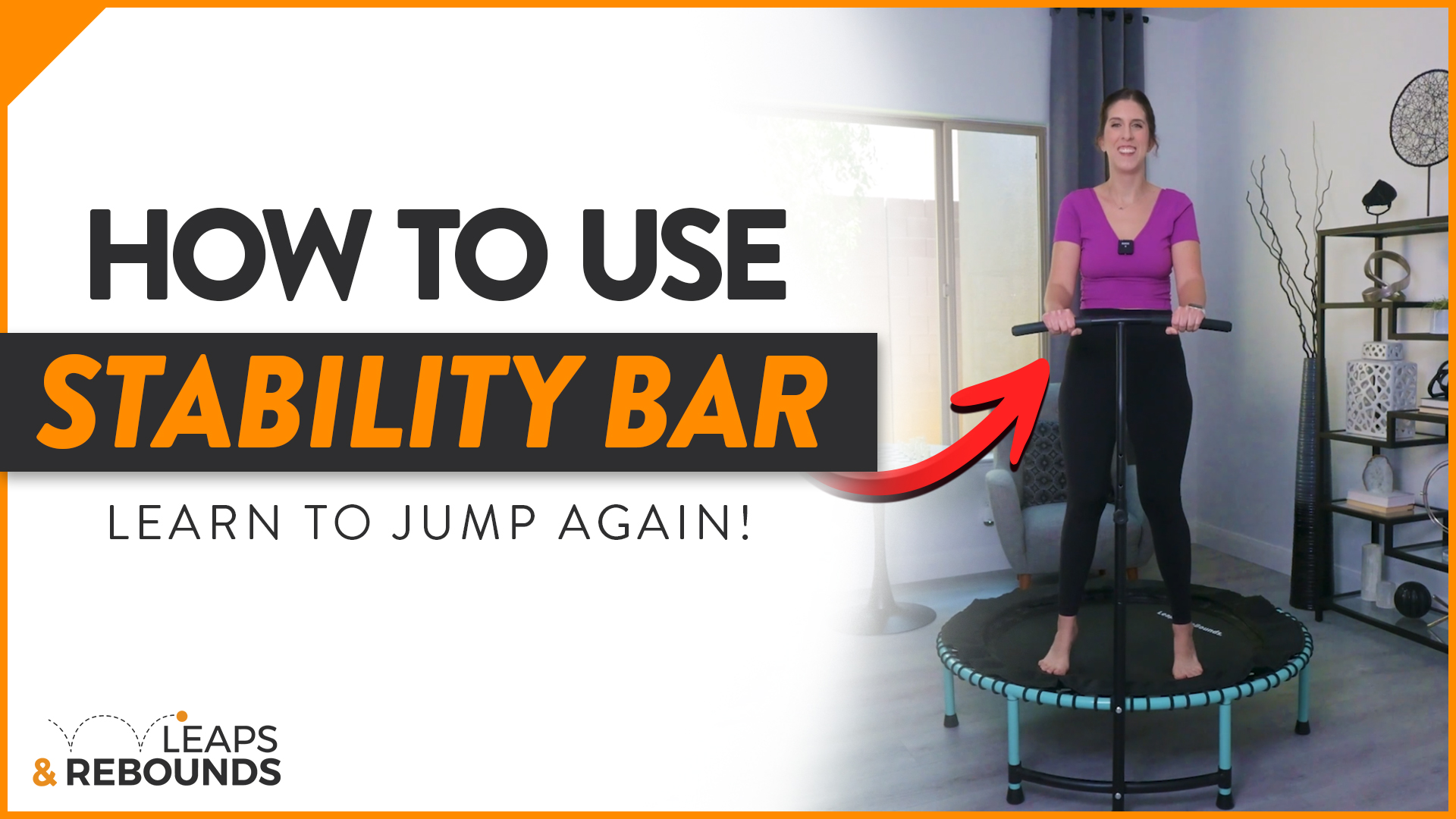
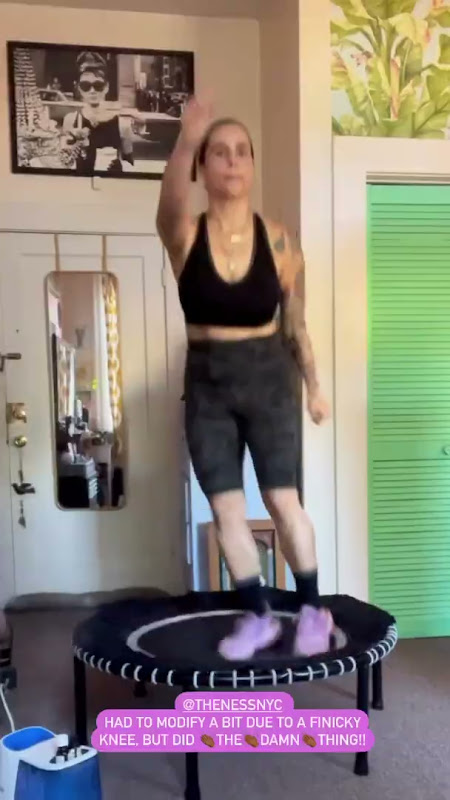
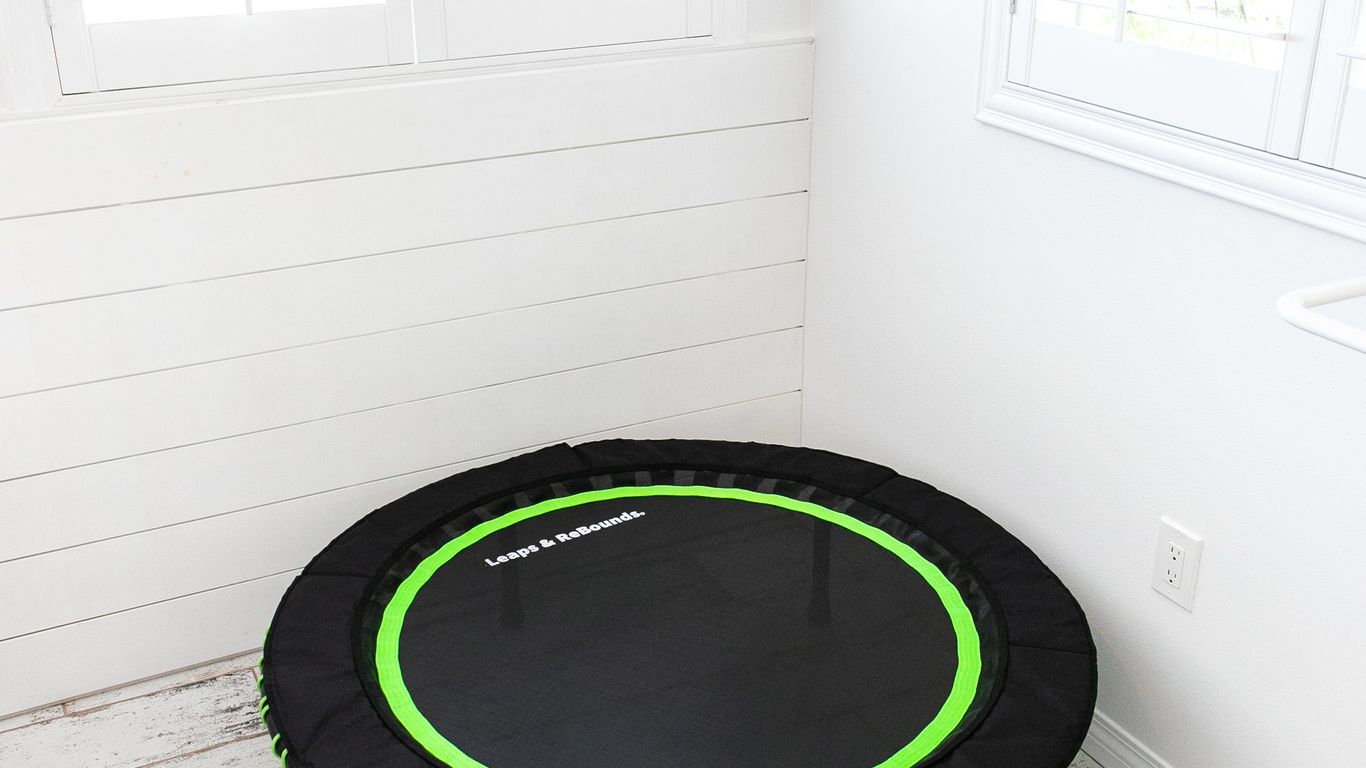
If you're looking to add some versatile equipment that can be stored easily, consider a rebounder. A good rebounder can be used for cardio and is relatively compact, and you can even find bundles that include accessories to get you started. Check out fitness bundles for some ideas.
Making Your Nice Fit Gym Motivating
So, you've got your space planned, your equipment sorted, and storage handled. Now, let's talk about making this place somewhere you actually want to spend time. It's not just about lifting weights or doing reps; it's about creating an atmosphere that gets you pumped up and ready to go. Think of it like your personal hype zone.
Use Color Psychology for Energy
Colors have a real impact on our mood and energy levels. For a gym, you want colors that spark motivation. Reds and oranges are known for their stimulating effects, getting the blood pumping and making you feel more energetic. Blues and greens can be calming, which is great for stretching or cool-down periods. You don't need to paint the whole room bright red, but strategic pops of color can make a big difference.
Add Motivational Artwork and Decals
What gets you going? Maybe it's a quote from a favorite athlete, a powerful image, or even just a simple, bold statement. Putting up artwork or decals that speak to you can transform a plain wall into a source of inspiration. It's a constant reminder of why you started and what you're working towards. Think about what messages push you to do that extra rep or stay consistent.
Create a Calming Atmosphere for Mobility Work
While high-energy colors are great for workouts, you also need a space that feels good for recovery and flexibility. If you do yoga, stretching, or foam rolling, having a slightly different vibe for that area can be helpful. Softer lighting, maybe some calming music, and perhaps a few plants can make this part of your gym feel like a sanctuary. It's about balancing the intensity with moments of peace.
Your home gym should be a reflection of your personal fitness journey. By thoughtfully incorporating elements that inspire and energize you, you create a space that not only supports your physical goals but also nurtures your mental drive. It's about making your gym a place you look forward to visiting, day after day.
Want to make your gym time more exciting? A mini trampoline can turn your workouts into a fun party! It's a great way to get moving and feel good. Ready to bounce your way to fitness? Visit our website to find the perfect rebounder for you and start your fitness journey today!
Your Perfect Gym Space Awaits
So, you've thought about zones, picked out some gear, and maybe even figured out where that yoga mat will live. That's awesome! Building a gym that works for you isn't about having the biggest space or the fanciest equipment. It's about making smart choices so you actually want to go in there and get your sweat on. Whether it's a corner of the living room or a whole garage, a well-planned spot makes a huge difference. Now go make it happen and enjoy your workouts!
Frequently Asked Questions
How do I figure out the best spot for my home gym?
First, look at the space you have. Is it a spare room, a corner of the garage, or the basement? Measure everything carefully, including how high the ceiling is. Also, note any things in the way, like support beams or water heaters. Sketching out your ideas on paper or using a simple drawing tool can help you see how things might fit.
What's the best way to organize equipment in a small gym?
Think about creating different zones for different kinds of workouts, like a spot for lifting weights and another for yoga. Using wall-mounted shelves and racks is super helpful for storing things like weights and mats without taking up floor space. Benches with built-in storage are also a smart choice.
Do I really need special flooring for my home gym?
Yes, it's a good idea! Thick rubber mats or foam tiles protect your floors from heavy weights and also give you a safer, more comfortable surface to work out on. They can also help reduce noise.
What kind of equipment saves the most space?
Look for items that can do more than one thing, like a squat rack that also has a pull-up bar. For cardio, foldable machines or smaller options like mini-steppers are great because they can be put away when not in use.
How can I make my home gym feel more motivating?
You can use colors that make you feel energetic, like red or yellow. Putting up cool posters or artwork you like can also help. Good lighting and making sure the air is fresh by having good ventilation are important too. Mirrors can also make a small space feel bigger.
Is it okay to start with just a few pieces of equipment?
Absolutely! You don't need a lot of fancy gear to get a good workout. Start with what you can fit and afford, and focus on using it well. You can always add more equipment later as you get stronger or try new types of exercises.


0 comments