











So, you're thinking about getting a trampoline. Awesome! They're super fun, right? But before you just grab the first one you see, let's talk about size. It's actually a pretty big deal, and picking the right size for your yard and your family is key. We're going to break down what you need to know about the average size trampoline, so you don't end up with one that's too big, too small, or just not quite right. Let's get bouncing!
Key Takeaways
- The size of your trampoline matters a lot for how much space it takes up in your yard, how safe it is to use, and how much fun everyone will have.
- Trampolines are usually measured from frame to frame, but remember that the springs and padding can take away from the actual jumping area.
- When picking an average size trampoline, think about how much space you actually have, who will be using it, and how many people might jump at once.
- Common sizes like 10, 12, and 14 feet offer different amounts of jumping room and are suited for various ages and yard sizes.
- Don't just buy the cheapest or smallest option; consider future growth, safety clearances, and the overall jumping experience to avoid regretting your choice later.
Understanding Trampoline Size Importance
So, you're thinking about getting a trampoline. That's great! They're a blast, right? But before you just pick the first one you see, let's chat about size. It's actually a pretty big deal, and getting the right size for your yard and your family is super important. We're going to go over why trampoline size matters so much, so you don't end up with one that's too big, too small, or just not quite right.
Why Trampoline Size Matters
Picking the right trampoline size isn't just about fitting it into your backyard; it's a pretty big deal for safety, fun, and how long you'll actually use it. Think of it like buying a couch – you wouldn't get one that's way too big for your living room, right? Same idea here, but with bouncing. A trampoline that's too small can feel cramped, limit the kinds of jumps and games you can do, and might not be suitable for older kids or multiple jumpers. On the flip side, a trampoline that's too large might overwhelm your yard space, leaving little room for anything else or for safe clearance.
Impact on Backyard Space
First off, trampolines take up space. A lot of it, actually. You need to consider not just the trampoline itself, but also the safety zone around it. Most manufacturers recommend at least 6 feet of clear space on all sides. So, that 12-foot trampoline you're eyeing? You'll probably need a yard that's at least 24 feet across to fit it comfortably and safely. It's easy to underestimate this, and suddenly your backyard feels a lot smaller than you thought. You also need to think about overhead space – no low-hanging branches or wires!
Ensuring User Safety
Safety is probably the biggest reason size matters. When there isn't enough room around the trampoline, jumpers can easily bounce off the mat and into something hard, or worse, off the trampoline entirely. This is especially true if you have kids who love to bounce high. Having adequate clearance space is non-negotiable for preventing accidents. It also means checking overhead clearance – no low-hanging branches or wires!
It's easy to get caught up in the excitement of buying a trampoline, but taking the time to measure your space and consider the recommended safety clearances is a step you absolutely shouldn't skip. A little planning now means a lot more safe fun later.
Here's a quick look at how space translates:
| Trampoline Diameter | Recommended Minimum Yard Size (including safety zone) |
|---|---|
| 8 feet | 20 x 20 feet |
| 10 feet | 24 x 24 feet |
| 12 feet | 28 x 28 feet |
| 14 feet | 32 x 32 feet |
How Trampoline Sizes Are Measured
So, you're looking at trampolines and seeing numbers like 10ft, 12ft, or 14ft. It seems straightforward, right? Well, not exactly. There's a bit of a hidden detail that can catch people off guard, especially when you're trying to figure out how much actual bouncing room you're getting. Let's break down how these sizes are determined.
Advertised Size vs. Actual Jumping Space
The number you see advertised is usually the frame-to-frame measurement, not the usable jumping surface. This is a common point of confusion. For traditional spring trampolines, the springs and the thick safety padding that covers them take up a noticeable amount of space. This means a trampoline advertised as 12 feet across might only give you about 10 feet of actual jumping area. It's like buying a pizza and realizing the crust takes up a good chunk of the advertised diameter. Springless trampolines, on the other hand, tend to maximize the jumping surface, so their advertised size is often closer to the actual bouncing space.
Frame-to-Frame Measurement
This is the standard way manufacturers measure the overall diameter or width of the trampoline. When you see a "12-foot trampoline," it generally means the metal frame itself measures 12 feet from one side to the other. This measurement is important for figuring out if the trampoline will physically fit into your yard space. However, remember to factor in the safety clearance needed around the trampoline, which is usually at least 6 feet on all sides. So, a 12-foot trampoline might require a total clear space of around 24 feet in diameter.
Considering Springs and Padding
Those springs and the safety pad aren't just for looks; they play a big role in the usable space. On a spring trampoline, the springs themselves can eat up about 1 to 2 feet of the total diameter. Add to that the width of the padding, and you can see how the advertised size differs from the actual area where you can safely jump. This is why sometimes a replacement mat for a 14-foot trampoline might actually be a 12-foot mat – it's designed to fit the frame but accounts for the space taken by the springs and pad.
Here's a general idea of how advertised size relates to jumping space on traditional spring trampolines:
| Advertised Size | Approximate Jumping Space |
|---|---|
| 8 feet | ~6 feet diameter |
| 10 feet | ~8 feet diameter |
| 12 feet | ~10 feet diameter |
| 14 feet | ~12 feet diameter |
It's always a good idea to check the product details for specific measurements, as designs can vary between brands and models. Don't just assume the advertised number is the full story for bouncing fun.
Choosing the Right Average Size Trampoline
So, you've figured out that size really does matter when it comes to trampolines. Now comes the fun part: picking one that actually fits your life. It's not just about cramming the biggest thing you can find into your yard; it's about finding that sweet spot. Let's break down how to make that happen.
Matching Size to Available Yard Space
This is probably the most obvious one, right? You can't just eyeball it. You need to measure your yard and then think about the trampoline plus the safety zone around it. Most manufacturers recommend at least 6 feet of clear space on all sides. So, if you have a 20x20 foot yard, a 12-foot trampoline might be pushing it if you don't account for that buffer zone. A good rule of thumb is to buy the largest size that fits comfortably without making your yard feel like a bouncy castle parking lot.
Recommended Yard Dimensions for Common Sizes
Here's a quick look at how space translates. Remember, these are minimums, and more space is always better for safety.
| Trampoline Diameter | Recommended Minimum Yard Size (including safety zone) |
|---|---|
| 8 feet | 20 x 20 feet |
| 10 feet | 24 x 24 feet |
| 12 feet | 28 x 28 feet |
| 14 feet | 32 x 32 feet |
Finding the Sweet Spot for Your Yard
When you're looking at your yard, don't forget to consider overhead obstructions too. Are there tree branches, power lines, or even a low-hanging roof overhang? You need clear space above the trampoline as well. It's easy to get excited about the trampoline itself, but overlooking these details can lead to problems down the road. The goal is to have ample room for both the trampoline and safe play.
Always measure your intended space twice. It's better to be a little cautious and have extra room than to cram a trampoline into a space that feels too tight. Think about how the trampoline will look and feel in the yard once it's set up, not just the dimensions on paper.
Matching Size to User Age and Number
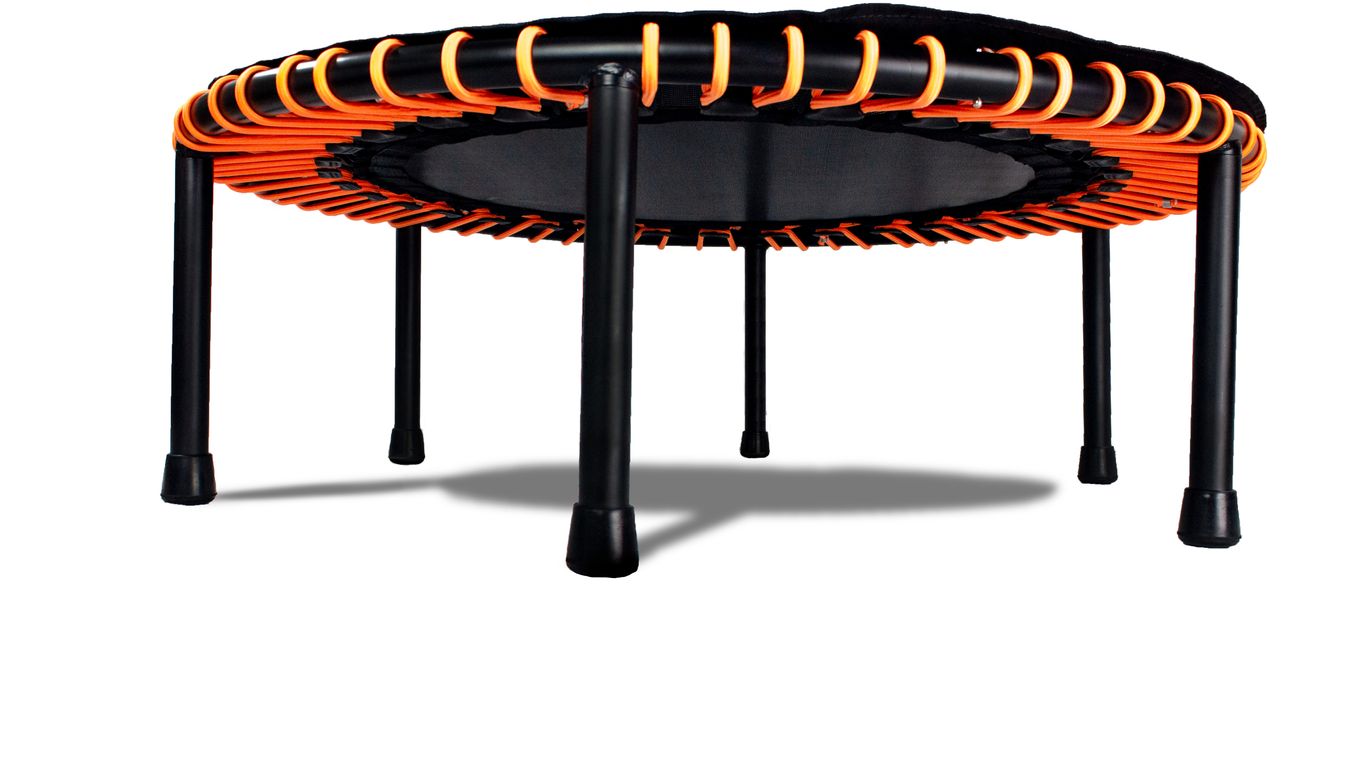
When you're looking at trampolines, it's super important to think about who's actually going to be jumping on it. A little bouncer for toddlers is a whole different ballgame than something for a bunch of teenagers. For the really little ones, a smaller trampoline might be just fine for a few years, but kids grow up so fast, right? If you've got more than one child, especially if they're close in age, you'll definitely want to think about getting a bigger one. It's generally safest for only one person to jump at a time, but if multiple kids are going to be using it, more space means less chance of them bumping into each other.
Here’s a general idea of what works for different situations:
- One or two younger kids (under 10): An 8 to 10-foot trampoline is often a good starting point. These smaller models are great for younger children and can fit into more modest yards. An 8-foot trampoline, for instance, is typically best suited for one or two small children, making it a good initial choice if you're unsure about a larger commitment 8-foot trampoline.
- Multiple kids or older children/teens: Aim for a 12 to 14-foot model. This size offers more room for several jumpers and can accommodate older kids who might be a bit more active.
- Adults or serious jumpers: Look at 14-foot or larger options. If you have adults who want to jump or older teens practicing tricks, you'll need the extra space and bounce. Sometimes, rectangular shapes are better for athletic pursuits.
Don't forget to consider the future. Kids grow, and their interest in the trampoline might grow with them. Buying a slightly larger trampoline now could save you the hassle and expense of upgrading in a couple of years. It's often more cost-effective in the long run to buy a bigger size initially than to have to upgrade later.
Think about how many people will be using the trampoline at once. While it's always recommended that only one person jumps at a time for safety, we know that's not always how it works. If you anticipate multiple children using it together, more surface area means a better chance they won't collide. Planning for growth is key; a trampoline that seems perfect today might feel cramped in just a year or two as your children get bigger and their jumping skills develop.
Common Trampoline Dimensions and Suitability
So, you've got a general idea of why size matters and how trampolines are measured. Now, let's get down to the nitty-gritty: what sizes are actually out there, and which one makes the most sense for your backyard and your family?
Exploring 8 to 10 Foot Options
These smaller trampolines are often the go-to for families with very young children or those with limited yard space. An 8-foot trampoline is usually best for one or two small kids, maybe under the age of 6. It's compact and can fit into tighter spots. The 10-foot size offers a bit more room, making it a good step up for slightly older kids or if you anticipate having a couple of children using it at once. However, remember that the advertised size isn't the actual bouncing surface. You'll lose some space to the padding and springs.
- Best for: Toddlers and preschoolers, smaller yards.
- Considerations: Limited jumping space, may be outgrown quickly.
- Safety Note: Always ensure adequate clearance around the trampoline, even for smaller models.
Understanding 12 and 14 Foot Trampolines
Stepping up to a 12-foot or 14-foot trampoline opens up a lot more possibilities. These are probably the most popular sizes for a reason. They offer a good balance between usable jumping area and backyard footprint. A 12-foot trampoline is generally suitable for multiple younger children or a couple of older kids. The 14-foot model is a fantastic choice for families with a wider age range of kids, or if you have teenagers who want more room to move. It's also a better option if you want the trampoline to last longer as your kids grow.
| Trampoline Size | Approximate Jumping Area (Springless) | Recommended Minimum Yard Size (with clearance) |
|---|---|---|
| 12 Foot | ~12 feet diameter | 28 x 28 feet |
| 14 Foot | ~14 feet diameter | 32 x 32 feet |
When to Consider Larger or Specialty Sizes
If you have a larger yard and a family with older kids, teens, or even adults who enjoy bouncing, you might look at trampolines 15 feet and up. These offer the most generous jumping space. For those serious about gymnastics or specific training, rectangular trampolines (often found in sizes like 7x10 or 8x12 feet) provide a different kind of bounce – more controlled and powerful. They are usually more expensive and require a dedicated space, but they're built for performance.
Don't forget to factor in the trampoline's frame and padding when you're thinking about the total space it will occupy. The 'jumping mat' size is often smaller than the overall diameter of the trampoline structure itself. Always check the manufacturer's specifications for the full dimensions and recommended safety zone.
Trampoline Shape and Its Impact
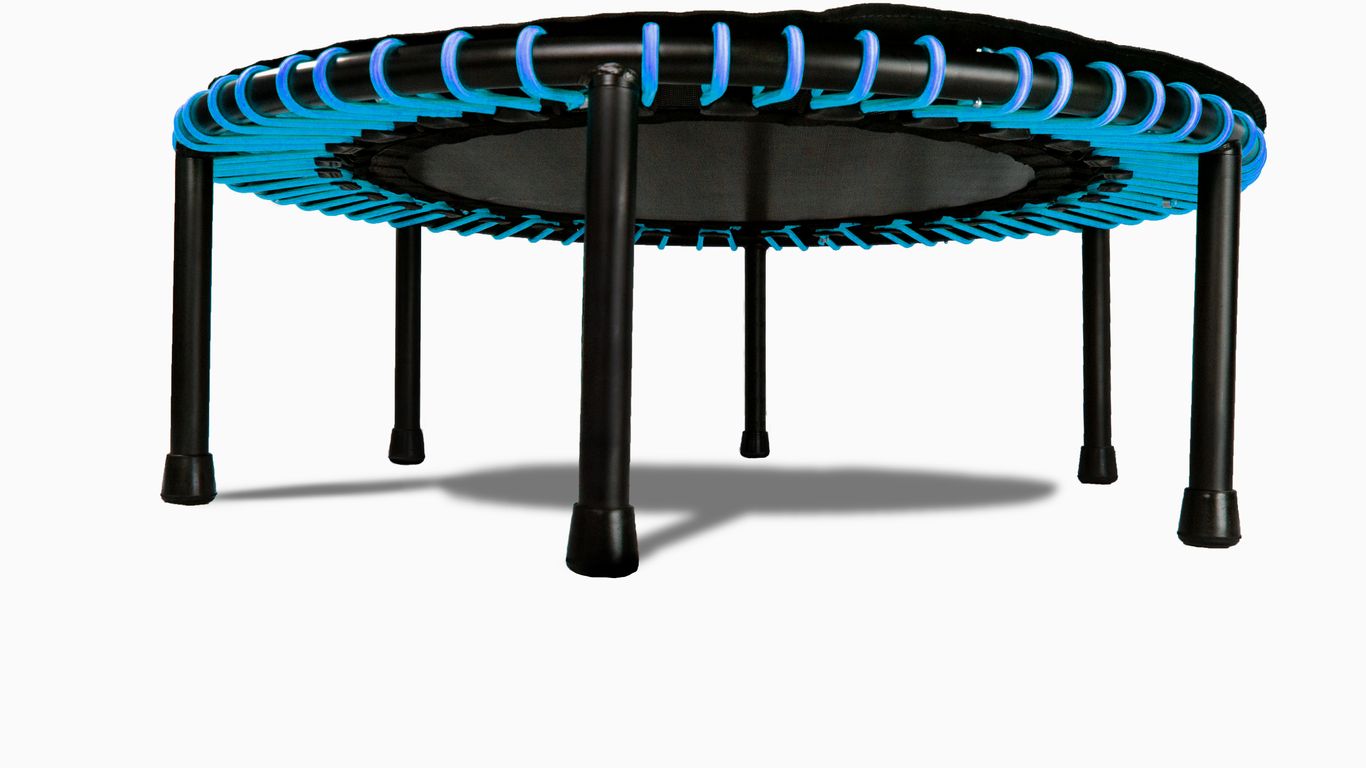
So, you've picked out a size, but have you thought about the shape? It might seem like a small detail, but the shape of your trampoline actually changes how you use it and how it fits into your yard. It's not just about looks; it affects the bounce and the overall experience.
Round Trampolines for Recreational Fun
Round trampolines are the classic choice, and for good reason. They're super common and great for general family fun. The way they're built, with springs all around, means that when you jump, you naturally get guided back towards the center. This is a nice safety feature, especially for younger kids or if you're just bouncing around without doing any fancy tricks. It makes the middle of the trampoline the prime spot for the best, most comfortable jumps. Think of it as a gentle nudge back to where you need to be for your next bounce.
Rectangular Trampolines for Athletic Pursuits
Now, if you're thinking more along the lines of gymnastics or serious trick practice, a rectangular trampoline might be more your speed. These shapes give you a much bigger, more consistent jumping surface. Unlike round ones that pull you to the middle, rectangular trampolines let you jump more freely across the entire mat. The springs on these often work independently, giving you more control over your leaps and bounds. Professionals and athletes often choose this shape because it allows for more dynamic movements and higher jumps without that automatic return to the center. It's all about maximizing your airtime and maneuverability.
Oval Trampolines: A Hybrid Approach
What if you want a bit of both worlds? That's where oval trampolines come in. They're kind of a middle ground. You get a good amount of space to move around, more so than a typical round trampoline, but they still have that tendency to guide you back towards the center, which is a plus for safety. It's a nice compromise if you want more freedom than a round one but aren't quite ready for the full athletic focus of a rectangular model. They offer a controlled bounce with a bit more room to play.
Here's a quick rundown:
- Round: Best for general family fun, gentle bounces, and safety. The center is the main jumping zone.
- Rectangular: Ideal for serious jumpers, gymnasts, and trick practice. Offers maximum controlled bounce and freedom of movement.
- Oval: A good mix, providing more space than round but still offering some central guidance for safer, controlled bouncing.
When you're looking at shapes, think about who will be using the trampoline the most and what kind of jumping they'll be doing. A round one is usually a safe bet for most families, but if you've got aspiring gymnasts or just want more room to spread out, consider the other shapes.
Avoiding Common Trampoline Sizing Pitfalls
So, you're ready to buy a trampoline, and you think size is pretty straightforward, right? Well, not always. People often make a few common mistakes when picking out a trampoline size, and it can lead to disappointment down the road. Let's talk about how to avoid these traps.
The Mistake of Buying Too Small
This is a big one. Kids grow, and they grow fast. What seems like a decent size for a 6-year-old might feel really cramped for that same child at age 10 or 12. If you're on the fence between two sizes, it's almost always better to go with the larger option. That extra jumping space isn't just nice to have; it means the trampoline will be usable and enjoyable for longer. Think about it: trampolines can last a good 10 to 15 years, so you want it to keep up with your family. A trampoline that's too small can quickly become a source of frustration rather than fun.
Proper Garden Space Measurement
Don't just eyeball your yard. You need to measure carefully. Remember that the listed trampoline size isn't the only thing taking up space. You need to account for safety clearance all around the trampoline. A good rule of thumb is to leave at least 2 meters (about 6.5 feet) of clear space on every side. Also, check for overhead obstructions like tree branches or power lines. You don't want any surprises when the trampoline is delivered or, worse, when someone is mid-jump.
Here’s a quick checklist for measuring your space:
- Measure the flattest area available in your yard.
- Subtract at least 4 meters (about 13 feet) from both the length and width of this area to account for the trampoline itself and the required clearance.
- Walk the path from your gate to the chosen spot – can you actually get the trampoline pieces there?
Overlooking Overhead Obstructions
It's easy to get excited about the ground space and forget to look up. Tree branches, low-hanging wires, or even parts of your house can pose a serious hazard. Always do a thorough check of the area above where the trampoline will be placed. You need to consider the maximum height someone might reach while jumping, not just their current height. If there are obstructions, you might need to trim branches or, unfortunately, reconsider the trampoline's location or even its size.
Buying a trampoline is an investment in fun and activity that should last for years. Overlooking the importance of adequate space or planning for your children's growth can turn a great purchase into a regretful one very quickly. Always err on the side of caution and go a little bigger if you can.
Choosing the right size trampoline can seem tricky, but it's super important for a great bounce! Don't let confusing measurements trip you up. We've made it simple to find the perfect fit for your space and your workout needs. Ready to jump into fitness? Visit our website to explore our range and find your ideal trampoline today!
So, What Size Trampoline Should You Get?
Alright, so we've talked a lot about trampoline sizes, and hopefully, it's a little clearer now. It's not just about picking the biggest one you can find or the cheapest one. You really need to think about your yard space, making sure there's enough room all around for safety. Then, consider who's going to be jumping – are they little kids, older ones, or even adults? A bigger trampoline might be worth it if you have a growing family or want it to last for years. Don't forget about the shape, either; round is usually good for general fun, while rectangular is better for more athletic stuff. Ultimately, picking the right size is about balancing fun, safety, and making sure it fits your life and your backyard. Take your time, measure carefully, and you'll end up with a trampoline everyone can enjoy for a long time.
Frequently Asked Questions
Why is trampoline size so important?
The size of a trampoline matters a lot because it affects how much space it takes up in your yard, how safe it is to use, and how much fun everyone can have. A trampoline that's too small might feel cramped and limit playtime, while one that's too big might not fit safely with enough clear space around it.
How are trampoline sizes usually measured?
Trampolines are typically measured from one side of the frame to the other. This is the number you see advertised, like '12 feet'. However, remember that the springs and padding take up some of this space, so the actual jumping area is usually a bit smaller than the advertised size.
What's the best trampoline size for my backyard?
To figure this out, you need to measure your yard and think about the trampoline plus a safety zone around it. Most experts suggest at least 6 feet of clear space on all sides. So, a 12-foot trampoline might need a yard that's at least 24 feet wide. It's best to pick the largest size that fits comfortably without making your yard feel too crowded.
How do I choose a trampoline size based on who will use it?
Consider the age and number of people who will jump. For one or two younger kids, an 8 or 10-foot trampoline might be okay. If you have multiple kids, older children, or teens, a 12 or 14-foot trampoline is a better choice. It gives more room to jump safely and reduces the chance of collisions.
Should I buy a bigger trampoline than I think I need?
Yes, it's often a good idea to buy a slightly larger trampoline than you initially think you need. Kids grow quickly, and their need for jumping space increases. A bigger trampoline will be enjoyable for longer, potentially saving you money in the long run compared to upgrading later.
Does the shape of a trampoline affect its size or use?
Yes, shape matters! Round trampolines are great for general fun and tend to bounce jumpers back to the center, which is safer. Rectangular trampolines offer a more powerful and controlled bounce, making them better for gymnastics or athletic training, but they often require more space and can be more expensive.


0 comments