









So, you want stronger legs? It's more than just looking good in shorts, you know. Strong legs help you do everything better, from walking around town to playing sports, and honestly, they’re a big part of your overall health. This guide is all about making your leg fitness exercise routine work for you, whether you're in a fancy gym or just chilling at home. We'll break down how to build those muscles, move right, and keep getting better without getting hurt. Let's get those legs firing!
Key Takeaways
- Understanding how your leg muscles work together, like the quads, hamstrings, and glutes, is key for effective leg fitness exercise.
- Structure your workouts by doing big, multi-muscle moves first, then adding smaller, targeted exercises for balanced leg development.
- Focus on doing exercises like squats, deadlifts, and lunges with good form to get the most out of your leg fitness exercise and avoid injuries.
- You can get great leg fitness exercise results using just your bodyweight, dumbbells, or resistance bands, so don't worry if you don't have a full gym.
- To keep improving your leg fitness exercise, gradually increase the challenge over time and always pay attention to what your body is telling you, especially when it comes to rest and recovery.
Understanding The Pillars Of Leg Fitness Exercise
The Crucial Role Of Leg Strength
Think about it – your legs are the foundation for pretty much everything you do. Walking, running, jumping, even just standing up from a chair, it all starts from the ground up. Building strong legs isn't just about looking good in shorts, though that's a nice bonus. It's about having a body that can handle daily life without breaking a sweat. Strong legs help with balance, which can prevent falls, especially as we get older. They also help you move better overall, making other exercises easier and more effective. Seriously, neglecting leg day is like building a fancy house on a shaky foundation.
Anatomy Of A Powerful Lower Body
Your lower body is a complex system, not just a few big muscles. You've got your quads on the front of your thighs, which help you straighten your leg – think squats and kicking. Then there are the hamstrings on the back of your thighs, important for bending your knee and extending your hip, like in running or deadlifts. Don't forget the glutes, your butt muscles, which are huge powerhouses for hip extension and stability. And then there are the calves, essential for pushing off the ground and ankle stability. Even smaller muscles like the adductors (inner thighs) and abductors (outer hips) play a big part in knee and hip support and moving side-to-side.
Here’s a quick rundown:
- Quadriceps (Quads): Front of the thigh. Main job is straightening the knee.
- Hamstrings: Back of the thigh. Help bend the knee and extend the hip.
- Gluteals (Glutes): Buttocks. Power hip extension and stabilize the pelvis.
- Gastrocnemius & Soleus (Calves): Back of the lower leg. Crucial for ankle movement and pushing off.
- Adductors & Abductors: Inner and outer thigh/hip. Support knee and hip stability, aid lateral movement.
The Kinetic Chain: How Leg Muscles Work Together
It's not just about individual muscles working alone. Your legs operate as a kinetic chain, meaning different parts work in sequence to create movement. When you squat, for example, your glutes initiate the hip extension, followed by your hamstrings and then your quads. This coordinated effort allows for powerful and efficient movement. Understanding this chain helps you see why training multiple leg muscles together, like in compound exercises, is so effective. It mimics how your body actually moves in real life and sports.
When you train your legs effectively, you're not just building muscle in one spot. You're creating a system where muscles communicate and work together, making you stronger and more capable in everything you do. It's about building functional strength that translates directly to everyday activities and athletic performance.
Structuring Your Ultimate Leg Day Workout
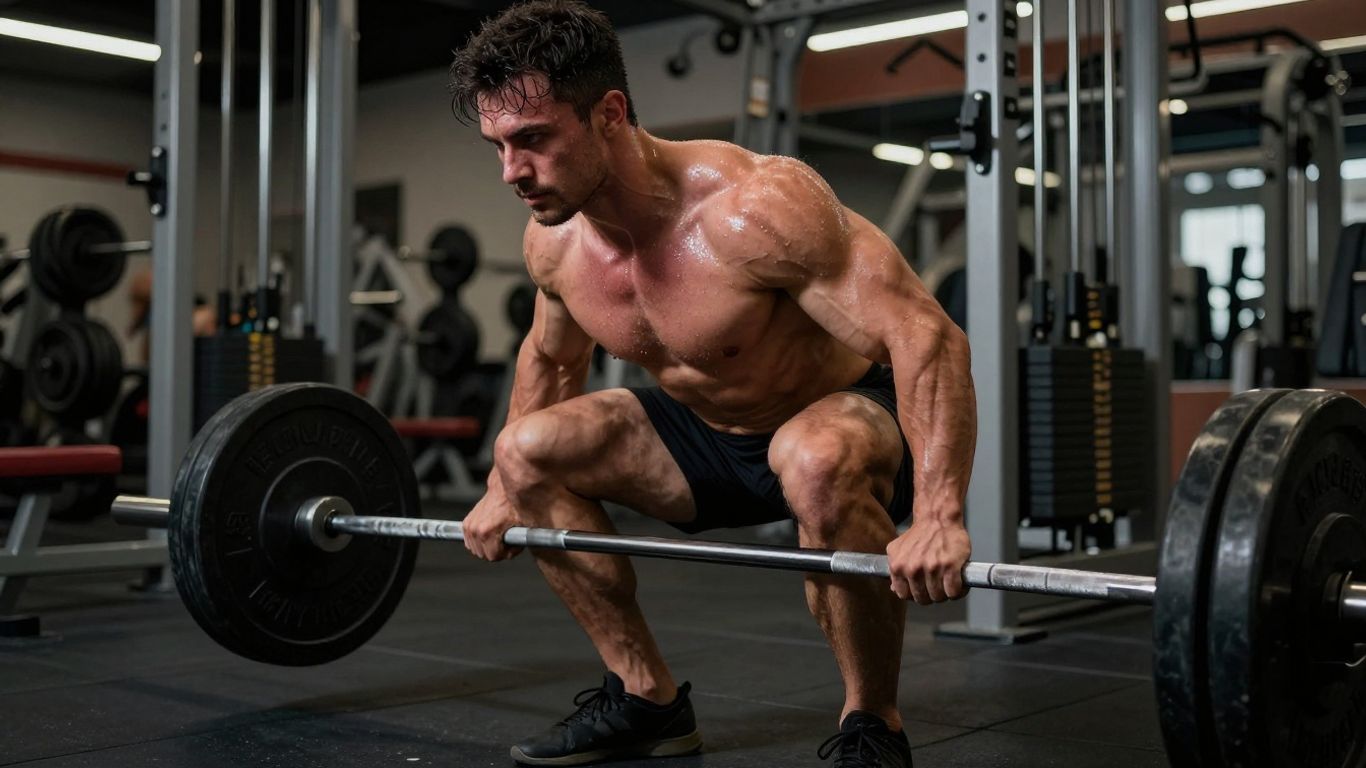
Alright, so you've got the rundown on why leg day matters and the muscles involved. Now, let's talk about how to actually put together a killer leg workout that gets results. It's not just about throwing a bunch of exercises together; there's a method to the madness, and it all starts with how you order things.
Prioritizing Compound Lifts For Maximum Gains
When you're building a leg day, the big, multi-joint movements should always come first. Think squats, deadlifts, and lunges. These exercises work a ton of muscles at once, meaning you can lift heavier and stimulate more overall growth. Because they're so demanding, you want to hit them when you're feeling fresh and have the most energy. Trying to do heavy squats after a bunch of isolation work is a recipe for poor form and potential injury. These powerhouses are your foundation for strength and muscle.
- Barbell Back Squats: The king of leg exercises, hitting quads, glutes, and hamstrings hard.
- Deadlifts (Conventional or Romanian): Fantastic for the entire posterior chain – glutes, hamstrings, and lower back.
- Hip Thrusts: Excellent for direct glute development, often lighting them up more than squats.
- Bulgarian Split Squats: A unilateral powerhouse that challenges balance and hits quads and glutes intensely.
The order you tackle these compound lifts can significantly impact your strength development.
Strategic Sequencing For Strength Development
So, how do you arrange these big lifts? Generally, you want to start with the most complex or heaviest movement. If you're doing both squats and deadlifts in the same session, decide which one you want to prioritize that day. Some people prefer squats first, others deadlifts. It really depends on your goals and how your body responds. After your main lift, move onto other compound exercises that might be slightly less taxing or target different muscle groups. This approach ensures you're giving your maximum effort to the lifts that yield the biggest strength returns. It’s about respecting your body's capacity to generate force when it's at its peak.
The sequence of your leg exercises can make or break your strength gains. When you're fresh and fired up, that's when you tackle the big lifts. Your body is primed, your mind is focused, and you're ready to move serious weight. Start with the movements that demand everything you've got—those compound exercises that challenge multiple muscle groups and test your technical skills.
Incorporating Isolation Movements For Balance
Once you've crushed your compound lifts, it's time to bring in the isolation exercises. These movements focus on a single joint and target specific muscles. Think leg extensions for quads, hamstring curls for hamstrings, and calf raises for calves. These are great for adding extra volume to specific areas, addressing weaknesses, and ensuring balanced development. They're also less taxing, so you can perform them when you're a bit fatigued. Don't skip them; they play a vital role in sculpting well-rounded legs and can help prevent imbalances. For example, if you're looking to build muscle size, you might follow a 6-day powerbuilding split that includes these types of exercises after your main compound lifts.
Here’s a sample structure:
- Primary Compound Lift: Squats or Deadlifts (3-4 sets of 4-8 reps)
- Secondary Compound Lift: Romanian Deadlifts or Hip Thrusts (3-4 sets of 6-10 reps)
- Accessory Compound/Unilateral: Bulgarian Split Squats or Lunges (3 sets of 8-12 reps per leg)
- Isolation (Quads): Leg Extensions (3 sets of 10-15 reps)
- Isolation (Hamstrings): Hamstring Curls (3 sets of 10-15 reps)
- Isolation (Calves): Calf Raises (3-4 sets of 15-20 reps)
Mastering Form For Effective Leg Fitness Exercise
Look, building strong legs isn't just about lifting heavy things. It's about doing it right. Getting your form dialed in is probably the most important thing you can do, not just for getting results, but for staying out of the doctor's office. When you move with good technique, every single rep you do actually counts. It's like the difference between building a house with a solid foundation or one that's just going to fall apart.
Perfecting The Squat Technique
The squat is king for a reason. But a bad squat? That's just asking for trouble. Here's the deal: keep your back straight, brace your core like you're about to get punched, and keep your chest up. As you go down, let your knees track naturally over your toes. Don't let them cave in. Think about sitting back into a chair that isn't there, keeping your weight spread evenly across your whole foot. This simple stuff makes a huge difference.
Deadlift Dynamics: Hips Over Back
So many people mess up the deadlift by treating it like a back exercise. It's not. It's a hip hinge. Your spine needs to stay neutral the entire time – imagine you've got a logo on your shirt that you want everyone to see. Drive the movement with your hips, not your back. When you get this right, you'll feel powerful, not like you're going to throw your back out.
Lunges With Confidence And Control
Forget that old rule about your knees never going past your toes. What really matters is control and keeping your body aligned. Keep your torso upright and avoid leaning too far forward, which puts weird stress on your joints. Each lunge should feel stable and strong, not shaky or forced. It’s about controlled movement, not just getting the reps in.
Paying attention to the details in your leg exercises can transform them from average to amazing. It's about making every single movement count towards your goals, rather than just going through the motions. This focus on quality over quantity is what separates those who see consistent progress from those who plateau.
Equipment-Independent Leg Fitness Exercise
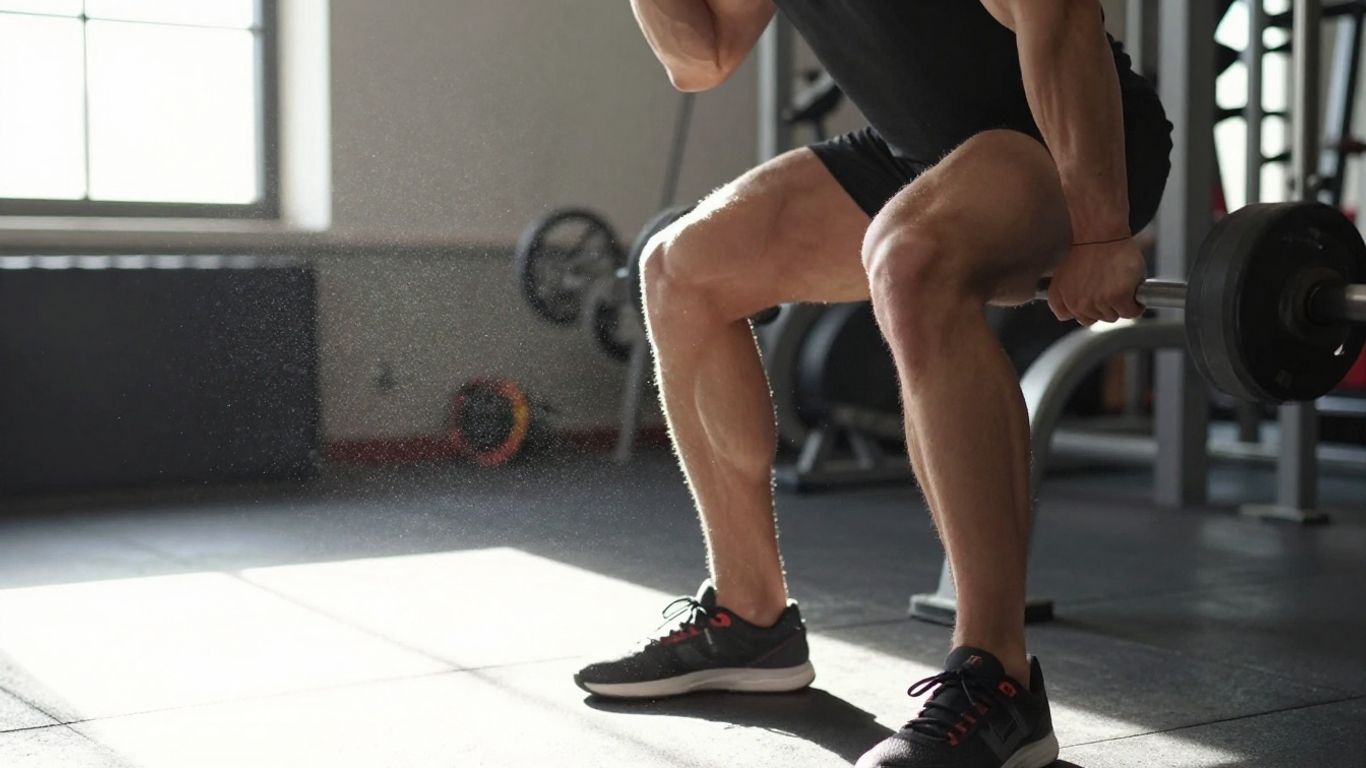
Who says you need a fancy gym to build strong legs? Turns out, your own bodyweight is a pretty amazing tool. You can get a killer leg workout done right in your living room, or even a small hotel room. It’s all about being smart with what you have. You don't need a lot of gear to make serious progress.
Leveraging Bodyweight For Home Workouts
Bodyweight exercises are fantastic because they force your muscles to work harder to stabilize your body. Think about single-leg movements. Things like Bulgarian split squats, pistol squats (if you're brave!), and single-leg glute bridges make each leg work on its own. This is great for finding and fixing any strength differences between your left and right sides. Plus, you can do them anywhere. You can also get creative with everyday items. A loaded backpack or even a heavy suitcase can add resistance to exercises like squats and lunges. The key is to keep challenging yourself, just like you would with weights. This is where you can really build muscle without needing gym equipment.
Here are a few bodyweight staples to get you started:
- Squats: The classic. Focus on depth and keeping your chest up.
- Lunges: Forward, backward, and sideways. These hit your legs from different angles.
- Glute Bridges: Great for your glutes and hamstrings. Try single-leg versions for more challenge.
- Calf Raises: Stand on a step or flat ground and go up onto your toes.
Remember, even without weights, you can still apply the idea of progressive overload. This means gradually making the exercises harder over time, whether by doing more reps, holding the position longer, or trying more challenging variations.
Dumbbell-Only Leg Day Strategies
If you have a pair of dumbbells, your leg day options expand quite a bit. Dumbbells are super versatile. You can do goblet squats, holding one dumbbell at your chest. Romanian deadlifts (RDLs) with dumbbells are excellent for your hamstrings and glutes. Just keep your back straight and hinge at your hips. Lunges become even more effective when you hold dumbbells in each hand. You can also do dumbbell calf raises by holding weights while you lift onto your toes.
Here’s a quick way to structure a dumbbell-focused leg workout:
- Compound Movement: Start with something like dumbbell squats or lunges.
- Posterior Chain: Move to dumbbell RDLs or single-leg RDLs.
- Accessory Work: Finish with exercises like dumbbell calf raises or glute bridges.
Utilizing Resistance Bands For Added Challenge
Resistance bands are small but mighty. They add tension to movements that might otherwise be too easy. Loop a band around your thighs, just above your knees, during squats or glute bridges. This really fires up your outer thigh muscles (abductors), which are often overlooked. Banded walks, where you step sideways with a band around your ankles or knees, are also fantastic for hip stability and glute activation. You can even use them for hamstring curls if you anchor one end and loop the other around your feet. They're a cheap and easy way to add a new level of difficulty to your existing leg exercises.
Progressive Overload And Listening To Your Body
Building stronger legs isn't just about showing up and doing the same thing every week. You've got to push yourself a little, but also know when to back off. That's where progressive overload and paying attention to what your body is telling you come in.
Smart Progression For Lasting Results
Progressive overload is the name of the game for getting stronger and building muscle. It means gradually increasing the demand on your legs over time. This could mean lifting a bit more weight, doing an extra rep or two, or even shortening your rest periods. The key is to make these changes small and consistent. Jumping up too much in weight too fast is a recipe for injury, not progress. Think about adding just 5-10% more weight when you feel ready, or aiming for one more rep than last time. It’s a marathon, not a sprint.
Here’s a simple way to track your progression:
- Week 1: Squat 100 lbs for 3 sets of 8 reps.
- Week 2: Squat 105 lbs for 3 sets of 8 reps.
- Week 3: Squat 105 lbs for 3 sets of 9 reps.
- Week 4: Squat 110 lbs for 3 sets of 8 reps.
Recognizing And Responding To Body Signals
Your body is pretty good at letting you know when something's up. That deep burn you feel after a tough set? That's usually a good sign your muscles are working. But sharp pain, especially in your knees or lower back during a lift, is a different story. That's your body sending a warning. Don't ignore it. It might mean your form is off, you're pushing too hard too soon, or you need a rest day. Muscle twitches after a workout can happen, especially if you're tired or dehydrated, but if they're constant and you feel wiped out, it's a signal to ease up.
Pushing through sharp pain is never the answer. It's better to dial back the intensity, check your form, or take an extra rest day than to risk a serious injury that could set you back for weeks or months.
The Importance Of Recovery For Growth
Muscle doesn't grow when you're in the gym; it grows when you're resting. Your legs need time to repair and rebuild after you've challenged them. This means getting enough sleep, eating well, and staying hydrated. Skipping rest days or skimping on sleep will sabotage your progress, no matter how hard you train. Think of recovery as an active part of your training plan, not just something you do when you're sore.
Keep Those Legs Moving
So, there you have it. Building strong legs isn't just about looking good, though that's a nice bonus. It's about moving better every day, staying strong as you get older, and just generally feeling more capable. We've covered why it matters, how to hit all those important muscles, and even how to put together a solid workout whether you're in a full gym or just have some dumbbells at home. Remember, consistency is key. Don't be afraid to push yourself a little, but always listen to your body. Keep at it, and you'll be amazed at how much stronger and more confident you feel.
Frequently Asked Questions
Why are leg workouts so important?
Working your legs is super important because they are some of the biggest muscles in your body. Strong legs help you move better every day, like walking, running, and even just standing up. Plus, having strong legs can even help you live longer and stay healthier!
What are the main parts of the leg muscles I should train?
You should train all the main parts! This includes your quads (front of your thighs), hamstrings (back of your thighs), glutes (your butt muscles), and calves (lower part of your legs). Don't forget your inner and outer thigh muscles, too, as they help with balance.
Can I do leg exercises at home without fancy equipment?
Absolutely! You can do a lot of great leg exercises using just your body weight. Things like squats, lunges, and glute bridges work really well. You can also use things like resistance bands or even household items like water bottles to make exercises harder.
What's the best order to do leg exercises in a workout?
It's best to start with the big, tough exercises that work many muscles at once, like squats and deadlifts. These are called compound exercises. After you do those, you can move on to exercises that focus on just one muscle group, like calf raises.
How much weight should I use for leg exercises?
You should pick a weight that feels challenging but allows you to do the planned number of reps with good form. If you're supposed to do 8 reps, choose a weight where you could maybe do 2 more if you had to. This is called having 'reps in reserve'.
How do I know if I'm doing leg exercises correctly?
Pay close attention to how you feel and look. Keep your back straight, your core tight, and make sure your knees move in a way that feels natural and doesn't hurt. Watching yourself in a mirror or recording a video can help you see if your form is right.


0 comments