









Thinking about getting fit but not sure where to start? Maybe you've seen those mini-trampolines, called rebounders, and wondered if they're actually good for you. Well, guess what? They totally are, especially if you're new to working out. Rebounding exercises for beginners are a fantastic way to get your body moving without putting too much stress on your joints. It's low-impact, fun, and you can do it right at home. So, let's jump into how you can kickstart your fitness journey with some simple moves.
Key Takeaways
- Rebounding is a low-impact exercise done on a mini-trampoline, great for all fitness levels.
- Start with basic movements like marching and gentle bouncing to get used to the rebounder.
- Gradually increase intensity by adding twists, low ski jumps, and gentle jumping jacks.
- Combine moves like high knees with arm pumps or squats with bounces for a more dynamic workout.
- Consistency is key; start slow, listen to your body, and incorporate rebounding into your regular routine.
Getting Started with Your Rebounder
Understanding The Rebounder
A rebounder, often called a mini-trampoline or fitness trampoline, is a fantastic piece of equipment for a low-impact workout. Unlike traditional trampolines, these are designed for fitness, offering a springy surface that absorbs shock, making it easier on your joints. Most rebounders use either bungee cords or metal springs to create that bounce. Bungee cords tend to be quieter and offer a softer bounce, which is great for beginners. Metal springs can be a bit firmer. Some rebounders also come with a mat that covers the springs, adding an extra layer of safety.
Essential Safety Precautions
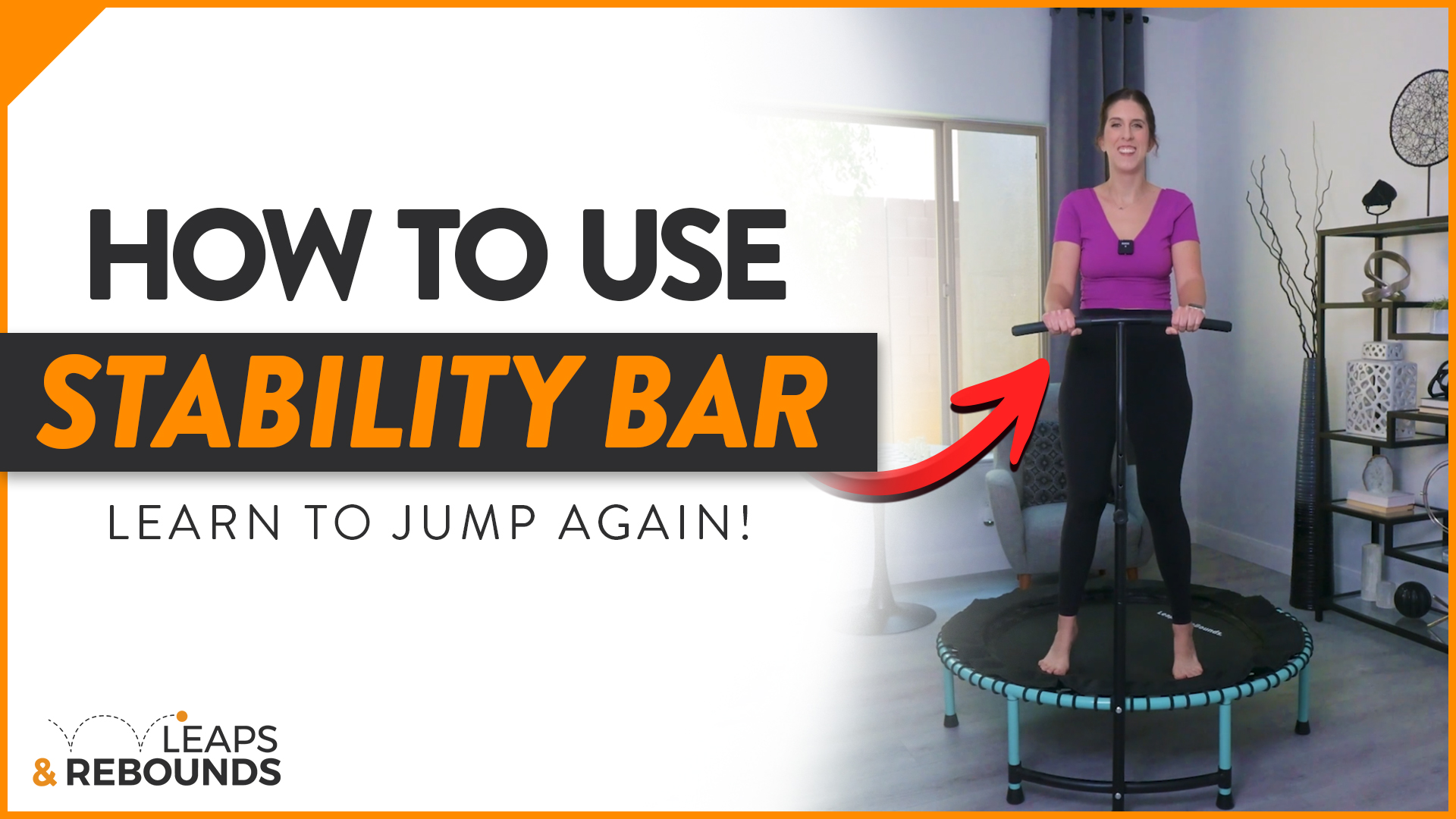
Before you even think about jumping, let's talk safety. First off, make sure your rebounder is on a stable, flat surface. You don't want it sliding around while you're mid-bounce! If you're new to this, or just want a little extra support, consider getting a rebounder with a handlebar. This "T" shaped bar attaches to the frame and gives you something to hold onto for balance, especially when you're trying new moves or feeling a bit wobbly. Always start with gentle bounces and focus on keeping your core engaged to help stabilize your body. Listen to your body; if something feels off, stop.
Choosing Your First Rebounder Exercises
When you're just starting out, the key is to keep it simple and get a feel for the rebounder. Don't try to do anything too complicated right away. Think about movements that help you get used to the bounce and build a little confidence. Some good starting points include:
- Gentle Marching: This is like marching in place, but on the rebounder. It helps you get used to the up-and-down motion and balance.
- Basic Bounce: Just a simple, low bounce where your feet barely leave the surface. Focus on a steady rhythm.
- Weight Shifts: Gently shifting your weight from one foot to the other while bouncing lightly. This helps with coordination and balance.
Remember, the goal at this stage is to familiarize yourself with the rebounder and build a little confidence. It's not about how high you can jump or how fast you can go.
Fundamental Rebounding Exercises
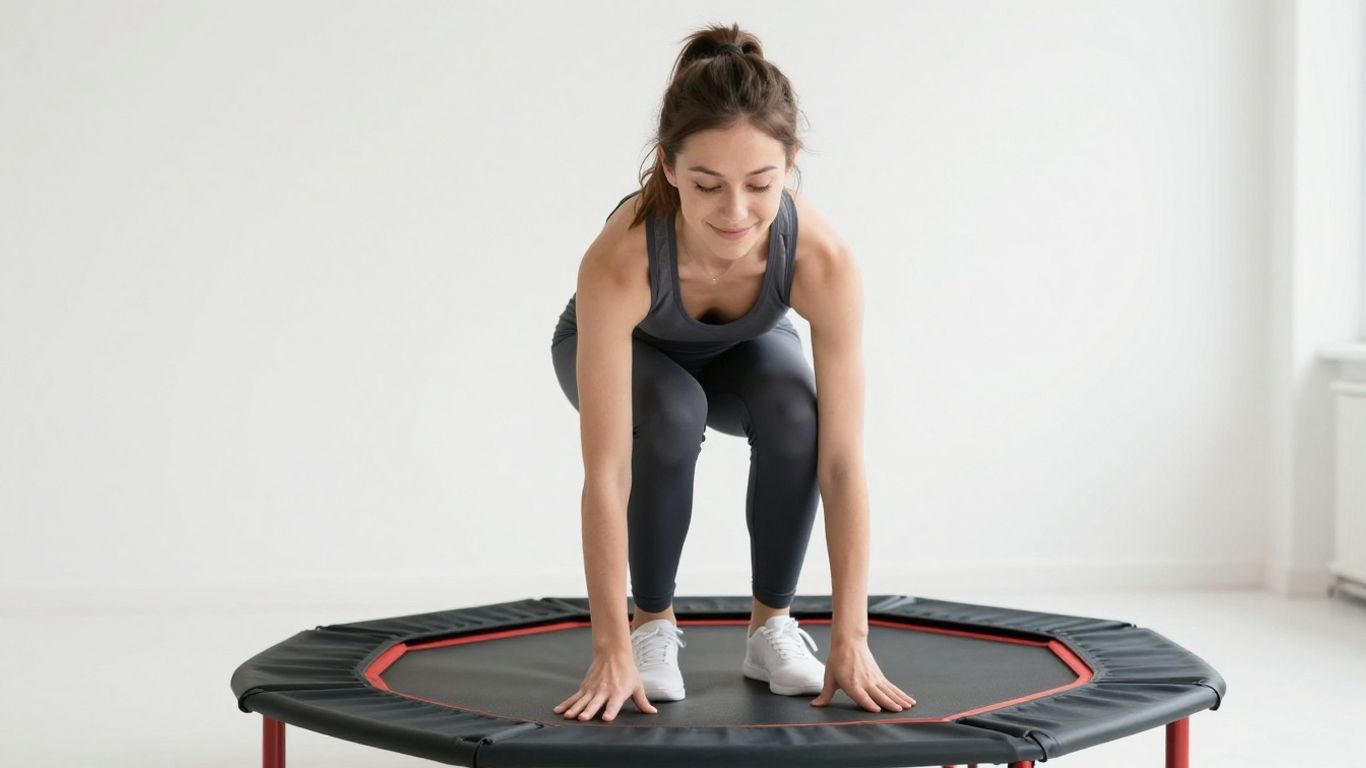
Alright, let's get down to the basics of using your rebounder. These moves are super simple and a great way to start feeling the rhythm of bouncing. Don't worry about fancy footwork yet; we're just getting comfortable.
The Gentle March
This is like a walking-in-place move, but on your rebounder. It's perfect for warming up your legs and getting a feel for the bounce. Stand with your feet about hip-width apart, right in the middle of the mat. Keep your back straight and pull your belly button in a little. Now, lift one knee up towards your chest, like you're marching. As you bring that leg back down, lift the other one. You can pump your arms gently to help with the motion and balance. The key here is control, not speed. Try to keep a steady rhythm, lifting your knees as high as feels comfortable for you.
Basic Bounce Technique
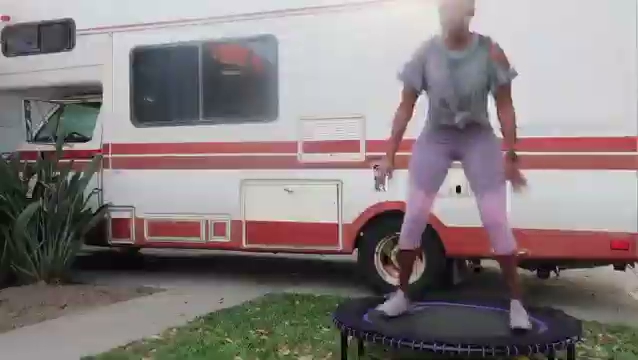
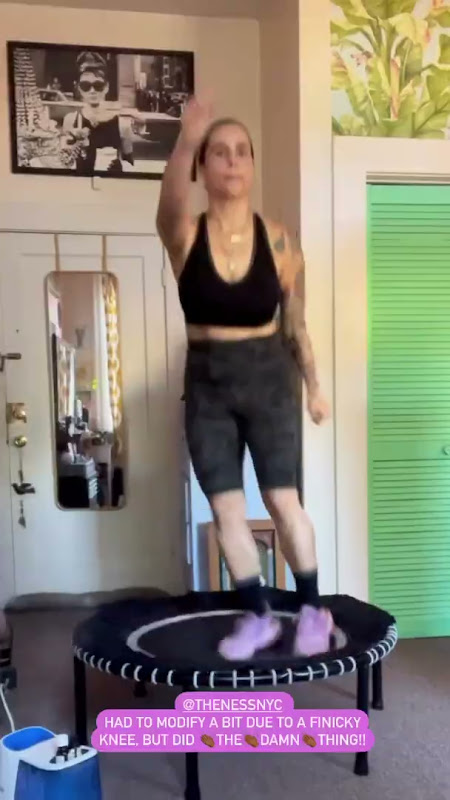
This is the heart of rebounding! For beginners, we're going to focus on a simple, controlled bounce. Stand with your feet hip-width apart, knees slightly bent, and your core engaged. You want to push off gently with both feet, just enough to lift yourself a tiny bit off the mat. Land softly, absorbing the bounce with your knees. Think of it as a gentle up-and-down motion. Avoid bouncing too high at first. The goal is to get used to the feeling of the mat giving way and springing back.
Side-to-Side Stepping
This exercise helps you get used to shifting your weight. Start with your feet together in the center of the rebounder. As you bounce gently, shift your weight to your right foot and step your left foot out to the side. Then, bounce again and bring your left foot back to center, shifting your weight to your left foot as you step your right foot out to the side. It's like a little dance step. Keep the bounces low and controlled, and focus on smooth transitions from one side to the other. This really wakes up your hips and outer thighs.
Remember, consistency is more important than intensity when you're starting out. Even a few minutes of these basic moves each day will make a difference. Listen to your body and don't push too hard, especially in the beginning.
Adding Movement and Intensity
Moving on from the basics, it’s time to bring a little more energy and variety into your rebounding sessions. This is where the workout starts to get more exciting, and you’ll begin to feel the difference in your stamina and coordination. Adding movement and intensity to your rebounder routine helps you burn more calories, wakes up new muscle groups, and keeps things fun. Take it at your own pace, and listen to your body if anything feels off.
Twisting Movements
Twisting on the rebounder gives your core a nice challenge while still being gentle on your joints. Here’s how to tackle it:
- Stand with feet hip-width apart and knees slightly bent.
- Start bouncing softly, keeping both feet on the mat.
- Begin to twist your hips left and right, letting your arms swing across your body. Focus on slow, controlled movements at first.
- As you get more comfortable, you can let your feet lift a little off the mat with each twist.
This move activates your abs and obliques and can even help with balance. Don’t worry if it feels awkward the first few tries—it gets easier with repetition.
Low Ski Jumps
Low ski jumps are a great way to ramp up the cardio without needing high-impact moves. Here’s a step-by-step:
- Stand in the middle of your rebounder, knees bent, chest slightly forward.
- Shift your weight to one side, hopping gently to bring both feet together to the left.
- Then hop both feet to the right side, keeping things low and controlled.
- Imagine you’re carving down a mountain; keep your arms bent and swinging gently to help with rhythm.
You don’t need height—just keep it small and snappy.
benefits of Low Ski Jumps
- Boosts heart rate quickly
- Builds coordination
- Engages your glutes, thighs, and calves
Gentle Jumping Jacks
Jumping jacks on a rebounder are much softer on your knees than the floor version, but they pack a punch for your whole body.
Steps:
- Start with feet together and arms at your sides.
- Bounce both feet outward to the sides while swinging your arms overhead.
- Bounce back to the center as you bring your arms down.
You don’t need to make these huge—just a gentle bounce with each jack. If you ever feel off balance, go slower or keep the jump shallow while focusing on the arm movement.
When you add these moves, you’ll notice your workouts start to feel more dynamic, and you might even look forward to the variety each time you step onto the rebounder. Every small step or twist is a nudge toward better balance and endurance—so celebrate the wins, even the tiny ones!
Beginner-Friendly Combinations
Once you've got the hang of the basic moves, it's time to string them together. Combining exercises makes your workout more dynamic and can really get your heart pumping. It's like learning a new dance, but for your fitness! These combinations are designed to be easy to follow, even if you're just starting out.
High Knee with Arm Pumps
This move really gets your blood flowing. Start with a gentle bounce, then bring one knee up towards your chest while simultaneously pumping your opposite arm forward. Alternate legs and arms with each bounce. Focus on a steady rhythm to keep your momentum going.
- Start with a basic bounce to get your body moving.
- Lift your right knee while pumping your left arm forward.
- Bounce and switch: lift your left knee while pumping your right arm forward.
- Continue alternating for about a minute, or as long as you feel comfortable.
Squat and Bounce
This one targets your lower body while keeping your heart rate up. Stand with your feet shoulder-width apart on the rebounder. Lower your hips as if you're sitting back into a chair, keeping your chest up. Then, push off your feet to bounce back up. You can add a gentle arm raise as you stand up for an extra bit of movement.
Remember to keep your knees behind your toes when you squat. It's all about sitting back, not just bending down.
Side Crunches with Bounces
This is a great way to work your core. Stand with your feet hip-width apart. As you bounce gently, bring your right elbow towards your right knee, crunching your side. Return to the center bounce and then repeat on the left side. If this feels too tricky at first, you can just do the crunch motion without the bounce, or hold onto a handlebar for support.
Integrating Rebounding Into Your Routine
Starting Slow and Building Up
When you first get on your rebounder, don't feel like you need to go all out. It's totally normal to feel a bit wobbly at first, and that's okay. Start with just 5 to 10 minutes each session. Think of it as getting acquainted with the bounce. As you get more comfortable, you can slowly add more time. Aim to get on your rebounder about three to five times a week. Consistency is way more important than how long you bounce each time, especially when you're just starting out.
Consistency for Best Results
Making rebounding a regular part of your week is where the real magic happens. It's not just about burning calories; it's about building a habit that supports your overall well-being. Think about scheduling your rebounder sessions like any other important appointment. Even on days when you don't feel super motivated, a short 5-minute bounce can make a difference. Over time, you'll notice improvements in your energy levels and how your body feels.
Combining with Other Activities
Your rebounder isn't just a one-trick pony. It can be a fantastic addition to your existing fitness routine. Use it as a warm-up before you hit the weights or go for a run. You could also do a quick rebounding session after your yoga class to get your circulation going. Some people even use it as a fun way to cool down. Mixing it up keeps things interesting and works your body in different ways.
Remember, the goal is to make fitness enjoyable and sustainable. Don't be afraid to experiment with how rebounding fits into your life. It's a versatile tool that can complement many different types of exercise.
Cooling Down and Recovery
Alright, you've finished your rebounding session, and you're feeling good! But don't just hop off and call it a day. Just like warming up is important, so is cooling down. It helps your heart rate get back to normal and lets your muscles relax after all that bouncing.
Post-Workout Stretching
Think of stretching as a way to thank your body for the workout. It helps keep your muscles from feeling too tight later on. You don't need to do anything complicated. Just a few simple stretches will do the trick.
- Calf Stretch: Stand with one foot slightly in front of the other. Lean forward, keeping your back leg straight and heel on the ground. You should feel this in your calf.
- Hamstring Stretch: Sit on the floor with one leg extended and the other bent. Reach towards the toes of your extended leg. Keep your back as straight as you can.
- Quad Stretch: Stand up and hold onto something for balance if you need it. Grab one ankle and gently pull your heel towards your glutes. Keep your knees close together.
- Triceps Stretch: Reach one arm overhead, bend your elbow, and let your hand fall behind your head. Use your other hand to gently push down on the bent elbow.
Try to hold each stretch for about 15-20 seconds. Remember to breathe normally while you're stretching. Don't push into any pain; just a gentle pull is what you're looking for.
Focusing on Deep Breathing
After stretching, take a few minutes to just breathe. It sounds simple, but it's really effective for winding down. Find a comfortable spot, maybe sitting or lying down, and just focus on your breath.
Inhale slowly through your nose, feeling your belly rise. Then, exhale slowly through your mouth, letting all the air out. Try to make your exhales a little longer than your inhales. Doing this for a few minutes can really help calm your nervous system and make you feel more centered. It’s a great way to wrap up your workout and get ready for whatever’s next.
Ready to Bounce Your Way to Fitness?
So there you have it – a simple way to get moving right in your own home. Rebounding is pretty forgiving, even if you're just starting out. Remember to listen to your body, take it slow, and don't be afraid to hold onto something for balance if you need it. Consistency is the name of the game, so try to hop on your rebounder a few times a week. You might be surprised at how much you enjoy it and how good it makes you feel. Let's get bouncing!
Frequently Asked Questions
What exactly is rebounding?
Rebounding is a fun way to exercise on a mini-trampoline, also called a rebounder. It involves gentle bouncing and other movements that are easy on your body but still give you a great workout. It's like a low-impact party for your body!
Is rebounding safe for beginners?
Absolutely! Rebounding is perfect for beginners because it's low-impact. You can start with simple bounces and even use a handlebar for extra support. Just remember to listen to your body and start slow.
What kind of equipment do I need?
The main thing you need is a rebounder, or mini-trampoline. Some people like to use a handlebar for balance, especially when they're just starting out. Otherwise, just wear comfortable clothes and supportive shoes!
How often should I rebound?
Consistency is key! Try to aim for 3-5 times a week. Start with short sessions, maybe 5-10 minutes, and gradually increase the time as you feel more comfortable and stronger.
Can I combine rebounding with other exercises?
Definitely! Rebounding is a fantastic addition to any fitness plan. You can do it before or after other workouts like yoga or strength training, or even use it as a warm-up for cardio.
What should I do after rebounding?
After your bounce session, it's important to cool down. Do some gentle stretches for your muscles, like your calves and hamstrings. Also, take a few moments to breathe deeply and relax your body.


0 comments