












Trampoline fitness is experiencing a surge in popularity, not just as a recreational activity but as a viable exercise option for diverse populations. From Indonesia's burgeoning trend to inspiring stories of senior citizens regaining mobility, the benefits of bouncing are becoming increasingly recognized. This high-energy workout promises improved balance, coordination, stamina, and even cardiovascular health, making it an attractive option for those seeking a fun yet effective fitness routine.
Key Takeaways
- Trampoline fitness is gaining traction globally as an accessible exercise.
- It offers significant benefits for balance, coordination, and cardiovascular health.
- The activity can be adapted for various age groups and fitness levels, including seniors.
- Safety precautions are essential, especially for individuals with pre-existing conditions.
Trampoline Fitness Takes Indonesia by Storm
In Indonesia, trampoline fitness is rapidly becoming a go-to activity for both exercise and recreation. Malls in provinces like Banten are seeing increased participation, with individuals discovering the joy and efficacy of this dynamic workout. The trend highlights a growing interest in fitness activities that are both engaging and beneficial for overall well-being.
An Inspiring Transformation: Helen's Journey
The remarkable fitness comeback of 86-year-old Helen, documented by celebrity trainer Yasmin Karachiwala, exemplifies the transformative power of consistent exercise. Helen, who once relied on a cane, progressed to confidently bouncing on a trampoline within four months of dedicated Pilates training. This journey underscores that age is not a barrier to regaining strength, mobility, and confidence, with trampoline exercises playing a role in her renewed agility.
Trampolines for Seniors: Benefits and Precautions
Experts suggest that trampolining, or rebounding, can be highly beneficial for older adults. John Travers, a clinical senior lecturer, advocates for it as a resistance exercise that can improve cardiovascular health, strengthen muscles and bones, and enhance mental well-being. Crucially, it stimulates the vestibular system, which is vital for maintaining balance and coordination. This can be particularly helpful for individuals looking to reverse frailty and build resilience.
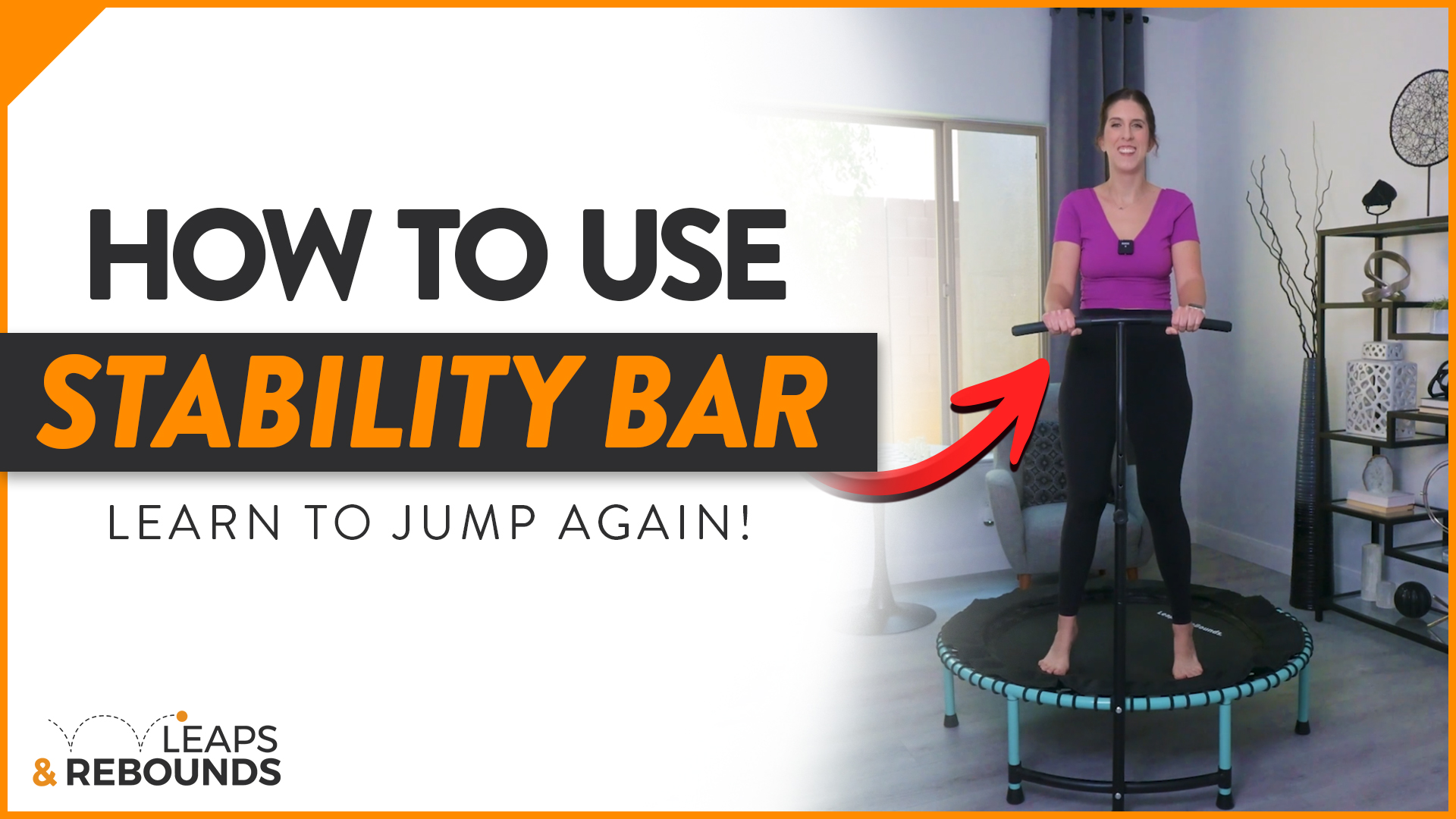
However, safety is paramount. Potential risks include falls and injuries to the back and knees. To mitigate these, it is recommended to use low-to-the-ground rebounders, utilize a support bar, and maintain slightly bent knees while jumping. Individuals with pre-existing conditions like low back pain or osteoporosis should exercise caution or consult a healthcare professional before starting.
The Science Behind the Bounce
The act of jumping on a trampoline engages multiple muscle groups and challenges the body's proprioception. The constant changes in speed and direction during bouncing provide an excellent workout for the vestibular system, enhancing spatial awareness and balance. This makes it a unique form of exercise that can contribute to improved motor control and a reduced risk of falls, especially important for an aging population.
Sources
- Trampoline fitness trending in Indonesia-Xinhua, Xinhua.
-
How 86-year-old Helen went from walking with cane to jumping on trampoline in 4 months; celebrity trainer
shares secrets, Hindustan Times. - Should a 73-year-old exercise on a trampoline?, The Naked Scientists.
- Trampoline fitness trending in Indonesia, The Star.
- Should elderly people use trampolines?, The Naked Scientists.


0 comments