











So, you're thinking about getting into fitness, maybe joining a gym, or trying out some classes? That's awesome! But honestly, it can feel a bit much with all the choices out there. Like, where do you even start? This guide is here to help you figure out how to find that perfect spot, your own 'nice fit gym,' whether that means joining a group class or getting some one-on-one help. We'll break down what to look for so you can feel confident about your choice. Let's get you moving!
Key Takeaways
- Figure out what you really want to achieve with your fitness routine. Knowing your goals helps you pick the right classes or trainer.
- There are tons of different fitness classes out there – from high-energy HIIT to calming yoga. Try a few to see what feels good.
- Think about the vibe of the gym or studio. Do you like a busy place or something more chill? Also, check if the class times and location work for you.
- Personal training is great for custom workouts and guidance, especially if you're new or have specific needs. Ask potential trainers about their experience and style.
- Always consider your current fitness level and communicate any limits to instructors or trainers to stay safe and get the most out of your workout.
Understanding Your Fitness Goals
Getting started with a new gym or fitness routine can feel like a big step, and honestly, it is! But before you even think about signing up for a class or hiring a trainer, the most important thing you can do is figure out what you actually want to achieve. Without clear goals, it's easy to get lost or lose motivation.
Identify Your Personal Objectives
So, what's driving you to look for a gym? Are you trying to shed a few pounds, build some serious muscle, or maybe just feel more energetic throughout the day? It could be anything from wanting to run a 5k without stopping to simply being able to play with your kids without getting winded. Pinpointing your 'why' is the first and most critical step. Think about what success looks like for you. Is it a number on the scale, a feeling of strength, or a specific activity you want to be able to do? Be honest with yourself about what you're aiming for.
Set Measurable Benchmarks
Once you know what you want, you need to make it concrete. Vague goals like 'get fit' are tough to track. Instead, try setting specific, measurable targets. For example, instead of 'lose weight,' aim for 'lose 5 pounds in the next month.' Or, if you want to get stronger, maybe your goal is 'be able to do 10 push-ups in 6 weeks.' This gives you something tangible to work towards and makes it easier to see your progress. It's like having a roadmap for your fitness journey. Here’s a simple way to think about it:
| Goal Type | Vague Goal | Measurable Goal |
|---|---|---|
| Weight Loss | Lose weight | Lose 2 pounds per week for the next 8 weeks |
| Strength | Get stronger | Increase bench press by 10 lbs in 4 weeks |
| Endurance | Improve cardio | Run 3 miles without stopping in 2 months |
| Flexibility | Be more flexible | Touch my toes within 6 weeks |
Align Goals with Class Offerings
Now that you have a clearer picture of your objectives, you can start looking at how different fitness classes or personal training might help you get there. If your goal is to build muscle, a strength training class or working with a trainer focused on resistance might be ideal. If you're looking to improve your cardiovascular health and burn calories, a dance fitness class or HIIT might be a better fit. Don't just pick a class because it sounds fun; make sure it actually lines up with what you're trying to achieve. You can find great resources on setting fitness goals to help you refine this step.
It's easy to get caught up in what everyone else is doing or what seems popular. But your fitness journey is unique to you. What works for your friend might not be the best fit for your body or your goals. Taking the time to understand your own needs and desires first will save you a lot of time and frustration down the road. Remember, consistency is key, and you're much more likely to be consistent if you're doing something you genuinely want to do and that's helping you reach your personal targets.
Exploring Different Fitness Class Formats
So, you're ready to get moving, but the sheer number of fitness classes out there can feel a bit overwhelming, right? Don't worry, that's totally normal. The good news is there's a whole world of workouts designed to fit just about anyone's taste and goals. Let's break down some of the most popular types you'll find.
High-Intensity Interval Training (HIIT)
This is all about short bursts of really hard work followed by brief recovery periods. Think of it as a sprint, not a marathon. HIIT is fantastic for burning a lot of calories in a short amount of time and can really boost your endurance. It's intense, no doubt, but incredibly effective if you're looking for quick results and don't have hours to spend at the gym. You'll often see it incorporated into other class types too.
Strength Training and Bodyweight Classes
If building muscle, getting stronger, or toning up is your jam, these classes are for you. Strength training might involve weights, resistance bands, or machines. Bodyweight classes, on the other hand, use your own body as the resistance – think push-ups, squats, and lunges. These are great for improving your metabolism and making everyday activities feel easier. Many gyms offer specific classes like BODYPUMP or general strength circuits.
Mind-Body Practices Like Yoga and Pilates
These classes focus more on flexibility, balance, core strength, and mental well-being. Yoga often involves holding poses and focusing on breath, while Pilates typically emphasizes controlled movements to strengthen the core. They're excellent for reducing stress, improving posture, and increasing body awareness. If you're looking for a calmer, more controlled workout that still challenges you, these are worth checking out.
Cardio and Dance Fitness
Want to get your heart pumping and have some fun while you're at it? Cardio and dance fitness classes are the way to go. These can range from high-energy dance parties like Zumba to more structured cardio workouts on treadmills or ellipticals. They're brilliant for improving cardiovascular health, burning calories, and just generally lifting your mood. Plus, who doesn't love to dance?
Choosing a class format that genuinely excites you is half the battle. When you look forward to going, you're much more likely to stick with it and see the progress you're aiming for. Don't be afraid to try something new; you might surprise yourself with what you enjoy.
Here's a quick look at what you might expect:
- HIIT: Short, intense bursts, high calorie burn, great for time-crunched individuals.
- Strength: Builds muscle, increases metabolism, improves functional strength.
- Yoga/Pilates: Enhances flexibility, balance, core strength, and stress reduction.
- Cardio/Dance: Boosts heart health, burns calories, improves mood, and is often very social.
Choosing the Right Environment for Your Nice Fit Gym
So, you've got your fitness goals sorted and you're ready to find a place to work on them. That's awesome! But before you sign up for anything, let's talk about the actual vibe of the gym or studio. It's not just about the equipment or the classes offered; it's about where you're going to feel comfortable and actually want to show up. Think about it: if you hate the music or feel totally out of place, you're probably not going to stick with it, right?
Evaluate Class Atmosphere and Energy
This is a big one. Are you someone who gets pumped up by a loud, energetic room with music blasting and everyone moving together? Or do you prefer something a bit more chill, maybe with softer lighting and a calmer pace? Some places are buzzing with activity, almost like a party, while others are more focused and serene. Your ideal atmosphere should make you feel motivated, not intimidated.
Here’s a quick way to think about it:
- High-Energy: Think loud music, lots of cheering, and a fast pace. Great for those who feed off group excitement.
- Moderate Energy: A good balance of upbeat music and focused instruction. Works for most people.
- Calm and Focused: Quieter music, emphasis on breath and form. Ideal for mind-body practices or those who need less distraction.
Consider Class Size and Instructor Style
Class size can really change the whole experience. A huge class might mean you get lost in the crowd, and the instructor might not notice if you're struggling with a move. On the other hand, a super small class might feel too intense if you're just starting out and worried about making mistakes. It's a balancing act.
And the instructor? They're key! Some instructors are like drill sergeants, pushing you hard. Others are more like encouraging guides, offering lots of individual feedback. What works best for you?
- Instructor Approach: Do you want someone who pushes you to your absolute limit, or someone who offers gentle corrections and modifications?
- Class Size: Are you comfortable in a group of 30, or do you prefer a more intimate setting of 5-10 people?
- Instructor Qualifications: Make sure they know their stuff and prioritize safety.
Finding a gym environment that matches your personality is just as important as finding the right workout. If you dread going because the atmosphere just isn't for you, you'll likely find excuses to skip. It's all about creating a space where you feel good and ready to put in the work.
Assess Location and Schedule Convenience
Let's be real, if your gym is a hassle to get to, you're less likely to go. Is it on your way to work? Close to home? Does it have parking? And what about the schedule? Do the class times actually fit into your life? If the only beginner yoga class is at 6 AM on a Tuesday, and you're not a morning person, that's probably not going to work out long-term. Look for places that make it easy for you to be consistent. A gym that's a 45-minute drive away with limited class times might sound great in theory, but it's probably not your 'nice fit' in practice.
Personal Training: A Tailored Approach
Sometimes, you just need a little extra help to get where you want to go with your fitness. That's where personal training comes in. It's like having a guide who knows the map and can point out the best shortcuts, or maybe just help you avoid the potholes.
Benefits of One-On-One Guidance
Working with a personal trainer one-on-one means the entire session is focused just on you. They can watch your every move, correct your form right then and there, and adjust the workout on the fly if something isn't working or if you're having a particularly good or bad day. This kind of attention helps you learn exercises correctly, which is super important for avoiding injuries. Plus, having someone there to cheer you on or push you a little when you feel like quitting can make a huge difference in sticking with your plan.
- Customized Workouts: Exercises are picked specifically for your body and your goals.
- Proper Form: Learn to do movements the right way to get the most out of them and stay safe.
- Motivation Boost: A trainer can help keep you going, even on days you don't feel like it.
- Faster Progress: With a plan made just for you, you'll likely see results quicker.
What to Expect in Your First Session
Your first meeting with a personal trainer usually isn't about breaking a sweat. It's more about getting to know each other. They'll probably ask you a bunch of questions about your health history, what you've done for exercise before, what you like and dislike, and what you hope to achieve. They might also do some basic fitness tests to see where you're starting from – things like checking your flexibility, strength, or how your heart rate responds to a little bit of effort. This helps them build a safe and effective plan for you.
The initial consultation is key. It's your chance to see if you click with the trainer and for them to understand your unique situation. Don't be afraid to be honest about your limitations or any past injuries.
Questions to Ask Potential Trainers
Before you commit, it's smart to ask a few questions. You want to make sure you're hiring someone who is qualified and a good fit for you. Here are some things to consider:
- Certifications: What kind of official training or certifications do they have? Are they recognized in the fitness industry?
- Experience: How long have they been training people, and have they worked with clients who have similar goals or challenges to yours?
- Specialties: Do they focus on a particular type of training, like weight loss, strength building, or post-rehab fitness?
- Training Style: How do they typically structure sessions? What's their approach to motivation and accountability?
- Availability and Cost: Does their schedule work with yours, and what are the rates? Are there package deals?
- References: Can they provide references from current or past clients?
Assessing Your Fitness Level and Needs
Before you jump into a class or book that first personal training session, it's super important to take a moment and figure out where you're starting from. Trying to do too much too soon can lead to injuries, and honestly, it's just not fun. On the flip side, if a class is way too easy, you're probably not going to see the results you're looking for.
Matching Intensity to Your Current Condition
Think about your everyday life. Are you mostly sitting at a desk? Or are you on your feet all day? Your current activity level is a big clue. If you're new to exercise, starting with beginner or "all levels" classes is usually the smartest move. These classes are designed to ease you in, focusing on basic movements and building a foundation. For those who are already active, you might look for classes that are labeled as intermediate or advanced, or those that specifically mention building strength or endurance.
It's also worth considering any past injuries or physical limitations you have. If you have a bad knee, for example, a high-impact jumping class might not be the best fit right away. You might need to find something lower impact or talk to the instructor about modifications.
Communicating Limitations to Instructors
This is a big one, and honestly, a lot of people skip it. Don't be shy about telling your instructor about any physical issues you have. They are there to help you, and knowing your limitations allows them to suggest safe alternatives or modifications. It's way better to say, "Hey, my shoulder has been bothering me lately," than to push through a move and make it worse.
Here’s a quick rundown of what to mention:
- Any current or past injuries (knees, back, shoulders, etc.)
- Chronic conditions like asthma or high blood pressure
- Pregnancy or postpartum status
- Any specific movements that cause pain
Most instructors are trained to handle these situations and can offer adjustments to make the exercise safe and effective for you.
Finding Classes for All Fitness Levels
Many gyms and studios are really good about offering a variety of classes that cater to everyone. Look for descriptions that mention "beginner-friendly," "all levels welcome," or "foundational." These are usually a safe bet when you're starting out or trying something new.
Sometimes, even within a single class, there are different ways to do the exercises. A good instructor will show you easier and harder versions of a move. For example, in a strength class, they might show you how to do a push-up on your knees if a full push-up is too much. This way, everyone in the class can work at their own pace and still get a good workout.
It's easy to feel intimidated when you see others who seem much fitter than you. Remember that everyone starts somewhere. The people who look experienced were once beginners too. Focus on your own progress and celebrate the small wins. Your fitness journey is unique to you, and showing up is the most important first step.
Here's a simple way to think about class levels:
- Beginner: Focuses on learning basic movements, proper form, and building a base level of fitness. Pace is generally slower.
- Intermediate: Assumes some familiarity with exercises and introduces more complex movements or higher intensity. You'll likely be challenged more.
- Advanced: For those with a solid fitness base looking for a high-intensity challenge. Expect faster paces and more demanding exercises.
- All Levels: Designed to accommodate a wide range of fitness abilities, with modifications offered for different levels. This is often a great starting point.
Making an Informed Decision for Your Nice Fit Gym
So, you've explored your goals, checked out different class types, and maybe even visited a few places. Now comes the part where you actually pick your gym and maybe a trainer. It’s not just about signing up; it’s about making sure this is a place where you'll actually stick with it and feel good about your progress. Think of it as finding a good pair of running shoes – they need to fit right and feel comfortable for the long haul.
Leveraging Trial Classes and Introductory Offers
Most gyms know that getting you in the door is half the battle. That's why so many offer trial classes or special introductory deals. This is your golden ticket to test the waters without a big commitment. You can try out a yoga class one day, a spin class the next, and see how you feel. It’s also a great way to get a feel for the gym's vibe. Are the people friendly? Does the equipment look well-maintained? Are the instructors actually helpful?
- Attend a free trial class: Many gyms offer one or more free classes to new members. This is the best way to experience the class format and instructor firsthand.
- Look for introductory packages: Some gyms offer discounted rates for your first month or a bundle of classes at a reduced price.
- Ask about drop-in rates: If you're not ready for a commitment, check if you can pay per class. This gives you flexibility.
Seeking Expert Recommendations
Sometimes, the best advice comes from people who know you or the fitness world. Talk to friends, family, or even your doctor. If you're considering a personal trainer, ask them about their experience and if they have any success stories they can share. A trainer who can talk about how they've helped others with similar goals to yours is a good sign. Online reviews can be helpful, but personal recommendations often carry more weight.
Don't be afraid to ask direct questions. A good trainer or gym staff will be happy to share information about their methods, client results, and how they handle different fitness levels or health concerns. Transparency is key.
Prioritizing Safety and Proper Form
This is super important, no matter what kind of class you choose or if you're working with a trainer. You want to get stronger and healthier, not injured. Pay attention to how the instructor corrects form. Do they just yell out general advice, or do they come around and help people individually? A good instructor will make sure you're doing exercises correctly, even if it means slowing things down a bit. If something feels wrong or painful, speak up immediately. Your body is the most important piece of equipment you have, so treat it with care.
- Observe instructor-to-client interaction: See how instructors provide feedback and corrections.
- Listen to your body: Never push through sharp pain. It's okay to modify or rest.
- Ask about certifications: For personal trainers, check their credentials and experience, especially if you have specific health needs.
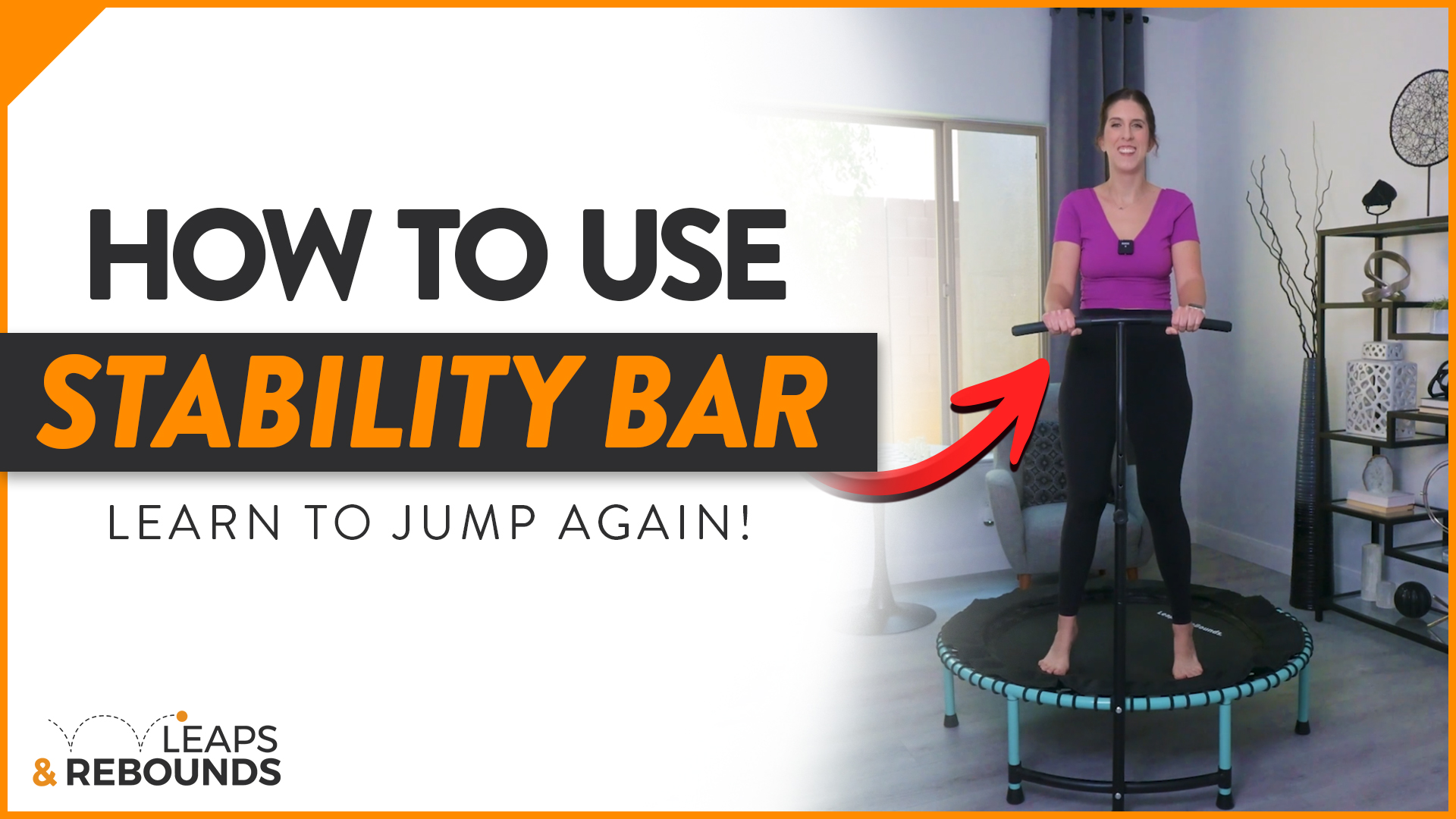
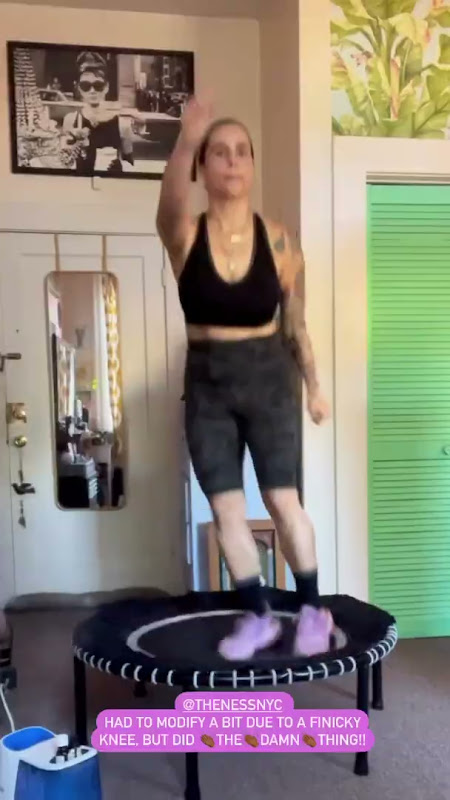
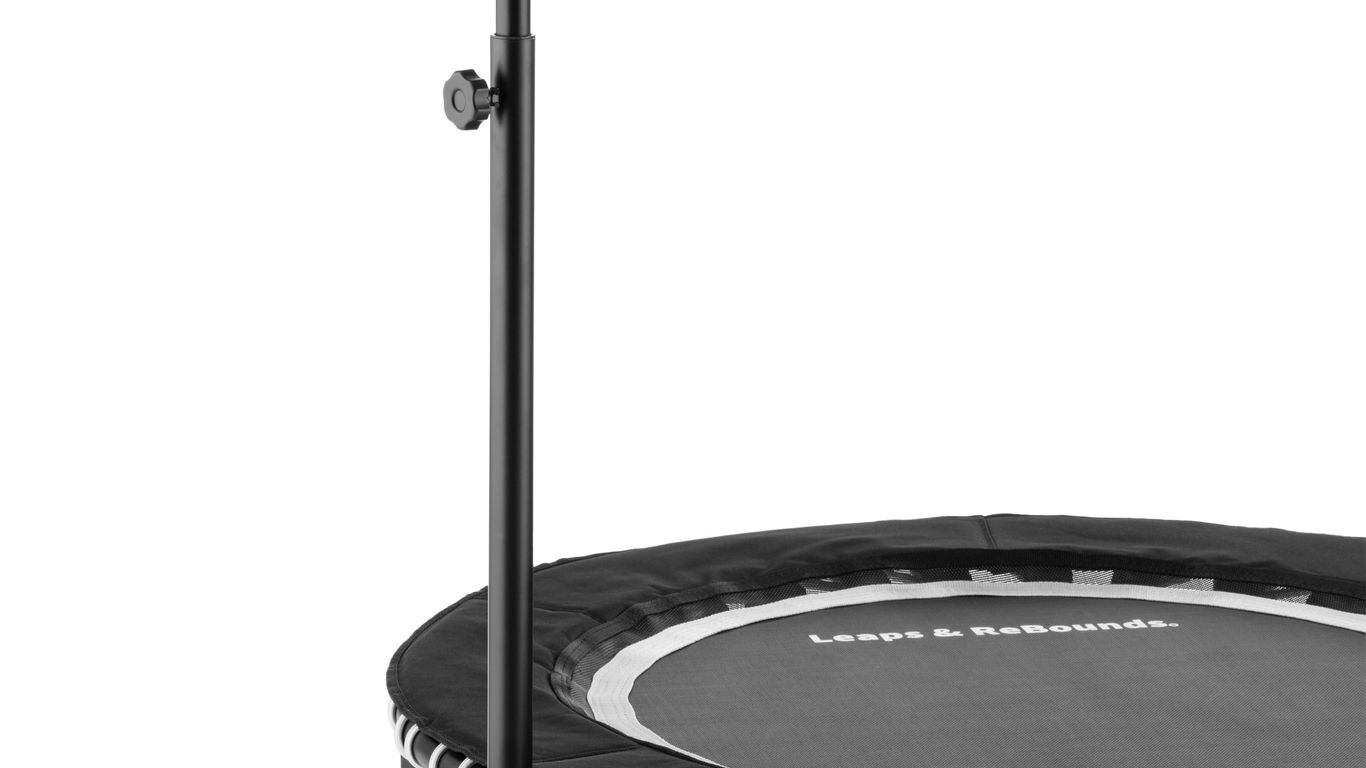
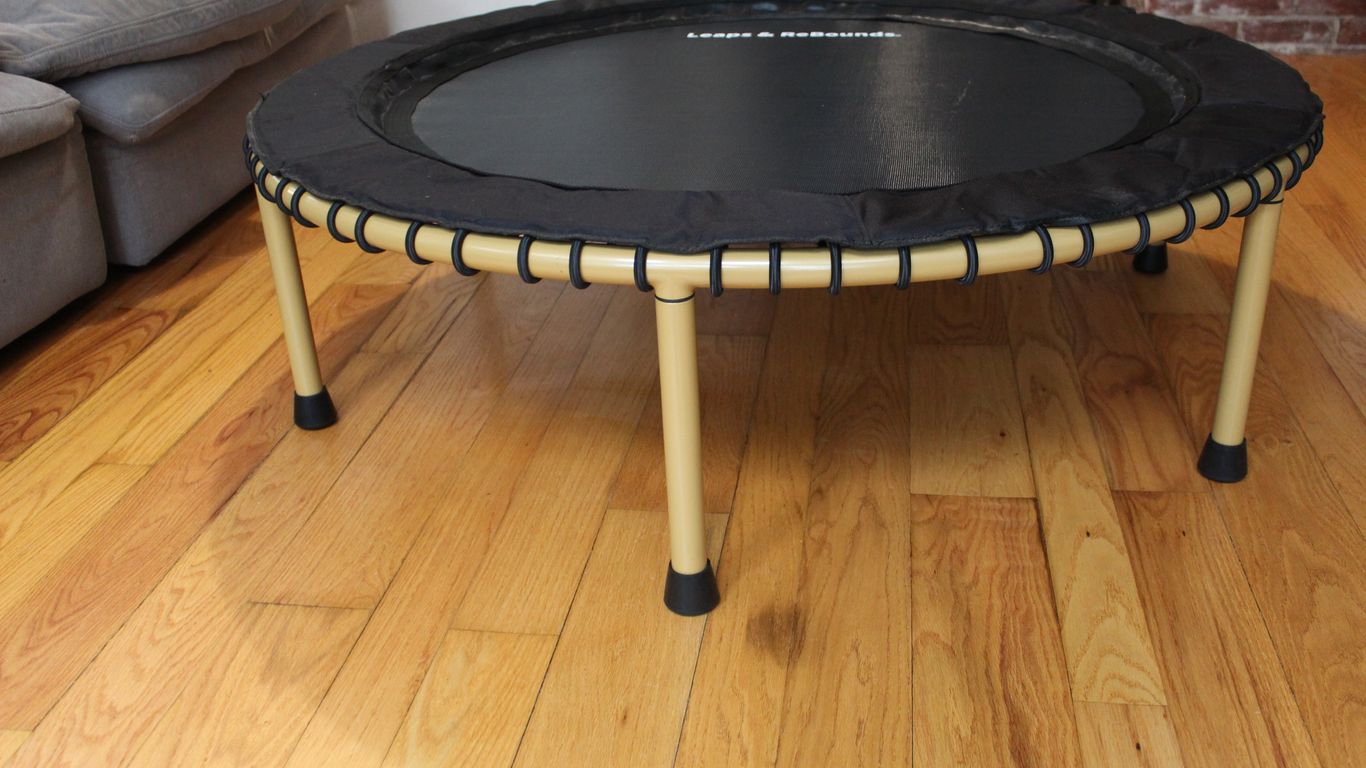
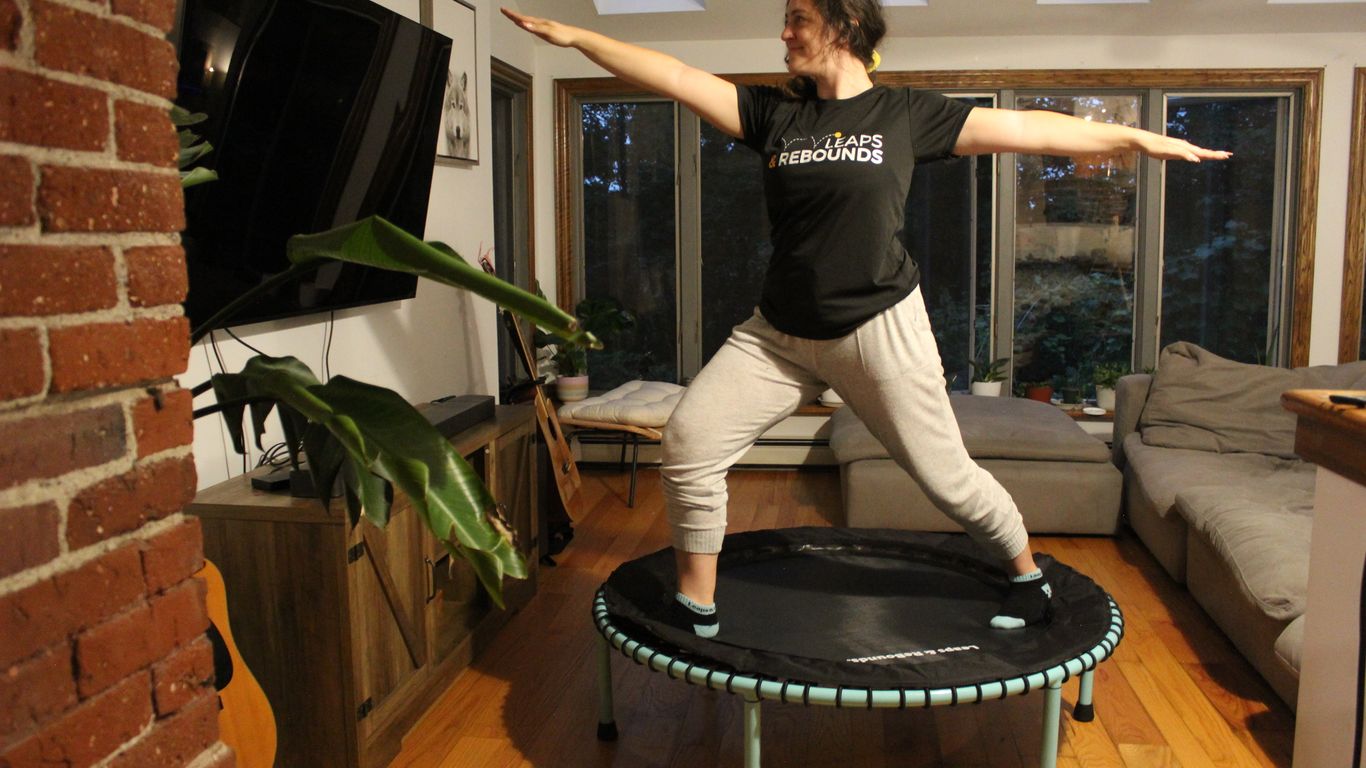
Choosing the right gym equipment can feel like a big decision, but it doesn't have to be complicated. Think about what makes you happy and what fits your space. A mini trampoline, for example, is a fantastic way to get a great workout right at home. It's fun, easy on your joints, and you can do all sorts of cool exercises on it. Ready to find the perfect fit for your home fitness journey? Visit our website today to explore our selection and start bouncing your way to a healthier you!
Ready to Find Your Fit?
So, you've learned a bit about what personal trainers can do and how to pick a fitness class that feels right. It might seem like a lot at first, but remember, the goal is to find something you'll actually stick with. Whether that means working one-on-one with a trainer to get personalized guidance or joining a group class that makes you feel energized, the most important thing is to take that first step. Don't be afraid to try a few different things until you find your sweet spot. Your health journey is yours alone, and finding the right support system, whether it's a trainer or a class, can make all the difference. Go out there and find a place where you feel comfortable, motivated, and ready to get moving!
Frequently Asked Questions
How do I know which fitness class is right for me?
Think about what you want to achieve, like getting stronger or feeling more flexible. Also, consider what kind of activities you enjoy. Do you like energetic music and dancing, or do you prefer something calmer like yoga? Trying out a few different classes with trial passes can help you find your favorite.
What if I'm new to exercise and feel out of shape?
No problem! Many classes are designed for beginners or all fitness levels. Look for classes labeled 'beginner' or 'all levels.' It's always a good idea to tell the instructor you're new so they can help you out and show you how to do things safely.
What's the difference between HIIT and strength training?
HIIT, or High-Intensity Interval Training, involves short bursts of really hard exercise followed by brief rest periods. It's great for burning calories quickly. Strength training focuses on using weights or your own body weight to build muscle and get stronger over time.
What are mind-body practices like yoga and Pilates?
Yoga and Pilates are great for improving flexibility, balance, and core strength. They often involve slow, controlled movements and focus on breathing. They can also be really good for reducing stress and helping you relax.
What is personal training, and when should I consider it?
Personal training means working one-on-one with a trainer who creates a workout plan just for you. It's a good choice if you have specific goals, need extra motivation, or want personalized guidance on how to exercise safely and effectively.
What should I expect during my first personal training session?
Your trainer will likely ask you about your health history and fitness goals. They might do some basic fitness tests and then guide you through a short workout. It's a chance for you both to see if you're a good fit and for them to understand how to best help you.


0 comments