












So, you're wondering if jumping on a trampoline is actually good exercise? It sounds like just fun, right? Well, turns out it's way more than just a childhood pastime. We're talking about a real workout that can do a lot for your body. From building muscles to helping your bones and even boosting your mood, this bouncy activity packs a surprising punch. Let's break down why this simple act of jumping might be the fitness boost you didn't know you needed.
Key Takeaways
- Jumping on a mini-trampoline, also called rebounding, is a great way to get a full-body workout.
- It helps build muscle strength and endurance throughout your body, including your core.
- Rebounding can improve bone density, which is important for preventing issues like osteoporosis as you get older.
- This exercise is good for your heart, helping to improve cardiovascular health and lower resting heart rate.
- It's a low-impact activity that's easier on your joints than many other forms of exercise, reducing injury risk.
Understanding Trampoline Workouts

The Rise of Rebounding
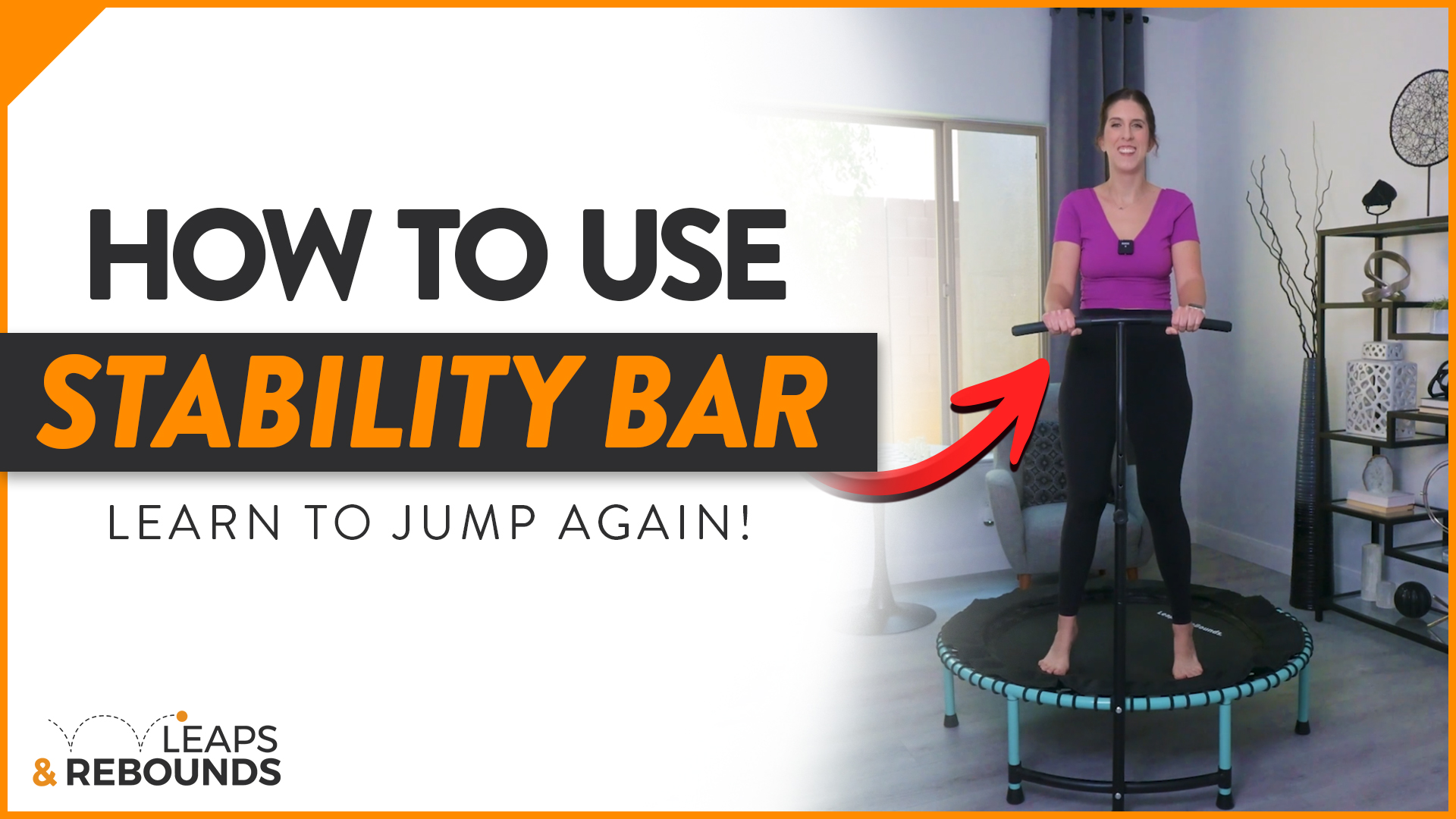
Trampoline workouts, often called rebounding, have really picked up steam lately. It's not just for kids anymore! While those big backyard trampolines might bring back some childhood memories, they're actually not the best for adult exercise due to safety concerns. The real star for fitness is the mini-trampoline, also known as a rebounder. These smaller, sturdier versions are designed specifically for workouts, offering a more controlled and stable bouncing experience. They've become popular because they're fun and surprisingly effective.
Mini-Trampolines vs. Backyard Models
So, what's the big difference? Backyard trampolines are huge, often with springs that can be really stiff. They're great for flips and big jumps, but they also come with a higher risk of injuries like sprains or falls. Mini-trampolines, on the other hand, are much smaller and lower to the ground. They usually use bungee cords or sometimes springs for a softer, more forgiving bounce. This makes them much safer for regular exercise. Think of it like this: a backyard trampoline is for acrobatics, while a rebounder is for fitness.
What Constitutes a Trampoline Workout?
A trampoline workout, or rebounding, is basically any exercise done on a mini-trampoline. It's not just about bouncing aimlessly, though. You can do a variety of movements to target different parts of your body and get your heart rate up. Some basic moves include:
- Simple Bouncing: Just standing and gently bouncing up and down. This is a great starting point.
- Knee Lifts: As you bounce, bring one knee up towards your chest, alternating legs.
- Jumping Jacks: A classic move adapted for the trampoline, involving jumping your feet out and bringing your arms up.
- Twists: Jumping and twisting your torso to one side, then the other.
The key is consistent, controlled movement that engages your muscles and gets your blood flowing. You can even add light weights for your arms and shoulders to make it a more complete workout. It's a surprisingly versatile piece of equipment that can offer a full-body challenge without being too hard on your joints. Many people find that a vigorous session can be a great way to burn calories.
Rebounding is a fantastic way to get your body moving. It's low-impact, which means it's easier on your knees and ankles compared to running or jumping on a hard surface. This makes it accessible for a lot of people who might otherwise find exercise difficult.
The Physical Advantages of Jumping
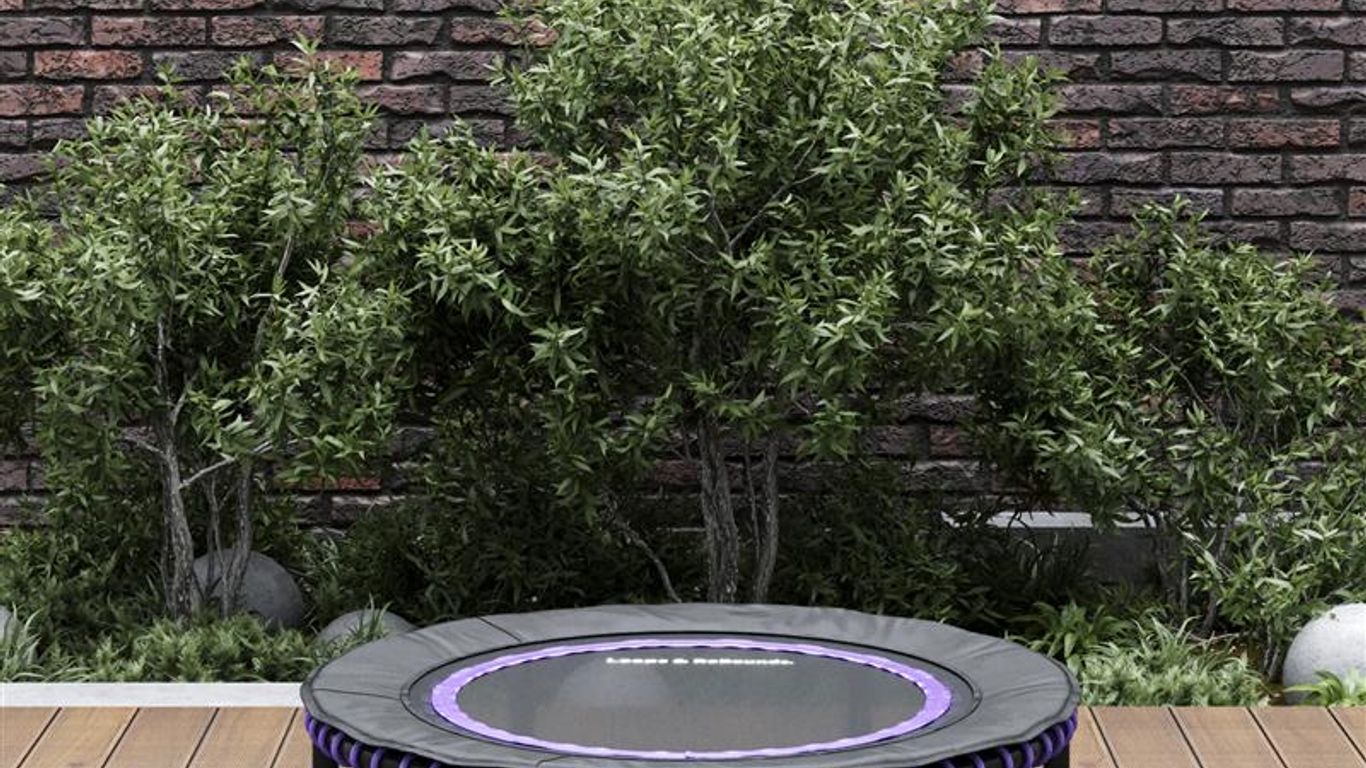
Jumping on a trampoline, often called rebounding, is more than just a fun activity; it's a surprisingly effective way to get your body in shape. It works a lot of muscles you might not even think about, all while being easier on your joints than you might expect.
Building Muscular Strength and Endurance
When you jump, you're not just going up and down. Your body has to work to stabilize itself with each bounce. This constant engagement means your core muscles, including your abs and back, are getting a solid workout. Your legs and glutes also get a good deal of work, pushing off and absorbing the landing. Over time, this consistent effort builds both strength and endurance, making everyday movements feel easier.
- Core Engagement: Your abdominal and back muscles work hard to keep you upright.
- Leg Power: Quads, hamstrings, and glutes are activated with every push-off.
- Upper Body Stability: Even your arms and shoulders contribute to balance.
Enhancing Bone Density
As we age, maintaining strong bones becomes really important. Jumping on a trampoline provides a form of weight-bearing exercise that can help. The impact of landing, even though it's gentle, signals your bones to get stronger. This can be a great way to help prevent conditions like osteoporosis. It's a way to load your bones in a controlled manner, which is key for bone health.
The repeated impact of bouncing stimulates bone cells, encouraging them to rebuild and strengthen. This process is vital for maintaining skeletal integrity throughout life.
Improving Cardiovascular Health
Don't underestimate the cardio power of a trampoline! Jumping gets your heart rate up, pumping blood more efficiently throughout your body. This kind of aerobic activity is fantastic for your heart and lungs. You can adjust the intensity by jumping higher or faster, making it suitable for different fitness levels. A good rebounding session can really get your system going, similar to other cardio exercises but with a unique bouncy twist. It's a great way to boost your cardiovascular fitness without the jarring impact of running on hard surfaces.
Beyond Strength: Other Health Benefits
Jumping on a trampoline isn't just about building muscles or getting your heart rate up. It actually does a whole lot more for your body and mind, often in ways you might not expect.
Boosting Balance and Coordination
Ever feel a bit wobbly sometimes? Rebounding can really help with that. The constant need to adjust your body while you're bouncing works out those tiny stabilizing muscles. It's like a fun, low-stakes way to train your brain and body to work together better. This improved connection can translate to everyday life, making you feel more steady on your feet. It's pretty neat how something so simple can make such a difference in your overall stability. This is why it's often recommended for older adults or anyone looking to improve their postural control.
Supporting Pelvic Floor Health
This is a big one, especially for many people. The up-and-down motion of bouncing can actually help strengthen your pelvic floor muscles. These muscles are super important for bladder control and core stability. Unlike high-impact exercises that can sometimes put too much strain on this area, trampoline jumping offers a gentler approach. It's a way to work those muscles without the jarring impact, which is a win-win.
Reducing Stress and Enhancing Mood
Let's be honest, life can be stressful. Jumping on a trampoline is a fantastic way to blow off steam. The physical activity itself releases endorphins, those feel-good chemicals in your brain that naturally lift your mood and help combat feelings of anxiety or sadness. Plus, the rhythmic motion can be almost meditative. It's a great way to clear your head after a long day and just feel a bit happier.
The simple act of bouncing can trigger a cascade of positive effects, from releasing tension to improving your outlook. It's a reminder that sometimes, the most effective solutions are also the most fun.
Here's a quick look at some of the less obvious perks:
- Improved Lymphatic Drainage: The bouncing action helps move lymph fluid throughout your body, which aids in flushing out waste products and toxins. Think of it as giving your internal plumbing a gentle nudge.
- Better Sleep Quality: Many people find that regular rebounding helps them relax more easily and enjoy deeper, more restful sleep. Getting good sleep is so important for everything else.
- Increased Energy Levels: Paradoxically, expending energy by jumping can actually make you feel more energetic. It boosts circulation and oxygen flow, helping to combat fatigue.
It's pretty amazing how much good can come from just a few minutes of bouncing each day. It really goes to show that exercise doesn't always have to be a chore; it can be a source of joy and well-being. For more on the general benefits, you can check out rebounding exercise.
Metabolic and Cellular Gains

Jumping on a trampoline isn't just fun; it's a surprisingly effective way to give your metabolism a serious kickstart and improve your body at a cellular level. Think of each bounce as a tiny workout for every cell in your body.
Increasing Cellular Energy Production
When you bounce, your cells are forced to work harder to keep up with the demands of movement. This increased activity actually prompts your cells to produce more mitochondria, which are like the powerhouses of your cells. More mitochondria mean your body can generate and use energy more efficiently. This boost in cellular energy can leave you feeling more vibrant throughout the day and can even help your body burn calories more effectively, even when you're not actively bouncing. It's like upgrading your body's internal engine.
Stimulating Lymphatic System and Reducing Cellulite
Your lymphatic system is a crucial part of your body's waste removal process, but unlike your circulatory system, it doesn't have a built-in pump. It relies on movement to circulate. Rebounding provides that movement, stimulating the lymphatic flow. This increased circulation can help your body flush out toxins and waste more effectively. Some people even find that regular rebounding helps reduce the appearance of cellulite, possibly due to this improved lymphatic drainage and circulation. It's a whole-body detox, just by bouncing!
Boosting Metabolism for Calorie Loss
One of the most talked-about benefits of rebounding is its impact on your metabolism. The act of bouncing, especially at a moderate pace, gets your heart rate up and engages multiple muscle groups, which burns calories during the workout. But the magic doesn't stop there. Rebounding can also lead to an 'afterburn' effect, meaning your metabolism stays elevated for a period after you finish exercising. This sustained metabolic boost contributes to more efficient calorie loss over time. It's a fantastic way to support weight management goals without putting excessive strain on your joints. Studies suggest that rebounding can be significantly more efficient for calorie burning than jogging [9931].
The gentle yet effective nature of trampoline workouts means you can often exercise for longer periods without the fatigue or joint pain associated with higher-impact activities. This sustained effort allows for greater calorie expenditure and metabolic benefits over time.
Here's a quick look at how rebounding impacts your metabolism:
- Increased Metabolic Rate: Bouncing directly elevates your metabolism during the exercise session.
- Sustained Calorie Burn: The 'afterburn' effect keeps your metabolism elevated post-workout.
- Improved Body Composition: Regular rebounding can help improve your muscle-to-fat ratio.
- Enhanced Oxygen Uptake: Increased respiration during bouncing means better oxygen circulation, supporting cellular functions.
It's pretty amazing how something as simple as jumping can have such profound effects on your body's internal workings. It really makes you rethink what counts as effective exercise.
Low-Impact Exercise for Joint Health
When you think about exercise, sometimes the first things that come to mind are pounding the pavement for a run or lifting heavy weights. Those can be great, but they can also put a lot of stress on your joints, especially if you've got any old injuries or conditions like arthritis. That's where trampolining really shines. It's a fantastic way to get your body moving without all the jarring impacts.
Gentle on Joints and Feet
The magic of a trampoline lies in its ability to absorb a lot of the shock. When you jump, the mat and springs work together to cushion your landing. This means less force travels up through your ankles, knees, and hips. It's a big difference compared to jumping on a hard surface. This makes it a really good option for people who find other exercises too tough on their bodies. You can get a good workout without that achy feeling afterward. It's a low-impact alternative to high-impact workouts, making it gentler on joints and muscles. Trampoline exercise offers a low-impact alternative.
Reducing Risk of Chronic Injuries
Because trampolining is so gentle, it can actually help reduce the risk of developing those nagging, long-term injuries that often come from repetitive stress. Think about runners who develop knee pain or shin splints from constantly hitting the ground. Trampolining works your muscles and gets your heart rate up, but it does so in a way that's much kinder to your skeletal system. This means you can often exercise more consistently without aggravating existing issues or creating new ones. It's about building fitness sustainably.
Effective for Individuals with Arthritis
For folks dealing with arthritis, finding exercise that doesn't flare up joint pain can be a real challenge. Trampolining, particularly using a mini-trampoline or rebounder, has shown promise. The controlled bouncing motion can help improve circulation and even strengthen the muscles around the joints, offering support. Plus, the mood-boosting effects of exercise can be a real help for managing the daily discomfort associated with arthritis. It's not a cure, of course, but it can be a really positive addition to a management plan.
The key is that the rebounder absorbs most of the impact, allowing for higher-intensity workouts without the usual joint strain. This makes it a surprisingly effective way to build endurance and improve coordination.
Here's a quick look at why it's so joint-friendly:
- Shock Absorption: The trampoline surface significantly reduces impact forces.
- Muscle Support: Strengthens muscles around joints, providing better stability.
- Controlled Movement: Allows for a rhythmic, less jarring motion compared to other cardio.
- Improved Circulation: Gentle bouncing can help move fluids and reduce stiffness.
Getting Started with Rebounding Safely
So, you're thinking about jumping into the world of rebounding? That's awesome! It's a fantastic way to get your body moving, but like any exercise, doing it right from the start is key. We want to make sure you're having fun and staying injury-free.
Choosing the Right Trampoline
Not all trampolines are created equal, and for rebounding, you'll want something specific. Forget those giant backyard ones for this purpose; we're talking about mini-trampolines, often called rebounders. Look for a sturdy, well-built rebounder with a good spring system. A heavier frame generally means more stability, which is a big plus. Check the weight limit and make sure it's suitable for you. Some have bungee cords instead of springs, which offer a softer bounce, while others use steel springs for a firmer feel. It really comes down to personal preference and what feels best for your body.
Basic Rebounding Movements for Beginners
Getting started doesn't mean you need to be a circus performer. The basics are super simple and effective. Here are a few to get you going:
- Basic Bounce: Just stand on the mat with your feet hip-width apart. Keep your core engaged and gently bounce up and down, keeping your feet close to the mat. Think of it as a gentle up-and-down motion rather than a big jump.
- Marching in Place: While bouncing gently, lift one knee towards your chest, then the other, as if you're marching. This adds a bit more intensity and works your legs.
- Jumping Jacks (Modified): Start with a gentle bounce. As you bounce, spread your feet wider and bring your arms up, then bring them back together as you bounce. You can make this as big or as small as you feel comfortable with.
Safety Precautions to Prevent Injuries
Safety first, always! Trampolines, even the small ones, can lead to injuries if you're not careful. Here are some things to keep in mind:
- Clear the Area: Make sure you have plenty of space around your rebounder, free from furniture or other obstacles. You don't want to bump into anything.
- One Person at a Time: This is super important, especially if you have multiple people in the household who want to use it. Trying to share a rebounder can lead to collisions and falls.
- Start Slow and Listen to Your Body: Don't try to do too much too soon. Begin with short sessions, maybe 10 minutes, and gradually increase the time as you get fitter. If something feels off or painful, stop. It's always a good idea to check with your doctor before starting any new exercise program, especially if you have any existing health conditions. You can find some great beginner rebounding workouts online to guide you [f240].
Remember, the goal is to have a fun, effective workout that makes you feel good. Rushing into advanced moves or using equipment that isn't right for you can quickly turn a positive experience into a negative one. Take your time, be mindful, and enjoy the bounce!
Ready to start bouncing? Jumping on a mini trampoline, also called a rebounder, is a fun way to get fit! But before you leap, it's important to know how to do it safely. Our guide, "Getting Started with Rebounding Safely," will walk you through the basics. Learn how to warm up, choose the right bounce, and cool down properly to avoid any ouchies. Want to see our top-rated rebounders? Visit our website to explore our collection and find the perfect fit for your fitness journey!
So, Should You Jump On It?
Alright, so after all that bouncing around the facts, it's pretty clear that jumping on a mini-trampoline, or a rebounder, is more than just a fun way to pass the time. It's a solid workout that can actually do a lot of good for your body. From building up your muscles and making your bones stronger to giving your heart a good workout and even helping you chill out, the benefits are pretty impressive. Just remember, safety first – stick to the mini-trampolines for general exercise, and always be mindful of how you're landing. If you're looking for a new way to get moving that's easy on your joints but still gives you a great sweat, giving a rebounder a try might just be the perfect bounce for you.
Frequently Asked Questions
Is jumping on a trampoline safe for everyone?
While mini-trampolines, also called rebounders, are generally safe and offer a low-impact workout, it's important to use them correctly. Big backyard trampolines can be risky and are best left to trained athletes. Always start slow, use a rebounder with safety features, and avoid dangerous tricks unless you're trained.
What's the difference between a backyard trampoline and a mini-trampoline?
Backyard trampolines are large and designed for fun, but they can lead to serious injuries. Mini-trampolines, or rebounders, are smaller, stay close to the ground, and are made for individual exercise. They offer more stability and are much safer for workouts.
How does jumping on a trampoline help my muscles?
When you jump, your whole body works together! Your leg muscles push you up, and your core muscles (like your abs and back) work hard to keep you steady. This means you're building strength and endurance in many muscles at once, giving you a great full-body workout.
Can trampolining really make my bones stronger?
Yes! Jumping creates a gentle force on your bones that actually helps them get denser and stronger over time. This is super important for preventing bone problems like osteoporosis as you get older.
Is trampolining good for my heart and lungs?
Absolutely! Bouncing up and down gets your heart pumping and improves how well your body uses oxygen. This is like a cardio workout that can help lower your resting heart rate and improve your overall heart health.
How can I start using a mini-trampoline for exercise?
To begin, make sure you have a stable rebounder. Try simple moves like jogging in place or basic jumping jacks. It's a good idea to jump barefoot or wear grippy socks for better footing. Start with short sessions and gradually increase the time as you get more comfortable.


0 comments