









So, you want a stronger back but don't want to deal with all the gym equipment? Yeah, I get it. Lugging weights around or figuring out complicated machines can be a hassle. Plus, sometimes you just want to get a good workout in without leaving your living room. The good news is, you absolutely can. This guide is all about how to do a solid back workout at home without equipment, focusing on using your own body weight to build a stronger, healthier spine. We'll cover some simple but effective moves that target different parts of your back, from your upper shoulders all the way down to your lower back.
Key Takeaways
- You can build a strong back using just your body weight, making it accessible for anyone, anywhere.
- Focusing on bodyweight exercises helps improve posture and can prevent back injuries by strengthening supporting muscles.
- Upper back exercises like Reverse Snow Angels and Chest Peels target posture and shoulder blade strength.
- Lower back and core stability can be improved with moves like the Superhuman Hold and Superman exercise.
- Consistency and proper form are more important than fancy equipment for seeing results with your back workout at home without equipment.
Unlock Your Back Strength: Essential Bodyweight Movements
The Power of Bodyweight Back Training
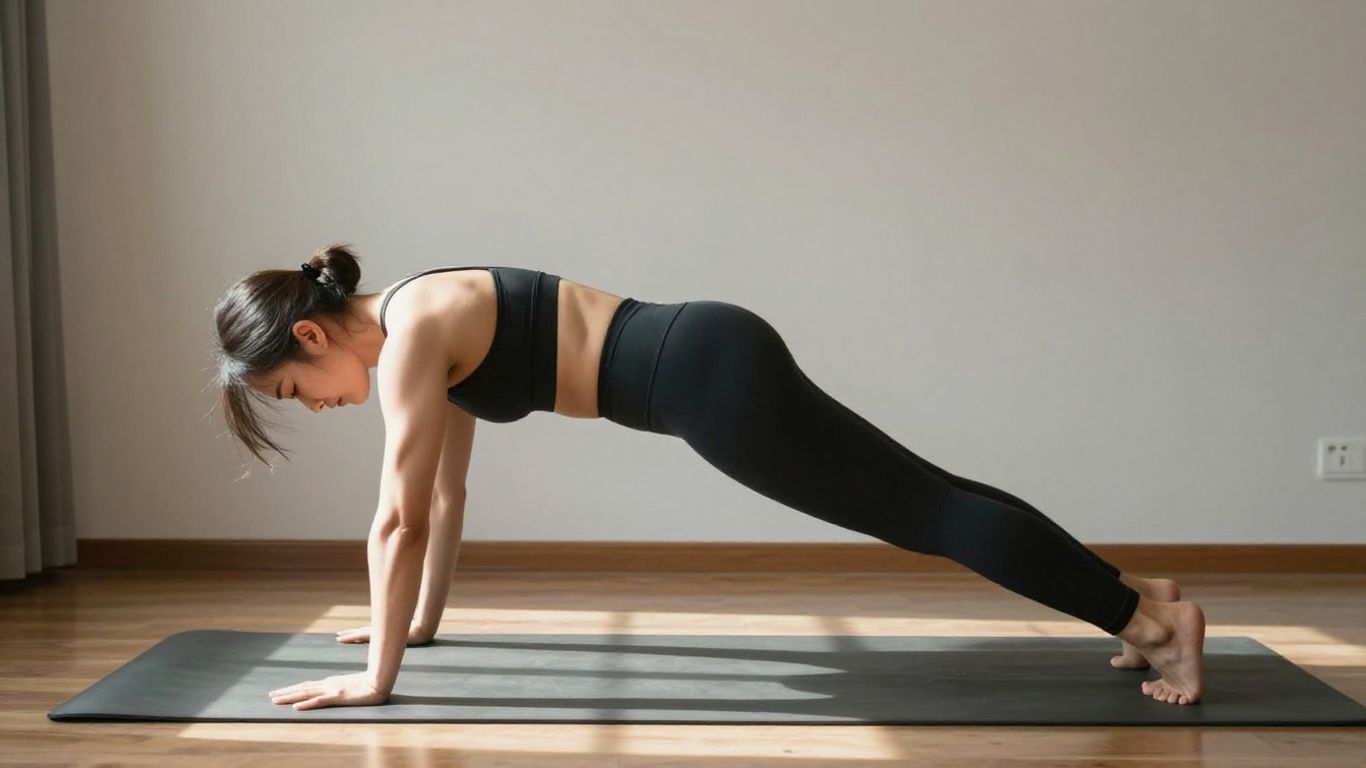
Lots of people think you need heavy weights or fancy machines to build a strong back. But honestly, your own bodyweight can be a seriously effective tool. It’s super accessible, easy on the joints, and it really helps you get a better feel for how your muscles are working. When you're not relying on external weights, you actually end up using more of those smaller, stabilizing muscles. These are the ones that keep your spine safe and help with overall control during movements. Plus, you can do these exercises pretty much anywhere, which is a huge win if you travel or just don't have a gym nearby. The key is focusing on good form and creating tension.
Building a Stronger Spine Without Weights
Having a strong back isn't just about looking good; it's about keeping your spine healthy and supporting your whole body. When you balance out your pushing movements, like push-ups, with pulling exercises, you create a more functional physique. This helps with posture and can even prevent injuries down the line. It’s about building a resilient structure from the inside out. You don't need a gym membership to achieve this; just your own body and a bit of space.
Targeting Key Back Muscles at Home
Your back is made up of many muscles working together. To get a well-rounded workout, you need to hit them all. This means focusing on both vertical pulling motions, like mimicking pull-ups, and horizontal pulling, such as rows. These movements engage different parts of your back, from your lats to your mid-back muscles. It's about making sure you're not just doing one type of exercise and neglecting others. A balanced approach is what really makes a difference in building strength and improving posture. You can find some great bodyweight options that target these areas effectively, even without equipment. For example, exercises like the inverted row are fantastic for hitting your mid-back and working your core simultaneously. These bodyweight options can help you build a stronger back using just your own resistance.
Focusing on bodyweight back exercises helps develop control and coordination by recruiting more stabilizer muscles. These deeper muscles are vital for joint stability and injury prevention, contributing to overall athletic performance and everyday movement safety.
Sculpt Your Upper Back: Focus on Posture and Pulling Power
Alright, let's talk about that upper back. This is where a lot of us carry tension, and honestly, it's key for looking and feeling good. We're going to focus on movements that help pull your shoulders back and down, fighting that forward hunch we all get from sitting at desks or looking at phones all day. Building this area isn't just about aesthetics; it's about creating a strong, stable frame for your entire body.
Reverse Snow Angels for Shoulder Blade Activation
This one is fantastic for waking up those smaller muscles around your shoulder blades. Think of it as getting your shoulder joints ready for action. You can do this lying on your stomach on the floor. Extend your arms overhead, palms down. Now, lift your chest and arms just a bit off the ground. Keeping your arms straight, sweep them out to the sides and then back towards your hips, squeezing your shoulder blades together. Imagine you're drawing a snow angel, but in reverse. Then, bring them back overhead. The key here is slow, controlled movement. Don't rush it.
The Chest Peel for Mid-Back Engagement
This exercise is a bit like a mini-cobra, but with a specific focus on your mid-back. Lie on your stomach, arms by your sides, palms down. Gently lift your head, shoulders, and forearms off the ground, peeling your chest up. The goal is to feel a squeeze between your shoulder blades. This helps counteract that slumped posture. It’s a simple move, but it really targets those postural muscles that often get neglected. You want to keep your lower body relaxed and avoid any strain in your lower back by slightly squeezing your glutes.
Mimicking Pull-Ups for Lat Development
Okay, so you might not have a pull-up bar, but we can still work those big lat muscles. One way is to use a sturdy table or even a low bar if you have one. Lie underneath it, grab the edge with an overhand grip, and pull your chest towards the table. Keep your body straight and focus on pulling with your back muscles, not just your arms. This is a great way to build pulling power and get closer to doing actual pull-ups. If you have access to a suspension trainer, that works great too.
Building a strong upper back is about more than just looking good. It's about creating a foundation for good posture and reducing the risk of pain down the line. These exercises, when done consistently, will make a noticeable difference.
Here’s a quick rundown of how to structure these movements:
- Reverse Snow Angels: 3 sets of 10-15 reps. Focus on the squeeze.
- Chest Peel: 3 sets of 12-15 reps. Feel the mid-back engage.
- Table/Suspension Rows: 3 sets of as many reps as possible (AMRAP) with good form. Aim to increase reps or decrease the angle over time.
Strengthen Your Lower Back: Core Stability and Spinal Support
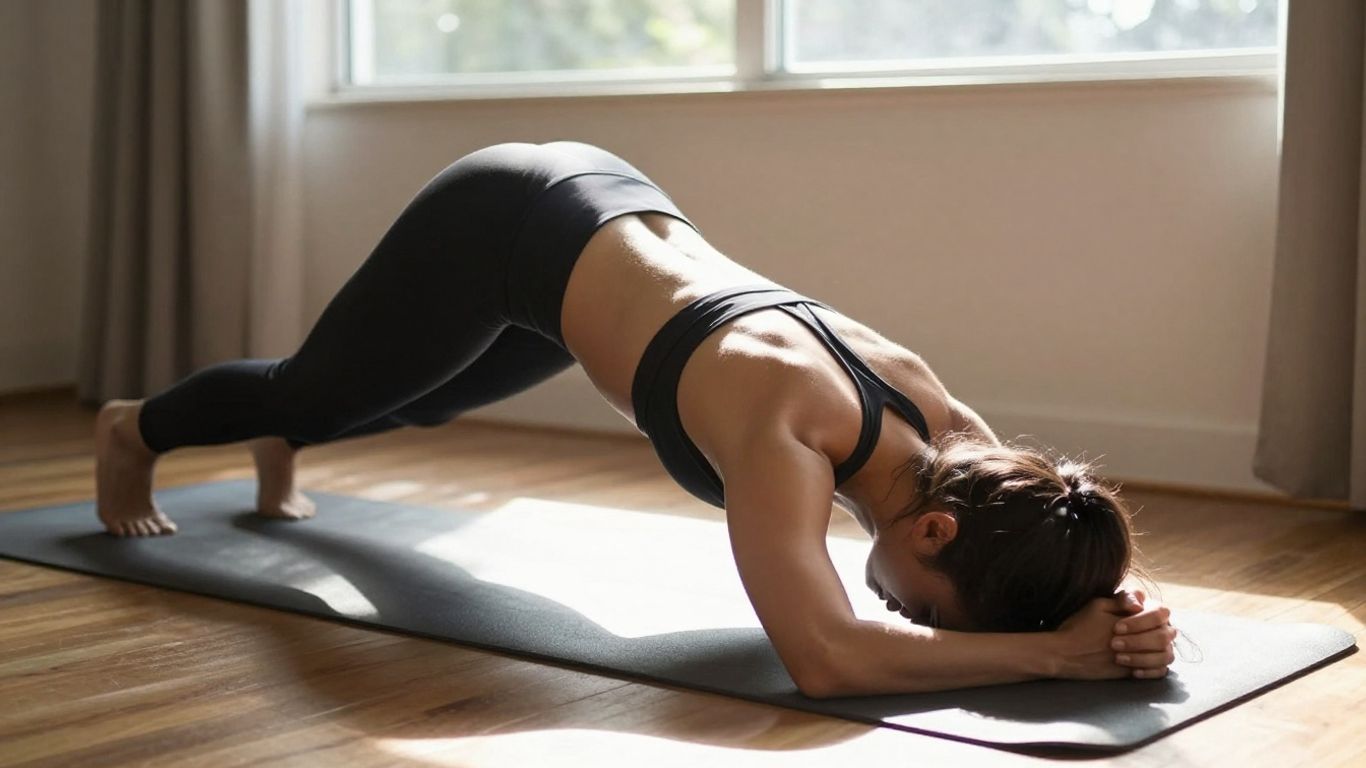
Okay, so we've talked about the upper back, but what about the lower back? This area is super important for keeping everything stable and upright. It's easy to ignore, but when it acts up, you really notice it. Doing some simple bodyweight moves can make a big difference in how your spine feels day-to-day.
The Superhuman Hold for Lumbar Endurance
This one is pretty straightforward but surprisingly tough. You lie on your stomach, arms and legs extended. Then, you lift your chest, arms, and legs off the ground all at once. Try to hold it for a bit, squeezing your glutes and lower back muscles. It feels like you're flying, hence the name! It's a great way to build up endurance in those lower back muscles without any equipment. You can easily make it harder by holding it longer each time. It's a good starting point if you've never really focused on your lower back before.
Dolphin Kicks for Spinal Erectors
Think of this as a swimming motion, but on the floor. You'll be on your stomach, similar to the Superhuman Hold, but instead of just holding, you'll be doing a gentle kicking motion with your legs. Keep your upper body relatively still, and focus on the movement coming from your hips and lower back. This targets those spinal erector muscles that run along your spine. It's about controlled movement, not speed. You want to feel those muscles working to keep your spine stable.
Superman Exercise for the Posterior Chain
This is a classic for a reason. Lie face down, arms stretched out in front of you. Lift your arms, chest, and legs off the floor simultaneously. The key here is to engage your glutes and lower back to lift. Hold for a second or two, then lower back down with control. It works a lot of muscles at once, including your glutes, hamstrings, and of course, your lower back. This exercise is fantastic for building a strong posterior chain, which supports your entire spine.
Here's a quick rundown of how to do the Superman:
- Lie flat on your stomach with arms and legs extended.
- Simultaneously lift your arms, chest, and legs off the floor.
- Hold for a brief moment, focusing on squeezing your back and glute muscles.
- Lower yourself back down slowly and repeat.
Working on your lower back strength isn't just about looking good; it's about everyday function. A strong lower back helps with posture, reduces the risk of injury, and makes lifting and carrying things much easier. It's the foundation for a lot of what you do.
Remember to listen to your body. If anything causes sharp pain, stop. It's better to do fewer reps with good form than to push through pain. You can find more information on no-equipment core strength exercises that also benefit the lower back. For foundational movements that improve spinal mobility, consider looking into the Cat-Cow Stretch.
Integrating Your Back Workout at Home Without Equipment
So, you've gone through the exercises, you've worked those upper and lower back muscles, and now you're wondering how to actually put it all together. Making bodyweight back training a regular part of your routine is totally doable, even without a gym. It's all about being smart with how you structure things and how you push yourself over time.
Creating a Balanced Bodyweight Routine
Think of your back workout like building a house. You need a solid foundation and all the right pieces in place. For your back, this means hitting different areas. You don't want to just do one type of movement. Aim to include exercises that work your back in different ways – some that pull your arms towards your body (like inverted rows) and some that extend your spine (like the Superhuman hold). A good rule of thumb is to try and balance out any pushing movements you do for your chest and shoulders with pulling movements for your back. This helps prevent imbalances and keeps your posture looking good. You can slot these into your week in a few ways:
- As a standalone session: Dedicate one day a week just to your back, maybe pairing it with a smaller muscle group.
- As part of a full-body workout: Add 1-2 back exercises to your existing full-body routine.
- As accessory work: Use them to warm up or cool down, or to add extra volume after your main lifts.
Progressive Overload for Continuous Gains
Just because you're not lifting weights doesn't mean you can't get stronger. Progressive overload is the name of the game, and it applies to bodyweight exercises too. The idea is simple: you need to keep challenging your muscles so they have a reason to adapt and grow. How do you do that without adding more plates to a barbell?
- Increase Reps: Do more repetitions of an exercise than you did last time.
- Increase Sets: Add an extra set to your workout.
- Decrease Rest Time: Shorten the breaks between your sets.
- Improve Form: Focus on slower, more controlled movements, especially during the lowering (eccentric) phase of an exercise.
- Increase Difficulty: Move to a harder variation of an exercise if one is available.
The key is to consistently try to do a little bit more or a little bit better each time you train. This steady progression is what leads to real strength gains over time. You can track your progress using a simple logbook or even just your phone's notes app. Seeing those numbers go up is a great motivator.
Mind-Muscle Connection for Effective Training
This is where the magic really happens with bodyweight training. It's not just about going through the motions; it's about feeling the muscles you're supposed to be working. When you're doing something like the Chest Peel, really focus on squeezing those shoulder blades together. For the Superman, concentrate on engaging your lower back and glutes to lift your torso. This focused attention helps to activate the target muscles more effectively, making each rep count. It's like telling your muscles, "Hey, I need you to work right here, right now." This connection can make a huge difference in how productive your workout feels and the results you see. It's a skill that gets better with practice, so be patient and persistent with it. You can find more bodyweight exercises for your back here.
When you're doing bodyweight exercises, especially for your back, it's easy to let other muscles take over or to just go through the motions without really feeling the target area. Taking a moment before each set to visualize the movement and focus on the specific muscles you want to engage can significantly boost the effectiveness of your workout. It's about quality over quantity, making sure every single rep is working towards your goal.
Wrapping It Up
So there you have it – a solid back workout you can do right at home, no fancy equipment needed. Remember, consistency is key here. Even just a few times a week, doing these moves can make a real difference in how your back feels and looks. It’s not about becoming a bodybuilder overnight; it’s about building a stronger, healthier spine that supports you in everything you do. Give these exercises a try, listen to your body, and you'll be well on your way to a sculpted and resilient back.
Frequently Asked Questions
Why is training my back important if I can't see it?
Even though you can't see your back muscles every day, they are super important! They help you stand up straight, keep your spine healthy, and make everyday tasks like carrying things much easier. Plus, a strong back helps prevent injuries and makes other exercises, like lifting weights, safer and more effective.
Can I really build my back without any equipment?
Absolutely! Your own body weight is a powerful tool. Exercises like Reverse Snow Angels, Supermans, and Dolphin Kicks use your body's resistance to build strength. You just need a little space and the will to move.
How do I make sure I'm doing the exercises correctly?
Focus on slow, controlled movements. Think about squeezing the muscles you're supposed to be working. It's better to do fewer reps with good form than many reps with bad form. Watching videos or even using a mirror can help you check your posture.
How often should I do these back exercises?
For best results, aim to work your back muscles about two to three times a week. Give your muscles a day or two to rest and recover between workouts. This helps them get stronger.
What if I feel a little sore after my workout?
Soreness is normal, especially when you're starting out or trying new exercises. It means your muscles are working and getting stronger! Make sure to drink plenty of water and get enough sleep. If the pain is sharp or lasts for a long time, it's a good idea to check with a doctor.
How can I make these exercises harder as I get stronger?
You can increase the number of times you do each exercise (reps) or the number of sets. You can also try holding the positions for longer, like in the Superhuman Hold. Another way is to slow down the movement even more, making your muscles work harder for a longer time.


0 comments