











Thinking about shedding some pounds and getting fitter? Maybe you've seen those mini trampolines and wondered if they're actually good for weight loss. Well, turns out, they really can be! A trampoline for losing weight isn't just a fun toy; it's a serious workout tool that can make a big difference in your fitness journey. Forget boring gym sessions, this might be the exciting change you need.
Key Takeaways
- A trampoline offers a low-impact cardio workout, meaning it's easier on your joints while still burning calories effectively.
- Bouncing regularly can boost your metabolism, helping your body burn more energy throughout the day.
- Using a trampoline engages various muscles, contributing to better muscle tone and overall strength.
- Consistency is vital for seeing results, so aim for regular jumping sessions.
- Combining trampoline workouts with a healthy diet and lifestyle will maximize your weight loss and fitness gains.
Understanding The Benefits Of Losing Weight With Trampoline
Low-Impact Cardio Powerhouse
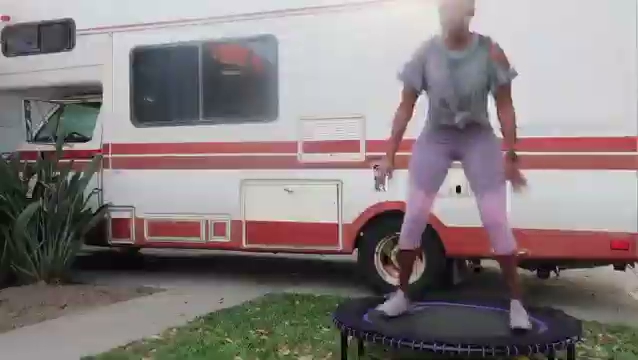
Jumping on a mini trampoline, often called rebounding, is a fantastic way to get your heart rate up without putting a ton of stress on your joints. Think about it – instead of pounding the pavement or jarring your knees on a hard surface, you're getting a bouncy, forgiving workout. This makes it super accessible for almost everyone, whether you're just starting out or have dealt with joint issues in the past. It's a way to get that good cardio burn that helps with weight loss, but in a much gentler way. This type of exercise is a great option for improving cardiovascular health because it gets your blood pumping effectively.
Boost Your Metabolism And Burn Calories
When you bounce, you're not just having fun; you're actively engaging muscles all over your body. This consistent movement ramps up your metabolism, meaning your body starts burning more calories even after you've finished your session. It's not just about the calories you burn during the bounce, but the metabolic boost it gives you afterward. Plus, the more you do it, the more efficient your body becomes at using energy. The effectiveness of rebounding for calorie burning and muscle toning is often underestimated.
Here's a rough idea of what you might burn:
| Activity | Calories Burned (per 30 min) |
|---|---|
| Basic Bounce | 100-150 |
| Jumping Jacks | 150-200 |
| High Knees | 200-250 |
The simple act of bouncing can trigger a cascade of positive physiological responses, from improved circulation to the release of feel-good hormones. It's a surprisingly effective tool for mental and physical resilience.
Enhance Muscle Tone And Strength
While rebounding is primarily known for its cardio benefits, it also does wonders for your muscles. Every bounce requires your core and stabilizing muscles to work overtime to keep you balanced. This constant engagement helps build lean muscle mass, particularly in your legs, glutes, and abdomen. As you progress and incorporate more dynamic movements like lunge jumps or squat jumps, you'll further challenge these muscles, leading to improved tone and strength. This muscle building is key because more muscle means a higher resting metabolism, helping you burn more calories throughout the day, even when you're not actively bouncing.
Getting Started With Your Trampoline Weight Loss Journey

So, you've got your trampoline and you're ready to bounce your way to a healthier you. That's awesome! But to really see those results, you've got to be smart about it. It's not just about jumping up and down; it's about making every bounce count.
Choosing The Right Trampoline For Weight Loss
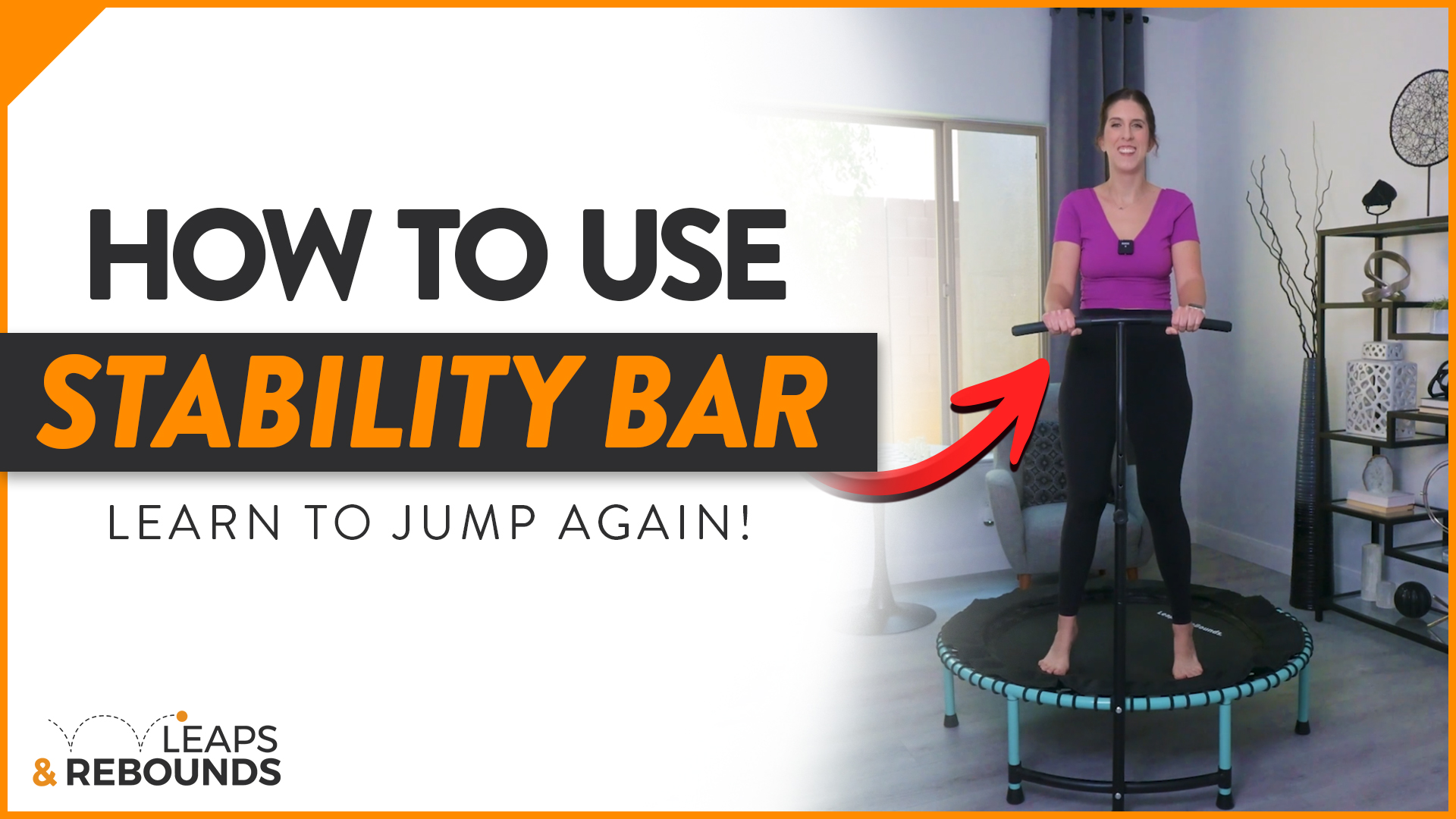
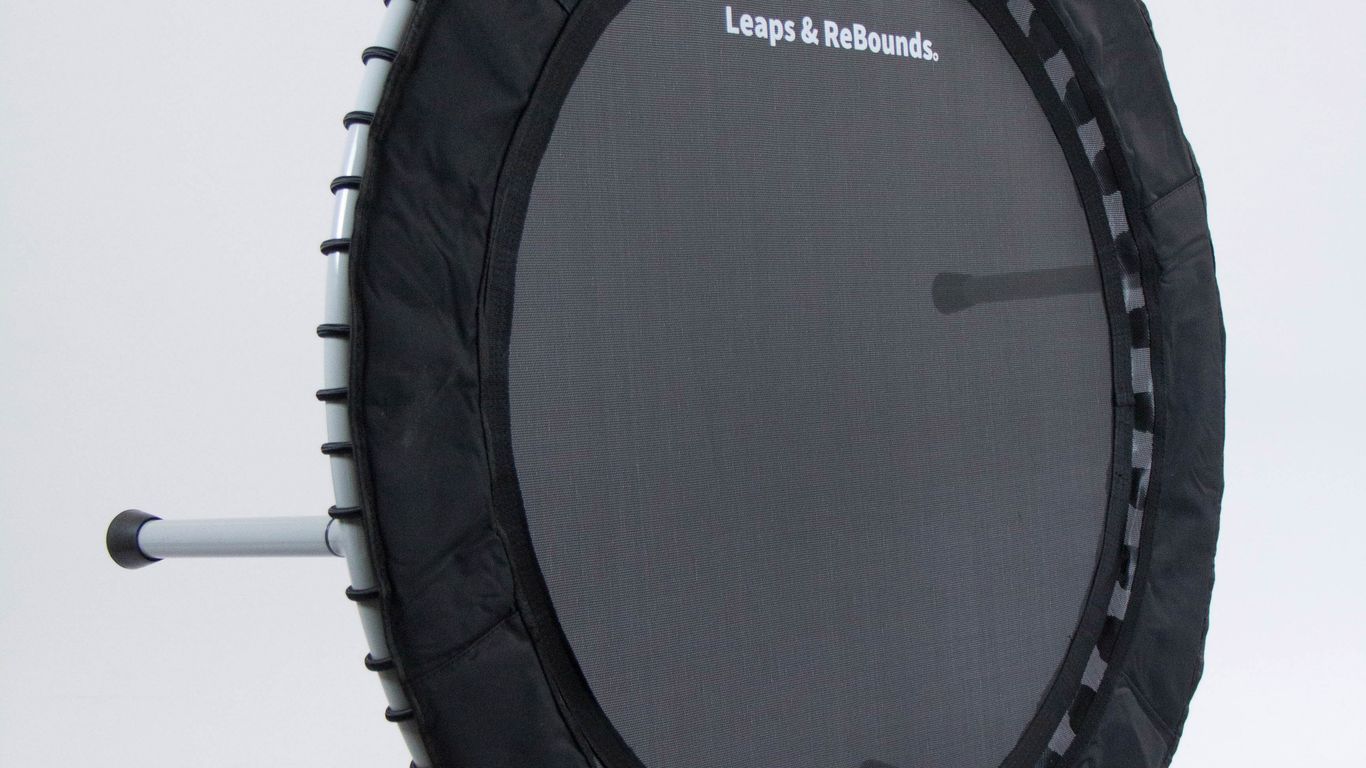
First things first, let's talk about the trampoline itself. Not all trampolines are created equal, especially when you're looking at them for fitness. You'll want something sturdy, with good springs or bungee cords that offer a decent amount of resistance. A smaller, indoor rebounder is usually the way to go for weight loss workouts. Look for one with a stable frame and maybe even a support bar if you're feeling a bit wobbly at first. The right equipment makes a huge difference in how comfortable and effective your workouts will be. Some even come with workout DVDs or app access, which can be super helpful when you're just starting out. You can find a great selection of rebounders designed for fitness that will make your journey much smoother.
Beginner-Friendly Bounce Routines
Don't just jump on and go wild! Start slow. Think of it like learning to walk before you run. A basic bounce is your foundation. Just get a feel for the rhythm and how your body moves on the surface. Once you're comfortable, you can add simple movements.
- Basic Bounce: Just stand with your feet shoulder-width apart and gently bounce. Keep your core engaged. This is great for getting your blood flowing.
- Marching Bounce: While bouncing, lift one knee up towards your chest, then the other. It's like marching in place, but with a bounce!
- Heel Taps: Bounce gently and tap your heels towards your glutes, alternating legs.
These simple moves help build your stamina and get your muscles working without being too intense. You can find lots of beginner routines online, too, that guide you through these basic steps. Remember, consistency is important; aiming for 20 to 30 minutes of exercise most days of the week can really add up. Staying active during the fall is easier when you have fun options like this!
Listen To Your Body And Progress Safely
While trampolining is low-impact, it's still exercise, and you need to be mindful. Don't push yourself too hard, especially when you're just starting out. Pay attention to how your body feels. If something hurts, stop. It's better to take a rest day than to push through pain and get injured. Gradually increase the intensity and duration of your workouts. Maybe start with basic bouncing and then add in some arm movements or higher knees as you get stronger. You can also try interval training, where you alternate between short bursts of high-intensity bouncing and periods of lower intensity. This is a great way to boost your metabolism and burn more calories. Starting with short, manageable sessions is the best approach. Trying to do too much too soon can lead to burnout or even injury. Focus on building a consistent habit, even if it's just 10-15 minutes a day to begin with. Gradually increase the duration and intensity as you feel stronger and more confident. For effective weight loss, aim for 20 to 30 minutes of bouncing, three to five times a week.
The effectiveness of rebounding for calorie burning and muscle toning is often underestimated. It provides a full-body workout that engages muscles you might not typically target with other exercises, all while being gentle on your body. This makes it a sustainable and effective path to weight loss and improved overall fitness.
Effective Trampoline Exercises For Calorie Burning
Alright, so you're ready to really get down to business with your trampoline and torch some serious calories. It's not just about random bouncing; there are specific moves that will crank up that calorie burn and get you closer to your weight loss goals. These exercises are designed to work your whole body, get your heart pumping, and make sure you're getting the most out of every jump.
Jumping Jacks For Full Body Engagement
This is a classic for a reason. On the trampoline, it feels a bit different, a bit bouncier! Start with your feet together and arms at your sides. As you jump, spread your legs wide and bring your arms up overhead. Then, jump back to the starting position. It’s a simple move, but it really gets your heart rate up and works your arms, legs, and core all at once. You can easily burn around 150 calories in just 10 minutes of consistent bouncing like this.
Lunge Jumps To Tone Your Legs And Glutes
Ready to feel the burn in your lower body? Lunge jumps are fantastic for targeting your thighs and glutes. Start by stepping into a lunge position – one leg forward, knee bent, the other leg back. From here, jump up and switch your legs in mid-air, landing softly in a lunge on the opposite side. Keep your core tight to maintain balance. This move really challenges those leg muscles and helps build strength while burning calories.
Trampoline Burpees For An Intense Workout
If you want to kick things up a notch, the trampoline burpee is your friend. This is a full-body blast that will have you breathing hard. Start standing on the trampoline, then drop down into a plank position. You can add a push-up here if you're feeling ambitious. From the plank, jump your feet back towards your hands, and then explode upwards into a jump. It’s a tough one, but incredibly effective for calorie burning.
Mountain Climbers For Core Strength
Don't forget your core! Mountain climbers on the trampoline are great for strengthening your abs and improving your cardio. Get into a plank position on the trampoline, keeping your arms straight and your body in a line. Now, bring one knee up towards your chest, then quickly switch and bring the other knee up. Keep the pace up to maximize the cardio benefit. It’s a fantastic way to work your core while keeping your heart rate high.
Remember, the intensity of these exercises can be adjusted. If you're new to this, start with shorter durations and fewer repetitions. As you get stronger, you can increase the time, the number of jumps, or the speed at which you perform each move. Listening to your body is key to making progress without getting injured.
Maximizing Your Results With Consistent Trampoline Workouts
So, you've got your trampoline and you're ready to bounce your way to a healthier you. That's awesome! But to really see those results, you've got to be smart about it. It's not just about jumping up and down; it's about making every bounce count. Consistency is the absolute bedrock of any successful weight loss plan, and rebounding is no different.
Consistency Is Key For Sustainable Weight Loss
Think of it like watering a plant – you need to do it regularly for it to grow. For effective weight loss, aim for 20 to 30 minutes of bouncing, three to five times a week. It might sound like a lot, but honestly, time flies when you're having fun. Making this a regular part of your routine is what truly makes the difference. It builds momentum and keeps your body in a fat-burning state. You can't just hop on for 10 minutes once a week and expect miracles. This approach helps in achieving weight loss goals through consistent and dynamic exercise.
Aim For Regular, Dedicated Jumping Sessions
Don't just jump on and go wild! Start slow. Think of it like learning to walk before you run. A basic bounce is your foundation. Just get a feel for the rhythm and how your body moves on the surface. Once you're comfortable, you can add simple movements like marching in place or gentle twists. Once you've got the hang of the basic bounce, it's time to add some flair. You don't need to be a dancer or an athlete to make your trampoline workout more dynamic. Think about adding arm movements, like simple punches or arm circles, while you bounce. The key is to keep moving and engage different parts of your body. Remember, consistency is important; aiming for 20 to 30 minutes of exercise most days of the week can really add up. Staying active during the fall is easier when you have fun options like this! You can find lots of beginner routines online, too, that guide you through these basic steps.
How Often Should You Jump To See Results?
While trampolining is low-impact, it's still exercise, and you need to be mindful. Don't push yourself too hard, especially when you're just starting out. Pay attention to how your body feels. If something hurts, stop. It's better to take a rest day than to push through pain and get injured. Gradually increase the intensity and duration of your workouts. Maybe start with basic bouncing and then add in some arm movements or higher knees as you get stronger. You can also try interval training, where you alternate between short bursts of high-intensity bouncing and periods of lower intensity. This is a great way to boost your metabolism and burn more calories. Starting with short, manageable sessions is the best approach. Trying to do too much too soon can lead to burnout or even injury. Focus on building a consistent habit, even if it's just 10-15 minutes a day to begin with. Gradually increase the duration and intensity as you feel stronger and more confident. The amount of calories burned can vary based on intensity:
| Activity Level | Calories Burned Per Hour (Approx.) |
|---|---|
| Low Intensity | 200-300 |
| Medium Intensity | 300-500 |
| High Intensity | 500+ |
Bouncing on a trampoline is fantastic, but it's not a magic bullet on its own. To get the best results for weight loss and overall health, you've got to pair it with other good habits. This means eating a balanced diet, getting enough sleep, and staying hydrated. Think of your trampoline workout as a powerful tool in your fitness toolbox, but you need the other tools to build a complete picture of health. Eating well fuels your body for those workouts and helps with recovery, while sleep is when your body repairs itself. It's all connected! Remember, the goal is sustainable change. It's about building habits that you can stick with long-term, not just a quick fix. Enjoy the process and celebrate the small wins along the way. Rebounding can be an effective tool for weight loss when done consistently.
Beyond Weight Loss: Holistic Health Gains From Rebounding
Improved Cardiovascular Health
Jumping on a trampoline isn't just about burning calories; it's a fantastic way to give your heart some attention. The rhythmic bouncing gets your blood flowing, delivering more oxygen to your entire body, including your brain. This can make you feel more alert and focused throughout the day. A stronger heart is a healthier heart, plain and simple.
Enhanced Balance and Coordination
Ever feel a bit unsteady on your feet sometimes? Rebounding can really help with that. Every time you bounce, your body has to work to stay balanced. This constant adjustment strengthens the small muscles in your legs and core that are responsible for keeping you upright. Over time, you'll notice you feel steadier, whether you're walking, running, or just standing around. It's like a fun training session for your body's awareness of where it is in space.
Stress Reduction and Mood Enhancement
It's pretty hard to stay stressed when you're bouncing around! The simple, repetitive motion and the physical effort release endorphins, which are your body's natural mood lifters. Many people find that a quick trampoline session helps clear their head after a long day. It's a great way to shake off tension and feel more positive. Plus, getting regular exercise, in general, is known to help manage feelings of anxiety and depression. The simple act of bouncing can trigger a cascade of positive physiological responses, from improved circulation to the release of feel-good hormones.
Here's a quick look at how rebounding helps:
- Cardiovascular Boost: Increases heart rate and circulation.
- Balance Improvement: Challenges your stability, strengthening core and leg muscles.
- Mood Lift: Releases endorphins, reducing stress and improving outlook.
While you're working towards your weight loss goals, remember that you're also building a healthier, more resilient body and mind. It’s a win-win situation.
Integrating Trampoline Workouts Into A Healthy Lifestyle
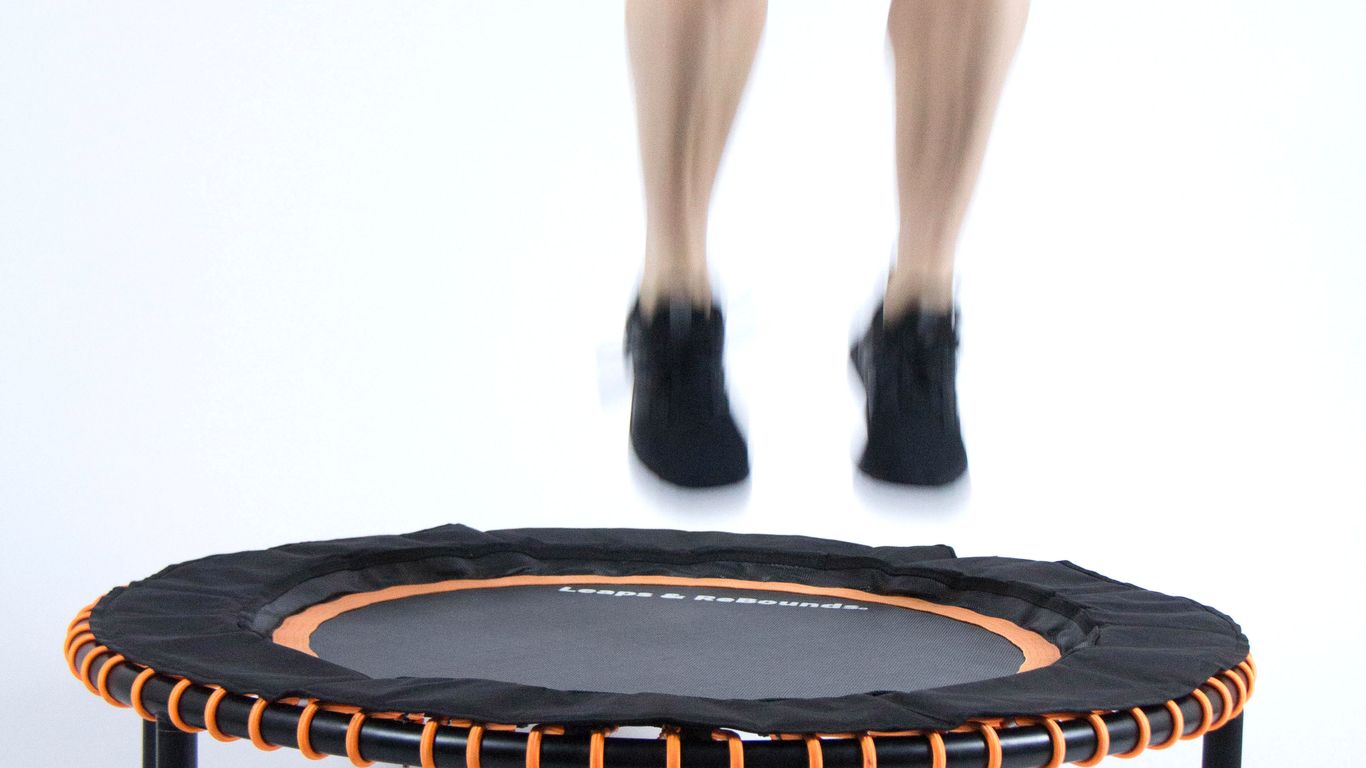
So, you've got your trampoline and you're ready to bounce your way to a healthier you. That's awesome! But to really see those results, you've got to be smart about it. It's not just about jumping up and down; it's about making every bounce count. Combining rebounding with other good habits is how you build a truly healthy lifestyle.
Combine Rebounding With A Balanced Diet
Bouncing on a trampoline is fantastic, but it's not a magic bullet on its own. To get the best results for weight loss and overall health, you've got to pair it with other good habits. Think of your trampoline workout as a powerful tool in your fitness toolbox, but you need the other tools to build a complete picture of health. Eating well fuels your body for those workouts and helps with recovery. A balanced diet provides the nutrients your body needs to perform well during your trampoline sessions and to repair itself afterward. It's about fueling your body right so it can handle the increased activity and make the most of it.
The Importance Of Sleep And Hydration
Beyond what you eat, how much you sleep and how much water you drink plays a big role. Sleep is when your body repairs itself, and for weight loss, this is super important. Not getting enough sleep can mess with your hormones that control hunger, making you crave less healthy foods. Hydration is also key. You lose water when you sweat during your trampoline workouts, so you need to replace it. Drinking enough water helps your body function properly, keeps your energy levels up, and can even help you feel fuller, which aids in weight management. Aim for at least 8 glasses of water a day, and more if you're sweating a lot.
Making Fitness An Enjoyable, Long-Term Habit
Remember, the goal is sustainable change. It's about building habits that you can stick with long-term, not just a quick fix. Enjoy the process and celebrate the small wins along the way. Making your trampoline workouts fun is a big part of this. Maybe put on your favorite music, or try some new routines. If you're looking for ideas, there are plenty of beginner-friendly bounce routines to get you started. The simple act of bouncing can trigger a cascade of positive physiological responses, from improved circulation to the release of feel-good hormones. It's a surprisingly effective tool for mental and physical resilience. You can burn anywhere from 200-300 calories in just 20 minutes of low-intensity bouncing, so imagine what you can do with consistency!
It's all connected! Your diet, your sleep, your hydration, and your exercise all work together. Don't try to tackle everything at once. Start by making small, manageable changes and build from there. Consistency is what truly makes the difference in the long run.
Adding trampoline workouts to your daily routine is a fantastic way to boost your fitness and have fun! These low-impact exercises are great for your heart and can help you feel more energetic. Ready to jump into a healthier you? Visit our website to discover how easy it is to start bouncing your way to a better lifestyle.
Keep Bouncing Towards Your Goals!
So, you've learned how trampoline workouts can be a really fun and effective way to drop some pounds. It's not just about jumping around; it's a solid workout that's surprisingly easy on your joints. Remember, consistency is your best friend here. Aim for those regular sessions, listen to your body, and don't forget to pair your bouncing with healthy eating habits. It's all about making fitness a part of your life in a way that you actually enjoy. Keep up the great work, and you'll be bouncing your way to a healthier you in no time!
Frequently Asked Questions
Is jumping on a trampoline really good for losing weight?
Yes, bouncing on a mini-trampoline, also called rebounding, is a super fun way to drop pounds! It's a workout that's easy on your joints but still burns lots of calories, kind of like running does. It also makes your heart stronger and helps build muscles, which makes your body burn more energy even when you're not exercising.
What kind of trampoline should I get for working out?
For weight loss, you'll want a strong, small trampoline made for fitness, often called a rebounder. It should have good springs or cords for a nice bounce. Some have a handle for extra support, which is helpful when you're starting out or trying tricky moves. Make sure it's built tough for lots of jumping!
How often do I need to jump on the trampoline to see results?
To really see a difference, try to jump for about 20 to 30 minutes, most days of the week. Even shorter, regular sessions add up! It's important to listen to your body, especially when you're new to it. Slowly increase how long and how hard you jump as you get fitter.
Can I do different kinds of exercises on a trampoline?
Absolutely! You can do more than just basic bouncing. Try jumping jacks, lifting your knees high, or even pretend boxing. You can also move your arms and do exercises for your tummy while you bounce. Many workout videos show you how to mix cardio and strength moves for a great full-body workout.
Is bouncing on a trampoline hard on my body?
One of the best parts about rebounding is that it's gentle on your body. It's much easier on your knees, ankles, and back compared to running on hard ground. The trampoline absorbs most of the impact, making it a safe choice for many people, even those with sore joints.
How many calories can I burn bouncing on a trampoline?
You can burn a good amount of calories bouncing! For example, about 20 minutes of jumping can burn up to 190 calories. The exact number depends on how intense your workout is. A low-intensity bounce might burn around 200-300 calories per hour, while a high-intensity one can burn over 500 calories per hour.


0 comments