
A Rebounder that Improves Your Fitness and Health
Discover expert tips, inspiring stories, and practical resources to help you make the most of your fitness journey and rebounder experience. Whether you’re diving into low-impact workouts, looking for product guidance, or simply want to get more fun and benefits from your Leaps & Rebounds trampoline, you’re in the right place. Let’s jump into better health, performance, and play—together!
-
 Featured Post
Should You Wear Shoes on a Rebounder?
Table of Contents: Introduction Benefits of Rebounding Considerations When Choosing Footwear 3.1. Barefoot Rebounding 3.2. Wearing Socks 3.3. Trampoline Shoes 3.4. Cross-Training Shoes Potential Risks of Not Wearing Shoes Tips for Safe Rebounding Conclusion References Introduction Rebounding, the act of jumping on a mini-trampoline or rebounder, has gained popularity as a fun and effective form of exercise. Whether you're looking to improve your cardiovascular fitness, strengthen your muscles, or just have a good time, rebounding can offer a wide range of benefits. However, one question that often arises is whether you should wear shoes while rebounding. In this guide, we'll explore the pros and cons of wearing shoes on a rebounder and provide you with the information you need to make an informed decision. Benefits of Rebounding Before we delve into the footwear aspect, let's briefly discuss why rebounding is beneficial. Rebounding offers several advantages, including: Improved cardiovascular health Enhanced lymphatic system function Low-impact exercise Increased balance and coordination Fun and stress relief These benefits make rebounding an attractive option for people of all ages and fitness levels. Considerations When Choosing Footwear Should I wear trainers when using the Rebounder? Bungee models – These rebounders are springless and can be used barefoot (we recommend our grip socks for comfort) or with cross trainers. All spring based Rebounders should be used wearing trainers – preferably cross trainers with a stiff midsole. Shoes or no Shoes on a Rebounder? You may have just bought your very own mini-trampoline, but you are unsure about your choice of footwear. Depending on your health and preference, you may find that some choices don’t quite work for you. There is so much footwear made for rebounding exercise, but which one is the best? We are here to give you all the information you need to make a good choice. Rebounding Barefoot If you have a rebounder at home then you would want to go barefoot, because doing so will help you improve your balance faster. Your feet muscles will also grow stronger with time and it might feel more comfortable. Going barefoot usually lets you have a better grip on the rebounder and have more control. Shoes might feel like they are choking you and you would probably end with sweaty feet. Though, rebounding without shoes might cause your feet to feel more sore and you would have to take occasional breaks. You gain the best results by going without any footwear but it may not be ideal for all people. Shoes For Rebounding Now, if you don’t want to go without any footwear on your rebounder, then there are many options for you. What shoes are the best for rebounding though? We find cross-fit shoes and running shoes the most comfortable for this type of workout. This type of shoes doesn’t damage the rebounder as much and they have enough traction on the soles so you don’t slip. They feel soft on your feet so you won’t strain them while exercising. Wearing shoes helps with pain in your ankles, your feet and they will provide more stability. If your feet are irritated by the rebounder or your have issues with your feet then you would probably want to skip going barefoot. Shoes will also help people with flat feet to keep balance while working out. What Shoes Are Best for Rebounding? If you do wish to wear something on your feet, it’s important that the traction is good between the soles and the rebounder material. You also want to avoid wearing anything that could damage your mini-trampoline. For this reason, soft rather than rigid running shoes or cross trainers can be a good idea. The downside of this, however, is that you may find your ankles feel more supported in a more rigid training shoe. If it’s just grip and padding that you feel you require, plimsolls, gymnastic or dance shoes can all be good, flexible, but reliably grippable options. ASICS Men's Gel-Contend 7 Running Shoes, Though they might not give you the ankle support of a more rigid running shoe, they are likely to be easier on the mini-trampoline itself. Again, you need to be mindful about which sort of shoe is necessary for your particular situation – if you know that you need a shoe with good ankle support, wearing plimsolls isn’t recommended! When it comes to wearing shoes on a rebounder, you have several options to consider: 3.1. Barefoot Rebounding Some rebounding enthusiasts prefer going barefoot to maximize the connection between their feet and the trampoline. This allows for better balance and a natural range of motion. However, there are some potential downsides, including the risk of slipping and hygiene concerns. 3.2. Wearing Socks Wearing socks can offer a compromise between going barefoot and wearing shoes. It provides some grip while maintaining a close-to-natural feeling. However, like barefoot rebounding, it may not offer enough support for those with specific foot issues. 3.3. Trampoline Shoes Trampoline-specific shoes are designed with grip and bounce in mind. They often have non-slip soles and ankle support, providing a secure and comfortable fit for rebounding. However, they might be an unnecessary expense for some. 3.4. Cross-Training Shoes Cross-training or aerobic shoes offer good support, cushioning, and grip. They can be a suitable choice if you're looking for versatile footwear that you can use for other exercises as well. Potential Risks of Not Wearing Shoes While some individuals prefer barefoot rebounding for its tactile benefits, it's essential to be aware of potential risks. These risks include: Increased risk of slipping and falling Exposure to dirt and debris on the trampoline surface Greater impact on your feet and joints Understanding these risks is crucial for making an informed decision about footwear. Tips for Safe Rebounding To ensure a safe and enjoyable rebounding experience, regardless of your choice of footwear, consider these tips: Check your trampoline's surface for dirt and debris before each use. Maintain proper form and posture to minimize strain on your joints. Start slowly and gradually increase the intensity and duration of your rebounding sessions. Listen to your body and stop if you experience discomfort or pain. In the debate over whether to wear shoes on a rebounder, there is no one-size-fits-all answer. It ultimately comes down to personal preference, comfort, and safety considerations. Some people may benefit from the grip and support of trampoline-specific shoes, while others may enjoy the freedom of going barefoot or wearing socks. Whichever option you choose, prioritize safety, and enjoy the numerous health benefits that rebounding has to offer. References American Council on Exercise (ACE). (2021). Is Rebounding Good Exercise? https://www.acefitness.org/education-and-resources/professional/expert-articles/7379/is-rebounding-good-exercise/ Verywell Fit. (2021). The Benefits of Rebounding for Seniors. https://www.verywellfit.com/rebounding-for-seniors-4775056 The Health Science Journal. (2016). The Effects of Regular Trampoline Use on Balance, Gait, and Motor Performance in Patients with Progressive Multiple Sclerosis. https://www.hsj.gr/medicine/the-effects-of-regular-trampoline-use-on-balance-gait-and-motor-performance-in-patients-with-progressive-multiple-sclerosis.php?aid=11375
-

Why an Indoor Exercise Trampoline is Perfect For Everyone on Your Holiday Gift List
Here are a few more reasons why we think our rebounders would be a great gift for every type of person on your list.
-

Bouncing Back: How Rebounding Helps Strengthen the Pelvic Floor
The unique up-and-down movement stimulates the lymphatic system, improves balance and coordination, and enhances muscle tone and cardiovascular fitness.
-

What Should your Rebounding Schedule look like?
To get the most out of rebounding you should do it EVERY DAY. Yes, you read it right.
-

Does Rebounding increase bone density?
An exercise option gaining popularity is rebounding, and not with a basketball! Rebounding is most commonly done on a mini trampoline that can be done inside or outside....
-

The Cons of Rebounding: Safety & Potential Risks
The rebounder is one of many tools we use to help us stay fit, but it comes with some downsides. The most common question people ask about this...
-

How Rebounders Effect your Lymphatic System
The lymphatic system is a critical part of the immune system and rebounding 3-5 times per week at least 10 minutes long can be beneficial. When you jump,...
-

How Leaps and Rebounds Can Help With Your Tony Robbins Fiji Trip
If you're planning on attending Tony Robbins' "Unleash the Power Within" event in Fiji, you may be wondering how to make the most of your experience. After all,...
-

How our company is helping to make the world a better place
We are proud to announce that we have just helped sponsor Tony Robbins' Fiji summit, in October, with our rebounders! This is a major event that is designed to...
-

How Rebounding Can Help With Arthritis
Rebounding is a low-impact form of exercise that provides many health benefits. For people suffering from arthritis, rebounding can help reduce pain and improve joint function. In this blog...


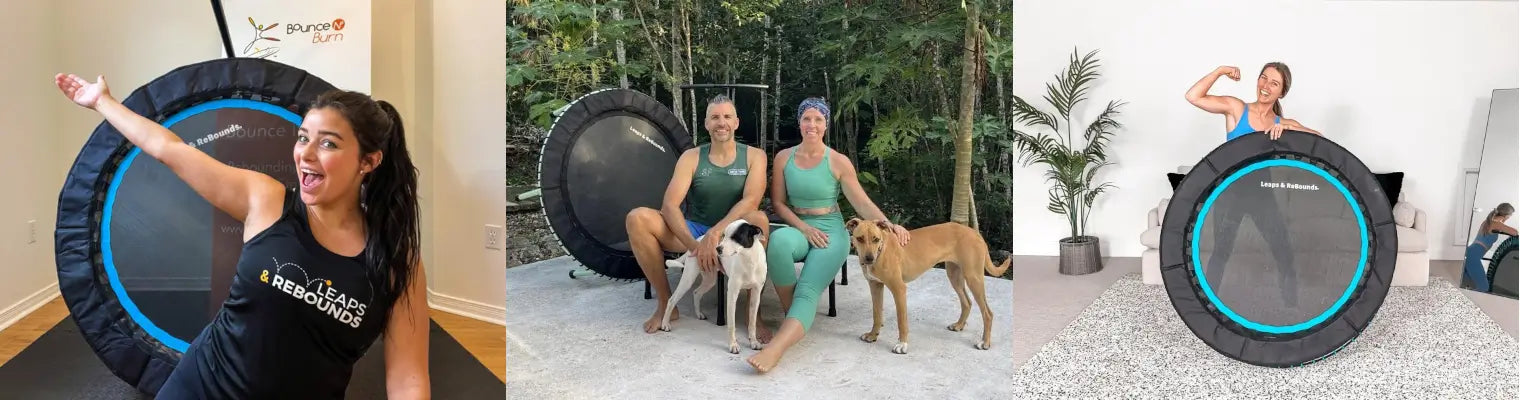
Here's to your health!
Do you just love the healthy lifestyle, or are you just looking for a quick workout that's easy on your joints? Either way, you can get it with our bungee trampoline!
Take the leap here!


