
Thinking about getting in shape and maybe shedding a few pounds? You might have seen those mini-trampolines around and wondered what all the fuss is about. Well, it turns out that bouncing on a jump sport rebounder is a pretty effective way to get your heart rate up and burn some calories. It's easier on your joints than a lot of other exercises, and honestly, it can be kind of fun. This article will walk you through how to use a jump sport rebounder to get the best workout possible.
Key Takeaways
- Rebounding, or jumping on a mini-trampoline, is a low-impact cardio exercise that can help burn calories and support weight loss.
- To maximize your jump sport rebounder workouts, focus on proper form, engage your core, and vary your workout intensity.
- Different jump sport rebounder models exist, from high-resistance options to budget-friendly choices, catering to various needs and budgets.
- Integrating your jump sport rebounder into a fitness plan requires consistency, a balanced approach with diet and other exercises, and listening to your body.
- You can make your jump sport rebounder workouts more engaging and effective by trying a variety of moves and using accessories.
Understanding The JumpSport Rebounder
What Is Rebounding?
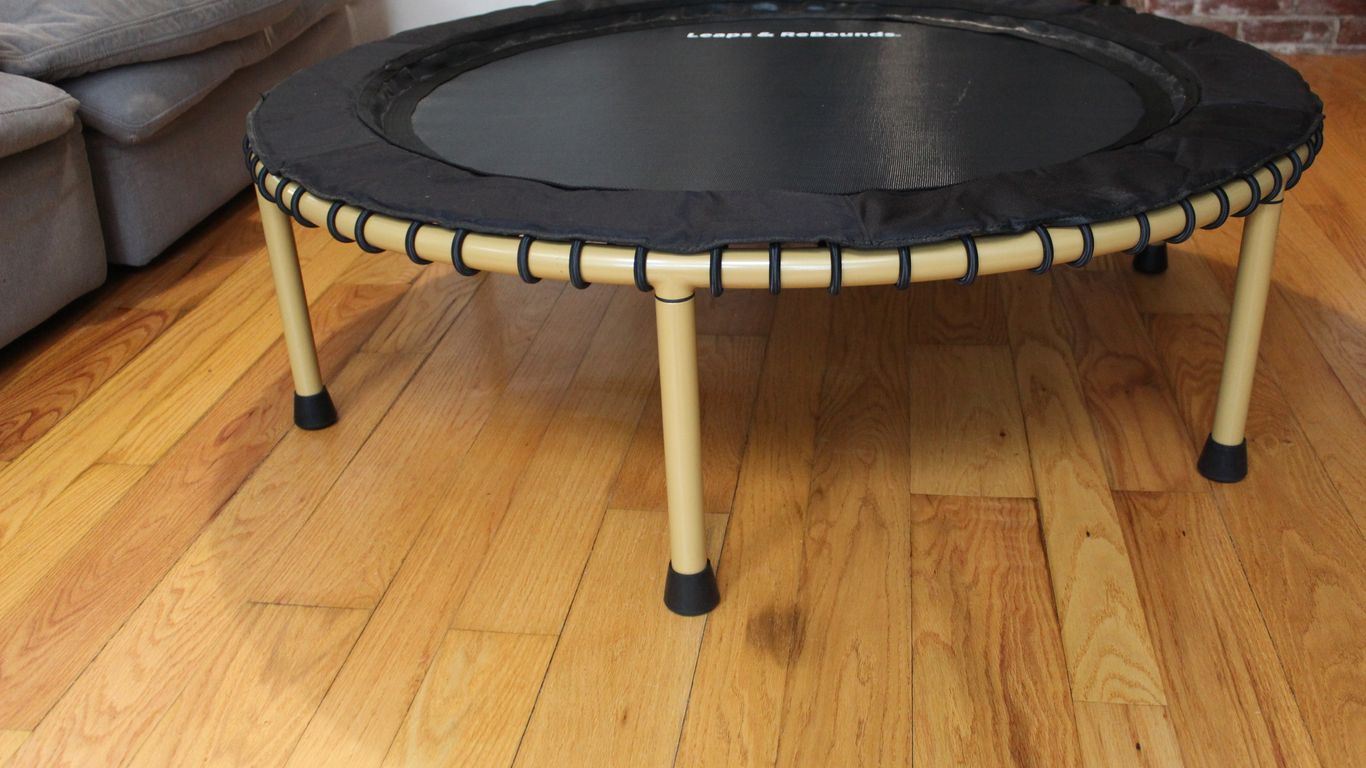
So, you've seen those mini-trampolines, right? Maybe tucked away in a corner of a gym or even at a friend's place. Well, that's where rebounding comes in. Simply put, it's a type of exercise where you jump on one of these small trampolines. It's a low-impact cardio workout, meaning it's easier on your joints than, say, running on pavement. Unlike the big trampolines you might have seen at a park, these are usually just for one person and are perfect for using indoors. The cool thing about rebounding is that pretty much anyone can do it, no matter their fitness level. It's not just about bouncing; you can do all sorts of movements, from simple jumps to more involved aerobic routines. Because the landing is cushioned, it's much kinder to your knees and ankles. People are starting to notice it because it's a fun way to get your heart pumping, improve your fitness, and, yes, it can help with weight loss.
The Science Behind Weight Loss
Before we get too deep into rebounding, let's quickly touch on how weight loss actually works. It's pretty straightforward: you lose weight when you burn more calories than you eat. This is called a calorie deficit. If you consistently consume fewer calories than your body uses for daily activities and exercise, your body will start using stored fat for energy, leading to weight loss. It’s not magic; it’s basic energy balance. Think of it like a bank account – if you spend more than you deposit, your balance goes down. This is why incorporating exercise like rebounding is so helpful.
Rebounding's Role In Calorie Burning
Rebounding fits into this calorie deficit equation by increasing the number of calories you burn. When you jump on a rebounder, your muscles are working, your heart rate goes up, and your body uses energy. The amount of calories you burn can change based on a few things:
- Your Weight: Heavier individuals generally burn more calories doing the same activity.
- Intensity: How hard you're bouncing makes a big difference. Faster, higher bounces burn more calories.
- Duration: The longer you jump, the more calories you'll burn.
The harder and longer you jump, the more calories you'll burn. A moderate 30-minute session might burn around 200-300 calories, but pushing yourself could get you closer to 400-600 calories in an hour. It's a pretty good calorie burner, especially when you consider how enjoyable it can be. You can even find accessories like the Cotton Candy Bungee Pack to keep your rebounder in top shape for consistent workouts.
Maximizing Your JumpSport Rebounder Workouts
So, you've got your JumpSport rebounder and you're ready to bounce your way to fitness. That's great! But how do you make sure you're getting the most out of every session? It's not just about jumping up and down; there are ways to really amp up the effectiveness of your rebounding workouts. The key is variety and intensity.
Proper Form and Posture
Getting your form right from the start is super important. It helps you work the right muscles and keeps you from getting hurt. When you're on the rebounder, try to keep your core engaged – think about pulling your belly button towards your spine. Keep your knees slightly bent, not locked out, to absorb the impact. Your feet should be flat on the mat, hip-width apart for basic bouncing. Avoid leaning too far forward or backward; aim to stay centered over the mat. Good posture makes every bounce count more. Mastering your bounce and improving your posture can really make a difference in your overall health through rebounding.
The Impact of Workout Intensity
To really see results, you need to challenge yourself. Simply bouncing at a slow pace won't burn as many calories as you might think. Try incorporating different types of bounces and movements. You can do a basic bounce, then switch to jogging in place, or even try jumping jacks on the rebounder. For an extra challenge, consider High-Intensity Interval Training (HIIT). This involves short bursts of maximum effort followed by brief recovery periods. For example, jump as fast as you can for 30 seconds, then do a gentle bounce for 30 seconds, and repeat. This method can significantly boost your calorie burn and improve cardiovascular fitness.
Here's a quick look at how intensity can affect calorie burn (these are estimates and can vary):
| Activity | Estimated Calories Burned per 30 Minutes |
|---|---|
| Light Bouncing | 100-150 |
| Moderate Jogging | 150-250 |
| High-Intensity HIIT | 250-400+ |
Realistic Expectations for Weight Loss
While rebounding is a fantastic tool for weight loss, it's not the only thing you should be doing. Think of it as one piece of a bigger puzzle. To get the best results, you need a well-rounded approach. This means making sure your diet is on point, and incorporating strength training. But it also means listening to your body and not overdoing it. Some days you might feel great and want to do a longer rebounding session, while other days might be better suited for a gentler bounce or a different type of activity altogether. Mixing things up can also help prevent boredom and keep your body challenged. Maybe one day you do a high-intensity rebounding workout, and the next day you go for a brisk walk or do some yoga. This variety helps ensure you're working different muscle groups and keeping your fitness journey interesting and sustainable.
Weight loss is a journey, not a race. Combining rebounding with a healthy diet and other forms of exercise creates a powerful strategy for shedding pounds and improving your overall health. Patience and consistency are your best friends here.
Remember, combining rebounding with a healthy diet and other forms of exercise creates a powerful strategy for shedding pounds and improving your overall health. Patience and consistency are your best friends here.
Choosing The Right JumpSport Rebounder
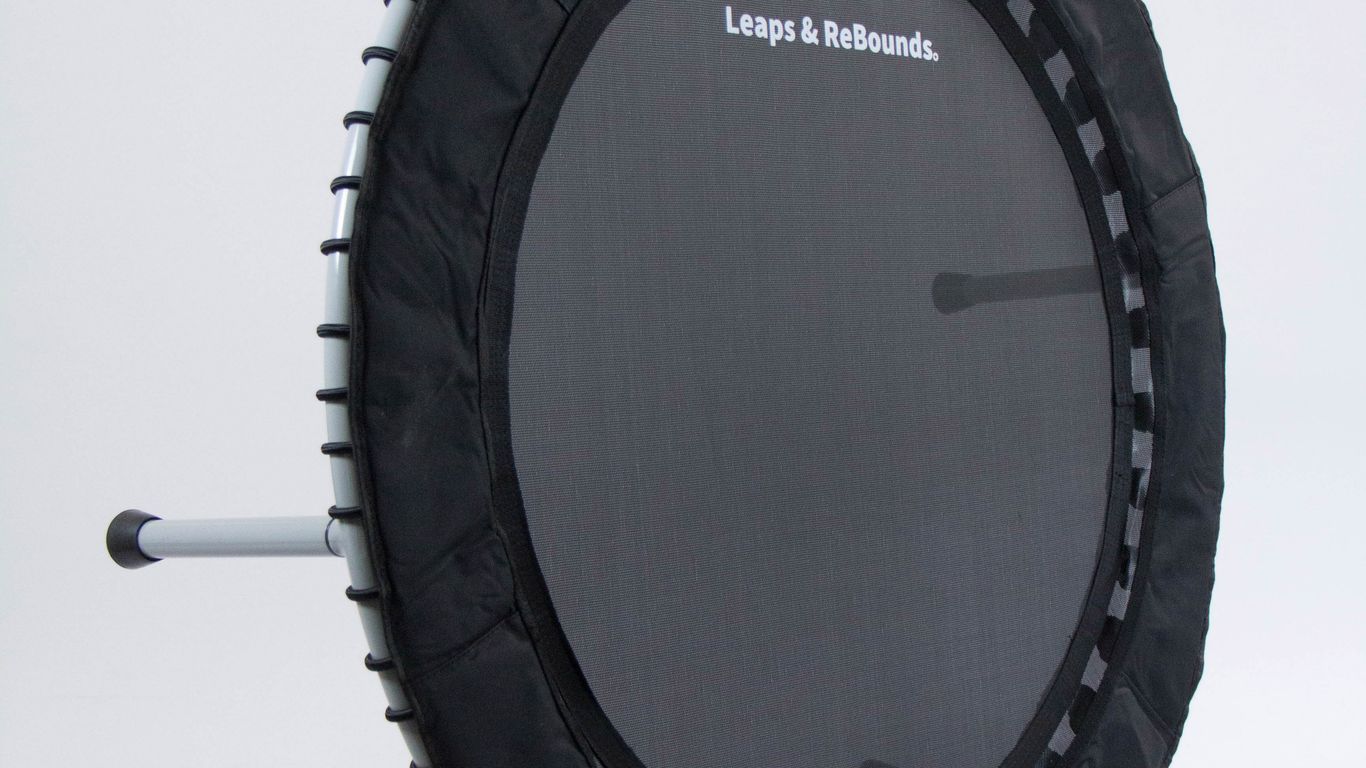
So, you've decided a JumpSport rebounder is your ticket to a fitter you. That's great! But with a few different models out there, picking the right one can feel a little overwhelming. Let's break down some of the popular options to help you find your perfect bounce partner.
The Rebounder That Built Our Trophy Bodies
This model is often highlighted for its high resistance and minimal maintenance. It's designed to offer solid support, making it suitable for a wide range of fitness levels. If you're aiming for serious results and want a rebounder that can handle intense workouts, this one is worth a close look. It's built for durability and consistent performance, so you can rely on it day after day.
Elevate Your Fitness With The JumpSport 350 Pro
The JumpSport 350 Pro is a really popular choice, and for good reason. It's known for being versatile, safe, and built to last. Many people find it to be a top pick, especially if they're interested in bungee rebounders. It offers a good balance of bounce and stability, making it a great all-around option for many users. Plus, it often comes pre-assembled, which is a nice bonus if you're eager to start bouncing right away.
Budget-Friendly Options For Beginners
If you're just starting out or keeping an eye on your spending, JumpSport has options that are easier on the wallet. These models are often designed with beginners in mind, offering a good entry point into rebounding. They might require a bit more assembly than the higher-end models, but they still provide a solid workout. Look for features like included handlebars, which can really help with balance and confidence when you're first getting the hang of it. These beginner-friendly rebounders are a fantastic way to test the waters of rebounding without a huge initial investment.
When picking your rebounder, think about:
- Your Fitness Goals: Are you looking for intense cardio, strength building, or just general fitness?
- Space Available: Measure the area where you plan to use the rebounder.
- Assembly Preference: Do you want something ready to go, or are you okay with putting it together?
- Budget: How much are you comfortable spending?
It's always a good idea to check the weight limit and warranty information for any rebounder you're considering. Reading reviews from other users can also give you a real-world perspective on how a particular model performs over time.
Integrating Your JumpSport Rebounder Into A Fitness Plan
So, you've got your JumpSport rebounder, and you're ready to get bouncing. That's great! But how do you make sure it fits well into your overall fitness goals, especially if weight loss is on your mind? It's not just about jumping up and down whenever you feel like it; a little planning goes a long way.
Consistency Is Key For Rebounding Success
Let's be real, we all want to see results quickly. But with rebounding, like most things in fitness, showing up regularly is the most important part. It's easy to get super motivated for a week and bounce every single day, but then life gets in the way. The real trick is building a routine that you can actually stick with, even when things get hectic.
Think about it: a 15-minute bounce every day really adds up. Over a month, that's over seven hours of bouncing! This steady activity helps create a consistent calorie deficit, which is what drives weight loss. Doing workouts randomly might feel good for a bit, but it doesn't build the momentum needed for lasting changes. It's that daily commitment that truly counts.
Here’s how to build that habit:
- Schedule it: Treat your rebounding time like any other important appointment. Put it in your calendar and try your best to stick to it.
- Start small: If 30 minutes feels like too much right now, begin with just 10 or 15 minutes. You can always add more time as you get fitter and more comfortable.
- Mix it up: Don't just do the same basic bounce every time. Try different movements, change how hard you're bouncing, or even follow along with a rebounding workout video. This keeps things interesting and challenges your body in new ways.
- Find your 'why': Remind yourself why you started. Is it for better health, more energy, or to feel better in your clothes? Keeping your motivation in mind helps.
Creating A Balanced Weight Loss Plan
While rebounding is a fantastic tool for burning calories and improving your fitness, it's not the only thing you should be doing. Think of it as one important piece of a bigger puzzle. To get the best results, you need a well-rounded approach. This means making sure your diet is healthy, and also including other forms of exercise. It also means listening to your body and not pushing too hard every single day.
Some days you might feel energetic and want to do a longer rebounding session. Other days might be better suited for a gentler bounce or a completely different activity, like a walk or some stretching. Mixing things up can also help prevent boredom and keep your body challenged. Maybe one day you do a high-intensity rebounding workout, and the next day you go for a brisk walk or do some yoga. This variety helps make sure you're working different muscles and keeping your fitness journey interesting and sustainable.
Remember, weight loss is a journey, not a race. Combining rebounding with a healthy diet and other forms of exercise creates a powerful strategy for shedding pounds and improving your overall health. Patience and consistency are your best friends here.
The Benefits Of A Well-Rounded Approach
When you combine rebounding with other activities, you get a more complete fitness picture. For example, while rebounding is great for cardio and some muscle engagement, it doesn't replace the need for strength training. Adding in some bodyweight exercises or using resistance bands can help build muscle, which in turn can boost your metabolism. Similarly, incorporating activities like yoga or stretching can improve flexibility and reduce the risk of injury, making your rebounding sessions safer and more effective.
Here’s a quick look at how different activities complement each other:
- Rebounding: Excellent for cardiovascular health, lymphatic drainage, and low-impact cardio.
- Strength Training: Builds muscle mass, boosts metabolism, and improves bone density.
- Flexibility/Mobility Work (Yoga, Stretching): Increases range of motion, reduces muscle soreness, and prevents injuries.
- Healthy Diet: Provides the necessary nutrients for energy and recovery, and is key for creating a calorie deficit.
By weaving these elements together, you create a fitness plan that not only helps with weight loss but also improves your overall health and well-being in a sustainable way.
Enhancing Your JumpSport Rebounder Experience
So, you've got your JumpSport rebounder and you're ready to bounce your way to fitness. That's great! But how do you make sure you're getting the most out of every session? It's not just about jumping up and down; there are ways to really amp up the effectiveness of your rebounding workouts. The key is variety and intensity, and maybe a few cool accessories.
The Fun And Engaging Nature Of Rebounding
Let's be honest, sometimes working out can feel like a chore. Staring at the same gym wall or doing the same old routine can get pretty boring. Rebounding, though? It's different. It's dynamic, it's lively, and it often feels more like playing than exercising. Putting on some upbeat music can really make a difference, turning your workout into something you actually look forward to. This makes it way easier to stick with it long-term because, well, it's just more fun.
Variety Of Moves For A Complete Workout
One of the best things about using a rebounder is the sheer number of different moves you can do. You're not limited to just bouncing. You can easily add in squats, lunges, twists, and even some core work like planks. This means you can really target different muscle groups and keep your body guessing. Whether you're just starting out or you've been bouncing for a while, there's always a new move to try or a way to make an old one harder.
Here's a quick look at how different activities on the rebounder can affect calorie burn. Keep in mind these are just estimates and can change based on your personal effort:
| Activity | Estimated Calories Burned per 30 Minutes |
|---|---|
| Light Bouncing | 100-150 |
| Moderate Jogging | 150-250 |
| High-Intensity HIIT | 250-400+ |
Accessories To Elevate Your Training
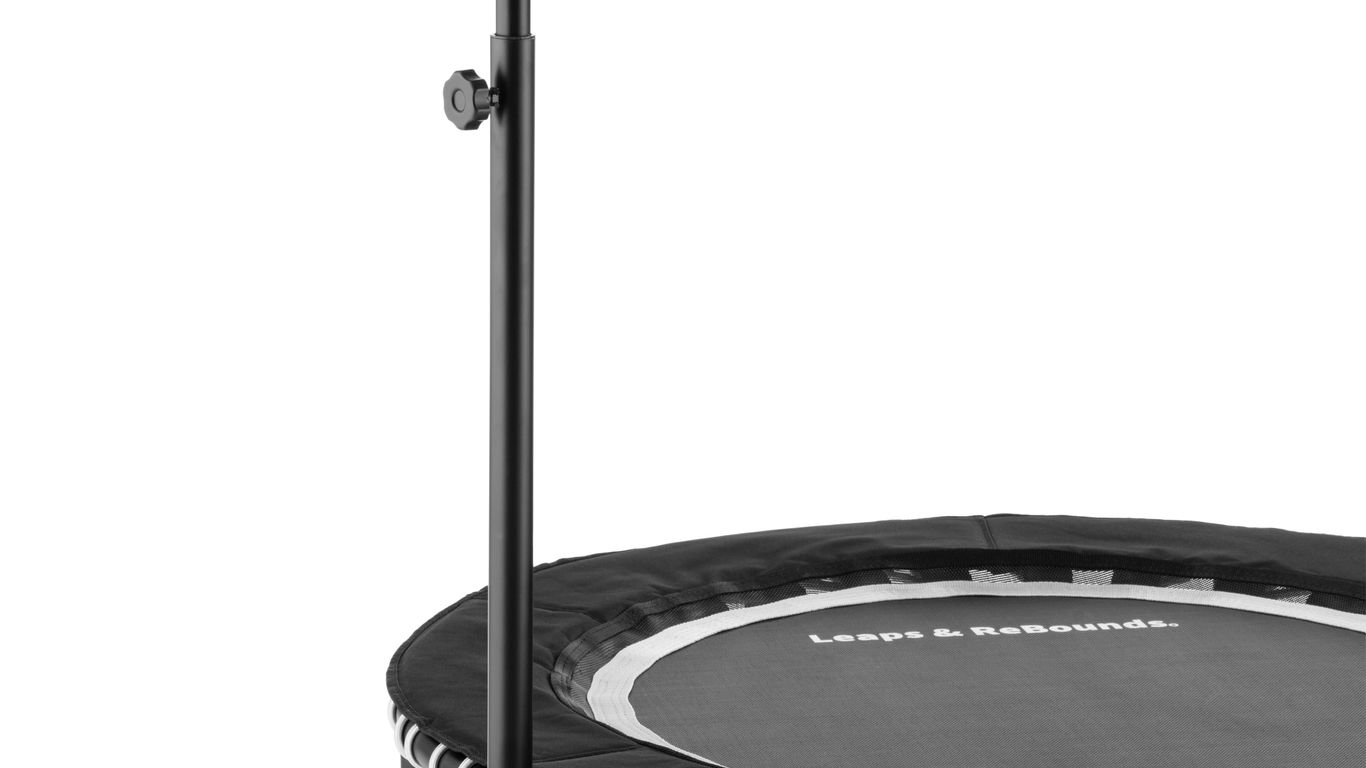
To really get the most out of your rebounder, consider adding a few accessories. These can add new challenges and support to your routine. For instance, a handlebar can give you extra stability, which is great when you're trying more complex moves or just want a bit more confidence. Then there are resistance bands. You can attach these to your rebounder and use them for arm, leg, and core exercises. This turns your rebounder into a more complete strength training tool. Adding these simple items can significantly boost the effectiveness and variety of your workouts.
The unstable surface of the rebounder naturally makes your body work harder to stay balanced. This constant adjustment is fantastic for improving your coordination and posture without you even really thinking about it. It's a low-impact way to build better balance, which is helpful for everything from sports to just daily life.
Want to get even more out of your JumpSport rebounder? We have tons of cool accessories and tips to make your workouts even better. Check out our website to see all the ways you can boost your fitness fun!
Ready to Bounce?
So, you've learned a bit about how a JumpSport rebounder can really shake up your fitness routine. It's more than just a fun way to jump around; it's a solid tool for getting stronger, burning calories, and just generally feeling better. Remember, consistency is key. Try to fit in those bounces regularly, mix up your moves to keep things interesting, and don't forget that a healthy diet goes hand-in-hand with any exercise. Whether you're aiming to lose a few pounds or just want a more engaging way to stay active, this little trampoline might just be the missing piece you've been looking for. Give it a go, and see where the bounce takes you!
Frequently Asked Questions
What exactly is rebounding?
Rebounding is simply jumping on a mini-trampoline. It's a fun way to get your heart pumping and your body moving. Think of it as a low-impact exercise because the trampoline surface is soft and cushions your landing, making it easier on your joints compared to jumping on a hard surface.
How many calories can I burn by rebounding?
The number of calories you burn depends on how hard and how long you jump. A moderate 30-minute rebounding session can burn around 200-300 calories. If you pick up the pace and make it more intense, you could burn even more, maybe closer to 400-600 calories in an hour. It's a pretty good calorie burner!
Can rebounding really help me lose weight?
Yes, rebounding can definitely help with weight loss! The key to losing weight is burning more calories than you eat. Rebounding burns calories and can help boost your metabolism. When you combine it with a healthy diet, it becomes a powerful tool for shedding pounds over time.
How often should I rebound to see results?
Consistency is super important. Aim to rebound most days of the week, even if it's just for 15-20 minutes. Doing it regularly helps you burn calories consistently and build a good fitness habit. Don't expect overnight changes; it's a gradual process.
Is rebounding safe for my joints?
Rebounding is known for being low-impact, which means it's much gentler on your joints, especially your knees and ankles, compared to activities like running. The trampoline absorbs a lot of the shock. However, it's still important to use good form and listen to your body to avoid any strain.
What's the best way to rebound for weight loss?
To get the most out of rebounding for weight loss, try to vary your workouts. You can do steady bouncing for cardio, try high-intensity intervals (bursts of fast jumping followed by rest), or even incorporate some simple strength moves. Pairing your rebounding with a balanced diet that creates a calorie deficit is also crucial for seeing results.




0 comments