










Thinking about getting a trampoline for your backyard? It's a great way to get everyone outside and moving. But with so many choices, picking the right one can be a bit overwhelming. This guide is here to help you figure out the best backyard trampolines for 2026. We'll look at what makes a trampoline safe, how long it's likely to last, and what kind of bounce you can expect. Let's get you ready to jump!
Key Takeaways
- When you're looking at trampolines, pay attention to the frame. Heavy steel that's galvanized and coated is a good sign it will hold up well and not rust.
- Check out the springs and the mat. Longer springs often mean a better bounce, and mats that can handle the sun are important for lasting fun.
- Safety gear like nets and padding is a must. Make sure they fit right and don't leave any weird gaps.
- Think about whether you want an above-ground or in-ground model. If you go for in-ground, consider how water will drain away.
- Always look at the warranty and see if the company has good customer service in case you need help.
Choosing The Best Backyard Trampolines
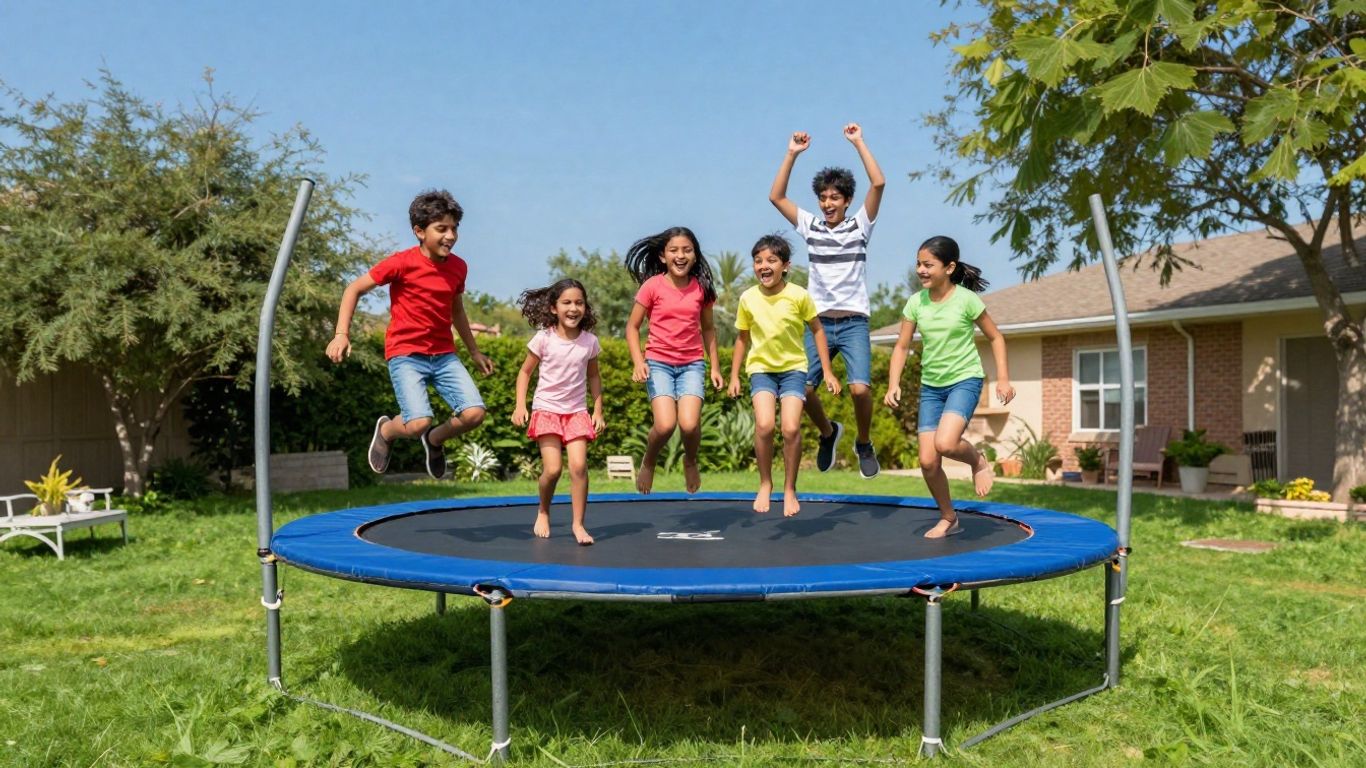
So, you're thinking about getting a trampoline for the backyard? That's awesome! It's a fantastic way to get everyone moving and having a blast. But honestly, walking into a store or browsing online, you'll see so many different kinds, it can make your head spin. It’s not just about picking the biggest one; there are a few things to really think about before you buy. We've looked into what makes a trampoline great, so you don't have to.
Understanding Key Trampoline Features
When you're looking at trampolines, a few things really make a difference in how much fun and how safe it'll be. First off, check out the frame. You want something sturdy, like heavy-duty, hot-galvanized steel. This stuff is built to last and won't rust easily, especially if it has an extra coating on it. Then there are the springs. Generally, more springs mean a better bounce, and longer springs tend to give a smoother, more comfortable jump. Don't forget the mat itself – it needs to be tough and able to handle lots of jumping without wearing out too fast. A good mat is usually UV-resistant, so it doesn't get all brittle from the sun.
- Frame Material: Look for heavy-duty, hot-galvanized steel for rust resistance and longevity.
- Springs: More and longer springs typically provide a better, more comfortable bounce.
- Mat Quality: A UV-resistant and strong mat is key for durability and safe jumping.
Prioritizing Safety and Durability
Safety is probably number one on everyone's list, right? You want to make sure your kids (and anyone else jumping) are as safe as possible. This means looking closely at the safety features. How well does the padding cover the springs? Is the safety net secure, with no big gaps where someone could fall through? A snug fit is super important here. Durability goes hand-in-hand with safety. A trampoline that's built tough will last longer and stay safer over time. Think about warranties too; a longer warranty often shows that the company believes in its product. We've checked out some of the top trampoline brands for 2026 to help you get started.
When choosing a trampoline, don't just go for the cheapest option. Think about the long-term value and how well it's built to last. A good quality trampoline means years of fun and active play for everyone in the family.
Considering Trampoline Size and Shape
Okay, so how big should it be? This is where you really need to think about your yard. A trampoline that's too big can take over the whole space, making it hard to walk around. But you also don't want one so small that it's not much fun to jump on. Most families find a good balance with a 14-foot trampoline, but there are plenty of other sizes available. Shapes matter too, though most backyard trampolines are round. Round trampolines tend to naturally guide jumpers toward the center, which is a nice safety bonus. When you're measuring your yard, make sure to leave some clear space around the trampoline – no fences, trees, or other stuff right next to it.
Top Trampoline Brands For 2026
When you're looking for a trampoline, it's easy to think that all brands are pretty much the same. But honestly, that's not really the case. Picking the wrong brand can lead to a lot of headaches down the road, and nobody wants that. We've looked at a bunch of different companies to help you figure out which ones are really worth your money and your family's safety. It's not just about the bounce; it's about how well it's made and how long it'll last.
JumpFlex Hero: The All-Around Champion
The JumpFlex Hero line is a solid choice if you're looking for a good balance of style and quality without completely breaking the bank. These trampolines have a pretty cool, modern look with their curved poles, which is a nice change from the usual. The frames are built tough, with a six-layer rust-proofing process, so they should hold up well against the weather. Plus, they come with a 10-year warranty on the frame, which is pretty decent.
- Quality Construction: The frame, mat, and springs are all made with good materials.
- Rust Resistance: Metal parts get a special six-layer rust-proofing treatment.
- Warranty: A 10-year warranty covers frame defects, and you can even get a lifetime one.
- Accessories: They offer fun extras like a water sprinkler and a slide.
However, there's not a huge selection – they mostly stick to round trampolines. Also, keep an eye on the weight limit; it's a bit lower than some other brands at 198 pounds. Some parts, like the spring padding and net, might need replacing sooner than you'd hope, maybe within a year or two, based on their shorter component warranties.
Avyna Pro Line: For Trampoline Park Bounces
If you're aiming for that trampoline park feel in your backyard, the Avyna Pro Line might be worth a look. These are generally spring-based trampolines, and they focus on giving you a really good bounce. They have a variety of shapes and sizes, which is great if you have specific space needs or just want options. The springs themselves are designed for a strong rebound, and you can even upgrade to their "Performance" option which uses piano wire springs for an even better jump.
- Bounce Quality: Known for a solid, spring-based bounce.
- Variety: Offers several different trampoline shapes and sizes.
- Durability: High-quality components are used throughout.
- Warranty: A 10-year warranty on the frame and five years on springs and the mat.
On the flip side, these can get pretty expensive, so they're definitely on the higher end of the price spectrum. Some models do have springs located within the jumping area, which could be a safety concern if the padding wears out. The metal poles are also static, posing a potential risk. And while the frame and mat have good warranties, the net and net poles only have a one-year coverage, meaning you might need to replace those sooner than expected. Assembly can also be a bit of a challenge, especially with the larger models.
Sportspower Bounce Pro: Budget-Friendly Fun
For those who want a trampoline without spending a fortune, the Sportspower Bounce Pro brand is often mentioned. They tend to be more affordable, making them accessible for many families. You can usually find a decent selection of sizes and shapes, and they often come with safety features like enclosures designed to minimize gaps between the net and the mat. It's a good way to get a trampoline into your backyard for active fun without a huge investment. These are a popular choice for families looking for value.
- Affordability: Generally priced lower than premium brands.
- Variety: A good range of backyard trampolines available.
- Safety Feature: Patented no-gap enclosure system is standard.
While they are budget-friendly, it's important to check the specific model's construction details. Sometimes, lower prices can mean less robust materials or shorter lifespans for certain components compared to more expensive options. Always read reviews and check the warranty details carefully for any Sportspower Bounce Pro model you're considering. You can find a wide range of trampoline brands for 2026 to compare.
Evaluating Trampoline Materials and Construction
When you're looking at trampolines, it's easy to get caught up in the fun factor, but the real magic happens in how it's built. The materials and how everything is put together make a huge difference in how long it lasts and how safe it is. Think of it like buying a car – you want to know what's under the hood, right?
Frame Strength and Rust Resistance
The frame is the backbone of your trampoline. You want something solid that won't wobble or bend, especially with kids jumping around. Most good trampolines use galvanized steel for their frames. This means the steel has a protective zinc coating to fight off rust. It's a big deal, especially if you live somewhere damp or near the coast. Some brands go the extra mile with thicker steel or powder coating, which adds another layer of protection. A heavy-duty frame is your first line of defense against wear and tear.
Spring Quality and Mat Durability
This is where the bounce comes from! The springs connect the mat to the frame, and their quality really matters. You'll see different lengths and numbers of springs on various models. Shorter, stiffer springs might give a less energetic bounce, while longer ones can offer more rebound. Look for springs that are coated to resist rust too. The jumping mat itself needs to be tough. It should have multiple rows of strong stitching around the edges where it attaches to the V-rings (those metal loops the springs hook onto). A UV-resistant mat is also a plus, as it means the sun won't break it down as quickly.
Safety Padding and Enclosure Systems
This is super important. The padding that covers the springs and frame needs to be thick and well-secured. You don't want any gaps where little fingers or toes could get caught. The enclosure net is another key safety feature. It should be made of a strong material that won't tear easily and should be taut enough to keep jumpers from falling off. Check how the net attaches to the frame – a secure connection is vital. Some nets have poles that curve outwards, which helps keep the net tight and away from the jumping area.
Remember, even the best materials can only do so much. Always supervise children when they're using the trampoline, and make sure everyone knows the rules for safe jumping. Regular checks of the frame, springs, mat, and padding will help catch any issues before they become problems.
Here's a quick look at what to prioritize:
- Frame: Heavy-gauge galvanized steel, preferably with a powder coat.
- Mat: Strong stitching, UV-resistant material, and sturdy V-rings.
- Springs: Rust-resistant coating and an appropriate number/length for the desired bounce.
- Padding: Thick, durable material that fully covers springs and frame edges.
- Enclosure: Tightly woven, tear-resistant netting with a secure attachment system.
Innovative Trampoline Designs
When you picture a trampoline, you probably think of those classic metal springs. For years, that's just how they were made. But lately, things are changing, and some pretty cool new designs are popping up that really rethink how trampolines work. These aren't just minor tweaks; they're big shifts aimed at making trampolines safer and, honestly, just more fun to use.
The Benefits of Springless Trampolines
This is a pretty big deal in the trampoline world right now. Instead of using those metal springs around the edge, springless trampolines use flexible rods or bands hidden underneath the mat. This completely gets rid of the pinch points and the hard metal parts that people can accidentally hit. It means you can jump closer to the edge without worrying as much about getting hurt. Plus, the bounce often feels a bit softer and more controlled, which is great for everyone, especially younger kids or anyone who might be a bit nervous about a super high bounce.
- Eliminates pinch points: No more stubbed toes or pinched fingers on metal springs.
- Safer edge play: Jumping closer to the edge is less risky.
- Softer bounce: Often provides a more controlled and less jarring jumping experience.
- Increased usable space: Without springs taking up room, the entire mat surface can be used for jumping.
The shift towards springless designs is a direct response to common trampoline injuries. By rethinking the core mechanics, manufacturers are creating products that offer a significantly reduced risk profile, making backyard bouncing a more accessible activity for families.
Maximizing Jump Space and Aesthetics
One of the neatest things about springless designs is how they use space. Because there are no springs sticking out, the entire surface of the mat is usable for jumping. This means a trampoline that might look like a certain size on the outside can actually give you a lot more room to bounce around on the inside. For example, a 13-foot springless trampoline can feel like a much larger traditional one when you're actually jumping on it. Beyond just the space, these newer designs often look a bit sleeker too. They tend to have cleaner lines and less clutter around the edges, which can look a lot nicer in your backyard.
Advanced Customization Options
While not every trampoline offers this, some of the newer, higher-end models are starting to give you more ways to customize. Think about things like different types of safety nets, ladders designed for easier and safer access (especially for little ones), or even anchor kits to make sure your trampoline stays put, even in windy weather. It’s about making the trampoline fit your specific needs and your yard better. You can even find accessories that turn your trampoline into a fun outdoor movie theater or a cool spot for kids to camp out. It's moving beyond just a bouncing surface to a whole backyard entertainment hub.
Essential Trampoline Considerations
So, you've narrowed down your choices and are getting close to picking the perfect trampoline. That's awesome! But before you hit that 'buy' button, there are a few more things to think about. It’s not just about the bounce; it’s about the whole package – what happens after you get it, how long it'll last, and even what your insurance company thinks about it.
Warranty and Customer Support
When you're dropping a good chunk of change on a trampoline, you want to know the company stands behind its product. A solid warranty is a big deal. Most companies offer different lengths for different parts. The frame usually gets the longest coverage, often several years, because it's the backbone of the whole thing. The mat and safety pads might have shorter warranties, maybe a year or two. It's super important to read the fine print. What exactly does it cover? Does it include rust or fading from the sun? Some brands, like Sportspower, offer a decent warranty, with their steel frame covered for seven years and the mat for three. But remember, weather damage is often excluded, though sometimes companies make exceptions. Always check what's included and what's not.
- Frame: Typically the longest warranty (5-10 years is common).
- Mat & Springs: Shorter warranties (1-3 years).
- Safety Pads & Enclosure: Often the shortest coverage (1 year).
Beyond the warranty, think about customer support. If something goes wrong, can you actually reach someone? Are they helpful? Good support can make a huge difference if you ever need a replacement part or have a question.
Ease of Assembly and Maintenance
Let's be real, putting together a trampoline isn't always a walk in the park. Some models are designed to be simpler to assemble than others. If you're not exactly a DIY whiz, look for reviews that mention how easy or difficult the setup was. Some brands might even have helpful video tutorials. The last thing you want is to spend an entire weekend wrestling with metal poles and springs.
Maintenance is another factor. How easy is it to keep clean? Does the mat need special cleaning? You'll also want to do regular check-ups. This means looking for any tears in the mat or net, checking that the springs are all secure, and making sure the padding is still in place. A UV-resistant mat is a plus, as it won't get brittle and break down as quickly in the sun. Some reversible safety pads can also extend their life by flipping them over when one side starts to wear out.
Homeowner's Insurance Implications
This is a big one that many people overlook. Some homeowner's insurance policies might consider trampolines a liability. This means if someone gets hurt on your trampoline and decides to sue, your insurance might cover it, but it could also lead to higher premiums or even cancellation of your policy. It's a good idea to call your insurance provider before you buy. Ask them directly about their policy regarding trampolines. Some insurers might even have specific rules about safety features, like requiring an enclosure net. There are even rumors that some companies use aerial photos to spot trampolines in yards, so it's best to be upfront. Being proactive here can save you a lot of headaches down the road and keep your home insurance in good standing.
It's always wise to check with your insurance agent before making a purchase. Understanding potential coverage and any exclusions related to trampolines can prevent unexpected issues later on. Being informed is key to enjoying your new backyard addition without worry.
Making Your Final Trampoline Selection
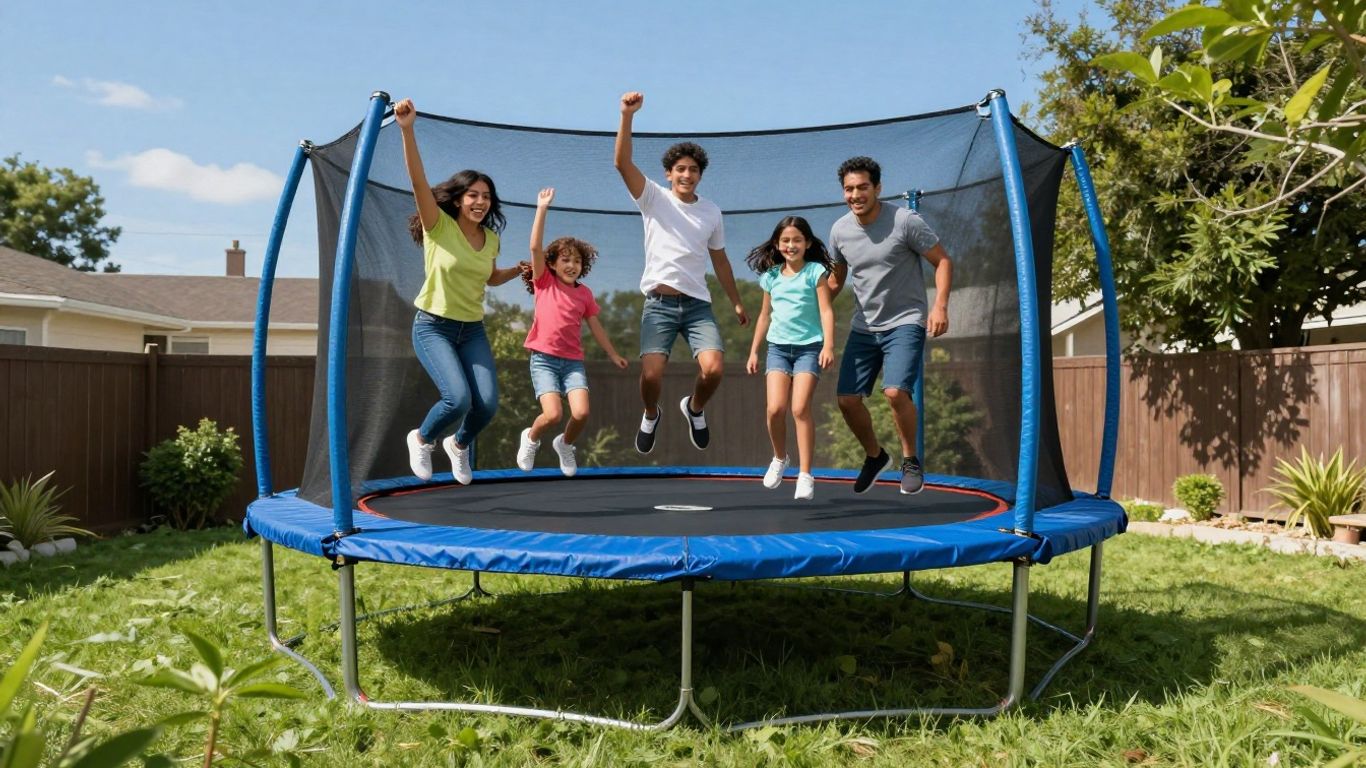
Matching Trampolines to Family Needs
Alright, so you've looked at the features, you've thought about safety, and you've got a general idea of what size might fit your yard. Now comes the part where we really nail down which trampoline is the right fit for your family. It’s not just about picking the biggest or the cheapest; it’s about finding that sweet spot that works for everyone who’s going to be bouncing. Think about who will be using it most. Are we talking about little kids who just want to giggle and jump around? Or maybe teenagers who are looking for some serious airtime? Perhaps even adults who want to get a bit of exercise? The age and energy level of your primary jumpers really matters. A trampoline designed for serious athletes might be overkill (and maybe even a bit too bouncy) for toddlers, and a smaller, less springy model might disappoint older kids looking for big jumps.
Setting Your Non-Negotiables
Before you get too deep into comparing specific models, it’s smart to figure out what your absolute must-haves are. These are the things you absolutely will not compromise on. Maybe it's a specific safety feature, like a really sturdy enclosure net or padding that completely covers the springs. Or perhaps it’s about durability – you know you need something that can handle a few seasons without rusting out. It could also be about the warranty; a longer warranty might give you more peace of mind. Having a clear list of your non-negotiables helps cut through the noise when you're looking at different options. It stops you from getting sidetracked by cool-looking features that don't actually meet your core needs.
Here’s a quick way to think about your must-haves:
- Safety First: What specific safety features are you unwilling to skip? (e.g., springless design, high net, thick padding)
- Durability Focus: What level of build quality do you expect to last? (e.g., galvanized steel frame, UV-resistant mat)
- Budget Boundaries: What's the absolute maximum you're willing to spend?
- Warranty Needs: How long of a warranty would make you feel secure?
Finding The Perfect Fit For Your Yard
This is where the rubber meets the road, or rather, where the trampoline meets your lawn. You’ve got your family’s needs and your non-negotiables sorted. Now, let’s talk about the actual space you have. Trampolines come in all sorts of shapes and sizes, and what looks great on paper might be a tight squeeze in reality. Measure your yard carefully. Don't just think about the trampoline's diameter; consider the clearance needed around it. You want to make sure there's enough space for the safety net to do its job without hitting trees or fences, and enough room for kids to safely get on and off. Also, think about the ground underneath. Is it level? Will water drain properly if it's an in-ground model? A trampoline that's too big can be a hazard, and one that's awkwardly placed just won't get used as much. It’s all about finding that balance between a great bouncing experience and a safe, practical addition to your outdoor space.
When you're looking at the final contenders, try to visualize them in your yard. Imagine kids running around them, the sun hitting them, and how they'll look from your patio. Sometimes, the best choice isn't the flashiest one, but the one that just works for your specific situation.
So, Ready to Jump?
Alright, so picking out a trampoline can feel like a lot, right? We've gone over the important stuff like making sure the frame is solid, the springs give a good bounce, and safety features are top-notch. Whether you're leaning towards a big, bouncy model for endless fun or something a bit more budget-friendly, there are some great options out there for 2026. Remember to check those warranties and think about what will work best for your yard and your family. Happy bouncing!
Frequently Asked Questions
What makes a trampoline safe for kids?
Safety is super important! Look for trampolines with strong nets that go all around the jumping area to keep people from falling off. Also, make sure the springs are covered with thick padding so no one pinches their fingers or toes. Some trampolines don't even have springs, which makes them even safer.
How big should a trampoline be for my backyard?
Think about how much space you have and how many people will use it. A 12-foot or 14-foot trampoline is usually a good size for most families. Bigger trampolines offer more room to jump, but make sure you leave plenty of space around it, away from fences or trees.
What's the difference between spring trampolines and springless ones?
Traditional trampolines use metal springs to make you bounce. Springless trampolines use flexible rods or bands instead. Springless ones are often considered safer because there are no exposed springs to get caught on, and they can sometimes offer more jumping space.
How do I know if a trampoline is built to last?
Check the frame! A strong, heavy steel frame that's coated to prevent rust is a good sign. Also, look at the jumping mat – it should be made of tough material that can handle lots of bouncing and the sun. Good warranties from the company also show they believe their product is durable.
Do I need to tell my insurance company about my trampoline?
It's a really good idea to check with your insurance agent. Some home insurance policies might not cover accidents if you have a trampoline, or they might require you to get extra coverage. It's better to be safe than sorry!
What's the easiest way to set up a trampoline?
Setting up a trampoline can take a few hours and usually needs two people. Read the instructions carefully before you start. Some brands are known for being easier to assemble than others, so check reviews for setup tips. Having the right tools can also make a big difference.


0 comments