










Thinking about adding a mini trampoline to your home workout setup? It's a pretty neat idea for 2026. These little trampolines, often called rebounders, are great for getting your heart rate up without being too hard on your knees. They're fun, they work a lot of muscles, and you can even do them while watching TV. But with so many options out there, picking the right one can feel a bit much. Let's break down what to look for in a mini trampoline so you can find one that fits your space and your fitness goals.
Key Takeaways
- Bungee cord rebounders give you a quieter, softer bounce that's easier on your joints, making them a good choice if you have knee or ankle issues, or live in an apartment.
- Spring rebounders offer a firmer, more responsive bounce, which is great for intense workouts, but they can be noisier and might not be as gentle on your joints.
- When picking a mini trampoline, check the frame quality – steel is usually best for stability. Also, think about the size; around 40-44 inches is a good general size for most people.
- Many mini trampolines fold up for easy storage, which is super handy if you're short on space. Just make sure the folding part seems sturdy so it lasts.
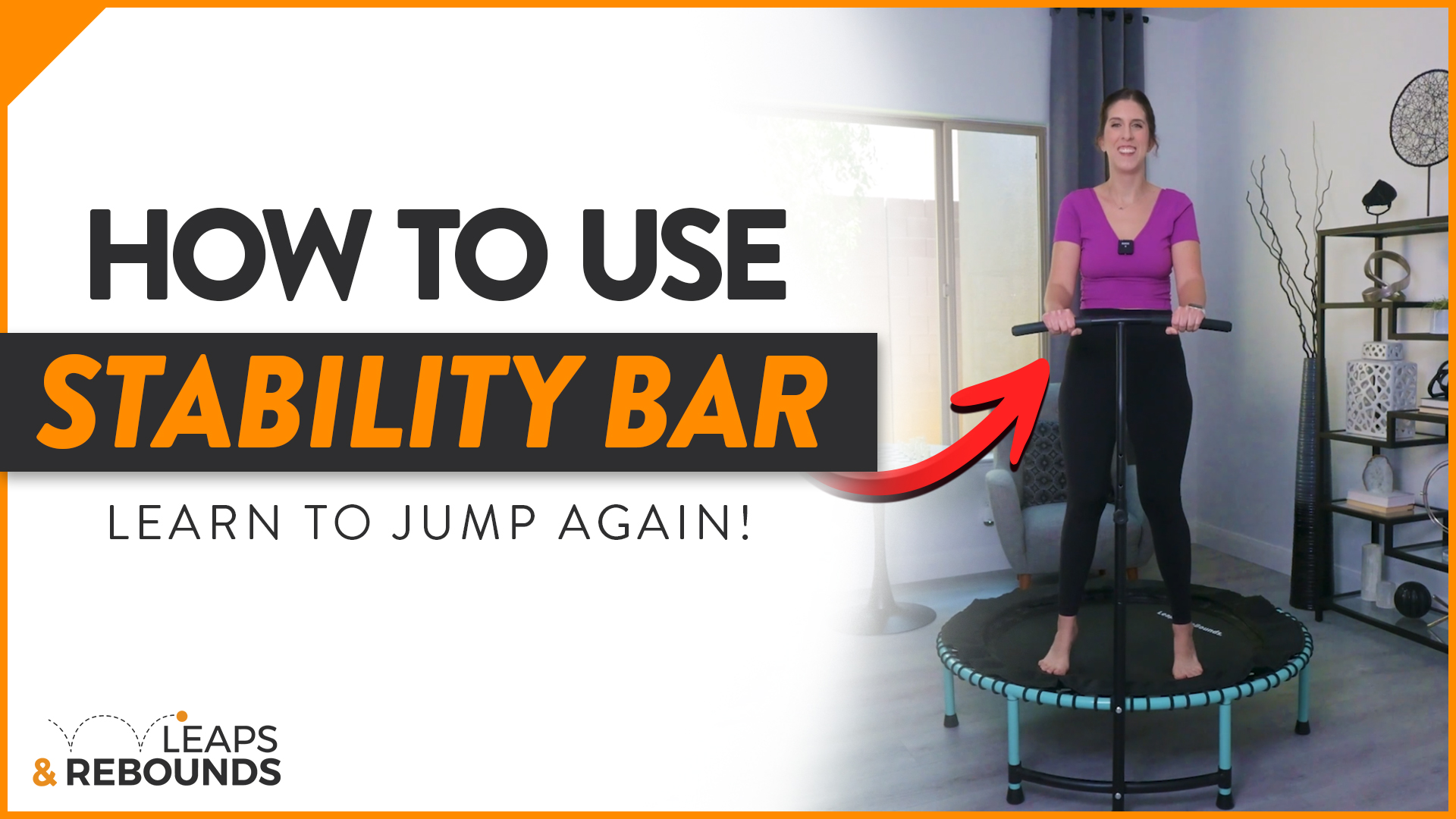
- Adding a handlebar can give you extra support, especially if you're new to rebounding, but try not to lean on it too much, as it can change how you stand and move.
Understanding The Benefits Of A Mini Trampoline
So, you're thinking about getting a mini trampoline for your home workouts? That's a smart move! These things are way more than just a fun way to bounce around. They pack a serious punch when it comes to fitness, and honestly, they're pretty low-impact, which is a big win for your joints. Let's break down why adding a rebounder to your routine is a good idea.
Full-Body Fitness Potential
Don't let the small size fool you. Jumping on a mini trampoline, often called rebounding, works a surprising number of muscles. You're engaging your core to keep stable, your legs are doing the work of pushing off and landing, and even your arms get a workout if you're moving them. It's a fantastic way to get your heart rate up, which is great for your cardiovascular system. Think of it as a full-body cardio session that also builds some muscle tone. It's pretty efficient, actually. Some studies suggest that rebounding can burn as many calories per minute as running at a decent pace, which is pretty wild when you consider how much easier it feels on your body.
Joint-Friendly Cardio
This is a huge selling point for mini trampolines. Unlike running on pavement or even some other high-impact exercises, the mat and springs of a mini trampoline absorb a lot of the shock when you land. We're talking about absorbing over 80% of the impact, according to some trainers. This means you get all the benefits of an intense cardio workout – like improved heart health and endurance – without putting all that stress on your knees, ankles, and hips. It's a game-changer if you have joint issues, are recovering from an injury, or just want to be kinder to your body long-term. You can get that endorphin rush without the usual aches and pains.
Internal Health Advantages
Beyond the muscles and heart, rebounding has some cool internal benefits too. The up-and-down motion can help improve your lymphatic system's flow. This system is like your body's internal cleanup crew, helping to flush out toxins, waste products, and dead cells. Better lymph flow means your body can work more efficiently at staying healthy. Plus, the gentle stress on your bones from bouncing can actually help increase bone density over time. This is super important for preventing conditions like osteoporosis down the road. It's like a gentle way to strengthen your skeletal system while you're getting fit.
Key Considerations For Selecting Your Mini Trampoline
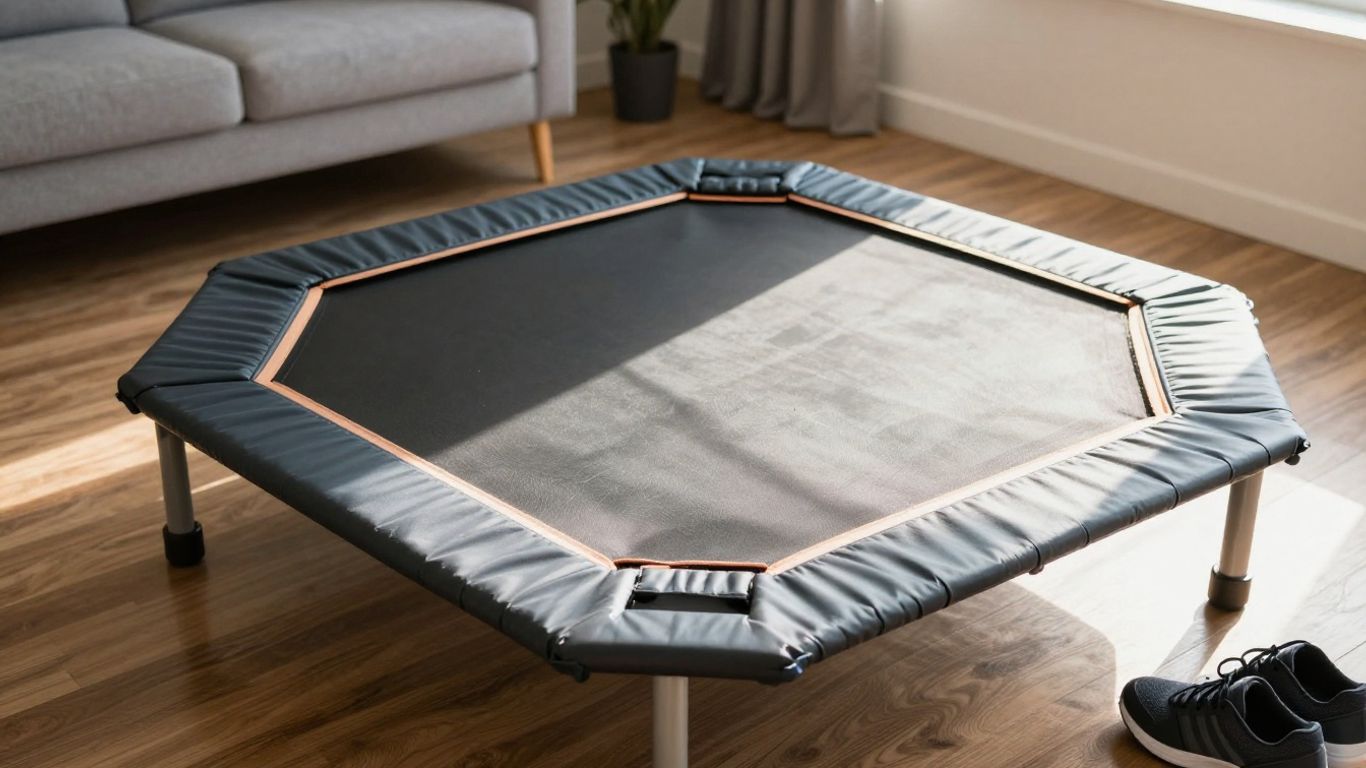
Choosing a mini trampoline isn’t as simple as just grabbing the first one you see on sale. You want something sturdy, comfortable, and that fits your space. Let’s get into the main things you’ll want to check before making your choice.
Bounce Mechanism: Springs Versus Bungees
How your mini trampoline makes you bounce can totally change your workout experience.
- Springs
- Traditional, often provide a firmer, punchier bounce.
- Can squeak or creak, sometimes noisier.
- Usually less expensive.
- Bungee cords
- Smoother, quieter bounce, gentle on joints.
- Pricier, but often lasts longer and is quieter.
- More suitable for intensive or high-rep workouts.
| Mechanism | Bounce Feel | Noise Level | Price Range |
|---|---|---|---|
| Springs | Firm | Moderate | $-$$ |
| Bungees | Softer | Very Low | $$-$$$ |
If you like working out early or late, bungees are a better pick for not waking up the whole house.
Stability And Frame Quality
It’s important to have a trampoline that doesn’t wobble, tip, or feel flimsy when you really get moving. Look for:
- A frame made of thick steel, not cheap alloy.
- Rubber feet or non-slip bases for security on any floor.
- Handlebar options for beginners or those needing extra support.
Test the trampoline, if possible, by shifting your weight side-to-side.
Size And Space Requirements
Don’t let your new trampoline become a tripping hazard (or a coat rack). Measure your workout area, plus a few extra feet around for safety.
- Typical mini trampolines are 36–48 inches wide.
- Foldable legs or design help with storage.
- Think about ceiling height too, especially if you’re jumping inside.
| Trampoline Diameter | Fits In Most Living Rooms | Easy Storage |
|---|---|---|
| 36–40 inches | Yes | Usually foldable |
| 45–48 inches | If space allows | May not fold |
Maximum User Weight Capacity
Ignore this at your own risk! Exceeding the limit can break the frame or stretch the bounce mechanism. Many models support at least 250 pounds, but high-capacity options exist.
- Always check the manual or product page.
- More weight capacity = more durable build, but sometimes higher price.
- Choose higher limits if multiple people will use it.
Don’t forget: a trampoline that’s too light for you might feel off-balance or less supportive.
Taking the time to check the bounce type, frame, size, and weight capacity means fewer surprises when your mini trampoline arrives. You don’t want to feel like you wasted your money—or risk your safety—on something that won’t hold up to your routine.
Exploring Different Mini Trampoline Types
When you're shopping for a mini trampoline, you'll quickly notice there isn't just one kind. They're built differently, and that makes a big difference in how they feel and sound when you use them. Understanding these differences will help you pick the one that best fits your home and your workout style.
Bungee Cord Rebounders For Quiet Workouts
If you live in an apartment or just really value peace and quiet, bungee cord rebounders are probably your best bet. Instead of metal springs, these use elastic cords to connect the mat to the frame. This setup makes for a much softer, quieter bounce. It's like jumping on a cloud, almost. You won't get that super-firm, springy feel, but the bounce is gentle and forgiving, which is great if you're worried about noise complaints or if you have sensitive joints. They're often a bit more expensive upfront, but many people find the quiet operation totally worth it. Plus, they tend to last a good while, though you might eventually need to replace the cords if they start to lose their stretch.
Spring Rebounders For A Firmer Bounce
These are what most people picture when they think of a mini trampoline. They use traditional steel springs. This gives you a much firmer, more responsive bounce. If you're looking for a more intense workout or want that classic trampoline feel, springs are the way to go. They're usually a bit louder than bungee models, so keep that in mind if noise is a big concern. Spring rebounders are often more affordable and are built to handle some serious bouncing. They're great for high-intensity interval training or just getting a really good cardio session in. Just make sure the springs are good quality, as cheap ones can wear out or even break over time. We found that models with strong steel springs are built to take a beating and give you a great workout session after session.
Models With Integrated Handlebars
For anyone who needs a little extra support, or is just starting out, a mini trampoline with an integrated handlebar is a game-changer. These handlebars attach securely to the frame and give you something to hold onto while you bounce. This is fantastic for balance, especially when you're trying new moves or just want to feel more secure. Many handlebars are adjustable, so you can set them to the perfect height for you. They're also great for people who might have balance issues or are recovering from an injury. While they add a bit of bulk, the added stability they provide makes them a really popular choice for a safe and effective workout. The BCAN 40” Foldable Mini Trampoline, for example, is a popular pick that offers an adjustable handlebar, making it a solid contender for stability and confidence.
Choosing the right type of mini trampoline really comes down to your personal needs. Think about where you'll use it, how much noise you can tolerate, and what kind of workout you're aiming for. Don't just go for the cheapest option; consider the bounce mechanism and overall build quality for a better long-term experience.
Here's a quick look at how they stack up:
- Bungee Cord Rebounders: Quieter, softer bounce, gentler on joints. Can be pricier. Ideal for apartments or noise-sensitive users.
- Spring Rebounders: Firmer, more responsive bounce, often more affordable. Can be louder. Great for intense workouts.
- Models with Handlebars: Offer extra stability and support. Perfect for beginners or those needing balance assistance. Adds to the overall size.
Evaluating Mini Trampoline Features And Extras
If you're shopping for a mini trampoline, the extras and features can make or break your experience. It's not just about how high you can bounce—it's about whether these small details fit your space, your routine, and your lifestyle. Honestly, a lot of the differences come down to things like storage, add-ons, and the level of customer service you'll deal with if something breaks.
Portability And Storage Solutions
How easy is it to hide your trampoline when you're not using it? That’s a big deal, especially if you live somewhere tight on space. Here's a quick look at the common setups:
| Feature | Description | Typical Use Case |
|---|---|---|
| Foldable Frame | Trampoline folds in half or quarters | Small apartments |
| Detachable Legs | Legs unscrew for flat storage | Under-bed storage |
| Lightweight Build | Easier to carry between rooms | Versatile usage at home |
- Foldable units are perfect for anyone who doesn’t want a trampoline sitting out 24/7.
- Detachable legs save a ton of space but can be annoying if you dislike assembly.
- Lightweight designs are easier to handle, but sometimes feel a bit less sturdy than heavier models.
I’ve found that taking a trampoline apart is only fun the first time—after that you just want something quick and simple.
Included Accessories And Training Aids
Some trampolines keep it basic, but others come packed with extras that can actually help your workouts:
- Adjustable handlebars add stability, especially if you’re new or working on balance.
- Resistance bands and sand weights make cardio sessions tougher (in a good way).
- Non-slip socks or safety covers improve safety and comfort during exercise.
You might also see digital perks like app access or workout videos, usually via a QR code or website link. It’s worth checking what’s backed up by a real community versus what’s just a flashy promise.
Warranty And Customer Support
Don’t overlook warranty details—they matter when parts wear out. Some companies offer just 90 days, while others give a year or more. Here’s how to compare:
| Brand/Model | Typical Warranty | Notable Support Perks |
|---|---|---|
| Entry-level brands | 90 days–6 months | Basic parts replacement |
| Mid-range brands | 1 year | Phone and email support |
| Premium brands | 1–3 years | Dedicated help lines, spare parts, online resources |
- Make sure you know how to actually contact support—a chatbot is not the same as real help.
- Replacement bungees or springs available for purchase are a major plus.
- If you’re spending more, expect better customer care and longer coverage.
It’s easy to forget about warranties until a bungee snaps—then you’ll wish you picked the model with real support.
Top Mini Trampoline Picks For Home Fitness
Best For Beginners With Handlebar Support
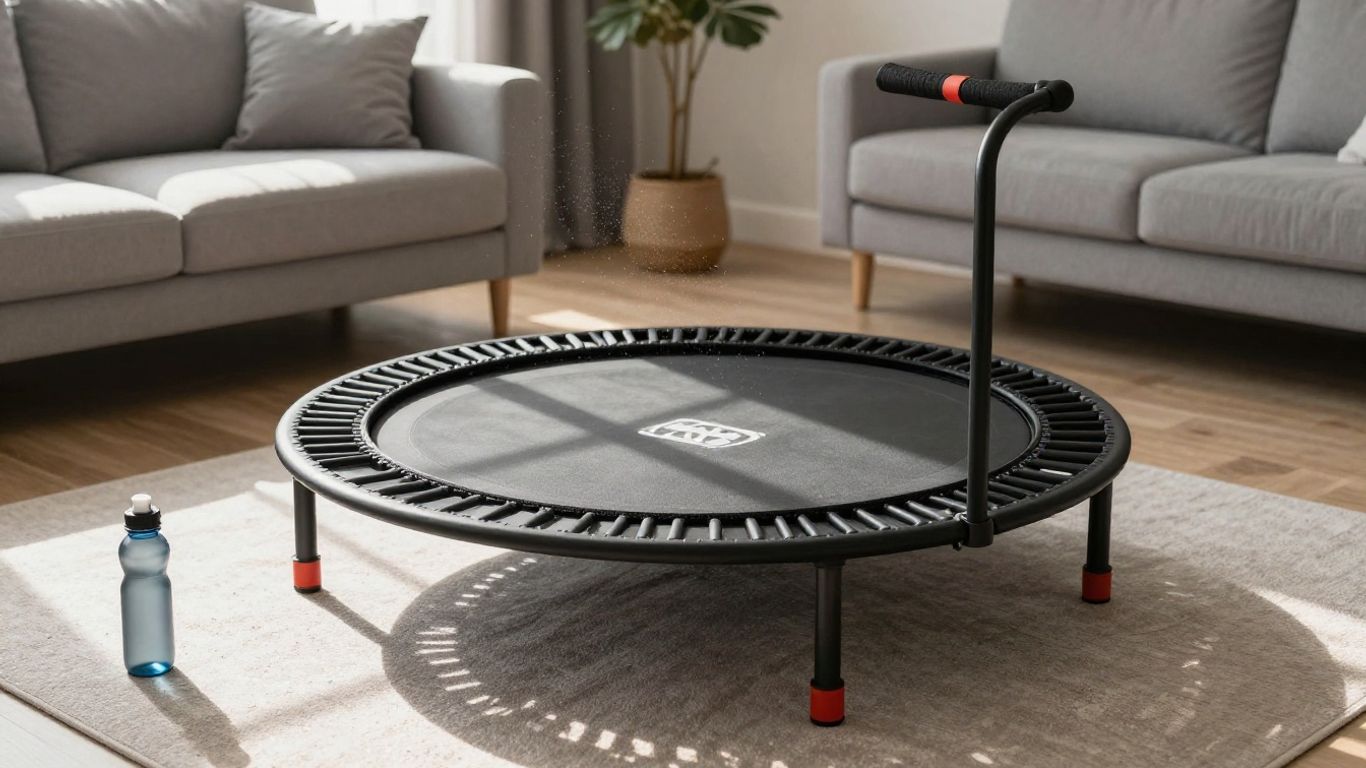
When you're just starting out with mini trampoline workouts, having something to hold onto can make a world of difference. It boosts your confidence and helps you maintain balance, especially during more dynamic moves. The BCAN 40" Foldable Mini Trampoline is a fantastic option here. It comes with an adjustable handlebar that you can set to your preferred height. The foam grip is really comfortable, even when your hands get sweaty. Plus, it's built to last with strong steel springs and can handle a pretty impressive user weight, often up to 450 pounds. This makes it a safe and reliable choice for almost anyone looking to get into rebounding.
Quietest Bounce For Apartment Living
Living in an apartment or close to neighbors means noise can be a big concern. You don't want your fun cardio session to disturb anyone downstairs! For a super quiet bounce, look for models that use bungee cords instead of metal springs. The Fit Bounce Pro II Bungee Rebounder is a standout in this category. It uses a system of bungee cords that provide a smooth, almost silent bounce. It's also designed to sit a bit higher off the floor, allowing for deeper, more effective bounces without making a racket. It even comes with a storage bag and access to online workouts, making it a convenient package for quiet home fitness.
Durable Option For High-Intensity Training
If you plan on really pushing yourself with intense workouts, you need a trampoline that can take a beating. Durability and stability are key. The Stamina Oval Fitness Trampoline is a solid choice for this. While it might not have all the fancy features of some premium models, its sturdy construction means it can handle frequent, high-impact use. It offers a reliable bounce that's great for getting your heart rate up without feeling flimsy. It's a no-fuss option that just works for consistent, tough workouts.
Premium Choice For Exceptional Bounce Quality
For those who want the absolute best and are willing to invest a bit more, the bellicon Fitness Trampoline is hard to beat. This is often considered the Rolls Royce of mini trampolines. It uses high-quality bungee cords that offer an incredibly smooth, responsive, and quiet bounce. You can even customize the size and bungee colors to your liking. The build quality is top-notch, providing a very stable and satisfying workout experience. While it's a significant investment, the performance and longevity make it a worthwhile choice for serious fitness enthusiasts.
Ready to Bounce?
So, you've made it through the guide, and hopefully, you're feeling a lot more confident about picking out a mini trampoline for your home workouts in 2026. Remember, the best one isn't necessarily the fanciest or the most expensive. It's the one that fits your space, your budget, and most importantly, makes you actually want to jump on it regularly. Whether you go for a quiet bungee model for those early morning sessions or a springy one for a more intense workout, the key is to find something that feels good and gets you moving. Happy bouncing and here's to a fitter, more fun you!
Frequently Asked Questions
What are the main health benefits of using a mini trampoline?
Jumping on a mini trampoline, also called rebounding, is great for your whole body! It helps your heart get stronger, makes your muscles work, and is super gentle on your joints, unlike running on hard ground. It can even help improve your balance and make your bones healthier.
Should I pick a trampoline with springs or bungee cords?
That's a great question! Trampolines with bungee cords are usually quieter and offer a softer bounce, which is easier on your knees. Spring trampolines often give a firmer bounce, which can be good for more intense workouts, but they might be a bit noisier.
How big should a mini trampoline be for my home?
Most home trampolines are about 40-44 inches across. This gives you enough space to jump around without feeling cramped, but it's not so big that it takes up your whole room. Always check the size to make sure it fits your space!
Is a mini trampoline good for weight loss?
Yes, it can be! Jumping on a mini trampoline burns calories and gets your heart rate up, similar to running. Doing it regularly can definitely help you reach your weight loss goals as part of a healthy lifestyle.
Do I need a handlebar for my mini trampoline?
A handlebar can be really helpful, especially if you're new to rebounding or want extra support. It gives you something to hold onto for balance. However, try not to rely on it too much, as it's best to use your core and body for stability during your workout.
Are mini trampolines noisy?
Some mini trampolines can be noisy, especially those with metal springs. However, many newer models use bungee cords, which make the bounce much quieter. If noise is a concern, look for a bungee cord rebounder for a more peaceful workout.


0 comments