











Thinking about getting some exercise equipment for home? It's a great idea, really. You can skip the commute to the gym, avoid the crowds, and just get your workout done whenever it fits your day. Plus, it can save you money in the long run compared to gym memberships. But with so many options out there, picking the right stuff can feel a bit much. This guide will help you figure out what exercise equipment for home is best for you, so you can get moving without all the fuss.
Key Takeaways
- Having exercise equipment for home means you can work out on your own time, fitting it into your busy schedule easily.
- Over time, buying your own gear can be cheaper than paying for a gym membership every month.
- Different types of exercise equipment are out there to help you reach all sorts of fitness goals, from cardio to strength.
- Think about what you want to achieve with your workouts, how much space you have, and what you can spend before buying anything.
- Investing in durable, quality equipment that matches how you like to exercise will give you the best results and value.
Understanding The Benefits Of Home Exercise Equipment
Convenience And Flexibility For Your Schedule
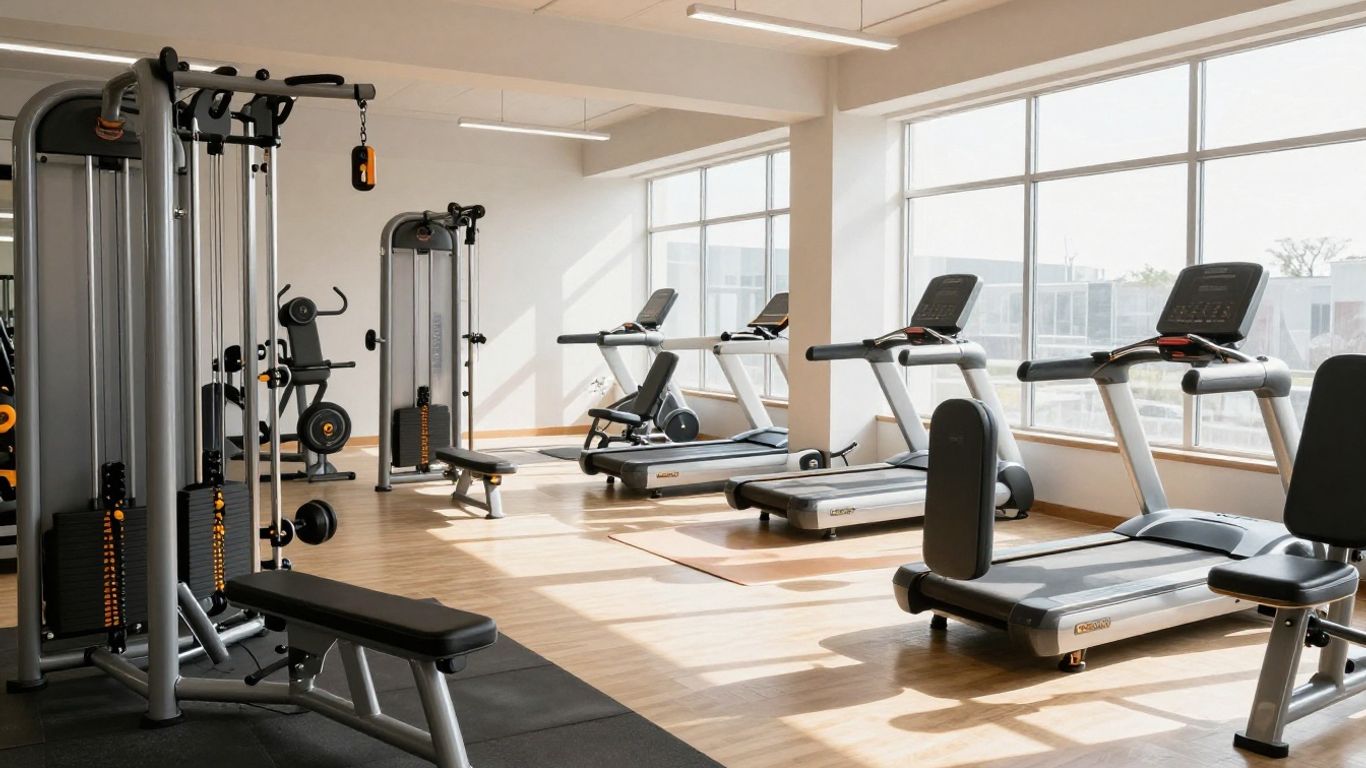
Let's be real, life gets busy. Between work, family, and trying to squeeze in some social time, finding a block of time to get to the gym can feel like a mission. That's where home exercise equipment really shines. You can roll out of bed and onto your treadmill or yoga mat without a second thought. No more commuting to a gym, no more waiting for machines, and definitely no more rushing to make a class. Your workout happens on your terms, whenever it fits into your day. Whether that's a quick 20-minute session before breakfast or a longer one late at night, it's totally up to you. This kind of flexibility makes it way easier to stick with a routine, which is half the battle, right?
Cost-Effectiveness Over Gym Memberships
Think about how much a gym membership costs each month. Add that up over a year, and it's a pretty significant chunk of change. Buying your own equipment might seem like a big upfront expense, but in the long run, it often works out to be much cheaper. You pay once, and then you have access to your equipment anytime you want, without any recurring fees. Plus, you save money on gas, parking, and maybe even those fancy workout clothes you feel like you need at a commercial gym. It's an investment in your health that pays for itself.
Variety To Suit Every Fitness Goal
No matter what you're trying to achieve with your fitness, there's probably home equipment for it. Want to get your heart rate up and burn some calories? A treadmill, stationary bike, or elliptical can do that. Looking to build some muscle? Dumbbells, resistance bands, or even a multi-gym setup can help. Need to work on your flexibility and recovery? A simple yoga mat and a foam roller are game-changers. You can mix and match different pieces to create a workout routine that targets exactly what you want, all from the comfort of your own home. It's like having a personalized gym tailored just for you.
Selecting The Right Cardio Exercise Equipment
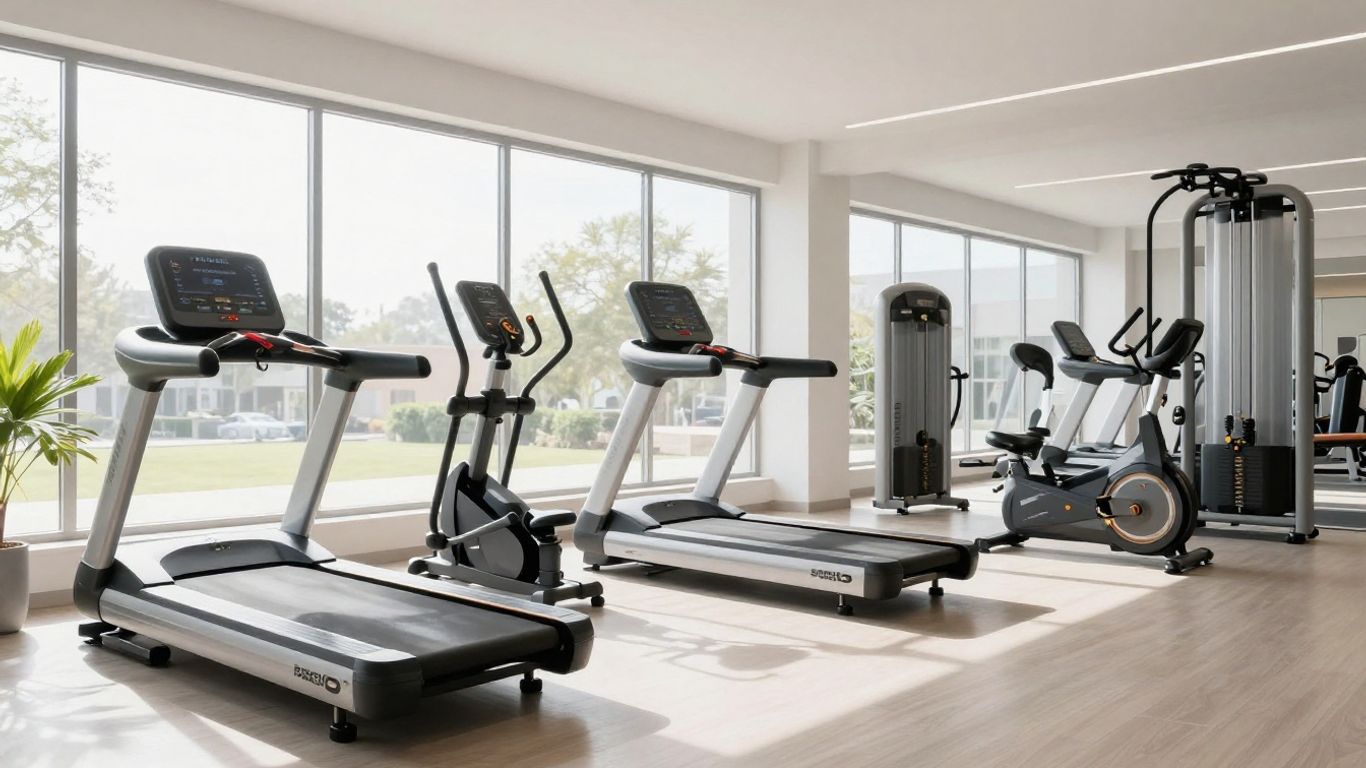
Picking cardio equipment for your home can be tricky because there are more options than ever—each with its own set of pros and cons. The best machine for you depends on your fitness goals, space at home, and how you like to move. Let's break down the main types you'll see and the benefits they bring.
Treadmills For Walking And Running
Treadmills are a popular choice because walking and running are familiar activities for most people. Modern treadmills offer variable speeds, incline options, and safety features like emergency stop cords. Some let you track your heart rate and save customized workouts, so there's room to grow as you improve.
Key treadmill features to compare:
- Maximum speed and incline
- Deck cushioning for joint protection
- Built-in workout programs
- Motor quality (for quieter operation and longevity)
A treadmill fits people who:
- Like straightforward, indoor cardio
- Want to control pace and intensity
- Appreciate easily measurable progress
Consistency is easier when you can walk or run, rain or shine, at home—no excuses.
Stationary Bikes For Endurance
If you prefer sitting while you exercise but still want a cardio challenge, a stationary bike might be for you. Bikes take up less space than treadmills and are generally quieter, which is great if you live in an apartment. There are upright and recumbent bikes; upright bikes mimic a regular bicycle, while recumbent ones have a backrest and are more forgiving for people with lower back pain.
Advantages of stationary bikes:
- Low impact on joints
- Adjustable resistance for all fitness levels
- Some options include virtual cycling classes
Many top cardio machines are designed with calorie burn and heart health in mind, and a quality stationary bike can check all those boxes.
Elliptical Machines For Low-Impact Workouts
Ellipticals offer the chance to work the upper and lower body at the same time. Because your feet never leave the pedals, it's much easier on the knees and hips than running. Look for machines with adjustable stride length and moving handlebars if you want a full-body workout. The smooth, gliding motion also makes ellipticals ideal for people recovering from injuries.
Why people choose ellipticals:
- Whole-body movement with less joint stress
- Forward and backward pedaling add variety
- Good for interval training
Quick Comparison Table
| Equipment | Space Needed | Joint Impact | Muscle Groups | Best For |
|---|---|---|---|---|
| Treadmill | Large | Medium | Lower body | Walkers, runners |
| Stationary Bike | Medium | Low | Lower body | Endurance, beginners |
| Elliptical | Medium/Large | Low | Full body | Low-impact, variety |
No matter which cardio machine you pick, find one you’ll actually use. Consider your available space and noise concerns. Try to test out different machines in person if possible before settling on one—it’s all about what feels good to you over the long haul.
Building Strength With Home Gym Equipment
While cardio gets a lot of attention for heart health, building muscle is just as important for overall fitness, metabolism, and even bone density. Luckily, you don't need a fancy gym to get a solid strength workout. You can create a powerful home setup with the right gear.
Dumbbells and Barbells for Versatile Training
Free weights are the backbone of many strength training routines, and for good reason. They're incredibly versatile. With a set of dumbbells or a barbell and some plates, you can perform a huge range of exercises that target pretty much every muscle group. Think squats, deadlifts, presses, rows – the list goes on. Adjustable dumbbells are a game-changer for home gyms, letting you swap weights quickly without needing a whole rack of equipment, saving you space and money.
Here's a quick look at how they stack up:
| Equipment Type | Pros | Cons |
|---|---|---|
| Fixed Dumbbells | Simple, ready to go | Takes up space, limited weight options |
| Adjustable Dumbbells | Space-saving, wide weight range | Can be slower to change weights |
| Barbell & Plates | Great for heavy compound lifts, versatile | Requires more space, needs a rack/bench |
Multi-Function Machines for a Complete Workout
If you're looking to get a lot of bang for your buck in terms of exercise variety, multi-function machines are worth a look. These units often combine several workout stations into one piece of equipment. You might find a machine that allows for lat pulldowns, seated rows, chest presses, and leg extensions, all in a relatively compact footprint. They're designed to give you a full-body workout without needing multiple separate machines. Some are plate-loaded, meaning you add weight plates, while others use a weight stack.
When choosing a multi-function machine, check its weight capacity and the range of motion for each exercise. You want something that feels sturdy and allows for a natural movement pattern, not something that feels clunky or limits you.
Resistance Bands for Strength Enhancement
Don't underestimate the power of resistance bands! These stretchy loops are incredibly affordable, take up virtually no space, and can be used for a surprising number of exercises. They're great for adding resistance to bodyweight movements, warming up, or even as a primary source of resistance for building strength. You can get different levels of resistance, so as you get stronger, you can just use a thicker band. They're also super portable, making them a good option if you travel or want to mix up your workouts outside.
Essential Accessories For Your Home Workout Space
Beyond the big-ticket items like treadmills or weight racks, a few smaller pieces can really make a difference in your home workout setup. These aren't always the flashiest, but they're the workhorses that support your training and help you get more out of every session. Think of them as the supporting cast that makes the star performers shine.
Yoga Mats For Comfort And Stability
A good yoga mat is more than just a cushion; it's your personal training ground. It provides a stable, non-slip surface, which is super important whether you're holding a tricky yoga pose, doing push-ups, or even just stretching. Without one, you might find yourself sliding around, which isn't just annoying, it can be a safety hazard. Plus, it protects your floor from sweat and the impact of your feet. They come in all sorts of thicknesses and materials, so you can find one that feels just right for your needs. A thicker mat offers more padding for floor exercises, while a thinner one might give you a bit more stability for balance work.
Foam Rollers For Recovery And Mobility
After a tough workout, your muscles can feel tight and sore. That's where foam rollers come in. They're basically a self-massage tool. By using your body weight to roll over the foam roller, you can help release muscle tension, improve blood flow, and potentially speed up recovery. It might feel a little uncomfortable at first, kind of like a deep tissue massage, but the relief afterward is usually worth it. Different rollers have different textures and densities, so you can experiment to see what works best for targeting specific muscle groups. It's a great way to keep your body feeling limber and ready for your next workout.
Jump Ropes For Coordination And Cardio
Don't underestimate the power of a simple jump rope! It's an incredibly effective tool for boosting cardiovascular fitness and improving coordination. You can get a fantastic cardio workout in a small space, making it perfect for home gyms. Jumping rope also works on your agility and can help with timing and rhythm. There are tons of different types of jump ropes, from basic speed ropes to weighted ones that add an extra challenge. It's a fun, dynamic way to get your heart rate up and burn some serious calories. Seriously, a jump rope is one of the most budget-friendly and space-saving cardio tools you can own.
These accessories might seem minor, but they play a big role in making your home workouts more effective, comfortable, and safe. They help bridge the gap between just exercising and truly training, supporting everything from your warm-up to your cool-down and recovery.
Key Considerations Before Purchasing Equipment
Alright, so you're ready to kit out your home gym. That's awesome! But before you go clicking 'add to cart' on everything that looks cool, let's pump the brakes for a sec. There are a few things you really need to think about first, otherwise, you might end up with a bunch of expensive stuff you don't use or, worse, that doesn't even fit.
Assessing Your Fitness Goals
First off, what are you actually trying to achieve with your workouts? Are you looking to build serious muscle, shed a few pounds, or just get your heart rate up a bit more? Your goals will totally dictate the kind of gear you need. Someone focused on heavy lifting will want different equipment than someone who just wants to do some light cardio and stretching. It’s like trying to bake a cake without knowing if you want chocolate or vanilla – you’ll just end up with a mess.
- Strength Training: Think dumbbells, barbells, resistance bands, or maybe a weight machine if you have the space.
- Cardio: Treadmills, stationary bikes, rowers, or even just a jump rope can get the job done.
- Flexibility & Mobility: Yoga mats, foam rollers, and stretching straps are your friends here.
Don't just buy equipment because it looks fancy or because your favorite influencer uses it. Be honest with yourself about what you'll actually do with it. If you hate running, a treadmill is probably a bad investment, no matter how many bells and whistles it has.
Measuring Available Space
This one's a biggie. You might have the budget for a commercial-grade leg press, but if you live in a studio apartment, it's just not going to happen. Measure the area where you plan to set up your gym. Seriously, get out a tape measure. Think about not just the footprint of the equipment itself, but also the space you need around it to actually use it safely. You don't want to be doing lunges and hitting the wall, right?
- Width: Enough room to move side-to-side without bumping into things.
- Length: Especially important for treadmills or rowers where you extend your body.
- Height: Consider ceiling height if you plan on doing any overhead movements or using equipment like pull-up bars.
Planning Your Budget Wisely
Let's talk money. Home gym equipment can range from super cheap to ridiculously expensive. It's easy to get carried away, but setting a clear budget beforehand will save you a lot of headaches. Think about the total cost, including any delivery fees or assembly costs. Also, consider if you need to finance it. Sometimes, paying a bit more for a higher-quality item that will last longer is a better deal in the long run than buying something cheap that breaks after a year.
| Equipment Type | Budget-Friendly Options | Mid-Range Options | Premium Options |
|---|---|---|---|
| Cardio | Jump Rope, Resistance Bands | Stationary Bike, Elliptical | Treadmill, Rower |
| Strength | Dumbbells (pairs), Kettlebells | Barbell Set, Weight Bench | Multi-Gym Machine, Power Rack |
Remember to also factor in potential costs for flooring, mirrors, or other accessories that might make your workout space more functional and enjoyable.
Maximizing Your Home Exercise Equipment Investment
Making your money stretch the farthest is the whole point of setting up a home workout space that really pays off. You want every piece to pull its weight for the long haul. Here’s what to think about if you want to get real value out of your investment, both now and years down the line.
Prioritizing Durability And Value
Choose equipment that can handle daily use and isn't likely to break down. It may cost a bit more up front, but quality saves you frustration (and cash) later. Here’s how to judge whether a piece is going to last:
- Check weight limits and construction material—steel frames beat plastic every time.
- Look at the warranty. A longer warranty is a sign the manufacturer stands behind their gear.
- Read real-life user reviews, focusing on long-term feedback.
- Consider budget-conscious equipment options that don't compromise on life expectancy or sturdiness.
| Equipment Type | Average Lifespan | Typical Warranty |
|---|---|---|
| Treadmill | 7-12 years | 3-5 years |
| Adjustable Bench | 10+ years | Lifetime frame |
| Dumbbells/Barbell | 15+ years | Varies |
| Resistance Bands | 1-3 years | 1 year |
Remember, repairs and replacements eat up savings faster than most folks realize. Think about how the gear is built, not just how it looks.
Choosing Equipment For Your Training Preferences
Your home gym shouldn’t look like an infomercial set. Stick to what you’ll actually use and enjoy. If you hate running, skip the treadmill. Rather do short, intense bursts? Focus on kettlebells, plyo boxes, and resistance bands.
- Make a top 3 list of your favorite workouts and buy equipment that supports them.
- Pick adjustable or multi-use pieces to keep routines interesting—think benches that incline, or adjustable dumbbells.
- Swap or resell gear you’re not using. Your needs might shift over time, and that’s okay.
Understanding Long-Term Cost-Effectiveness
Home gym equipment is usually a big upfront purchase. But when you run the numbers, it can be much cheaper than monthly gym fees after the first year or two. Here's a quick way to figure out if it's a good investment:
| Item | One-Time Cost | Monthly Gym Cost | Break-Even Point (Months) |
|---|---|---|---|
| Spin Bike | $500 | $40 | 13 |
| Power Rack | $800 | $50 | 16 |
| Dumbbell Set | $200 | $30 | 7 |
- Factor in travel, parking, and time savings if you work out at home.
- Don’t forget: resale value. Quality fitness gear keeps its value and is easy to sell online if you outgrow it or move.
- Think long-term: how often will you really use it? If it’s 3+ times a week, you’ll get your money’s worth sooner than you think.
Wise planning not only saves you money but also means you're more likely to stick to your routine and actually enjoy working out at home.
Wrapping It Up
So, you've made it through the guide. Picking out the right gear for your home gym might seem like a lot, but really, it just comes down to what you want to do and what fits your life. Whether you're all about getting your heart rate up with a bike or treadmill, or you prefer lifting weights to build strength, there's something out there for everyone. Don't overthink it too much. Start with what makes sense for you right now, and remember that the best equipment is the stuff you'll actually use. Getting that workout in at home is way better than not working out at all, so go ahead and set up your space and get moving!
Frequently Asked Questions
Why is having exercise gear at home a good idea?
Having exercise gear at home is great because it's super convenient! You can work out whenever you want, without needing to travel to a gym. This saves you time and money you might spend on gas or bus fare. Plus, you don't have to wait for machines or deal with crowds.
What's the best type of cardio equipment for beginners?
For beginners, a treadmill or a stationary bike are often good choices. A treadmill lets you start with walking and gradually move to jogging or running at your own pace. A stationary bike is also easy to use and provides a good cardio workout without putting too much stress on your joints.
How much space do I really need for home gym equipment?
It really depends on the equipment! Some things, like resistance bands or a yoga mat, take up almost no space. Others, like a treadmill or a multi-gym machine, need more room. It's important to measure the area where you plan to exercise and make sure you have enough space to move around safely.
Is it worth spending more on durable home gym equipment?
Yes, definitely! Think of it like buying a good pair of shoes instead of cheap ones. While it might cost more upfront, sturdy equipment lasts much longer and can handle tougher workouts. This means you won't have to replace it as often, saving you money and hassle in the long run.
Can I build muscle effectively with just dumbbells?
Absolutely! Dumbbells are incredibly versatile. You can do a huge variety of exercises to work almost every muscle group in your body. By choosing different weights and doing different types of lifts, you can definitely build muscle effectively at home with just dumbbells.
What are some good accessories to add to my home workout setup?
Great additions include a yoga mat for comfort and stability during floor exercises, a foam roller to help your muscles recover after workouts, and maybe some resistance bands for extra strength training options. A jump rope is also fantastic for a quick cardio boost and improving coordination.


0 comments