










Here are the main points to remember about using rebounding for bone health, especially if you're dealing with osteoporosis or want to prevent it.
Key Takeaways
- Rebounding involves bouncing on a mini-trampoline and can help strengthen bones by stimulating them with gentle impact.
- Studies, including one from NASA, suggest rebounding can help rebuild bone tissue and increase bone density.
- It's important to use proper posture and technique to avoid injuries like vertebral compression fractures, especially if you have osteoporosis.
- Rebounding can also improve balance, which is important for preventing falls in older adults.
- Always talk to your doctor before starting rebounding, especially if you have bone issues, to make sure it's safe for you.
Understanding Rebounding For Osteoporosis
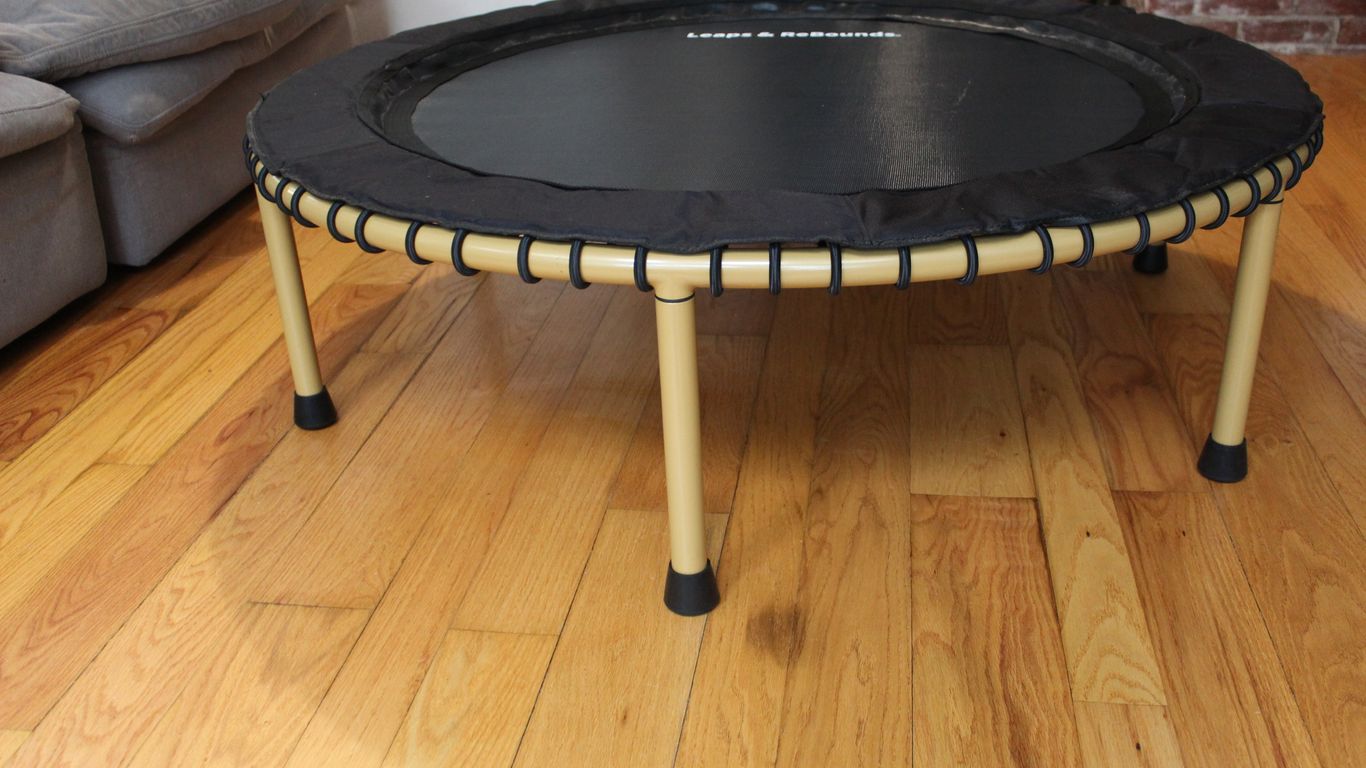
Osteoporosis is a condition that makes bones weak and brittle, kind of like a dry twig. It happens when your body loses too much bone, or doesn't make enough new bone, leading to a decrease in bone density. This makes fractures much more likely, even from a minor bump or fall. Several things can contribute to this, including getting older, hormonal shifts (especially after menopause), not getting enough calcium and vitamin D, and not moving around much.
What is Osteoporosis and Its Causes?
Osteoporosis is a common condition, particularly as people age, where bones become less dense and more fragile. This fragility increases the risk of fractures, which can significantly impact quality of life. The primary causes often involve a combination of factors:
- Aging: Bone density naturally decreases with age.
- Hormonal Changes: Lower estrogen levels in women after menopause are a major factor.
- Nutritional Deficiencies: Insufficient intake of calcium and vitamin D is critical.
- Lifestyle: Sedentary habits and smoking can worsen bone health.
The silent nature of osteoporosis means many people don't know they have it until they experience a fracture. Regular check-ups and a proactive approach to bone health are key.
Can Rebounding Help Rebuild Bone Density?
Yes, rebounding can be a helpful tool for bone health. The gentle bouncing motion on a mini-trampoline creates a controlled impact. This impact, when done correctly, sends vibrations through your bones. This mechanical stress signals your body to build stronger bone tissue. Think of it like this: bones adapt to the loads placed upon them. By regularly introducing these loads through rebounding, you encourage your bones to become denser and more resilient. It's a way to give your bones a workout, much like lifting weights helps your muscles.
The Role of Rebounding in Bone Health
Rebounding plays a multifaceted role in supporting bone health, especially for those concerned about osteoporosis. It's not just about density; it's also about how your body functions overall. The rhythmic bouncing can improve circulation and lymphatic drainage, which are important for overall health. More directly related to bone health, the controlled stress from rebounding can stimulate osteoblasts, the cells responsible for building new bone. This stimulation is what helps to counteract the bone loss associated with osteoporosis. It's a way to actively participate in maintaining your skeletal strength. For those looking for ways to improve their physical condition, rebounding offers significant benefits.
It's important to remember that while rebounding can be beneficial, it's not a magic bullet. A balanced approach including proper nutrition and other forms of exercise is usually recommended for optimal bone health.
Scientific Backing for Rebounding and Bone Health
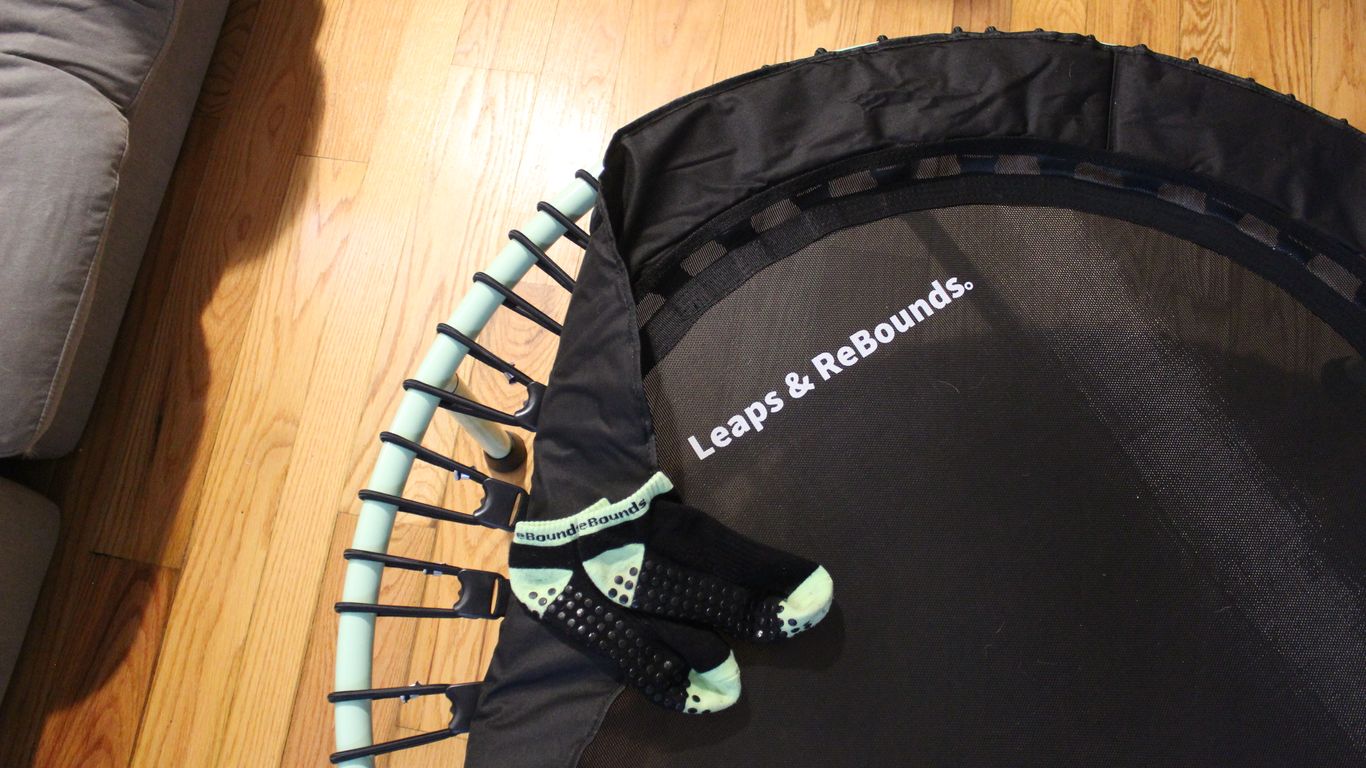
It's one thing to hear that bouncing on a mini-trampoline might be good for your bones, but it's another to see the science behind it. Turns out, there's some pretty interesting research out there that explains why this activity can be so beneficial, especially when you're dealing with osteoporosis.
NASA's Findings on Rebounding and Bone Tissue
Believe it or not, NASA has done some significant research on rebounding. They were looking for ways to help astronauts maintain bone mass while in space, where gravity is much lower. What they found was pretty remarkable: rebounding is one of the most effective exercises for rebuilding bone tissue. The increased G-force experienced during bouncing actually signals bone cells to get to work and build more bone. This research was initially aimed at helping astronauts recover bone mass lost during space missions due to the lack of gravity. It just goes to show that the forces we experience on Earth can have a powerful effect on our skeletal system.
Impact on Bone Density in Postmenopausal Women
Osteoporosis is a big concern for many women after menopause. Studies have looked specifically at how rebounding affects bone density in this group. One study, for example, showed a noticeable increase in bone mineral density after postmenopausal women regularly incorporated rebounding into their routines. This suggests that it's not just for astronauts; it can be a practical way for many people to help prevent bone loss. It's a way to get some of the benefits of impact activities without the harshness of some other exercises.
Rebounding's Contribution to Balance and Fall Prevention
Beyond just bone density, rebounding has a big impact on your overall stability. For anyone concerned about falls, especially with osteoporosis, this is huge. Regular rebounding can help improve your balance and coordination. This leads to a greater sense of confidence when moving around, which can significantly reduce the fear of falling. When you feel more stable, you're less likely to have an accident that could lead to a fracture.
Here's a quick look at some of the benefits:
- Improved balance and coordination.
- Increased confidence in daily movements.
- Reduced risk of falls.
- Stimulation of bone growth.
The gentle, rhythmic bouncing on a mini-trampoline provides a unique stimulus to the bones. This consistent, low-impact loading encourages the body's natural bone-building processes, making it a valuable tool for those looking to strengthen their skeleton.
The Mechanics of Rebounding for Bone Stimulation
How Impact and Weight-Bearing Exercise Strengthen Bones
Our bones are pretty amazing structures. They're not static; they're living tissue that responds to the demands we place on them. This is where weight-bearing exercise comes in. Think of it like this: when you walk, run, or jump, your bones have to work against gravity and absorb the impact. This stress signals the bone cells to get to work, building more bone tissue to make them stronger. It’s a process called Wolff's Law, and it’s the main reason why getting up and moving is so important for bone health. The more you challenge your bones with safe, appropriate loads, the denser and stronger they tend to become. This is why activities like walking or strength training are often recommended.
Low-Impact vs. High-Impact Exercise Benefits
Now, let's talk about impact. High-impact exercises, like jumping on a hard surface, send a strong signal to your bones. The forces travel right up through your skeleton, really telling those bone cells to build up. But, and this is a big 'but' for some people, high impact can also be tough on your joints. That's where low-impact exercises shine. They give you many of the benefits without the same jarring effect. Rebounding sits in an interesting spot here. While it's gentler than, say, running on pavement, the very surface that makes it low-impact also absorbs some of the force that would otherwise go into your bones. This means the bone-building signal might not be as strong as with other types of exercise.
The Osteogenic Stimulus Provided by Rebounding
So, what's the actual
Safety Considerations for Rebounding with Osteoporosis
While rebounding can be a great way to get moving and potentially help your bones, it's not without its risks, especially if you're dealing with osteoporosis. It's super important to think about these things before you even step on the mini-trampoline. We want to build stronger bones, not end up with new problems, right?
Potential Risks and Negative Side Effects
Let's be real, any exercise has potential downsides. For rebounding, a big one that popped up in some studies is the risk of vertebral compression fractures. This sounds scary, and it can be. Some research showed people getting these fractures even without having severe osteoporosis. It seems like how you do the exercise matters a lot.
- Hunchback posture: Exercising with a rounded upper back puts extra stress on your spine.
- Limited joint movement: Not bending your hips, knees, and ankles enough can change how forces travel through your body.
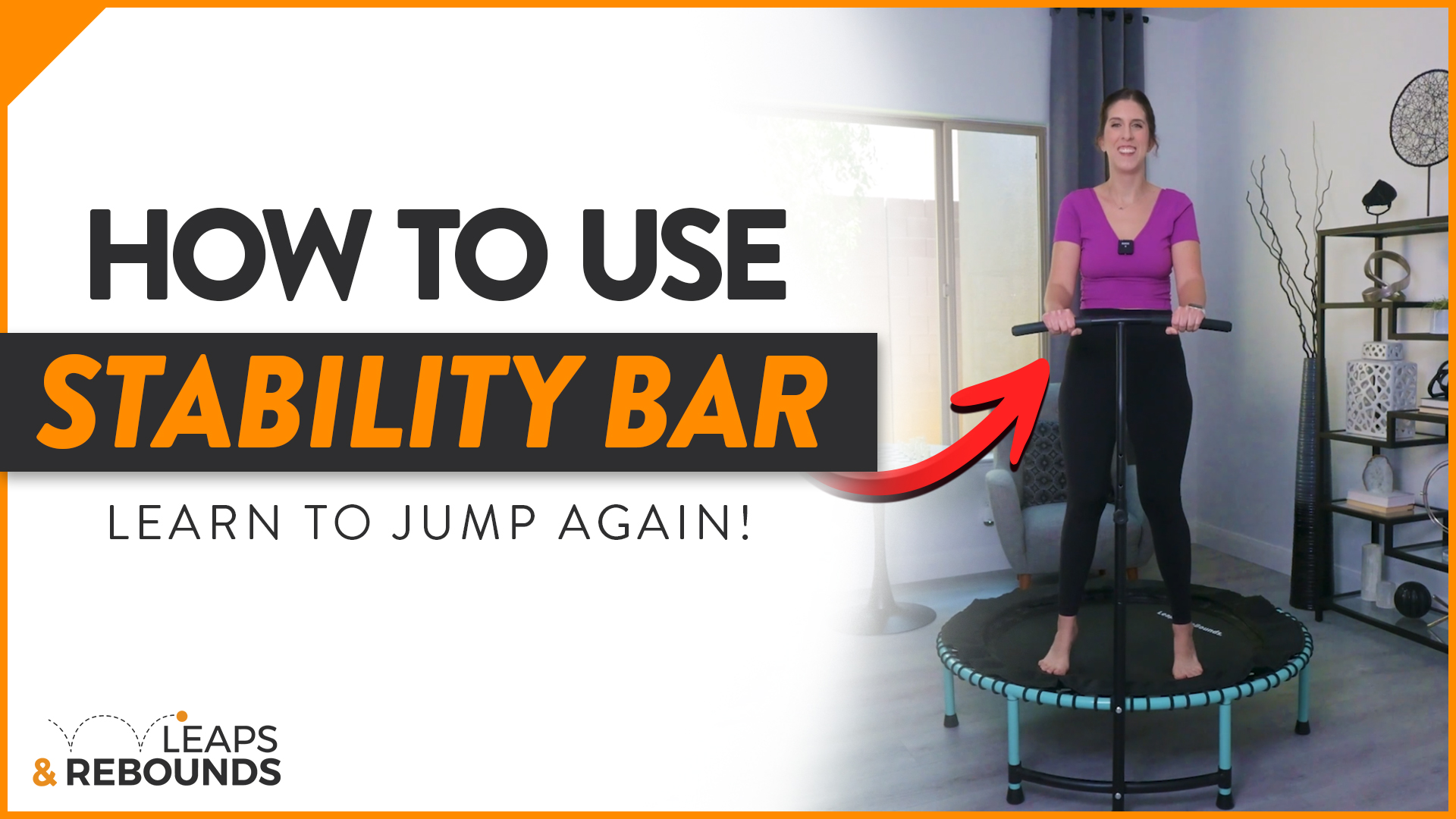
- Over-reliance on safety bars: Gripping the bar too tightly can affect your posture and balance.
Understanding Vertebral Compression Fractures
These fractures happen when the bones in your spine collapse. In the context of rebounding, they can occur from repetitive stress, not necessarily from a single big fall. The way the forces are distributed on your spine when you're not in a good, upright position can lead to these issues over time. It's a bit like bending a paperclip back and forth until it breaks – it's the repeated action, not one huge bend.
The key takeaway here is that even if you don't have severe osteoporosis, improper form during rebounding can lead to spinal fractures. This is why getting instruction on how to move correctly is so important.
The Importance of Proper Posture During Rebounding
This is where things get really specific. Maintaining an upright, neutral spine is absolutely critical when you're on a rebounder. Think about keeping your chest open and your core gently engaged. If you find yourself naturally hunching over, or if you can't seem to avoid it, it might be a sign that rebounding isn't the best fit for you right now, or at least not without some serious guidance. It's better to be safe and choose an activity that supports good posture, like walking on a firm surface, if you struggle with this.
Some people find that the rebounder's surface absorbs too much impact, which might reduce the bone-building stimulus. If your main goal is to increase bone density, exercises on a harder surface might be more effective. Always consider what your body needs most.
Navigating Rebounding Safely
Okay, so rebounding sounds pretty great for bone health, right? But like anything, it's not all sunshine and bouncing. We need to talk about the not-so-fun stuff, especially if you're dealing with osteoporosis. It's super important to know when to pump the brakes or get some advice before you hop on that mini-trampoline.
When to Avoid Rebounding or Seek Guidance
Look, I get it. You want to get stronger bones, and rebounding seems like the ticket. But sometimes, it's just not the right move, or at least not without talking to a doctor or a physical therapist first. If you've had vertebral compression fractures before, or if your osteoporosis is pretty severe, jumping around might actually do more harm than good. There's a real risk of causing more fractures, and nobody wants that. Also, if you have a significant curve in your upper back, like kyphosis, you might not be able to keep your posture straight while bouncing, which is a big no-no. It's better to be safe than sorry, so if you're unsure, definitely get professional advice. You might be better off with other exercises like walking and lifting weights that are known to be safe and effective.
Addressing Dizziness and Vestibular Challenges
Ever get dizzy when you stand up too fast? Well, rebounding can sometimes bring that on, and it's a bigger deal than you might think, especially if you have osteoporosis. People with osteoporosis are actually more likely to have a condition called BPPV, which causes sudden, spinning dizziness. The up-and-down motion of bouncing can trigger this. Imagine getting dizzy while you're up in the air on a trampoline – that's a recipe for a nasty fall and a potential fracture. Even if it's not BPPV, the quick changes in position can make some people feel lightheaded, especially if they're on certain medications. So, if you feel woozy at all, stop right away and check in with your doctor.
Pelvic Floor Health and Rebounding Concerns
This is a big one, especially for women. The bouncing motion can put pressure on your pelvic floor. For some, especially those who already have issues like incontinence or pelvic floor weakness, rebounding might make things worse. It's not always the case, though. Some studies even show it can help! It really depends on your starting point and how intense the bouncing is. If you notice any leakage when you bounce, that's your cue to stop and talk to a pelvic floor physical therapist. They can help you figure out if rebounding is okay for you and how to do it safely, maybe with some exercises to strengthen that area first. It's all about listening to your body and getting the right guidance.
Maximizing Benefits and Minimizing Risks
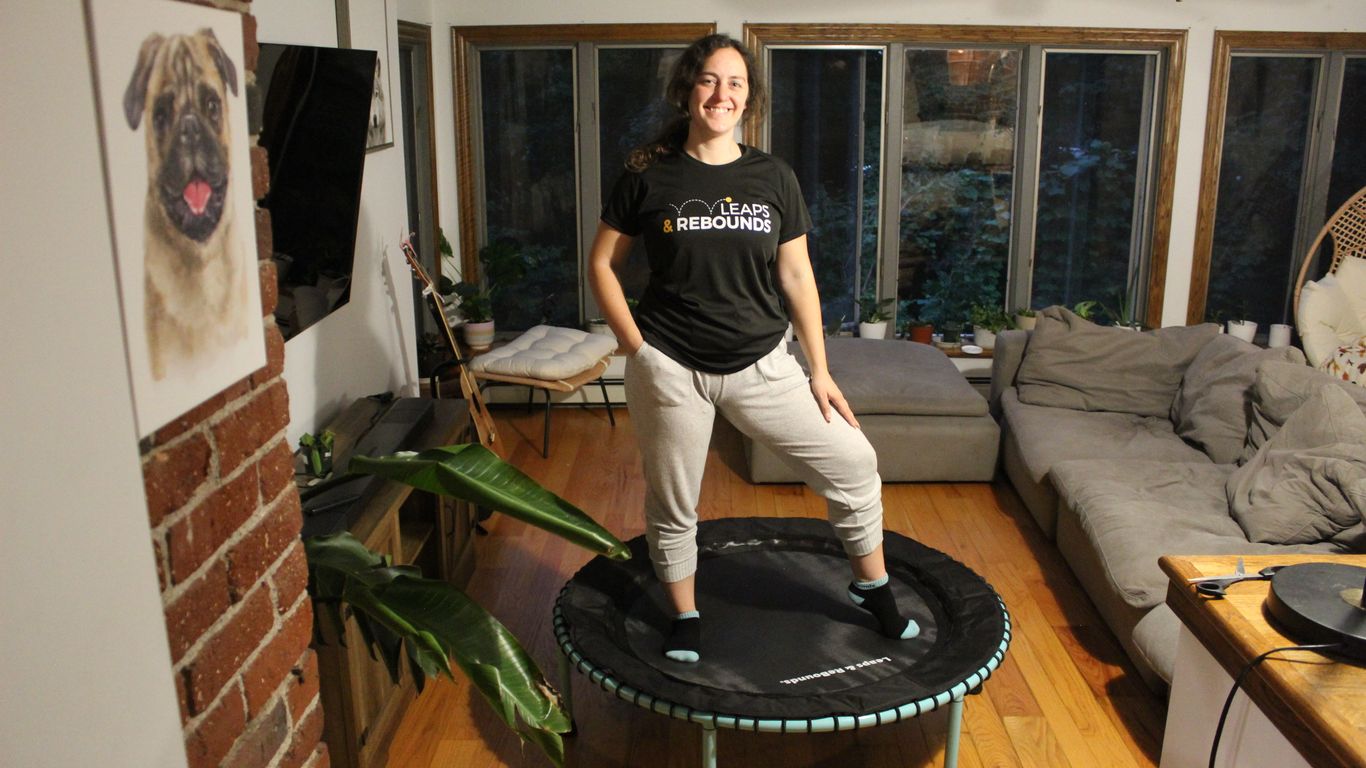
So, you're thinking about getting into rebounding for your bone health, which is great! It's a fun way to get moving. But like with any exercise, especially when you have osteoporosis, it's super important to do it right to get the most good out of it and steer clear of any trouble. We want to make sure you're getting stronger, not weaker.
The Role of Proper Technique in Rebounding
How you actually move on the rebounder makes a big difference. It's not just about bouncing up and down. Think about keeping your core engaged – that's your tummy and back muscles working together. This helps support your spine. Also, try to land softly. Instead of just thudding down, bend your knees a little as you land. This absorbs some of the shock. Focusing on controlled movements rather than wild bouncing is key. It's about quality over quantity, really.
Here are a few pointers for good technique:
- Soft Knees: Always land with a slight bend in your knees to cushion the impact.
- Core Engagement: Gently pull your belly button towards your spine to stabilize your torso.
- Controlled Landing: Aim for a quiet landing, not a loud thud.
- Upright Posture: Keep your head up and your back straight, avoiding slouching.
Gradual Progression for New Exercisers
If you're new to rebounding, or even just new to exercising after a break, don't go all out on day one. Start slow. Maybe just a few minutes at a time, a couple of times a week. You can begin with just gentle bouncing while holding onto a stability bar if you have one. As you get more comfortable and your body feels stronger, you can gradually increase the time you spend rebounding and the intensity of your bounces. Listen to your body; it'll tell you when it's ready for more. You might find that starting with a rebounder that has a stability bar for support makes the initial phase much easier.
Consulting Healthcare Professionals Before Starting
This is a big one. Before you even get on a rebounder, chat with your doctor or a physical therapist. They know your specific health situation, including the severity of your osteoporosis and any other conditions you might have. They can give you personalized advice on whether rebounding is a good fit for you and what kind of exercises would be safest and most effective. They might even suggest specific types of bounces or movements to try, or ones to avoid. It’s always better to be safe than sorry when it comes to your bone health, and getting professional guidance can really help you make the most of your exercise.
Some people worry about the impact of rebounding, and it's true that certain movements can put stress on the spine. However, with the right technique and a gradual approach, the benefits for bone density and balance can be significant. It's all about finding that sweet spot where you're challenging your bones enough to stimulate growth without causing harm.
Want to get the most out of your mini trampoline while staying safe? We've got you covered. Our rebounders are designed to give you a great workout and boost your health. Learn how to use yours to its full potential and avoid any common pitfalls. Ready to jump into a healthier you? Visit our website today to discover more!
Conclusion
Rebounding can be a fun and effective way to support bone health, especially for those concerned about osteoporosis. While research shows promise in its ability to stimulate bone growth and improve balance, it's vital to approach this exercise with caution. Understanding the potential risks, like vertebral compression fractures and dizziness, and prioritizing proper technique and posture are key. Always consult with a healthcare professional before starting any new exercise program, particularly if you have pre-existing bone conditions or other health concerns. By taking a mindful and informed approach, rebounding can be a valuable addition to a comprehensive strategy for stronger bones and a healthier life.
Frequently Asked Questions
What exactly is osteoporosis?
Osteoporosis is a condition where your bones become weak and brittle. Think of them like old, dry twigs that can snap easily. This happens when your bones lose density, making them more likely to break, especially from a fall or even a simple bump.
Can bouncing on a mini-trampoline really help my bones get stronger?
Yes, it can! When you bounce, your bones get a little jolt. This gentle stress tells your body to build new bone and make the existing bone stronger. It's like telling your bones, 'Hey, you need to be tough!' The impact from bouncing helps increase bone density over time.
Is rebounding safe for someone with osteoporosis?
It can be, but you need to be careful. Rebounding is lower impact than running, which is good. However, there's a small risk of hurting your spine if you don't use the right form, like slouching. It's best to check with your doctor first to make sure it's a good fit for you.
What's the difference between low-impact and high-impact exercise for bones?
High-impact exercises, like running or jumping jacks, put more force on your bones because both feet leave the ground. Low-impact exercises, like walking or rebounding, put less stress on your body. While high-impact can be great for bones, low-impact is often safer for people with weaker bones or joint pain.
How does rebounding help prevent falls?
Bouncing on a mini-trampoline works on your balance and coordination. As you bounce, your body has to adjust to stay upright. This constant little workout for your balance muscles can make you steadier on your feet in everyday life, reducing your chances of taking a tumble.
What if I feel dizzy when I rebound?
Dizziness is a sign to stop right away. It could be due to the movement affecting your inner ear, or maybe your blood pressure is changing. If you feel dizzy, get off the rebounder slowly and rest. It's important to tell your doctor about this, as it could be a sign you shouldn't be rebounding or need medical attention.


0 comments