


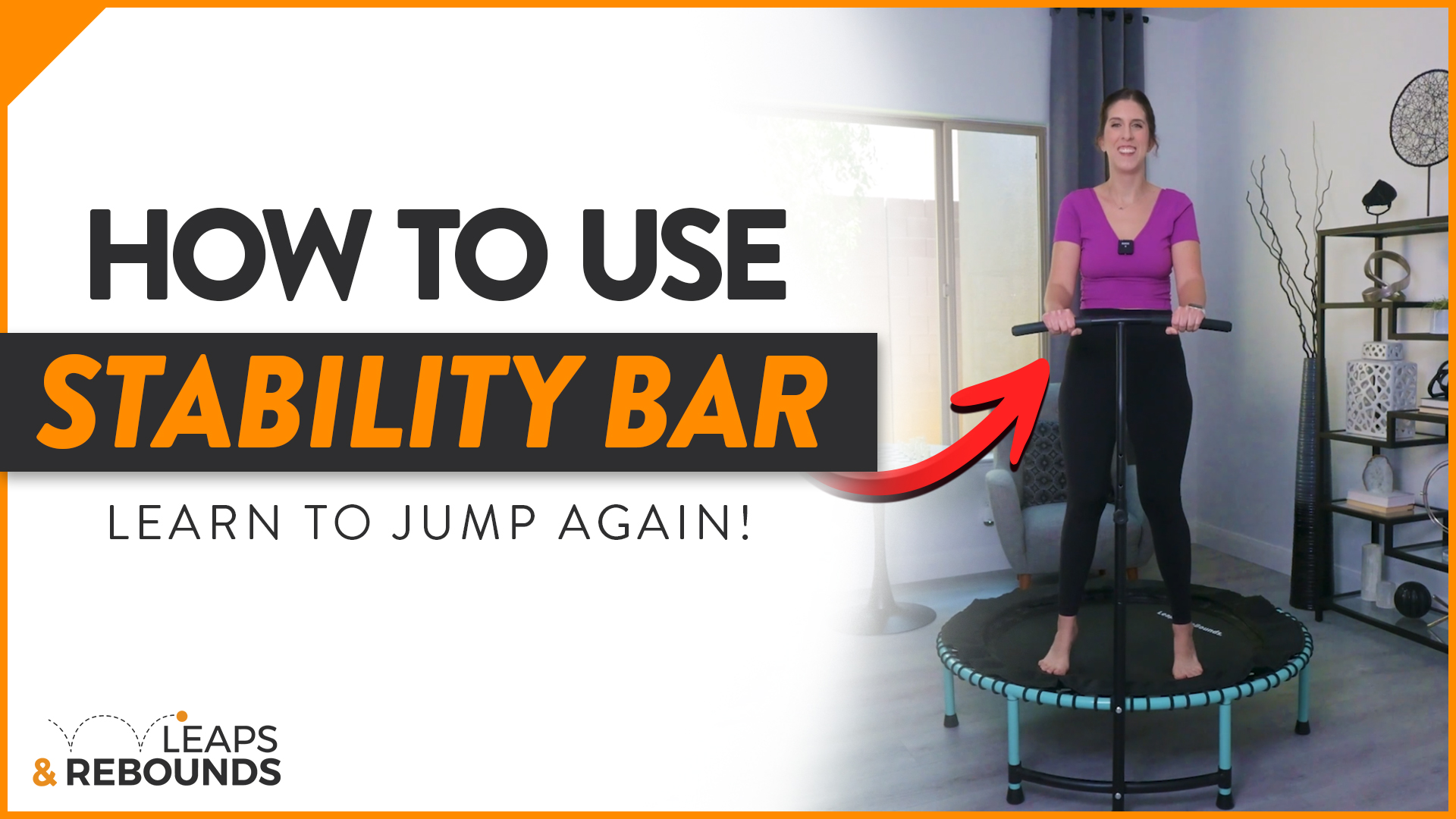










So, I've been hearing a lot about trampoline fitness lately. It sounds kind of wild, right? Like, bouncing around on a trampoline for a workout? But apparently, it's a real thing and people are actually getting results. I was skeptical too, but after digging into it a bit, it seems like this whole trampoline fitness thing might actually be pretty cool. It’s supposed to be good for your heart, help you build muscle, and it’s apparently way easier on your joints than, say, running. Plus, who doesn't like to bounce? It might just be the fun way to get fit we've all been looking for.
Key Takeaways
Trampoline fitness offers a low-impact way to get a full-body workout, improving cardiovascular health and muscle tone.
HIIT workouts on a trampoline can boost your metabolism and help burn more calories in a shorter amount of time.
The bouncing action engages core muscles, leading to better stability and coordination.
Trampoline exercises are adaptable for all fitness levels, with modifications available for beginners.
Safety is important; always ensure your trampoline is stable and use proper form during workouts.
Discover the Power of Trampoline Fitness
Why Trampoline Workouts Are a Game-Changer
So, you're looking to shake up your fitness routine? Maybe you've hit a plateau, or perhaps you just want something a bit more fun than your usual gym session. Well, let me tell you about trampolines. They're not just for kids anymore. Jumping on a trampoline, especially a mini-trampoline or rebounder, is a seriously effective way to get fit. It's a full-body workout that engages muscles you might not even realize you have. Plus, it's surprisingly gentle on your joints, which is a big win if you've ever dealt with knee or ankle pain from high-impact activities. This low-impact nature is a huge part of why it's becoming so popular. It means you can get a really good workout without all the usual pounding.
The Unique Benefits of Bouncing for Health
Bouncing on a trampoline does more than just make you feel like a kid again. It's a fantastic way to boost your heart health. When you jump, your heart rate goes up, and your body needs more oxygen. This gets your cardiovascular system working better over time, which is good for preventing heart issues down the line. It also helps build up your stamina, so you can do more without getting tired. Beyond that, it's great for toning muscles. Your legs push you up, your core has to work hard to keep you steady, and even your arms get a workout if you move them around. It's a surprisingly complete way to get your body moving.
Here's a quick look at what you gain:
Cardiovascular Boost: Gets your heart pumping and improves blood flow.
Muscle Toning: Works your legs, core, glutes, and arms.
Joint Friendliness: Much gentler on your joints than running or jumping on hard surfaces.
Mood Improvement: The physical activity and fun can release endorphins, making you feel happier.
Trampoline workouts offer a unique combination of cardio, strength, and balance training, all while being easy on your body. It's a way to get a serious workout without the usual wear and tear.
Making Trampoline Fitness Accessible for All
One of the best things about trampoline fitness is that pretty much anyone can do it. It doesn't matter if you're just starting out or if you've been working out for years. You can adjust the intensity of your jumps to match your fitness level. Beginners can start with simple, low bounces, focusing on balance and getting used to the movement. More advanced folks can go for higher jumps, faster routines, and add in more complex moves. It's also pretty easy to set up at home, especially with the smaller rebounder trampolines, making it super convenient. You don't need a huge space or fancy equipment to get started.
Unlocking the Advantages of Trampoline HIIT
Boosting Your Metabolism with Every Bounce
So, you're looking to kick your metabolism into high gear? Trampoline HIIT is a fantastic way to do it. The quick bursts of intense activity get your heart pumping, and that's where the magic happens. Your body works harder during these short, powerful intervals, burning more calories not just during the workout, but for a good while afterward too. It’s like giving your internal engine a serious tune-up.
Building Lean Muscle Through High Intensity
Don't let the bouncing fool you; this is a serious strength builder. When you jump and move on a trampoline, you're engaging muscles you might not even realize you have. The surface itself provides a unique kind of resistance. Think about it: every push-off, every landing, it all requires your muscles to work. This consistent effort helps build lean muscle, especially in your legs and core, which are working overtime to keep you stable and propel you upwards.
Enhancing Stamina and Cardiovascular Health
If you want to improve your endurance and make your heart stronger, trampoline HIIT is a solid choice. The combination of jumping, squatting, and other dynamic moves pushes your cardiovascular system. You'll find yourself getting less winded during everyday activities, and your overall stamina will improve. It’s a fun way to train your heart and lungs to work more efficiently.
The Fun Factor: Why You'll Love Trampoline HIIT
Let's be honest, a lot of workouts can feel like a chore. Trampoline HIIT, though? It's different. There's something inherently joyful about bouncing. When you add upbeat music and varied movements, it often feels more like a party than a workout. This enjoyment factor is huge because it makes you more likely to stick with it. You're not just exercising; you're having a blast while getting fit.
Here's a quick look at what makes it so engaging:
Variety: You can do so many different moves – from simple jumps to more complex sequences.
Music: Most classes or routines are set to energetic music, which really helps with motivation.
Surprise Element: The unpredictable nature of bouncing keeps your body guessing and your mind engaged.
The key to trampoline HIIT is the interval structure. You push hard for a short period, then get a brief rest before going all out again. This cycle is incredibly effective for fitness gains and surprisingly enjoyable, making it easier to stay consistent with your training goals.
Structuring Your Trampoline Fitness Routine
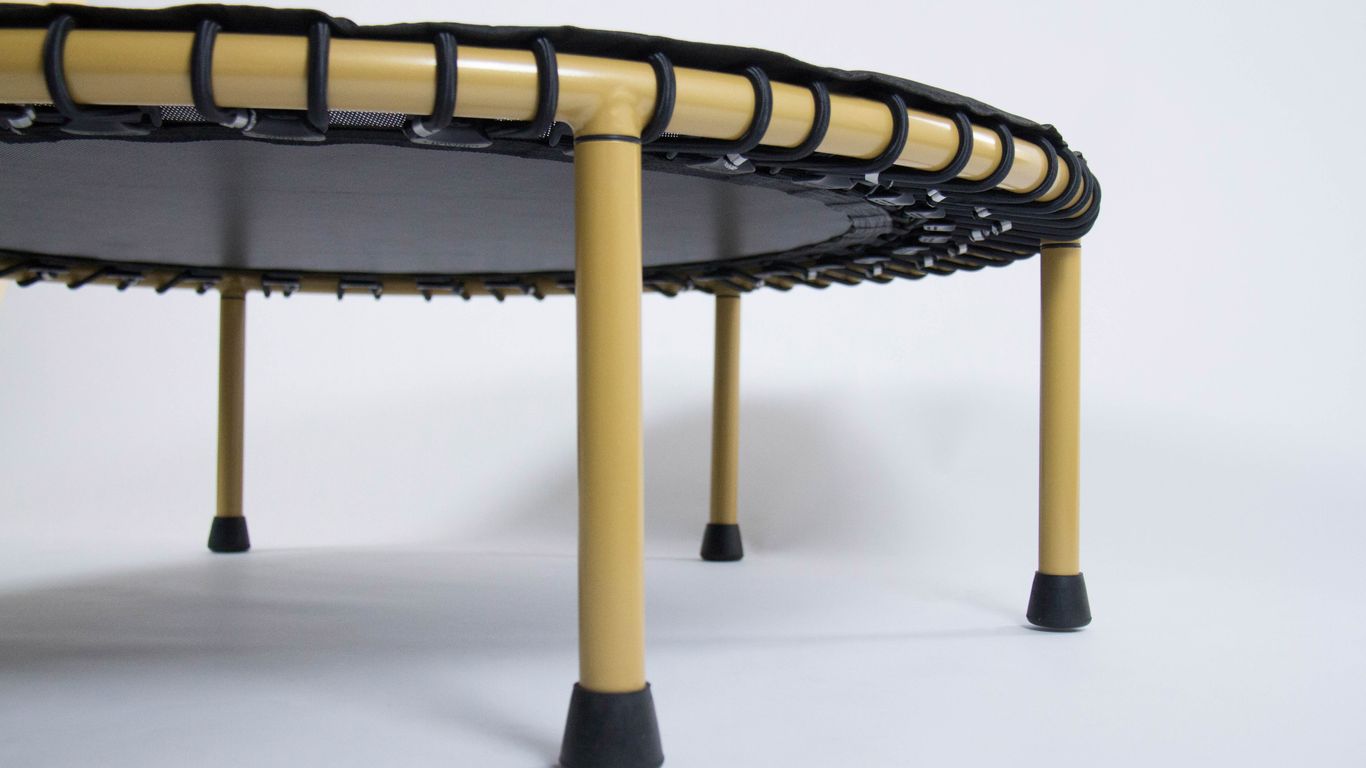
So, you've got your trampoline and you're ready to bounce your way to fitness. That's awesome! But just jumping around randomly isn't going to get you the best results. You need a plan. Think of it like building something – you wouldn't just start stacking bricks without a blueprint, right? The same goes for your workouts. A good structure helps you work out smarter, not just harder, and makes sure you're hitting all the right fitness goals without burning out.
Designing Effective Weekly Workout Schedules
When you're planning your week, it's all about balance. You don't want to do the same thing every single day. Mixing it up keeps your body guessing and prevents boredom. A good starting point is to aim for 3-4 dedicated workout days per week, with rest or lighter activity days in between. This gives your muscles time to recover and get stronger.
Here’s a sample structure to get you thinking:
Day 1: Trampoline Cardio Focus (e.g., 20-30 minutes of interval bouncing)
Day 2: Strength Training (focus on upper body and core)
Day 3: Active Recovery (light bouncing, stretching, or a walk)
Day 4: Full Body Trampoline Workout (mix of cardio and strength moves)
Day 5: Strength Training (focus on lower body)
Day 6 & 7: Rest or light activity
The key is to listen to your body and adjust this as needed. If you're feeling really sore, take an extra rest day. If you're feeling energetic, maybe add a few extra minutes to your cardio session.
The Importance of Balanced Cardio and Strength
Cardio is great for your heart and lungs, and it burns calories. Strength training builds muscle, which helps boost your metabolism even when you're not working out, and makes everyday movements easier. You really need both for a well-rounded fitness plan. Trampolines are fantastic for cardio because they're low-impact, but you can also incorporate strength moves right on the trampoline or use weights and resistance bands on the floor.
Think about it this way:
Cardio: Gets your heart pumping, improves endurance, and helps with weight management.
Strength: Builds lean muscle, supports bone health, and improves posture.
Combining them means you're working on your stamina and your power. It’s a win-win.
Incorporating Active Recovery for Optimal Results
Recovery isn't just about resting; it's about active recovery. This means doing light activities that help your body bounce back. Think gentle bouncing on the trampoline for 10-15 minutes, some stretching, or even a leisurely walk. This helps improve blood flow to your muscles, which can reduce soreness and get you ready for your next tough workout.
Active recovery helps your muscles repair and reduces the risk of injury. It's not lazy; it's smart training that helps you progress faster in the long run. Don't skip it!
It might seem like a lot to think about, but once you get into a rhythm, structuring your workouts becomes second nature. It’s all about consistency and making sure you’re giving your body the varied stimulus it needs to get stronger and healthier.
Mastering Trampoline Exercises for Maximum Impact
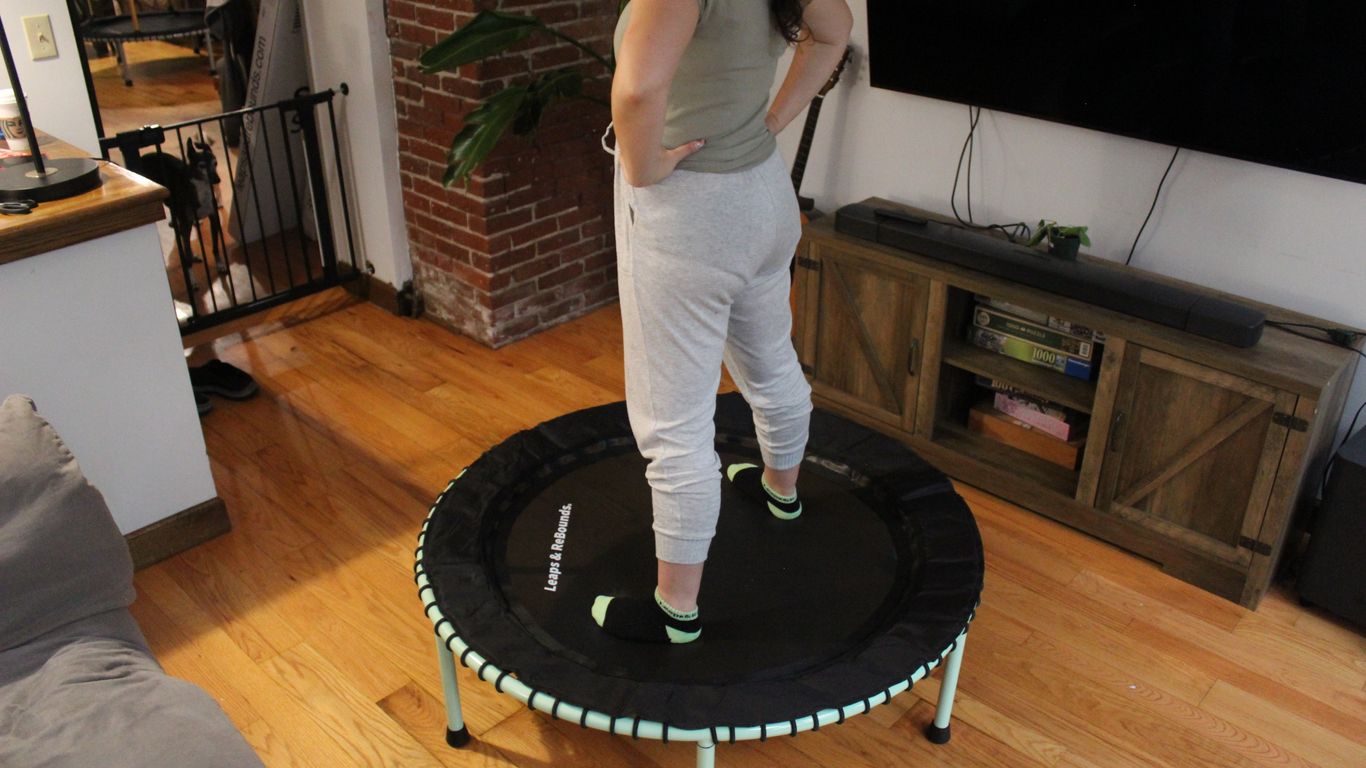
Alright, let's talk about actually doing the moves on the trampoline. It’s not just about bouncing around randomly; there are ways to make sure you’re getting the most out of every jump. We'll break down some key exercises that hit your whole body, get your heart pumping, and even challenge your balance.
Essential Moves for a Full-Body Workout
To really get a good workout, you want to engage as many muscles as possible. Think about movements that use your legs for power, your core for stability, and even your arms for momentum. Here are a few basics to get you started:
Basic Bounce: This is your foundation. Stand with your feet about hip-width apart, knees slightly bent. Push off gently with your feet and land softly, absorbing the bounce. Keep your core tight. This might seem simple, but it’s where you build control.
Jumping Jacks: A classic for a reason. Start with smaller, controlled movements. As you get comfortable, you can make the jumps bigger and faster. This gets your arms and legs working together.
Squat Jumps: Get into a squat position, then jump up. Focus on a controlled landing back into the squat. This really works your leg muscles and glutes.
Cardio Phase: Elevating Your Heart Rate
This is where you really get that heart rate up and burn some calories. The goal here is sustained movement that keeps you breathing a bit harder.
Jogging in Place: Start with a light jog. Focus on keeping a steady rhythm. You can gradually increase the speed or the height of your knees.
High Knees: Bring your knees up towards your chest with each bounce. This is more intense than regular jogging and really works your abs and hip flexors.
Butt Kickers: As you bounce, try to kick your heels up towards your glutes. This targets your hamstrings and gets your heart rate up quickly.
Core and Stability Challenges
Your core is super important on a trampoline. It’s what keeps you balanced and helps you control your movements. These exercises will make you work on that stability.
Single-Leg Bounces: Try bouncing on one leg for a short period, then switch. This is tough and really tests your balance and ankle strength.
Twists: While bouncing, gently twist your torso from side to side. Keep your hips relatively stable and focus on rotating your upper body. This works your obliques.
Plank Jacks (on the trampoline): Get into a plank position on the trampoline (hands under shoulders, body straight). Jump your feet out wide and then back together, like a jumping jack. This is a serious core challenge.
Cool-Down Techniques for Recovery
Don't skip the cool-down! It helps your body gradually return to its resting state and can prevent soreness.
After your main workout, spend about 5-10 minutes doing slower, gentler movements. This is the time to focus on bringing your heart rate down and letting your muscles relax. Think about controlled stretches and very light bouncing.
Here’s a simple cool-down plan:
Gentle Bouncing: Just a light, easy bounce for a few minutes to get blood flowing.
Stretching: Focus on major muscle groups like your hamstrings, quads, calves, and back. Hold each stretch for about 20-30 seconds.
Deep Breathing: Stand or sit on the trampoline and take several slow, deep breaths to calm your system.
Getting Started with Your Trampoline Fitness Journey
So, you're ready to jump into trampoline fitness? Awesome! It's a fantastic way to get a great workout without being too hard on your joints. But before you start bouncing like a pro, let's talk about a few things to make sure you're set up for success and staying safe.
Choosing the Right Trampoline for HIIT
Not all trampolines are created equal, especially when you're planning on doing high-intensity interval training. You want something sturdy that can handle repeated, forceful jumps. Look for trampolines designed for fitness, often called 'rebounders' if they're smaller, or larger ones with a strong frame and good quality mat. A trampoline with a good amount of "give" but also solid support is key. Check reviews for durability and bounce quality. Some brands are known for being more robust for workout purposes.
Beginner Modifications for Trampoline Workouts
If you're new to this, don't worry! You don't have to be doing flips on day one. Start simple. The basic bounce is your best friend. Just get a feel for the rhythm and how your body moves on the mat. You can also try:
Gentle Jumps: Just a little hop to get your legs moving.
Marching in Place: Lift your knees as if you're marching, but on the trampoline.
Arm Swings: While doing gentle jumps or marching, add some arm circles forward and backward.
As you get more comfortable, you can gradually increase the height of your jumps or try simple movements like bringing your knees up a bit higher (a mini tuck jump) or stepping side to side.
Safety First: Essential Precautions
Safety is super important, no matter your fitness level. Here are a few things to keep in mind:
Warm-Up: Always start with a 5-10 minute warm-up. This could be light jogging in place, some dynamic stretches like leg swings and arm circles, and then some gentle bouncing on the trampoline itself. This gets your muscles ready and helps prevent injuries.
Clear Space: Make sure the area around your trampoline is clear of any objects. If it's a larger trampoline, check that the springs and frame are covered.
Proper Landing: Try to land softly on the balls of your feet, with your knees slightly bent. Avoid landing stiff-legged.
Listen to Your Body: If something feels off or painful, stop. It's better to take a break than to push through and get hurt. You can always modify an exercise or skip it for the day.
Starting with the right equipment and a focus on safety will make your trampoline fitness journey much more enjoyable and effective. Don't rush the process; build a solid foundation, and you'll be bouncing with confidence in no time.
Integrating Strength Training with Trampoline Fitness

While bouncing on a trampoline is fantastic for cardio and getting your heart rate up, it's not the whole picture when it comes to a well-rounded fitness plan. To really get the most out of your workouts, you'll want to mix in some strength training. This helps build muscle, which in turn can make your trampoline moves even better and boost your overall metabolism. Think of it as giving your body the tools it needs to bounce higher and stronger.
Complementary Upper Body Exercises
Don't forget your upper body! While the trampoline primarily works your legs and core, adding specific exercises can create a more balanced physique and improve your stability. Push-ups are a classic for a reason. You can do them on the floor, or for a different challenge, try them on the trampoline mat itself (be careful!).
Push-ups: Aim for 3 sets of as many reps as you can do with good form. Modify by doing them on your knees if needed.
Dumbbell Rows: Grab a pair of dumbbells and perform bent-over rows. This targets your back muscles. Try 3 sets of 10-12 reps.
Overhead Press: Using dumbbells, press the weights overhead. This works your shoulders. Do 3 sets of 10-12 reps.
Adding upper body work might seem counterintuitive when you're focused on bouncing, but it builds the supporting muscles that help with posture and overall power. It's about creating a strong foundation.
Lower Body Strength to Enhance Your Bounce
Your legs are doing a lot of the work on the trampoline, so strengthening them further will pay off. Stronger legs mean more power in your jumps and better control. Squats and lunges are your best friends here.
Squats: Bodyweight squats are great, but you can add weight with dumbbells or a kettlebell. Aim for 3 sets of 12-15 reps.
Lunges: Forward, backward, or side lunges all work your legs and glutes. Try 3 sets of 10-12 reps per leg.
Glute Bridges: Lie on your back and lift your hips. This really targets your glutes, which are key for explosive power. Do 3 sets of 15-20 reps.
Core Strengthening for Stability and Power
A strong core is non-negotiable for trampoline fitness. It's what keeps you stable, helps you control your movements, and prevents injuries. Plus, a strong core just makes everything feel easier.
Here’s a quick rundown of core moves to add:
Plank: Hold for 30-60 seconds, 3 sets. Focus on keeping your body in a straight line.
Russian Twists: Sit on the floor, lean back slightly, and twist your torso side to side. Use a weight for added challenge. Do 3 sets of 15-20 twists per side.
Leg Raises: Lie on your back and lift your legs towards the ceiling. Keep your lower back pressed into the floor. Aim for 3 sets of 15-20 reps.
Combining these strength exercises with your trampoline sessions will give you a truly complete workout. You'll notice improvements in your bouncing, your endurance, and your overall physical resilience.
Want to make your workouts even better? You can totally mix strength training with bouncing on a trampoline! It's a great way to build strong muscles while having fun. Imagine adding weights or doing exercises that use your body weight while you jump. This combo can help you get stronger and fitter faster. Ready to try this awesome mix? Visit our website to learn more and find the perfect trampoline for your home gym!
Ready to Jump In?
So, there you have it. Trampoline workouts are a pretty neat way to get moving, burn some energy, and honestly, just have a good time while you’re at it. Whether you’re trying to shed a few pounds, get a bit stronger, or just break out of your usual exercise rut, that bouncy surface might be just what you need. Don't feel like you have to go all out right away, though. Start slow, pay attention to what your body is telling you, and most importantly, enjoy the bounce!
Frequently Asked Questions
Is trampoline fitness good for beginners?
Yes, absolutely! Trampoline workouts are great for beginners. You can start with simple bounces and gradually try more challenging moves. Many exercises can be made easier or harder depending on how you jump and what you do with your arms and legs. It's all about listening to your body and having fun while you get fit.
How often should I do trampoline workouts?
For best results, try to do trampoline workouts about 2 to 3 times a week. This gives your body enough time to rest and get stronger between sessions. Mixing in other activities like walking or light stretching on your off days is also a good idea.
Can trampoline workouts help with weight loss?
Definitely! Trampoline workouts, especially the high-intensity ones, burn a lot of calories. Because you're bouncing and engaging so many muscles, you can burn more calories in a shorter amount of time. Plus, a faster metabolism from working out helps you burn more even after you're done.
Are trampoline workouts hard on my joints?
One of the best things about trampoline workouts is that they are low-impact. The trampoline mat soaks up a lot of the shock from jumping. This means it's much gentler on your knees, ankles, and hips compared to running or jumping on a hard surface like the ground.
What kind of trampoline is best for fitness?
For fitness, especially high-intensity workouts, you'll want a sturdy trampoline that has a good bounce and is built to last. Look for one that's designed for exercise, sometimes called a 'rebounder.' Brands that focus on quality and safety are usually a good bet.
What are the main benefits of trampoline fitness?
Trampoline fitness offers a bunch of cool benefits! It's awesome for your heart and lungs, helping you build endurance. It tones your muscles all over your body, especially your legs and core. It also helps improve your balance and coordination. Plus, it's a super fun way to exercise, which can make you feel happier and less stressed!


0 comments